
Sightseeing places in England range from historic castles to vibrant cities and stunning countryside. Whether exploring London’s iconic landmarks, wandering charming Cotswolds villages, or visiting ancient sites like Stonehenge, discovering sightseeing places in England offers a memorable mix of culture, history, and natural beauty.
👀 At a Glance:
- 🗓️ Best time: April to September for long days and outdoor exploring
- ✈️ Getting there: Regular trains connect major cities in England every 30 minutes
- 💡 Insider tip: Buy an English Heritage pass to save money at multiple sites
- 🎯 Must-see: Tower of London offers 900 years of royal history in one place
- 💰 Budget range: Many top museums are free but castles cost £15-25 entry
🏛️ Top Sightseeing Places in England
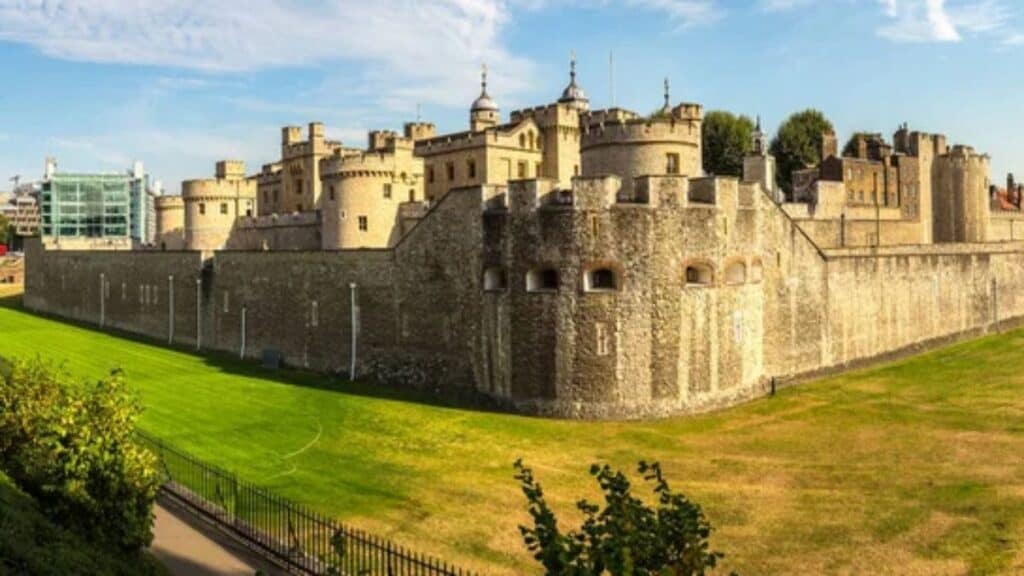
London stands as the number one tourist spot in England without question. The Tower of London draws over three million visitors every single year. You’ll find Crown Jewels worth millions locked inside thick medieval walls.
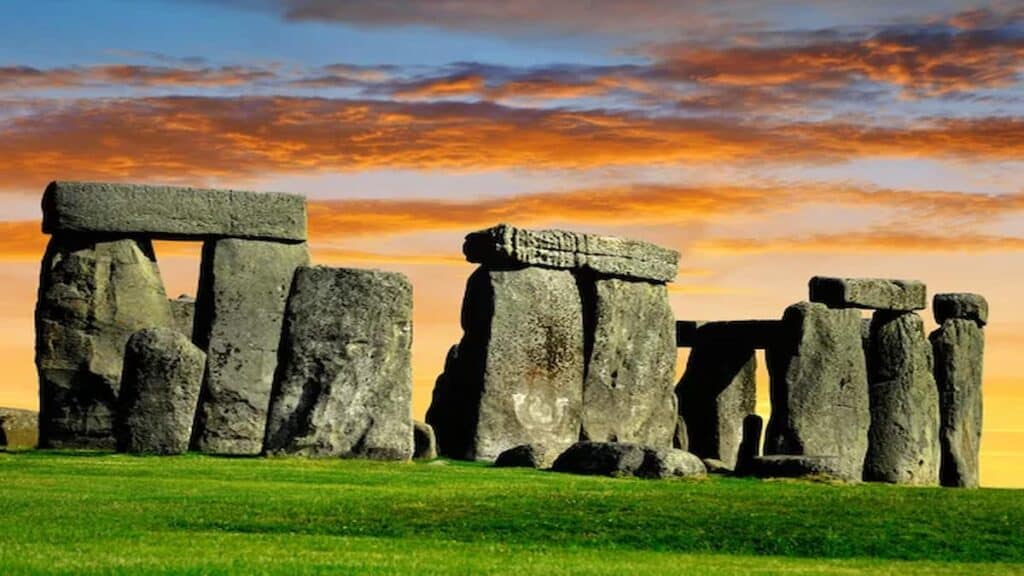
Stonehenge ranks among the top places to visit outside of London. This famous ancient stone circle sits on Salisbury Plain in Wiltshire. It’s one of the world’s most mysterious attractions in England that puzzles experts.
The Lake District offers some of England’s best scenery and natural beauty anywhere. Rolling hills surround crystal clear lakes where morning mist hangs low over the water. Windermere stretches for ten miles making it the longest lake in the region.
Windsor Castle remains one of the oldest occupied castles in the entire world. The royal family still uses it today for important state occasions and events. You can watch the Changing of the Guard and explore Windsor Great Park.
🏰 London Attractions: Tower of London and Buckingham Palace
Tower of London and English Heritage Sites
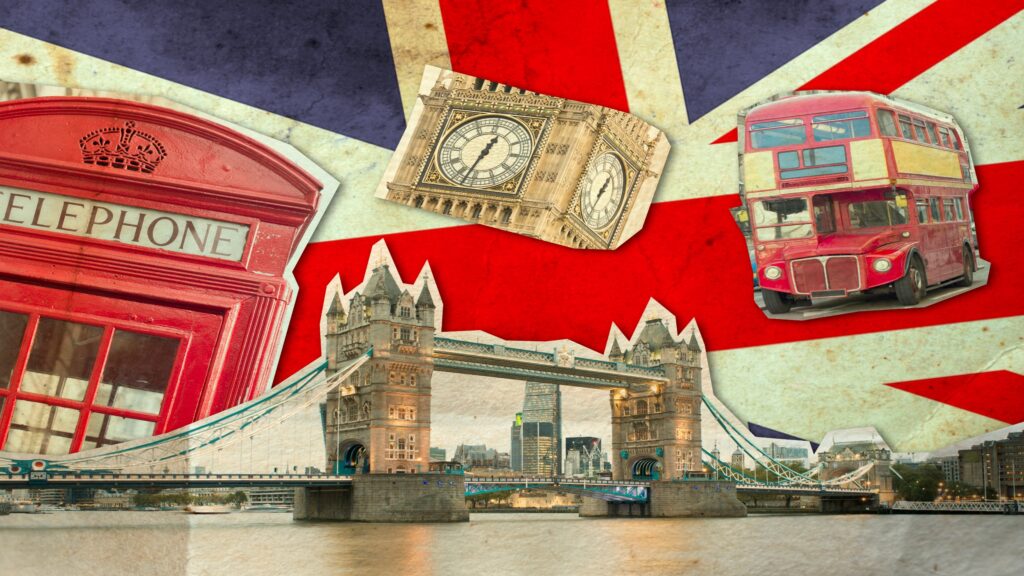
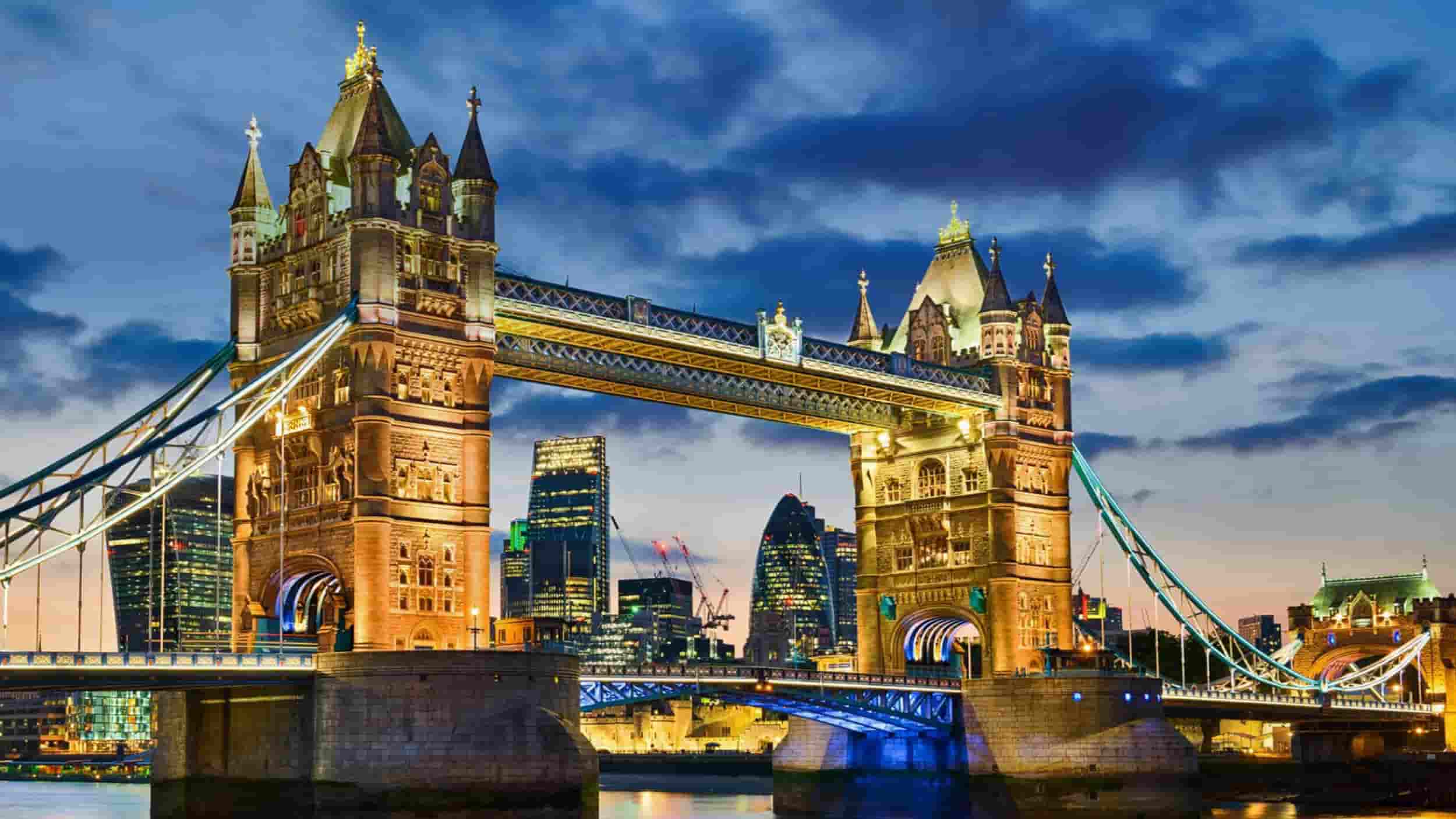
The Tower of London sits right on the Thames near the iconic Tower Bridge. I watched the bridge lift at 10am for tall ships passing underneath. Built in 1894, the bridge lifts around 800 times each year for river traffic.
William the Conqueror started building the Tower in 1066 after conquering England successfully. The White Tower forms the oldest part with walls fifteen feet thick. Seven ravens live here permanently because legend says England will fall without them.
The Crown Jewels sparkle behind ten-inch thick glass in the heavily guarded Jewel House. You’ll see the Imperial State Crown containing 2,868 diamonds and 273 pearls exactly. Guards called Yeoman Warders have protected these treasures for over 500 years continuously.
Buckingham Palace and Best Places to Visit in London
Buckingham Palace opens its grand state rooms during August and September only. The palace contains 775 rooms including 78 bathrooms and 92 offices throughout. Watch the Changing of the Guard at 11am sharp on Mondays and Fridays.
The National Gallery in Trafalgar Square houses over 2,300 paintings completely free to visitors. You can see works by Van Gogh and Monet without paying anything. The smell of fresh coffee from the café drifts through marble halls.
Insider tip: arrive at the Tower when it opens at 9am sharp. Lines grow to two-hour waits by 11am during busy summer months. Check Visit London’s official guide for advance tickets and special events.
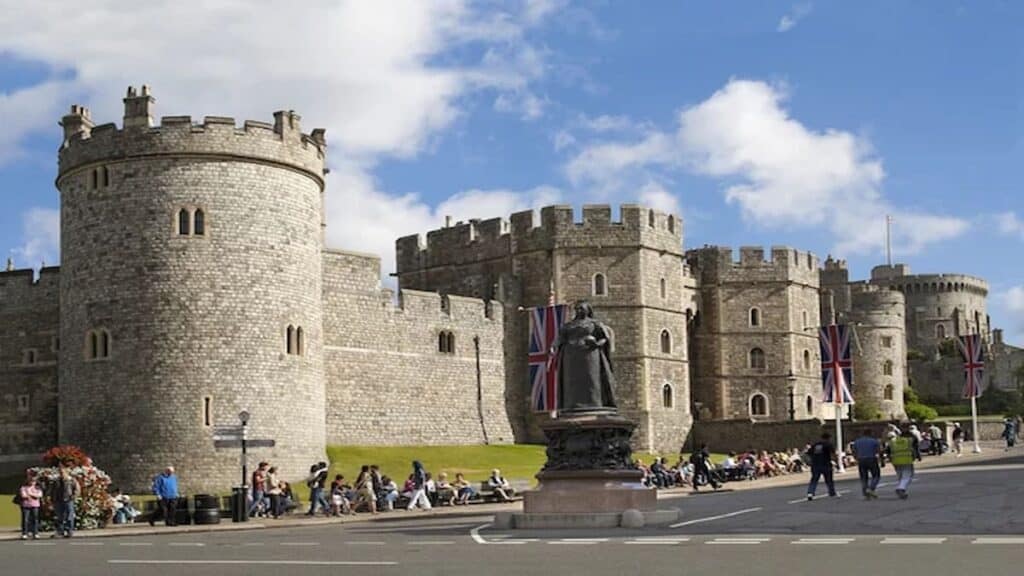
🏰 Royal Places to Visit in England and Windsor Castle
Windsor Castle and Park
Windsor Castle dominates the skyline in this historic market town beside the Thames. The Park surrounds the castle with 5,000 acres of ancient woodland. I spotted red deer grazing near the Long Walk at dawn whilst birds sang.
St George’s Chapel inside Windsor holds royal weddings and funerals beneath vaulted ceilings. Prince Harry married Meghan Markle here in May 2018 before millions watching worldwide. Ten British monarchs are buried beneath the chapel floor including Henry VIII himself.
Eton College sits just across the Thames from Windsor Castle since 1440. This famous ancient school educated 20 British Prime Ministers and countless royals. You can take guided tours during summer months only by advance booking.
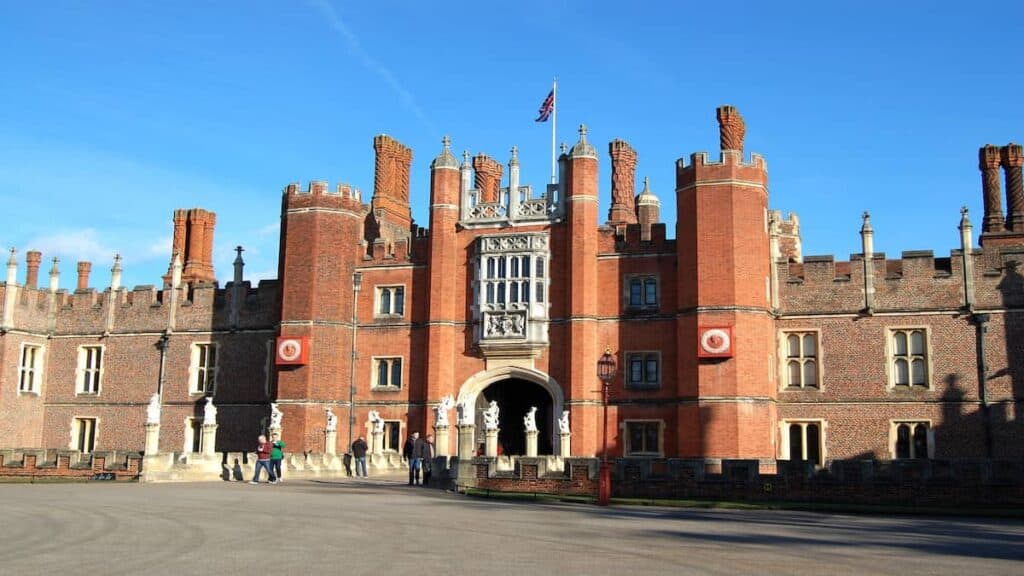
Hampton Court Palace
Hampton Court Palace sits 30 minutes west of London by regular train. Henry VIII lived here with his six wives in unimaginable luxury. The Tudor kitchens once cooked 600 meals daily using massive open fires.
Local tip: skip the main entrance queue at Hampton Court Palace entirely. Walk to the riverside gate which rarely has lines even in August. The palace gardens offer peaceful walks where you can hear peacocks calling loudly.
Day trip options from London make these palaces perfect for history lovers everywhere. Regular trains run every half hour from Waterloo Station in central London. Discover more through Visit Britain’s official tourism website.
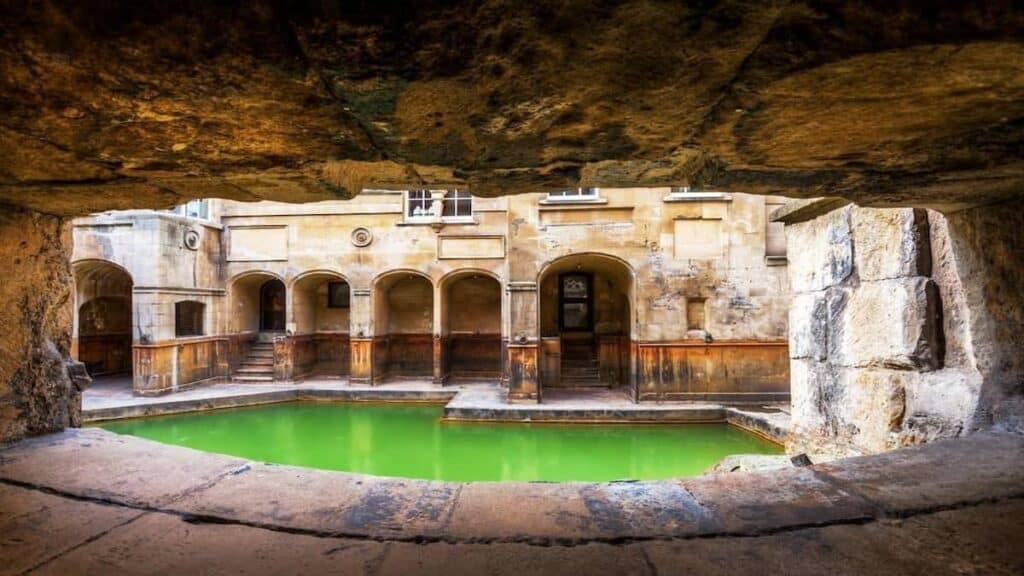
🏛️ Roman Baths and Best Places to Visit in Bath
The Roman Baths give this quaint city its distinctive name perfectly. Steam rises from naturally hot spring water creating an otherworldly atmosphere below. The smell of sulphur mixes with fresh Bath buns from nearby bakeries.
These impressive Roman sites showcase engineering from 2,000 years ago that still works. They built complex underground heating systems using lead-lined channels throughout the entire complex. Water flows at exactly 46 degrees Celsius from 10,000 feet underground constantly.
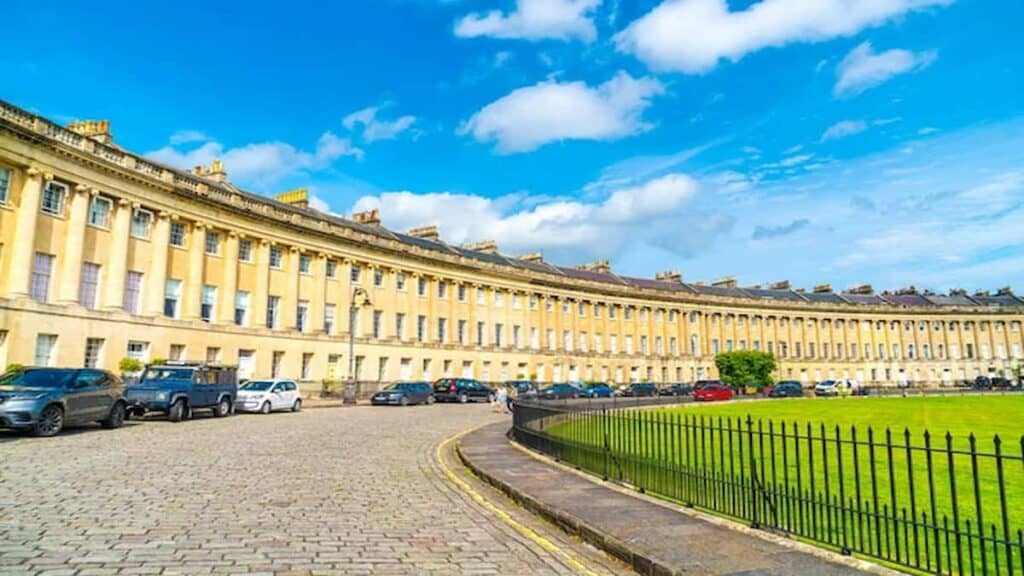
The Royal Crescent curves in a perfect arc of honey-coloured Georgian stone. Built in the 1770s, it took eight years to complete all 30 houses. You can visit Number 1 Royal Crescent to see inside perfectly restored rooms.
Bath Abbey stands in the heart of this historic market town since 1499. Its fan-vaulted ceiling took craftsmen decades to carve by hand with precision. Stained glass windows tell biblical stories in colours that glow at sunset beautifully.
Pulteney Bridge crosses the River Avon with shops built along both sides uniquely. It’s one of only four bridges in the world with shops on it. Sally Lunn’s nearby serves traditional Bath buns unchanged since the 1680s continuously.
October brings fewer crowds and golden autumn colours reflected in the River Avon. You’ll find tables at top restaurants with just three days’ notice instead. Take a day trip here from London by train in 90 minutes. Explore more at Visit Bath’s official tourism site.
🎓 Oxford and Cambridge: Attractions in England
Oxford Sightseeing Places in England
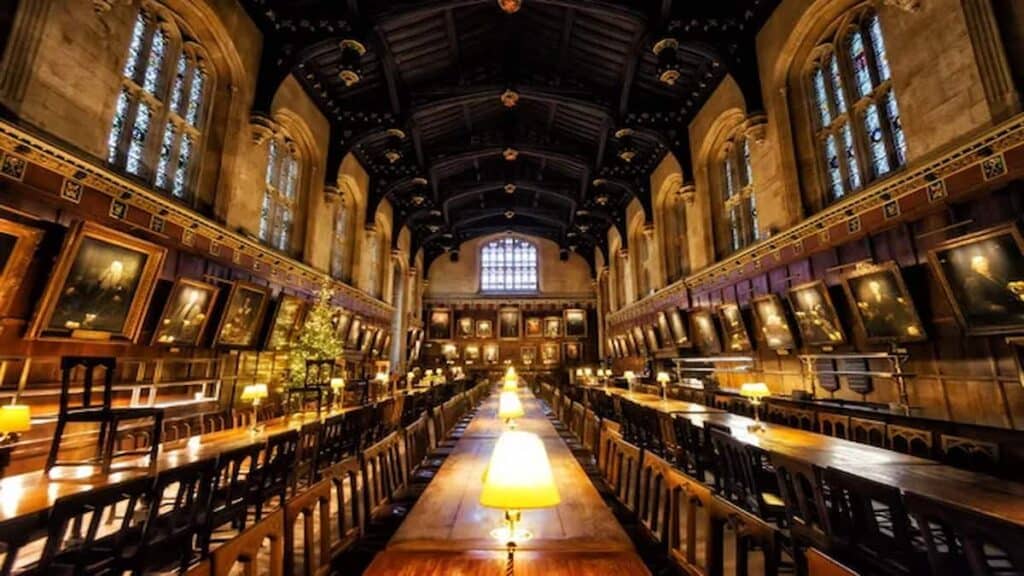
Christ Church College in Oxford appeared in Harry Potter films as Hogwarts famously. Its great hall inspired the dining room scenes with floating candles overhead. You can visit the college and walk through cloisters where monks once prayed.
Oxford’s Bodleian Library holds over 13 million books across multiple ancient buildings. I joined a tour through reading rooms where scholars work in complete silence. The Radcliffe Camera building looks like a perfect circle from above the city.
The Ashmolean Museum in Oxford opened in 1683 as England’s first public museum. Egyptian mummies sit alongside Renaissance art treasures and Anglo-Saxon hoards of gold. You can explore four floors completely free every single day of the week.
Cambridge Colleges and Museums
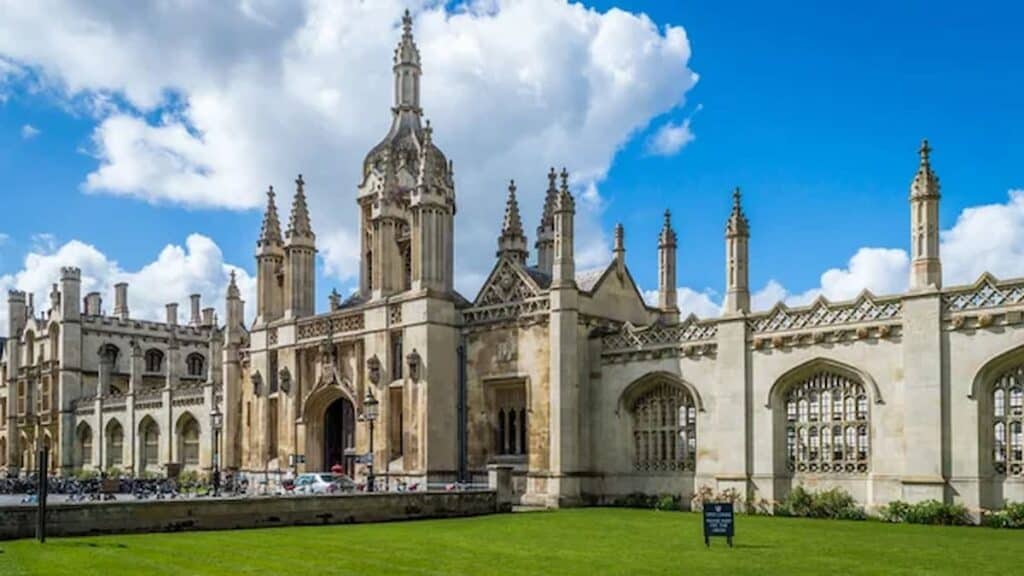
King’s College Chapel in Cambridge displays the finest medieval architecture in England arguably. Its fan-vaulted ceiling stretches 80 feet high above your head dramatically. Evensong services fill the chapel with choral music echoing off ancient stone walls.
The Fitzwilliam Museum in Cambridge houses world-class art collections free to all visitors. Ancient Egyptian artefacts sit near paintings by Monet whose brushstrokes you can see. These are among the top places to visit for arts and crafts lovers.
Punting on the River Cam offers views of historic college buildings from water. Students and tourists punt along past the Bridge of Sighs gracefully. Both cities buzz with energy when universities are in session each term.
🏰 York and Yorkshire: Sightseeing Places in England
York Minster and Medieval Streets
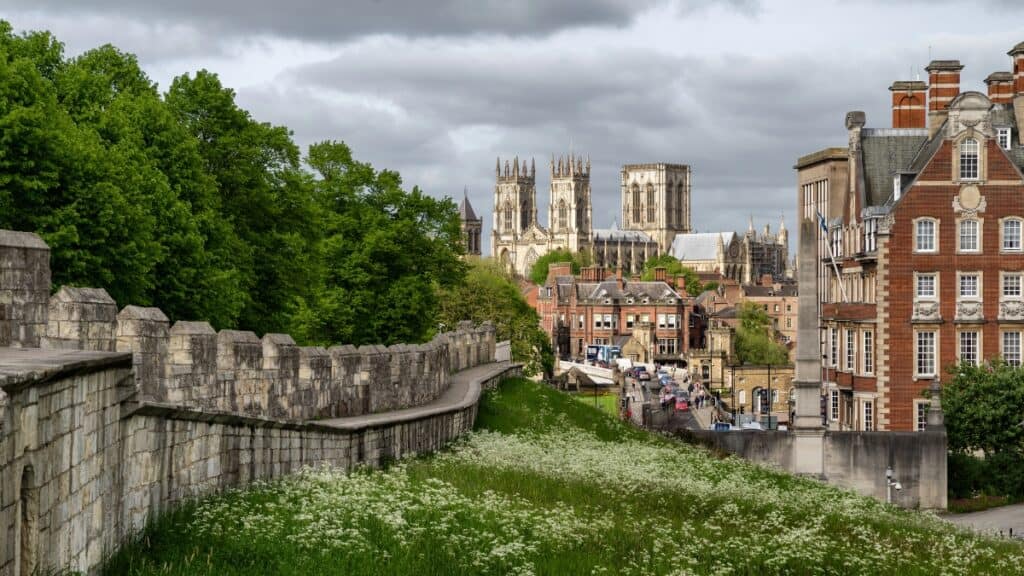
York Minster dominates this vibrant city skyline with towers reaching 200 feet high. This cathedral took 250 years to build starting in 1220 with limestone. Stained glass windows contain half the medieval glass surviving in all of England.
The Shambles ranks among the best-preserved medieval streets in all of Europe today. Timber-framed buildings lean towards each other across lanes barely six feet wide. Butchers sold meat here in the 1400s with open shop fronts facing the street. The street slopes deliberately for blood and waste to drain away downhill quickly.
York’s medieval walls circle the entire historic centre in a three-mile defensive loop. I walked the full circuit in about two hours at sunset watching the sky. The walls date back to Roman times when soldiers marched these ramparts daily.

Railway Museum and Castle
The National Railway Museum displays historic trains completely free to all visitors daily. I saw the Mallard which reached 126 mph in 1938 and remains unbeaten. Interactive exhibits let you climb aboard vintage carriages with original velvet seats inside.
Clifford’s Tower sits on a grassy mound overlooking the city 60 feet below. This 13th-century castle offers panoramic views across York’s distinctive red-tiled roofs everywhere. The tower witnessed a dark massacre of Jewish people in 1190 tragically.
Insider tip: visit York on Tuesdays when Shambles Market operates with 100 local stalls. Find everything at Visit York’s official guide including boutique places to stay and eat.
🏔️ Yorkshire Dales and Lake District: Places to Visit in England
Yorkshire Dales National Park
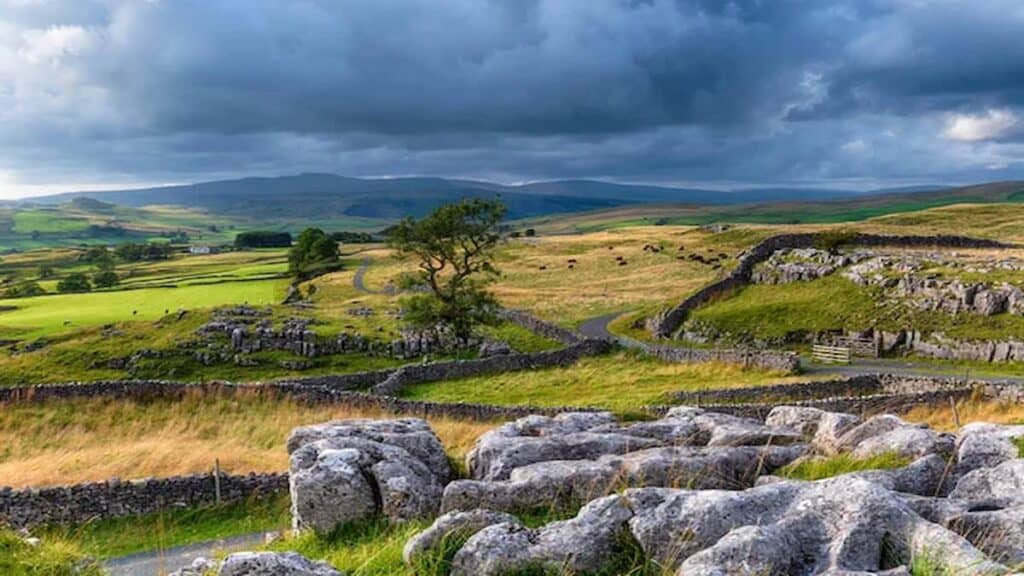
Yorkshire Dales National Park spreads north of York across 841 square miles total. Green fields create patchwork patterns separated by dry stone walls built by hand. Dales villages like Grassington and Malham feel genuinely frozen in medieval times completely.
Malham Cove towers 260 feet high as a curved limestone cliff face. I hiked to the top for views stretching 30 miles across countryside. The limestone pavement on top looks like another planet with deep cracks everywhere.
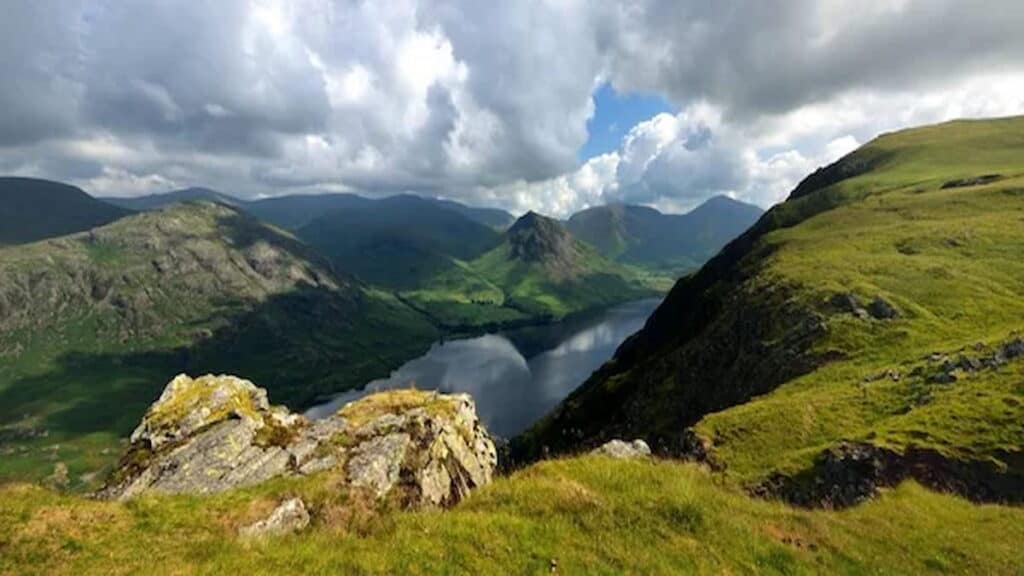
Lake District National Park
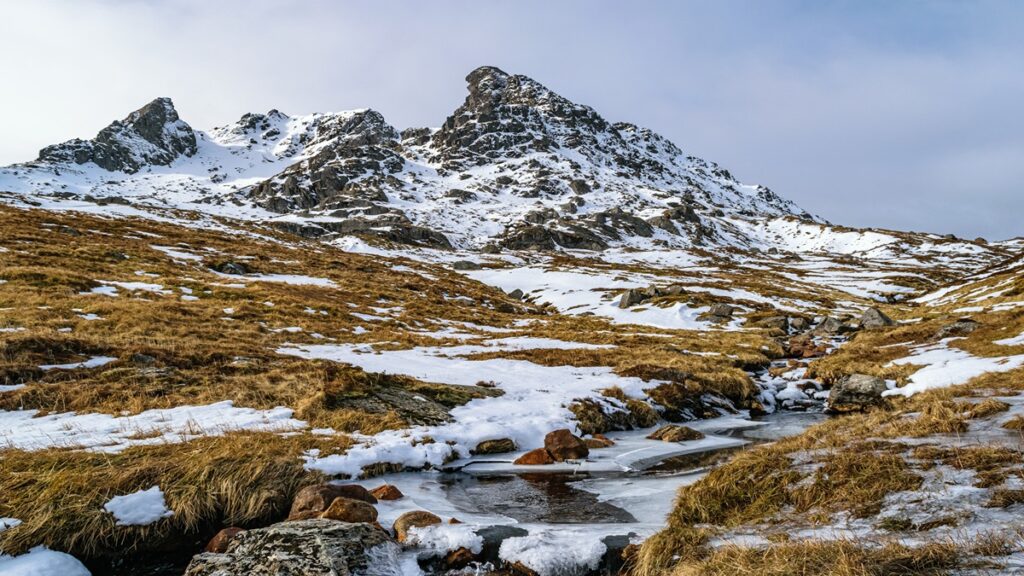
The Lake District offers some of England’s best scenery anywhere you look around. Scafell Pike towers as the highest mountain in England at 978 metres tall. I hiked up on a clear June morning hearing skylarks singing overhead loudly.
Windermere attracts more visitors than any other lake in this entire region annually. Steamboats have crossed these waters since Victorian times carrying elegant passengers across. You can take guided tours on historic vessels with wood-panelled cabins inside.
Beatrix Potter wrote her famous Peter Rabbit stories in the Lake District countryside. Hill Top farm near Hawkshead preserves her home exactly as she left it. The gardens inspired watercolour illustrations in her beloved children’s books read worldwide.
September brings golden bracken covering the fells and fewer crowds on popular trails. Local markets sell damson jam made from fruit that only grows here naturally. National Park status protects this Area of Outstanding Natural Beauty forever legally.
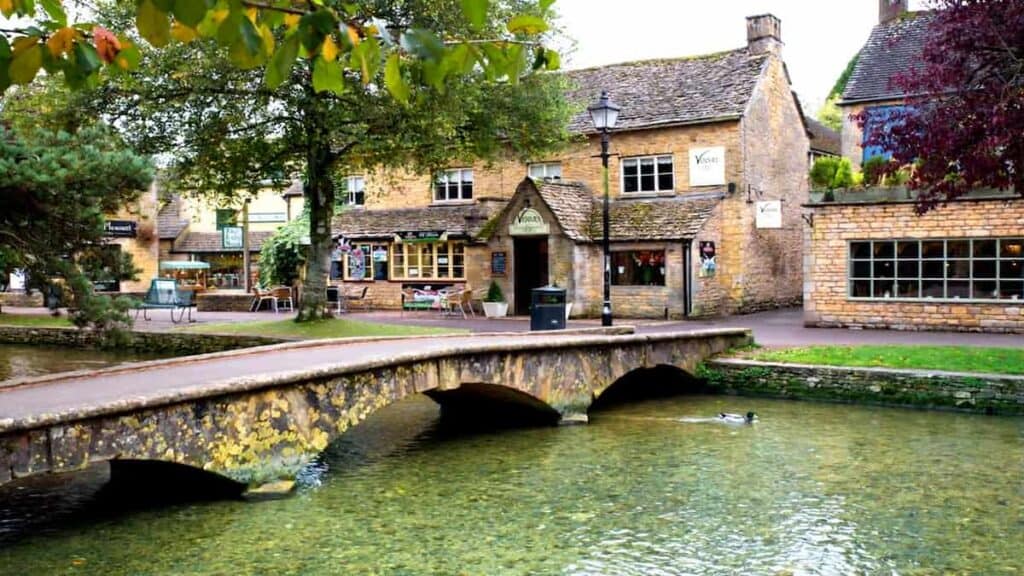
🏛️ Cotswold Villages and Best Places in the Countryside
Bourton-on-the-Water and Bibury
Bourton-on-the-Water earns the nickname “Venice of the Cotswolds” for good reason clearly. I watched ducks paddle in shallow streams flowing right through the village centre. Low stone bridges cross the water every few hundred feet perfectly positioned.
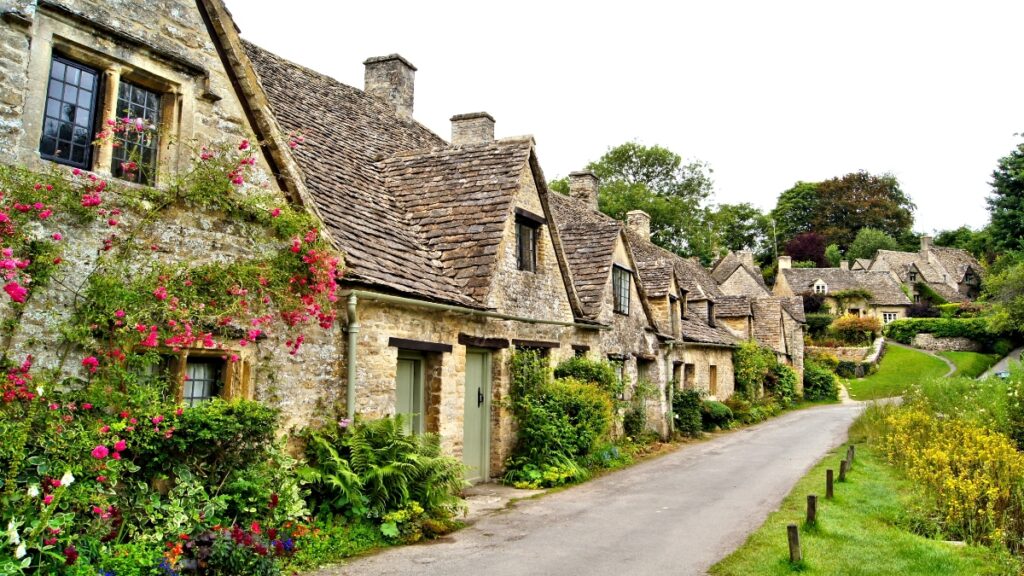
Bibury’s Arlington Row displays perfect examples of weaver’s cottages from the 1300s. These quaint buildings appear on countless postcards as England’s prettiest village worldwide. Sheep still graze on village greens like they have for 700 years continuously.
Broadway Tower stands on the second-highest point in the Cotswolds at 1,024 feet. I climbed to the top on a clear day spotting Wales in the distance. You can see 16 counties from up there on perfect days with clear skies.
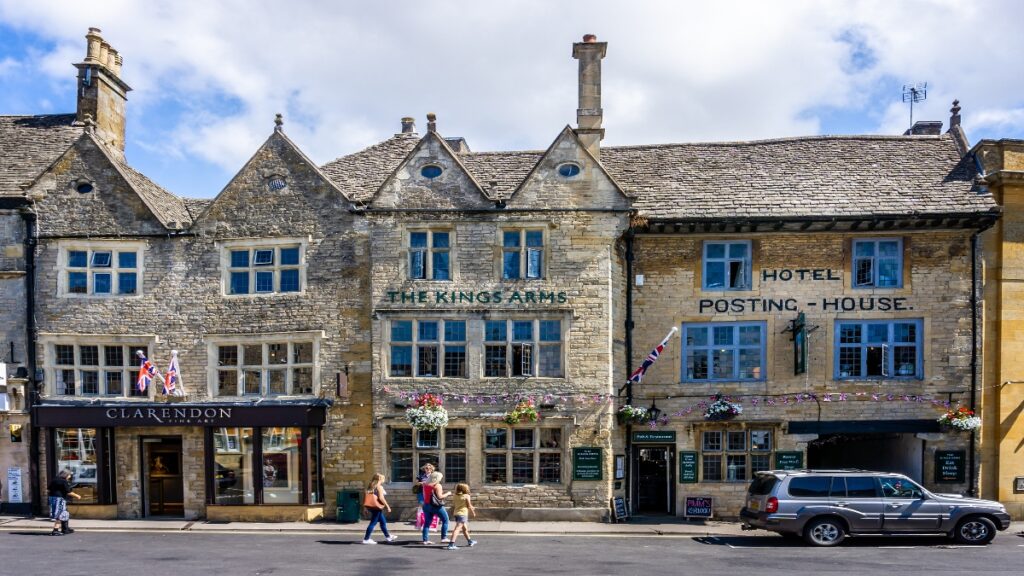
Historic Market Towns
Stow-on-the-Wold hosts antique markets twice yearly in its medieval square attracting serious dealers. Eight roads meet in the market square centre creating a unique spider layout. Medieval traders gathered here to sell wool making fortunes for shrewd local merchants.
Chipping Campden showcases perfect honey-coloured stone buildings along its gently curving main street. The Market Hall dates back to 1627 for wool trading activities exclusively. St James Church contains medieval brasses and monuments worth millions today probably.
Local tip: park in Moreton-in-Marsh on market days Tuesdays at 8am sharp. Walk the back lanes to Bourton avoiding the A429 tourist traffic completely. The Cotswold Way hiking trail stretches 102 miles through stunning rolling countryside and is one of the best sightseeing places in England .
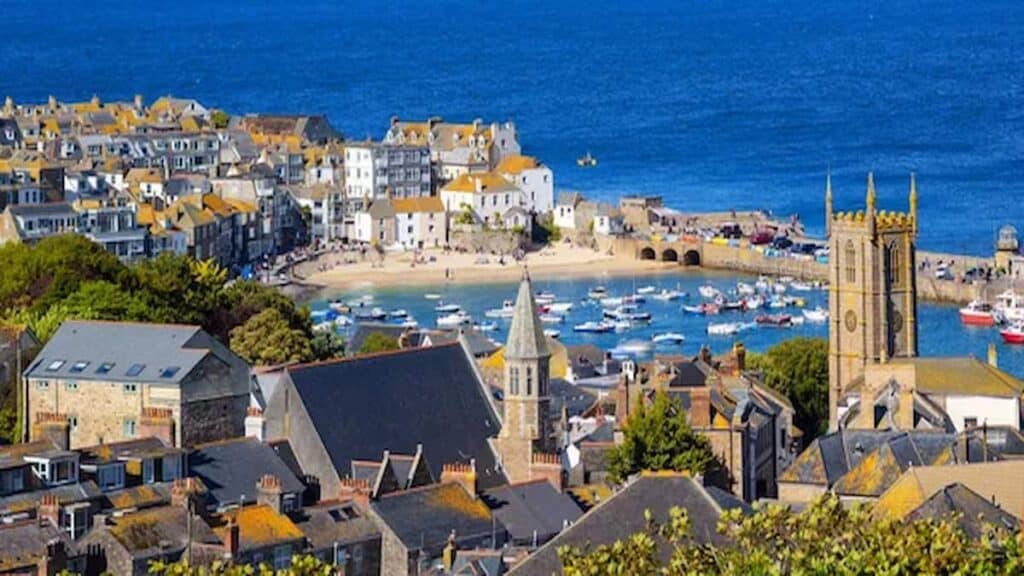
🌊 Cornwall Coast and Places to Visit by the Sea
St Ives and Beach Towns
St Ives ranks as one of the prettiest towns in all of Cornwall undoubtedly. White sand beaches curve around turquoise water in three sheltered bays perfectly formed. The Tate St Ives gallery displays modern art with spectacular Atlantic ocean views.
Porthcurno Beach features white sand and crystal-clear turquoise water below towering granite cliffs. The Minack Theatre sits carved into the clifftop overlooking crashing waves far below. You can watch Shakespeare performed in this incredible outdoor setting in summer months.
The smell of fresh pasties drifts from bakeries throughout Cornish villages each morning reliably. Golden pastry filled with beef and potato remains Cornwall’s signature food proudly. Locals eat them holding the thick crimped edge as a proper handle.
Dorset Coast and Padstow
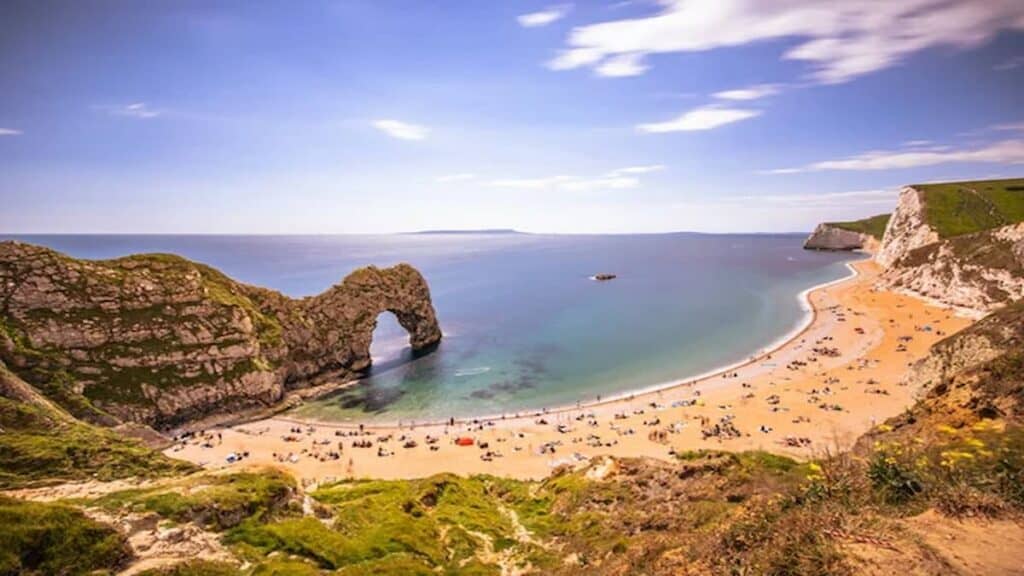
The Jurassic Coast runs 95 miles along Dorset into East Devon officially designated. You can find fossils embedded in the crumbling cliffs at Lyme Regis easily. Some rocks formed 185 million years ago during the Jurassic period perfectly preserved.
Padstow attracts seafood lovers from across the UK to its working harbour daily. Rick Stein opened his famous fish restaurant here in 1975 changing everything forever. Fresh catches arrive at the harbour every morning from local fishing boats directly.
St Michael’s Mount rises from the sea on a tidal island accessible by causeway. You can walk across at low tide when the sea retreats twice daily. The castle and subtropical gardens sit on top thriving in mild temperatures year-round.
May brings bluebells carpeting coastal paths and warmer swimming temperatures reaching 15 degrees Celsius. Book places to stay three months ahead for summer Cornwall holidays always. Plan your adventure at Visit Cornwall’s official tourist board.
🏛️ Bristol and Liverpool: Best Cities to Visit in the UK
Bristol Attractions
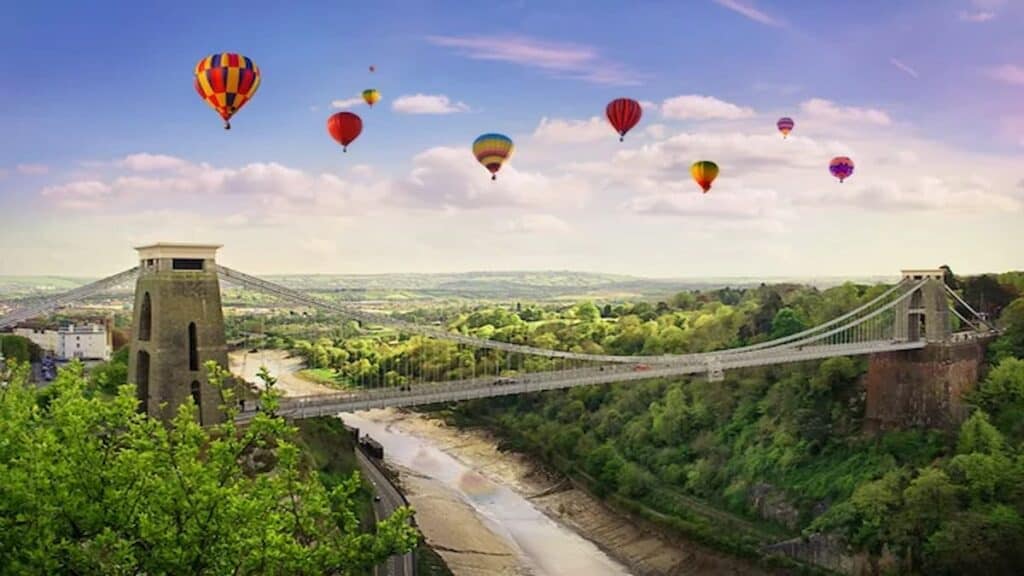
The Clifton Suspension Bridge hangs 245 feet above the Avon Gorge far below dramatically. Isambard Kingdom Brunel designed it in the 1830s as an impossible engineering marvel. I walked across feeling the bridge sway slightly beneath my feet nervously.
The SS Great Britain sits in Bristol’s harbour as a beautifully restored museum ship. Brunel also designed this revolutionary iron ship in 1843 that changed ocean travel. You can explore below decks seeing how Victorian passengers lived during long voyages.
Bristol’s street art covers walls throughout this vibrant city with massive colourful murals. Banksy grew up here and left his anonymous mark on countless buildings mysteriously. The M Shed museum tells Bristol’s complex history from slave trade profits onward.
Liverpool Waterfront and Music History
Liverpool’s Albert Dock showcases restored 19th-century warehouses as a World Heritage Site officially. The Beatles Story museum sits here with original instruments and handwritten lyrics displayed. Free museums like Tate Liverpool line the waterfront with world-class contemporary art collections.
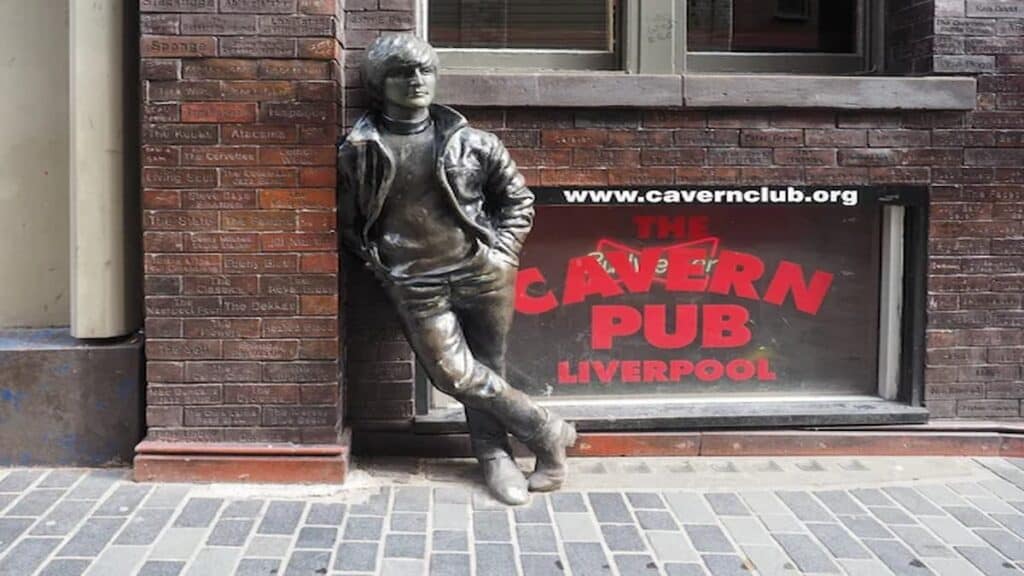
The Cavern Club in Liverpool hosted over 300 Beatles performances before worldwide fame arrived. You can still see live music here seven nights every single week reliably. Matthew Street buzzes with Beatles-themed pubs serving pints and playing classic records constantly.
England’s sightseeing places offer something special for every traveller seeking history or natural beauty. Both cities offer the perfect place for a UK city break escape. Members of English Heritage get free access to hundreds of historic sites.