

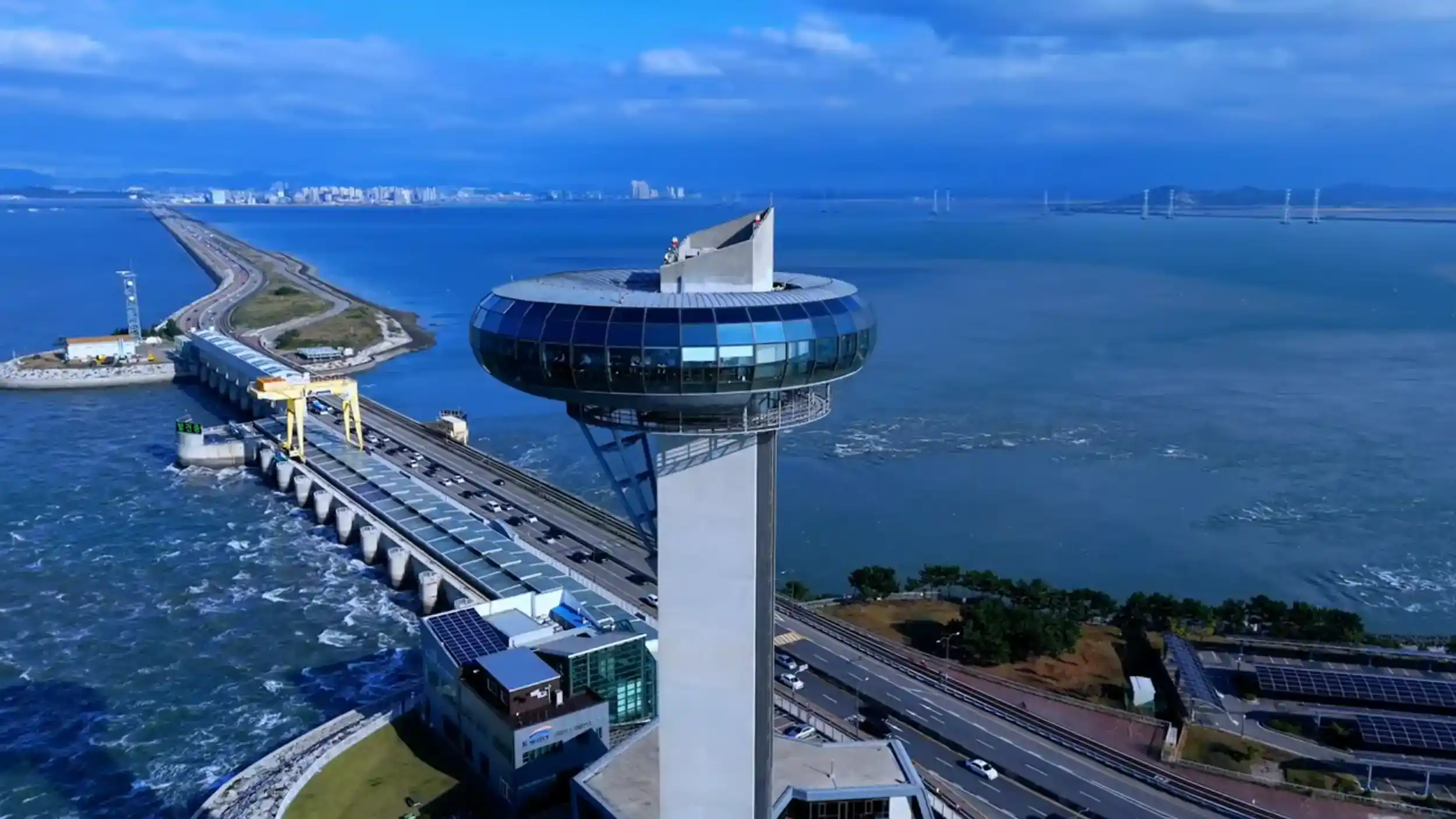
Sihwa Tidal Power Plant in Ansan, South Korea, is the world’s largest tidal power installation with 254MW capacity across ten 25.4MW bulb turbines. Built in 2011 on the 12.7km Sihwa Lake seawall, it generates 552.7 GWh annually – enough for 500,000 residents – while featuring a free public observatory, ecological park, and viewing platforms showcasing sustainable energy technology.
👀 Sihwa Tidal Power Plant: At a Glance
📌 World’s Largest: 254 MW capacity across 10 turbines since 2011
👥 Visitor Count: 1 million+ since observatory opened in 2014
⏱️ Visit Duration: 30-90 minutes depending on interest level
🌤️ Observatory Access: Free 75-meter tower with indoor viewing
💰 Entry Cost: Completely free including parking and facilities
⚠️ Limited Access: Turbine rooms and generator areas are off-limits
🚫 Skip if: You expect hands-on engineering tours or underwater turbine views
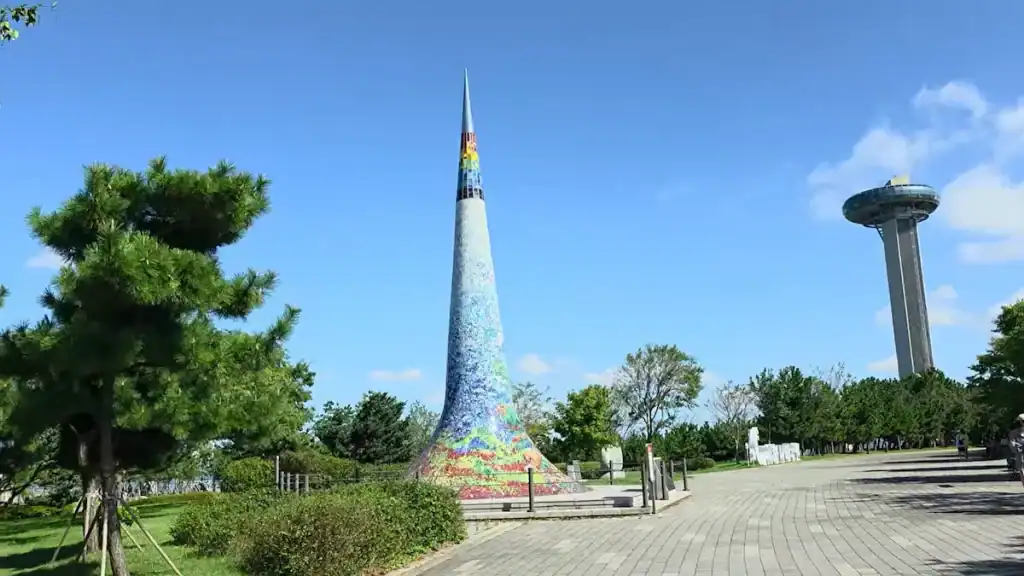
🏗️ What Sihwa Tidal Power Plant Actually Is (Beyond the Engineering Stats)
Sihwa Lake sits 40 kilometers southwest of Seoul in Ansan City. This isn’t just another industrial facility marked on tourist maps because engineers love numbers. The plant occupies a 12.7-kilometer seawall originally built in 1994 as an agricultural project that failed spectacularly. By 1997, the artificial lake had become so polluted locals called it “The Lake of Death.”
The Korean government converted the environmental disaster into the world’s largest tidal power station. U.S. Energy Information Administration confirms the facility generates 254 megawatts through ten submerged bulb turbines. Water flows through during high tide twice daily, spinning generators that power 500,000 homes. At low tide, eight massive sluice gates open to drain the lake back to sea level.
The World’s Largest Tidal Power Station: What That Means for Visitors
Being “world’s largest” sounds impressive until you realize size matters differently for tourists versus engineers. The facility stretches 400 meters along the seawall. From the observatory, you see concrete structures housing turbines, eight floodgates, and endless water. You won’t see spinning blades or dramatic waterfalls. The turbines sit 5.6 meters underwater, completely invisible from any public viewing area.
The redemption story matters more than the megawatts. Chemical oxygen levels dropped from 17 parts per million in 1998 to 2 ppm today. According to Pacific Northwest National Laboratory, the continuous seawater circulation transformed dead water into habitat for 146 bird species and 23 million birds. Watching herons fish in water that was toxic sludge 20 years ago provides the real “wow” moment.
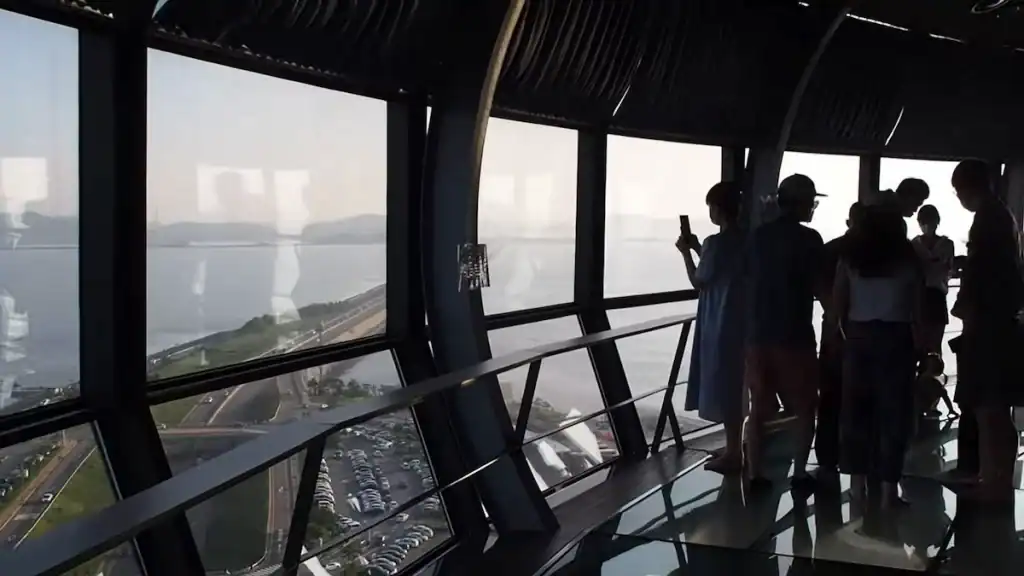
🔭 The Visitor Experience: Observation Deck vs Restricted Access
The 75-meter Moon Observatory (Sihwanarae) opened in 2014 as K-water’s attempt to make industrial infrastructure tourist-friendly. You take an elevator to the top floor where floor-to-ceiling windows frame the Yellow Sea, the 12.7-kilometer seawall stretching in both directions, and Sihwa Lake behind the barrage. Information panels explain tidal generation with diagrams simple enough for children.
Indoor climate control means comfortable viewing year-round. The rest area below sells snacks and coffee. Parking is abundant and free. You can spend 20 minutes or two hours depending on whether you read every educational display or just snap photos.
What You Can Actually See vs What’s Off-Limits
Here’s the disappointment: You cannot tour the turbine rooms, stand next to generators, or watch water rush through the turbines. The actual power generation happens inside sealed concrete chambers for safety and operational reasons. According to research published by National Center for Biotechnology Information, the submerged bulb turbines operate 25 meters below the seawall surface.
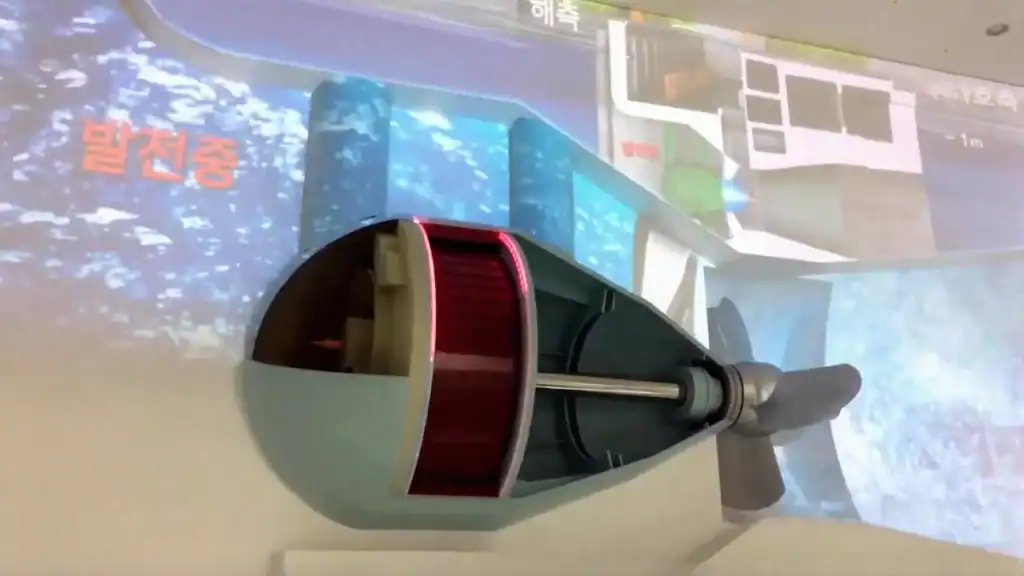
The visitor center displays scale models of turbine-generator units. You see cutaway diagrams showing how 7.5-meter runner diameters spin at 64.3 rpm. Educational groups sometimes get semi-technical presentations with video footage of the turbine installation during construction. Regular tourists get the models, the view, and imagination.
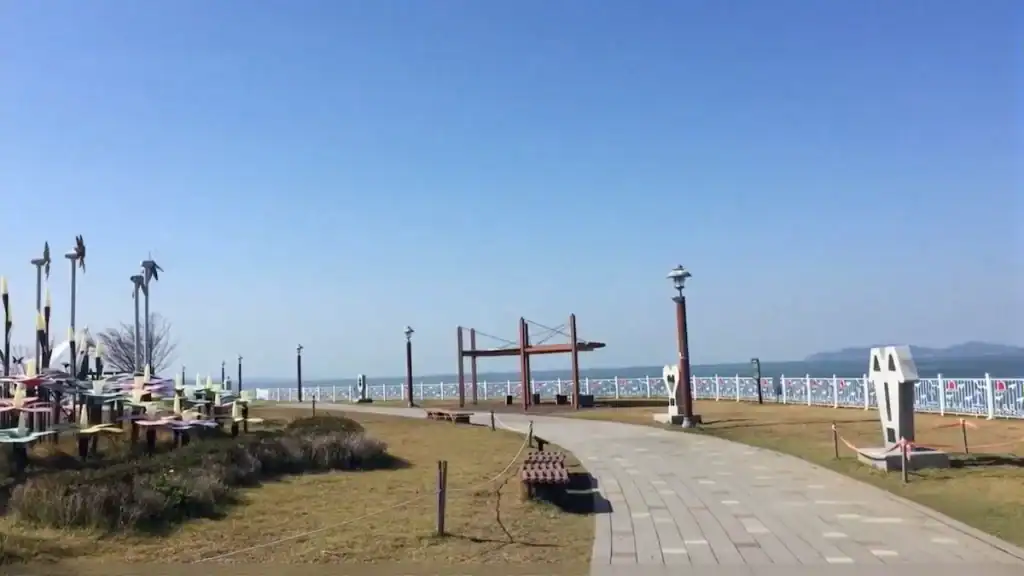
🌊 Sihwanarae Seawall Walk: The Tourist Add-Ons
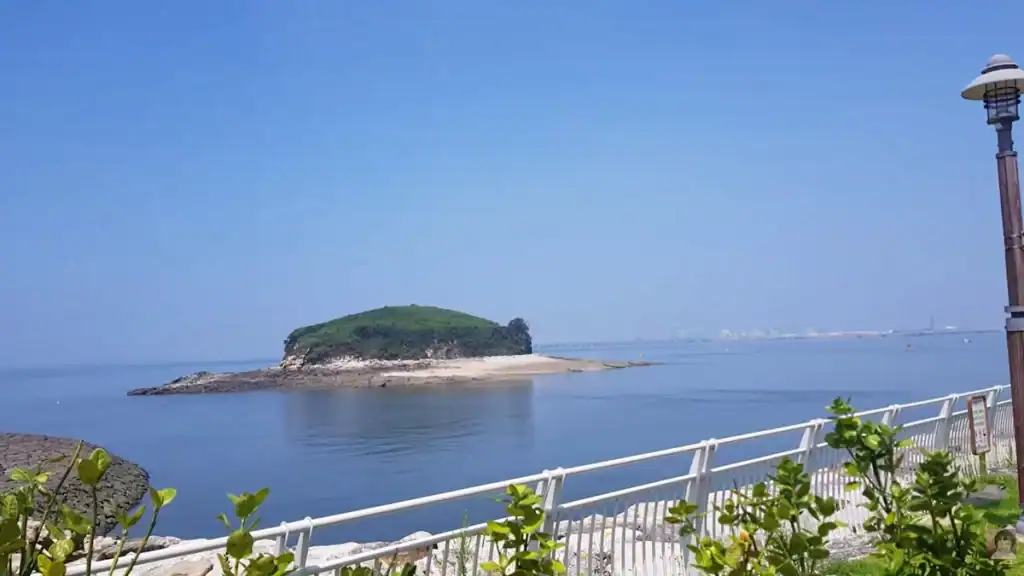
The observatory functions primarily as a highway rest stop with exceptional views. Sihwa Narae Rest Area integrates the power plant visit with coastal recreation. The 12.7-kilometer seawall allows walking or cycling, though most visitors stick to the 1-2 kilometer section near the observatory. Birdwatchers arrive at dawn when migratory species feed in the restored wetlands.
The seawall walk delivers better value than the observatory for active visitors. You’re outdoors with unobstructed ocean views, watching fishing boats navigate the channel, feeling the wind that makes Korea’s west coast ideal for renewable energy. Information boards along the path explain the ecological recovery without requiring you to read them in a museum-style setting.
Are These Worth Adding to Power Plant Visit?
The honest calculation depends on your travel style. Engineering enthusiasts spend 90 minutes examining every technical display and photographing the seawall from twelve angles. General tourists exhausted after 30 minutes wonder why their guidebook called this a “must-see attraction.” The U.S. Department of Energy’s Tethys database documents the facility’s technical achievements, but technical achievement doesn’t automatically translate to visitor engagement.
Combine the power plant with the seawall walk and nearby Daebudo Island for a half-day outing. The observatory alone doesn’t justify a special trip from Seoul unless you’re passionate about renewable energy infrastructure. The restored ecosystem viewing is genuinely worthwhile if you care about environmental redemption stories.
⚖️ Engineering Tour or Skip for General Tourism?
South Korea promotes Sihwa as an eco-tourism destination, but “eco-tourism” here means observing industrial infrastructure that happens to benefit the environment. You’re not hiking through pristine wilderness or kayaking among dolphins. You’re standing in a modern rest area looking at concrete and steel that successfully reversed pollution.
The facility attracts 100,000+ annual visitors according to K-water, but many are school groups on educational field trips or engineering professionals attending conferences. Solo travelers and families expecting interactive experiences often leave underwhelmed.
Who Actually Enjoys the Sihwa Tidal Power Plant
Renewable energy enthusiasts genuinely love Sihwa. If you’ve visited the Hoover Dam, toured wind farms, or photographed solar arrays for fun, this belongs on your itinerary. Engineers, environmental science students, and sustainable technology professionals find authentic value watching theoretical concepts operate at industrial scale.
Families with young children struggle. There’s no playground, no hands-on exhibits where kids press buttons to make turbines spin, no gift shop selling turbine-shaped toys. The educational content targets middle school level and above. The seawall walk works better for families because kids can run around outdoors.
Photographers catch stunning sunrise and sunset shots when light reflects off water and metal. The minimalist industrial aesthetic against natural surroundings creates compelling compositions. Bird photographers position themselves along the seawall during spring and fall migrations.
My recommendation: Visit if you’re already exploring Ansan or driving to Daebudo. Don’t make it your primary Seoul day trip destination. The world’s largest tidal power plant impresses on paper and matters enormously for renewable energy development, but the visitor experience feels more like an educational rest stop than a tourist attraction.