
Spain in winter offers mild weather in the south, festive holiday markets, and fewer crowds at popular attractions. This guide highlights seasonal experiences, from skiing in the Pyrenees to exploring historic cities, enjoying traditional cuisine, and discovering cultural events, helping travelers plan a memorable winter visit.
Average temperatures hover around 18°C even in January – making it the perfect winter destination for escaping seasonal blues.
👀 At a Glance: Spain Winter Essentials
🌡️ Best Weather: Canary Islands (20-22°C) & Southern Spain (15-18°C)
💰 Biggest Savings: January visits save up to 40% vs summer
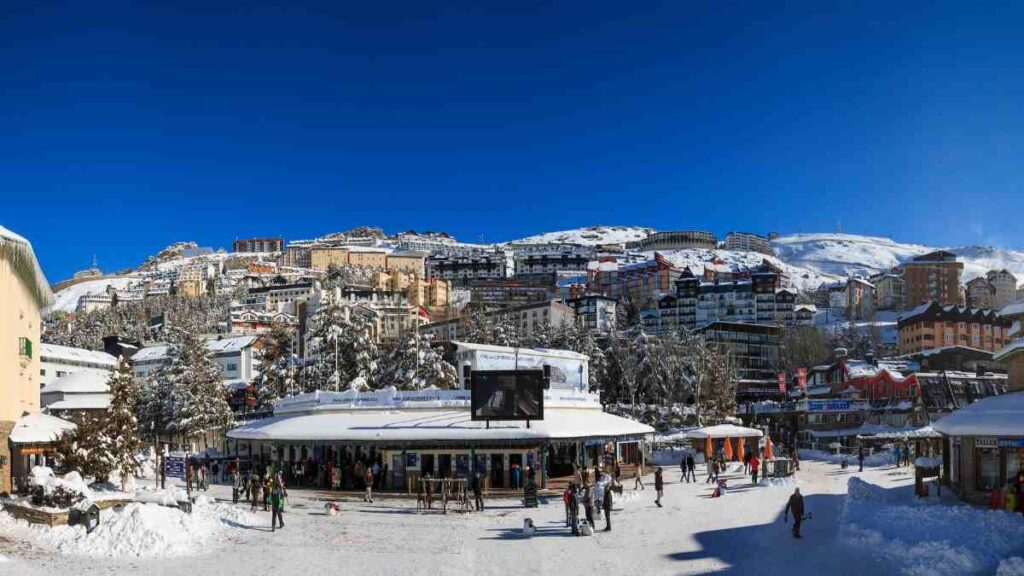
⛷️ Unique Combo: Sierra Nevada skiing + Granada culture (30 mins apart)
🎭 Must-See Event: Three Kings parades across Spain (January 5th)
🏛️ Major Perk: Empty museums, no queues at Alhambra & Sagrada Familia
🍷 Best Value: Northern Spain for authentic pintxo culture
____________________________________________________________________________________________________
🌡️ At a Glance: Spain Winter Temperatures
Canary Islands 🏝️ 20-22°C (Perfect beach weather)
Southern Spain ☀️ 15-18°C (Warm and sunny)
Central Spain 🌤️ 8-12°C (Crisp but bright)
Northern Spain ⛅ 8-15°C (Cool with character)
Compare: London 3°C | Paris 5°C | Berlin 2°C
____________________________________________________________________________________________________
❄️ Best Places to Visit in Spain in Winter: Discovering Your Perfect Winter Destination
Southern Spain beckons winter travelers with sunshine and warmer weather – and honestly, it’s like Mother Nature’s gift to cold-weather refugees! The rest of Europe shivers under gray skies while this gorgeous region absolutely thrives.
The southern part of Spain maintains pleasant temperatures throughout the winter months, making it an ideal destination for winter travelers seeking respite from harsh northern climates.
From Seville’s orange-scented streets (the smell alone will transport you!) to Granada’s snow-capped Sierra Nevada backdrop, this region offers the perfect blend of cultural richness and comfortable winter weather that’ll make you wonder why you ever considered anywhere else.
Southern Spain: Warmest Places to Visit for Winter Sun
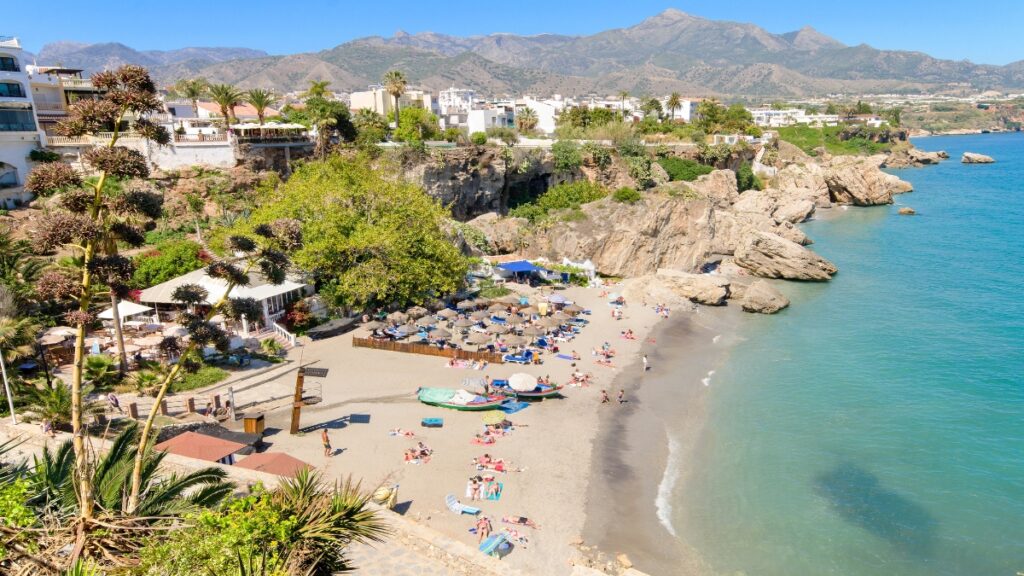
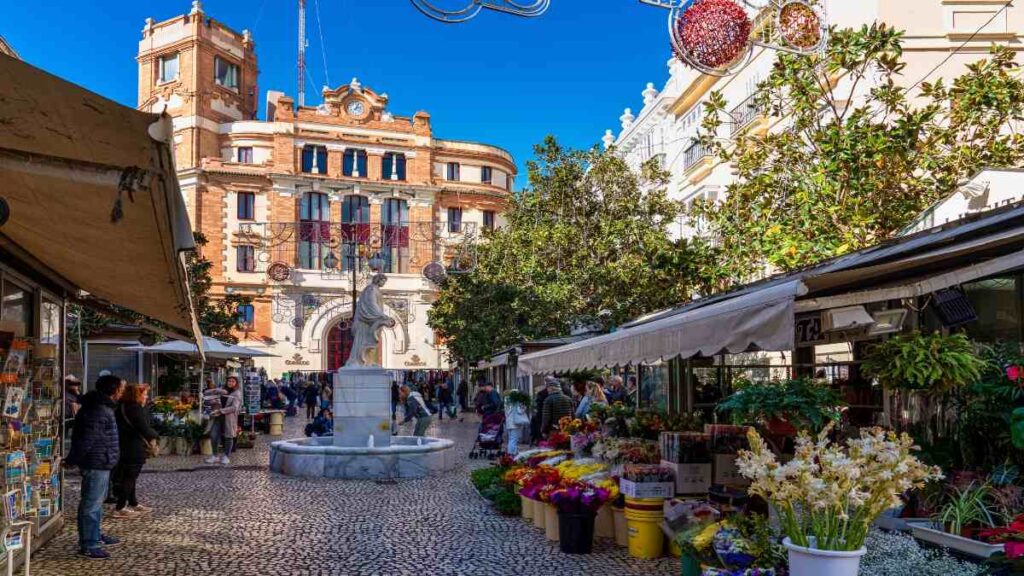
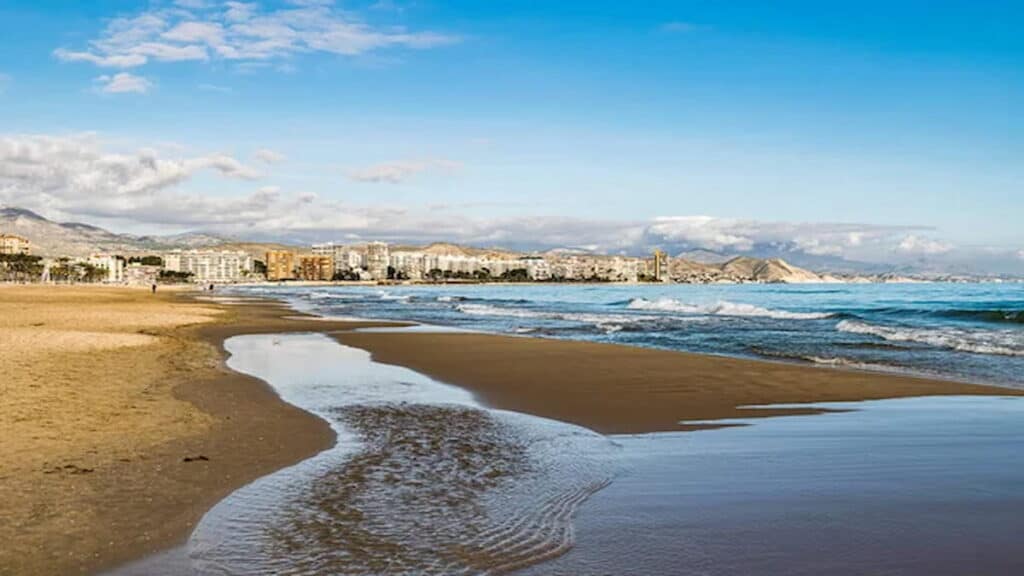
Andalusia emerges as the warmest place in Spain during the winter season. Cities like Seville and Córdoba bask in gentle Mediterranean sunshine. The southern coast of Spain stretches from Cádiz to Almería.
Winter temperatures rarely drop below 10°C (50°F). This makes it one of Europe’s most reliable winter sun destinations. These warmest places to visit in Spain offer perfect conditions for exploring historic neighborhoods.
Summer heat exhaustion becomes a distant memory when you avoid the sweltering temperatures that affect both summer and winter visitors in many destinations.
Seville captivates winter visitors with its labyrinthine Barrio Santa Cruz – and let me tell you, it’s pure magic wandering these streets! Narrow streets provide natural windbreaks while sunny plazas offer the most perfect warming spots for afternoon café breaks.
The city’s magnificent cathedral and Alcázar palace complex reveal their full splendor during winter months when crisp air enhances every architectural detail. Shorter queues mean you can actually take your time and soak it all in – no rushing!
Local tapas bars serve warming specialties like gazpacho caliente and hearty cocido stews that’ll comfort your body and soul during evening strolls through these enchanting neighborhoods.
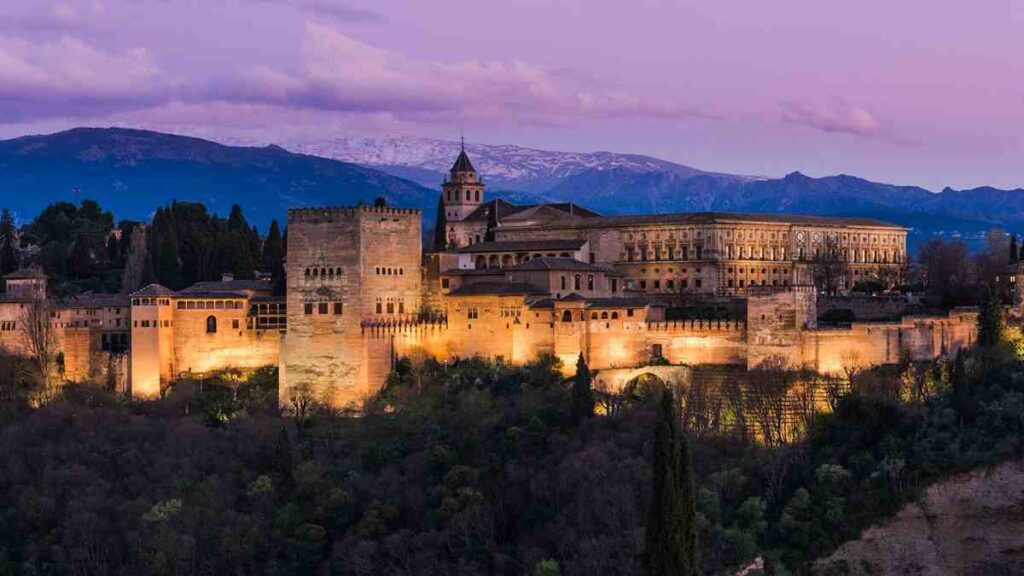
Granada presents Spain in winter at its most dramatic. The contrast between the sunny Albaicín quarter and snow-dusted Sierra Nevada peaks creates breathtaking panoramas. The Alhambra palace complex takes on an almost mystical quality during winter mornings.
Frost highlights intricate Moorish carvings. The Generalife gardens gleam with dewdrops. This UNESCO World Heritage site offers some of Spain’s most compelling winter experiences. It combines cultural immersion with stunning natural beauty.
🕰️ Time to Visit Spain: Why Winter Is an Excellent Time to Travel to Spain
Spain in winter represents exceptional value for travelers seeking cultural immersion, comfortable weather, and budget-friendly experiences unavailable during peak tourist seasons.
The combination of mild temperatures, authentic local experiences, and reduced costs makes winter a good time to visit Spain for first-time visitors and returning travelers alike.
Smart travelers discover that Spain’s winter season offers advantages that far outweigh any perceived limitations.
This makes it the best Spanish choice for European winter escapes, offering superior Spain travel experiences during the cooler months.

Plan Your Trip to Spain: Accommodation and Cultural Benefits
Accommodation costs drop 30-50% during winter, making luxury hotels and historic paradores affordable. For official parador bookings visit Paradores Spain. Restaurant reservations become readily available, including previously inaccessible Michelin-starred establishments.
Restaurant reservations become readily available. Even Michelin-starred establishments that require months of advance booking during peak season become accessible.
This accessibility makes winter travel to Spain particularly appealing for food enthusiasts and luxury travelers seeking value.
Cultural sites throughout Spain offer more intimate experiences during winter months. Shorter queues and smaller crowds allow for contemplative exploration of historic monuments and museums.
For current opening hours and ticket information visit Spanish Heritage Sites. The Alhambra, Sagrada Família, and other popular places become accessible for spontaneous visits.
The Alhambra, Sagrada Família, and other popular places to visit become accessible for spontaneous visits rather than requiring advance reservations.
This flexibility makes winter travel ideal for independent travelers who prefer unstructured exploration.
Local Interactions and Authentic Experiences
Local interactions increase dramatically during winter when Spanish communities welcome visitors more warmly. They have more time for genuine cultural exchange.
Restaurant owners share stories about regional cuisine. Shopkeepers offer insider recommendations. Locals invite travelers to participate in traditional celebrations.
These authentic connections transform simple visits into memorable cultural experiences that define meaningful travel.
Winter Travel Tips: Packing and Transportation
Packing for Spain in winter requires layered clothing suitable for temperature variations between regions and times of day.
Lightweight jackets are sufficient for most areas except mountain regions. Southern destinations rarely require heavy winter coats.
Northern cities benefit from waterproof layers during occasional rain showers. Comfortable walking shoes remain essential year-round for exploring Spain’s historic city centers and cobblestone streets.
Transportation throughout Spain operates efficiently during winter months. High-speed trains connect major cities while regional buses serve smaller destinations without weather-related delays common in other European countries.
Rental cars provide excellent flexibility for exploring rural areas and combining multiple destinations. Spain’s excellent road infrastructure ensures safe winter driving in most regions.
For road conditions and driving regulations check Spanish Traffic Authority. Domestic flights offer quick connections to the Canary Islands for ultimate winter sun experiences.
Domestic flights offer quick connections to the Canary Islands for ultimate winter sun experiences.
Budget Planning for Your Winter Vacation
Budget planning for winter travel to Spain should account for heating costs in accommodations and slightly higher food costs for warming seasonal specialties.
Overall expenses remain significantly lower than summer travel. Many attractions offer reduced winter rates while cultural events provide free entertainment throughout the season.
Smart travelers can experience Spain’s winter offerings at a fraction of summer costs while enjoying superior weather conditions and authentic cultural encounters.
The south of Spain in winter provides particularly excellent value with warm temperatures and reduced accommodation costs.
Experience the magic of Spain in winter – and trust me, every region offers unique winter adventures that’ll absolutely blow you away!
From sunny beach walks to alpine skiing, plus authentic cultural celebrations and world-class gastronomy that’ll ruin you for food anywhere else.
This remarkable country transforms winter travel from mere escape to genuine discovery, and I promise you’ll find warmth for both body and soul.
Whether you’re seeking winter sports thrills, deep cultural immersion, or simply reliable sunshine to chase away the winter blues, Spain during winter delivers experiences that’ll completely redefine your expectations of European winter travel.
🌨️ Spain During Winter Weather: Planning Your Trip to Spain’s Winter Climate
Understanding weather patterns across different regions helps travelers choose the perfect place to visit in Spain during winter months. For current weather forecasts and seasonal planning visit Spanish Meteorological Agency.
The mild Atlantic influence affects the north. The consistently warm Mediterranean and subtropical conditions dominate the south. Spain during the winter varies dramatically between regions.
This offers options for every type of winter traveler seeking their ideal sunny weather experience when they travel to Spain in winter.
Weather in Spain in Winter: What to Expect
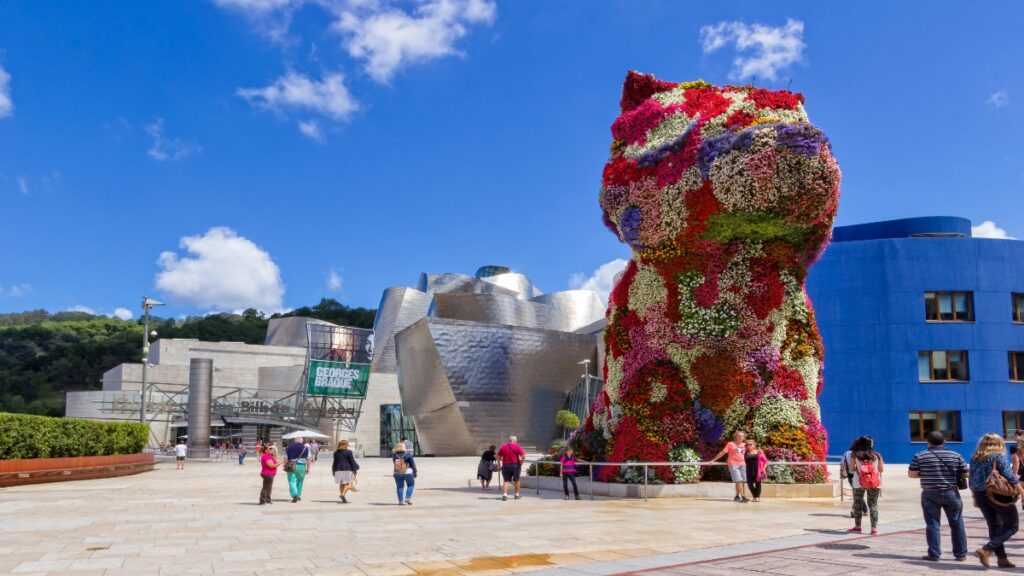
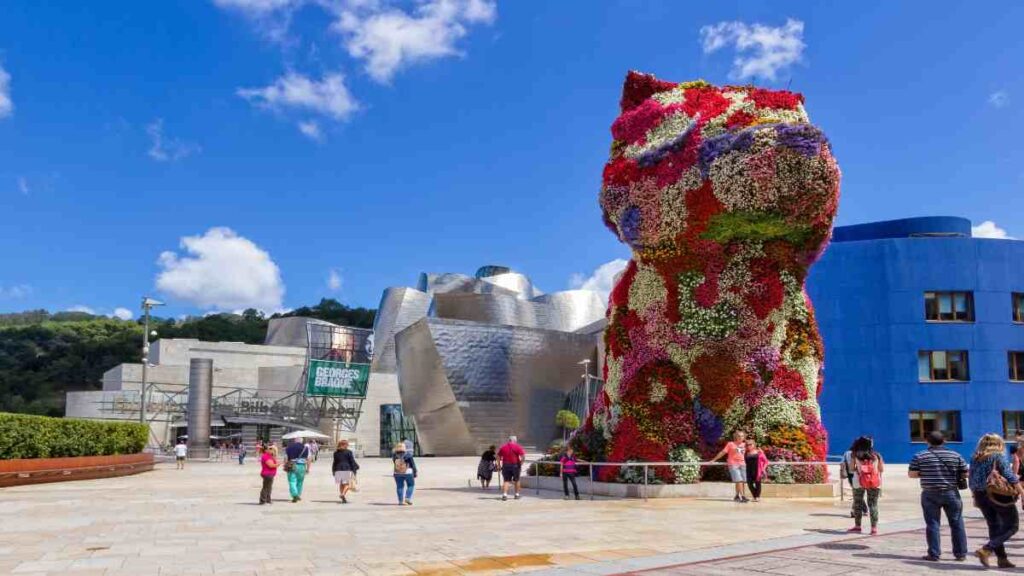
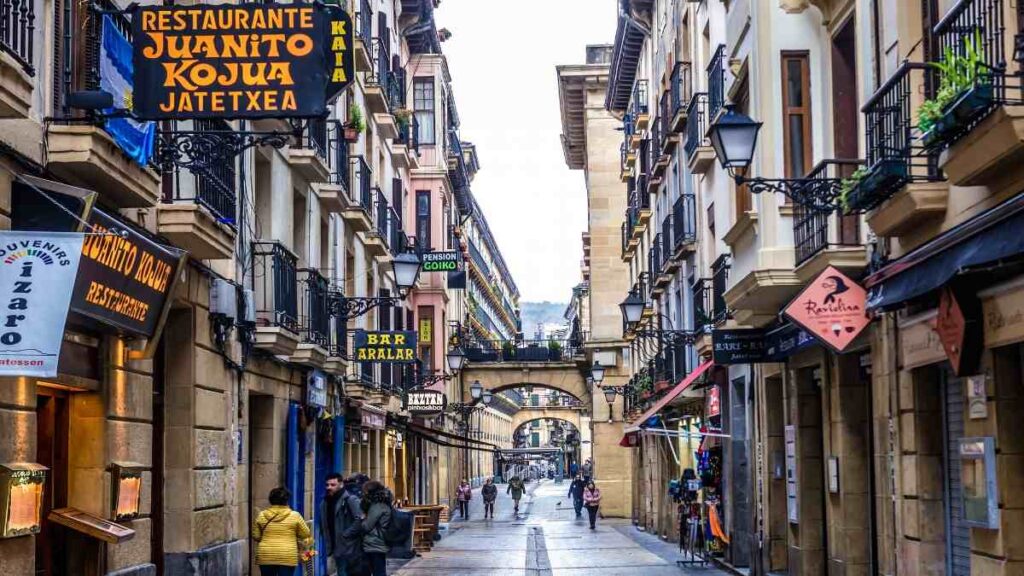
Northern Spain experiences a different winter personality. Cities like San Sebastián and Bilbao offer authentic cultural experiences. Expect cooler temperatures and occasional rainfall.
The Basque Country’s winter charm doesn’t lie in warm weather. Instead, discover cozy pintxo bars, steaming bowls of seafood stew, and the dramatic Atlantic coastline’s winter moods.
Winter temperatures in Northern Spain typically range from 8-15°C (46-59°F). This is perfect for exploring indoor cultural attractions and experiencing authentic local life.
Winter Climate in Central and Mediterranean Spain
Central Spain, including Madrid, enjoys crisp winter days with abundant sunshine. Temperatures can drop to near freezing at night. The capital city’s winter climate creates perfect conditions for exploring world-class museums.
Enjoy comfortable daytime hours. Evenings call for warming up in traditional tabernas with hearty Castilian cuisine. Madrid’s winter weather rarely involves significant precipitation.
This makes it an excellent time to explore the city’s outdoor attractions and historic neighborhoods.
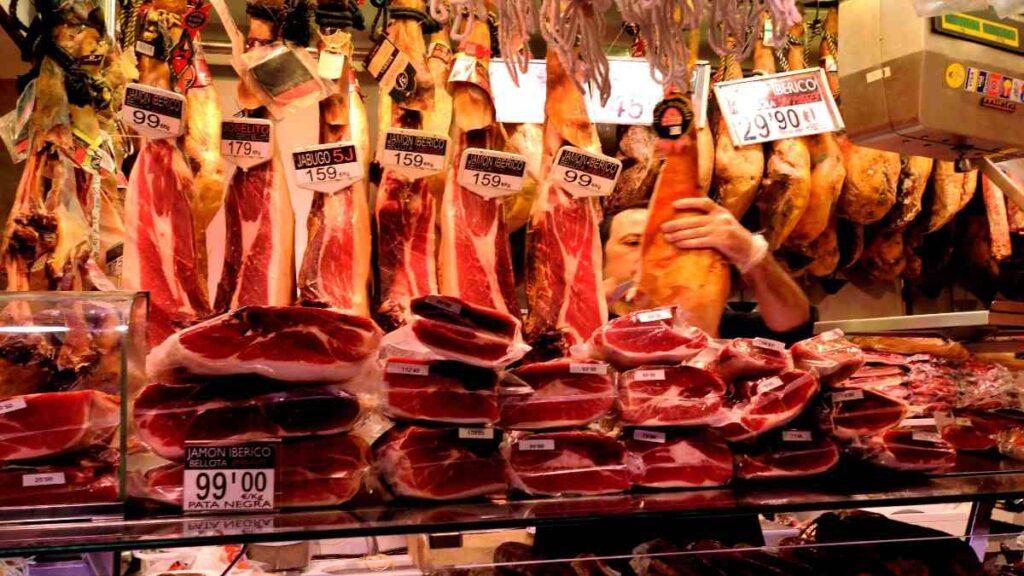
Coastal Mediterranean regions maintain the most consistently pleasant weather in Spain in winter. Cities like Valencia, Alicante, and Barcelona offer mild temperatures and abundant sunshine.
The Mediterranean’s moderating influence keeps winter temperatures between 12-18°C (54-64°F) while receiving more sunny days than many tropical destinations.
This makes the eastern coast perfect for winter walking, outdoor dining, and cultural exploration without summer’s oppressive heat.
Temperature in Winter: Regional Variations Across Spain
Microclimates throughout Spain create surprising temperature variations. Smart travelers can exploit these for optimal winter experiences. The south of Spain consistently offers the warmest conditions, especially when you explore Spain during each month in Spain from December through February.
Mountain regions like the Pyrenees and Sierra Nevada provide excellent winter sports opportunities with reliable snow cover. Understanding these regional differences helps travelers plan activities.
Match them with your preferred winter experience and discover the many places in Spain that offer diverse winter options.
December in Spain brings festive celebrations and generally mild conditions across most regions. Southern areas maintain comfortable temperatures for outdoor activities.
Spain in January often presents the coolest conditions of the winter season. Yet southern destinations remain pleasant for sightseeing and cultural exploration.
Spain in the winter extends roughly from December through February. Shoulder months offer additional advantages for budget-conscious travelers planning a trip to Spain in winter.

🏝️ Canary Islands: Spain’s Premier Sunny Winter Getaway
Tenerife and Gran Canaria transform into tropical winter havens. Temperatures rarely drop below 20°C (68°F). The Canary Islands become Spain’s ultimate winter escape. These Atlantic archipelago gems offer year-round hiking opportunities.
Explore lunar landscapes in Teide National Park. Discover lush laurel forests that remain verdant throughout winter. The islands provide perfect conditions for outdoor activities during winter months. Mainland Europe experiences its harshest weather during this time.
Las Palmas on Gran Canaria boasts one of the world’s most pleasant winter climates with 320 days of annual sunshine and average winter temperatures of 22°C (72°F).
The city’s Las Canteras beach remains swimmable throughout winter, while the historic Vegueta quarter offers charming colonial architecture and traditional Canarian cuisine.
Local specialties like papas arrugadas with mojo sauce and fresh fish grilled over volcanic stone provide authentic island flavors during your winter vacation.
⛷️ Winter Activities in Spain: From Winter Sports to Cultural Celebrations
Spain’s winter activity spectrum ranges from world-class skiing in the Pyrenees to beach walks in Andalusia. This makes it a destination for winter that satisfies every travel preference.
The country’s diverse geography supports activities impossible to combine elsewhere. Enjoy morning skiing in Sierra Nevada followed by afternoon tapas in Granada’s sun-warmed plazas.
This versatility offers multiple options for winter travelers and makes Spain an excellent choice for seeking varied winter experiences within a single trip.
Whether you visit in the winter for adventure or relaxation, each place in Spain in winter provides unique opportunities.
Sierra Nevada: Winter Sports and Skiing
Sierra Nevada offers Spain’s premier winter sports just 30 minutes from warm Mediterranean beaches. For current snow conditions and lift tickets visit Sierra Nevada Ski Resort. Enthusiasts can combine alpine adventures with warm-weather cultural exploration in nearby Granada.
The resort provides 35 kilometers of pristine slopes with reliable snow cover from December through March. It offers stunning views across Andalusia to Africa’s Atlas Mountains.
Winter sports enthusiasts discover Spain’s unique ability to combine alpine adventures with warm-weather cultural exploration in nearby Granada.
Advanced winter sports enthusiasts find challenging off-piste opportunities and backcountry skiing. Experienced local guides know every secret powder stash.
The resort’s modern facilities include comfortable base lodges and equipment rental shops. Nearby mountain villages offer authentic experiences in traditional Spanish hospitality.
Evening après-ski scenes blend Spanish warmth with international alpine culture. This creates unique winter sports memories.
Winter Hiking Spain Experience in Sierra Nevada
Winter hiking Spain experiences reach their peak in Sierra Nevada. Well-marked trails lead through snow-dusted landscapes and traditional mountain villages.
The national park offers guided snowshoe excursions and cross-country skiing routes. These showcase the region’s diverse ecosystems, from Mediterranean forests to high-altitude alpine environments.
Local mountain refuges provide warming traditional stews and hot chocolate after exhilarating days exploring Spain’s highest peaks.
Cities in Spain: Madrid Winter Travel
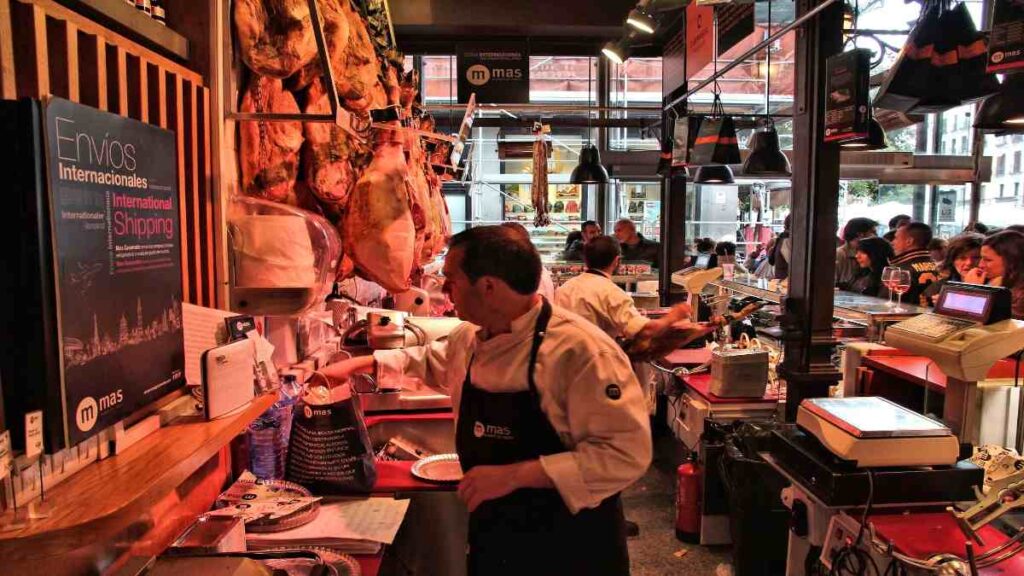
Madrid transforms into a winter wonderland during the holiday season. The city’s grand plazas host traditional Christmas markets and Three Kings celebrations.
The capital’s world-class museums offer perfect winter refuges. Discover the Prado’s masterpieces and the Reina Sofía’s contemporary collections. All feature significantly shorter queues than summer months.
Winter evenings in Madrid call for exploration of traditional tabernas. They serve hearty cocido madrileño and other warming regional specialties.
Barcelona and Seville: Popular Places to Visit
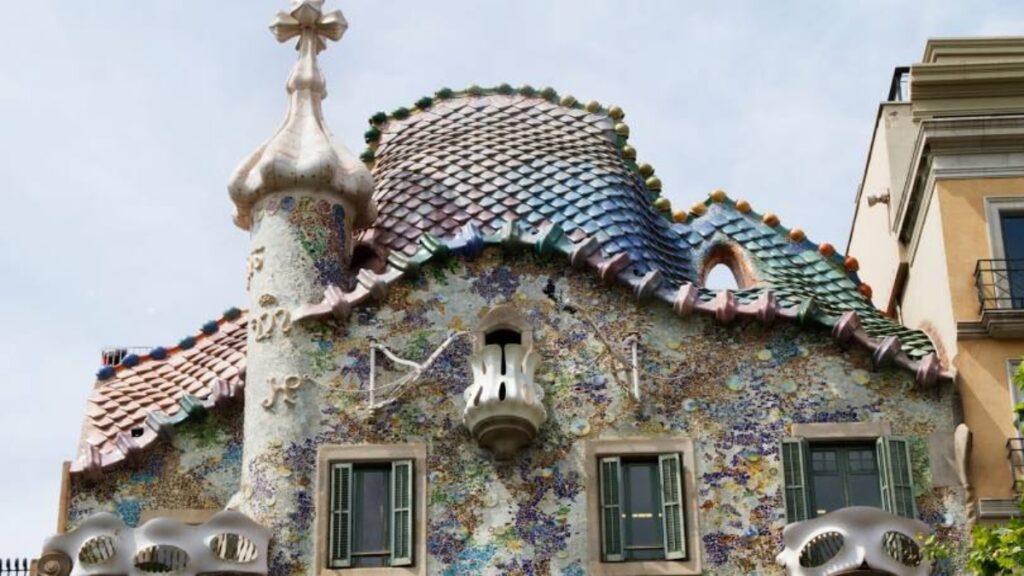
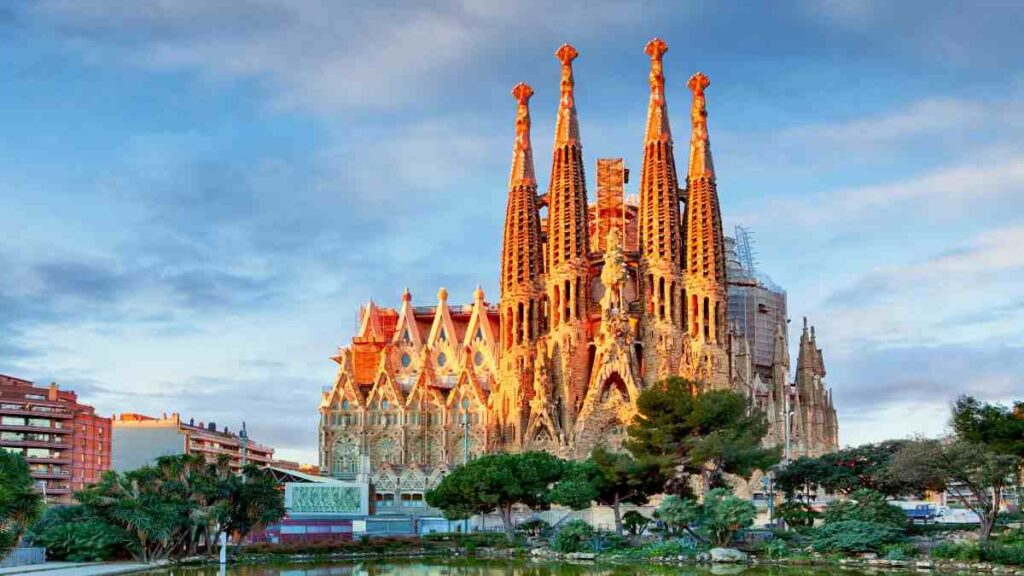
Barcelona reveals its most authentic character during winter months. Locals reclaim the Gothic Quarter’s medieval streets. La Sagrada Família stands against dramatically clear winter skies.
The city’s covered markets, including the famous La Boqueria, showcase seasonal winter produce. Traditional Catalan preparations perfect for cooler weather await discovery.
Winter travel through Barcelona offers opportunities to experience neighborhood life away from tourist crowds.
Seville captivates winter visitors with its perfect blend of sunshine and cultural richness. Orange trees line streets year-round. Outdoor dining remains comfortable throughout the season.
The city’s magnificent cathedral and Alcázar complex reveal their full splendor during winter’s crisp air and golden light.
Traditional flamenco venues offer intimate evening experiences. Local festivals and celebrations continue throughout winter, providing authentic cultural encounters.
🎄 Holiday in Spain: December in Spain and Winter Holidays in Spain
Christmas in Spain unfolds differently from northern European traditions. Warm-weather celebrations blend religious devotion with festive outdoor gatherings.
Spanish Christmas extends through January 6th (Three Kings Day). This creates nearly three weeks of continuous celebration featuring traditional markets, elaborate nativity scenes, and family gatherings that welcome visitors.
This extended holiday season makes visiting Spain in December through early January particularly magical for experiencing authentic cultural traditions.

Visiting Spain in December: Christmas Markets
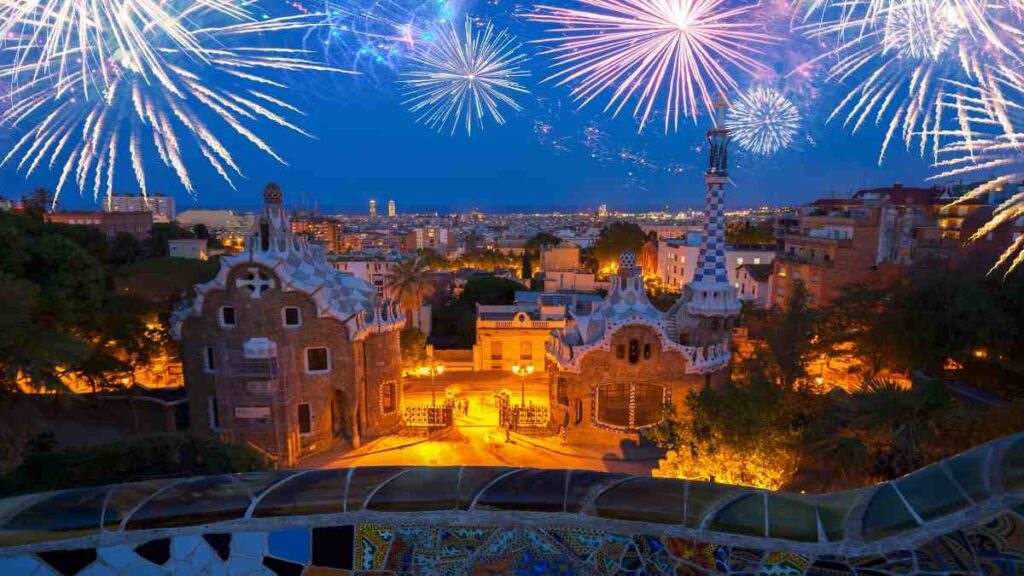
Traditional Christmas markets showcase regional crafts and seasonal treats in historic Spanish plazas. For festival dates and market locations visit Spain Tourism. Madrid’s Plaza Mayor and Barcelona’s cathedral square host Europe’s most beautiful holiday markets.
Madrid’s Plaza Mayor hosts one of Europe’s most beautiful Christmas markets, while Barcelona’s Fira de Santa Llúcia fills the cathedral square with traditional Catalan holiday items.
These celebrations in Spain provide perfect opportunities for cultural immersion and unique holiday shopping experiences.
Winter Celebrations and Three Kings Parades
Regional winter festivals add distinctive local flavor to Spain’s holiday celebrations, from Catalonia’s quirky Caganer traditions to Andalusia’s elaborate nativity scenes called belenes.
Local communities open their doors to visitors during these celebrations, offering chances to experience authentic Spanish hospitality and time-honored customs.
The winter season brings out Spain’s most generous spirit with extended family meals and neighborhood gatherings that often include travelers.
Three Kings parades on January 5th transform Spanish cities into magical wonderlands with elaborate floats, traditional costumes, and candy distributions that delight visitors of all ages.
This celebration marks the true climax of Spanish Christmas season when families gather for traditional Roscón de Reyes cake and gift exchanges.
The parade routes through historic city centers provide perfect opportunities for photography and cultural participation.
Spain in January: Post-Holiday Winter Adventures
January offers some of Spain’s best travel values with accommodation prices dropping significantly after holiday crowds depart while weather remains pleasant across most regions.
The month provides perfect conditions for exploring popular places to visit without summer heat or holiday crowds, making it an excellent time for in-depth cultural exploration.
Museums, monuments, and restaurants return to normal schedules with more availability for spontaneous visits.
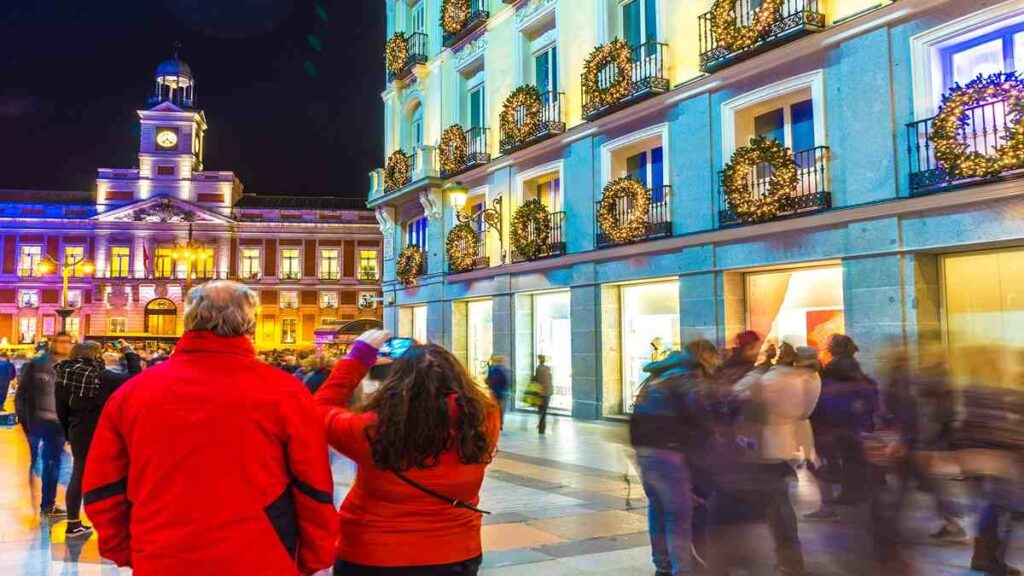
Winter sales in Spanish cities create excellent shopping opportunities, particularly in fashion-forward destinations like Madrid and Barcelona where local and international brands offer significant discounts.
The post-holiday period brings a relaxed atmosphere to Spanish cities with locals returning to normal routines and visitors gaining authentic insights into daily Spanish life.
This timing offers perfect balance between cultural activity and peaceful exploration.