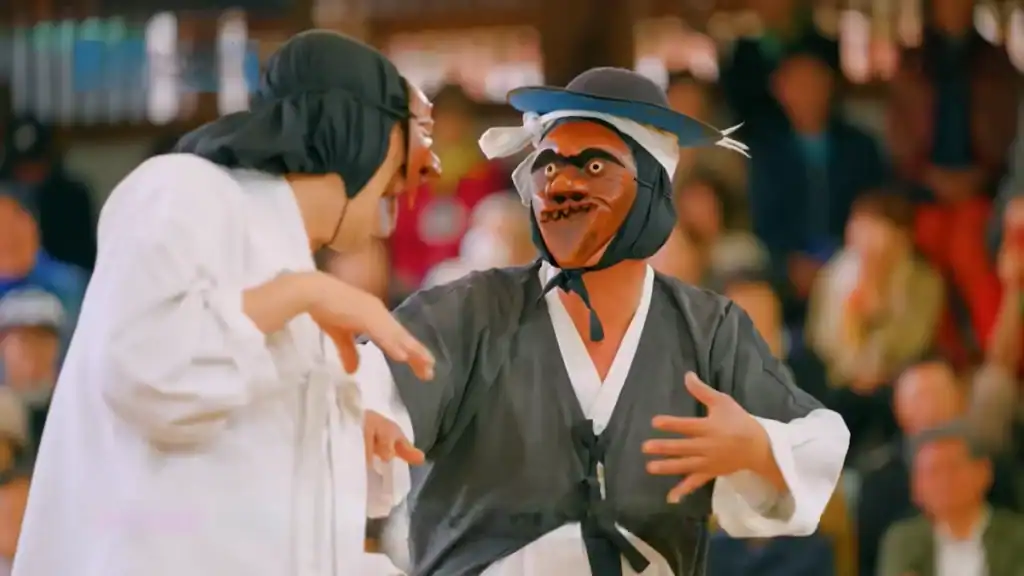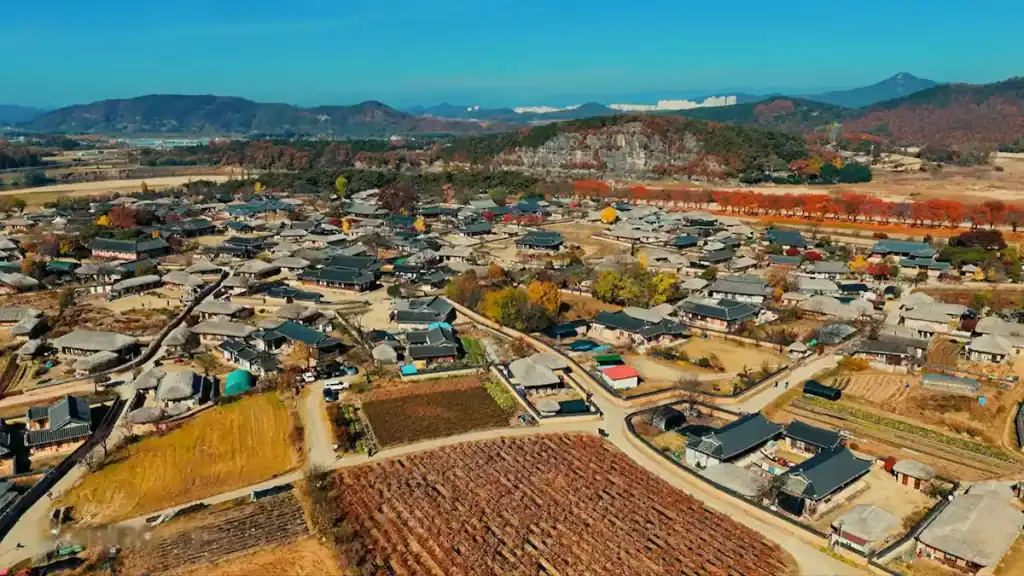

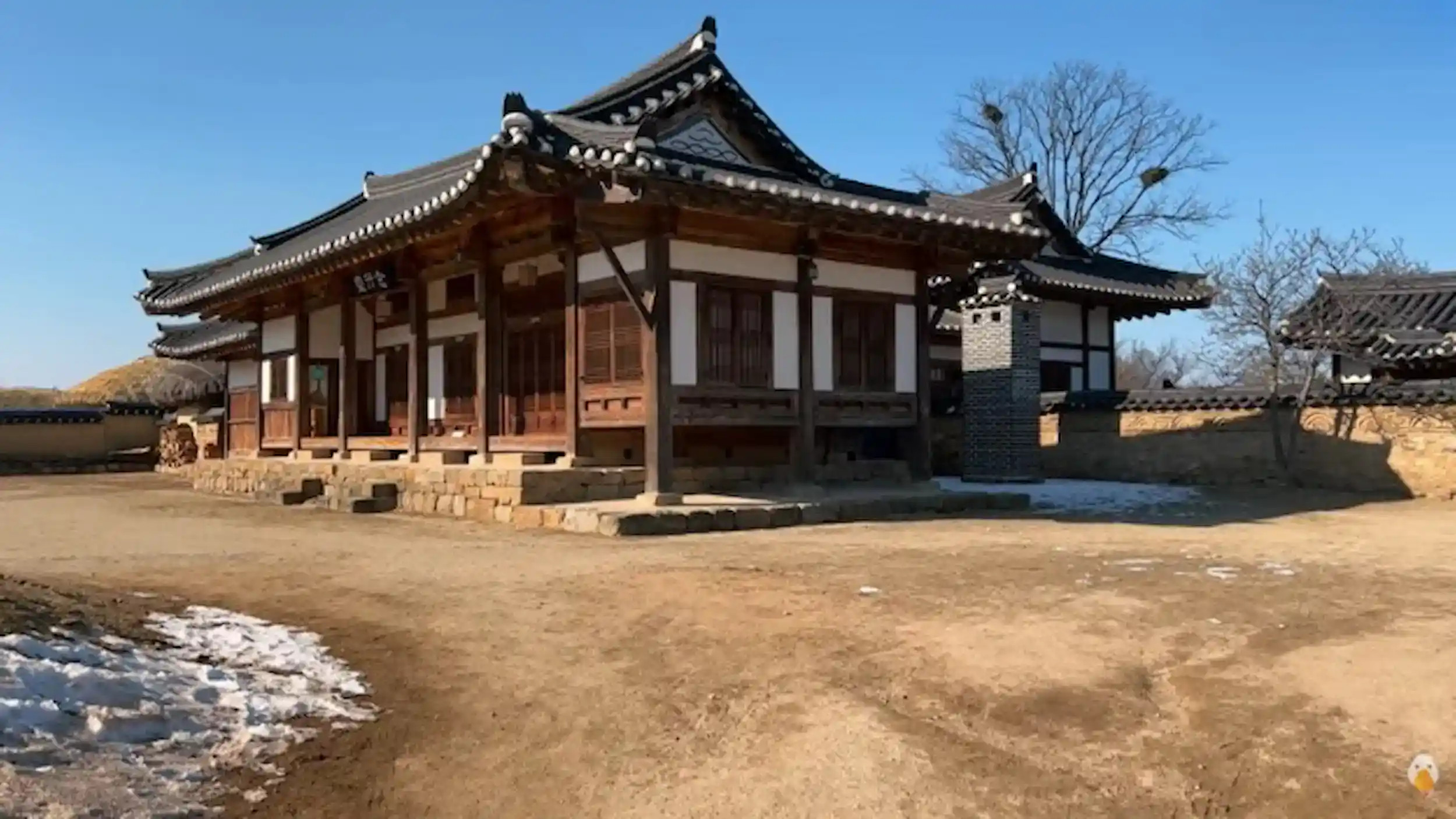
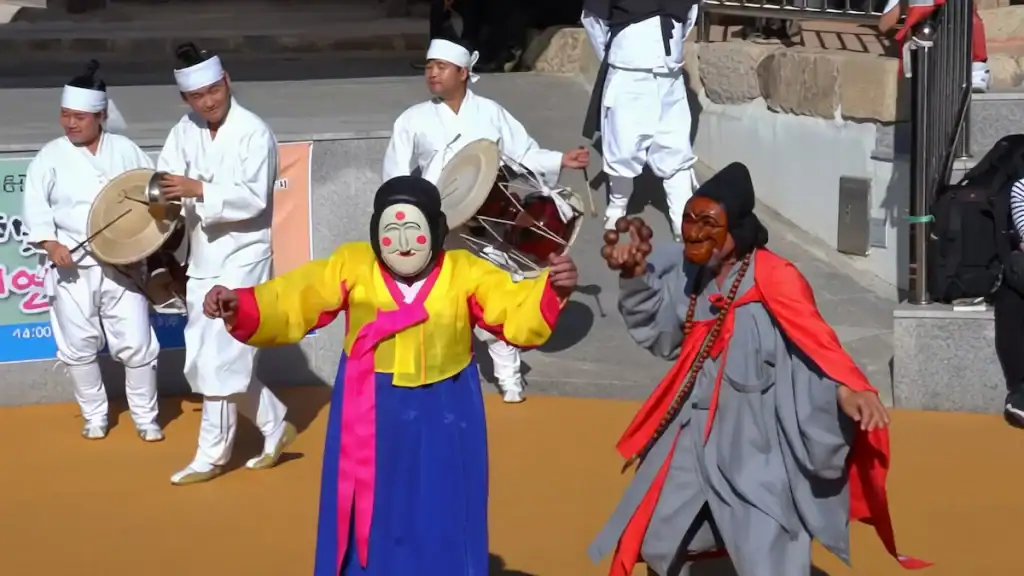
Things to do in Andong include exploring UNESCO listed Hahoe Folk Village’s 600-year-old hanok houses, watching traditional Hahoe mask dance performances, visiting Andong Folk Museum’s ceremonial exhibits, hiking Buyongdae Cliff for Nakdong River panoramas, sampling local Andong jjimdak (braised chicken), touring Dosan Seowon Confucian academy, and experiencing the annual Andong Mask Dance Festival each September-October.
👀 Things to Do in Andong: At a Glance
📌 Main Attraction: Hahoe Folk Village (~45 min from city, half-day minimum)
👥 Realistic Duration: 1-2 days covers everything comfortably
⏱️ City Center Appeal: Limited – downtown shopping street, jjimdak restaurants, Woryeonggyo Bridge
🌤️ Festival Season: Late September-early October (Mask Dance Festival transforms the city)
💰 Budget Expectations: Moderate – fewer tourist traps than Seoul, authentic local pricing
⚠️ Nightlife Reality: Minimal – restaurants close by 9pm, limited bar scene
🚫 Skip if: You need vibrant nightlife, extensive shopping, or prefer packed itineraries over cultural depth
🕐 How Many Days Does Andong Actually Need (And What Fills Them)?
Andong creates a planning problem. The UNESCO Hahoe Folk Village takes 3-5 hours. Add one temple and your day is full. But day two? The city has limited attractions beyond heritage sites. Most travelers struggle to fill two days. You’ll find gaps in your schedule. The question becomes whether one day covers enough or two days feels too slow.
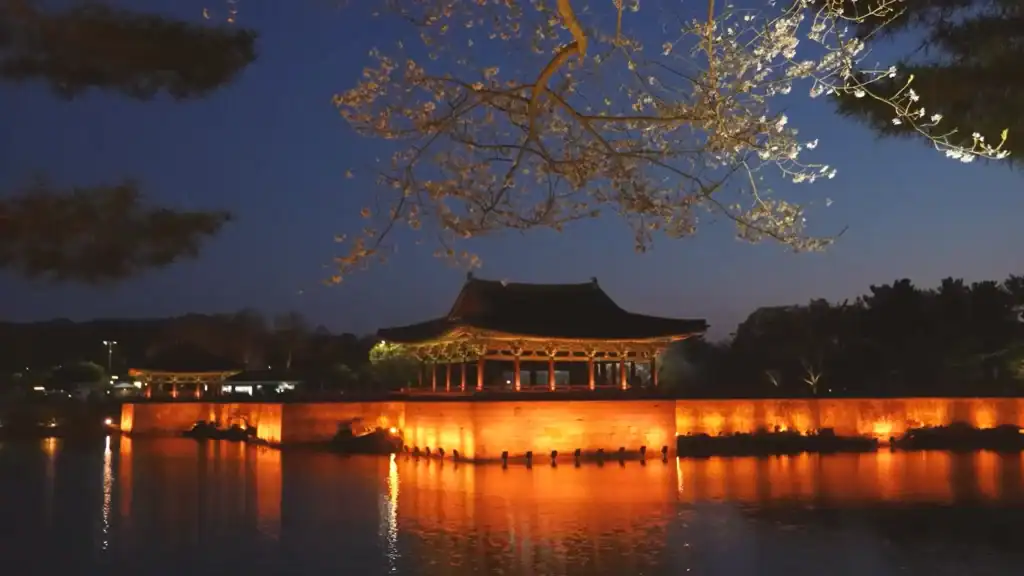
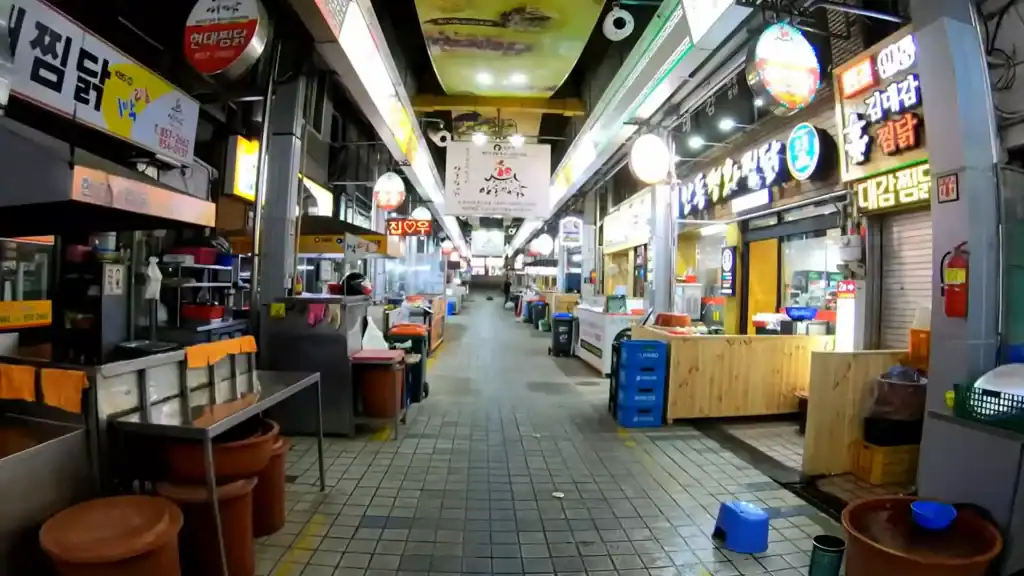
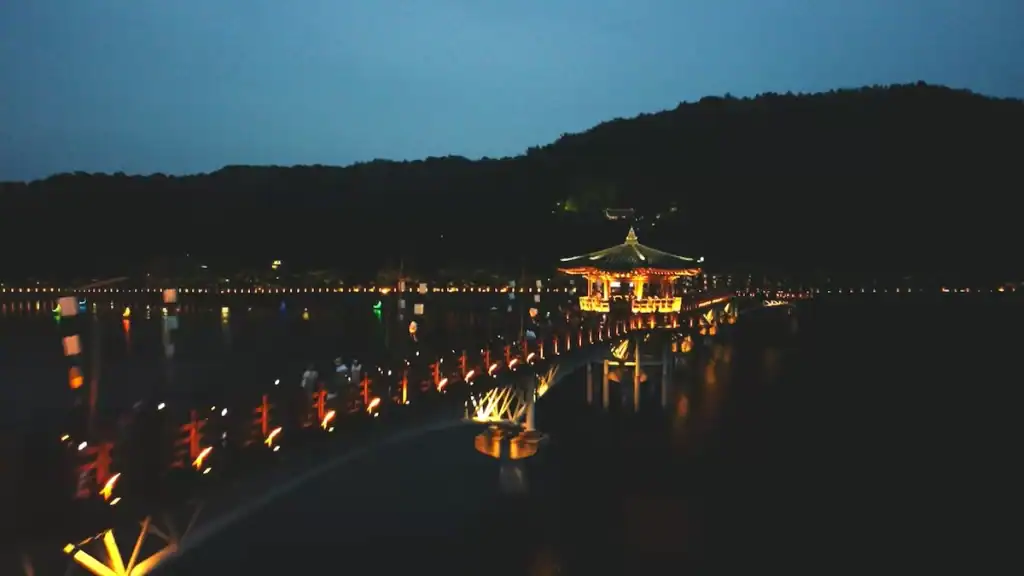
The city center stays small. Woryeonggyo Bridge looks beautiful at night. A modest shopping area has basic stores. The jjimdak street serves chicken dinner. These fill one evening nicely. They don’t fill a full day. Most people finish downtown in 2-3 hours. The gap between Hahoe and dinner creates dead time. Finding activities between major sites proves difficult for many visitors.
The Realistic 1-Day vs. 2-Day Andong Itinerary Breakdown
One day works for time-limited travelers. Arrive in the morning by bus. Spend 4-5 hours at Hahoe Village. Watch the mask dance at 2pm. Head back for chicken dinner at 6pm. Take bridge photos at 8pm. You’ve seen the main attraction. You’ve tried the local food. Mission complete. But you miss deeper cultural moments. The village feels rushed. You don’t absorb the atmosphere fully.
Two days shows Andong’s real character better. Day one focuses entirely on Hahoe Village. Walk the backstreets slowly and carefully. Climb Buyongdae Cliff for village views. Stay until sunset when crowds leave. Day two adds Bongjeongsa Temple or Dosan Seowon. Both need 2-3 hours with travel time. Visit Mammoth Bakery for pastries. See the Soju Museum displays. Walk downtown without time pressure at all.
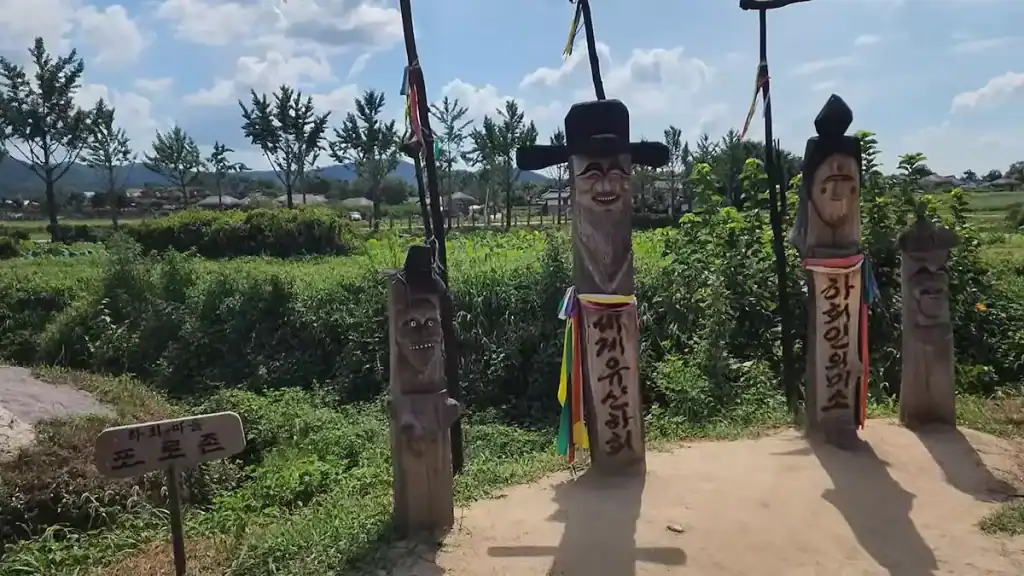
🏛️ Beyond Hahoe Village: What Else Actually Justifies the Trip?
Hahoe Village gets all the marketing attention. And it deserves the spotlight completely. It’s Korea’s best-preserved clan village today. The Ryu family lived here 600 years. Queen Elizabeth came in 1999. UNESCO listed it in 2010. The old houses look authentic. The river curves around beautifully. Mask dances happen regularly. Everything feels genuinely historical. This matches what travelers expect from traditional Korea perfectly.
But downtown looks completely modern outside preserved areas. Tall apartments fill the skyline. Coffee chains line the streets. English signs stay limited here. This surprises many first-time visitors greatly. They expect traditional buildings everywhere in town. The village and city feel totally different. Only heritage sites keep the old character. Modern development took over everything else around them.
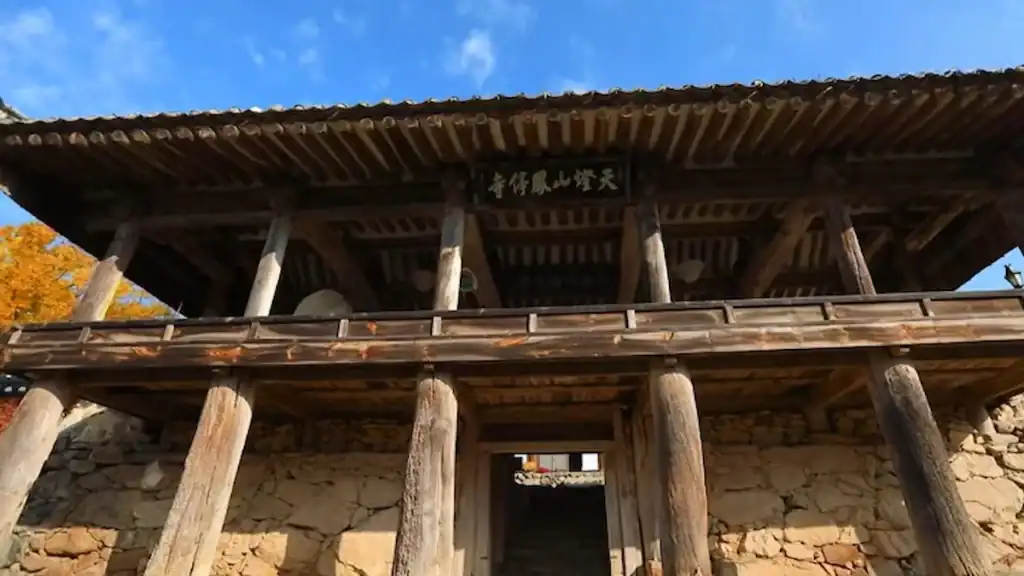
Dosan Seowon, Bongjeongsa Temple, and Andong’s Confucian Sites: Worth the Time?
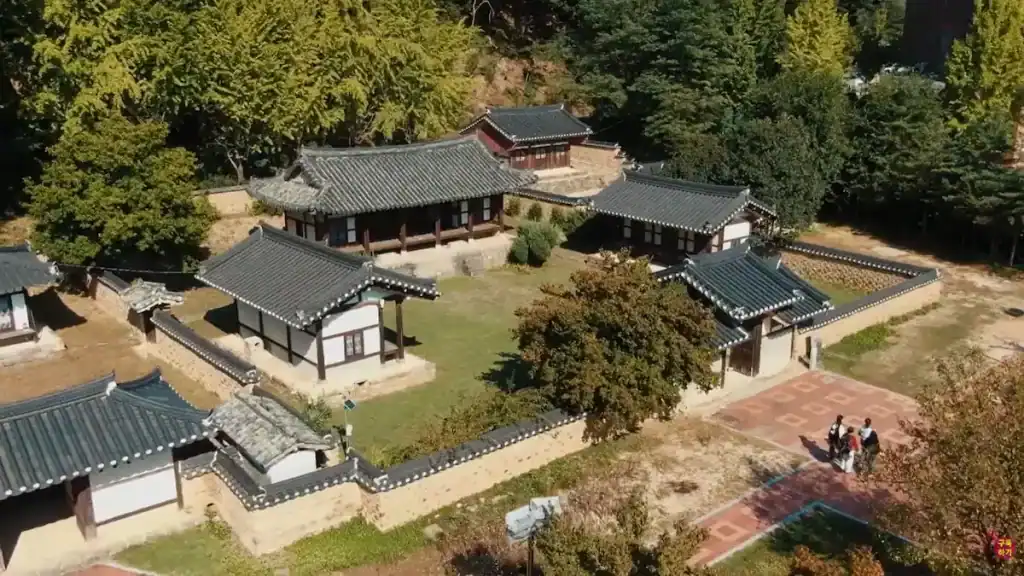
Dosan Seowon sits 30 kilometers from downtown Andong. You need a bus or taxi. This 16th-century school taught Confucian ideas for 400 years. The buildings face a peaceful valley. Mountains surround it on three sides. History lovers find it deeply moving. The atmosphere feels profound and special. Instagram seekers find it boring visually. The Korea Tourism Organization calls it a key heritage site worth visiting.
Bongjeongsa Temple dates to the 7th century. It has Korea’s oldest wooden building. That building dates to the 1200s. The mountain setting stays very peaceful. Hiking trails wind through pine forests. Prayer halls and pagodas dot hillsides. Architecture fans love it enthusiastically. Nature seekers enjoy the trails greatly. But other Korean temples look similar. If you’ve visited temples before, this feels repetitive somewhat.
⚖️ Cultural Depth vs. Activity Variety: What Andong Offers (And Lacks)
Andong does one thing better than anywhere. It preserves traditional Confucian culture authentically. Want to understand Korean philosophy deeply? Need to see real aristocratic houses? Looking for traditional mask dances performed? Andong delivers these experiences perfectly well. The U.S. State Department rates South Korea Level 1. That means exercise normal precautions only. Travel stays safe and easy here.
The local food teaches history through traditional dishes. Try Andong soju at 45% alcohol. It tastes smoother than store brands. Heotjesabap is noble-style bibimbap with soy. Salted mackerel is a regional specialty. The jjimdak chicken started here in 1980s. Local restaurants invented it back then. They competed against Western fried chicken. The dish became famous across Korea. But Andong’s version still tastes best today.
What Andong Doesn’t Have: Nightlife, Shopping, and Modern Amenities Reality Check
Shopping covers just 3-4 city blocks total. Basic cosmetics shops operate here normally. Cafes serve standard Korean coffee drinks. Clothing stores sell everyday basics only. Nothing special or unique appears anywhere. Seoul’s Myeongdong is 100 times bigger. Andong handles basic needs adequately enough. Forgot sunscreen or need coffee? Fine. Want a real shopping day? Go elsewhere. The selection stays very limited for tourists.
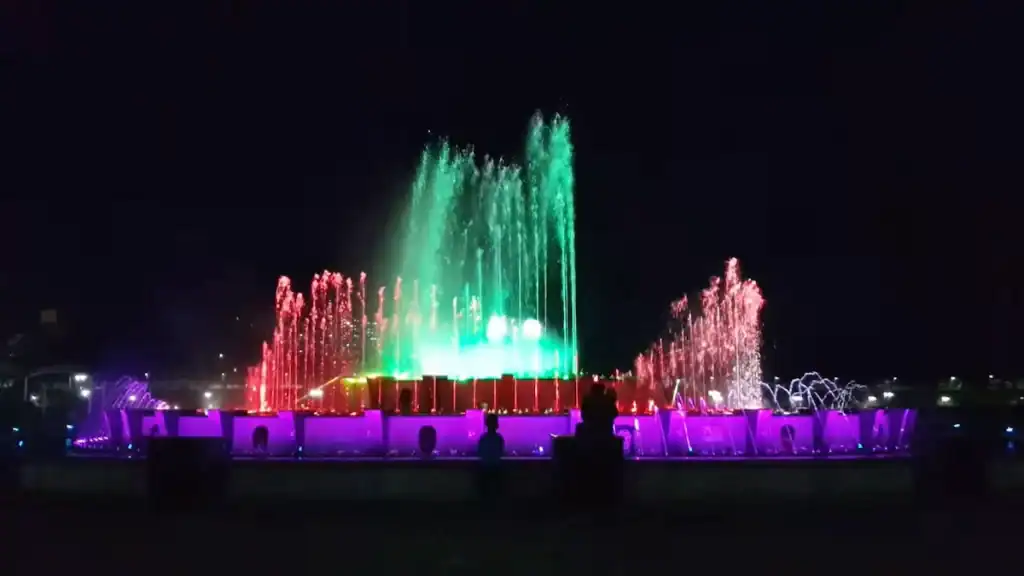
Nightlife ends at 9pm when restaurants close. Maybe 5-6 bars exist in town. No nightclubs operate at all here. A fountain show runs at 8pm. That’s your evening entertainment option available. Young travelers expecting Seoul vibes feel disappointed. The CDC travel site confirms safety standards stay excellent everywhere. But nighttime fun stays limited in Andong.
🗺️ Who Should Choose Gyeongju or Jeonju Over Andong Instead?
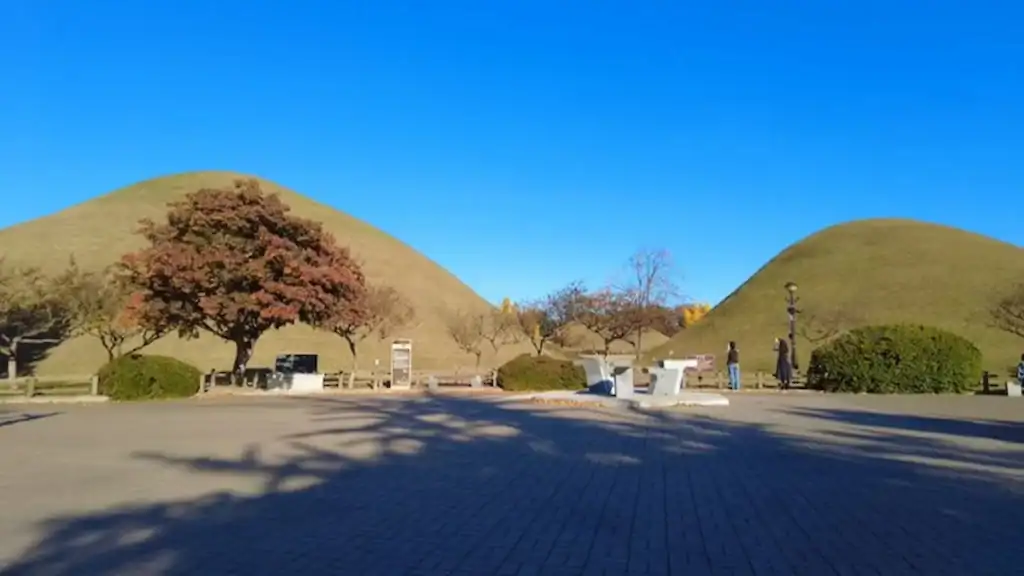
Gyeongju has far more sites to explore. Big temples sit throughout the city. Royal tombs fill large parks completely. Museums line many downtown streets here. A palace stands in the center. Sites appear every few blocks everywhere. People call it a museum without walls. You need 2-3 full days there. Andong needs 1-2 days maximum only. The density difference is huge between them.
Choose Gyeongju for packed itineraries with variety. English signs work better for tourists. More hotels exist at all budgets. Nights stay active much longer there. Restaurants stay open past 9pm. Some bars serve drinks late too. Gyeongju feels like a real destination. Andong feels like a cultural side trip. Good for heritage fans specifically. But general tourists want more activity variety.
Cherry Blossom Season vs. Winter Desolation: Does Timing Change the Verdict?
Autumn transforms everything during late September and October. The Mask Dance Festival brings international performers. Workshops run daily teaching traditional crafts. Street parades fill downtown with dancers. The city buzzes with festival energy. This week justifies staying 2-3 days. You want extra time for events. Fall colors make everything stunning too. Red and gold leaves cover mountains. The village looks absolutely perfect then.
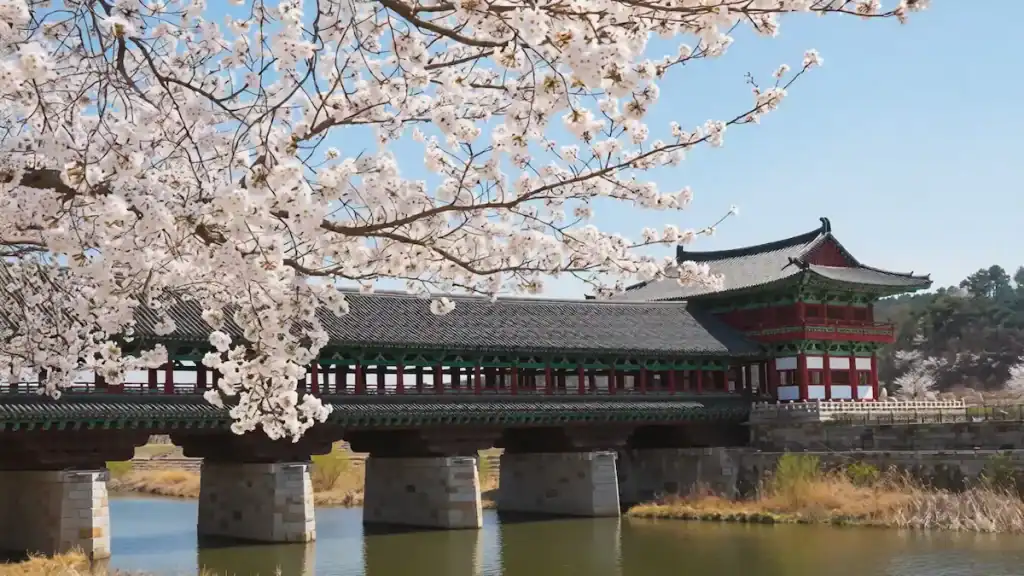
Spring brings cherry blossoms in early April everywhere. Pink flowers frame traditional houses beautifully. The river looks magical with blooms. Weather feels perfect for walking outdoors. Summer has monsoon rains and humidity. But crowds stay smaller in summer. Winter feels brutal from December to February. Freezing temperatures drop below zero regularly. Trees stay bare and brown. Many places close for the season. Timing matters enormously for your experience.