
Things to do in Essaouira include exploring the UNESCO-listed 18th-century Skala de la Kasbah fortifications, windsurfing at Plage d’Essaouira during April-October trade winds, visiting the vibrant fish market at Port de Pêche, browsing Thuya wood crafts in the medina’s souks, and taking day trips to Sidi Kaouki beach (27km south) or the Argan oil cooperatives.
👀 Essaouira: At a Glance
📌 Location: Atlantic coast, 3 hours west of Marrakech (191km), UNESCO medina
👥 Best for: Relaxation seekers, photographers, wind/kite surfers, Marrakech escapees
⏱️ Ideal duration: 2-3 days (1 day minimum, 4+ days for total chill mode)
🌤️ Weather reality: Windy year-round, mild temps (19-28°C), cold ocean water
💰 Daily budget: $30-50 USD (accommodation, meals, activities)
⚠️ Critical warning: It’s VERY windy – sand in your face, hair chaos, forget peaceful beach lounging
🚫 Skip if: Expecting Caribbean-style beach relaxation, want hot weather, need packed itineraries
🏖️ Getting to Know Essaouira: Morocco’s Laid-Back Town
Essaouira sits on Morocco’s Atlantic coast as a small fishing port and beach town of 80,000 people. The modern city was built in the 1760s by a Moroccan king who wanted a European-style fortified port. Hippies discovered it in the 1960s bringing bohemian vibes.
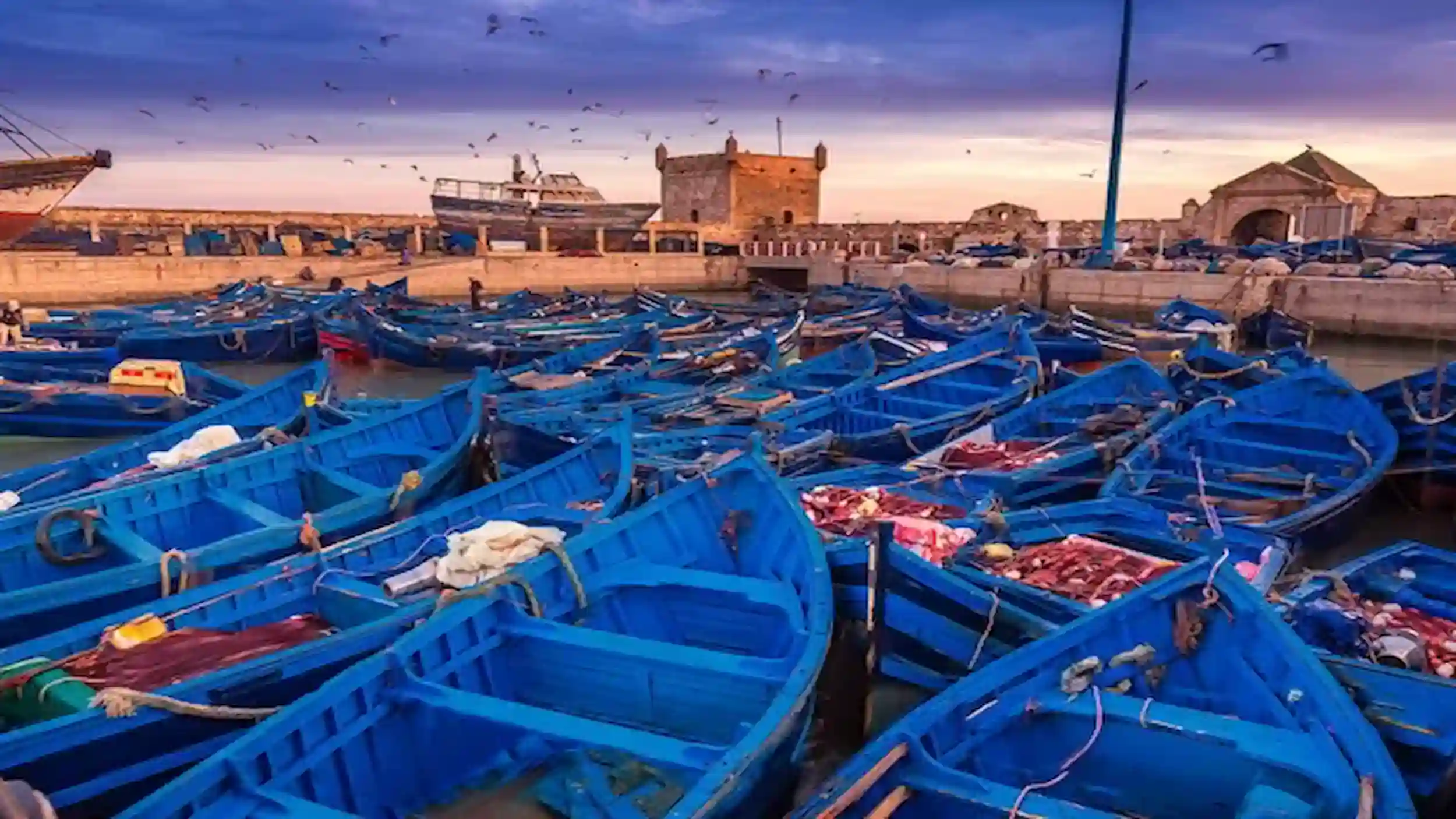
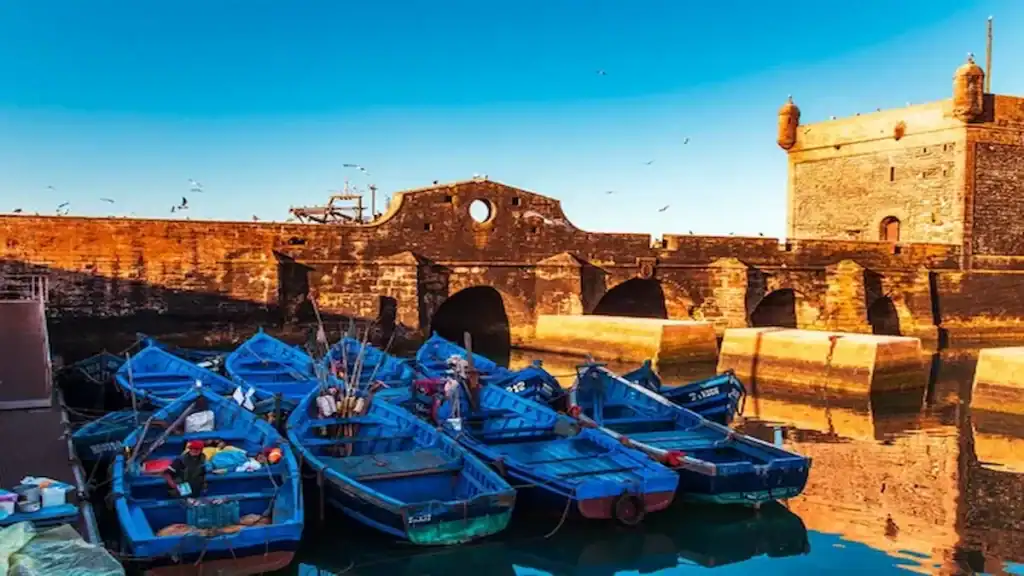
The result today is a unique blend of authentic Moroccan fishing culture mixed with artsy atmosphere and European influence. Blue fishing boats bob in the harbor while local fishermen sell fresh catches. Artists display paintings in narrow alleys. French patisseries serve croissants alongside Moroccan mint tea.
The Famous Windy City Reputation
The wind defines Essaouira more than any other feature. Trade winds blow constantly off the Atlantic Ocean earning the city its nickname “Windy City of Africa.” This creates perfect conditions for kitesurfing and windsurfing. It also makes relaxing on the beach deeply annoying for most visitors.
Expect sand blasted in your face, your hair looking electrocuted, and your beach towel attempting escape. The wind keeps temperatures mild year-round, rarely exceeding 28°C even in summer. Many travelers arrive expecting lazy beach days and leave disappointed because peaceful sunbathing proves nearly impossible.
🚨 The Honest Reality: What Others Don’t Tell You
Everyone mentions the wind in travel blogs but then glosses over how relentless it actually is. Let me be clear without sugar coating – the wind never stops. If your perfect beach vacation involves sunbathing peacefully for hours, skip Essaouira and go to Agadir instead.
The Atlantic water temperature shocks most visitors. The ocean is genuinely cold, not just “refreshing.” Most travelers never swim or rent wetsuits if they do. Those who brave it without wetsuits don’t stay in long. Do not plan your trip around swimming unless you handle cold water well.
What Makes Essaouira Special Anyway
The medina genuinely differs from other Moroccan cities in important ways. It’s small enough that getting lost is nearly impossible, follows a simple grid pattern, and bans vehicles completely (mostly – occasional mopeds sneak through). Shop owners are friendly rather than aggressive. You can browse without harassment or pressure.
The vibe feels authentically relaxed throughout the entire town. Locals don’t rush anywhere. Many don’t wake up until 10 or 11am. Cafes fill with people reading books, working on laptops, or simply staring at the ocean. If you’ve survived chaotic Marrakech, arriving in Essaouira feels like finally exhaling after holding your breath.
🎯 Top Activities: What’s Actually Worth Your Time
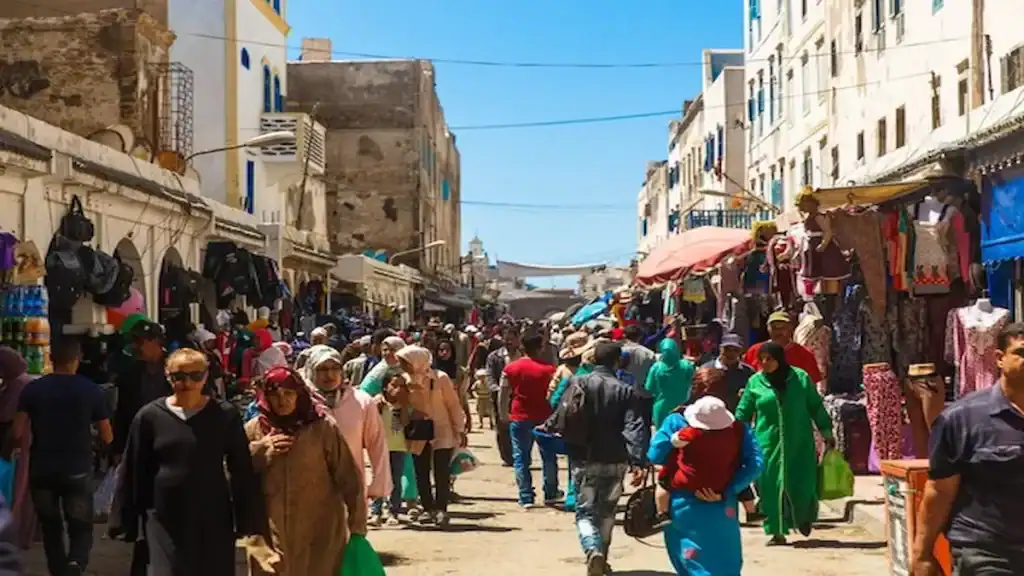
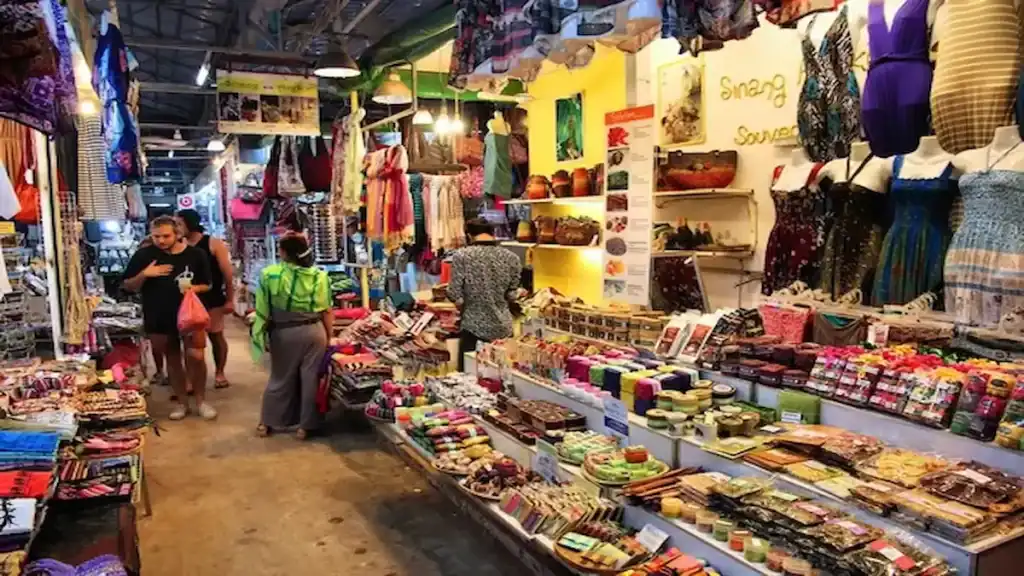
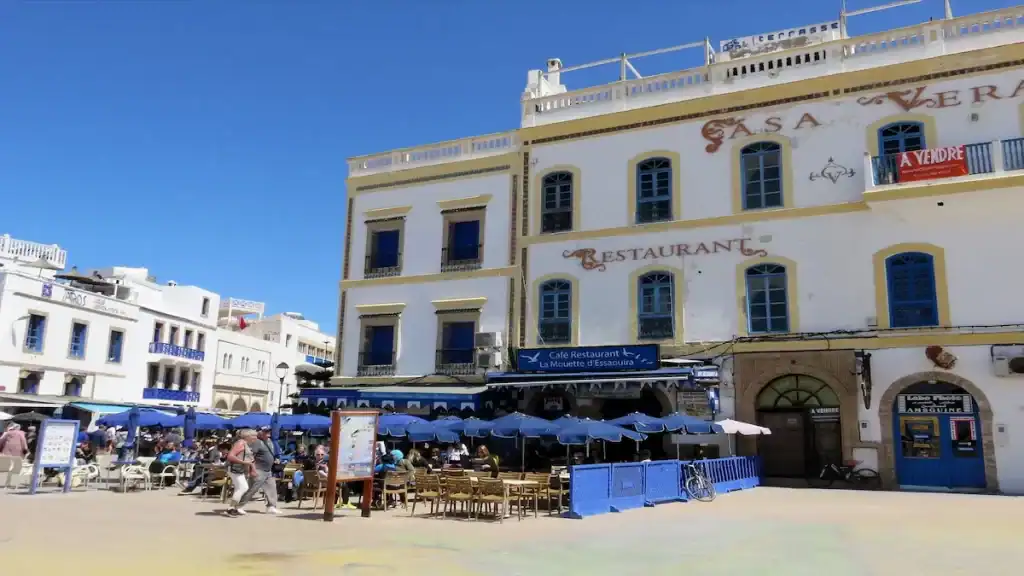
Wander the UNESCO medina without any specific plan or map. This ranks as the number one activity because Essaouira’s medina genuinely rewards aimless exploration. The whitewashed buildings with blue wooden accents photograph beautifully at every turn. Narrow alleys hide artisan workshops where locals carve thuya wood into intricate boxes.
Two main boulevards run northeast to southwest through the medina (Avenue Sidi Mohamed Ben Abdellah and Avenue de l’Istiqlal). Everything connects to these central streets. Pop into small galleries showcasing local art. Browse colorful ceramics, leather goods, and argan oil products. Stop at tiny hole-in-the-wall cafes for mint tea and people watching.
Visit the Fishing Port at Dawn
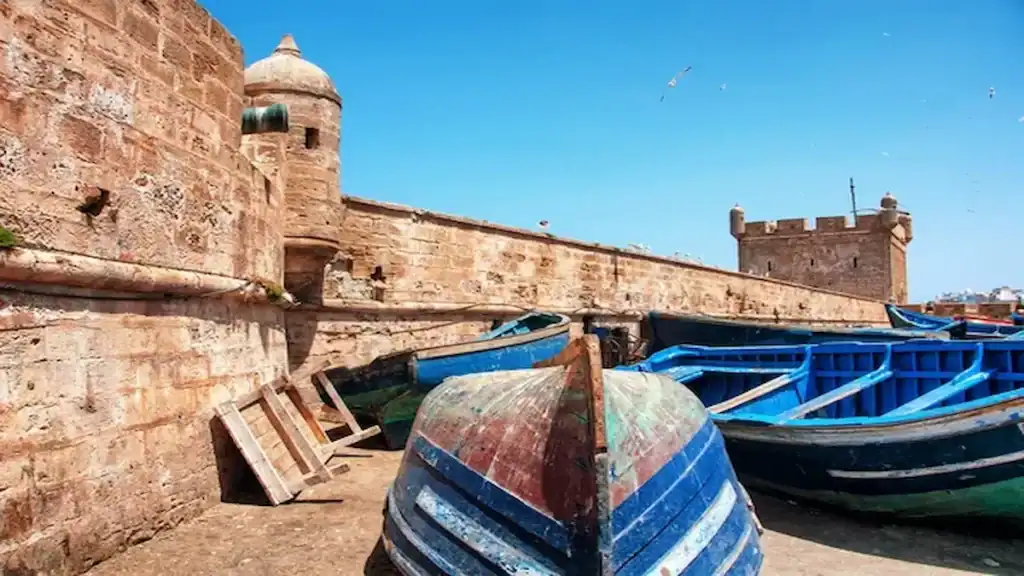
The fishing port area called Bab El Marsa comes alive at dawn when blue boats return loaded with fresh catches. Fishermen sort through their hauls while seagulls swarm aggressively overhead. It’s chaotic, genuinely smelly, and absolutely fascinating. Fish guts spill from buckets onto the dock. The smell is strong and unmistakable.
Buy fresh sardines directly from fishermen (caught with nets, lower environmental impact than other fishing methods). Take them to nearby grill stalls where workers cook them for you with bread and salad. Locals browse and bargain for family dinners. This is authentic Moroccan coastal life, not a sanitized tourist attraction.
🏰 Walking the Ramparts: Skala de la Ville and Skala du Port
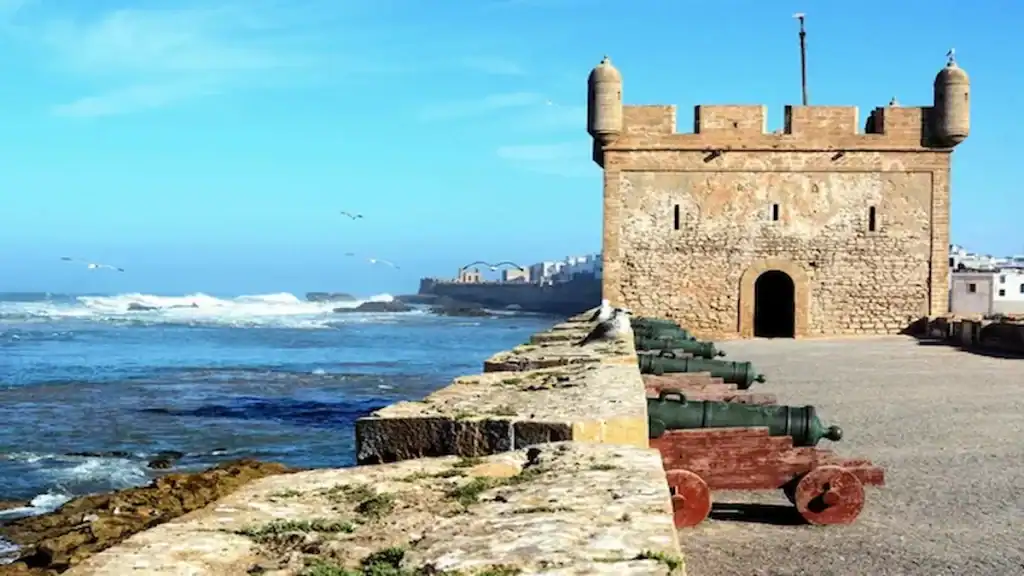
These 18th-century fortifications once protected Essaouira from both sea attackers and Atlantic storms. Bronze cannons still line the thick walls pointing toward offshore islands called Îles Purpuraires. The ramparts offer panoramic views of the medina’s blue-and-white rooftops stretching to the endless Atlantic horizon.
Skala du Port costs 60 Dh per adult and 25 Dh per child for entry. Though smaller than Skala de la Ville, it provides better photo opportunities with fewer crowds. Visit late afternoon when tour groups have departed and golden light makes everything glow. The main ramparts are free to access along several points.
Game of Thrones Filming Locations
Game of Thrones fans will recognize these ramparts from Season 3 when Essaouira played the city of Astapor. Follow Daenerys Targaryen’s footsteps along the “Walk of Punishment” on the city ramparts. The honey-colored medieval Skala du Port bastion appears in several key scenes involving the Unsullied army.
The medina itself served as backdrop for multiple episodes. Walking through the blue and white streets feels like stepping onto the HBO set. Many tour companies offer “Game of Thrones walking tours” but you can easily explore these locations yourself for free.
🌊 Beach Activities: Surfing, Kitesurfing, and Reality Checks
Essaouira attracts surfers and kite surfers from around the world because reliable wind creates perfect conditions. If you’ve never tried kitesurfing, this is genuinely one of the world’s best places to learn. Multiple schools along the main beach offer lessons with English-speaking instructors providing all equipment, wetsuits, and helmets.
Beginner surfers should head south to Sidi Kaouki beach (25km away, 7 Dh on local bus) where waves are more predictable. Essaouira’s main beach has trickier conditions better suited for intermediate surfers. Surf schools offer full-day packages including transport to better beginner beaches.
The Beach Reality Check
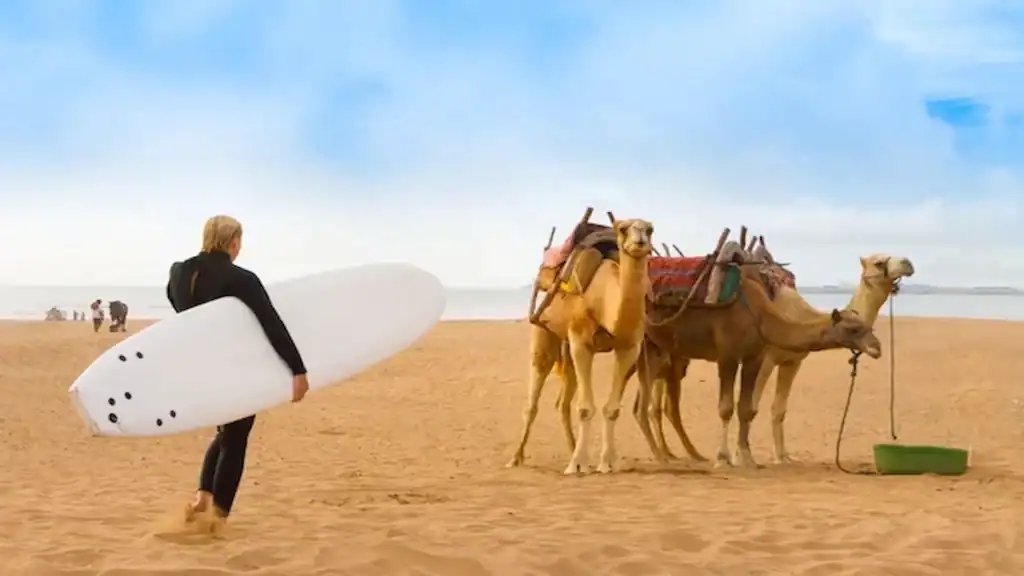
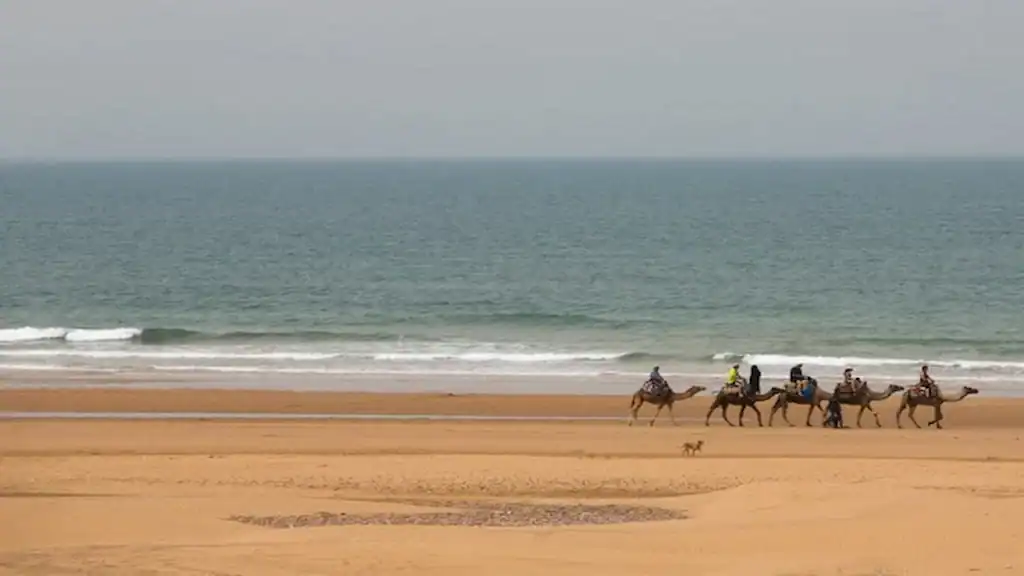
The 2-kilometer main beach stretches impressively with a beachfront promenade perfect for sunset walks. Despite wind challenges and cold water, the beach has genuine charm. Locals play football in informal matches. Kite surfers skim dramatically across waves. Camels and horses wait patiently offering rides for 200-300 Dh per 30 minutes.
Don’t expect comfortable sunbathing sessions like Caribbean or Mediterranean beaches. Beach chairs with umbrellas cost only 25 Dh ($2.50) but the relentless wind makes them pointless. The beach works best for long walks, watching water sports, and dramatic sunset photography sessions.
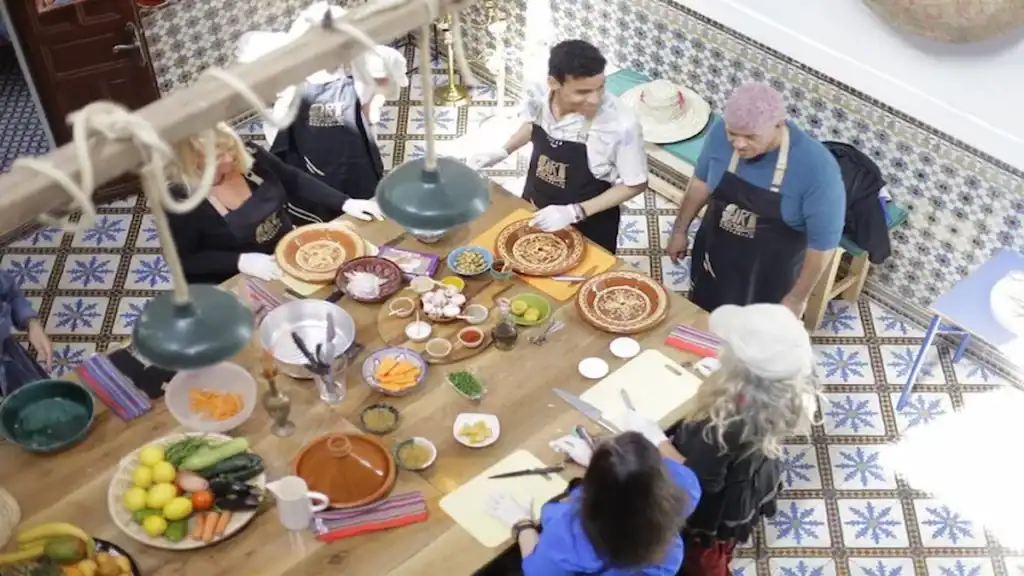
🍳 Cooking Classes: Learn from Local Families
Skip touristy cooking classes held in commercial restaurants or hotels. Instead book classes with Latifa or similar local hosts who welcome visitors into their actual family homes. You’ll shop for fresh ingredients together at medina markets, then spend 3-4 hours preparing traditional tagine or couscous from scratch.
These classes move slowly in the best possible way. Moroccan cooking requires genuine time and care – grating vegetables by hand, meticulously preparing couscous, slow-cooking meat with carefully measured spices. You’ll hear real stories about Moroccan family life while you cook, then eat your creation together at the family table.
Traditional Hammam Experience
Hammams are Moroccan bathhouses where locals go weekly for deep cleaning and social time. Tourist hammams in upscale hotels offer gentler experiences. Traditional local hammams (like the ladies’ hammam near Bab Doukkala gate) provide more authentic experiences but require comfort with group nudity.
You’ll scrub layers of dead skin off using a rough mitt called a kessa, steam in intensely hot rooms, and emerge with incredibly soft skin. Self-scrub option costs around 50 Dh (bring your own soap, scrub mitt, and argan oil). Full treatment where attendants scrub you costs 150-200 Dh. Women can keep underwear on if desired. This is daily Moroccan life unfiltered.
🚗 Day Trips: Sidi Kaouki and Wine Tasting
Sidi Kaouki village sits 25 kilometers south as a small beach community perfect for surfing and escaping tourist crowds. Local buses depart from Bab Doukkala gate every hour, cost only 7 Dh, and take 45 minutes. The beach stretches long, windswept, and almost completely empty most days.
Chez Momo restaurant in Sidi Kaouki serves some of Morocco’s best seafood according to multiple travelers who lived in the region. After eating, catch the hourly bus back to Essaouira or hire a private taxi for 100 Dh. Some adventurous hikers walk the 5-hour coastal route from Essaouira to Sidi Kaouki, following the shoreline the entire way.
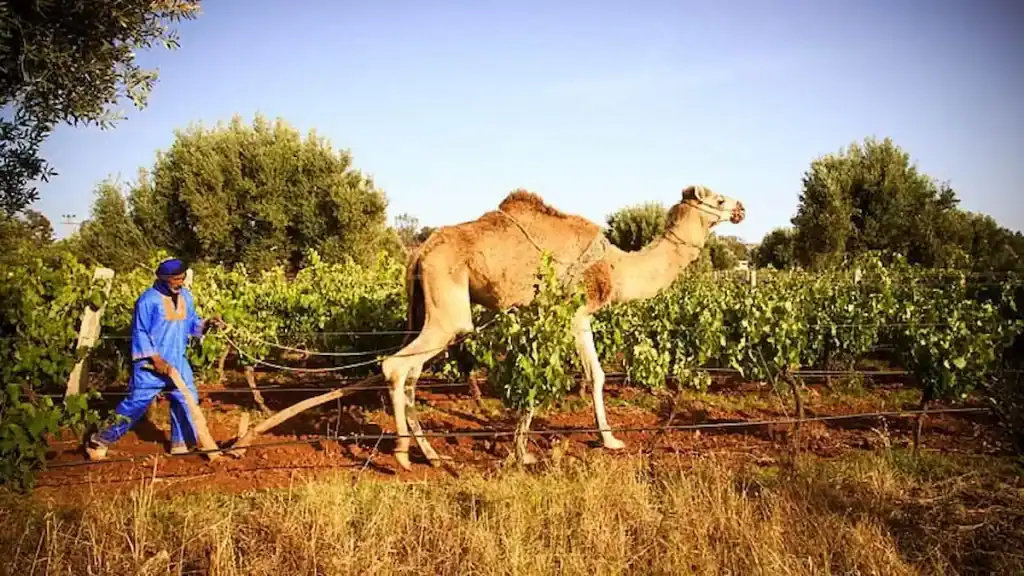
Domaine du Val d’Argan Winery Visit
Morocco produces wine despite being a predominantly Muslim country. Val d’Argan vineyard sits just 25 minutes outside Essaouira on 50 hectares growing 13 different grape varieties originally from France’s Rhone Valley. Wine tastings start at 200 Dh ($20 USD). Always call ahead to reserve (+212 660-279024).
Tastings typically run at 11am, 2:30pm, and 3pm, lasting about 30 minutes each. You’ll sample whites, reds, and rosé wines while learning about Moroccan wine production history. The property includes a charming bed and breakfast with pool if you want to extend your visit overnight. This makes a relaxing break from medina exploration.
💡 Essential Practical Information: What You Need to Know
Morocco’s dirham (MAD) serves as the official local currency. ATMs appear widely available around the medina perimeter and new town areas. Most cafes and restaurants accept major credit cards but carry cash for markets, taxis, and small purchases. The dirham is “closed currency” meaning you cannot obtain it before arriving in Morocco and cannot easily convert it back when leaving without exchange receipts.
Shared taxis called petits taxis charge a flat rate of 8 Dh during daytime hours and 9 Dh after dark to anywhere within town limits. Flag them down anywhere on main streets. They’re more reliable than Uber which doesn’t operate in Essaouira. Colorful horse-drawn carriages cost 2 Dh for rides along the main Avenue Al Aqaba strip.
Safety and Health Guidance
Essaouira ranks among Morocco’s safest destinations for both local residents and international travelers. The medina feels noticeably safer than Marrakech because vehicles are completely banned except occasional rule-breaking mopeds. Petty theft like pickpocketing happens occasionally in crowded market areas but violent crime remains extremely rare. Solo female travelers consistently report feeling comfortable walking around day and night. For current safety updates, review U.S. State Department Morocco travel advisories and UK Foreign Office Morocco travel advice before your trip.
Check your vaccinations several weeks before traveling to Morocco. All routine vaccines should be current including measles, mumps, rubella. Consider getting Hepatitis A and Typhoid vaccines specifically for Morocco. Review CDC travel health recommendations for Morocco for complete health guidance including detailed food safety and water precautions. Most travelers experience no health problems if they follow basic precautions about food and water.
Food and Water Safety
The tap water throughout Morocco isn’t safe for foreign visitors’ digestive systems. Buy bottled water everywhere – it’s cheap and widely available at small shops. Avoid ice cubes in drinks unless dining in upmarket restaurants with filtered water systems. Street food is generally safe when cooked fresh directly in front of you on hot grills.
Avoid pre-made salads at the fish market food stalls according to multiple traveler warnings about sanitation concerns. Cooked food like grilled sardines is safe. Fruits you can peel yourself (oranges, bananas) are safe. Fresh mint tea is safe. Most travelers have no food issues if they follow these common sense guidelines.

🚌 Getting to Essaouira: Transportation from Marrakech
Two major bus companies operate daily routes between Marrakech and Essaouira: CTM and Supratours. Multiple departures run throughout the day costing approximately 100 Dh ($10 USD), plus an additional 5 Dh fee for checked luggage. The journey takes 3 hours on decent roads. Buy tickets one day in advance during busy seasons because buses frequently sell out completely.
Grand taxis (shared taxis seating 6 passengers) offer an alternative with a standard fixed fee of 600 Dh from Marrakech to Essaouira. Drivers initially quote 1000 Dh – negotiate firmly down to 600 Dh. These taxis don’t accept advance reservations. Simply show up at the grand taxi stand outside Marrakech train station and ask available drivers.
Arrival and Getting Around
Both buses and grand taxis drop passengers near the medina walls within easy walking distance of most accommodations. The medina itself is small and entirely walkable within 20 minutes end-to-end. You’ll rarely need transportation once inside town except for day trips to surrounding areas like Sidi Kaouki.
Local buses to nearby beaches and villages depart from Bab Doukkala gate at the medina’s northern end. Shared taxis (petits taxis) are abundant for rides around town. Car rentals are available if you want to explore the coast independently. Arganier rental company gets consistent positive reviews for straightforward no-hassle service at reasonable prices.
✅ Is Essaouira Worth It? The Final Verdict
Essaouira delivers perfectly if you want relaxation, beautiful photography opportunities, authentic coastal Morocco, and escape from tourist chaos. It disappoints if you expect packed daily itineraries, hot beach weather, active nightlife, or typical beach vacation activities like comfortable sunbathing. The wind genuinely annoys most people. The water genuinely feels too cold for swimming without wetsuits.
Two to three days is the ideal sweet spot for most travelers’ schedules and interests. One day feels rushed especially as a day trip from Marrakech after 6 hours of travel. Four to seven days works wonderfully if you embrace slow travel, work remotely from cafes, or want serious kitesurfing practice time.
Why Essaouira Remains Special
The charm comes from what Essaouira doesn’t try to be or compete with. It’s not attempting to match Marrakech’s intense energy or Agadir’s beach resort amenities. It’s simply a working fishing town that happens to have a stunning UNESCO medina, constant ocean breezes, and a genuinely laid-back vibe that makes visitors extend their stays unexpectedly.
You’ll spend more time sitting in cafes reading books than ticking off tourist attractions. You’ll walk the same beach promenade multiple evenings because the sunsets are spectacular every night. You’ll browse through the medina without buying much just because wandering feels good. If that sounds boring, skip Essaouira entirely. If that sounds perfect, book your bus ticket immediately.