
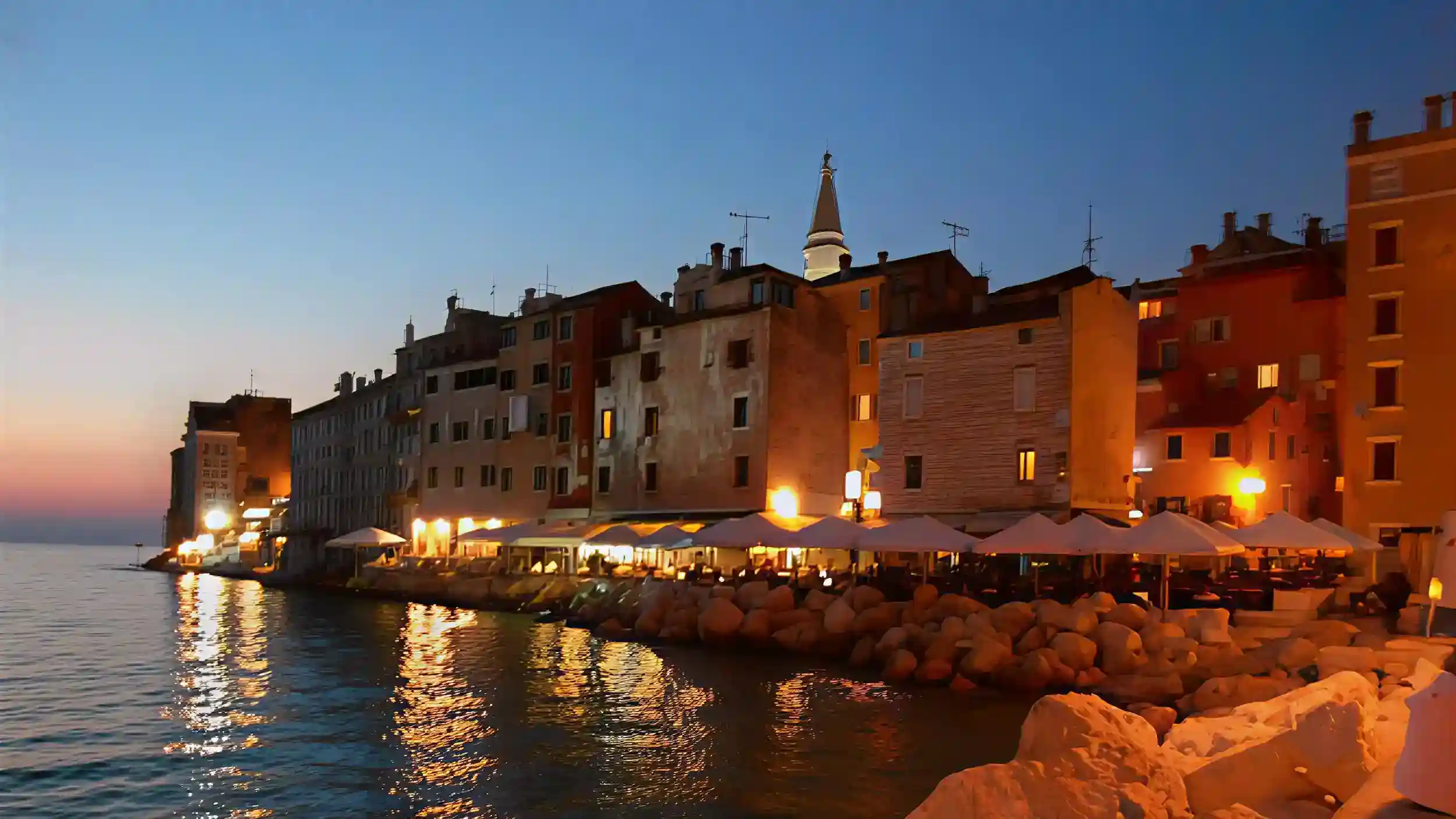
Things to do in Rovinj include exploring the 7th-century St. Euphemia’s Church with its 60-meter bell tower, kayaking around the 14 Red Island islets (€25-40 for tours), cycling the 10-kilometer coastal Lungomare promenade, wine tasting at nearby Benvenuti Winery in Kanfanar, and taking sunset dolphin-watching boat trips (€35-50 per person, departing 6 PM daily).
👀 Rovinj: At a Glance
📌 Location: Northwestern Croatia, Istrian Peninsula, 40 minutes from Pula Airport
👥 Population: 14,000 residents (swells to 30,000+ in August)
⏱️ Time Needed: 1-2 days for town; 3-5 days as base for Istria
🌤️ Best Months: May, September (warm weather, fewer crowds, lower prices)
💰 Daily Budget: €60-100 (mid-range), €150+ (splurge)
⚠️ Reality Check: Old town gets crowded 11am-5pm in summer; restaurants near harbor overpriced
🚫 Skip if: You want sandy beaches, party nightlife, or major historical sites like Dubrovnik offers
🏔️ Understanding Rovinj: Venetian Charm on Croatia’s “Other” Coast
Rovinj feels more Italian than Croatian and for good reason. Venice ruled this peninsula from 1283 to 1797. The architecture, food, and even street names reflect this heritage. Many locals speak Italian fluently and the town was actually an island until the Venetians filled the channel in 1763.
The Istrian Peninsula escaped the tourism explosion that hit Dubrovnik and Split. While southern Croatia sees millions of cruise ship passengers, Rovinj attracts mostly European road trippers and couples seeking a quieter Mediterranean escape. The town recorded 1 million visits in 2023 – significant for its size but manageable compared to Dubrovnik’s 8 million annual visitors.
What Makes Rovinj Different from Other Croatian Towns
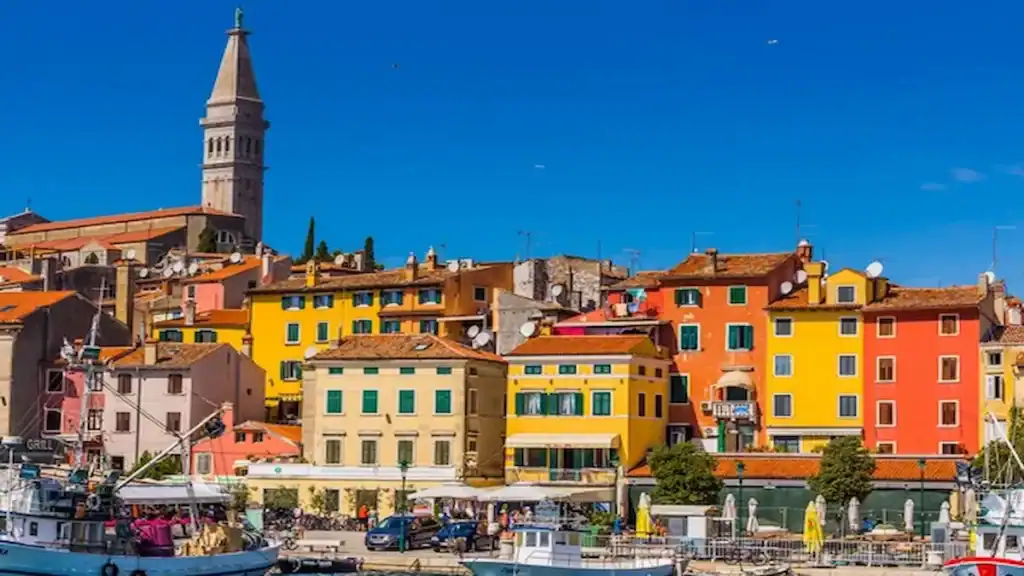
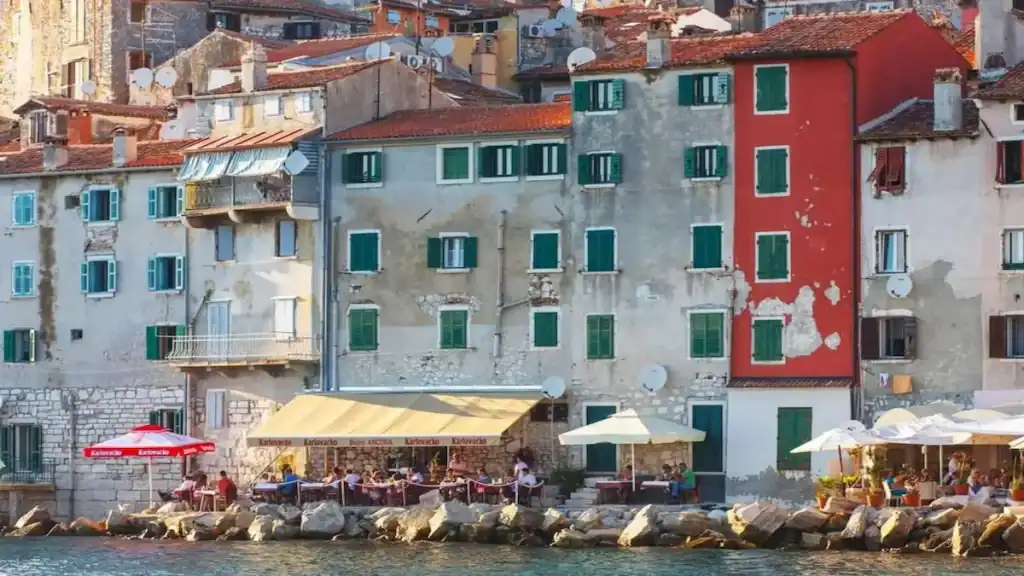
Unlike the stone-walled medieval cities of Dalmatia, Rovinj bursts with color. Pastel houses in pink, yellow, and terracotta cluster on the hillside. The working harbor still brings in fresh catches daily. You’ll see fishermen handing seafood directly to restaurant owners each morning.
The vibe differs too. Dubrovnik feels like a museum with crowds shuffling through. Split pulses with urban energy. Rovinj offers something in between – lively enough to stay interesting but relaxed enough for the Italian concept of “dolce far niente” (the sweetness of doing nothing).
🚨 The Honest Reality: What Travel Blogs Don’t Mention
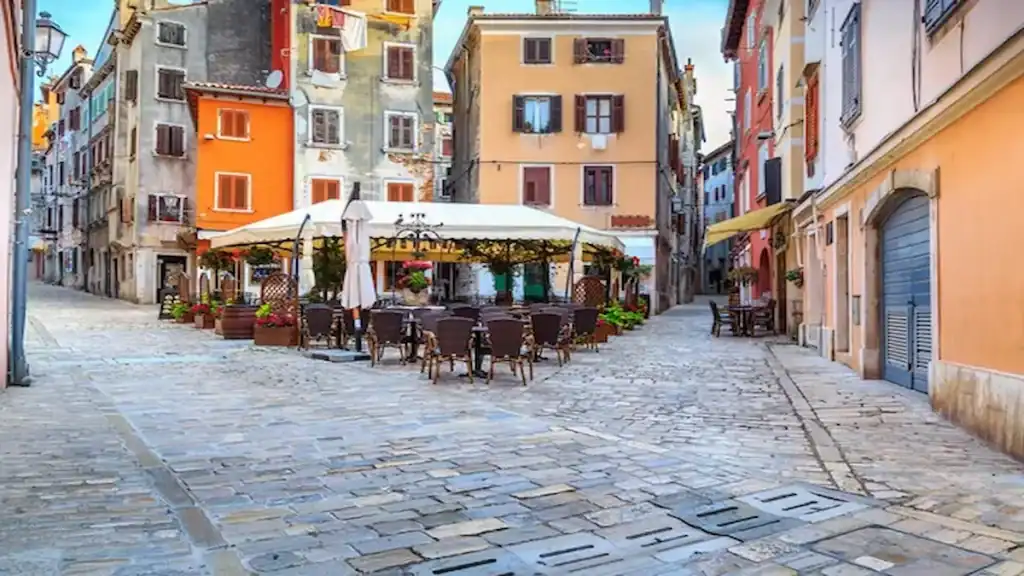
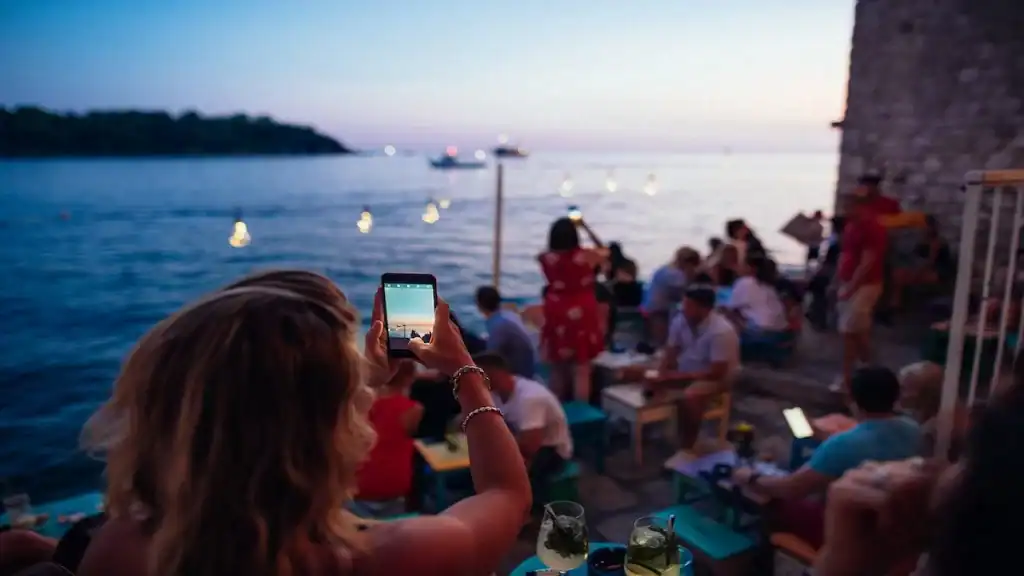
Rovinj gets hyped as a “hidden gem” but let’s be real – it’s been discovered. The narrow streets fill with day-trippers between 11am and 5pm during summer. You’ll compete for photo spots on Grisia Street. The most popular sunset rocks get claimed by 6pm.
The old town is genuinely tiny. Most travelers walk the same picturesque alleys repeatedly after day two. If you’re staying a week in Rovinj itself (not using it as a base), you’ll run out of new corners to explore. Several long-term travelers I spoke with mentioned this specifically – beautiful for 2-3 days, then repetitive.
Critical Planning Information for Rovinj
Harbor-facing restaurants charge premium prices for mediocre food. Locals told me to walk 2-3 blocks inland for better value and quality. Restaurant bills near the waterfront can run 30-40% higher than identical meals elsewhere.
Parking challenges are real. The old town is pedestrian-only. The closest lots (Valdibora) fill by 10am in summer. You’ll either arrive early or park further out and walk 10-15 minutes. Hotels outside old town often include parking – a major plus if you’re driving.
Rocky beaches mean no soft sand. You’ll step on rocks, use ladders to enter deep water, and want water shoes for sea urchins. If you’re dreaming of sandy Mediterranean shores, adjust expectations or visit nearby Lone Bay which has some pebble areas.
🚌 Getting to Rovinj: Your Transport Options
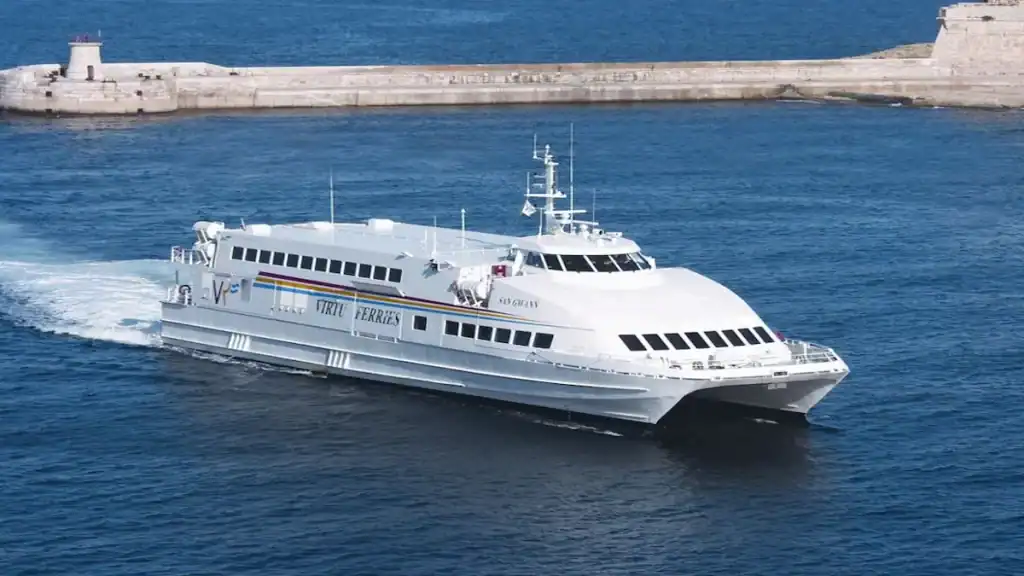
Pula Airport serves as the main gateway, 40 km south of Rovinj. Buses run every 1-2 hours (43 kuna / €6, 40 minutes). Car rental makes sense if exploring beyond Rovinj. The roads throughout Istria are excellent – far better than southern Croatia’s coastal highway.From Venice, Adriatic Lines operates ferries 2-3 times weekly (3 hours, check ferryhopper.com for schedules). This option lets you combine Venice and Rovinj without backtracking. The ferry docks walking distance from old town.
How to Get Around Once You’re There
Your feet work perfectly for old town exploration. Everything clusters within a 10-15 minute walk. The old town maze has no cars, minimal bikes, just cobblestones and stairs.
For day trips, rent a car (€30-50/day) or book organized tours. Public buses connect Rovinj to Pula (hourly), Poreč (hourly), and other coastal towns but schedules limit flexibility for hilltop villages.
Bikes work well for the coastal path to Golden Cape Forest Park. Several shops near the harbor rent bikes for €10-15/day. The 12 km waterfront promenade offers flat, scenic riding.
⏰ How Many Days in Rovinj?
The honest answer: 1-2 days to see Rovinj itself. 3-5 days if using it as your Istria base. 7+ days feels excessive unless you’re on a slow travel trip or working remotely.
Most travelers visit for 2 nights (1.5 full days). This gives you time to wander the old town leisurely, climb the bell tower, enjoy sunset spots, and take one boat trip or day trip. You won’t feel rushed but also won’t get bored.
Sample 2-Day Rovinj Timeline
Day 1: Arrive early or previous evening. Morning: explore old town before crowds (start 8-9am). Climb St. Euphemia bell tower for views (192 rickety steps). Lunch at inland restaurant (skip harbor). Afternoon: bike or walk to Golden Cape Forest Park. Evening: sunset at rocks near Mediterraneo Bar, dinner at local konoba.
Day 2: Morning market visit for truffles and olive oil. Boat trip to nearby islands or Lim Fjord (book afternoon departure to avoid all-day commitment). Beach time at Balota or Monte Beach. Evening: final sunset, try different restaurant in old town.
Extended stays: Use days 3-5 for Istrian day trips – Pula Roman Arena, Poreč UNESCO mosaics, hilltop towns (Motovun, Grožnjan), truffle hunting, wine tasting, or even a Venice day trip.
🌊 Best Things to Do in Rovinj Old Town
Getting lost in the maze ranks as the #1 activity according to every traveler I researched. No map needed. Just wander up narrow Grisia Street, take random turns, find hidden squares, and stumble upon cliff-edge cafes. You’ll end up at the water eventually.
Grisia Street functions as the main artery – a steep cobbled lane lined with art galleries, boutiques, and cafes. The street hosts an annual fine arts exhibition where European artists display paintings, jewelry, and ceramics. Budget 30-45 minutes to walk from Balbi Arch at the bottom to St. Euphemia at the top, stopping to browse shops.
Church of St. Euphemia and Bell Tower Views
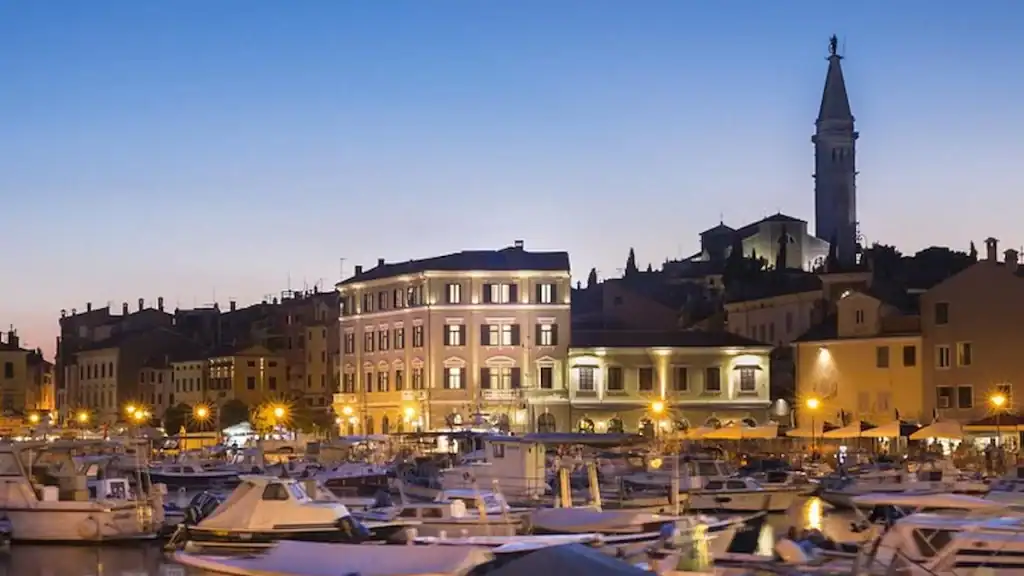
This baroque church from the early 1700s crowns Rovinj’s highest point. The bell tower deliberately mimics St. Mark’s Basilica in Venice. For €3-5, climb 192 steps to the observation deck. The wooden stairs creak ominously but they’re safe.
The view delivers – old town’s terracotta roofs, sparkling Adriatic, nearby islands, and on clear days, the Alps to the north. Go early morning (8-9am) or late afternoon (5-6pm) to avoid crowds and midday heat. Summer sees temperatures around 30-35°C (86-95°F) making the climb in afternoon sun brutal.
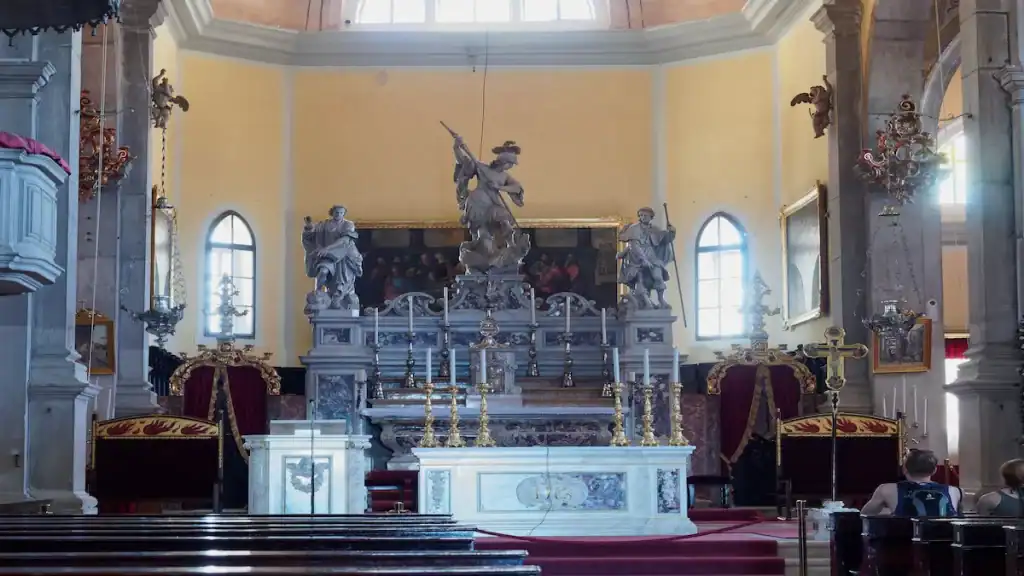
Inside the church, check out the 15th-century statue of Saint Euphemia and her marble sarcophagus behind the altar. The interior lacks the elaborate frescoes of Italian churches but the baroque altar impresses.
🏨 Where to Stay: Old Town vs Outside
Old town accommodations put you steps from everything but require hauling luggage up cobblestone hills and dealing with no-car access. Most are boutique hotels, small B&Bs, or Airbnbs in renovated townhouses.
Hotel Adriatic occupies the prime waterfront spot at the old town entrance. The 1892 building combines historic charm with modern updates. Rooms run €200-400/night in peak season but the breakfast and location justify it for many.
Best Value Accommodation Options
Apartment City Center offers self-catering options in the old town maze for €60-120/night depending on season and size. Having a kitchen helps offset restaurant costs if staying multiple days.
Outside old town, hotels like Hotel Lone (10-minute walk) and Hotel Monte Mulini (beach setting) provide resort amenities, parking, pools, and easier luggage handling. Prices similar to old town but different experience – more resort, less charming.
September and May drop accommodation prices 30-50% compared to July-August. The same apartment renting for €150/night in August might cost €80 in late September with better weather than early October.
💡 Essential Practical Information
Croatia uses the Euro since 2023. Most places accept cards but carry cash for markets, small cafes, and tips. ATMs are plentiful in town though none exist in tiny villages you’ll visit.
Tipping norms: 10% at restaurants (sometimes included in bill – check first), round up for drinks at bars, €1-2 per bag for hotel porters. Taxi drivers don’t expect tips but rounding up is appreciated.
Safety and Health Considerations
Rovinj ranks as very safe for travelers. The U.S. Department of State rates Croatia as Level 1 (Exercise Normal Precautions). Petty theft occurs at beaches and tourist areas – watch your belongings but don’t stress excessively. Check the U.S. State Department Croatia travel advisory for current safety updates before traveling.
For health preparations, U.S. travelers need no vaccinations for Croatia. Your routine vaccinations should be current. Consider Hepatitis A/B if eating street food extensively. Review CDC travel health recommendations for Croatia for detailed health guidance and vaccination advice.
Bug protection matters in summer. Mosquitoes emerge at dusk near the harbor and forest areas. Bring repellent or buy locally. The pharmacy on the main square stocks everything you’d need.
No visa required for U.S., Canadian, UK, EU, and Australian citizens for stays under 90 days. Your passport needs 3 months validity beyond departure date. Visit Croatia’s official tourism website for entry requirements by nationality and current travel regulations.
The Croatian National Tourist Board provides comprehensive travel resources including accommodation databases, event calendars, and regional guides at Croatian National Tourist Board to help plan your Istria adventure beyond Rovinj.
What to Pack for Rovinj
Comfortable walking shoes are non-negotiable. Those cobblestones and hills destroy flimsy sandals or flip-flops. Bring actual sneakers or walking shoes with grip for slippery stones.
Water shoes for rocky beaches. Sea urchins hide in crevices and sharp rocks hurt bare feet. Locals and repeat visitors all wear water shoes – take their lead.
Light layers work year-round. Evenings cool down even in summer. A light jacket or cardigan makes outdoor dining more comfortable. Spring and fall can swing 15 degrees between day and night.
Sun protection: Hat, sunglasses, high-SPF sunscreen. The Adriatic sun reflects off water and white stones intensely. You’ll burn faster than expected.
✅ Is Rovinj Worth It? The Final Honest Verdict
Rovinj delivers if you want Italian charm at Croatian prices, fresh seafood, beach time, and a base for exploring Istria. It’s genuinely beautiful, significantly less touristy than Dubrovnik, and offers excellent day trip access to diverse experiences.
Skip Rovinj if you’re seeking major historical sites (Dubrovnik’s walls, Split’s palace), sandy beaches (try Zlatni Rat in Brač), party nightlife (Hvar town), or pristine “undiscovered” atmosphere (it’s discovered but still nice).
Why Rovinj Remains a Strong Choice
The combination of factors works well: walkable old town, legitimate local fishing culture still operating, proximity to varied Istria experiences, reasonable prices compared to peak-season Dalmatia, and manageable crowds outside July-August.
For couples, the romantic factor delivers hard. Sunset spots abound. Restaurants offer atmosphere. The laid-back pace encourages lingering over wine. September visits nail the sweet spot of warm weather, lower prices, and intimate ambiance.
Families appreciate the calm waters, short distances, gelato shops everywhere, and mix of activities. No single element wow’s like major attractions elsewhere but the whole package satisfies.