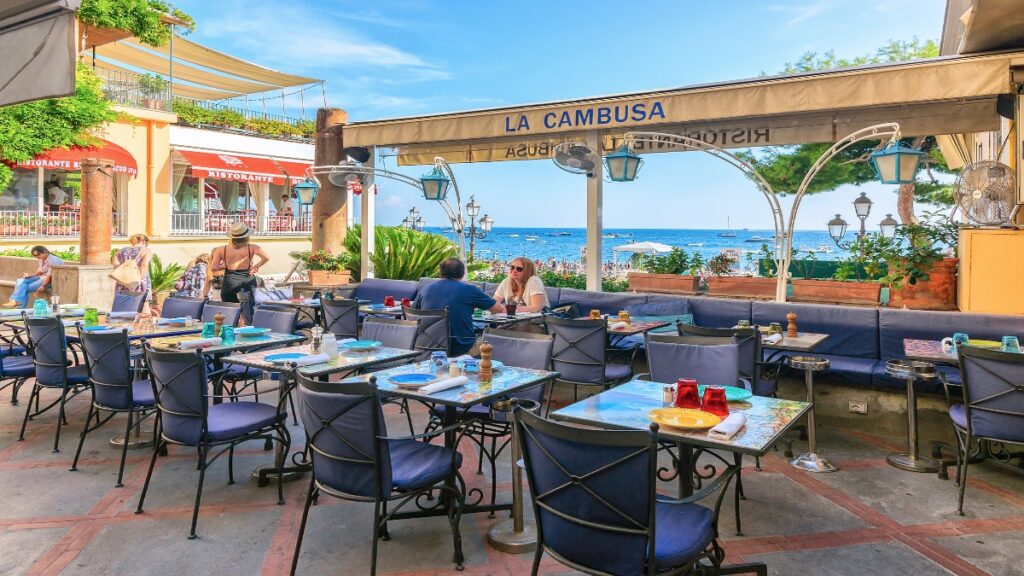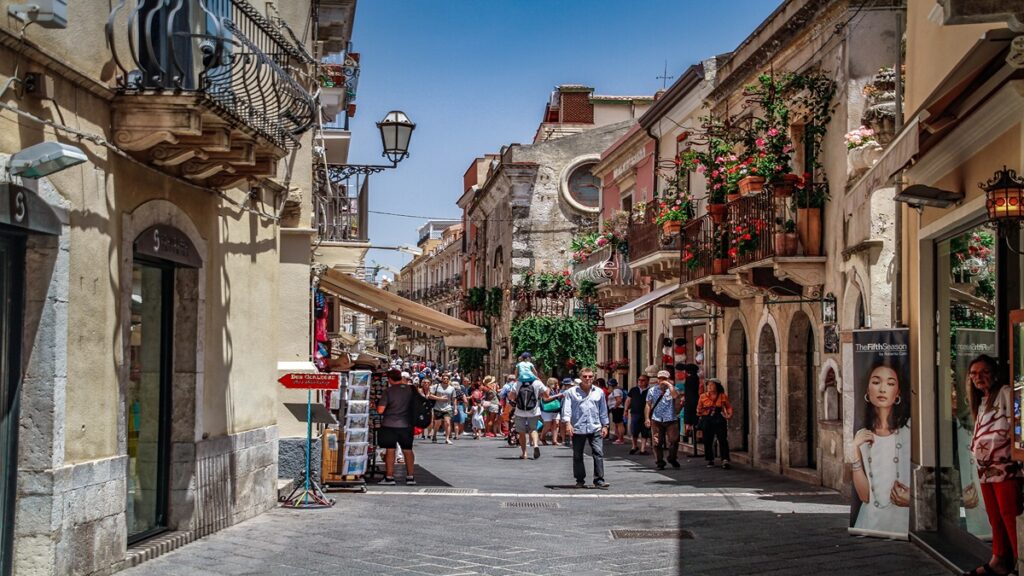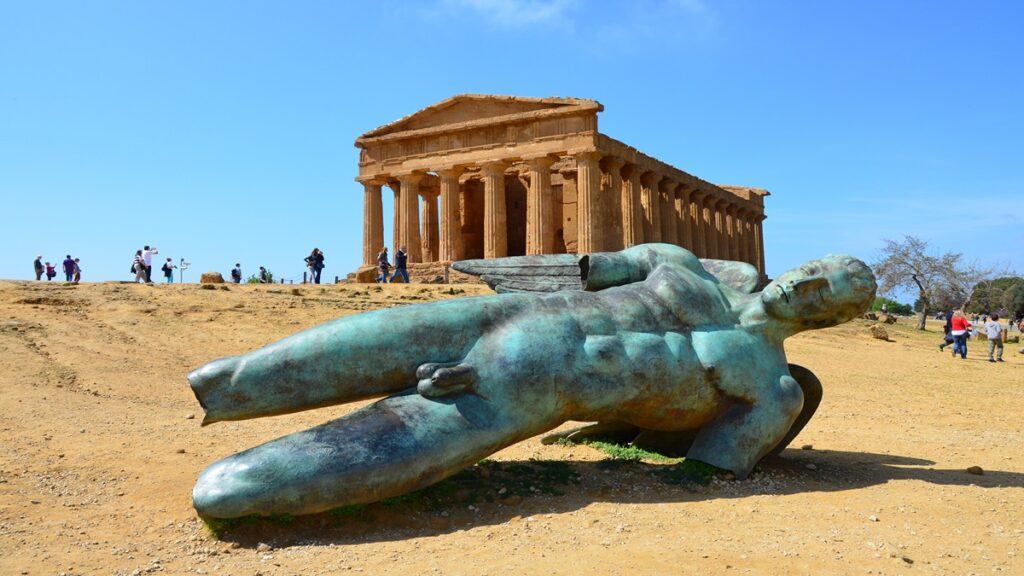

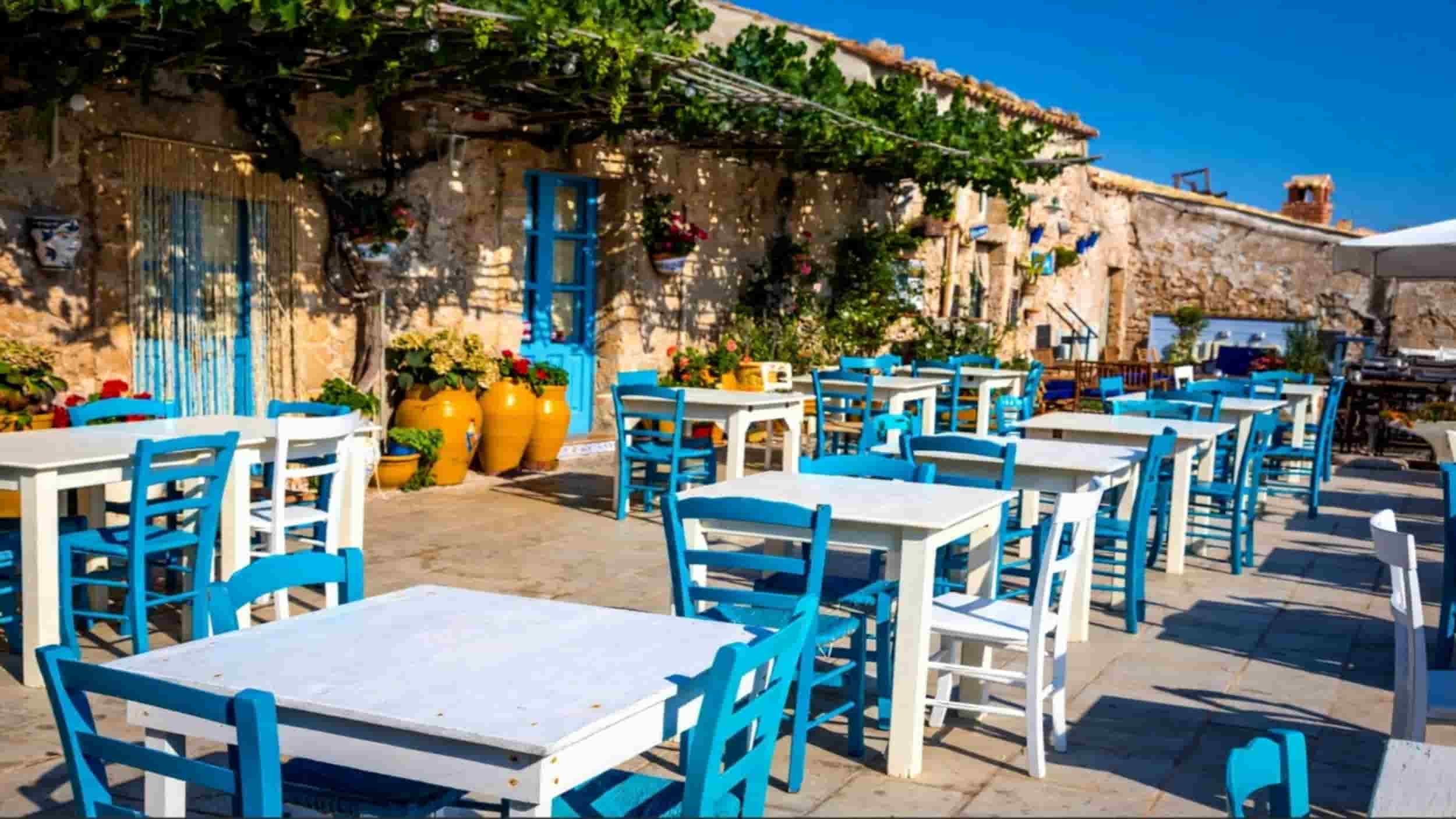
Towns and cities in Sicily include Palermo, Catania, and Taormina, each with unique history and charm. Exploring towns and cities in Sicily offers stunning architecture, vibrant culture, and picturesque streets, providing a rich experience of the island’s heritage and coastal beauty.
👀 At A Glance: Sicily Essentials
🏛️ UNESCO Sites: 7 World Heritage locations
🌋 Active Volcanoes: Mount Etna + Stromboli
🎭 Ancient Theaters: Greek ruins still hosting performances
🏖️ Best Beaches: Taormina, San Vito Lo Capo, Scala dei Turchi
🍷 Wine Regions: Etna DOC volcanic vintages
🌡️ Perfect Weather: May-June, September-October
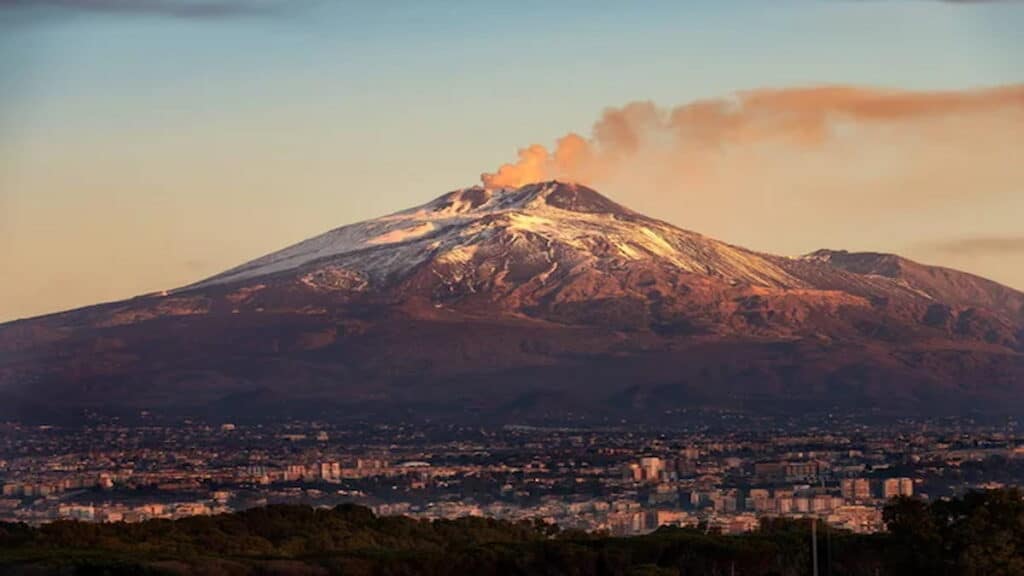
🌋Eastern Sicily: Baroque Towns and Volcanic Wonders
Eastern Sicily unfolds like a living museum where Mount Etna’s volcanic presence has shaped both landscape and culture. Among all the towns and cities in Sicily, this region offers the most dramatic contrasts.
Here you’ll discover some of Sicily’s most beautiful towns. From ancient Greek settlements to baroque masterpieces, these destinations earned UNESCO World Heritage status for absolutely mind-blowing reasons.
Catania: Gateway to Mount Etna
Catania pulses with energy at the foot of Mount Etna, Europe’s most active volcano. This major city in Sicily combines vibrant street life with stunning baroque architecture that’ll take your breath away.
All buildings use dark volcanic stone that gives the historic center its distinctive character. The morning fish market near Piazza del Duomo creates a sensory explosion you have to experience. Vendors hawk fresh catches while Catania’s cathedral elephant fountain stands guard – it’s pure theatrical magic.
Mount Etna Volcano Experience
Mount Etna offers incredible hiking and wine experiences, but checking current volcanic activity ensures safe visits. Italian volcano monitoring provides real-time eruption updates, trail closures, and safety guidelines. This 3,400-meter peak produces world-class pistachios from volcanic soil while offering breathtaking contrasts of snow-capped summits and Mediterranean coastlines.
Hiking trails, cable car rides, and wine tastings await visitors. Here’s what most people don’t know – vineyards here produce the best pistachios in Sicily from volcanic soil. You’re going to be amazed by the contrast of snow-capped peaks and Mediterranean coastline from Etna’s slopes.
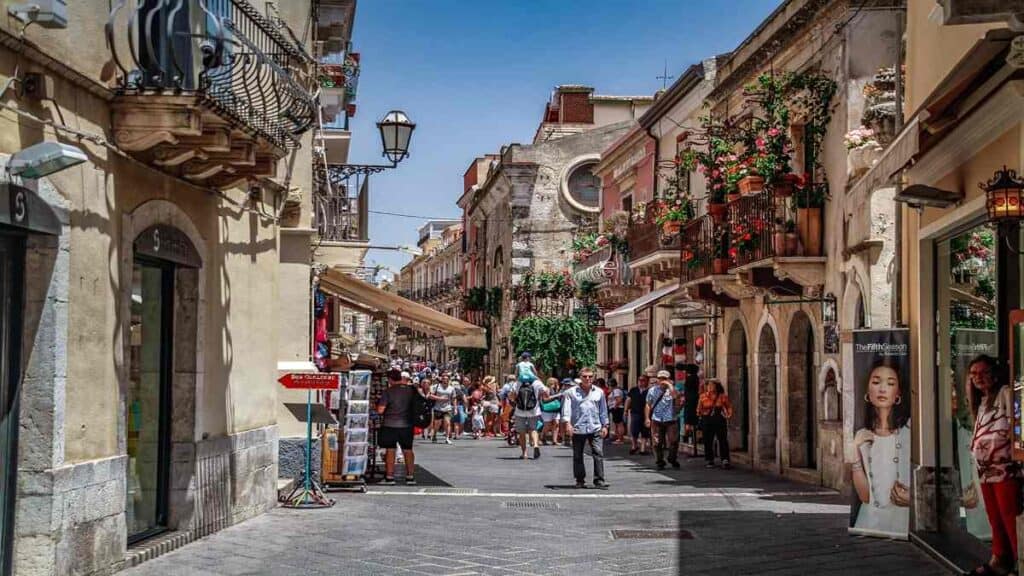
Taormina: Hilltop Village with Ancient Theatre
Taormina enchants from its clifftop perch, where Greek-Roman ruins frame perfect views of Mount Etna and the coast of Sicily. This picturesque hilltop village represents Sicily at its most photogenic. Narrow medieval streets lined with boutiques and restaurants serve the island’s specialties. That incredible ancient theatre hosts summer concerts bringing 2,000-year-old venues to life.
The Greek Theatre offers the area of Sicily’s most spectacular sunset viewing spot. Ancient performances continue here during summer festivals creating magical evenings.
Trust me when I say these create magical evenings where history and culture merge beneath starlit skies that you’ll never forget.
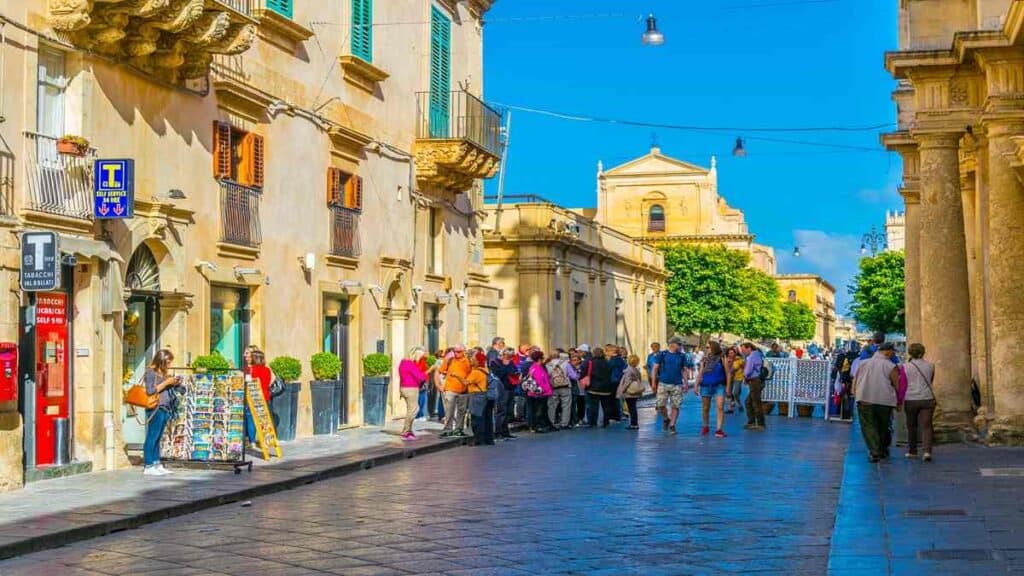
Noto and the Val di Noto: Baroque Architecture Paradise
Noto dazzles with golden limestone facades that glow like honey in afternoon sunlight. This baroque town anchors the Val di Noto region where architectural dreams come true. Here, three towns – Noto, Ragusa, and Modica – showcase Sicily’s most remarkable baroque architecture. They rebuilt following a devastating 1693 earthquake with absolutely stunning results.
Corso Vittorio Emanuele serves as Noto’s baroque showpiece. Palazzo Nicolaci’s carved balconies demonstrate the artistic mastery that makes this city in Sicily a UNESCO World Heritage treasure.
Each carved face tells stories from centuries past. Meanwhile, the cathedral dominates the main square with architectural grandeur that photographers dream about.
Syracuse: Ancient Greek Capital
Syracuse reveals 2,700 years of fascinating history through remarkably preserved Greek theaters and ancient ruins. UNESCO heritage sites provides detailed visitor information, conservation updates, and official guidelines for this archaeological treasure. Ancient dramas still unfold during spring festivals where Sophocles premiered his timeless masterpieces centuries ago.
You’ll get goosebumps experiencing live performances in venues where ancient Greeks first heard these timeless stories centuries ago.
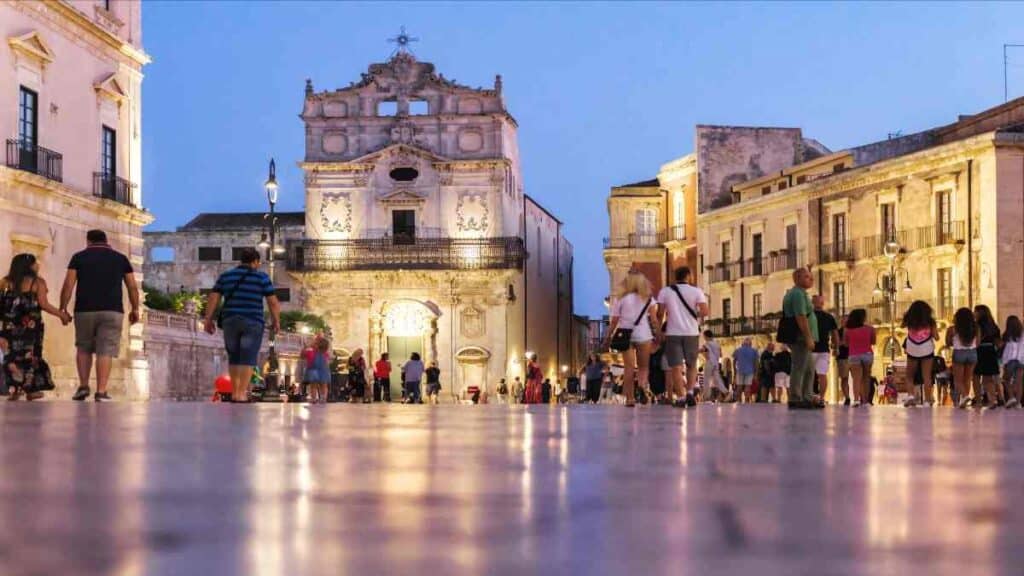
Ortigia Island: Medieval Charm
The island of Ortigia connects to the mainland via bridge. This creates an intimate old town where Greek temple columns support a Norman cathedral – architectural fusion at its finest. Ortigia’s seafront promenade offers perfect spots for evening passeggiata. Watch fishing boats return to harbor as the sun sets over the Mediterranean.
Local fishermen will tell you the best spots for fresh seafood – follow their recommendations for authentic dining experiences.
🏛️ Western Sicily: Historic Cities and Coastal Gems
Western Sicily presents a different character entirely. Here Phoenician, Arab, and Norman influences blend into something uniquely Sicilian that’ll fascinate you.
When exploring towns and cities in Sicily, this region reveals the island’s most diverse cultural heritage. The capital of Sicily anchors this region perfectly.
Meanwhile, coastal villages and mountain settlements reveal hidden gems away from tourist crowds that locals want to keep secret.
Palermo Historic Center
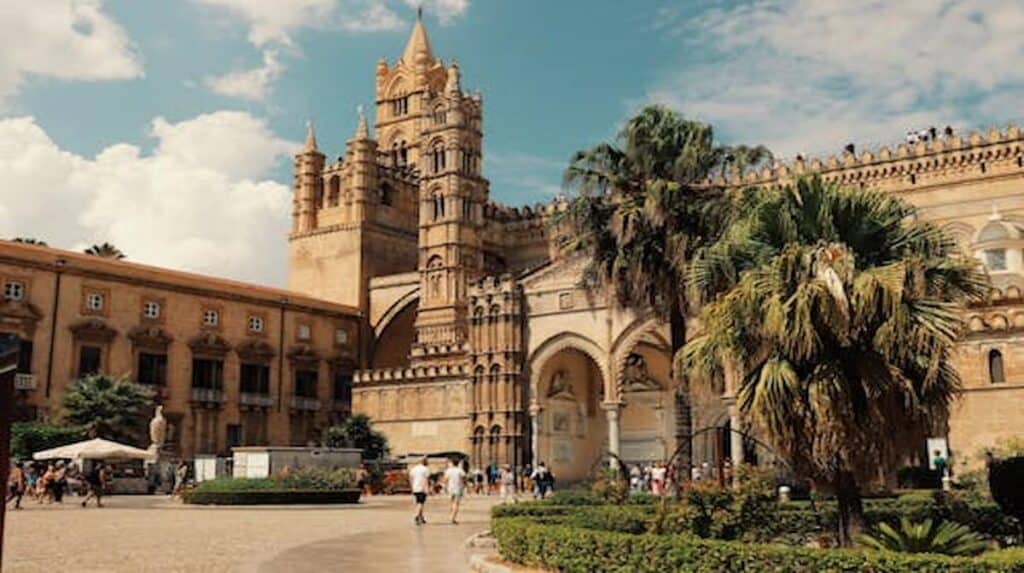
Palermo overwhelms in the best possible way. Sicily’s sprawling capital serves up architectural treasures, bustling markets, and street food culture that defines Sicilian authenticity.
The historic center contains layers of civilizations. Arab-Norman churches, Spanish baroque palaces, and Byzantine mosaics earned Palermo UNESCO recognition for its unique multicultural heritage.
Here’s what guidebooks won’t tell you – the city reveals different personalities throughout the day. Morning markets buzz with energy, afternoon siestas create peaceful interludes, evenings explode with street life.
Markets and Local Life
Quattro Canti marks the city center, where four baroque facades create a perfect intersection. From here, explore the Vucciria and Ballarò markets for authentic local experiences. Taste arancini and cannoli, then climb Monte Pellegrino for panoramic views. These span across the northwest of Sicily toward the Tyrrhenian Sea.
Local vendors will teach you proper pronunciation – “ah-rahn-CHEE-nee” -_while you sample these rice balls stuffed with heavenly fillings.
Trapani: Coastal City and Salt Flats
Trapani extends into the Mediterranean like a natural pier. Its historic center is surrounded by sea on three sides creating dramatic coastal views. This coastal city of Trapani earned fame for salt production. The salt flats create mirror-like reflections that photographers dream about during golden hour.
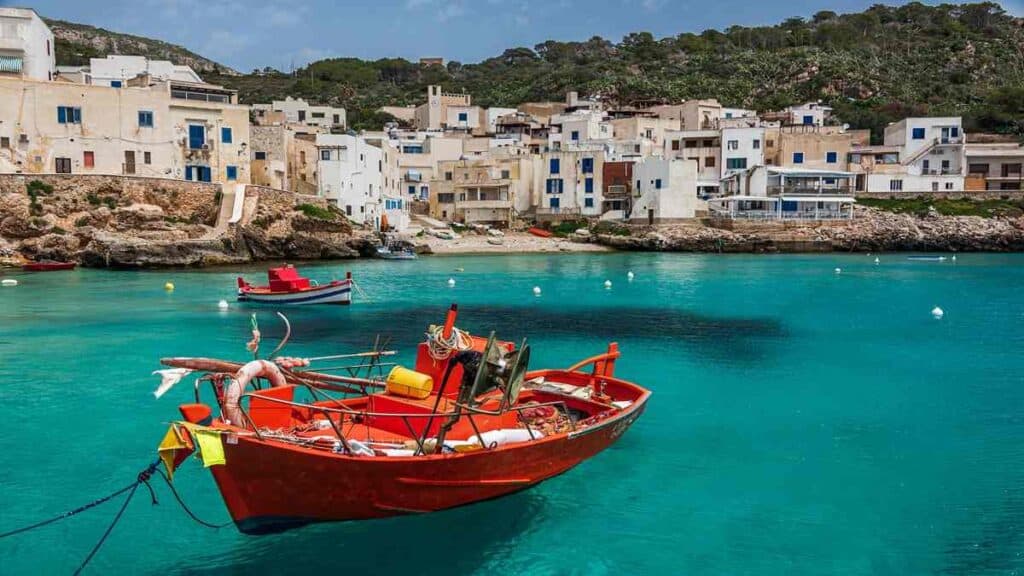
The old town winds through narrow streets where North African influences remain visible in architecture and cuisine.
Ferry connections to the Aegadian Islands operate regularly from Trapani’s historic port. Check Sicily transport authority for current schedules, weather-related cancellations, and booking information. Summer timetables differ significantly from winter services, so verify departure times before your island adventure begins.
Meanwhile, the ancient fishing village of San Vito Lo Capo awaits just 40 minutes north. It sits along Sicily’s most beautiful sandy beach.
Erice: Medieval Hilltop Village
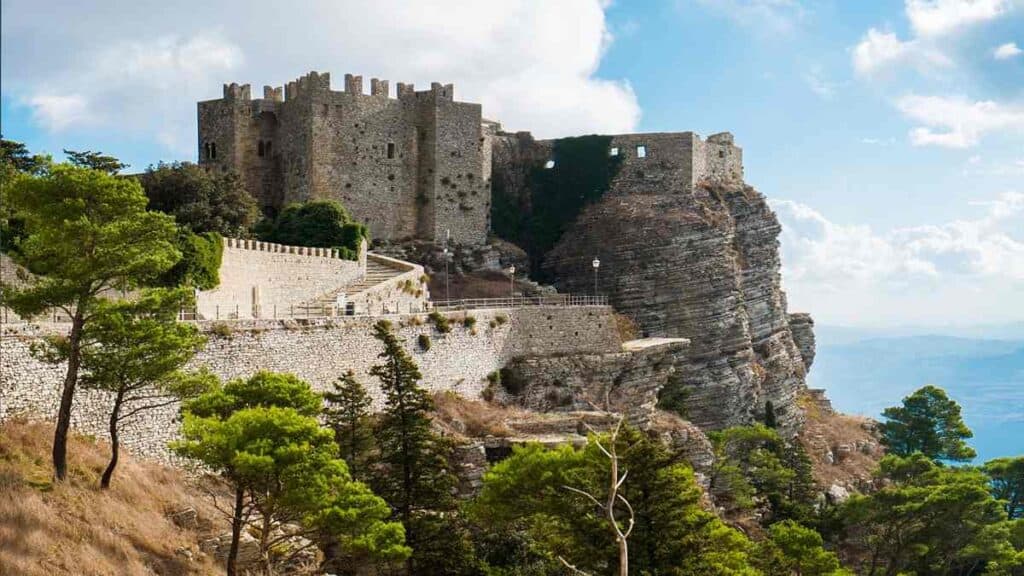
Erice perches 750 meters above sea level. Its medieval streets are often shrouded in mystical mists that create absolutely magical atmospheres. This mountain village preserves authentic Sicily through stone houses, Norman castle ruins, and artisan shops. These sell traditional ceramics and sweets.
Morning mists create magical atmospheres around Erice’s ancient walls. Clear days reveal panoramic views spanning from Mount Etna to Africa’s distant shores. The town’s strategic position made it sacred to ancient peoples. They built temples honoring Venus here – you can still feel that mystical energy.
Archaeological Park and Ancient Temples
The Valley of the Temples showcases Sicily’s most important archaeological treasures through remarkably preserved Doric temples. Italian cultural ministry provides current opening hours, ticket prices, and special exhibition information for this 1,300-hectare park. Seven magnificent temples rival anything in mainland Greece, with sunset visits offering magical golden light transformations.
It features remarkably preserved Doric temples that rival anything in mainland Greece. Seven temples stand within this 1,300-hectare archaeological park.
The nearly intact Temple of Concordia symbolizes Greek architectural perfection. Visit at sunset when golden light transforms these 2,500-year-old stones into something transcendent.
The nearby Scala dei Turchi offers additional natural drama. White limestone cliffs create natural amphitheaters beside turquoise waters that’ll take your breath away.
🏘️ Places to Visit in Sicily: Villages and Towns Off the Beaten Path
Beyond major tourist destinations, Sicily conceals remarkable villages and towns that preserve authentic island life. These represent the most intimate side of towns and cities in Sicily.
Where local traditions remain vibrant. These places to visit in Sicily offer intimate encounters with local culture, traditional crafts, and landscapes that few visitors discover. Trust me, these hidden gems provide the most authentic Sicilian experiences you’ll find anywhere on the island.
Ragusa and Modica: Baroque Towns in Southern Sicily
Ragusa divides into two distinct sections – the modern upper town and historic Ragusa Ibla below. This baroque town captivates with honey-colored stone buildings cascading down hillsides.Creating one of Sicily’s most photogenic landscapes. The old town preserves medieval street patterns overlaid with baroque splendor that photographers absolutely love.
Modica fascinates with its unique chocolate-making traditions and stunning baroque architecture. This village in Italy maintains Aztec chocolate recipes introduced by Spanish conquistadors.
Creating grainy, spiced confections unlike anywhere else in Europe. The baroque town’s cathedral dominates from its hilltop perch, while narrow lanes hide artisan workshops.
Castellammare del Golfo: Beautiful Towns on the Coast of Sicily
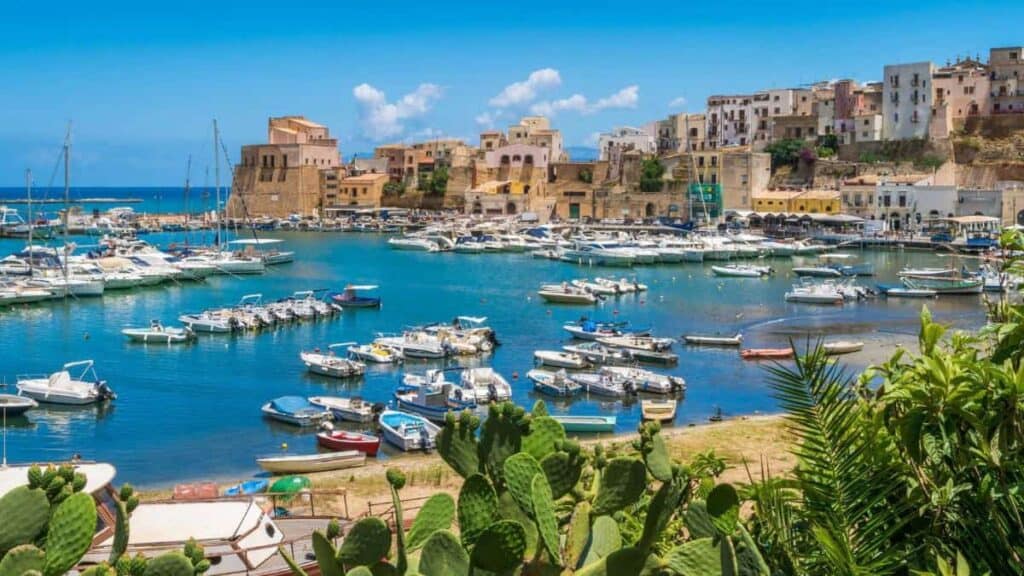
Castellammare del Golfo embraces a perfect horseshoe bay on Sicily’s northwest coast. This picturesque coastal town combines fishing village authenticity with resort town amenities.
The medieval castle overlooks a harbor where colorful boats create Instagram-worthy scenes against turquoise waters. The waterfront promenade offers excellent seafood restaurants and beach access. While the surrounding countryside hides vineyards producing DOC wines. From here, explore Sicily’s most beautiful beaches or take day trips to nearby Segesta’s Greek temple.
Mazara del Vallo: Hidden Gem in Western Sicily
Mazara del Vallo preserves Sicily’s most authentic Arab quarter, where narrow alleys and traditional architecture transport visitors to North Africa.
This hidden gem combines working fishing port atmosphere with remarkable cultural treasures, including the famous Dancing Satyr bronze sculpture. The historic center reveals layers of civilizations through Norman churches, Arab baths, and baroque palaces. Local cuisine reflects multicultural influences perfectly.
Couscous dishes alongside traditional Sicilian specialties create unique dining experiences that you simply won’t find anywhere else in Italy.
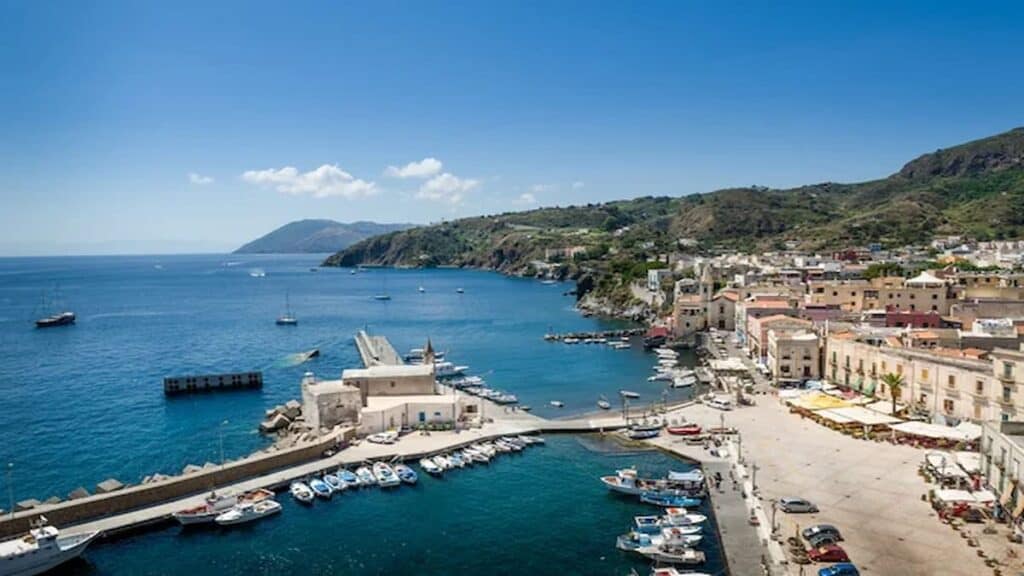
🏝️ Aeolian Islands: Volcanic Paradise and UNESCO Heritage
The Aeolian Islands rise from azure waters north of Sicily like mythical jewels scattered across the Tyrrhenian Sea. These seven volcanic islands create one of Italy’s most spectacular archipelagos, where active volcanoes meet pristine beaches and traditional island life continues unchanged.
You’re going to fall in love with these islands – they offer experiences that feel completely otherworldly yet authentically Mediterranean, combining dramatic volcanic landscapes with crystal-clear waters.
Lipari: Archaeological Museum and Beaches
Lipari serves as the Aeolian Islands’ capital and largest settlement. This bustling island combines resort amenities with authentic character perfectly. The harbor town features excellent restaurants, boutique hotels, and a remarkable archaeological museum housed within medieval castle walls.
The Archaeological Museum showcases artifacts spanning millennia, from obsidian tools to Greek ceramics that reveal these islands’ strategic importance in Mediterranean trade. Lipari’s beaches range from black volcanic sand to white pumice shores, while hiking trails explore extinct craters.
Stromboli Volcano Experience
Stromboli captivates as the “Lighthouse of the Mediterranean,” its summit crater producing spectacular eruptions visible from the sea. This active volcano has maintained regular explosive activity for over 2,000 years, creating one of Europe’s most dramatic natural spectacles.
Guided night hikes to Stromboli’s crater offer unforgettable experiences – watching molten lava fountains against star-filled skies while standing on the rim of an active volcano. The island’s black sand beaches and traditional architecture provide perfect contrasts to volcanic drama.
Vulcano: Thermal Springs and Mud Baths
Vulcano offers unique volcanic experiences through therapeutic mud baths and natural thermal springs. This island gave its name to all volcanoes worldwide. Visitors can explore active fumaroles, sulfur deposits, and healing thermal waters that have attracted wellness seekers for centuries.
The Gran Crater hiking trail leads to panoramic views across all seven Aeolian Islands, while the famous mud baths provide skin treatments using volcanic minerals. Vulcano’s dramatic landscapes include colorful volcanic rocks and beaches with naturally heated waters – it’s like nature’s own spa resort.
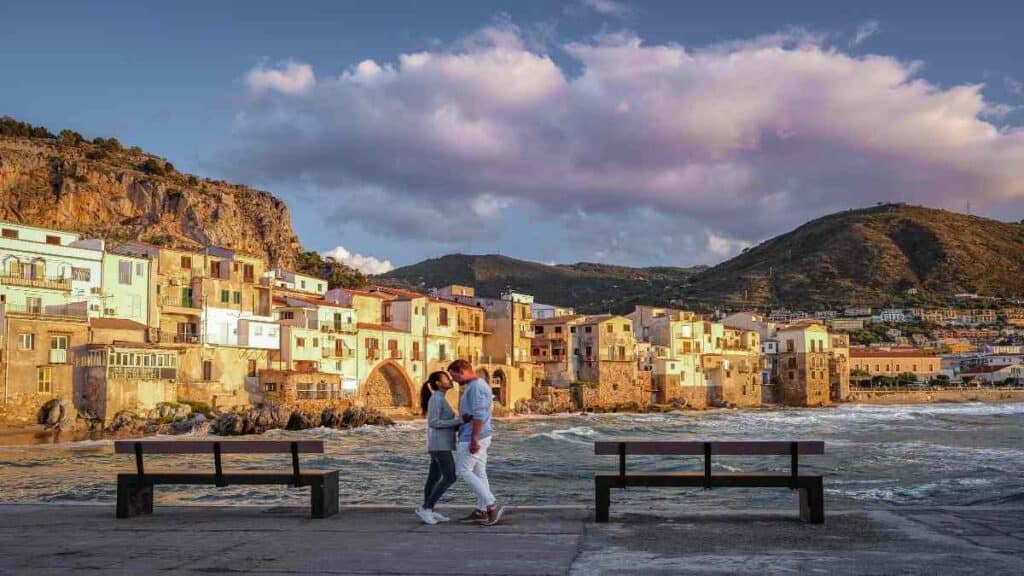
🏘️ Sicilian Towns and Villages: Exploring Authentic Culture
Small towns throughout Sicily preserve traditions that disappeared elsewhere in Italy. The diversity of towns and cities in Sicily becomes most apparent in these intimate settings. These fascinating towns offer glimpses into authentic Sicilian life, where local festivals, traditional crafts, and regional cuisine create intimate cultural experiences.
Here’s where you’ll discover the real Sicily – away from tourist crowds, among people who’ve called this island home for generations, where every conversation becomes a lesson in local history.
Cefalù: Norman Cathedral and Seaside Charm
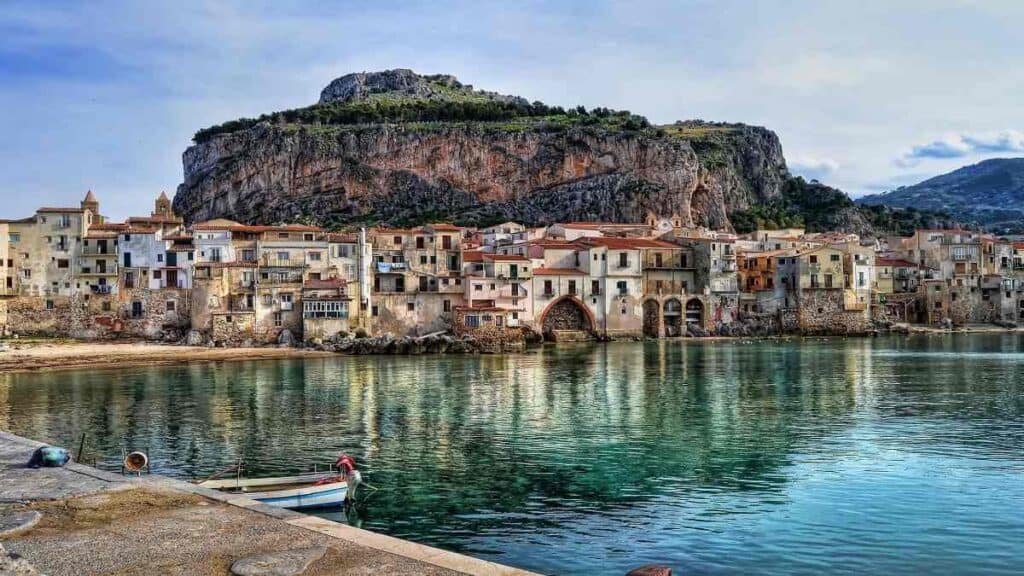
Cefalù combines medieval architecture with resort town pleasures on Sicily’s northern coast. The Norman cathedral dominates this beautiful city with magnificent Byzantine mosaics rivaling those in Ravenna, while golden sand beaches stretch beneath medieval walls.
The historic center preserves narrow streets perfect for evening strolls, while excellent seafood restaurants serve catches from local fishing boats. Cefalù’s strategic position makes it ideal for exploring the Madonie Mountains or taking day trips to the Aeolian Islands – locals will give you insider tips.
Milazzo: Gateway to the Aeolian Islands
Milazzo functions as the primary departure point for Aeolian Islands ferries, but this coastal city deserves exploration in its own right. The massive castle complex represents one of Sicily’s most impressive fortifications, while the historic center contains baroque churches and traditional markets.
Ferry connections link Milazzo to all seven Aeolian Islands through regular hydrofoil and ferry services. The city’s strategic position on a peninsula provides excellent beaches and panoramic views toward Stromboli’s smoking peak – on clear days, you can actually see volcanic eruptions.
Sciacca: Thermal Springs and Ceramic Traditions
Sciacca blends wellness tourism with artistic heritage on Sicily’s southern coast. This spa town has attracted visitors to its therapeutic thermal springs since Roman times, while local artisans continue centuries-old ceramic traditions that rival Caltagirone’s famous pottery.
The historic center cascades down hillsides toward a working fishing port, creating picturesque scenes of baroque churches, traditional houses, and colorful boats. Local festivals celebrate patron saints with elaborate processions that showcase authentic Sicilian religious traditions – join the celebrations for unforgettable cultural experiences.
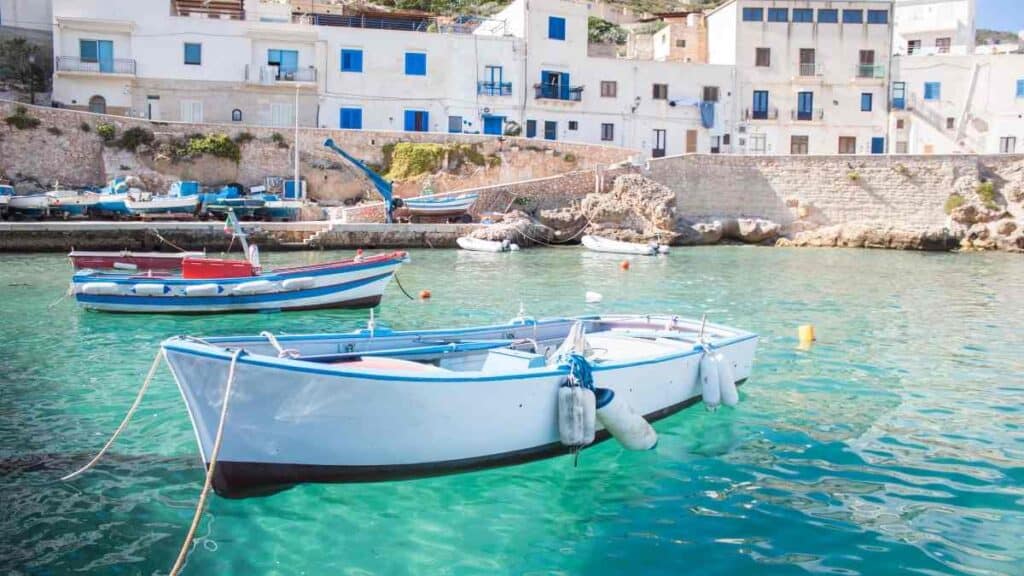
🗺️ Planning Your Sicily Itinerary: Practical Travel Guide
Creating the perfect Sicily itinerary requires understanding distances, transportation options, and seasonal considerations. The sheer variety of towns and cities in Sicily means careful planning maximizes your travel experience. This travel guide provides essential planning information for maximizing your time to visit Sicily while avoiding common tourist mistakes.
Car Rentals and Road Travel
Rental cars provide the greatest flexibility for exploring Sicily, especially for reaching small towns and villages in Italy that public transportation doesn’t serve well. The island’s road network connects all major destinations, while scenic coastal routes offer spectacular driving experiences through landscapes that change dramatically.
Mountain roads wind through interior villages where time seems frozen, while coastal highways reveal stunning Mediterranean vistas around every curve that photographers dream about.
Public Transportation Options
Public transportation connects major cities through reliable train and bus networks across Sicily. Italian rail services offers complete schedules, online booking, and real-time updates for all regional services. Local buses serve smaller villages, though weekend schedules may vary significantly in rural areas during traditional siesta hours.
Local buses reach most destinations, though schedules can be unreliable – always have backup plans for reaching remote villages, especially during siesta hours when everything slows down.
🌡️ Best Time to Visit Sicily: Seasonal Considerations
Spring and autumn provide ideal conditions for exploring Sicily’s historic towns and archaeological sites. Italian weather service offers accurate forecasts, severe weather warnings, and seasonal climate data. May through October generally delivers comfortable temperatures for hiking Mount Etna and visiting ancient ruins without overwhelming Mediterranean heat.
Summer brings peak tourism to beautiful cities like Taormina and Cefalù, plus perfect beach weather for coastal destinations. Winter offers mild temperatures ideal for cultural exploration, though some mountain villages may experience cooler conditions.
Historic City Centers
Historic centers in cities like Palermo, Syracuse, and Catania provide convenient bases for cultural exploration. Boutique hotels in converted palazzos offer authentic experiences, while modern hotels near beaches suit families and resort-style vacations perfectly. Book accommodations early during peak season for the best selections.
Small Towns and Rural Stays
Small towns like Noto, Ragusa, and Erice offer intimate accommodation experiences in converted convents, historic mansions, or family-run guesthouses. Rural agriturismos provide peaceful countryside settings with traditional Sicilian hospitality that creates lasting memories and authentic cultural immersion.
🍝 Sicilian Culture: Food, Festivals, and Traditions
Sicilian culture reflects centuries of Mediterranean influences through distinctive cuisine, religious festivals, and artistic traditions that remain vibrantly alive today. Understanding local customs enhances every aspect of visiting Sicily – from ordering meals properly to joining festival celebrations respectfully.
Authentic Sicilian Cuisine
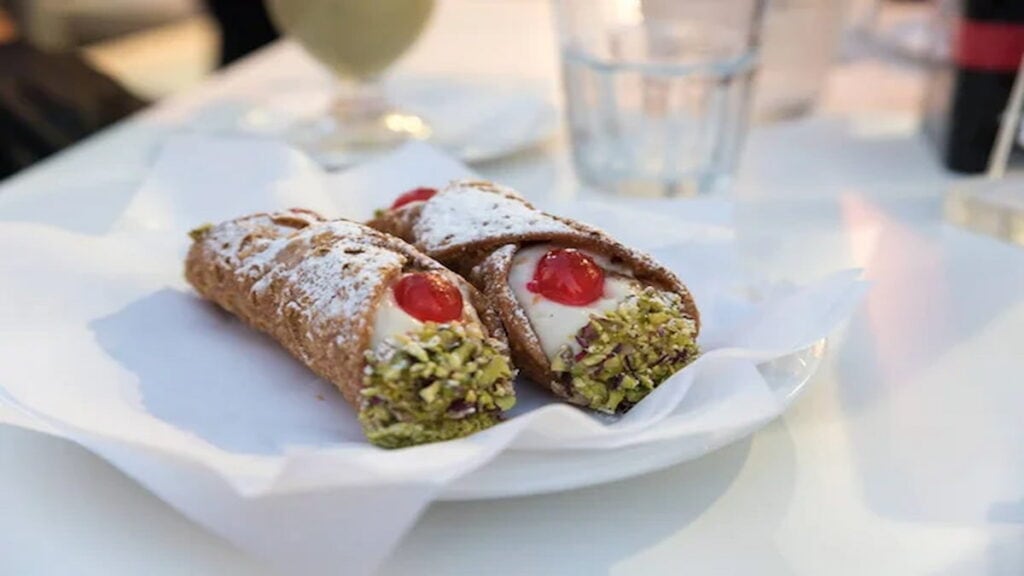
Sicilian cuisine combines influences from across the Mediterranean – Arab spices, Greek ingredients, and Norman cooking techniques create unique flavors found nowhere else. Local specialties include arancini, cannoli, caponata, and granita that define authentic Sicilian dining experiences you’ll remember forever.
Regional variations reflect local ingredients and traditions. Eastern Sicily features Mount Etna wines and pistachio dishes, while western regions offer couscous and North African influences. Coastal areas emphasize fresh seafood, while interior towns showcase mountain specialties that vary dramatically from village to village.
Religious Processions and Easter Celebrations
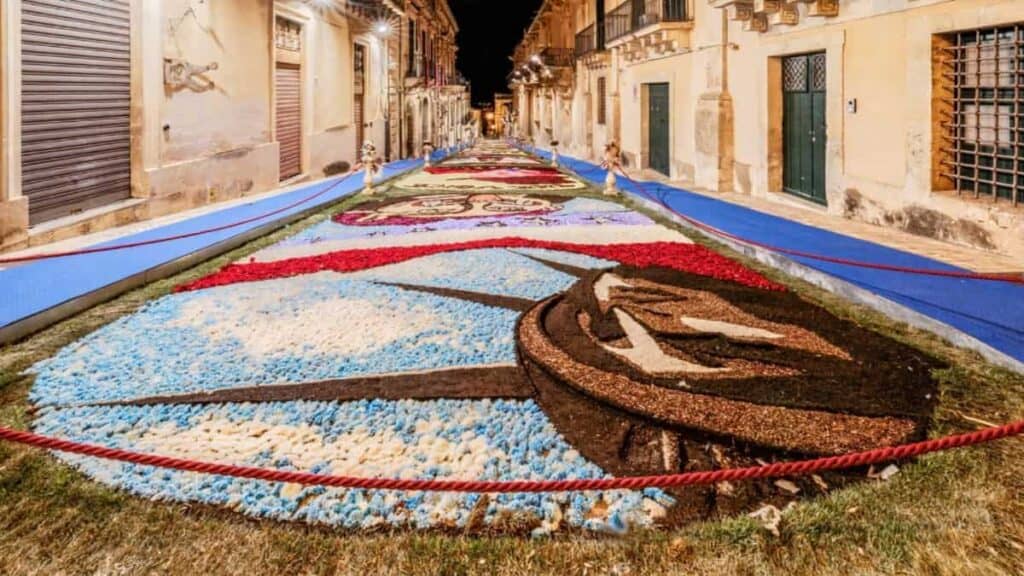
Religious processions animate Sicilian towns throughout the year, with elaborate celebrations honoring patron saints that involve entire communities. Easter week brings particularly spectacular events, while summer festivals combine religious devotion with community celebrations that welcome visitors warmly.
Traditional festivals preserve centuries-old customs through folk dances, historical reenactments, and artisan demonstrations. These authentic cultural experiences provide insights into Sicilian identity that typical tourist attractions cannot match – join the celebrations whenever possible for unforgettable memories.
Sicily awaits your discovery – from ancient Greek temples to active volcanoes, from baroque masterpieces to pristine beaches. This island offers experiences that will exceed your expectations and create memories lasting a lifetime. Whether you’re drawn to fascinating towns steeped in history, beautiful villages preserving authentic traditions, or dramatic natural wonders.
Sicily delivers adventures that transform travelers into lifelong enthusiasts. Start planning your journey to explore Sicily today. Each corner of this remarkable island offers new discoveries, and every visit reveals additional layers of beauty, culture, and wonder that make Sicily truly unforgettable.
❓ Faqs About Towns and Cities in Sicily
What is the capital of Sicily? The capital of Sicily is Palermo, a vibrant city known for its rich history and beautiful architecture.
What are some best places to visit in Sicily? Some of the best places to visit in Sicily include Taormina, Agrigento, and the coastal city of Trapani, each offering unique attractions and stunning views.
How can I get around Sicily? You can get around Sicily using public transportation, renting a car, or taking guided tours to explore the island.
What’s the prettiest towns in Sicily? Some of the prettiest towns in Sicily include Noto, Modica, and Ragusa, known for their baroque architecture and charming streets.
Is there anything to do in Sicily? There are many things to do in Sicily, such as exploring the Valley of the Temples, visiting Mount Etna, and enjoying sandy beaches along the southern coast of Sicily.
When’s is the best time to visit Sicily? The best time to visit Sicily is during the spring and fall when the weather is pleasant and the tourist crowds are smaller.
What should I try in terms of food on the island? Be sure to try Sicilian specialties like arancini, cannoli, and fresh seafood while exploring the towns and cities of Sicily.
What are some hidden gems in eastern Sicily? Some hidden gems in eastern Sicily include small villages like Erice and picturesque locations like Scala dei Turchi near Agrigento.