
UNESCO World Heritage Sites USA include iconic landmarks like Yellowstone, Independence Hall, and the Grand Canyon. Exploring UNESCO World Heritage Sites USA offers a chance to experience history, natural wonders, and cultural significance across the country’s most remarkable and protected locations.
👀 At a Glance:
- 🗓️ Best time: Spring and autumn avoid crowds and extreme weather
- 💰 Budget range: $500-700 per site including lodging and tours
- ✈️ Getting there: Most sites require rental cars from major airports
- ⏰ Duration: Plan 2-3 days minimum per site
- 💡 Insider tip: Book Mesa Verde cliff dwelling tours weeks ahead
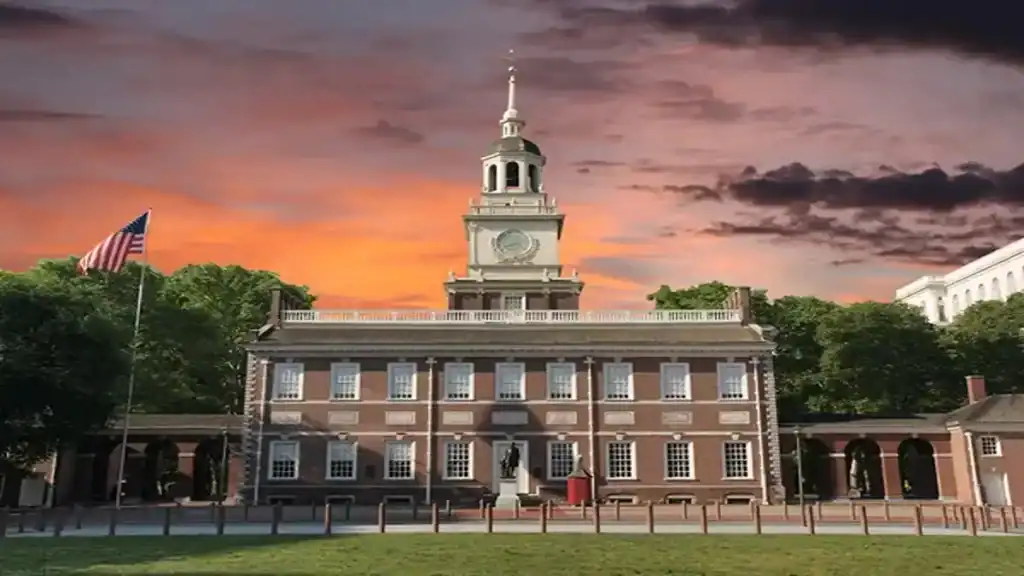
🏛️ UNESCO World Heritage Sites USA: Independence Hall and Statue of Liberty
The USA is home to 26 world heritage sites across the United States. These heritage sites in the united states tell our national story. Cultural and natural sites define America’s heritage in ways that inspire millions.
Independence Hall Historic Site in Philadelphia
This building changed world history when the Declaration of Independence was signed here in 1776. Thomas Jefferson debated America’s future in these rooms. The Constitution of the United States was also signed here making it incredibly important.
I visited on a cold Monday in January when tours were almost cancelled. The freezing wind cut through my jacket whilst waiting outside. Standing there, I felt history washing over me despite the bitter cold.

Statue of Liberty National Monument
The Statue of Liberty welcomes millions of visitors every year as freedom’s symbol. This icon became a UNESCO world heritage site in 1984. Lady Liberty stands 305 feet tall including her pedestal overlooking New York Harbour.
Local tip: Take the first ferry at 8:30 in the morning to beat crowds. You’ll get better photographs without other tourists in every frame. The morning light hits Lady Liberty’s face perfectly from this angle.
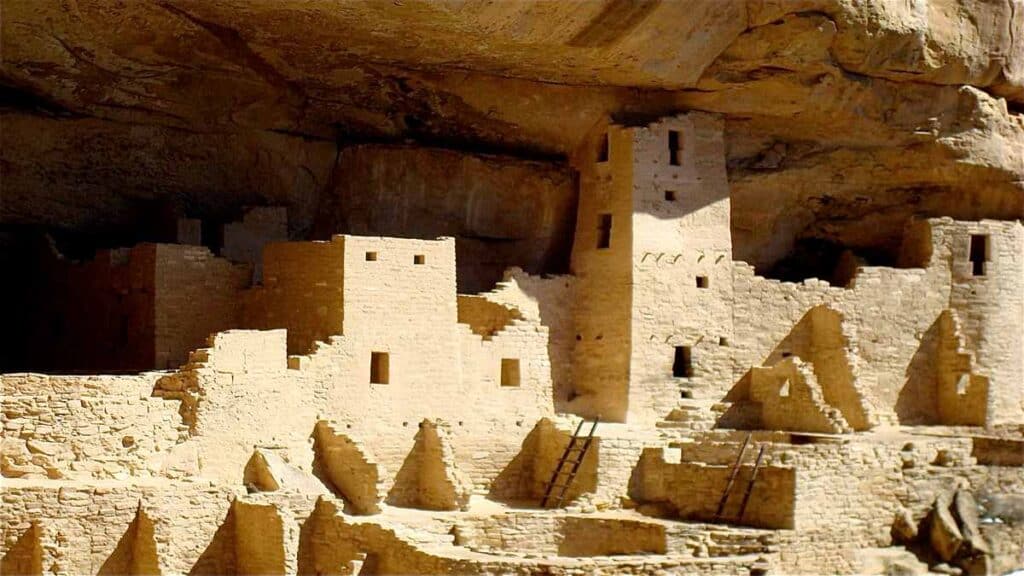
🏺 Mesa Verde National Park and Taos Pueblo Sites
Mesa Verde National Park preserves cliff dwellings built 800 years ago by Ancestral Puebloans. This site north of Mexico showcases remarkable architecture that survived centuries. These structures demonstrate ingenious construction techniques still studied today by architects worldwide.
Mesa Verde National Park Cliff Dwellings
Cliff Palace contains 150 rooms and 23 kivas carved into canyon walls. Seeing these cliff dwellings requires joining a ranger-led tour. Tours book up weeks in advance during peak season from May through September.
I showed up without reservations and learnt a hard lesson about planning. All tours were sold out for three days straight forcing me to wait. Check the National Park Service website and book immediately after deciding dates.
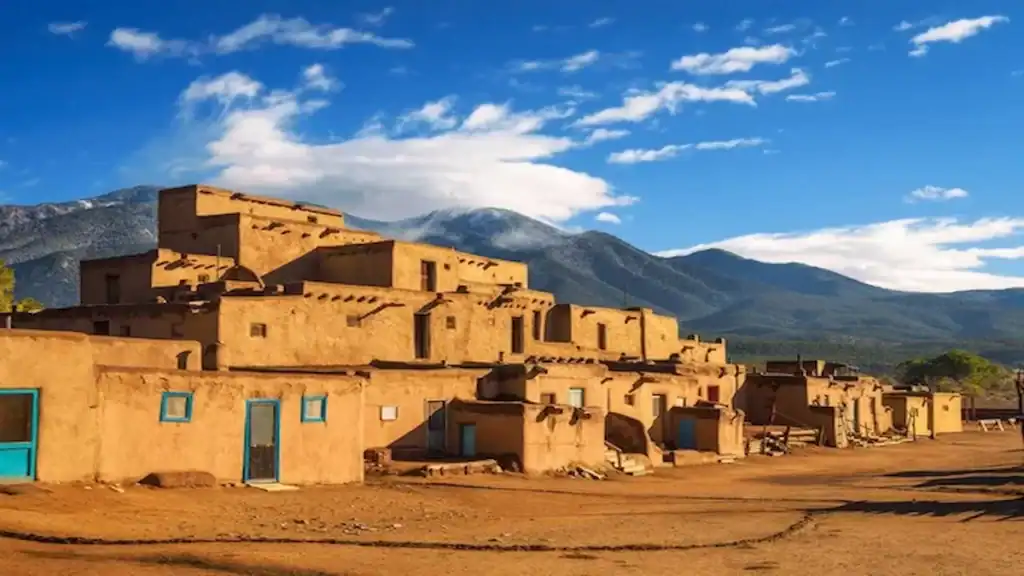
Taos Pueblo Historic Site
People have lived continuously at Taos Pueblo for 1,000 years in adobe buildings. These multi-storey structures predate European contact by hundreds of years. The community still maintains traditional ways of life passed down through generations.
Surprising fact: The adobe walls are four feet thick throughout the structure. They keep rooms cool in summer and warm in winter naturally. This building technique hasn’t changed in 1,000 years because it works perfectly.
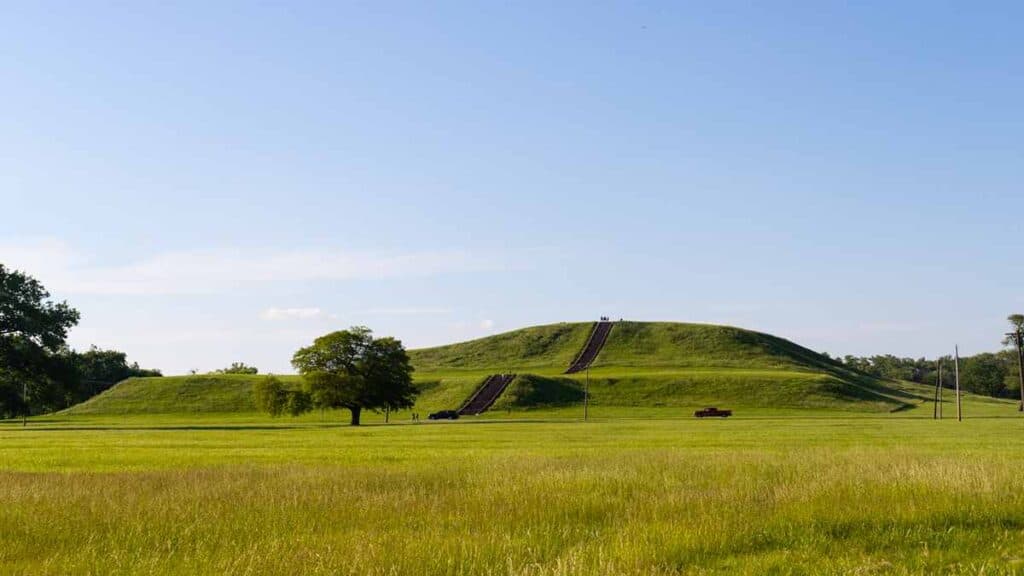
🏰 Cahokia Mounds State Historic Site and Poverty Point
Nobody taught me about these archaeological sites in school despite their importance. Cahokia Mounds State Historic Site had 20,000 people in 1050 AD. That’s larger than London during the same period which amazes most visitors.
Cahokia Mounds State Historic Site in Illinois
Monks Mound rises 100 feet above the Mississippi floodplains as the largest earthwork. Climbing to the top takes about 15 minutes up steep sides. The view shows how massive this ancient city was across the valley.
Wind whistles across the grass-covered summit of Monks Mound on breezy days. You can hear motorway traffic in the distance creating an odd contrast. Standing here, you realise how America’s history goes deeper than textbooks tell.
Monumental Earthworks of Poverty Point
These earthworks in Louisiana date back 3,700 years to ancient trading civilisations. That makes them older than Stonehenge by hundreds of years remarkably. The largest mound measures 72 feet tall and 710 feet across.
Insider tip: April brings wildflower blooms without the summer bugs plaguing warmer months. Park rangers lead free walking tours Saturday mornings at 10 o’clock. The Louisiana Office of State Parks manages guided tours on weekends.
🏗️ 20th-Century Architecture of Frank Lloyd Wright
Eight buildings across six states earned UNESCO world heritage recognition for architectural innovation. These structures show the architecture of Frank Lloyd Wright at his peak. Wright integrated buildings perfectly with their natural landscapes in revolutionary ways.
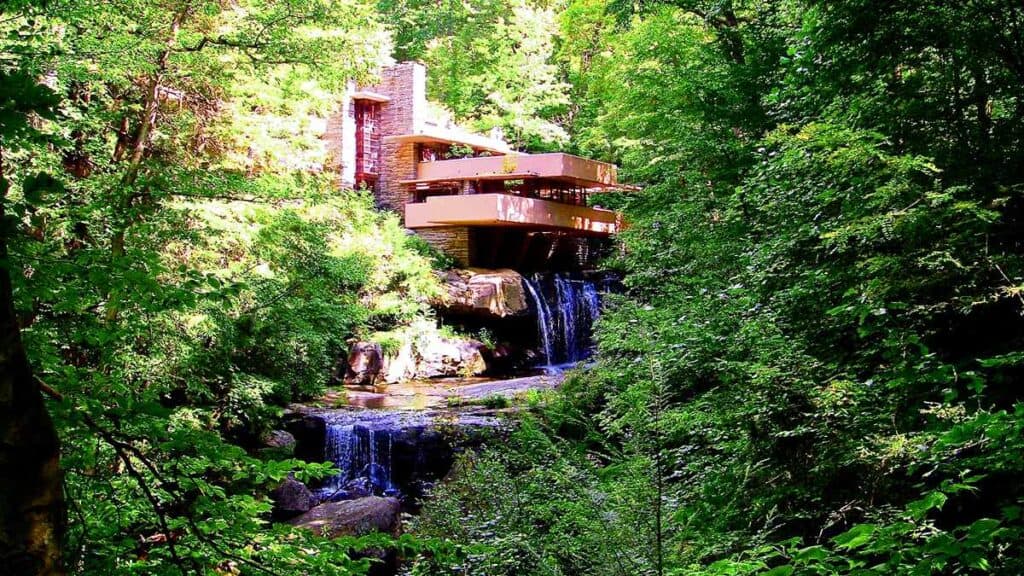
Fallingwater: UNESCO World Heritage Sites USA
Water flows directly beneath the living room at Fallingwater in stunning design. Wright built this house over an actual waterfall in 1935. The design was groundbreaking for modern architecture worldwide and remains influential today.
You hear rushing water throughout every room in the house constantly. The sound never stops, creating a connection to nature outside. The Western Pennsylvania Conservancy manages the property year-round with tours available.
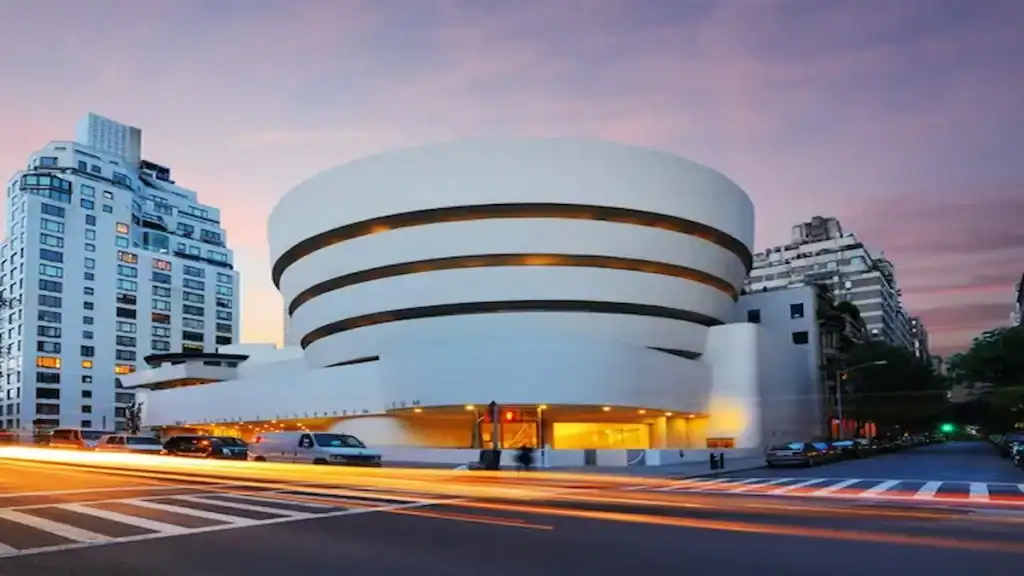
Guggenheim Museum Wright Architecture
The Guggenheim Museum in New York showcases Wright’s later work brilliantly. The spiral design defies traditional museum architecture with its continuous ramp. Wright completed this building in 1959, months before death ended his career.
Your footsteps echo on the spiral ramp going down through galleries. Natural light pours through the glass dome above illuminating everything. The curved walls make everything feel like it’s moving in gentle spirals.
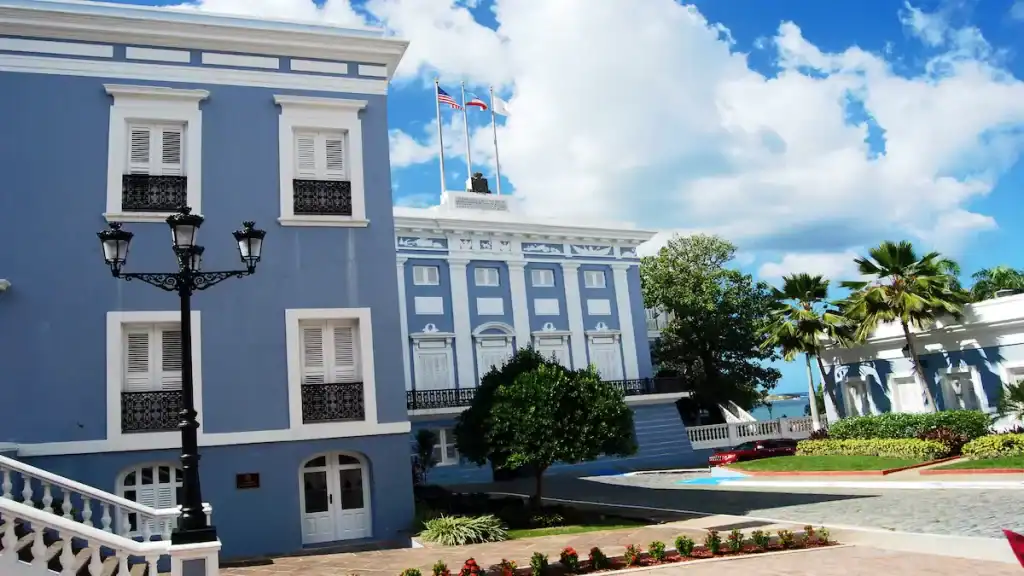
🏰 La Fortaleza and San Juan National Historic Site
La Fortaleza and San Juan fortifications protect Spanish colonial heritage across centuries. These structures defended the city of San Juan for 400 years. The fortification of San Juan bay evolved over centuries through improvements.
San Juan National Historic Site Fortifications
Castillo San Felipe del Morro guards the San Juan bay entrance magnificently. Construction began in 1539 and continued for centuries as threats evolved. The walls rise six storeys above the water overlooking the Atlantic.
Local secret: Visit on the first Sunday of each month for free admission. Admission is completely free for everyone regardless of age or residency. Arrive by 9 o’clock in the morning before cruise passengers flood in.
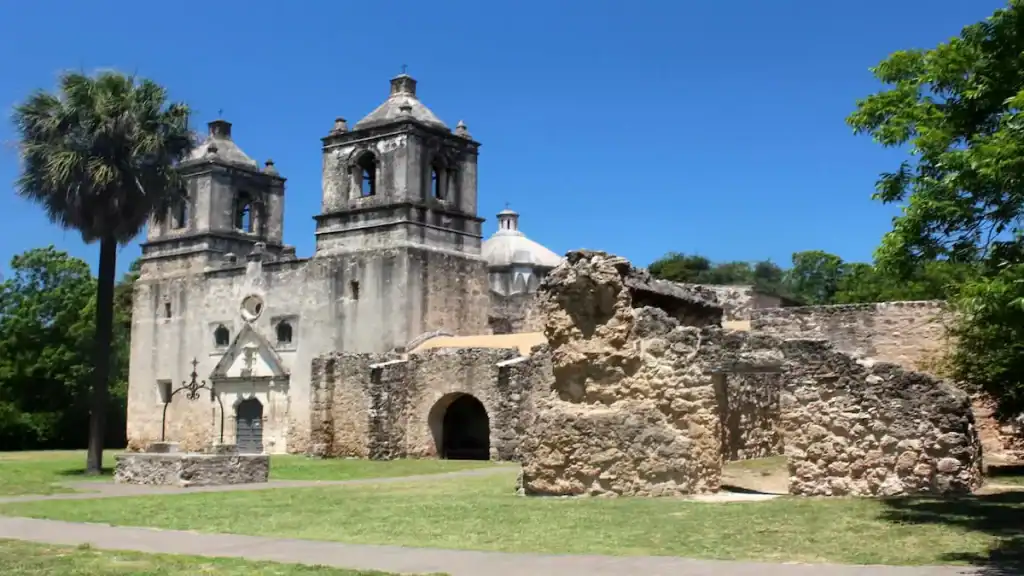
San Antonio Missions National Park
Five mission complexes line the San Antonio River Basin in a string. The San Antonio Missions represent Spanish colonial heritage from the 1700s. These structures date from when Spain controlled this territory completely.
Church bells ring every hour across the mission grounds with traditional melodies. The sound echoes through the old courtyards filled with ancient trees. The National Park Service maintains the historic buildings throughout the park.
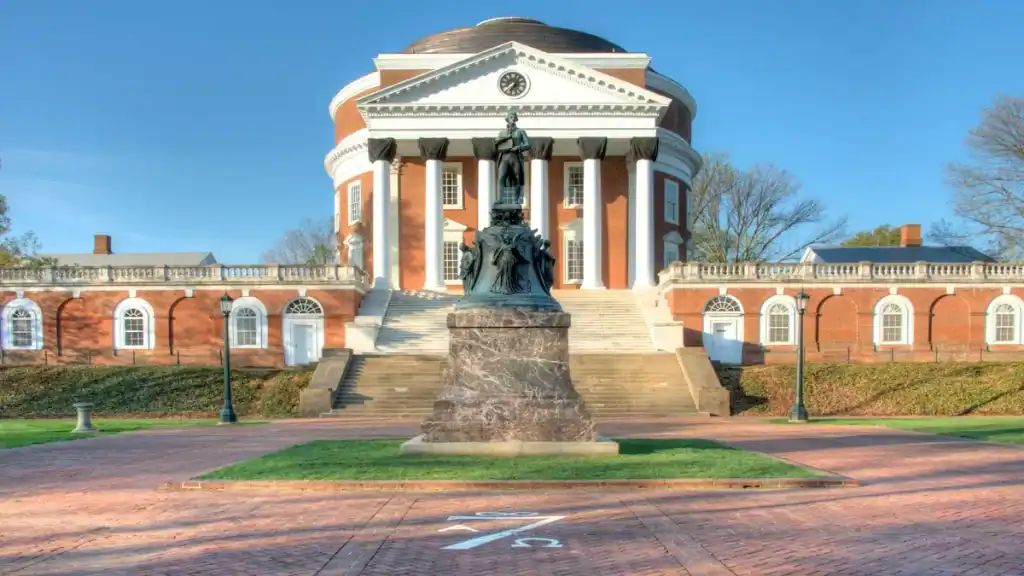
🎓 Monticello and the University of Virginia in Charlottesville
Thomas Jefferson designed both Monticello and the University of Virginia as masterpieces. These buildings showcase his architectural vision influenced by classical European styles. Jefferson served as third president and authored the Declaration with enduring influence.
Monticello and the University Campus
Monticello sits on a hilltop overlooking Charlottesville with commanding views of countryside. Jefferson spent 40 years perfecting his home through constant renovations and improvements. The grounds include extensive gardens and slave quarters telling difficult truths.
April brings blooming dogwood trees and azaleas everywhere across the grounds. October offers perfect temperatures without summer humidity making exploration comfortable outdoors. Book accommodation three months ahead for graduation and parents’ weekends when hotels fill.
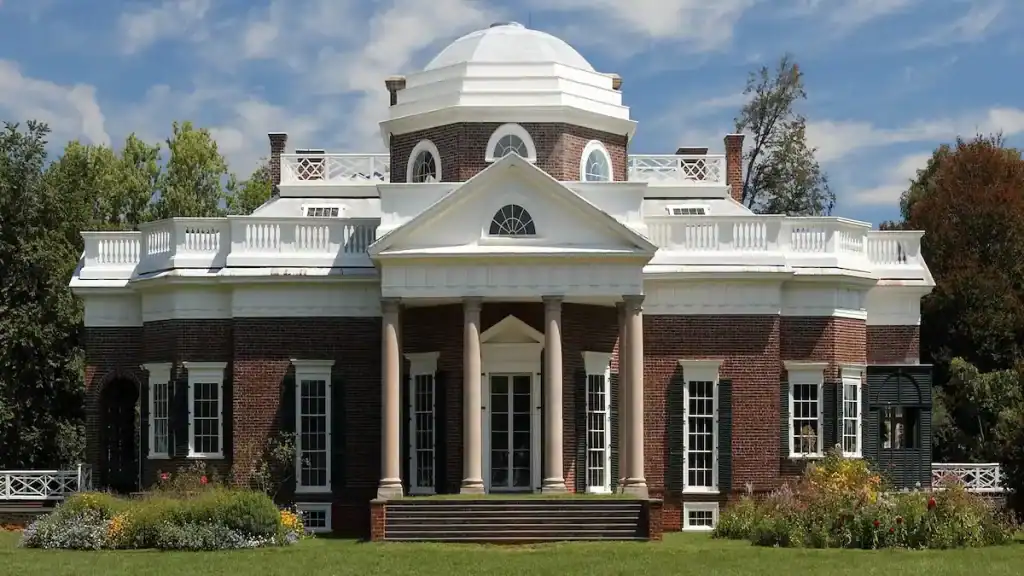
Monticello Plantation UNESCO World Heritage Sites USA
The plantation includes a house museum and extensive gardens showcasing agricultural experiments. Jefferson experimented with different crops and plants here from around the world. The vegetable garden terraces showcase his agricultural innovations using scientific methods.
Surprising detail: Jefferson designed a dumbwaiter system to hide servants from guests. Food appeared magically from the kitchen below through hidden wall mechanisms. He wanted to maintain the illusion of effortless hospitality without visible service.
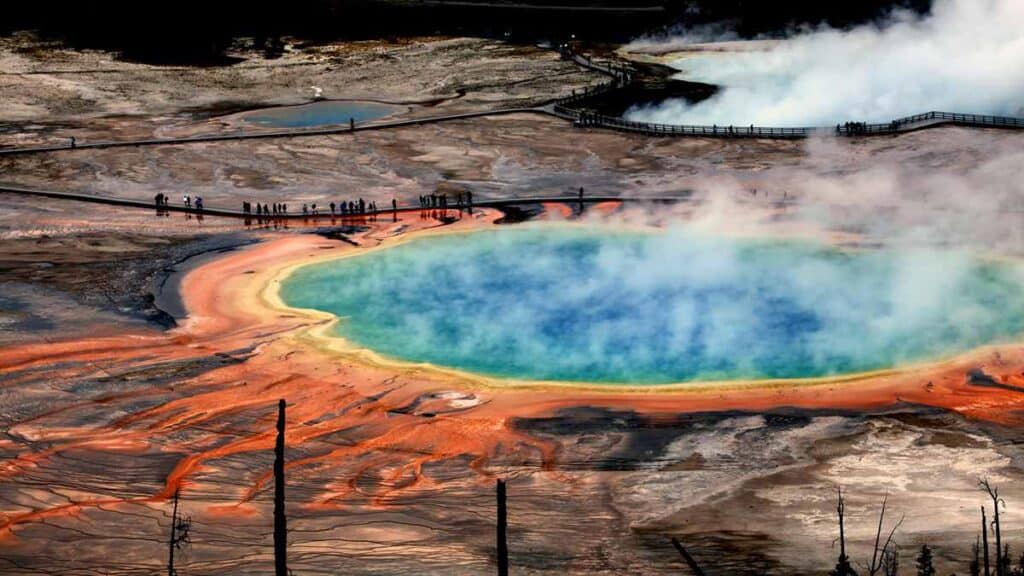
🏔️ UNESCO World Heritage Sites USA: Yellowstone and Grand Canyon
Yellowstone National Park became the world’s first national park in 1872. This designation started a global movement spreading to every continent eventually. Natural sites inspire conservation worldwide through UNESCO world heritage sites USA recognition.
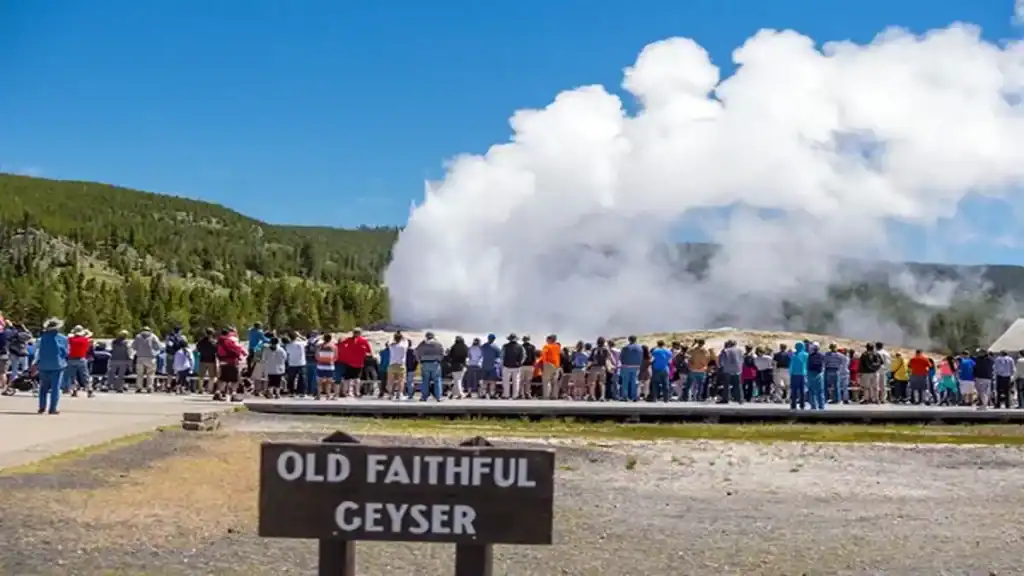
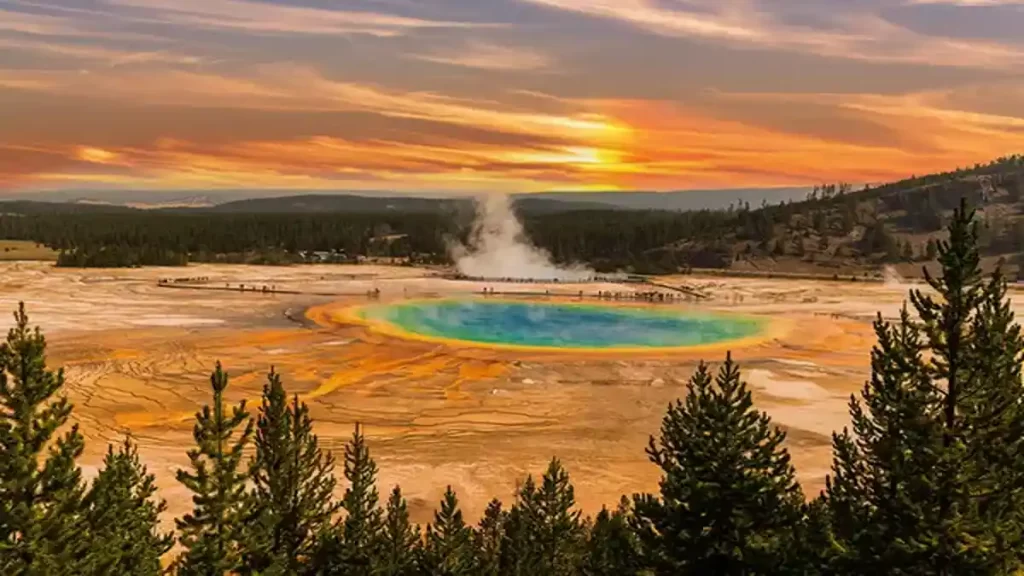
Yellowstone National Park Geothermal Features
Old Faithful erupts every 90 minutes like clockwork entertaining crowds on benches. Yellowstone National Park spans Wyoming, Montana, and Idaho across vast wilderness. The thermal features here seem impossible with vibrant colours defying normal geology.
Steam hisses from vents across the boardwalk trails creating otherworldly soundscapes constantly. The air smells like sulphur near the hot pools, pungent and unmistakable. Mud pots bubble and plop like boiling oatmeal with unpredictable rhythms.
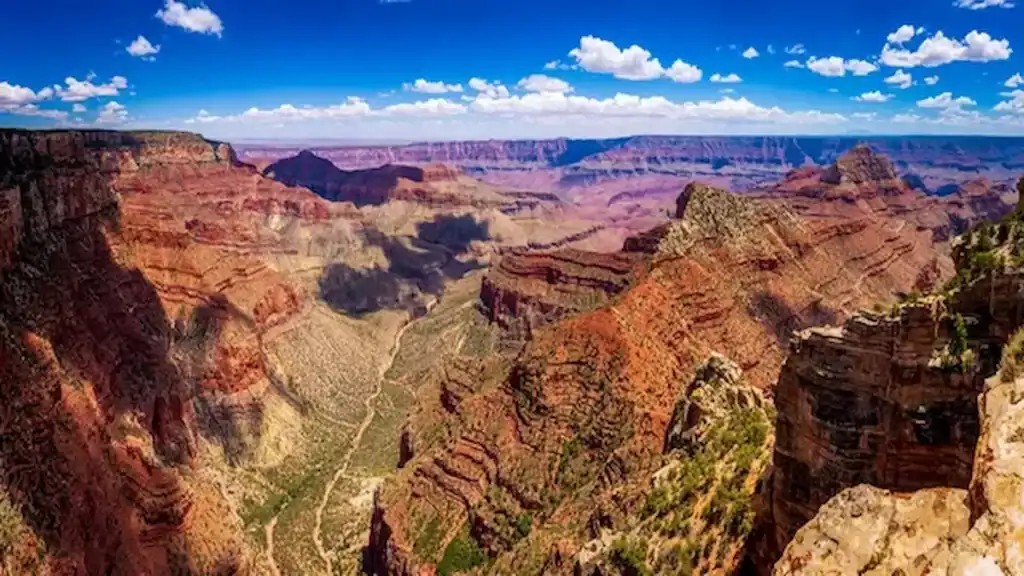
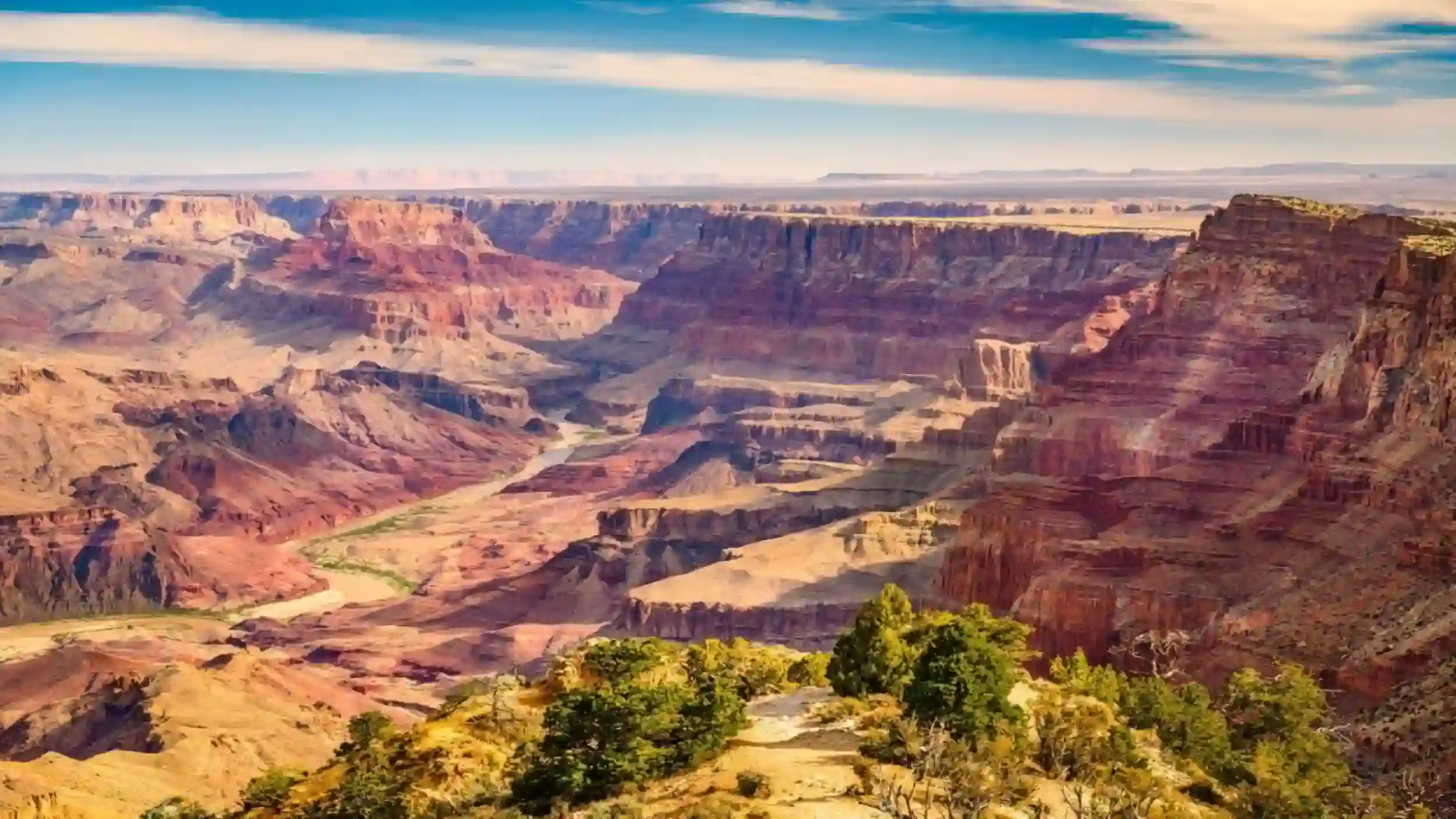
Grand Canyon National Park: UNESCO World Heritage Sites USA
The Grand Canyon shows 2 billion years of geological history in layered formations. The Colorado River carved this gorge over millions of years through erosion. Standing at the rim takes your breath away completely with overwhelming scale.
Ravens soar on updrafts from the canyon below riding invisible air currents. Their calls echo off the rock walls creating haunting sounds across emptiness. The Grand Canyon Conservancy offers educational programmes about geology and natural history.
🌲 Great Smoky Mountains National Park and Everglades
Great Smoky Mountains National Park receives over 14 million visitors annually making it busiest. This makes it America’s most-visited national park by a significant margin yearly. The mountains preserve unique flora and fauna beautifully through protected wilderness.
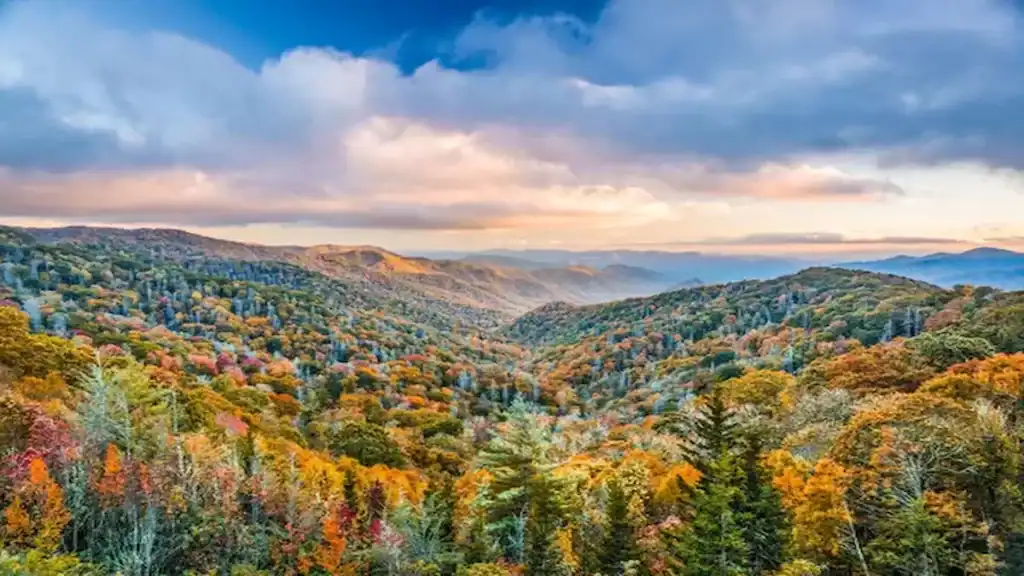
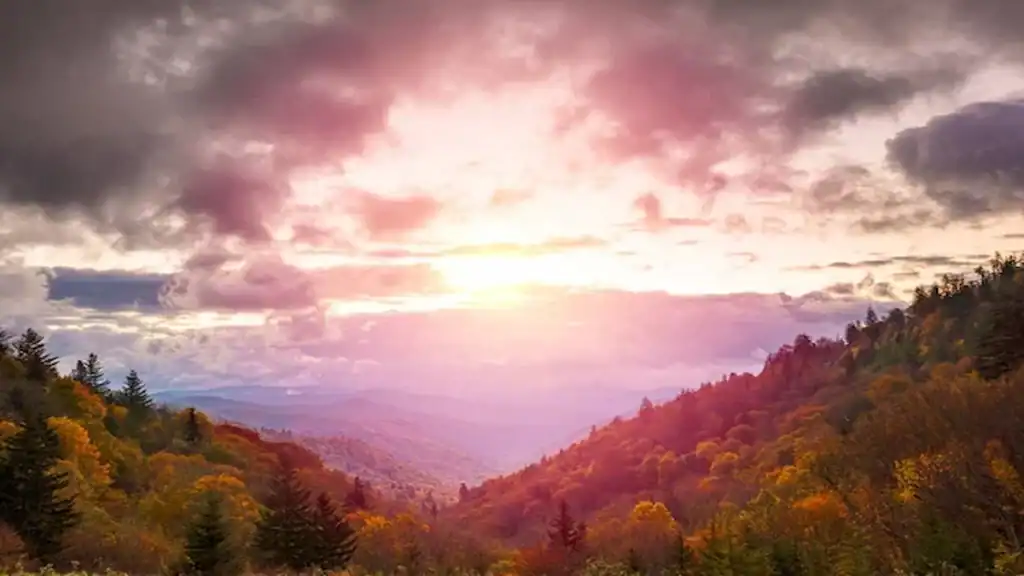
Great Smoky Mountains National Park
Forests here contain more tree species than all of Europe combined. Over 3,500 plant species grow in these mountains creating incredible biodiversity. The biodiversity explains the list of UNESCO world heritage designation for importance.
Morning fog rolls through valleys like a slow river creating mystical landscapes. Birds sing from every tree at dawn in a chorus of sound. The mountain air smells fresh and clean after rain washing everything clear.
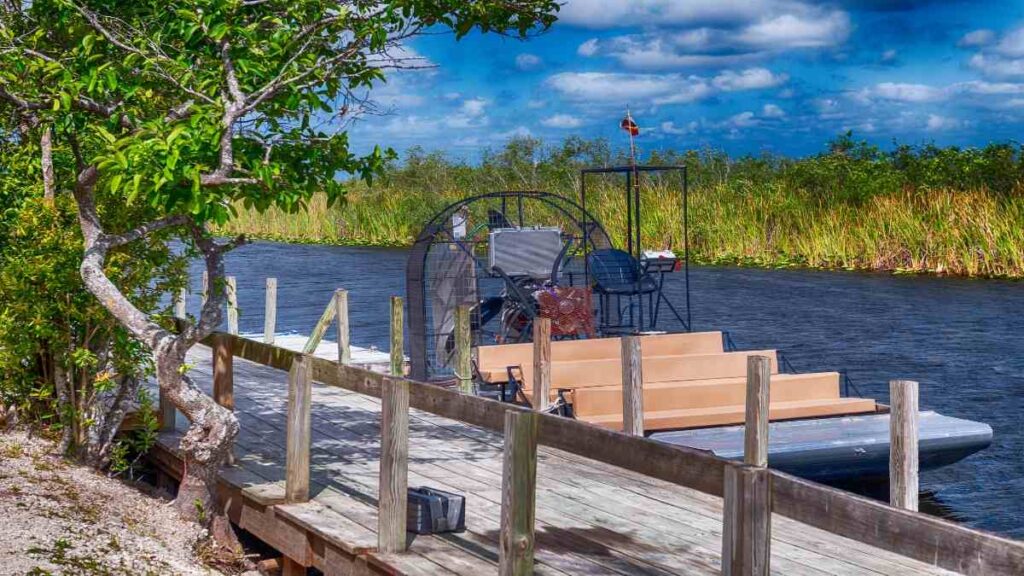
Everglades National Park: UNESCO World Heritage Sites USA
The Everglades National Park confused me at first glance with subtle beauty. After Yellowstone’s drama, this flat landscape seemed boring initially without obvious features. A ranger changed my entire perspective on this ecosystem through patient explanation.
Sawgrass rustles in the constant breeze across the wetlands creating rhythmic sounds. Mosquitoes buzz unless you visit in winter when populations drop dramatically. The smell of brackish water fills the humid air with distinctive scent.
This place teaches you that quiet landscapes hold the most life visibly. You just need patience to see it unfold before your eyes slowly. That’s what makes the Everglades irreplaceable amongst America’s natural treasures completely.
❓ FAQs About UNESCO World Heritage Sites USA
🔢 How many UNESCO World Heritage sites are in the US?
The United States has 26 UNESCO world heritage sites currently inscribed on the list. The list includes 13 cultural sites and 12 natural sites officially. Mesa Verde and Yellowstone were among the first inscribed in 1978 originally.
🏙️ What is the only city with 4 UNESCO World Heritage sites?
No single city in the United States has four UNESCO sites within boundaries. However, sites in the United States span coast to coast across states. Some states have multiple sites like California, Arizona, and New Mexico with several.
🗺️ How many UNESCO world heritage sites USA compared to other countries?
The United States ranks among the top 10 countries for world heritage. Italy leads globally with over 50 sites on the list including Rome. China, Germany, France, and Spain also exceed America’s total count significantly.