
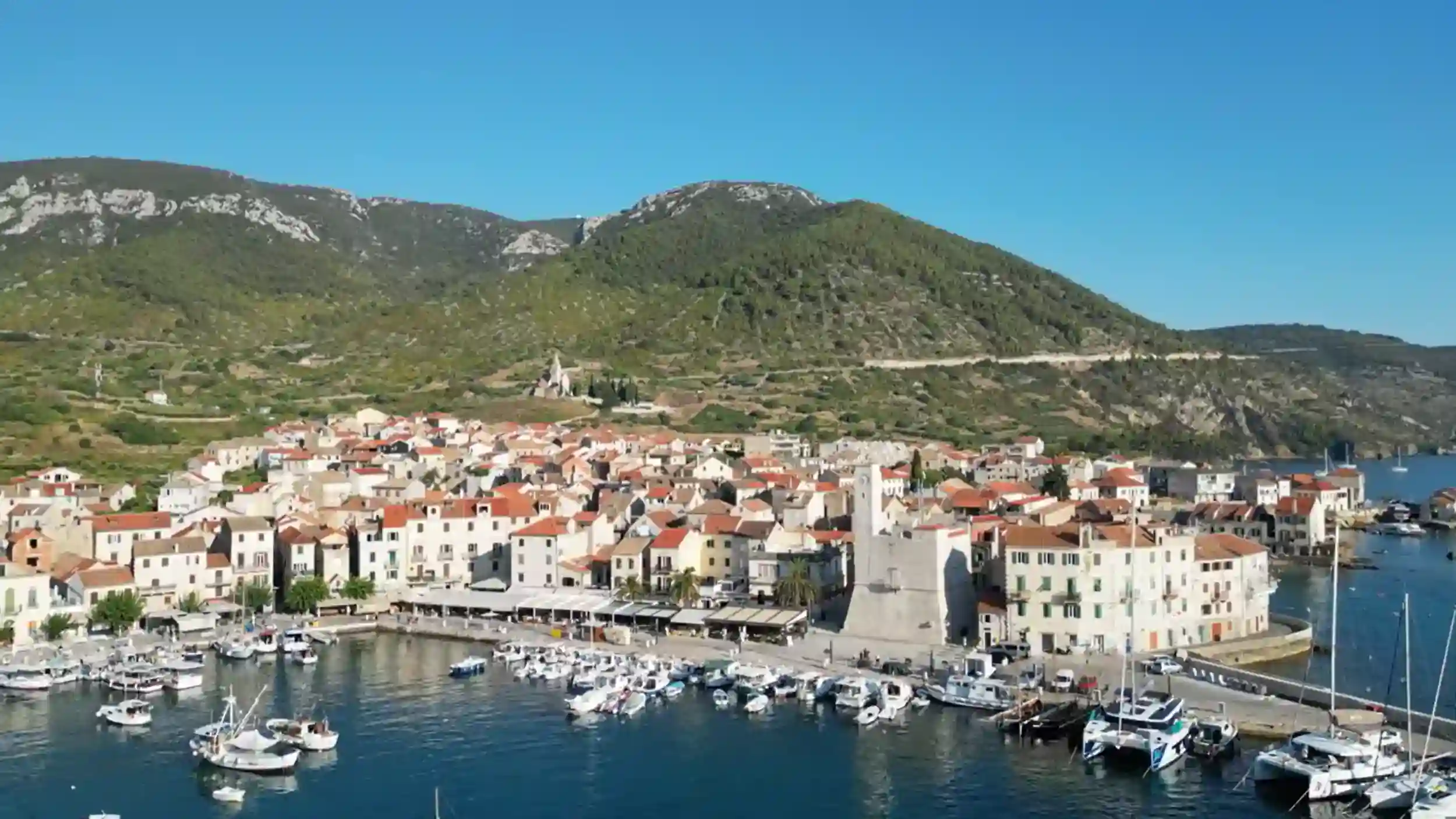
Vis Island remote work combines Croatia’s fastest fiber internet (up to 1 Gbps in Vis Town and Komiža) with affordable living costs averaging €800-1,200 monthly. This former military zone, reopened in 1989, offers coworking spaces like Impact Hub Vis, pristine beaches including Stiniva Cove, and ferry connections to Split (2.5 hours), attracting digital nomads seeking Croatia’s most unspoiled Adriatic destination.
👀 Vis Island Remote Work: At-a-Glance
📶 WiFi speeds hit 20-30 Mbps in town; rural areas drop to unusable
🏢 Zero coworking spaces; cafes close by 6pm even in summer
💰 Studio apartments €400-700/month; 40% cheaper October-April
🚌 No Uber, limited buses; car or scooter essential for flexibility
🗣️ Tiny expat community; Croatian-only locals in off-season villages
🌧️ November-March brings isolation; most businesses shut completely
✅ Best for established nomads comfortable working solo from apartments
📶 Vis Island Remote Work: WiFi Reality
Vis town gives you decent internet speeds during summer months. You get 20-30 Mbps downloads in central areas. Uploads hit 5-10 Mbps which works for video calls. Power cuts happen during winter storms and kill routers.
Mobile data helps when your apartment WiFi fails completely. Bonbon SIMs cost €10-15 monthly for 30GB data. Signal dies in coastal coves and hillside properties. Your phone becomes key backup equipment for work days.
Download Speeds, Mobile Data, and Unreliable Cafes
Rural areas are much worse for reliable internet speeds. Komiža drops to 5-15 Mbps on most days. Video calls freeze often during peak usage hours. Test speeds before you sign any lease agreements.
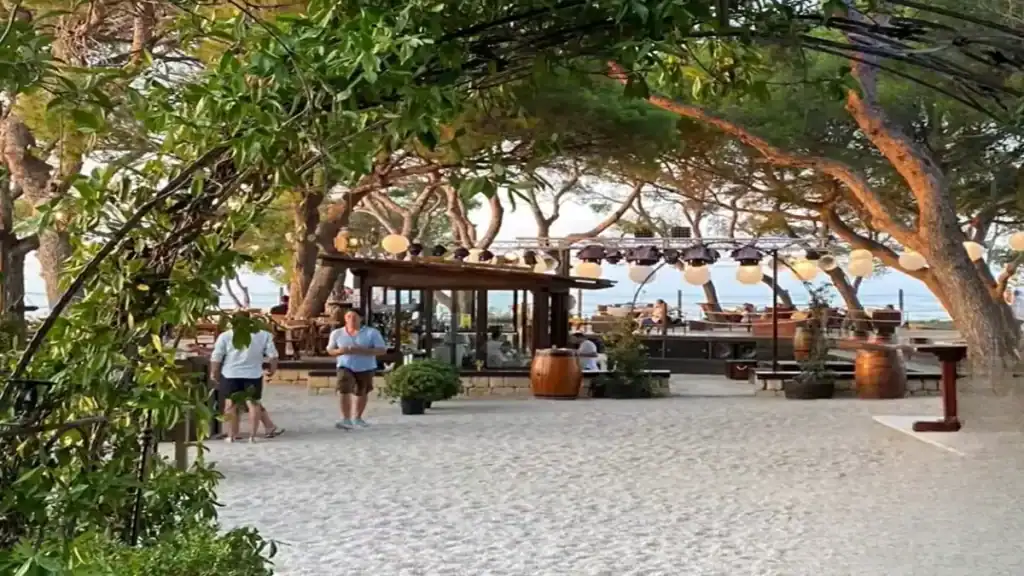
Cafes close early even during the busy summer season. Pojoda shuts around 10pm on most nights here. Winter closes everything down for entire months completely. No backup workspace exists anywhere during that time.
💼 Vis Island Remote Work: Where to Work?
No coworking exists anywhere on this small Croatian island. Your apartment becomes your only real office space. You depend on it totally for every work task. Check desk photos carefully before booking any rental property.
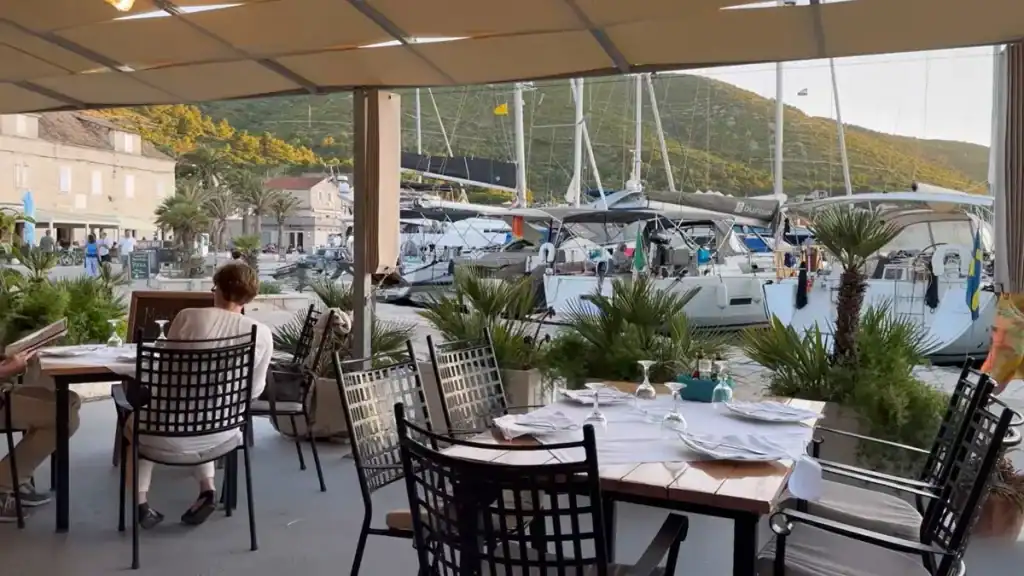
Cafes let you work during their slow daytime hours only. Fabrika Spirits and Roki’s work okay for short sessions. Owners want you gone during busy lunch periods. Most cafes close by 6pm daily even in summer.
No Coworking, Limited Cafes, Apartment Dependency
Your desk matters way more than you think initially here. Many apartment listings lack proper desks completely for work. Stone houses have zero workspace consideration in their design. Good chairs save your back during long work days.
Vis town vs Komiza changes everything for your backup workspace options. Town has triple the cafe choices when problems happen. Villages strand you completely when apartment WiFi dies suddenly. Winter kills all backup options across the island.
For more Vis tourist information, check out: Vis Tourism
💰 What Vis Island Remote Work Costs Monthly
Budget €1,200-1,800 for comfortable living during peak summer season. Studios cost €500-700 monthly with basic furniture included. Food runs 20-30% higher than Split due to ferries. You must cook at home to save money.
Ferries cost more than you expect when planning budgets initially. Split return tickets are €11 per person each trip. Monthly supply runs easily hit €100-200 in total costs. Car rental adds another €300-500 to monthly costs.
Rent, Groceries, and 40% Off-Season Savings
Vis island in October through April cuts apartment rent by 40%. Heating costs drop a lot in shoulder season months. Ferry schedules run much less often during this time. Isolation gets far worse with fewer ferry options available.
Studenac supermarket has basic groceries but limited fresh food selection. Fresh produce quality disappoints compared to mainland Croatian cities. You spend €60-80 weekly cooking all meals at home. Eating out hits €15-25 per person for simple meals.
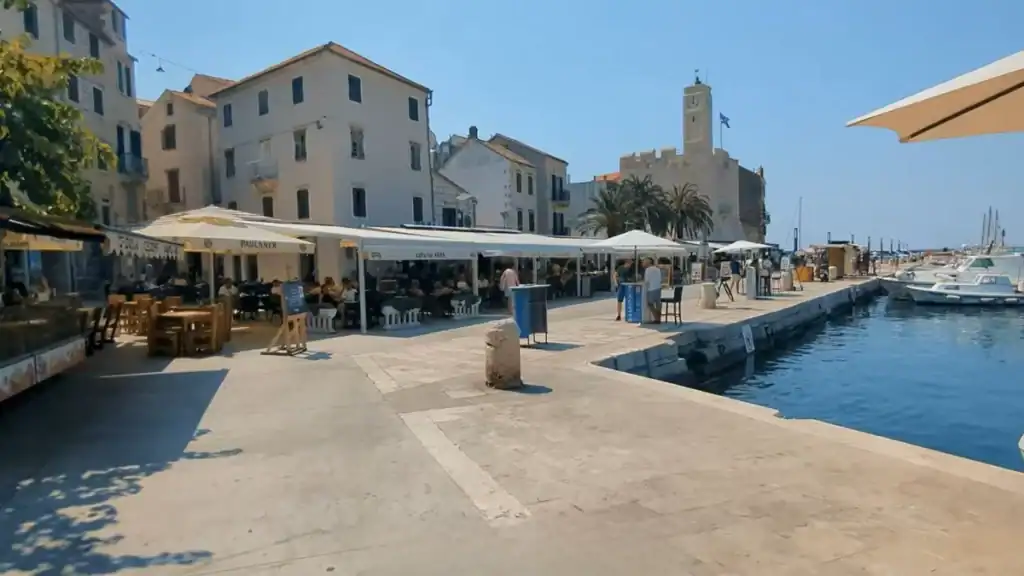
😔 The Isolation Factor: Community and Loneliness
Expect real loneliness that Instagram photos never show you honestly. Maybe 50-100 expats live here scattered across tiny villages. Summer visitors all leave by October when weather turns. Winter population drops to just 1,500 local Croatian residents.
Language barriers are harder here than in other European expat spots. Older Croatian people speak no English anywhere outside towns. You need basic Croatian for making any real friendships. The expat scene is very tiny and disconnected.
Tiny Expat Scene, Language Barriers, Ghost-Town Winters
Your mental health takes real hits from working solo for weeks. No coworking community means zero casual workspace friendships develop. Beautiful sunsets get lonely when watching them alone nightly. Facebook groups for expats stay mostly dead year-round here.
Ghost towns are completely real from November through March every year. Restaurants all close for the entire winter season completely. Komiža feels empty and apocalyptic during January walks around. Streets have almost nobody walking during those cold months.
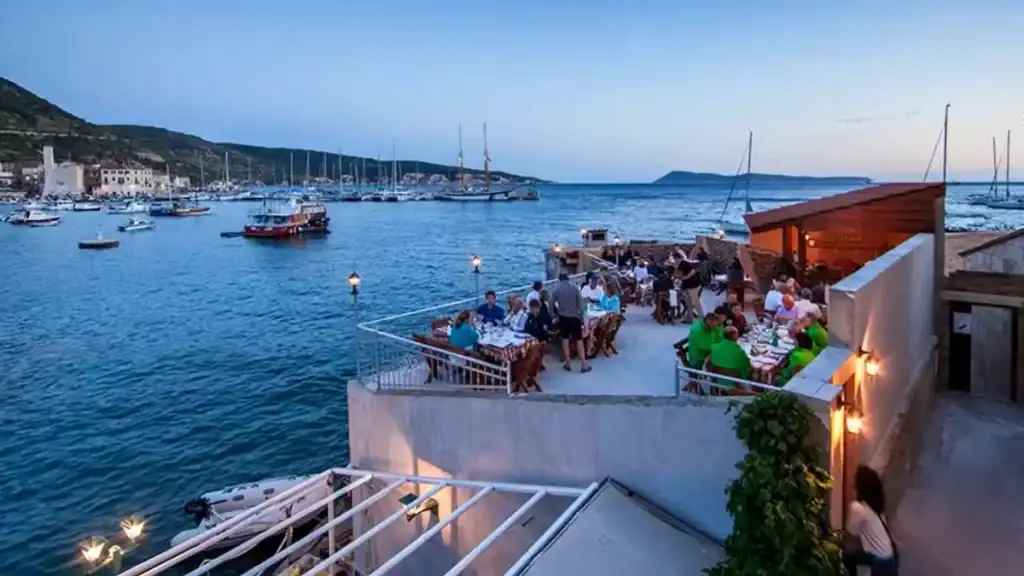
✅ Who Can Make Vis Island Remote Work Work?
Experienced nomads do well here if they genuinely want quiet solitude. Two-plus years remote work experience helps you handle challenges. Beautiful coastal views attract certain independent personality types successfully. Low off-season costs provide real financial value for budgets.
First-timers will struggle here way too much with infrastructure gaps. Problems overwhelm complete beginners who lack remote work basics. This challenging place causes fast burnout and failures regularly. Try Split or Hvar first before attempting Vis.
Established Nomads Yes, First-Timers No
Timing beats personal willpower for success here in every case. May-June provides the best overall conditions for productive work. September-October also works well with good weather and prices. Winter suits only the most hardcore isolation-loving remote workers.
Is Vis island worth it for community-oriented workers who need social contact? Never ever choose this island for that lifestyle need. Vis island without a car is almost impossible for daily life here. Budget proper transport costs or pick more connected mainland spots.