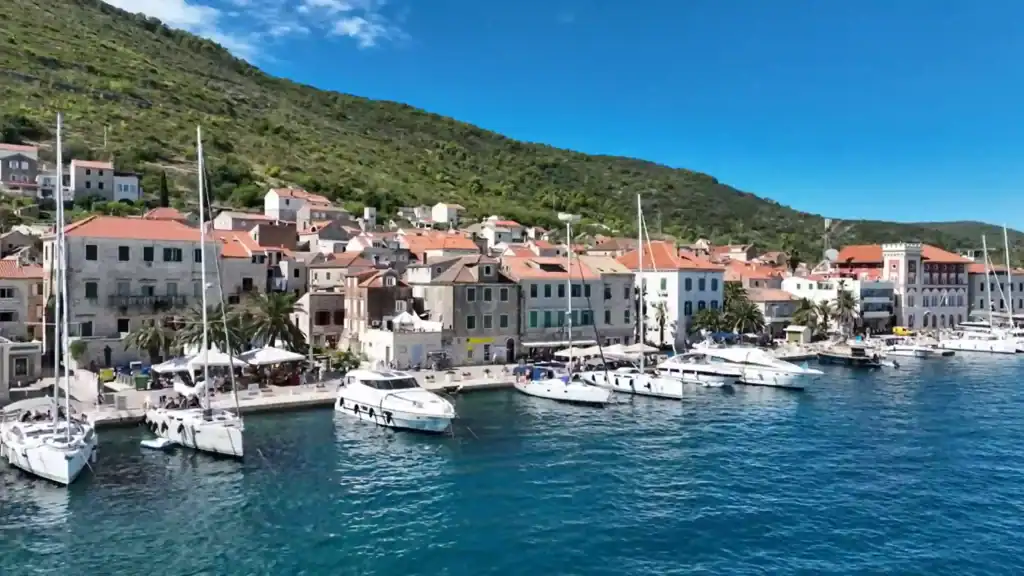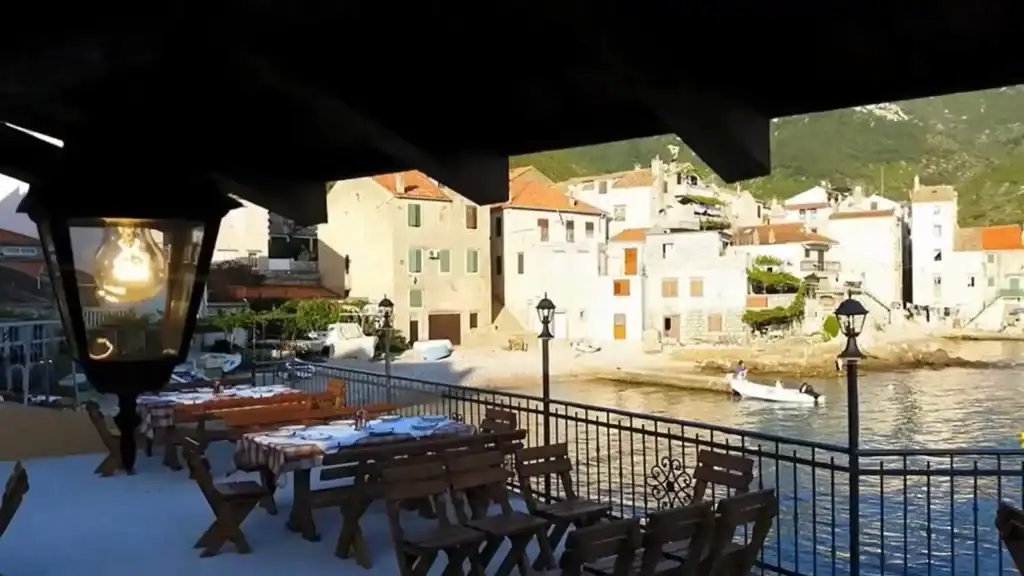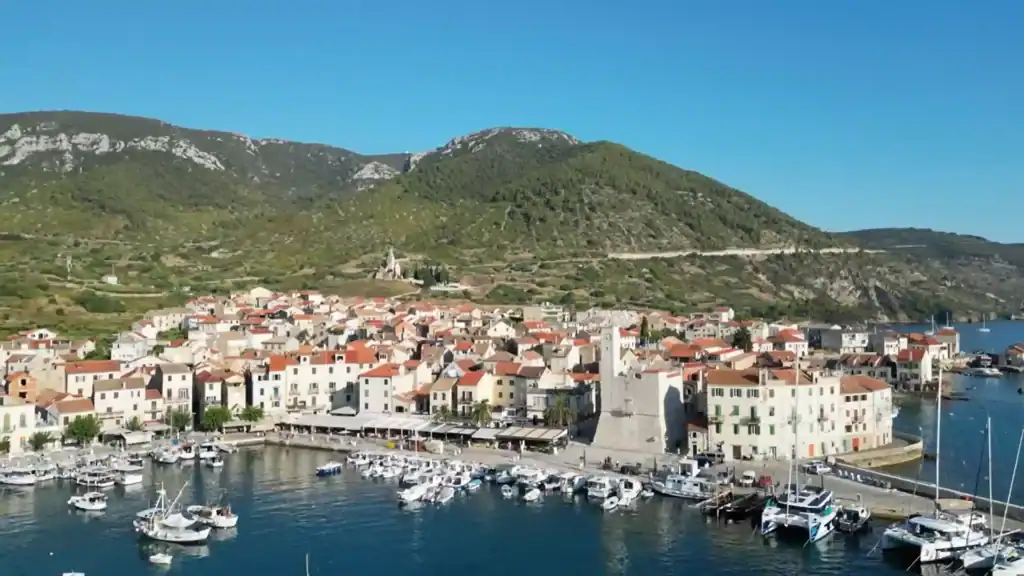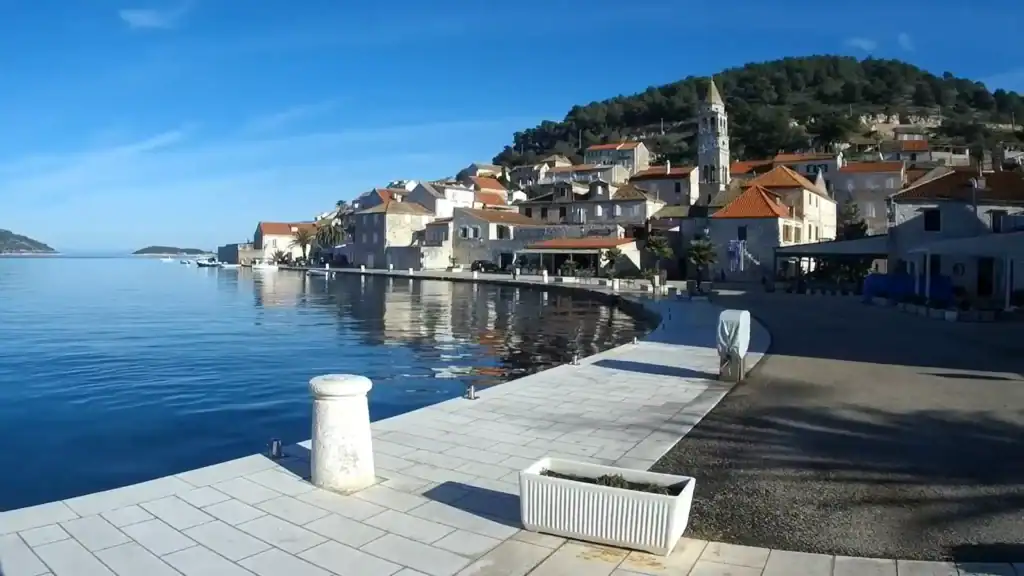

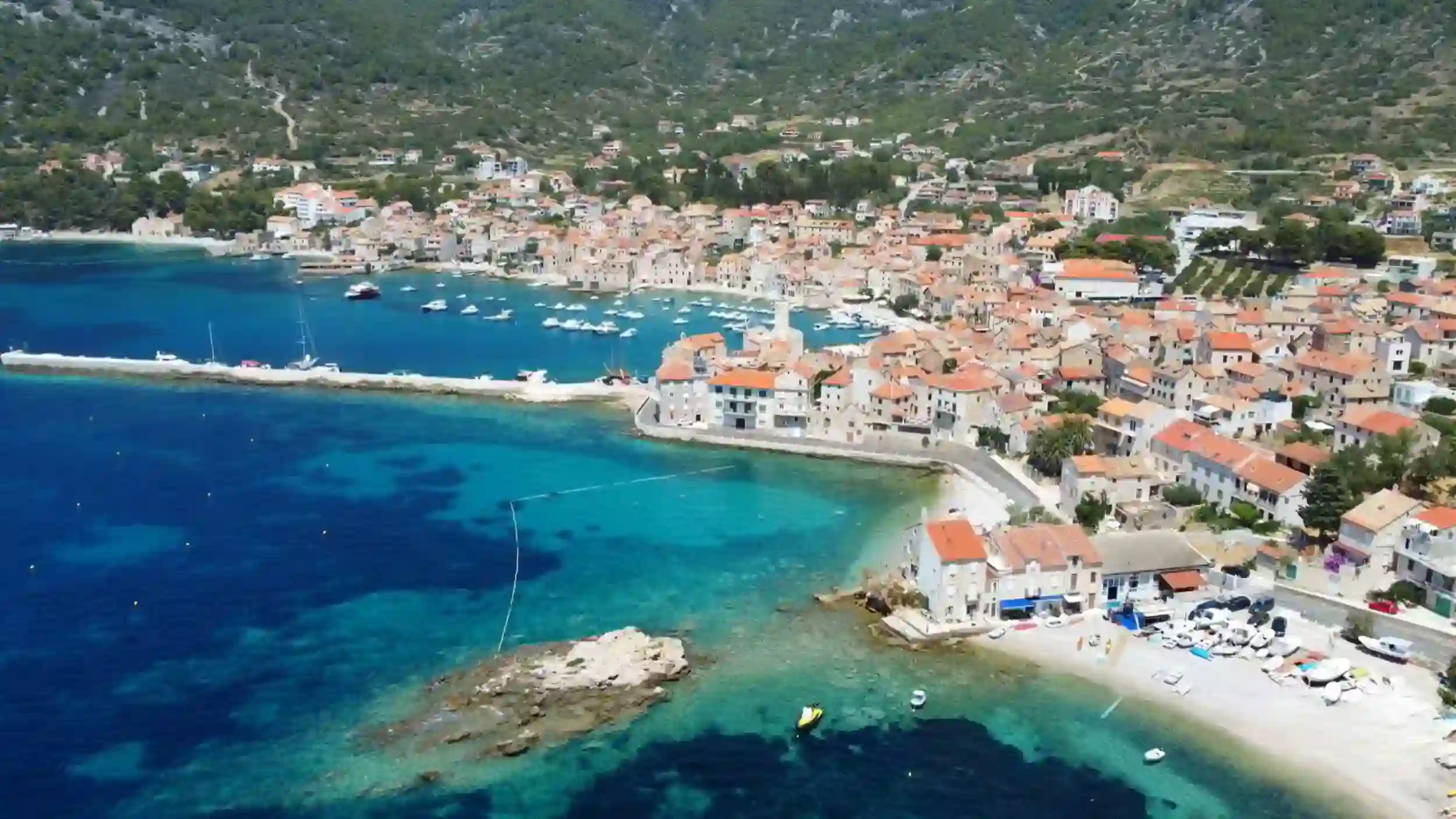
Vis Island without a car is easily navigable using the public bus between Vis Town and Komiža (€3, 30 minutes, synced with Jadrolinija ferries), rented scooters (€25-35 daily), bicycles (€10-15 daily), or taxi boats to Stiniva Bay (€15-20). Walking distances within Vis Town (2km waterfront) and Komiža (1.5km harbor area) make car-free exploration practical and authentic.
👀 Vis Island Without a Car: At-a-Glance
🚌 Only 3 bus routes connect Vis town and Komiža
⏰ Buses run 4–6 times daily in summer, 2–3 off-season
🏖️ Most beaches need taxi, scooter, or long walks
🚕 Taxi rides cost €20–30; scooter rentals €25/day
🌊 Blue Cave trips require pre-booked boat tours
🍽️ Remote konobas are impossible without wheels
✅ Doable in peak season; frustrating May–September edges
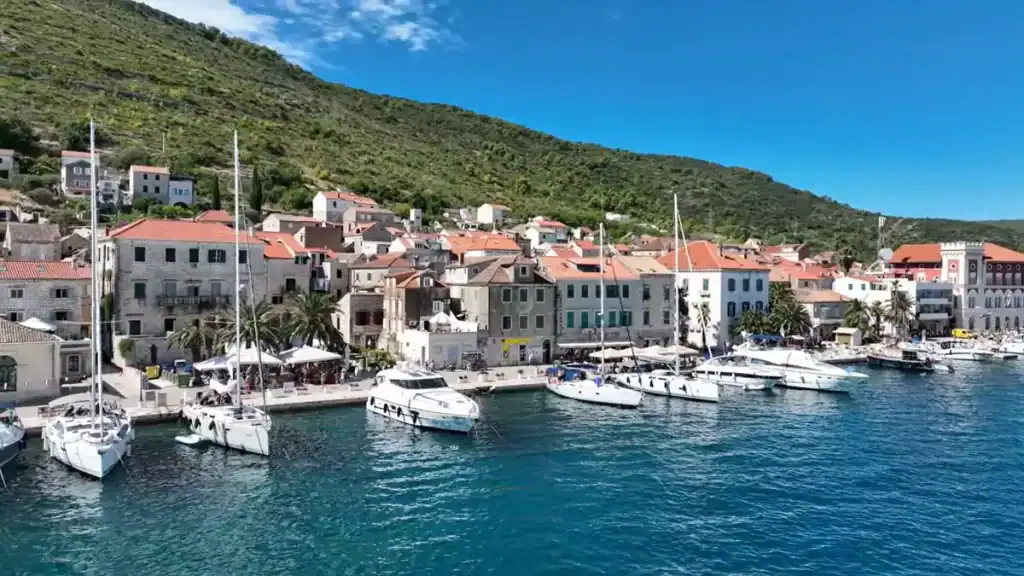
🚌 What Public Transport Exists on Vis Island
Vis island without car travel is possible but demands planning. The island spans 90 square kilometers with two main settlements. Vis town sits on the northeast coast. Komiža occupies the western shore, 12 kilometers away.
Three bus routes connect key points. Route 1 links Vis town to Komiža via inland roads. Route 2 serves a few eastern beaches. And route 3 covers limited western stops near Komiža.
Summer schedules offer 4–6 buses daily between towns. Off-season drops to 2–3 buses. No evening service exists after 8pm. Weekend schedules reduce further in May and October.
Walking distances exceed comfortable limits. Vis town to Stiniva beach requires 90 minutes on foot. Komiža to Porat stretches 45 minutes. Heat and hills make walking impractical for most.
Bus Routes, Schedules, and Only Three Routes Total
Route 1 runs Vis-Komiža six times daily in July-August. Journey takes 25 minutes. Tickets cost €3 each way. Purchase onboard from drivers who carry limited change.
Route 2 serves Milna bay twice daily. Departure times favor morning swimmers only. Return buses leave beaches at 1pm. Late-afternoon beach visits become impossible without alternative transport.
Route 3 covers western Komiža suburbs. Frequency drops to three times daily. Service skips entirely on Sundays from October through April. Tourist information offices post schedules that change without online updates.
No app or website provides real-time tracking. Ask locals or hotel staff for current times. Drivers sometimes skip stops if no passengers signal.
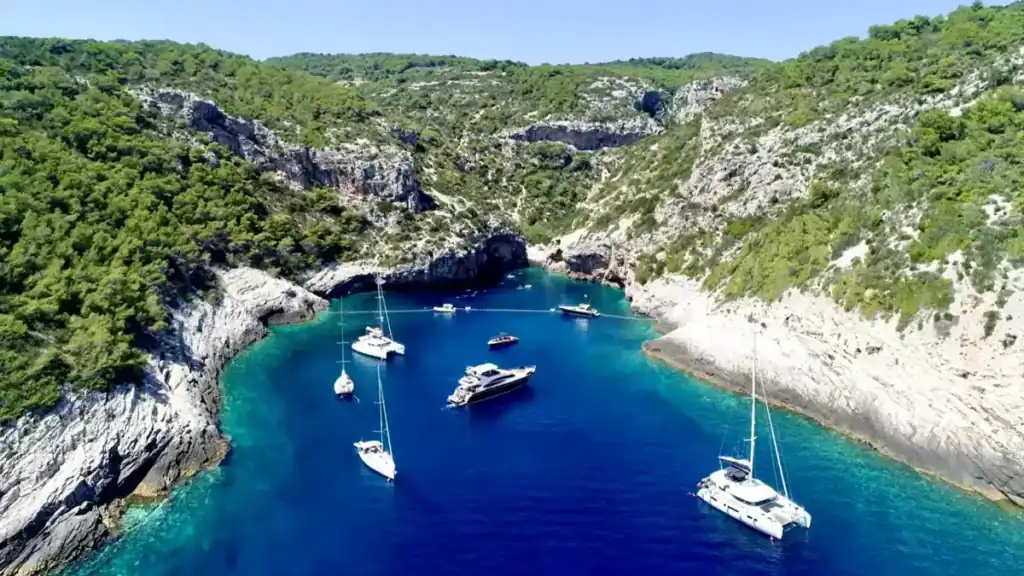
🏖️ Vis Island Without a Car: Beach Access?
Most beaches lie beyond walking distance from bus stops. Stiniva ranks as Croatia’s most photographed cove. No bus serves it. Stončica offers family-friendly swimming but sits 5 kilometers from Vis town.
Taxi rides become necessary for beach-hopping. Drivers charge €20–30 per trip depending on distance. Return pickups require phone coordination. English-speaking drivers exist but aren’t guaranteed.
Scooter rentals cost €25 daily in peak season. Roads twist through hills with sharp turns. Experience with two-wheelers helps. Parking at beaches is free but limited.
Popular beaches like Srebrna and Zaglav need transport. Milna gets bus service but fills quickly. Arrive before 10am or face crowds. Afternoon shade disappears by 2pm.
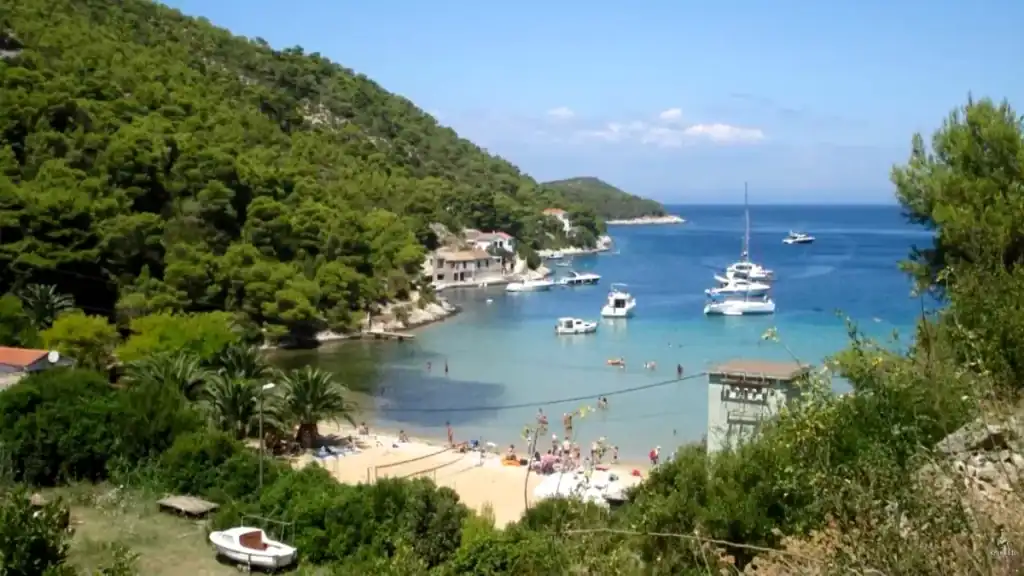
Stiniva, Stončica, and Which Need Transport
Stiniva cove requires a 15-minute cliff descent after road access. Taxis drop passengers 200 meters above. Steps are steep and uneven. Swimming conditions vary – currents strengthen in afternoons.
Stončica beach suits families with shallow water. Located between Vis town and Milna. No bus serves it directly. Walk takes 40 minutes or taxi costs €15.
Zaglav beach sits near Komiža with pebbles and clear water. Walking from town requires 30 minutes. Route follows a main road with no shade. Scooters park directly at beach entrances.
Srebrna beach offers the easiest access from Vis town. Walk takes 20 minutes along coastal paths. Sea urchins populate rocky areas – water shoes help.
💰 Taxi and Scooter Costs on Vis Island
Daily transport budgets must account for island mobility. Taxi fares start at €15 for short trips. Blue Cave excursions cost €50–70 per person. Beach taxis to Stiniva run €25 each way.
Scooter rentals provide flexibility for €25 daily. Fuel costs €10–15 extra. Rental agencies require deposits of €100–200. International driving permits aren’t checked but insurance requires valid licenses.
Bicycle rentals cost €10–15 daily. Hills challenge casual riders. Electric bikes rent for €30. Roads lack dedicated cycle lanes. Drivers pass closely on narrow sections.
Boat taxis serve some beaches. Prices vary by destination and passenger count. Expect €15–25 per person for popular coves. Services reduce dramatically outside July-August.
Vis Island Without a Car: €30 Taxis, €25 Scooters
Daily taxi budgets reach €60 for two beach trips. Drivers accept cash only – ATMs exist in both towns. Pre-arrange return pickups or risk waiting 30+ minutes.
Scooter economics improve with multi-day rentals. Three-day packages drop to €20 daily. Helmets include in rental prices. Agencies close by 6pm – arrange rentals before arrival when possible.
Shared taxis rarely operate on Vis. Groups of 4+ can negotiate flat rates. €40–50 covers Vis-Komiža-Blue Cave drop-offs. Pickup times must be exact or drivers leave.
Walking vs paying becomes the constant calculation. Vis town vs Komiža requires 2.5 hours on foot. Bus at €3 or taxi at €25 makes the choice obvious.

⚠️ Where Vis Island Without a Car Fails
Blue Cave trips require boat tours from Komiža. Tours depart 8am–10am daily. No public transport coordinates with departure times. Early morning taxis must be pre-booked the night before.
Remote konobas serve the best food. Konoba Roki sits 4 kilometers inland from Komiža. Konoba Jastozera requires uphill roads. No buses reach either. Is Vis island worth it depends partly on accessing these spots.
Evening logistics trap car-free visitors. Dinner in Komiža means missing the last bus to Vis town at 8pm. Taxis charge €30+ for night returns. Staying in one town limits restaurant variety.
October schedules drop to skeleton service. Vis island October visitors face 2–3 buses daily. Taxi availability decreases. Many scooter agencies close. Beach access becomes genuinely difficult without wheels.
Blue Cave Trips, Konobas, and Off-Peak Frustrations
Blue Cave tours cost €50–70 and depart Komiža only. Package includes Stiniva, Monk Seal Cave, and Green Cave. Boats leave at 9am. Getting to Komiža from Vis town that early needs a €25 taxi.
Konoba dining defines Vis culinary culture. Top spots sit in isolated valleys or coastal inlets. Konoba Roki opens for dinner only. No buses run that late. Groups can split taxi costs but solo travelers pay full fares.
May and September reduce services while weather stays good. Vis island remote work attempts fail without reliable transport to cafes and co-working spots. Komiža offers better digital nomad infrastructure than Vis town.
Grocery logistics challenge weekly shoppers. Carrying supplies 2 kilometers from markets becomes tedious. Vis town has better supermarket selection. Komiža markets close for afternoon siestas unpredictably.
For more Vis tourist information, check out: Vis Tourism
✅ The Verdict: Skip the Car or Rent?
Peak season (July-August) makes car-free doable with effort. Buses run frequently enough. Beach taxis operate reliably. Shared rides become possible with other tourists. Heat reduces walking appeal anyway.
Shoulder seasons (May, June, September) create frustration. Services decrease but tourists still visit. Bus schedules don’t match ferry arrivals. Advance planning helps but limits spontaneity.
October through April needs a car or very low expectations. Two buses daily won’t cover basic exploration. Restaurants close. Vis island October visitors should rent wheels or stay put in one town.
Budget travelers find car-free expensive paradoxically. Daily taxi costs exceed rental car rates. Scooters work but weather dependence causes problems. Buses save money but cost time and access.
When Buses Work vs When You’ll Regret It
Buses work if you stay in one town and take day trips to the other. Beach expectations remain modest. You’re comfortable walking 30–40 minutes. July-August timing allows maximum service.
You’ll regret car-free when planning Blue Cave tours from Vis town. Accessing remote beaches. Dining at inland konobas. Visiting between October-May. Traveling with families or older adults who can’t walk long distances.
Scooter compromise works for couples and solo travelers. Costs less than daily taxis. Provides beach access freedom. Handles hills better than bicycles. Weather risks exist but Croatia’s summer stays dry.
Realistic expectations matter most. Vis rewards slow travel. Car-free visitors see less but stress less. Rushing between beaches misses the island’s quiet charm. Choose based on your priorities – not Instagram’s.