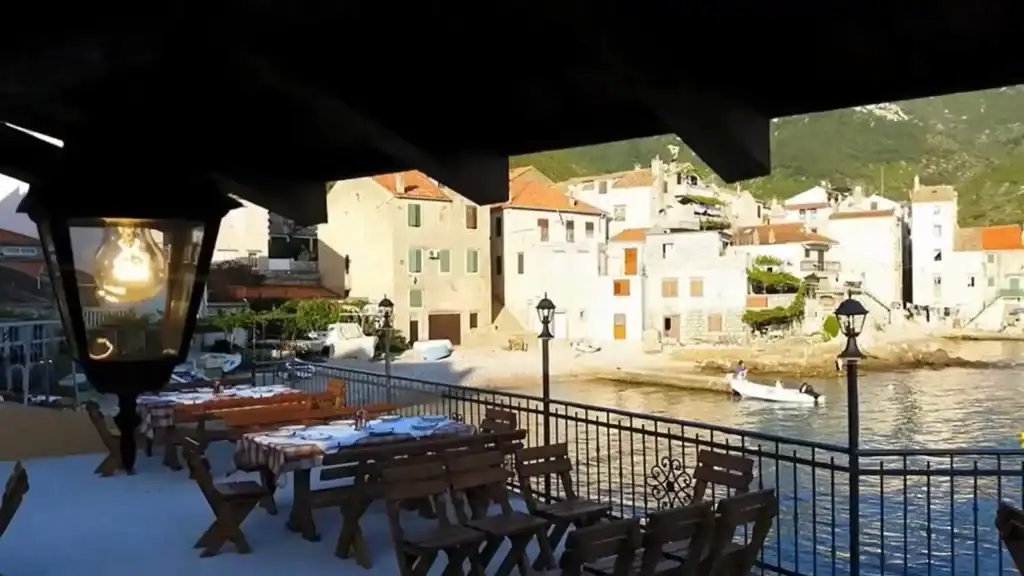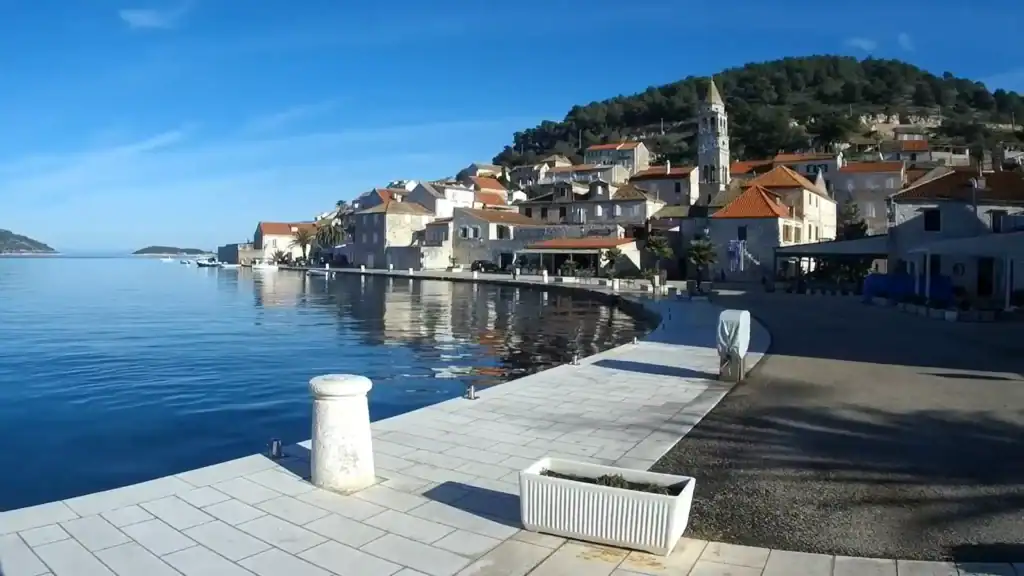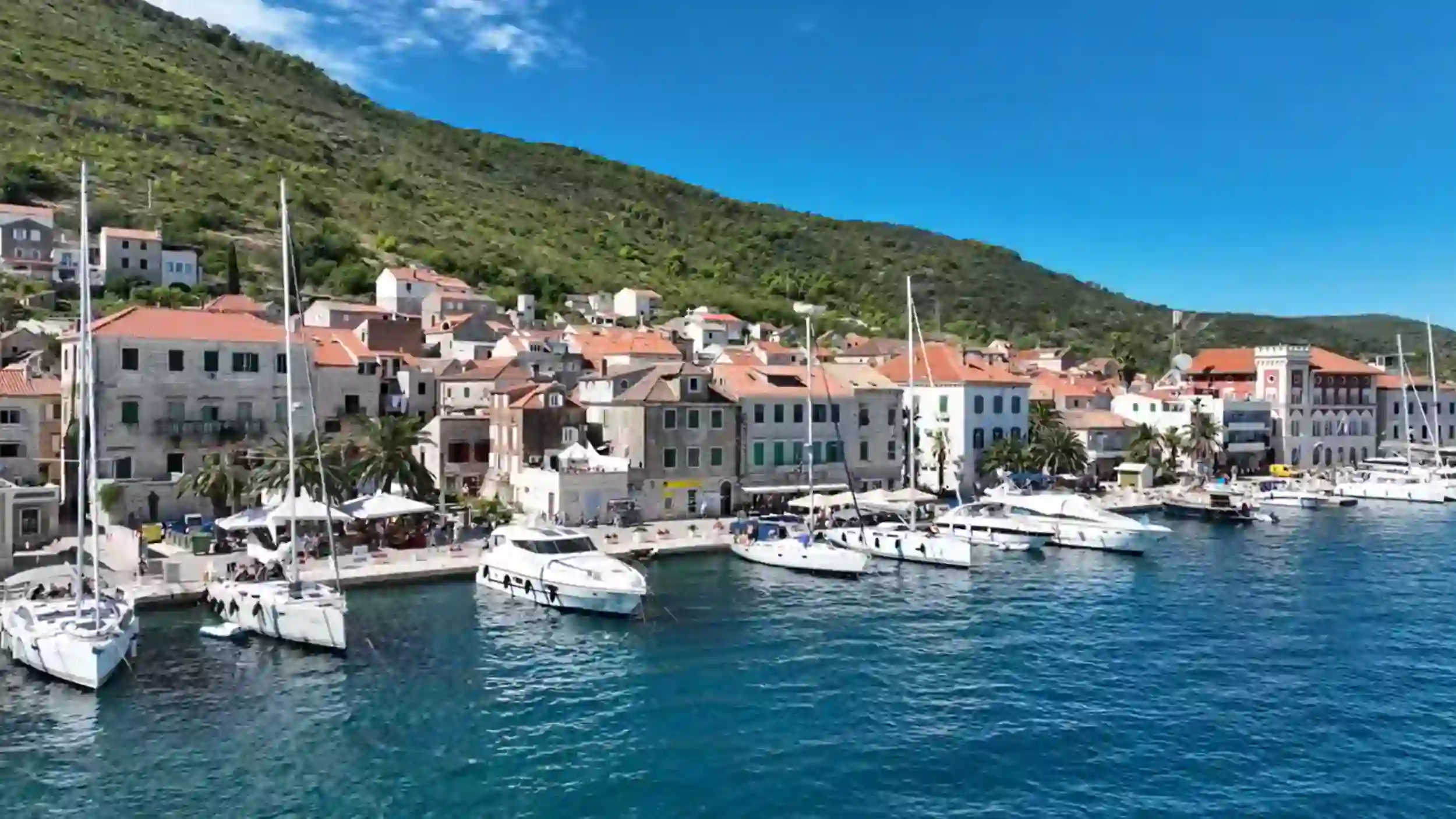
Vis Town vs Komiza represents a choice between Vis Island’s main port hub (population 1,960) with direct ferry connections to Split (2.5 hours) and nightlife options, versus the quieter western fishing village of Komiza (population 1,397), located 10 kilometers away, offering authentic charm, proximity to the Blue Cave on Biševo Island, and traditional konoba restaurants along its waterfront promenade.
👀 Vis Town vs Komiza: At-a-Glance
🚢 Ferry arrival: All boats dock in Vis Town, not Komiza
🛣️ Distance apart: 10km by road, 25 minutes by taxi or bus
🏨 Accommodation split: Vis Town has 3x more options than Komiza
🍽️ Restaurant count: Vis Town 15+, Komiza 8-10 quality spots
🏖️ Beach proximity: Komiza closer to Stiniva, Vis Town to Stoncica
🚗 Transport reality: No car makes base-switching expensive (€25-35 each way)
☀️ Best for October: Vis Town stays livelier; Komiza very quiet post-season
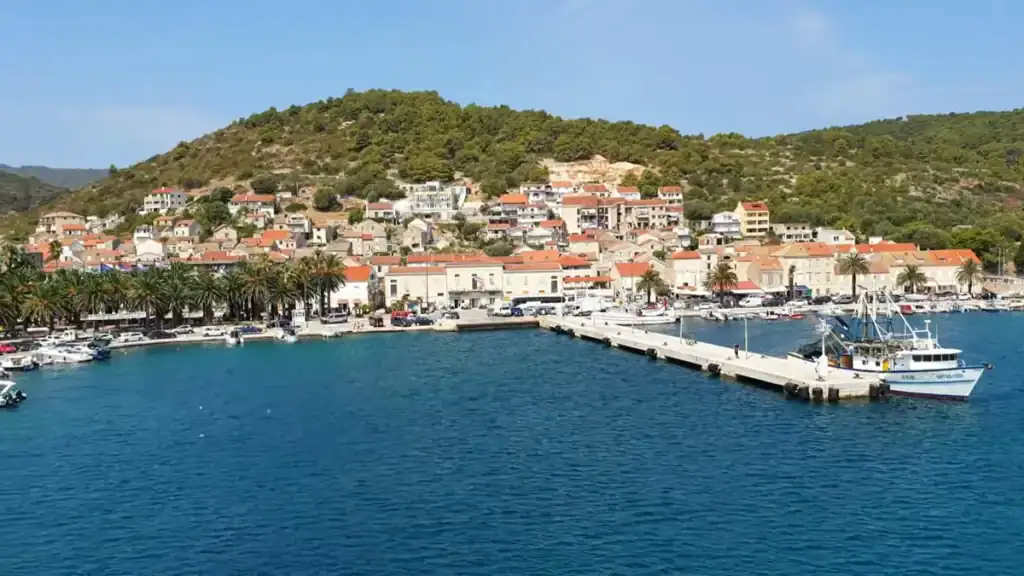
🏘️ What Separates Vis Town and Komiza?
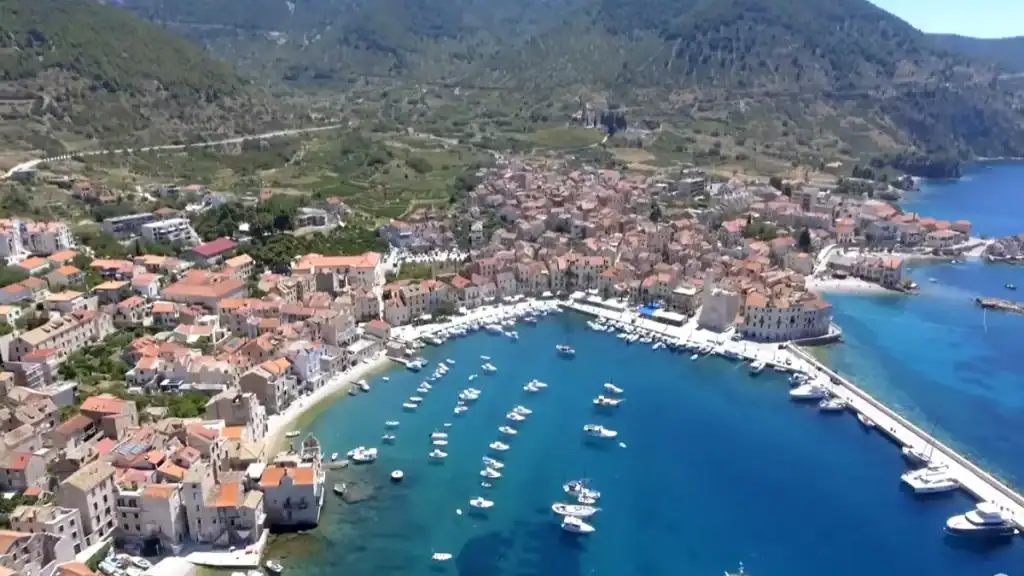
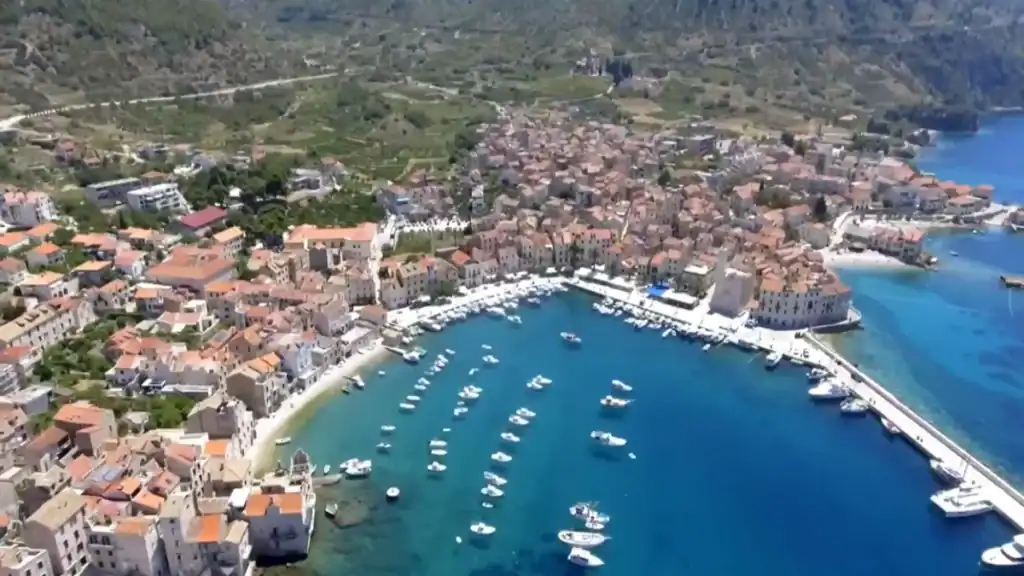
Vis Town sits on the northeast coast where ferries arrive. It’s the island’s commercial center with ATMs, pharmacies, and a working harbor. The town wraps around a wide bay with swimming spots along the promenade. Most infrastructure clusters here because it’s the transport hub.
Komiza sprawls across the western coast facing open Adriatic. It’s a fishing village with narrow streets and fewer services. The setting feels more remote despite being only 10km away. Sunsets hit directly over the water here.
Ferry Access, Layout, and Why Location Matters
Both towns differ in daily rhythm and accessibility. Vis Town wakes early for ferry arrivals and stays active until late evening. Komiza operates on fishing schedules and winds down after sunset. Your choice affects how spontaneous you can be.
Practical logistics shape each stay differently. Vis Town means walking to ferry terminals and bakeries. Komiza means planning around limited bus schedules. Neither town offers Uber or ride-sharing. Taxis exist but cost €25-35 per trip between the two.
🎒 Vis Town vs Komiza: Where to Base First?
Start in Vis Town if your ferry arrives late afternoon. You’ll have immediate food and accommodation options without taxi stress. The town’s cafes and konobas stay open later than Komiza’s. Settling in feels easier when services surround you.
Komiza works better as a first base if you arrive early and have pre-booked accommodation. You’ll skip the Vis Town crowds and get straight to beach exploring. Morning buses run reliably from the ferry terminal to Komiza during summer months.
Vis Town for Services, Komiza for Seclusion
Choosing Vis Town prioritizes convenience over atmosphere. You can walk to three supermarkets, multiple bakeries, and rent scooters without advance booking. The waterfront promenade offers easy evening strolls. Vis island without a car becomes manageable here because buses, taxis, and boat tours depart frequently.
Komiza delivers authentic quiet but demands more planning. One small supermarket closes by 8pm. Restaurants book out on weekends even in shoulder season. The reward is fewer tourists and direct access to Stiniva Beach boat departures. Solo travelers doing Vis island remote work appreciate the focused environment.
💼 Is Switching Bases Worth the Hassle?
The logistics involve packing, checking out, traveling 25 minutes, and checking in again. Most accommodations have strict 10am checkout and 2pm check-in windows. That means you’ll lose 3-4 hours of your day to the move. Small guesthouses rarely offer luggage storage.
Financially, switching adds €25-35 for taxi or €8-10 for bus tickets per person. The bus runs only 4-5 times daily, and schedules shift seasonally. If you’re staying five nights total, that’s 40% of your time managing logistics instead of exploring.
Moving Between Vis Town and Komiza: Time and Money
Day trips solve the dilemma without base-switching stress. A morning bus to Komiza costs €4, lets you explore all day, then returns you to Vis Town accommodation. You avoid repacking and maximize beach time. Taxis split among groups make this even easier.
Switching makes sense only for week-long stays when you want distinct experiences. Three nights Vis Town, four nights Komiza gives you both rhythms. Anything shorter creates more hassle than value. Is Vis island worth it for short stays? Yes, but pick one base.

🍴 Vis Town vs Komiza: Restaurants and Beaches
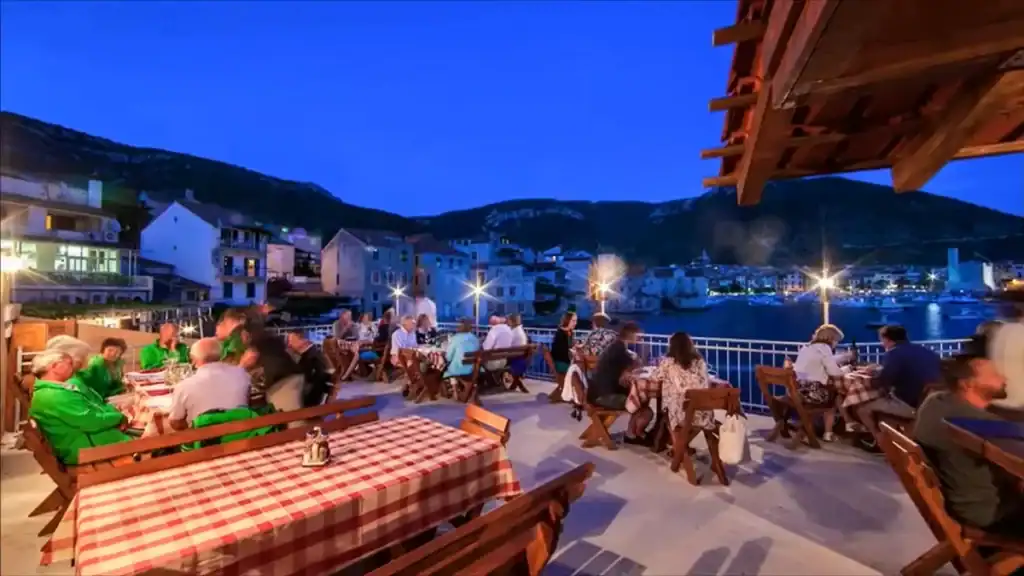
Vis Town restaurants lean upscale with fresh tuna, octopus salad, and peka (slow-cooked meat). Expect €18-28 mains at waterfront spots like Vatrica or Pojoda. Casual konobas inland charge €12-18. Reservations matter only on weekends during high season.
Komiza keeps it simpler with grilled fish and family-run taverns. Bako and Jastozera serve excellent seafood for €15-22 per main. The smaller selection means you’ll repeat restaurants if staying multiple nights. Quality rivals Vis Town, but variety doesn’t.

Komiza Sunsets vs Vis Town Cafes: Which Wins?
Komiza’s sunset view from Kamenica Beach or the harbor wall beats any Vis Town spot. The sun drops straight into the sea between 6-7pm. Local families gather on benches with wine. It’s genuinely special during Vis island in October when crowds thin.
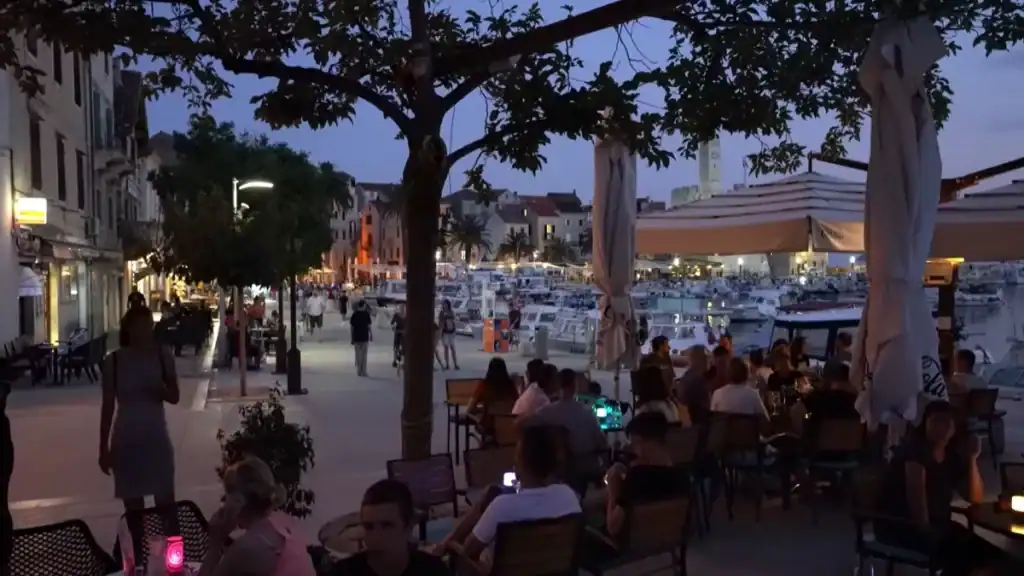
Vis Town offers better coffee culture and people-watching. Cafes like Lambik and Fabrika pour proper espresso and stay open past 11pm. The promenade buzz suits social travelers. You’ll trade dramatic sunsets for ambient evening energy. Beach access ties closely to base choice too.
🧳 Stay Put or Move: The Honest Case
Pick Vis Town if you value flexibility, later ferry departures, or didn’t book everything in advance. The town forgives poor planning with its infrastructure. You can rent bikes, join boat tours, and find dinner without stress. First-time Vis visitors benefit most from staying here.
Choose Komiza if you booked a specific guesthouse, want quiet mornings, and don’t mind limited restaurant rotation. The village rewards travelers who plan ahead and enjoy slower rhythms. Repeat visitors often prefer Komiza after experiencing Vis Town previously.
When You’ll Regret Not Choosing Vis Town or Komiza
You’ll regret Komiza if your ferry leaves early morning and you need last-minute supplies. The 7am bus to catch 8am ferries runs unreliably off-season. Vis Town gives you a 5-minute walk to the terminal instead of 30 minutes of anxiety.
You’ll regret Vis Town if you specifically wanted remote island vibes and instead got marina crowds. Komiza delivers the isolation most people imagine when booking Vis. Switching bases mid-trip rarely improves either experience – it just adds logistical noise to a short island stay.
For more Vis tourist information, check out: Vis Tourism