
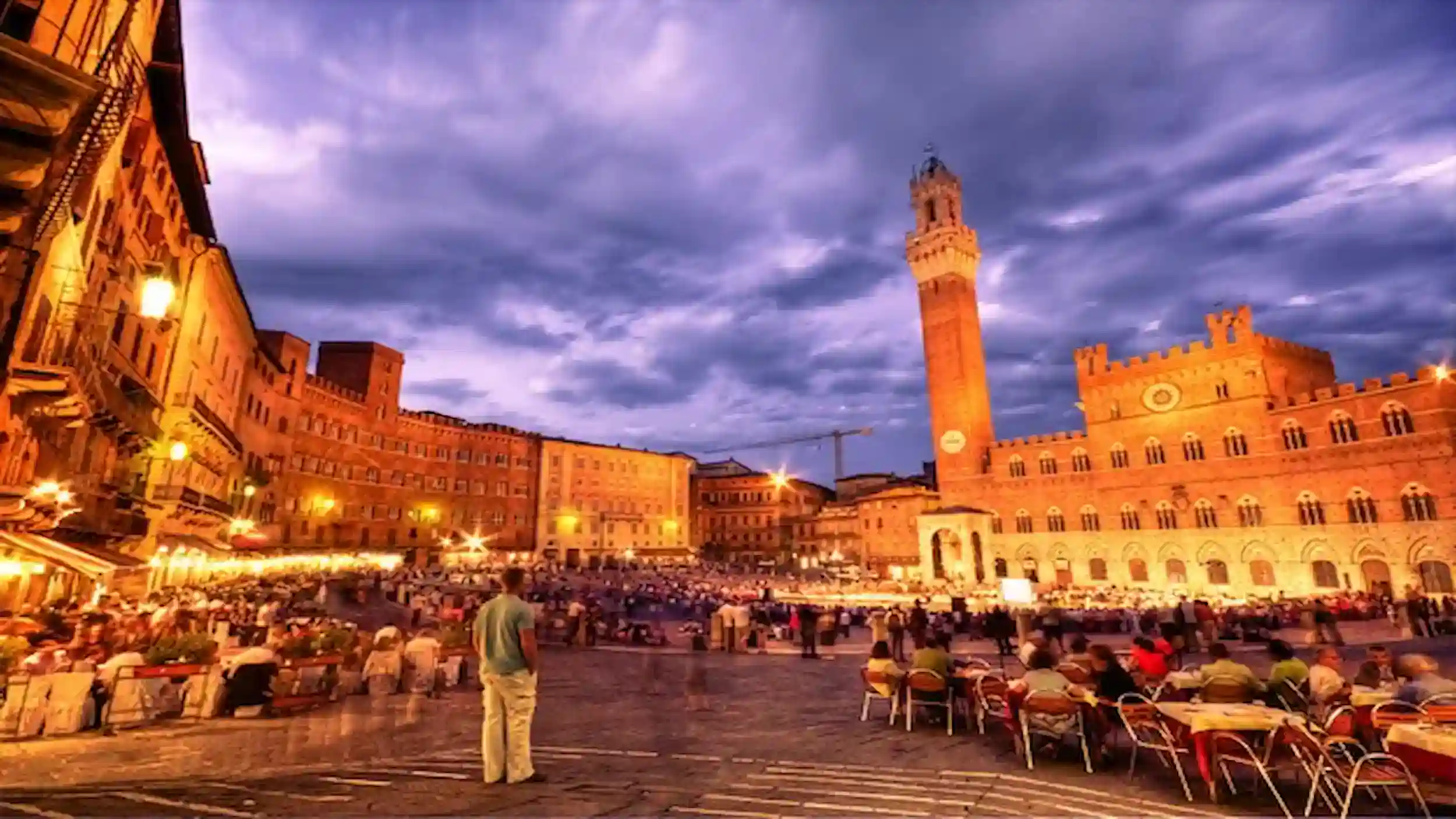
Visiting Siena Italy means exploring a UNESCO World Heritage medieval city located 75 kilometers south of Florence in Tuscany’s heart. Famous for its shell-shaped Piazza del Campo, stunning Gothic Duomo with zebra-striped marble, and the twice-yearly Palio horse race, Siena is easily reached by 90-minute train or bus from Florence, making it an ideal Tuscan day trip.
👀 At a Glance:
🗓️ Best time: Visit during spring or autumn for nice weather and smaller crowds.
💰 Budget range: Expect to spend around seventy to one hundred euros daily per person.
⏰ Duration recommendation: Plan at least two full days to explore Siena’s main attractions properly.
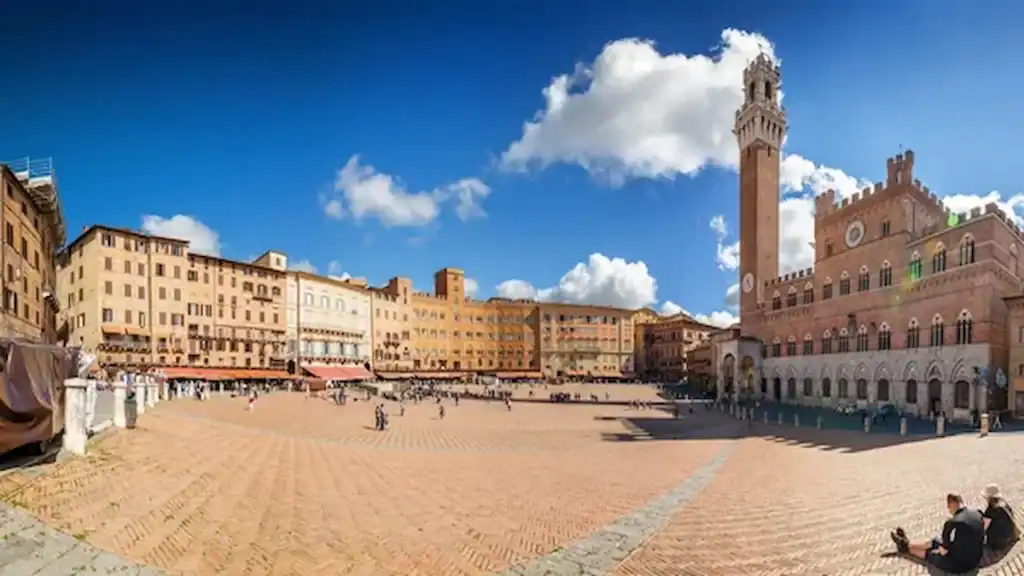
🎯 Must-see attraction: Piazza del Campo remains the heart of Siena and hosts the famous Palio.
💡 Insider tip: Climb Torre del Mangia early morning to avoid long lines and summer heat.
💭 Visiting Siena Italy: Best Things to See and Do
What is so special about Siena, Italy? The city of Siena keeps its medieval character really well. Gothic buildings in Piazza del Campo and old traditions create an amazing experience. Unlike Florence’s Renaissance focus, Siena is one of Italy’s best examples of medieval times. The Visit Siena Official tourism website confirms its UNESCO World Heritage Site status for great preservation.
Why should you visit Siena? Beyond Palazzo Pubblico and the Duomo di Siena, real life continues. You’ll experience living medieval traditions through the contrade system and famous Palio di Siena. Only seventeen contrade exist today, but they once numbered over forty districts citywide. The surrounding Tuscan countryside offers world-class wine areas and charming hilltop towns nearby.
Tips for Visiting Siena: Is It a Tourist Trap?
No, despite tourism, real local life continues throughout the historic centre every single day. Prices stay reasonable compared to Florence and Venice’s crazy high costs for travellers. Siena is built on three hills and keeps its real character throughout neighbourhoods. Locals still gather at old fountains in contrade districts and shop at markets.
Visiting Siena Italy offers real cultural experience into medieval Tuscan life beautifully kept intact. You’ll witness traditions that are centuries old at Torre del Mangia and cathedral square. Morning walks show residents going about routines in spaces their ancestors lived in. This is where medieval Italy still breathes life into every narrow cobblestone street.
🗓️ Travel Guide to Siena: Planning Your Trip
How many days should you spend in Siena, Italy? Plan your visit for two days. Two full days lets you properly explore Piazza del Campo and cathedral museums. Three days lets you take a day trip to Montalcino wine area easily. One day gives enough time to see the main square and climb Torre del Mangia.
Can you visit Siena as a day trip from Florence? Yes, absolutely, trains run hourly. Florence sits just sixty minutes away, making a day trip to Siena totally doable. However, staying overnight in the historic centre lets you experience evening feeling perfectly. Visiting Siena Italy in spring or autumn gives you the most comfortable weather overall.
Best Time to Visit Siena and Where to Stay
Spring months from April through June offer great weather with mild temperatures and blooming landscapes. Autumn gives you another excellent window with harvest festivals in surrounding wine areas. The Visit Tuscany regional tourism board says to avoid peak summer heat in July and August. Finding a place to stay in Siena near the centre makes your trip better.
July second and August sixteenth mark the two yearly Palio horse race dates each year. Book rooms six months ahead because hotels sell out within seventy two hours. Outside Palio dates, June and September offer the best mix of weather conditions. December brings Christmas markets but most close by four thirty when darkness falls.
🏛️ Climbing Torre del Mangia and Piazza del Campo
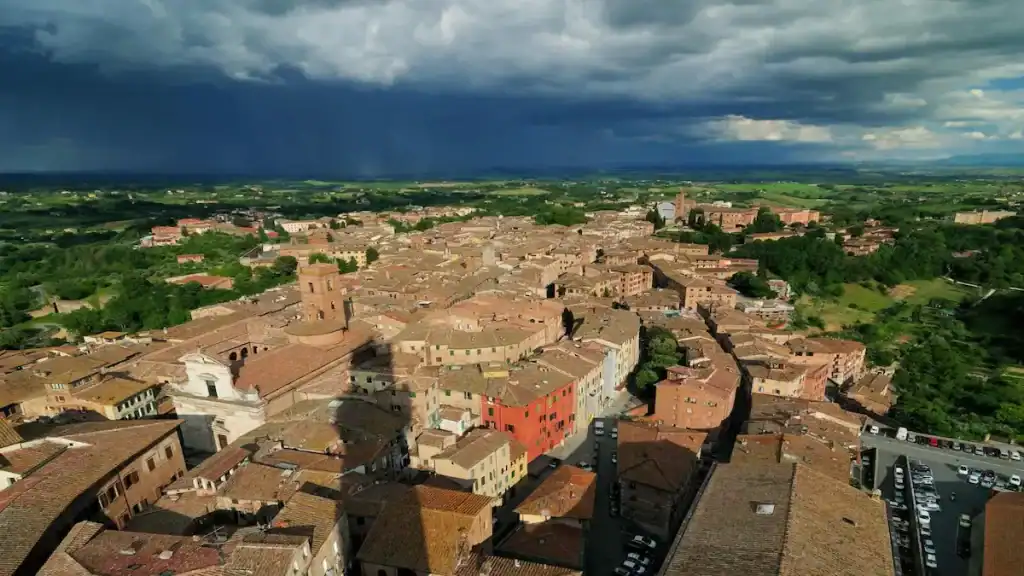
The tower stands one hundred two metres tall, offering amazing views of Siena below. Climbing four hundred steps tests your energy but rewards you with incredible views. The stone steps are worn smooth from centuries of climbers making their way up. You’ll see how medieval buildings layer throughout the city centre of Siena.
Buy a ticket at the ticket office and start your climb before nine am. The narrow staircase winds upward through the medieval tower’s original stone inside walls. Local tip: bring water because there’s no fountain at the top of tower. Visiting Siena Italy means climbing this tower remains one of the best things.
Siena’s Main Square
Piazza del Campo works as the heart of Siena and one of Europe’s coolest squares. The shell-shaped piazza slopes gently downward, creating a natural bowl for daily life. When I first walked into Il Campo, the herringbone brick pattern really stood out. Gothic palaces and Palazzo Pubblico surround the edges forming an amazing frame overall.
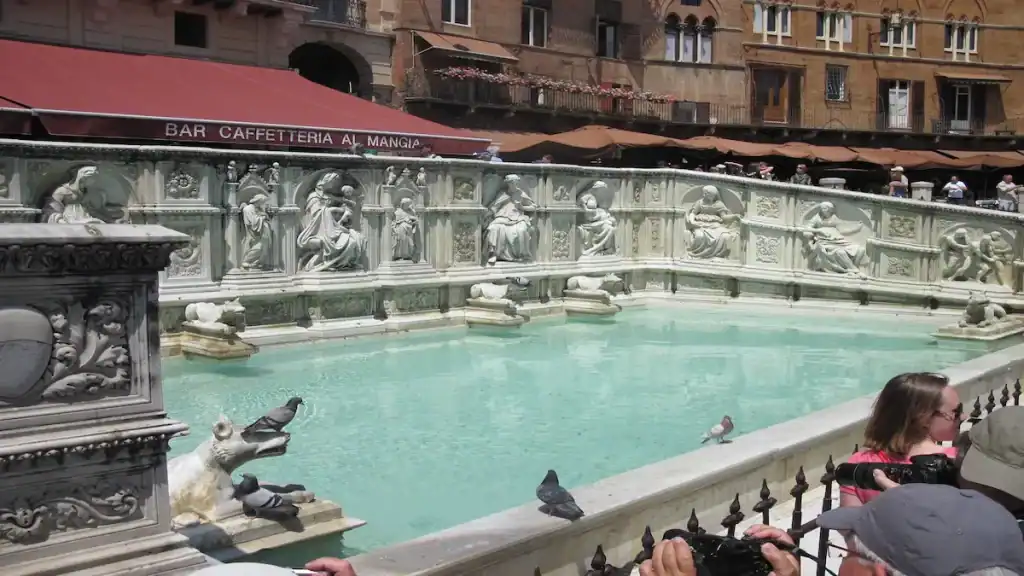
Locals gather here throughout the day, sitting on the sloped bricks to hang out. The warm stone holds heat from afternoon sun well into cool evening hours. Inside, you’ll find amazing paintings showing good and bad governance from medieval times. The Fonte Gaia fountain adds a beautiful centre point with marble sculptures everywhere.
🎨 Duomo di Siena and Museum Must-Sees
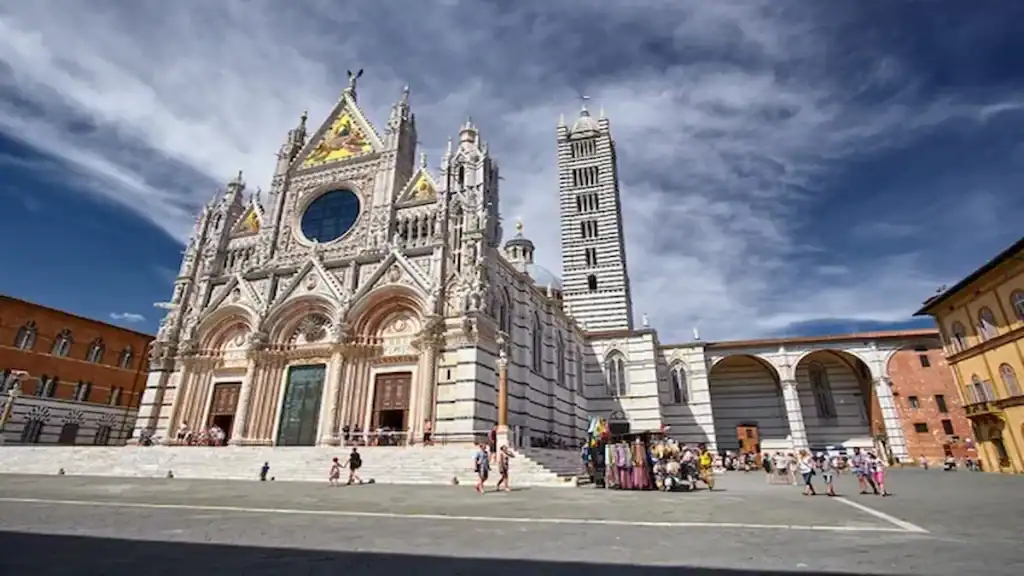
The Cathedral of Siena shows off Italian Gothic buildings at their most amazing level. Striking white marble mixes with green and red stone in really cool bands. The facade features detailed sculptures telling Bible stories through super detailed stone carvings. Standing before the Duomo di Siena, you’ll understand why it ranks so high.
Inside, the cathedral floor shows marble designs that took centuries to finish by craftsmen. The floor stays covered most of the year and only reveals fully mid August. The Piccolomini Library has bright paintings done by Renaissance master Pinturicchio on walls. Light comes through stained glass windows, lighting up old marble columns with colours.
Santa Maria della Scala: Top Museum Near the Duomo
The museum holds original sculptures and artworks taken from the cathedral for keeping safe. Duccio’s Maestà altarpiece stays the collection’s crown jewel and medieval painting treasure completely. Across Piazza del Duomo, Santa Maria della Scala worked as a hospital long ago. Now it runs as a really cool museum complex exploring Siena’s past history.
Underground passages at Santa Maria della Scala connect sections showing old layers beneath the surface. The cool stone tunnels stay fifteen degrees cooler than streets above during summer. You’ll need at least two hours to explore the cathedral museum the right way. The ticket office near the Duomo offers combination passes that save you money.
🏇 The Palio di Siena and Exploring Contrade Districts
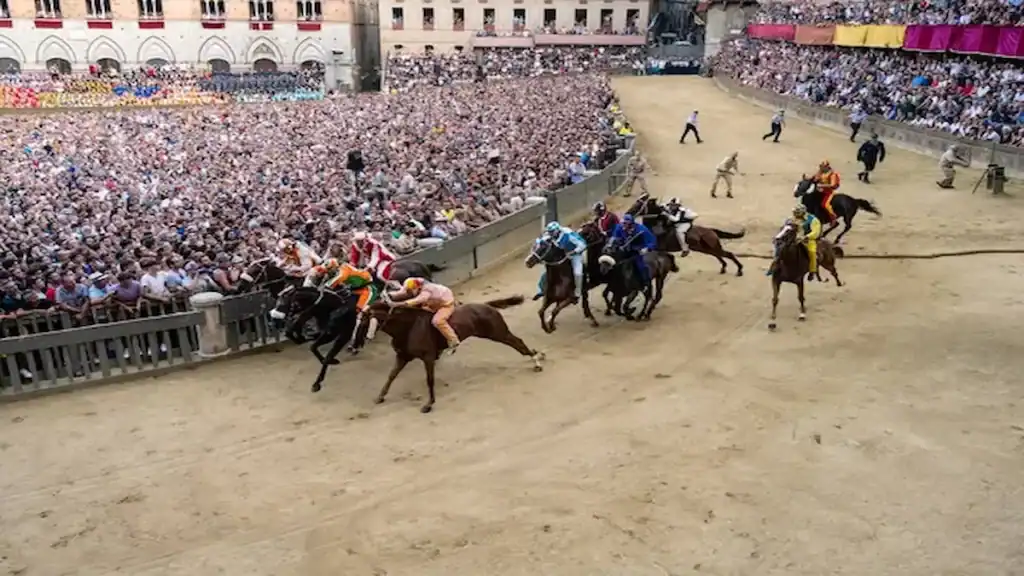
The Palio di Siena changes the city twice yearly into a thrilling neighbourhood show. This bareback horse race around Piazza del Campo goes back to medieval times clearly. Seventeen contrade districts compete hard, with old rivalries pushing intense prep each year. The race lasts only ninety seconds but preparation takes an entire year.
Horses get blessings in neighbourhood churches before the race in traditional religious events yearly. The entire city breaks out in colourful shows with flag throwing and costumes. Tens of thousands pack into Il Campo to watch the famous Palio race. The winning contrada celebrates with huge victory dinners in their district streets afterward.
Things to See in Siena: Contrade Museums and Fountains
District boundaries mark territories with animal symbols like the Eagle, Porcupine, and Unicorn clearly. Old fountains work as community gathering spots where residents share daily news together. Each contrada keeps its own museum showing centuries of Palio victories and treasures. Walking through different neighbourhoods around Siena, you’ll notice separate identities and strong pride.
Traditional events welcome newborns into their contrade with special blessings and community celebrations happily. Small shrines honour patron saints believed to protect each district through hard challenges. Visiting Siena Italy and exploring contrade museums makes you appreciate the city’s structure. The contrade system keeps medieval traditions alive in the city even today.
🍷 Where to Eat in Siena: Tuscan Wine and Food
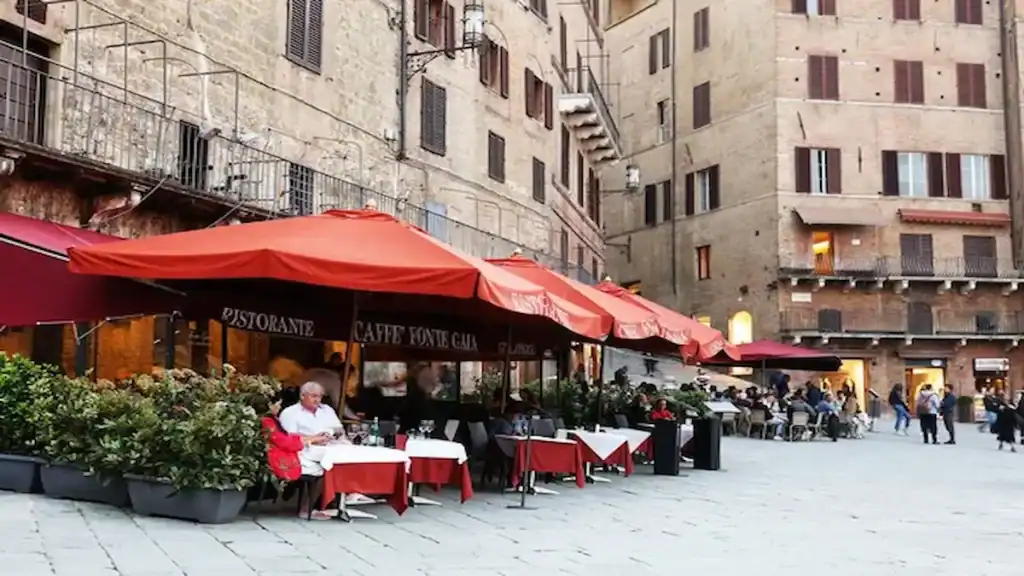
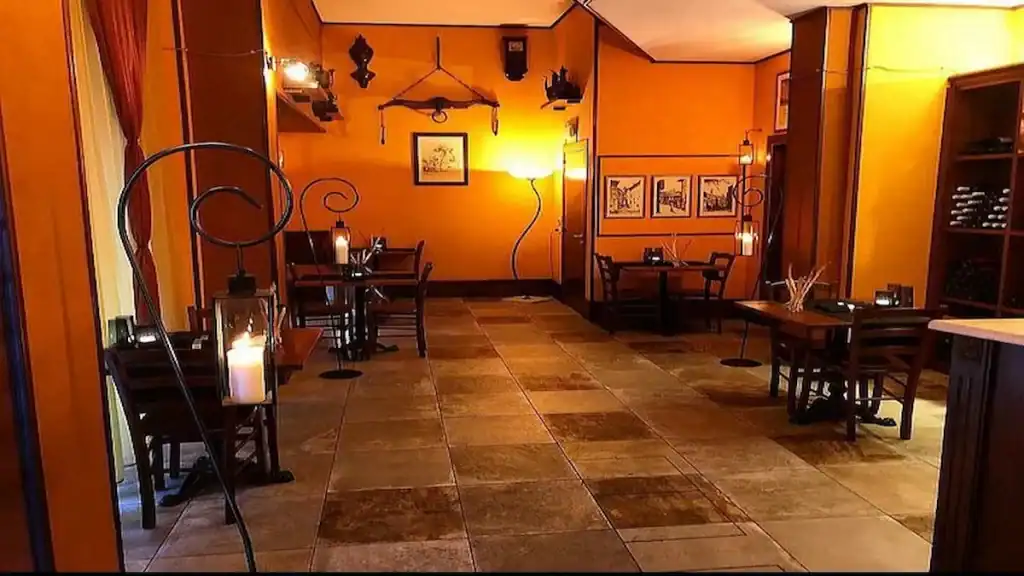
Sienese cuisine focuses on simple ingredients made with methods passed down through family generations. Pici pasta shows up a lot, served with rich meat sauces or garlic. Local restaurants near Piazza del Campo serve real dishes in medieval building settings. I found the best meals at small family trattorias in quiet side streets.
The Tuscan countryside surrounding Siena makes world-famous Chianti wines from old hillside grape farms. Wine bars called enoteche in the historic centre offer wine tastings every day. Brunello di Montalcino and Vino Nobile di Montepulciano come from nearby wine areas. Pairing regional wines with traditional Tuscan dishes creates really memorable experiences during your stay.
Traditional Bakeries and Markets Around Siena
Traditional bakeries sell ricciarelli almond cookies and panforte, Siena’s famous dense sweet cake. The scent of almonds and honey fills entire streets near bakeries every morning. Aperitivo hour brings locals to bars near Il Campo for drinks and small bites. Most restaurants close between lunch and dinner, following traditional afternoon rest time always.
Local favourites when you eat in Siena include wild boar, ribollita soup, and steaks. Insider tip: hit the Wednesday and Saturday markets at La Lizza before ten. Small wine bars let you try regional wines by the glass for good prices. Visiting Siena Italy means trying real Tuscan food in family-run places every day.
🚗 Day Trips Near Siena: San Gimignano and Wine Country
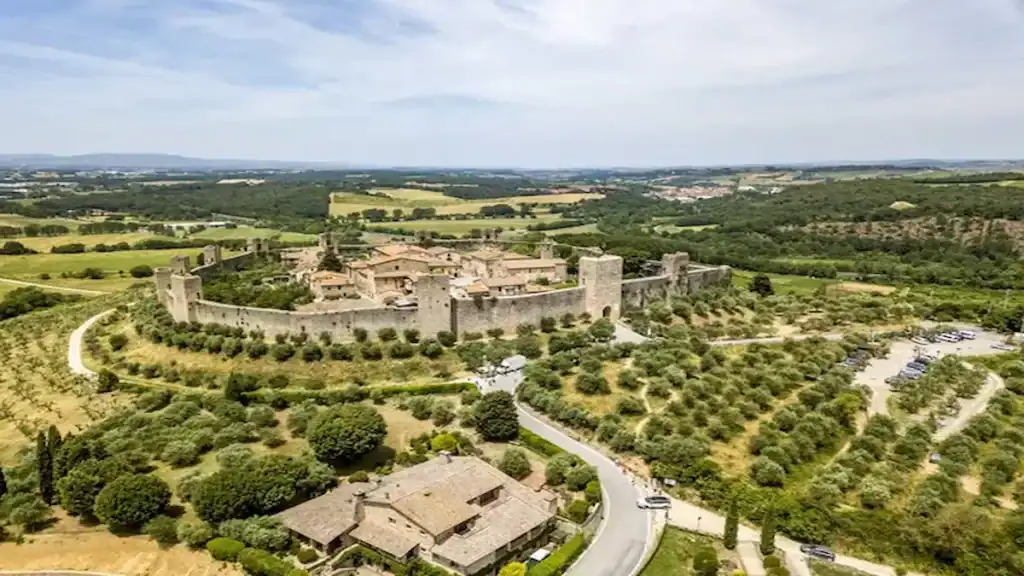
The Tuscan countryside around Siena offers dozens of medieval hilltop towns worth checking out nearby. San Gimignano sits thirty minutes away with its famous medieval towers reaching skyward. Monteriggioni has perfectly kept circular walls you can see from miles away across vineyards. The Terre di Siena tourism office gives you tons of information about area destinations.
Val d’Orcia shows rolling hills, cypress-lined roads, and postcard-perfect views south of Siena beautifully. This UNESCO World Heritage landscape includes charming towns like Pienza and Montalcino to explore. Wine enthusiasts should visit Brunello wineries around Montalcino for tastings and winery tours. Montepulciano offers another excellent wine spot with amazing hilltop views of Siena countryside.
How to Get Around Siena and the Tuscan Countryside
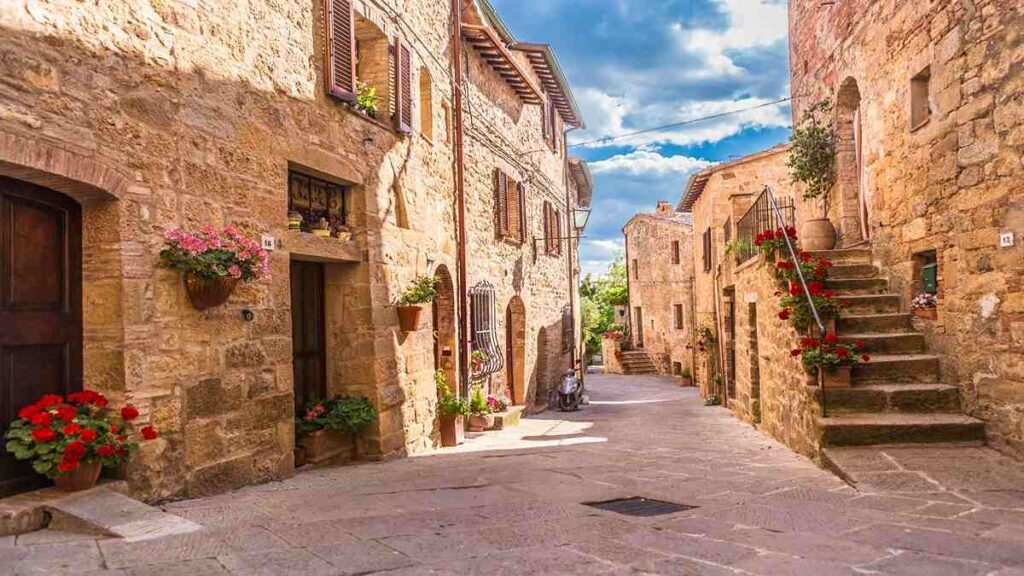
The historic centre runs under strict vehicle rules to keep its medieval character intact. Walking stays the best way to explore narrow streets and discover hidden corners. Comfortable shoes prove really important because steep hills and cobblestones challenge visitors a lot. Local buses connect outside parking areas to Piazza del Campo running well all day.
Outside the city walls, rental cars give you freedom to reach San Gimignano on your own. Public buses also reach surrounding villages like Monteriggioni, though schedules need careful planning ahead. Most visitors find that staying in a place to stay centrally gets rid of hassles. Train connections link Siena to Florence, making it easy for people arriving daily.
👨👩👧 Travel Tips for Visiting Siena Italy: Kids and Accessibility
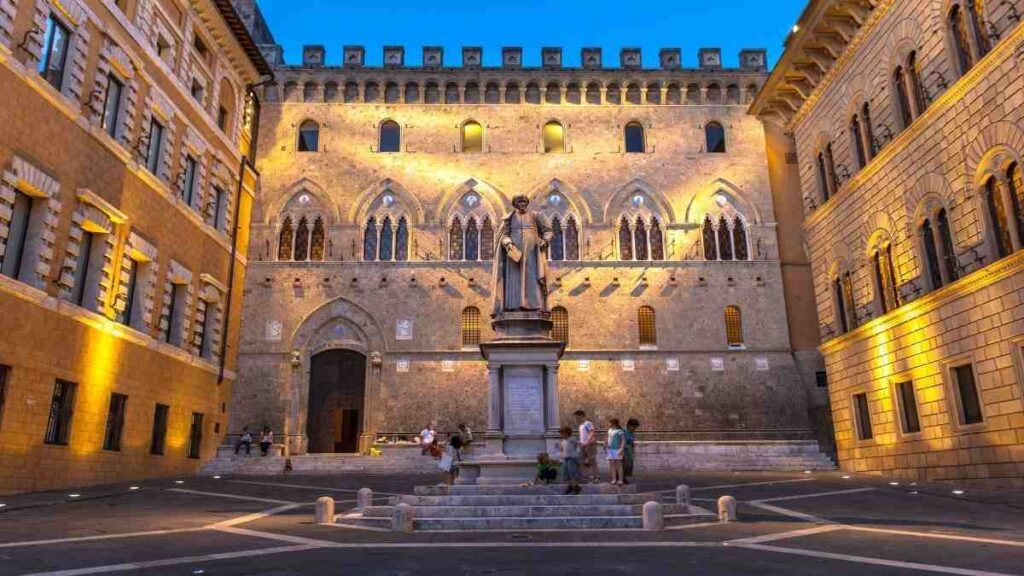
Smart planning helps you make the most of your time in Siena avoiding common mistakes. The Siena tourist information office in Piazza del Duomo gives maps and answers questions in different languages. Buy museum passes for the Duomo di Siena ahead of time to skip lines. The Siena Pass gives unlimited access to Torre del Mangia saving you money.
Most shops and restaurants close for afternoon riposo between one and four o’clock daily. This traditional break time stays deeply built into local culture and daily rhythms. Plan museum visits to Santa Maria della Scala during these quiet hours perfectly. ATMs are available throughout the historic centre, but smaller shops like cash better.

Visiting Siena with Kids and Limited Mobility
Is Siena a good place to visit with kids? Yes, children love exploring old towers. The climb up Torre del Mangia excites adventurous kids who enjoy physical challenges a lot. Gelato shops throughout the historic centre near Piazza del Campo give perfect breaks. However, cobblestone streets and steep hills make stroller pushing difficult in old town areas.
How accessible is Siena for people with limited mobility? The historic centre has some challenges. Steep medieval streets, uneven cobblestones, and countless steps create obstacles throughout the area. Flat sections around Piazza del Campo and Palazzo Pubblico offer easier ways around. Some hotels outside the city walls offer better accessibility and parking for guests.