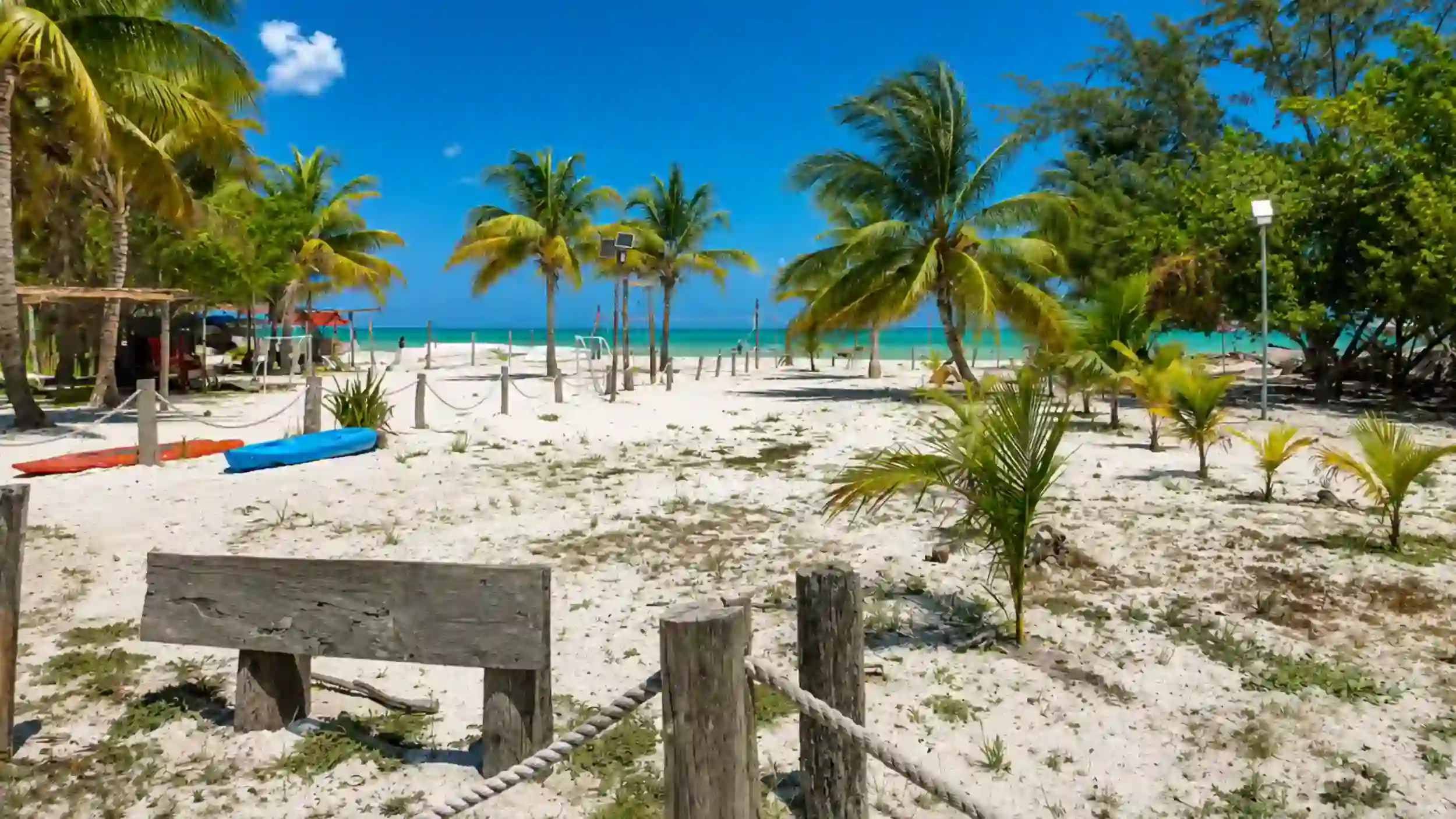
Has Isla Holbox become too touristy? The first time I walk through the centre, I can understand why people ask. Restaurants, cocktail bars, boutique hotels, tour companies and golf carts fill streets that older descriptions still encourage us to imagine as quiet and undiscovered.
But that is not the whole experience. When I keep walking away from town, buildings thin out, the beach becomes quieter and the natural side of Holbox starts to take over again. That change is what stops me describing the island as either ruined by tourism or still a secret. It is both busier and more varied than either version suggests.
🏝️ Where Does Holbox Feel Most Touristy?
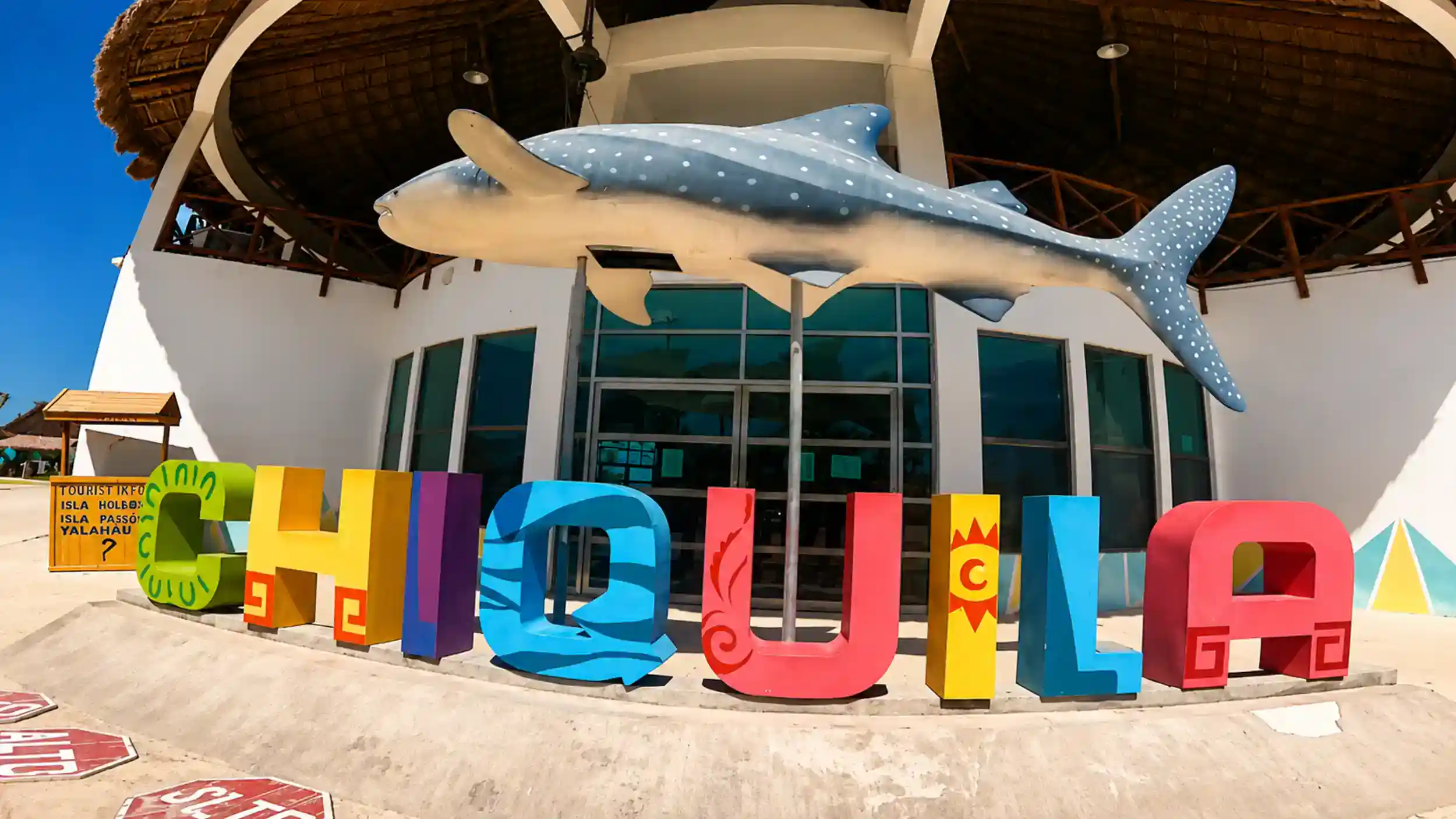
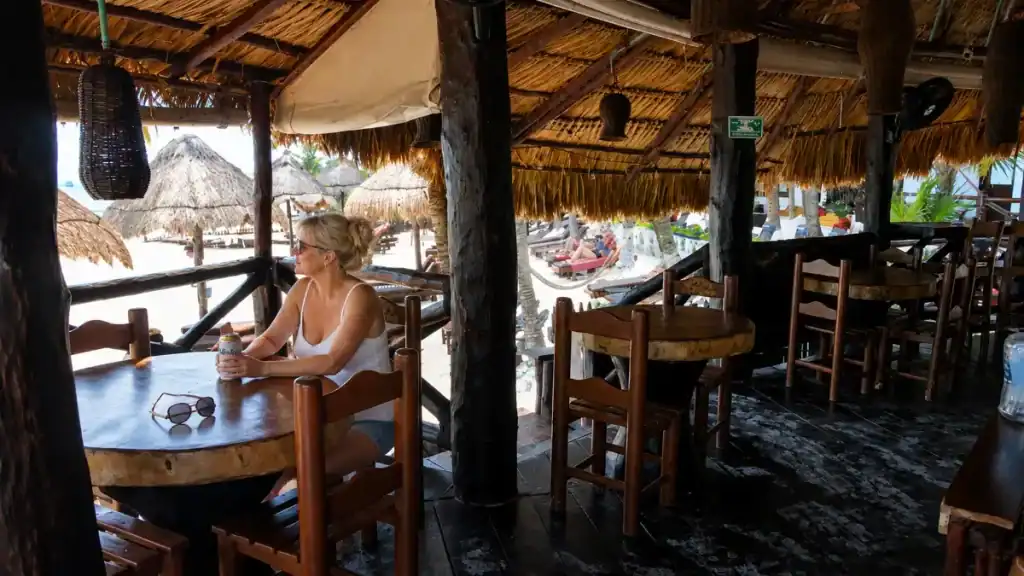
Holbox feels most touristy around the centre and central beachfront. Restaurants, bars, souvenir shops and tour businesses fill the core, while golf carts move continuously through the sandy streets and hotels, loungers and beach businesses make the visitor economy just as visible.
That was the point at which the old “secret island” image stopped being useful to me. The sand roads and low-rise buildings are still there, but they now belong to a successful tourist destination rather than an island tourism has barely reached.
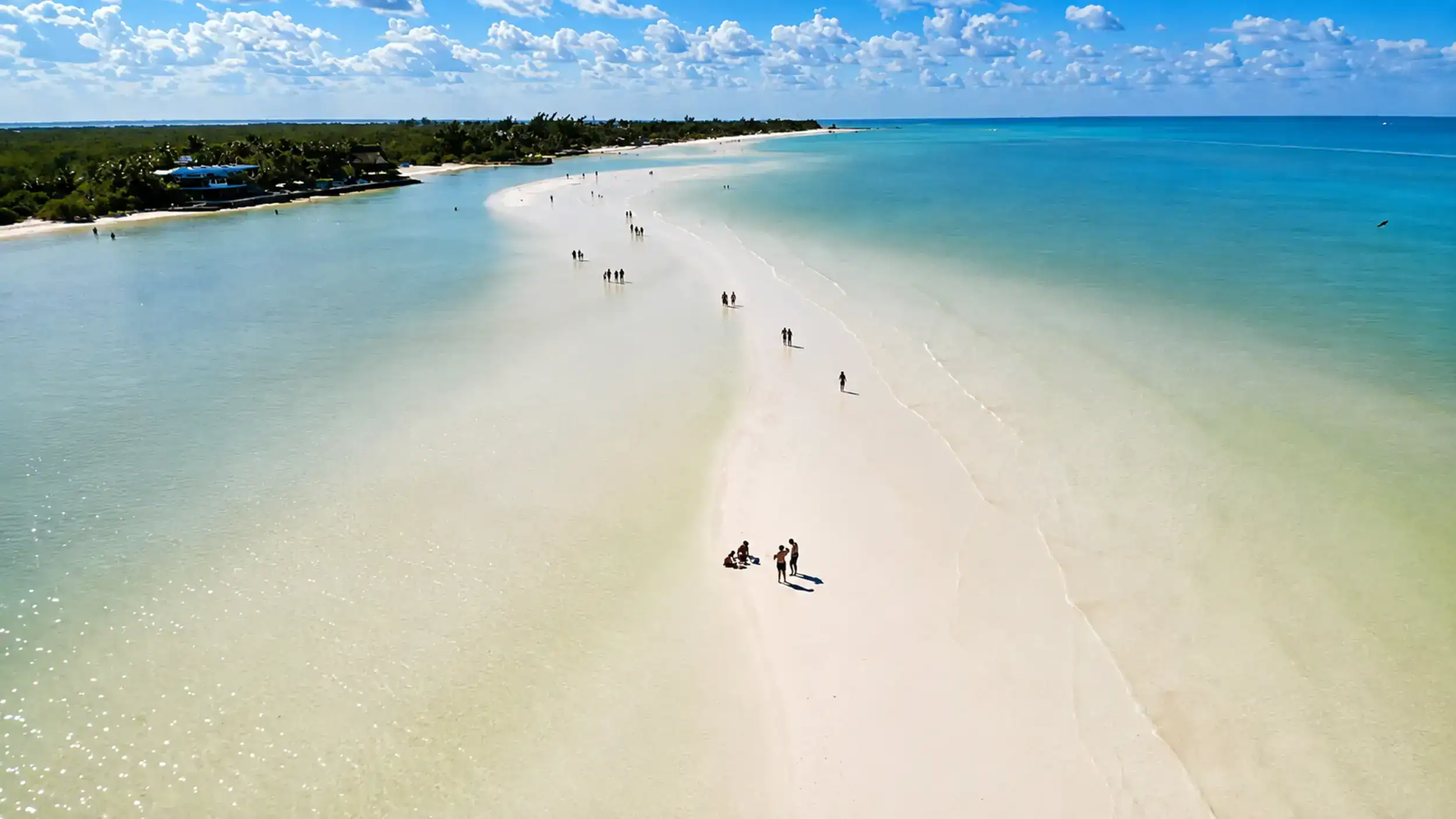
Walk farther from town and the balance shifts. Fewer buildings, fewer people and more natural surroundings make the island feel progressively less developed. That is why I do not have to choose between two competing descriptions of Holbox: both versions appear simply by moving through it.
| 🏘️ Around the Centre | 🌴 Away From the Centre |
|---|---|
| 🍹 Restaurants and bars | 🌴 Quieter beach |
| 🛺 Lots of golf carts | 🚶 Fewer people |
| 👣 More visitors | 🌿 More natural surroundings |
| 🎵 Some evening noise | 🌙 Quieter nights |
| 🏨 Most convenient | 🏝️ More escapist |
📌 THE EXPECTATION I WOULD CHANGE
❌ Not this: an untouched island where tourism barely registers.
✓ More realistic: a busy visitor hub surrounded by progressively quieter stretches.
🚶 What changes it: walking away from the centre rather than judging Holbox from its busiest streets.

👥 Does Holbox Feel Crowded?
Yes, Holbox can feel crowded, but the pressure is concentrated rather than spread evenly across the island. That distinction matters because walking away from the busiest streets can change the experience quickly.
The central streets, ferry arrival periods, popular restaurants and central stretches of beach naturally collect people. Around dinner, that relaxed-island reputation can feel a little optimistic. Early the next morning, the same area can feel completely different.
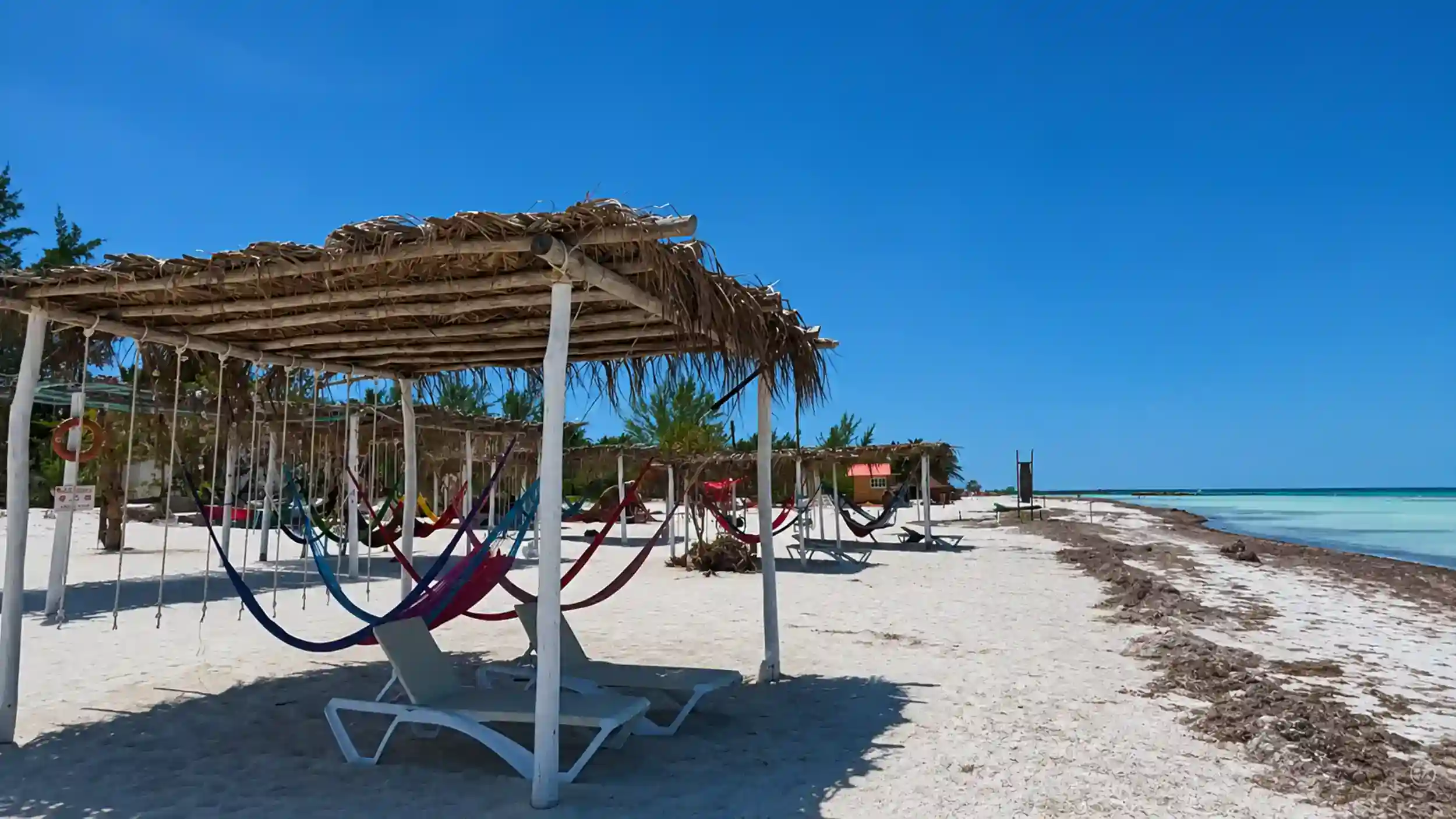
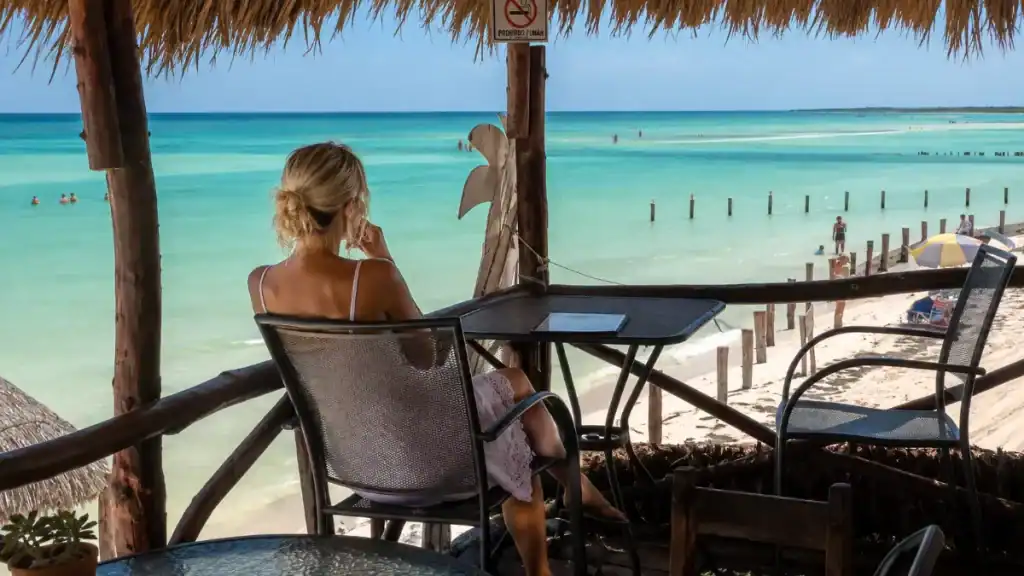
When we want more space, walking farther east or west changes the experience much more effectively than standing in the centre wondering where the peaceful Holbox has gone. Foot traffic drops, golf carts become less intrusive and the coastline feels more open.
That is why I would never label Holbox simply “crowded” or “peaceful”. I can experience both within the same day. Season changes the pressure too, and our best time to visit Holbox guide looks at how that varies through the year.
🛺 What Is Holbox Town Really Like?
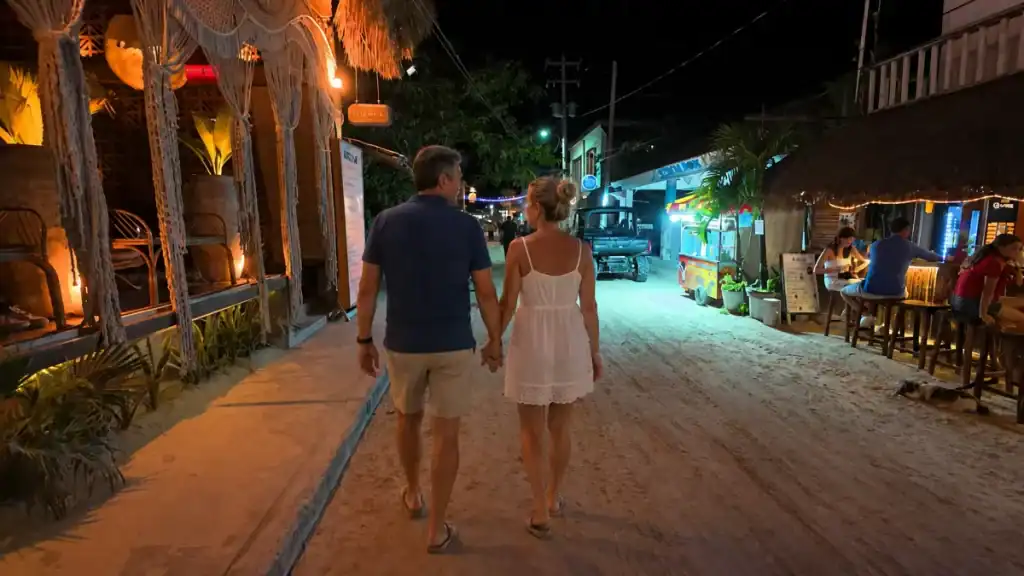
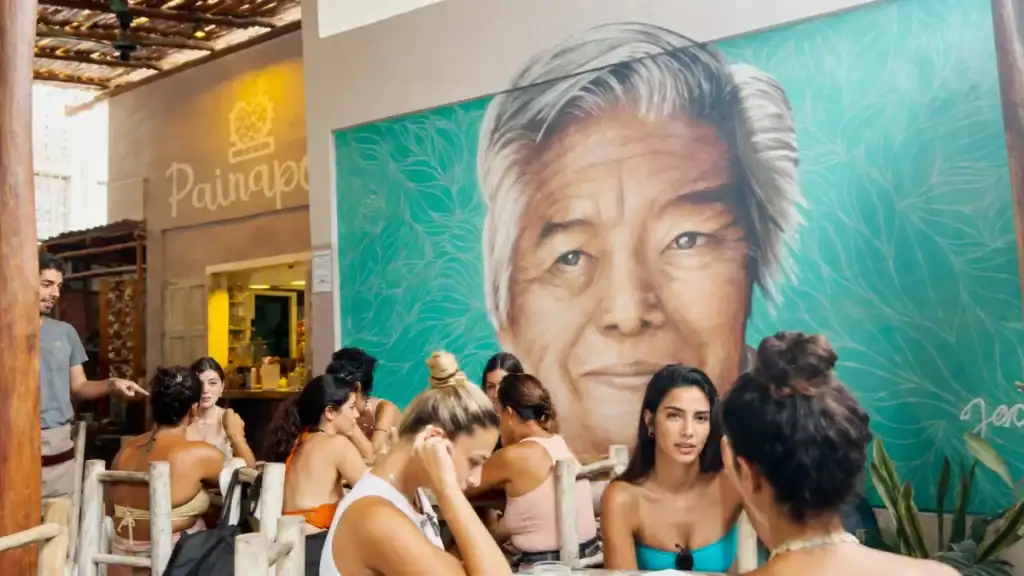
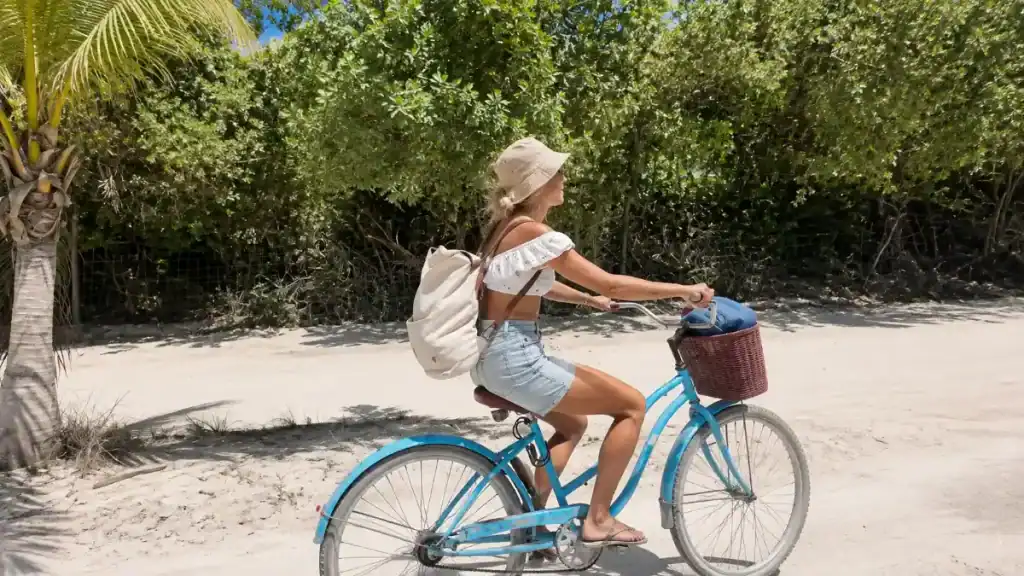
Holbox Town is a mix of sandy streets, low-rise buildings and murals alongside a much busier visitor scene than the old secret-island image suggests. Walking through it makes the contrast especially obvious because restaurants, pedestrians, bicycles and golf carts all share the same compact centre.
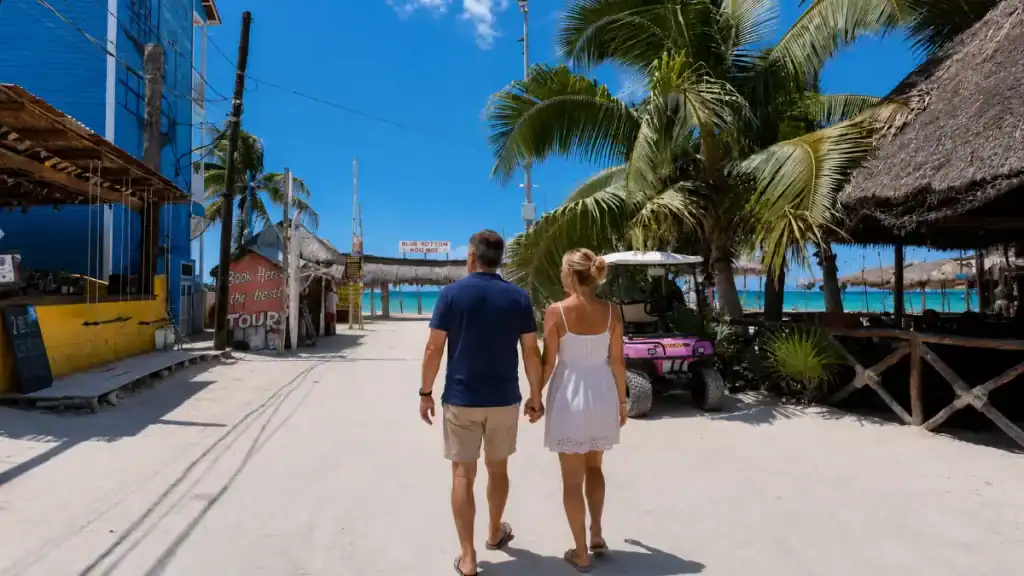
Golf carts are the biggest interruption to the sleepy-island picture. They work as taxis, hotel transport and everyday vehicles. When carts, bicycles and pedestrians converge on the busier streets, the result can feel surprisingly hectic.
Tourism has added more that I like than I expected. There is a genuinely useful choice of tacos, seafood, international restaurants and cocktail bars, so an evening does not require much planning. The consequence is obvious: this no longer feels like a village with a handful of local cantinas and deserted streets.
That trade-off is modern Holbox in miniature. The town is easier and more interesting to use, but every extra restaurant, hotel and visitor makes the old “undiscovered” label harder to defend.
🌙 What Is the Nightlife Like in Holbox?
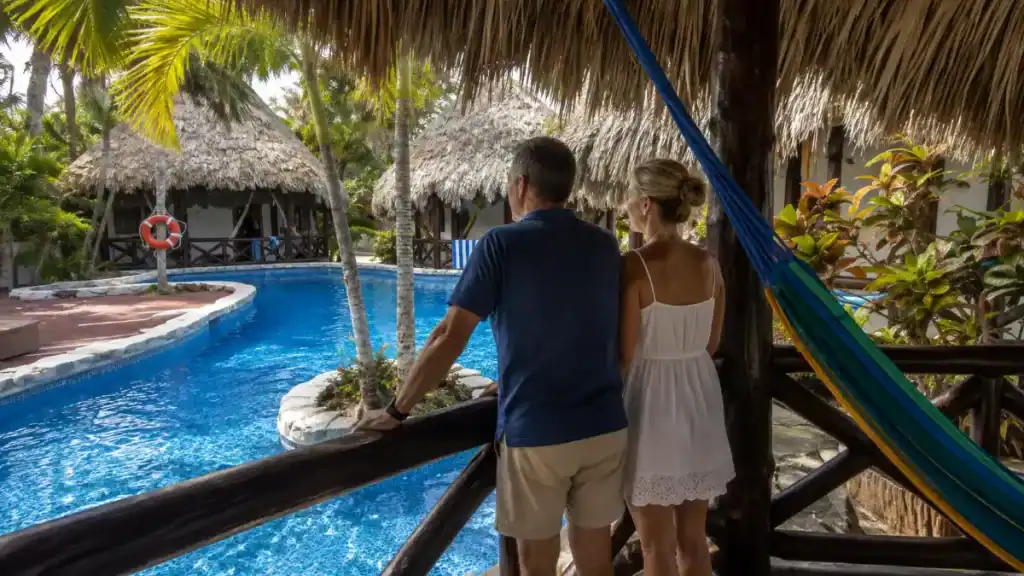
Holbox nightlife is lively enough for dinner and drinks but stops short of a full-on party scene. After dark, central restaurants fill, cocktail bars become busier and some streets stay noisy, so I would rethink a room beside the centre if silent island evenings were the priority.
I still would not call Holbox a major party destination. The nightlife feels more like dinner rolling into drinks and busy streets than an island organised around clubs and all-night partying.
Again, a short walk changes the experience. Move farther from the restaurant and bar core and evenings become much calmer. That is useful because it means nightlife exists without dictating the character of the entire island.
🌊 Where Should You Stay in Holbox for a Quieter Trip?
For a quieter Holbox stay, I would move east or west away from the main square and central beachfront. Around the core, restaurants are close, walking is easy and the island feels livelier; farther out, peace gradually replaces convenience.
East towards Punta Mosquito
Walking east, the built-up area gradually thins towards Punta Mosquito. Traffic and footfall ease and the natural surroundings become more prominent. I would lean this way if quieter beach walks mattered more than having the centre immediately outside the door.
West towards Punta Cocos
Heading west brings a similar reduction in bustle, with a more residential feel and quieter stretches towards Punta Cocos. The compromise is fewer restaurants and bars within immediate walking distance.
| 🎯 What Matters | 🏘️ Central Holbox | 🌴 Farther East or West |
|---|---|---|
| 🍽️ Restaurants | Excellent choice nearby | Fewer within walking distance |
| 🛺 Getting around | Usually easy on foot | Golf-cart taxis become more useful |
| 🎵 Evenings | Busier and livelier | Much quieter |
| 👣 Foot traffic | Highest | Falls noticeably |
| 🏖️ Beaches | Convenient but busier | Generally quieter |
| 🌴 Island atmosphere | More developed | More relaxed |
Once I frame the decision that way, it becomes straightforward: I can have maximum convenience or more of the relaxed island atmosphere, but not quite both in the same location. Our choosing where to stay in Holbox guide deals with that choice in more detail.
🌴 How Rustic Is Holbox in Practice?
Holbox can feel genuinely rustic even beside stylish hotels. That is one of the contradictions I notice most: tourism businesses can be polished while the infrastructure immediately outside them remains basic.
I can leave a beautifully designed hotel and step straight onto a rough sandy road. After rain, puddles make that contrast harder to romanticise. What looks charming on a dry walk can feel much less charming when conditions deteriorate or luggage has to come with me.
That changed how I think about paying more for accommodation here. An expensive room can improve the hotel experience, but it cannot insulate me from the island outside the gate.
Some travellers will call those sandy streets character; others will see unfinished infrastructure. I can understand both reactions because the inconvenience and the atmosphere come from the same thing.
⚠️ WHAT ‘RUSTIC’ CAN MEAN IN PRACTICE
🛣️ Roads: sand rather than polished resort streets.
🌧️ After rain: puddles can turn charm into practical inconvenience.
🛺 Transport: golf carts replace conventional car traffic, but not traffic itself.
🏨 Accommodation: a stylish hotel does not change the infrastructure beyond its entrance.
🌮 Has Tourism Ruined Holbox’s Character?
No, tourism has not erased Holbox’s character, but the island is no longer untouched. Tourism is visible throughout the main inhabited area and central to the version of Holbox that visitors experience.
But if I ask whether Holbox still feels recognisably different from a conventional resort, the answer changes. The sandy roads are real. The infrastructure limitations are real. Buildings remain low-rise, and moving towards the island’s edges brings nature back into the foreground.
That is the version of authenticity that survives for me. Holbox is not pretending tourists are absent; it simply has not been rebuilt into a generic resort strip to accommodate them.
🧭 Has Isla Holbox Become Too Touristy?
Holbox has become too touristy to sustain its old secret-paradise reputation, but not so touristy that I would stop visiting. Arrive expecting deserted streets and peace everywhere and modern Holbox is likely to disappoint; choose the location carefully and a quieter version of the island is still easy to find.
But that is not where my experience of the island ends. Walking away from town changes the noise, the traffic, the number of people and eventually the whole mood. That physical transition is why I do not think tourism has completely overwhelmed Holbox.
The decision I would make now is therefore about location rather than chasing an older version of the island. Stay central when restaurants and convenience matter most. Move east or west when quieter mornings, less foot traffic and more of a beach escape matter more.
If tourism levels are the main thing making you hesitate, our whether Isla Holbox is worth visiting guide weighs the wider decision. I would still visit Holbox, but I would go expecting a popular island with a busy centre, rough edges and quieter stretches that have to be sought out rather than assumed.