
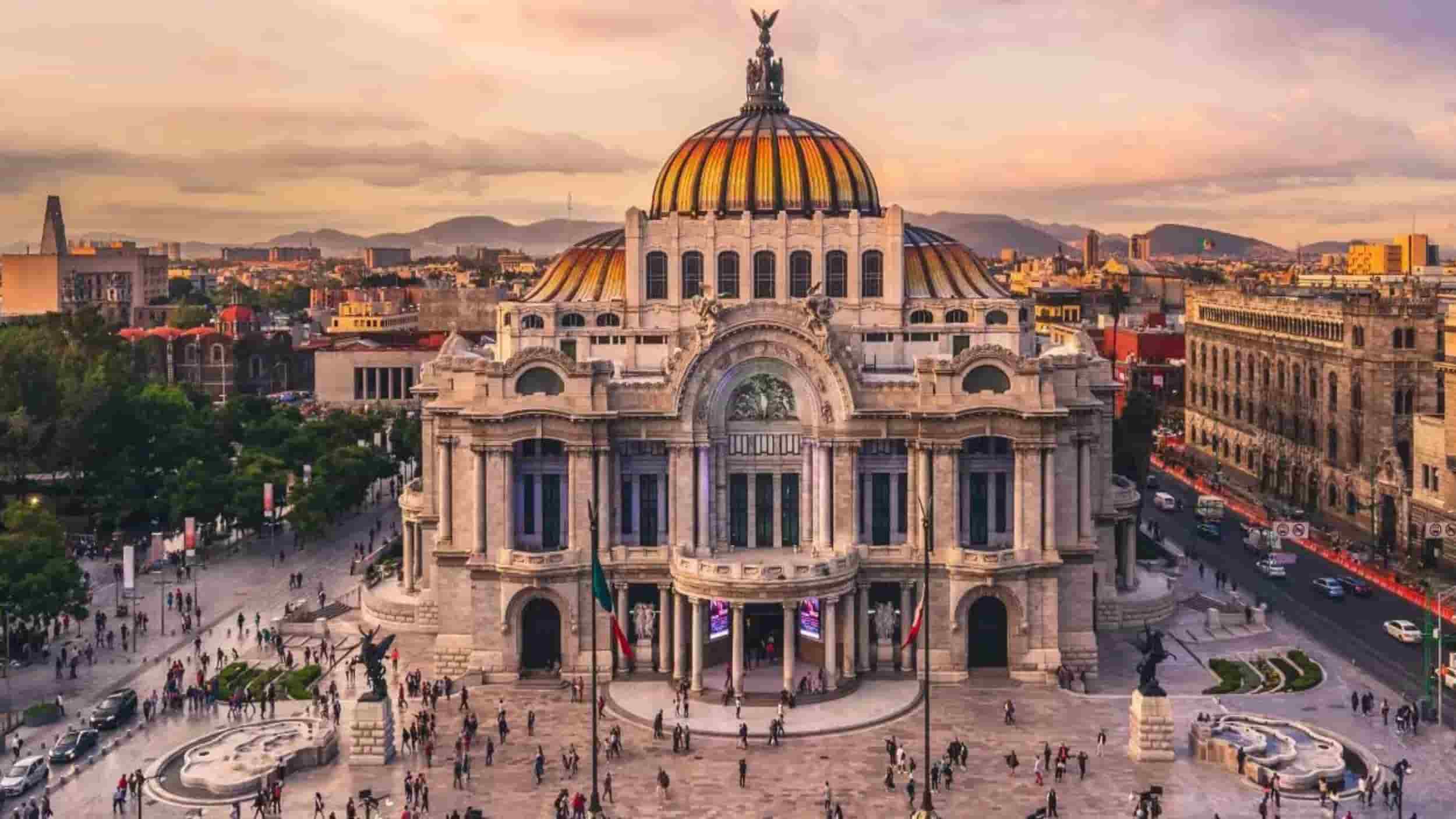
What to do in Mexico City includes historic walks, iconic museums, vibrant markets, and unforgettable cultural experiences. This guide covers the Historic Centre, Frida Kahlo Museum, Xochimilco, street food tours, Teotihuacán, Lucha Libre, Chapultepec, and Roma Norte. Discover the top activities that showcase the city’s energy and heritage.
Is Mexico City safe to visit and can you drink the tap water? Mexico City feels safer than many big cities across the world I’ve visited. Use common sense like avoiding empty streets at night and not showing expensive items. The biggest risks are pickpocketing in crowded areas and overpriced tourist traps everywhere. Don’t drink tap water but bottled water costs just 10 to 15 pesos.
👀 At a Glance:
🗓️ Best time: October to April brings perfect weather with temps around 22°C every day.
💰 Budget range: Plan 800 to 2500 pesos daily depending on how fancy you want to travel.
⏰ Duration recommendation: Spend at least 3 days in Mexico City to see the main spots properly.
🎯 Must-see attraction: Teotihuacán Pyramids offer ancient history you can actually climb and explore for hours.
💡 Insider tip: Book the Frida Kahlo Museum three days ahead or you’ll stand in sold-out lines.
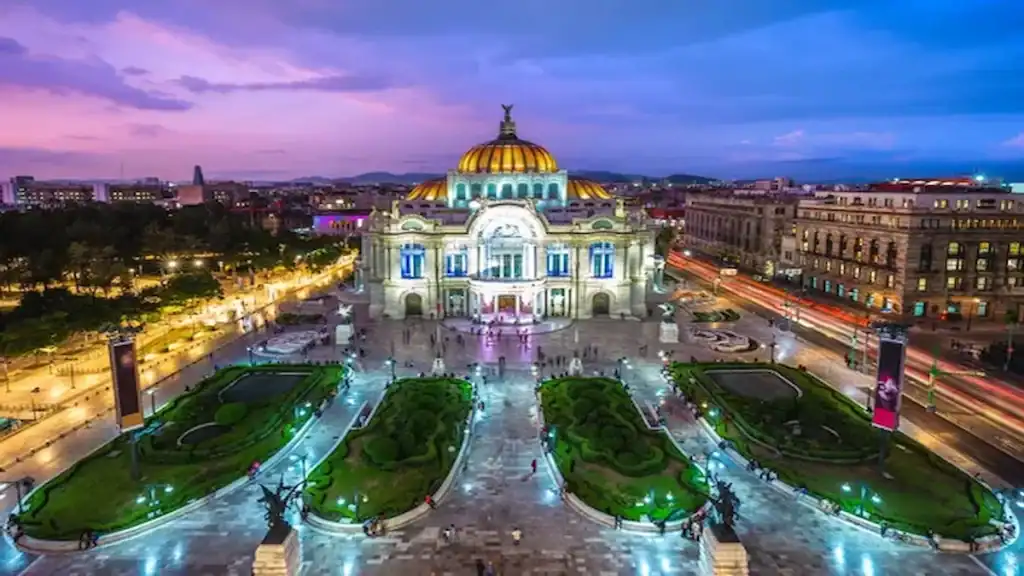
🏛️ Historic Centre: Zócalo and Paseo de la Reforma
The Zócalo sits in the heart of Mexico City where everything started centuries ago. This main square opens at sunrise when it’s empty and peaceful for photos. By 10 AM, street vendors and tour groups fill every corner of the plaza. Church bells from the Metropolitan Cathedral ring every hour echoing across the square.
Walking along Paseo de la Reforma shows you grand monuments lining Mexico’s most famous street. The National Palace has Diego Rivera’s famous murals covering three floors of Mexican history. You need your passport to get in but it costs nothing for visitors. When thinking about what to do in Mexico City, starting here makes sense.
What to Do in Mexico City’s Centro Histórico
The Templo Mayor ruins sit right next to modern buildings in Ciudad de Mexico. These old Aztec temple ruins cost 85 pesos and come with a museum inside. Standing where the Aztec capital used to be whilst tall buildings tower above feels wild. Only 200 people lived in the Spanish settlement here in 1521 after conquest.
Visit the Visit Mexico official tourism site for updated hours and what special shows they’re running right now. Street food vendors circle the historic centre selling the best tacos in Mexico City daily. End your day at Gran Hotel Ciudad de Mexico for rooftop views and drinks. Locals say hit the roof at sunset around 6pm for best light.
🌮 What to Do in Mexico City: Street Food and Markets
Best Mexico City Street Food Spots
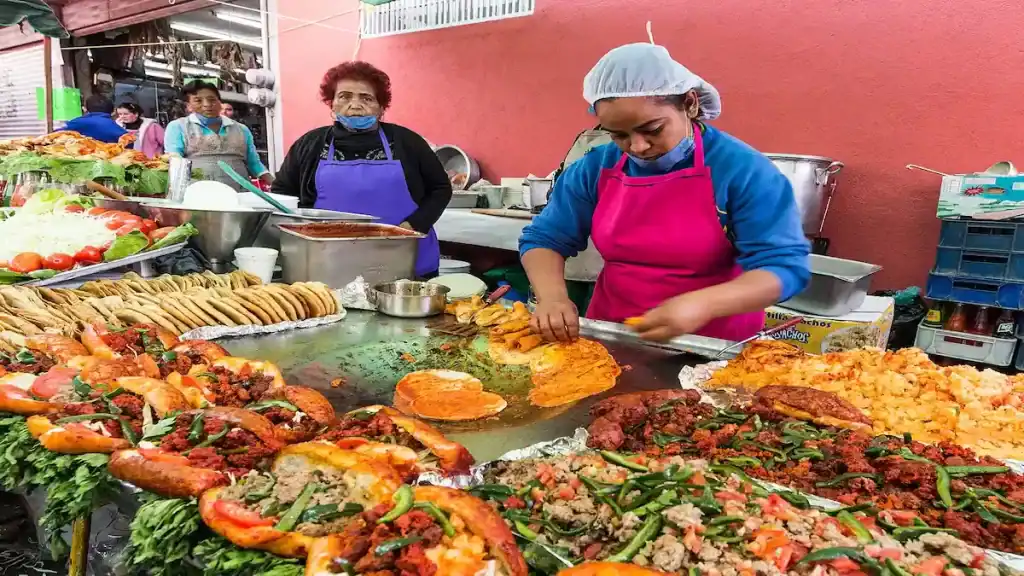
Busy stalls with lots of customers serve the freshest and safest street food you’ll find. Watch where locals eat and just follow them to find the best meals daily. Stay away from vendors with food sitting out for hours in hot sun. December through February means tamales everywhere for Christmas and Three Kings Day celebrations.
Street food never made me sick because I picked vendors carefully and used common sense. Grab morning coffee from Café El Jarocho in Coyoacán then hit markets before 9am. The Mexico Tourism Board says try local specialities from stalls that have been around forever here. What to do in Mexico City for foodies means eating real street tacos daily.
Real tacos cost 10 to 30 pesos each from vendors with long lines of locals. Street food in Mexico City shows what the city’s food culture is all about. The best vendors don’t even have signs but you can tell by crowds waiting. I ate my best meal in Mexico City from a nameless cart near Zócalo.
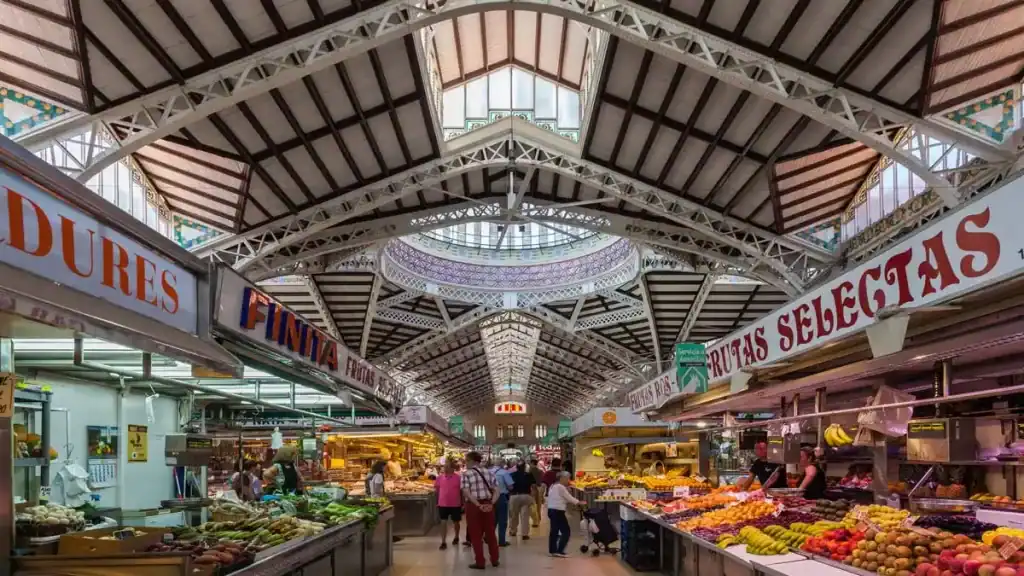
Mercado de Medellín in Roma Sur has ingredients and ready-made food without charging tourist prices. Local chefs buy their meat, produce, and special stuff here daily from different stalls. You can hear vendors calling out prices and sizzling meat hitting hot grills constantly. Exploring what to do in Mexico City always means checking out these local food markets.
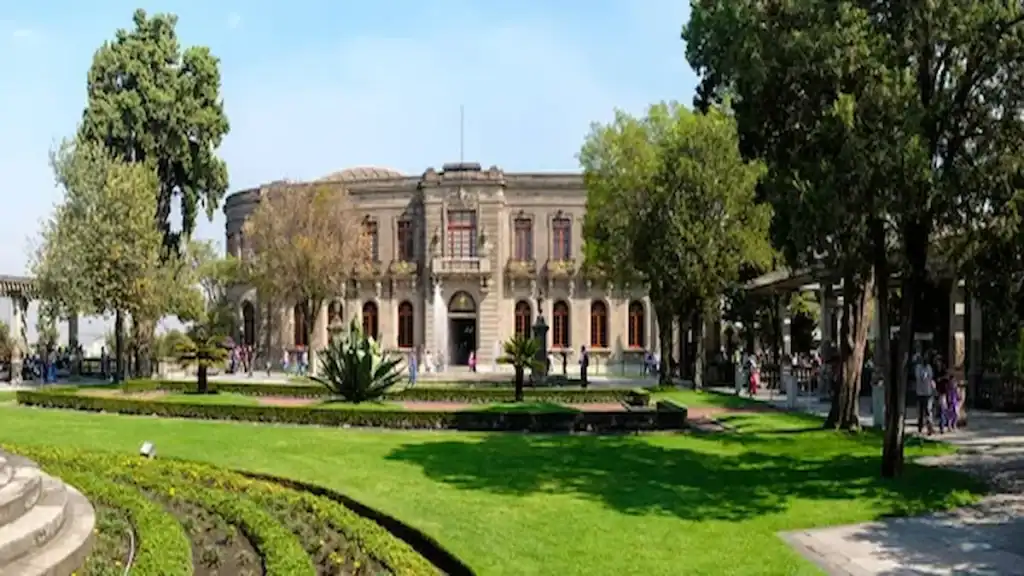
🌳 Chapultepec Park: Museums and Castle
This huge park has several world-class museums in Mexico City, a zoo, and Chapultepec Castle. The National Museum of Anthropology costs 85 pesos and you need three hours minimum. Old stuff from before the Spanish came fills rooms organised by different Mexican regions. The famous Aztec Sun Stone weighs 24 tonnes and sat buried for 300 years.
Chapultepec Castle sits on top of the hill giving you amazing city views. Entry costs 85 pesos, and walking up there takes about 15 minutes going steadily. The castle was home for Mexican emperors and presidents throughout all of recorded history. Inside rooms show old furniture, paintings, and displays about independence and revolution events throughout centuries.
Mexico City Tours: Chapultepec Activities
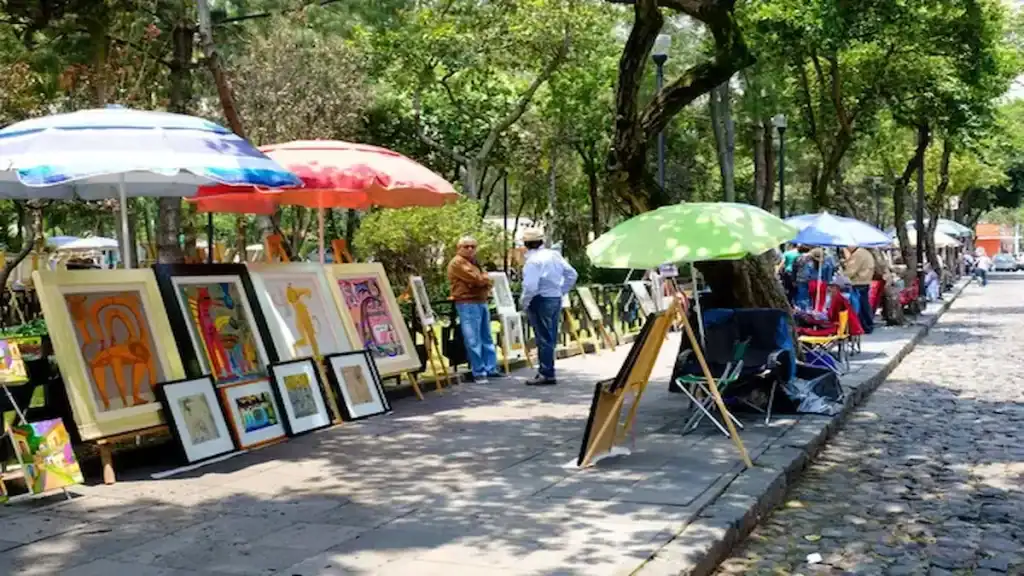
Sundays turn Chapultepec into a huge family hangout with free outdoor stuff happening all day. Street performers, food vendors, and exercise classes fill the paths and open green areas. You can hear drums from dance groups and smell elotes roasting on carts nearby. Families have picnics under trees whilst kids rent paddle boats on the lake.
The park covers over 1,600 acres, making it one of the biggest city parks worldwide. You can easily spend entire days checking out different parts and museums in Mexico City. Visit Chapultepec’s official page for museum schedules and what special shows they’re running for visitors now. What to do in Mexico City on Sundays means hanging with locals at Chapultepec.
🏘️ Stay in Mexico City: Roma Norte and Condesa
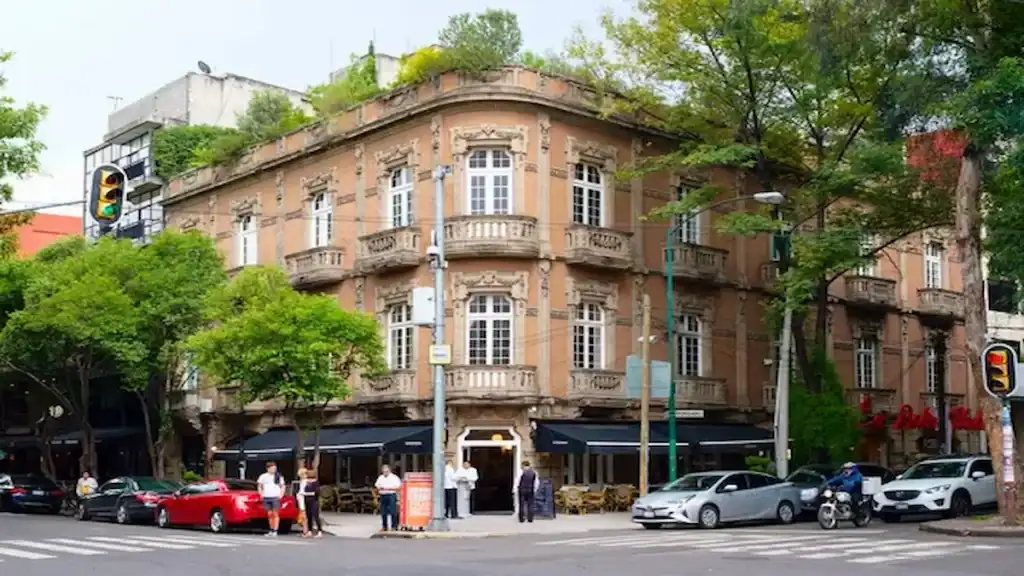
Roma Norte became my favourite place to stay in Mexico City after booking wrong initially. Tree-lined streets have trendy cafés, cute shops, and some of the best restaurants daily. The cobblestones feel smooth under your feet from a hundred years of people walking. The neighbourhood feels like Shoreditch but with way better weather and much cheaper rent.
Contramar restaurant needs reservations, but their tuna tostadas cost 180 pesos each and they’re worth it. I ate four and felt completely happy with my life choices that afternoon in Roma. The open kitchen creates crazy energy whilst chefs make fresh seafood dishes for hungry locals. When deciding what to do in Mexico City, checking out these trendy neighbourhoods shows modern life.
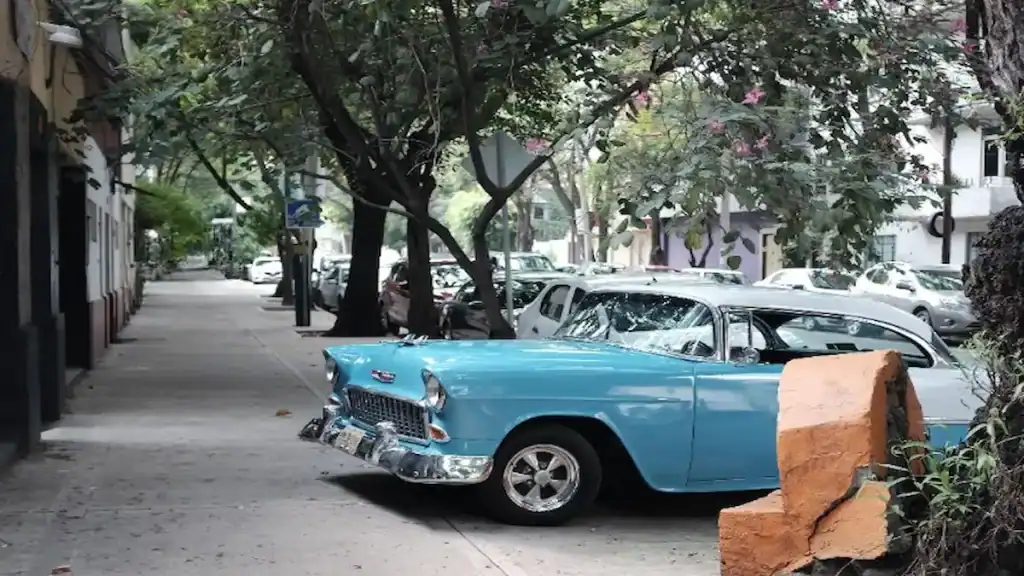
Condesa and Parque Mexico
Next to Roma Norte, Condesa has more green spaces and feels a bit more laid-back. Parque Mexico and Parque Espana give you perfect spots for morning runs or afternoon reading. The Art Deco buildings all through Condesa show off 1920s style that’s well-kept today. Cafés serve great coffee for 50 to 70 pesos per fancy drink around here.
Both neighbourhoods let you walk safely at night with bright streets and fun nightlife happening. Local bars serve craft beer and mezcal flights for good prices compared to downtown clubs. The Roma-Condesa guide highlights new restaurant openings and cultural events happening weekly around both areas now. What to do in Mexico City includes walking Roma and Condesa streets finding cafés.
🎨 Frida Kahlo Museum: Day Trip to Coyoacán
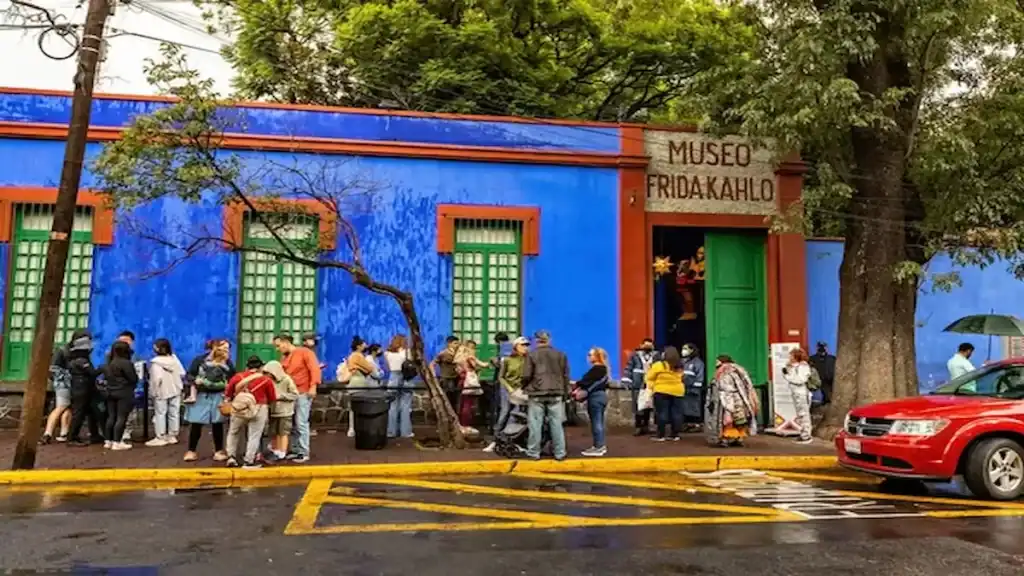
Casa Azul needs you to book at least three days before you want to visit. The Frida Kahlo Museum costs 270 pesos and gets super crowded after 11 AM. I learnt this the hard way by standing in line for an hour with no tickets. This blue house shows where Frida lived, painted, and dealt with pain her life.
The museum shows her personal stuff, paintings, and the courtyard she loved hanging out in. Expect crowds and tonnes of people taking selfies in every single colourful room you see. It feels personal even with all the tourists because you see her actual space. When planning what to do in Mexico City, art lovers have to visit this house.
Mexico City for Art Lovers
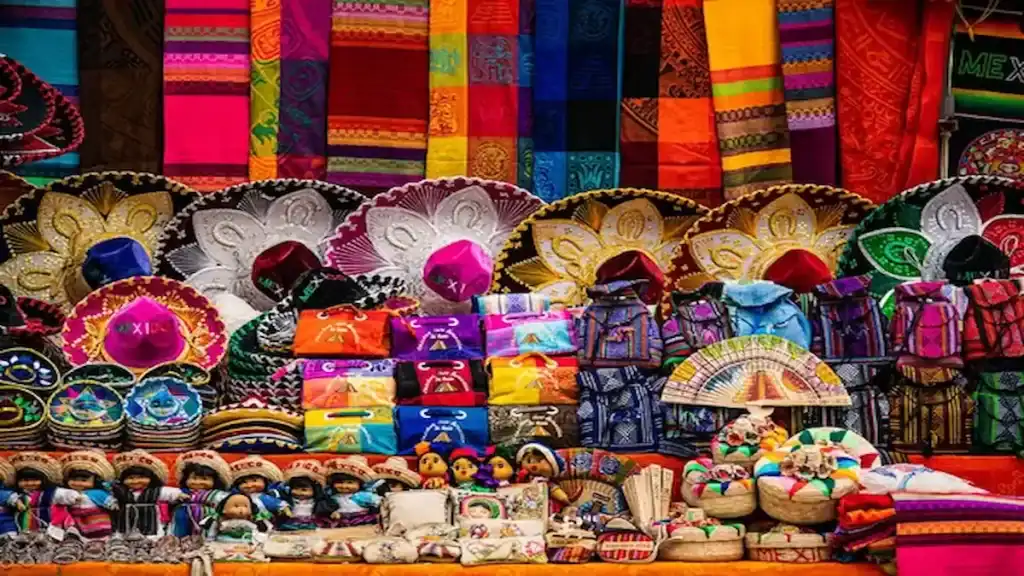
Coyoacán surrounds the museum with cobblestone streets and old colonial buildings you can explore for hours. Small cafés serve great coffee for 40 to 60 pesos per cup throughout the day. Browse local craft markets selling handmade items, silver jewellery, and traditional Mexican fabrics for good prices. The neighbourhood feels like a little village even inside greater Mexico City limits.
Check the Mexico City Tourism Board for weekend cultural events in Coyoacán’s main plaza and surrounding area. Street musicians play traditional songs whilst families sit on benches eating elotes and chatting afternoon. This area offers one of the best things to do in CDMX for culture. This is where old Mexico meets new life in ways you won’t find elsewhere.
🚣 What to Do in Mexico City: Xochimilco Day Trip
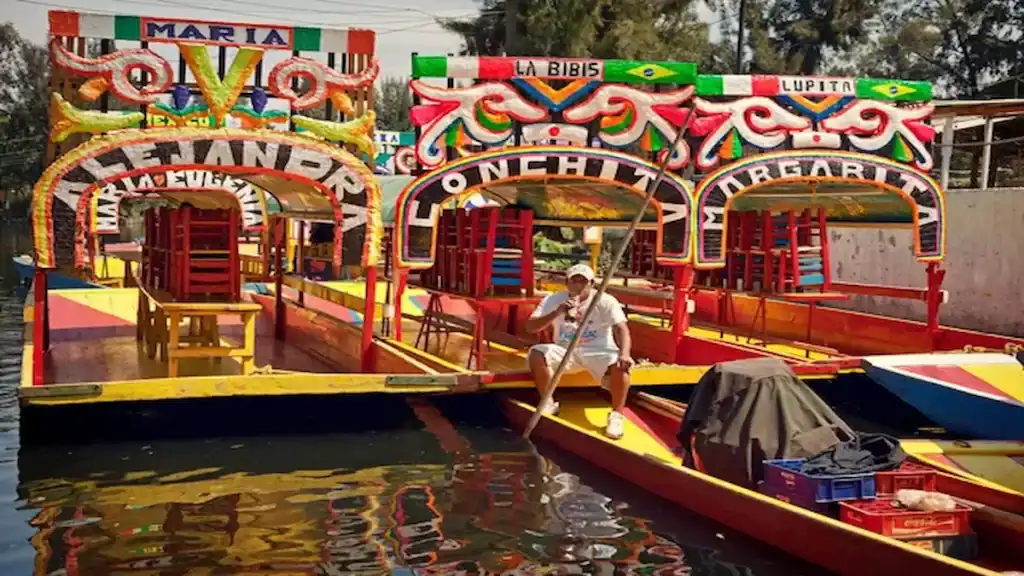
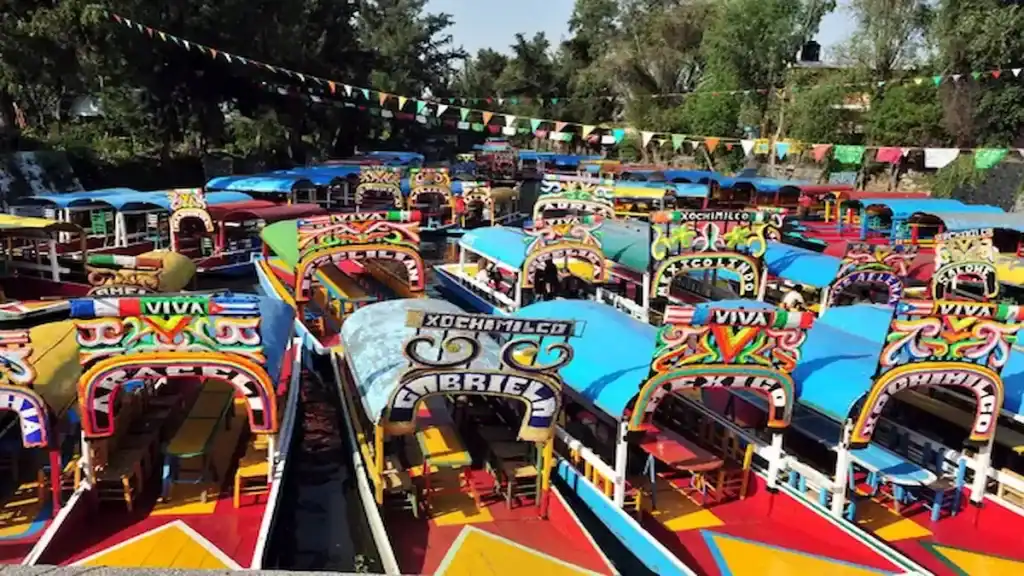
Colourful boats called trajineras float through old canals built by Aztec engineers hundreds of years ago. A two-hour ride costs 500 pesos per boat holding up to eight people comfortably. Bring your own snacks and drinks to save money on what floating vendors sell. Mariachi bands paddle up offering songs for 200 pesos, making the perfect photo moment.
The experience feels touristy but real since local families have birthday parties here every weekend. Floating vendors sell tacos, beer, flowers, and even whole meals from their decorated boats. You can smell grilled corn and hear accordion music floating across the water everywhere. What to do in Mexico City for something unique means floating through Xochimilco’s old canals.
Visit Xochimilco: Getting There from Roma
Sundays turn Xochimilco into Mexico City’s biggest floating party with music blasting from every boat. Families rent trajineras for entire afternoons, bringing coolers full of food and cold drinks. It gets loud, fun, and super crowded with boats bumping into each other constantly. April and May bring fewer tourists but the canals still fill with locals celebrating.
Take the metro to Tasqueña, then catch the light rail to get to Xochimilco from Roma. The trip takes about 90 minutes from Roma Norte or Condesa neighbourhoods heading straight south. Visit the Mexico City Adventure Tourism site for eco tour options through quieter canal parts you can book online. What to do in Mexico City on Sundays means joining locals on trajineras floating canals.
🏔️ Ultimate Mexico City Day Trip: Teotihuacán Pyramids
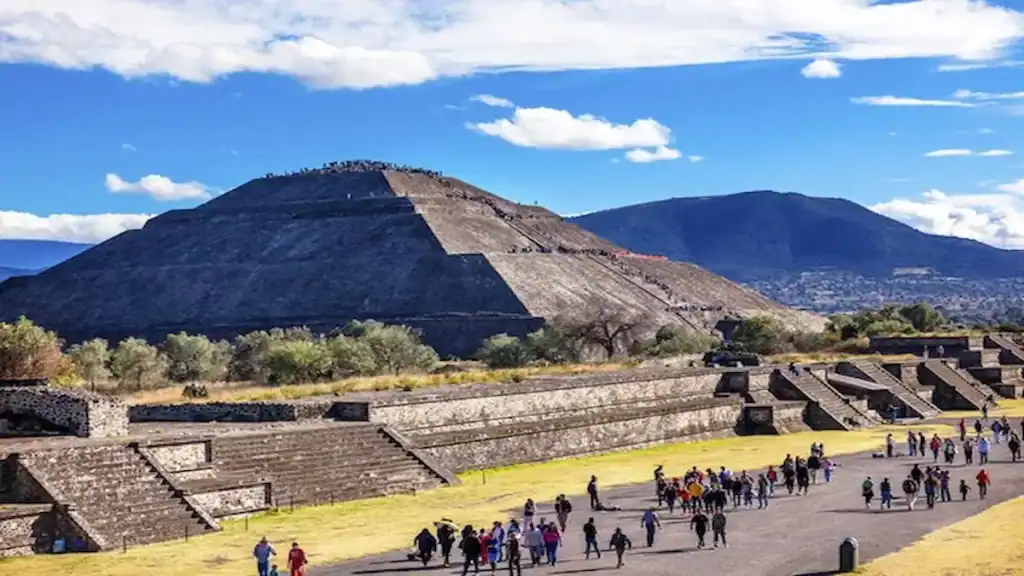
Wake up early for Teotihuacán, the old city built before the Aztec people even arrived. Tour buses leave from Mexico City’s centre starting at 7 AM every single morning. Mexico City tours to Teotihuacán cost 320 pesos with transport and a professional guide included. The site covers a huge area with two main pyramids you can actually climb.
Climbing the Pyramid of the Sun takes 20 minutes and 248 steep stone steps up. The view from up there covers the whole site and the Mexican valley beautifully. I felt pretty good until a 70-year-old woman ran past me going down quickly. What to do in Mexico City includes taking day trips to old pyramids outside limits.
Traveling to Mexico City’s Ancient Pyramids
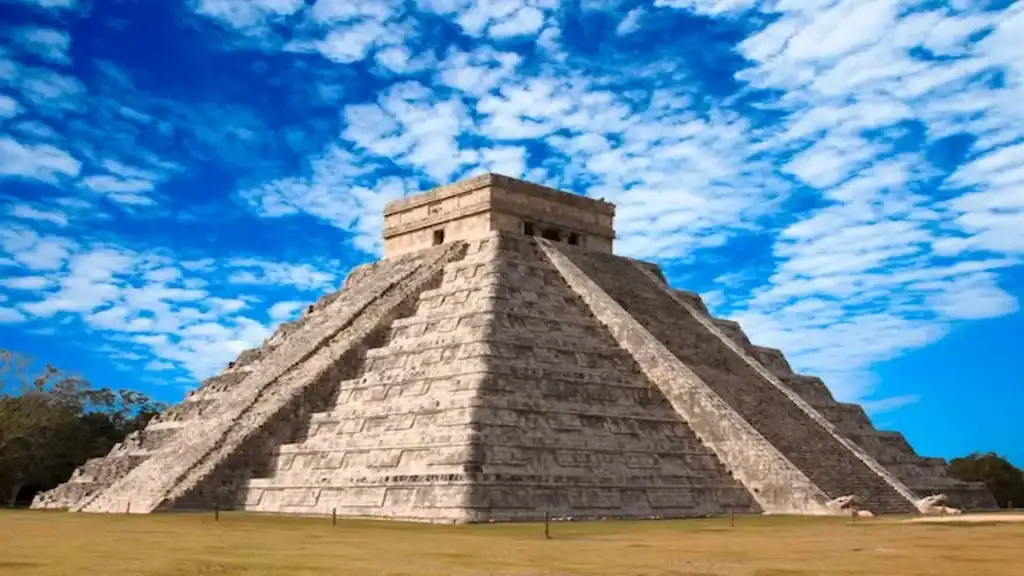
The site gets hot and crowded after 11 AM when most tour buses from big cities arrive. Bring water, sunscreen, and comfy walking shoes for the bumpy stone ground all through. The Avenue of the Dead connects the pyramids and smaller temple buildings dating back centuries. The whole city once held 125,000 people making it bigger than ancient Rome surprisingly.
Going alone by metro and bus takes longer but costs way less than organised tour packages. The trip needs multiple transfers but saves about 150 pesos per person going by yourself. Check Mexico City’s official site for current entry fees and open hours before planning your actual pyramid trip. What to do in Mexico City has to include visiting these amazing pyramids outside.
🎭 Things to Do in CDMX: Lucha Libre Wrestling
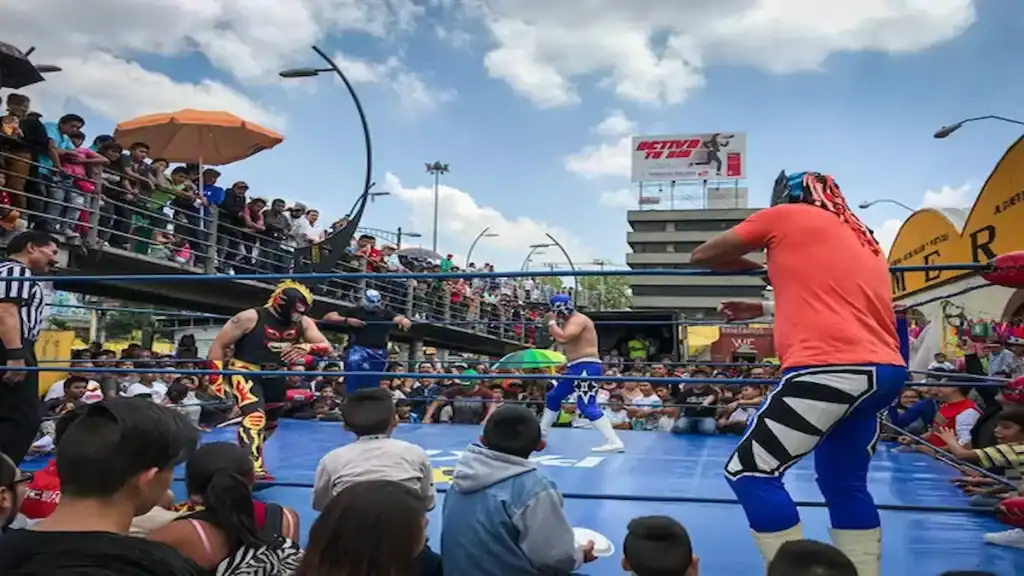
Mexican wrestling happens Tuesday, Friday, and Sunday nights at Arena México near the historic centre. Tickets start at 60 pesos for upper seats with pretty good stadium views. I paid 150 pesos for ringside seats and got beer thrown on me accidentally. The athletic show mixes acrobatics, theatre, and real sporting skill shown by masked wrestlers well.
Masked wrestlers called luchadores fight in tag teams with fancy costumes and unique stage characters. The crowd cheers good guys and boos bad guys in a family-friendly show for everyone. Vendors sell masks, snacks, and beer during the matches walking the stadium rows constantly. What to do in Mexico City at night includes watching real lucha libre wrestling firsthand.
Modern Mexico City Entertainment
The energy inside Arena México beats any tourist show because locals pack the stands to capacity. Families come together, making it a real cultural thing beyond simple Mexico City tourism. Wrestling shows working-class Mexican entertainment with deep roots going way back in the culture. You can feel the crowd’s energy shake the metal bleachers when signature moves land.
Buy tickets online or at the box office on event days for the most flexibility. Show up 30 minutes early to grab seats and buy snacks before the wrestling starts. The Mexico City Tourism site lists upcoming wrestling events and special championship matches happening around the city. What to do in Mexico City for fun means watching lucha libre at Arena México.