
Beach clean ups help protect coastlines, marine life, and local communities. This guide explains why they matter, how they raise awareness, support tourism, strengthen communities, and contribute to policy change. Learn how recycling efforts, underwater initiatives, and data collection make beach clean ups a powerful tool for healthier oceans.
👀 At a Glance:
🗓️ Best time: International Coastal Cleanup Day happens the third Saturday of September annually.
💰 Budget range: Beach clean ups are completely free to join as a volunteer participant.
✈️ Getting there: Find local cleanup events through Ocean Conservancy and coastal commission websites statewide.
⏰ Duration recommendation: Most beach cleanup events run for three hours from morning until early afternoon.
💡 Insider tip: Bring reusable gloves and buckets to reduce single-use plastic waste during cleanup activities.
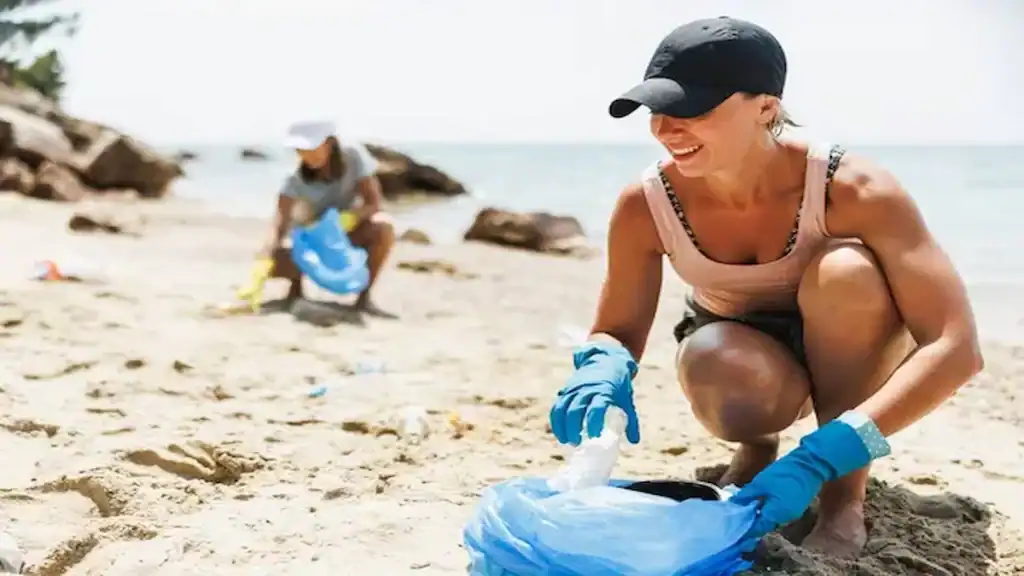
🌊 Understanding Beach Cleanups: Their Global Impact
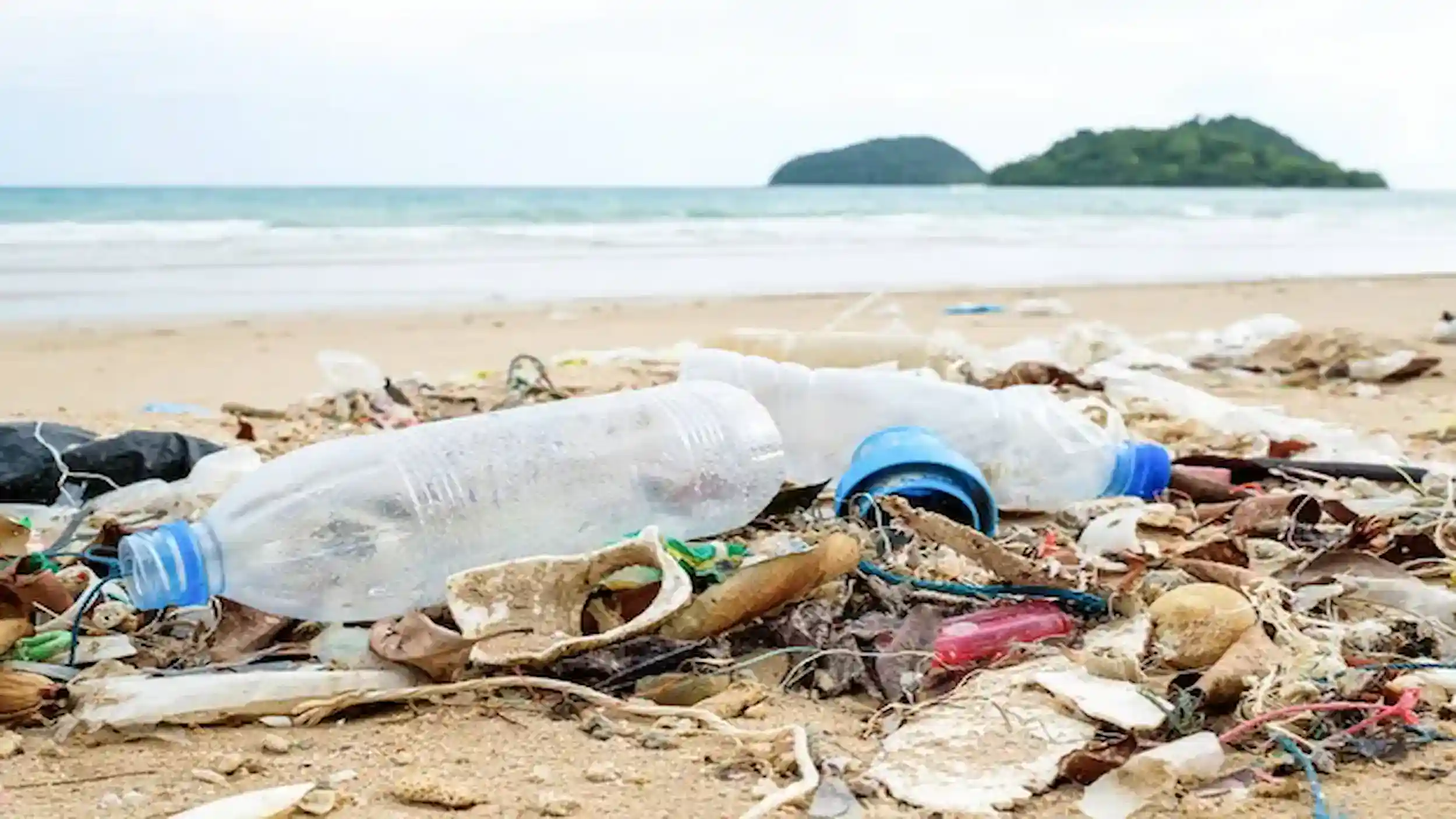
Beach cleanups are organised volunteer events where community members remove litter from coastal areas worldwide today. So what are beach cleanups exactly? Groups gather with gloves and bags to collect marine debris together carefully. The debris from the beach gets sorted, recycled when possible, and disposed of properly afterwards.
Many ask why beach cleanup is important for ocean health and marine life protection. Plastic pollution and litter harm ocean conservation efforts across the entire globe every single day. Marine pollution threatens countless sea creatures who mistake trash for food or get tangled up. Beach clean ups target this dangerous waste before ocean currents carry it far away forever.
Coastal Cleanup Day Events Worldwide
The problem of marine pollution grows worse each year without consistent community action happening regularly. So when is Beach Cleanup Day held around the world? The International Coastal Cleanup happens every third Saturday of September worldwide annually. Over half a million volunteers collected eight million kilos of rubbish in 2024 alone globally.
Many wonder why beach cleanups exist as organised events for communities to join together regularly. They prevent ocean pollution whilst preserving the beauty of coastal areas intact for future generations. Conservation groups coordinate hundreds of sites from Delray Beach in Florida to Pacifica beaches annually. These events unite people protecting marine life and coastal areas we all share together worldwide.
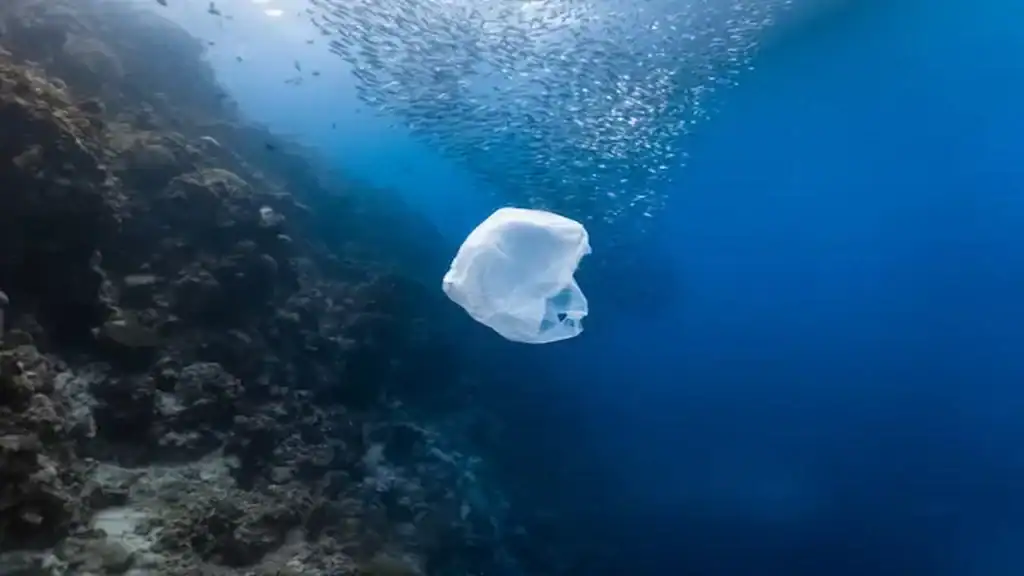
🐢 Marine Conservation Through Beach Clean Ups
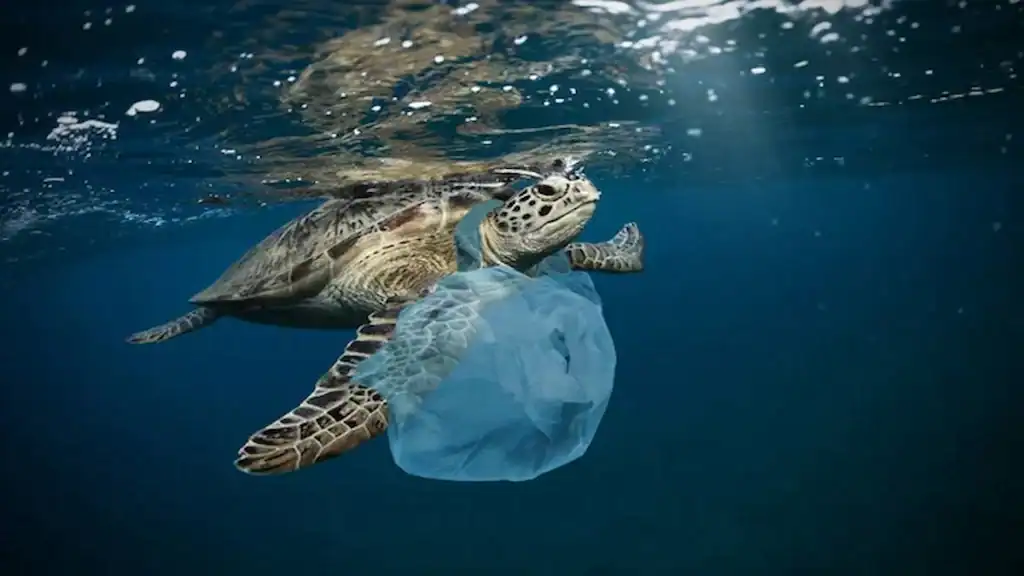
Marine life suffers greatly from the issue of marine pollution affecting oceans and coastlines every day. People often ask how beach cleanup helps the environment and wildlife around the world. Sea turtles swallow plastic bags thinking they’re jellyfish swimming nearby in the ocean waters. Scientists found over ninety per cent of seabirds now have plastic in their stomachs worldwide.
The long-lasting effects on marine life from single-use plastic create devastating results for ocean habitats today. Each piece of litter removed during beach clean ups could save an animal’s life completely. Whales get tangled in abandoned fishing gear that threatens their survival and natural migration patterns.
Coastal Wildlife Sanctuaries and Protection
Marine habitats depend on clean water to support the variety of life and conservation efforts worldwide. Beach clean ups at spots like Biscayne Bay in Florida protect sensitive habitats right away. You can smell the salt marsh grasses mixed with ocean spray at cleanup sites nearby.
Disturb beach habitats and wildlife face even greater threats from pollution building up over many years. Your help at sites like Gulf Islands National Seashore removes litter before ocean arrival happens. This direct action addresses the root causes of pollution at a really important point today.
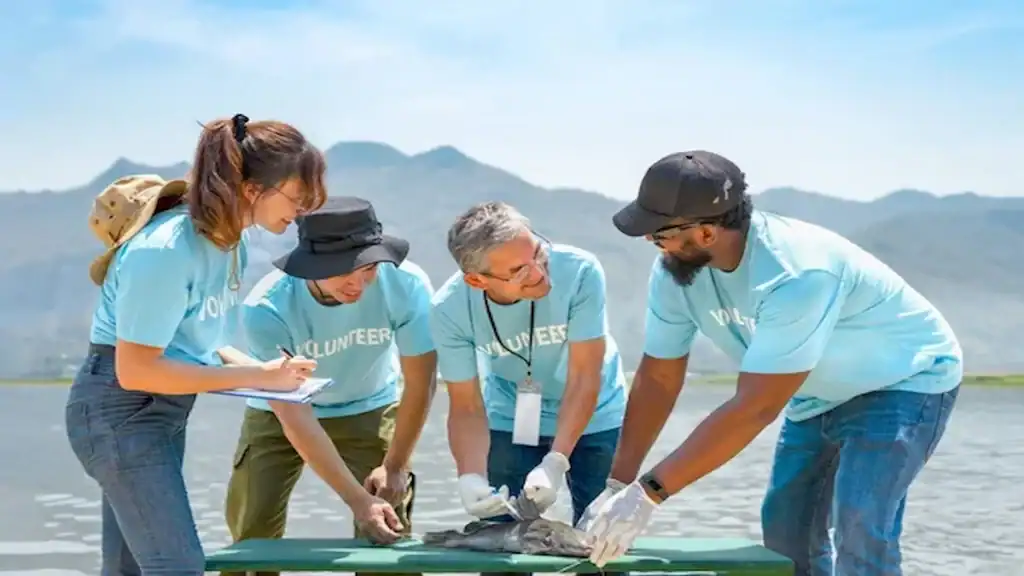
🎓 Step-by-Step Beach Cleanup Guide for Volunteers
Many beginners ask how to do a beach cleanup for the first time successfully. Start by finding volunteer chances through local environmental groups operating nearby in your community. The California Coastal Commission coordinates beach clean ups programmes across California every single year successfully. Insider tip: sign up two weeks early for popular beach sites in summer months ahead.
Non-profit groups and companies provide resources and event listings for community beach cleanup events near you. Join monthly beach clean ups at Clearwater Beach starting at seven in the morning sharp. Beach cleanups need basic supplies like gloves, bags, and data collection tools for tracking items.
Community Beach Programs and Local Opportunities
Organising and running beach cleanups involves picking sites, getting volunteers, and making sure everyone stays safe always. Beach clean ups are a great way to get involved in protecting marine environments nearby. Join weekly events at Fort Lauderdale Beach Sweep or Saturday cleanups happening in Marathon regularly.
Walk slowly along your beach section and pick up litter and debris from sand and rocks. The wet sand feels cool and firm under your feet during early morning cleanups today. Data on the types of debris collected helps scientists understand where pollution comes from.
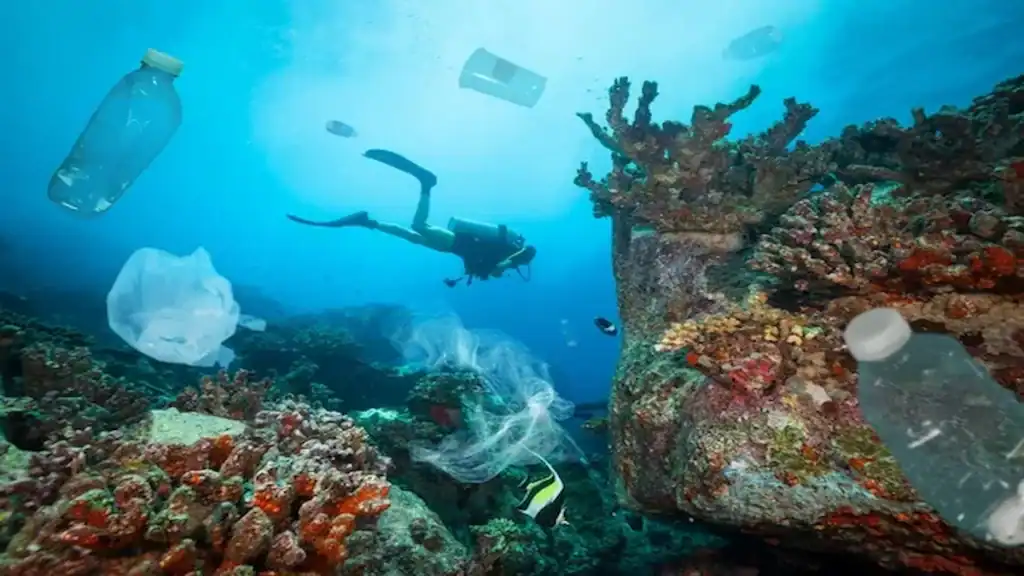
🤿 Underwater Beach Clean Ups at Dive Sites
Scuba diving cleanups deal with marine pollution that sinks below the surface where people can’t see. Divers remove debris from the beach and ocean floor to protect underwater homes for creatures. Popular dive cleanup sites include the Deerfield Pier and Pompano Pier in South Florida areas.
Debris collected during dive cleanups includes fishing nets, bottles, and other stuff already floating down there. Objects in the ocean exposed to sunlight break down and release harmful chemicals into water. Underwater beach clean ups as part of full efforts address both quick and long-term dangers.
Remote and Uninhabited Beaches Cleanup Efforts
Remote and uninhabited beaches pile up surprising amounts of waste from ocean currents and big ports. Annual events like the Southeast Florida Reef Cleanup target underwater sites in Miami-Dade county regularly. The National Park Service coordinates coastal cleanup events at parks all across the nation every year.
Organising beach cleanups in these areas stops debris from breaking into harmful tiny bits over time. Monthly reef cleanup dives in Islamorada happen rain or shine all year long now. Every piece collected helps preserve the beauty and health of coastlines for future generations ahead.
👥 Community Beach Building Through Cleanup Programs
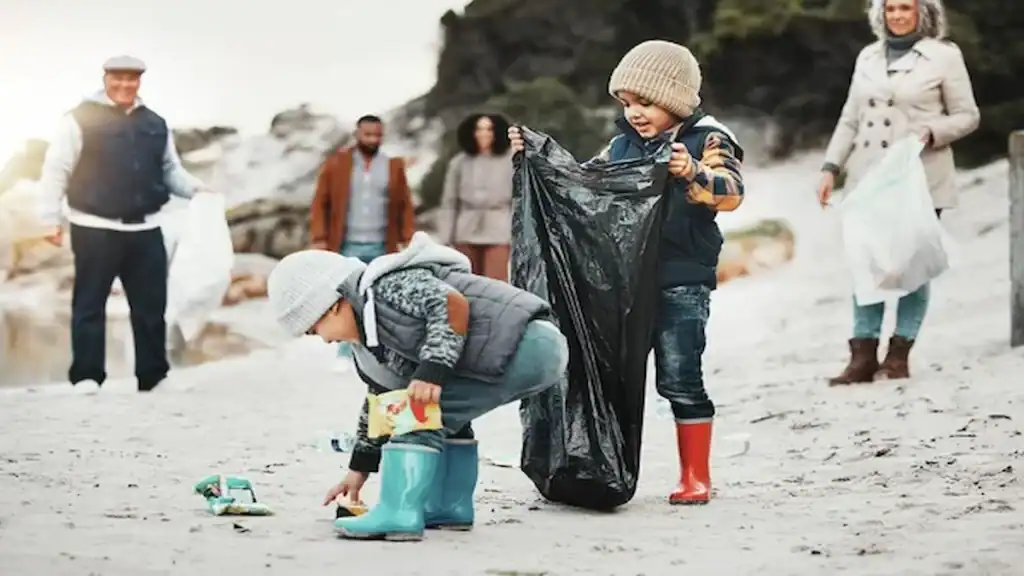
Community members unite during beach clean ups to clean beaches and build stronger bonds with neighbours. Beach clean ups are a great way to meet locals who care about the environment. Groups like Clean Ocean Action in New Jersey bring together volunteers at Sandy Hook beaches.
Local community involvement changes beaches whilst making bonds stronger between residents and visitors who help out. Blue Ocean Society runs monthly Adopt-a-Beach programmes at Seabrook Beach and Plaice Cove every year. These powerful experiences spark behaviour changes related to beach clean ups and daily buying habits.
Beach Clean Ups for Families and Neighborhoods
Beach clean ups bring together different groups working toward shared conservation goals for coastlines around them. Pacific Beach Coalition hosts cleanups at Rockaway Beach and Linda Mar Beach in sunny California. September brings cooler temperatures perfect for cleanup work without the scorching summer heat outside today.
Living near polluted coastlines affects health and safety through dirty water and risks of getting hurt. Family events at spots like Campbell Park and South Gandy Beach get all ages involved. This is where neighbours become friends whilst working together for cleaner shores ahead always.
💰 Tourism and Economic Benefits from Coastal Conservation
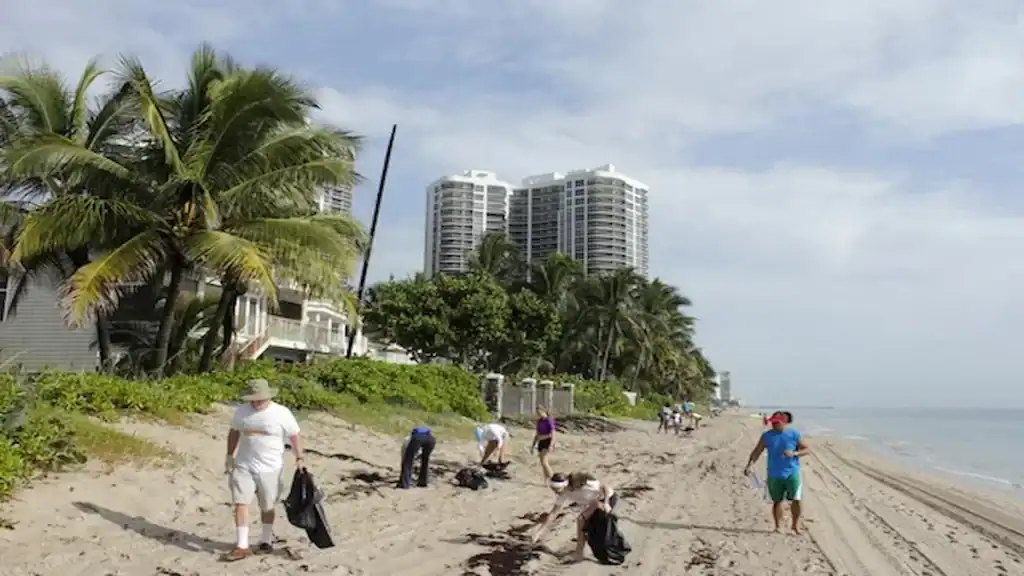
Coastal communities depend on tourism money that needs attractive beaches to bring visitors in throughout year. Beach resorts and local businesses need clean coastlines to compete with other vacation spots worldwide. Popular tourist beaches like Santa Monica and Myrtle Beach depend on cleanup programmes for success.
Nobody chooses vacation spots known for pollution when cleaner options exist nearby for their family trip. The money impact goes beyond direct spending to include jobs and business growth in towns. Beautiful beaches in social media photos work as free marketing for vacation spots worldwide today.
Beach Tourism Boards Supporting Cleanup Initiatives
Beach clean ups programmes help tourism-dependent communities do well without giving up natural beauty and resources. Heal the Bay coordinates over seventy Los Angeles County cleanup sites that support local tourism. Summer weekends see triple the volunteers compared to quieter autumn and winter cleanup sessions yearly.
As beaches get cleaner through consistent community beach efforts, tourism slowly increases over the following years. Areas like Clearwater Beach and Siesta Key benefit from year-round volunteer cleanup programmes happening monthly. Clean coastlines bring more visitors who spend money helping local economies all year long successfully.
📊 Marine Conservation Data Through Beach Cleanups
Cleanup data from beach clean ups gives valuable insights into pollution patterns affecting marine conservation efforts. Modern coastal cleanup day events use apps like Clean Swell to track every single piece. Volunteers carefully document items, turning beach clean ups into important scientific research and tracking work.
When looking at information on marine debris, patterns show where pollution on land comes from clearly. The California Coastal Commission tracks data from over seven hundred sites statewide every single September. Your help adds to smart management that tackles the issue of marine pollution effectively today.
Debris Collected for Research and Policy Impact
Beach clean ups play a really important role gathering data that creates meaningful policy changes nationwide. Organisations like Save Our Shores coordinate thousands of people who collect important pollution information every year. Cigarette butts topped the list with over two million pieces collected during one cleanup day.
When findings show specific products taking over debris piles, evidence pushes manufacturers to redesign packaging items. Keep Palm Beach County Beautiful tracks debris at sixty-plus sites including Boynton Beach every year. Visual impact from sorted waste piles creates powerful awareness moments that push personal changes forward.
♻️ Waste Sorting and Prevention After Beach Cleanup
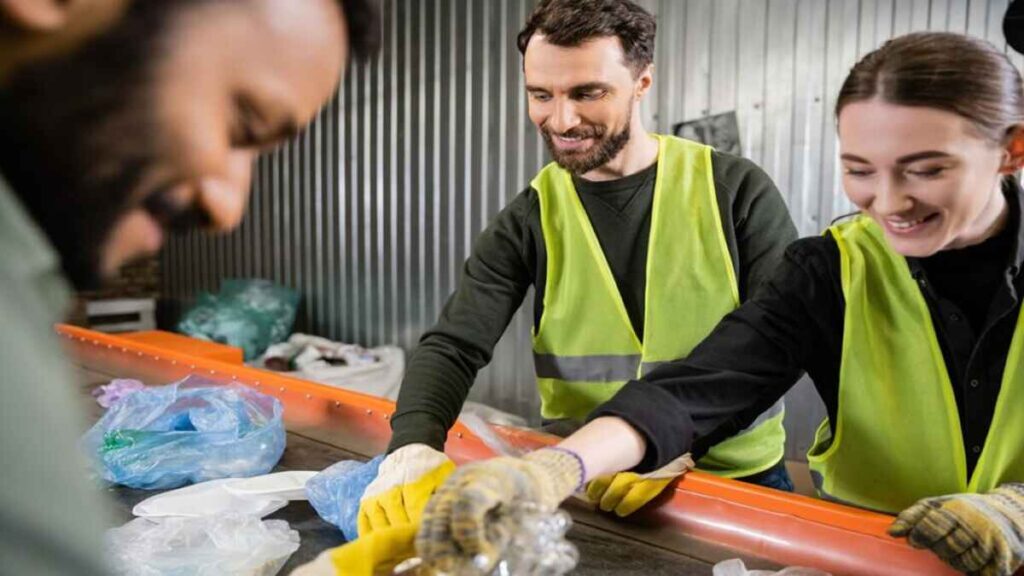
Responsible handling of debris collected is a really important part of running effective beach programmes today. Rather than just moving trash from coastlines to landfills, proper sorting allows recycling efforts completely. Programmes at spots like Mirror Lake and Crescent Lake show proper waste separation clearly now.
Creative repurposing of items found during cleanups keeps ongoing volunteer interest and continued help coming back. Turning fishing nets into accessories or driftwood into artwork gives waste materials completely new life. Events at Jungle Lake and Historic Round Lake Park show upcycling education programmes clearly.
Beach Clean Prevention Education Programs
Whilst beach clean ups deal with pollution symptoms, good approaches pair cleanups with broader prevention plans. The root causes include buying too much and throwing away waste the wrong way daily. Workshops at Moccasin Lake Nature Park and Folly Farm teach real waste reduction tricks.
Through joining in beach clean ups, each person adds to ocean conservation and community health improvement. Educational programmes at Stevenson Creek and Clam Bayou mix cleanup with prevention training sessions regularly. These experiences push people to adopt recycling and waste reduction habits in everyday daily life.