The Vila do Conde coastal walk from the Ave estuary at Azurara to the Onda river at Labruge is roughly 8.5 kilometres each way and takes around two and a half hours one way before stops. It is mostly flat, with long stretches of raised wooden boardwalk, so distance and Atlantic exposure matter more than climbing or technical difficulty.
I found it an easy route underfoot, with occasional changes onto Portuguese calçada or quiet village streets. What made the walk memorable was not difficult terrain but the changing relationship with the coast: sometimes the Atlantic filled the horizon, while elsewhere dunes, reeds and pine woodland hid it almost completely.
🚶 How Long Is the Vila do Conde Coastal Walk?
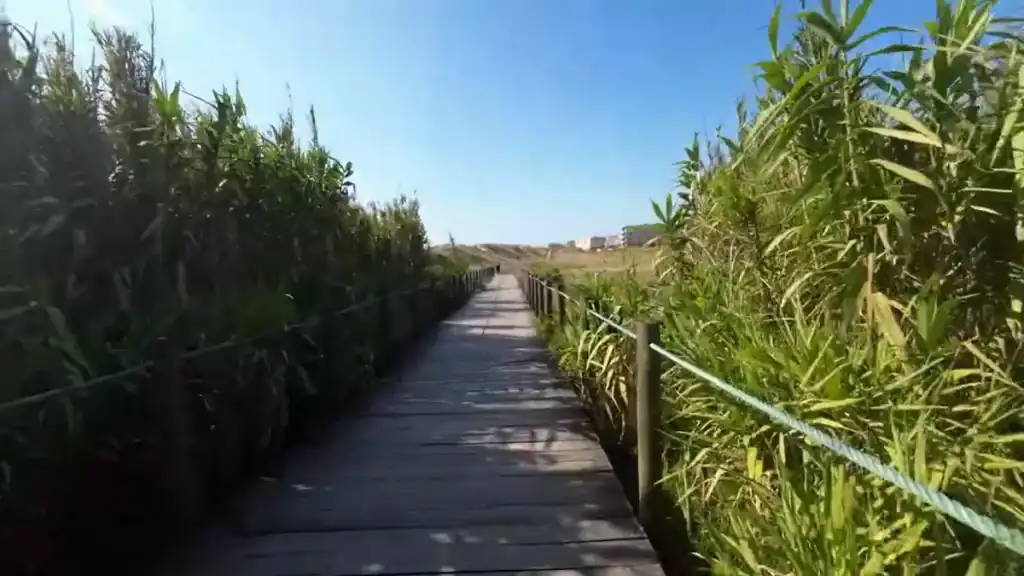
The recognised stretch from the Ave estuary at Azurara to the Onda river at Labruge is roughly 8.5 kilometres each way. I found the route remarkably level, with no significant climbs, so the real decision was not whether I could handle the terrain but how far I wanted to follow the coast before turning back.
Boardwalk Does Most of the Work
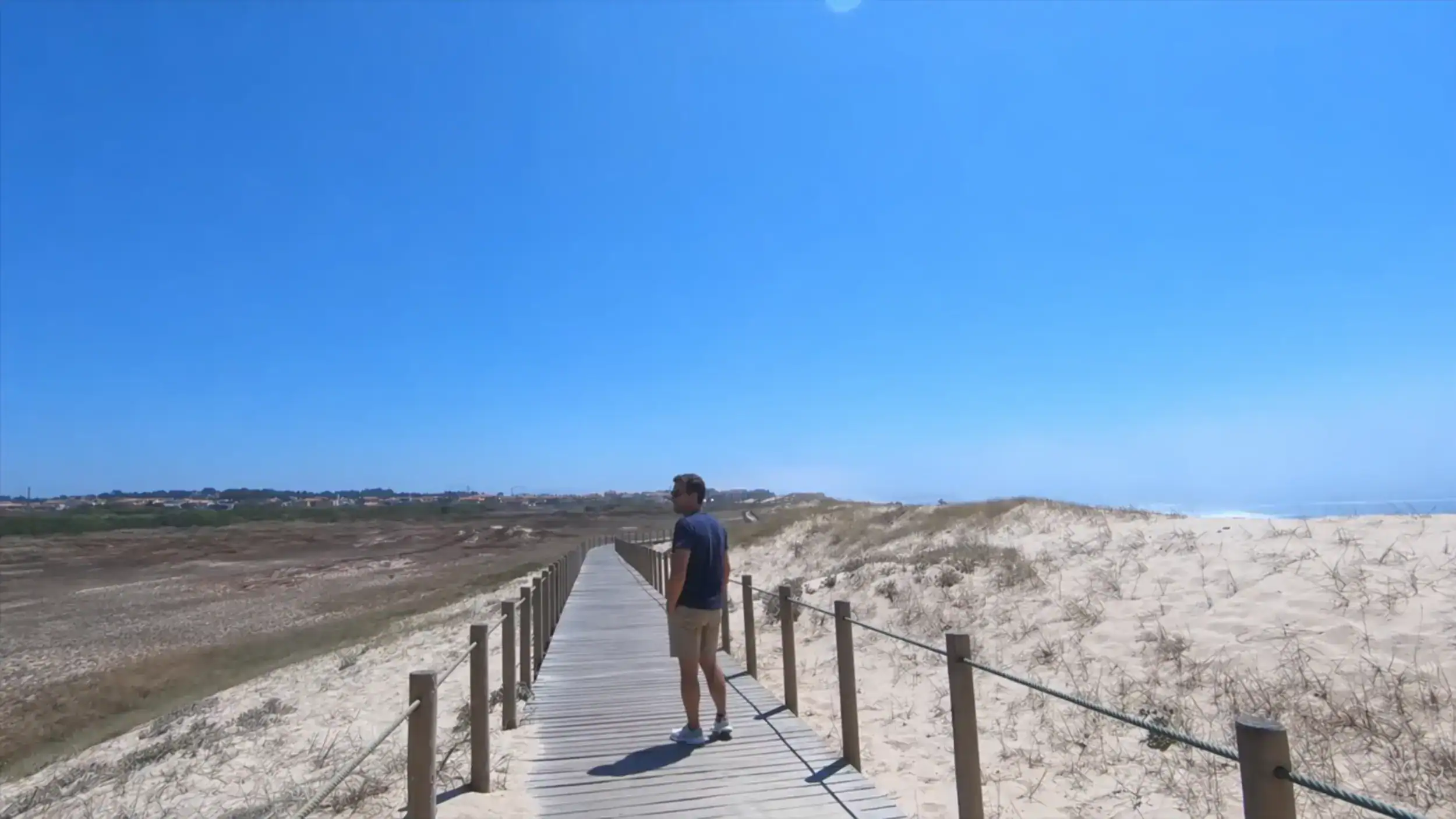
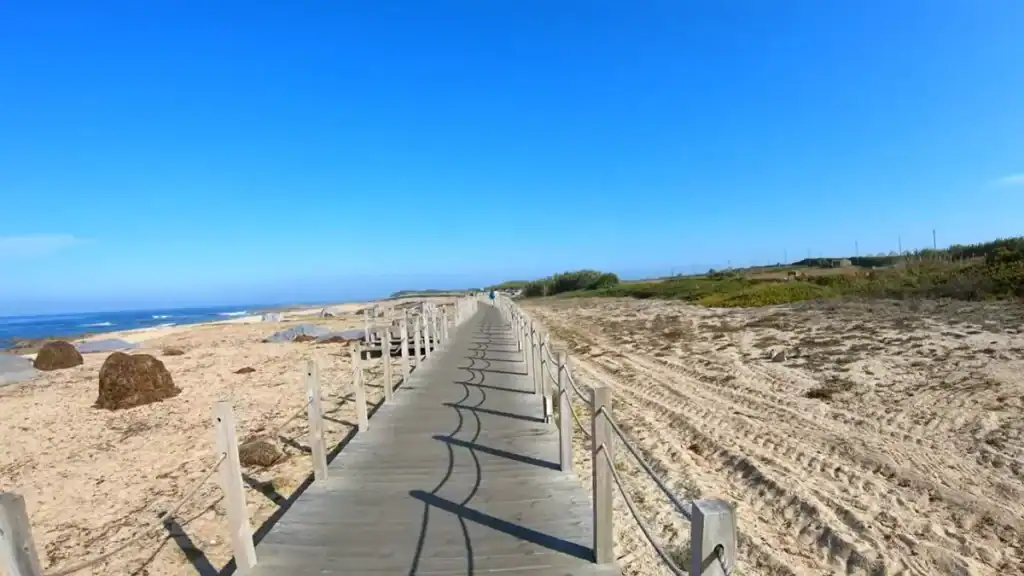
For long stretches I was walking on broad wooden boardwalk through the dunes. Every so often the timber ended and Portuguese calçada or a quiet village street took over before the boardwalk resumed. I liked those interruptions because they broke up what could otherwise have felt like one very long, straight path.
Allow around two and a half hours for the 8.5 kilometres one way at a steady pace, before stops. Walking back the same way turns an easy route into a 17-kilometre day.
🥾 THE DISTANCE CHANGES THE DAY
➡️ One way: about 8.5 km and roughly 2.5 hours before stops
↔️ Out and back: about 17 km, with distance rather than hills becoming the main challenge
🥾 Is the Walk Easy Enough for Beginners?
Yes, provided you choose a sensible distance. There are no meaningful climbs between Azurara and Labruge, and the boardwalk makes much of the route straightforward underfoot. You do not need hiking experience for the terrain itself.
The more important question is whether you want to walk the whole route in both directions. Eight and a half kilometres one way is manageable for many occasional walkers. Seventeen kilometres is a different commitment, especially when there is little shelter from the Atlantic weather.
That distinction matters. I found the walking easy, but several hours beside dunes and an exposed horizon still added up to a substantial day. A beginner does not need to treat Labruge as a compulsory finishing point.
If you simply want to experience the coast, walk as far as feels comfortable and turn back. You still get the boardwalk, dunes and changing coastal landscape without converting an easy walk into an endurance test.
🌾 What Is the Mindelo Reserve Section Like?
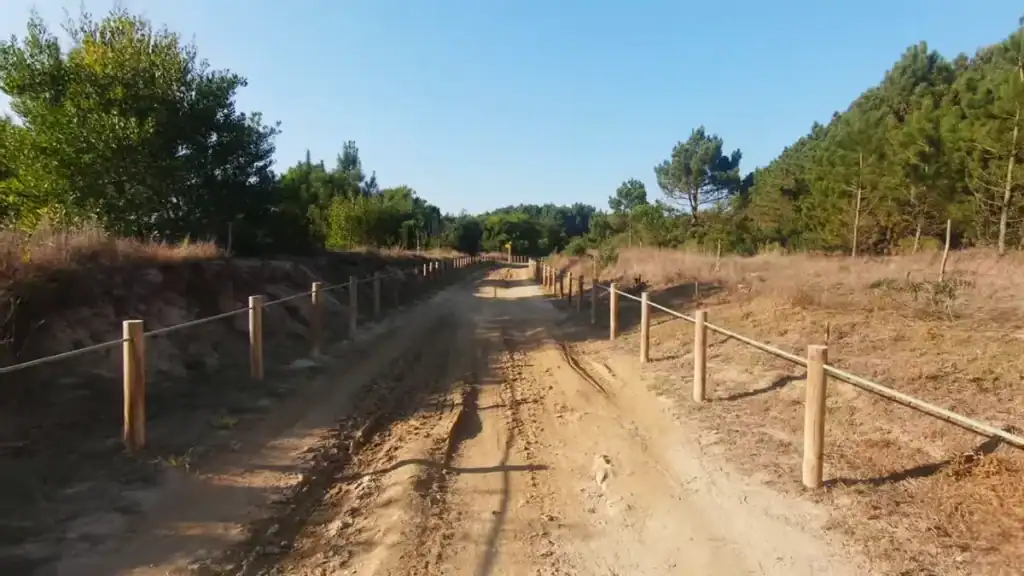
This was the section that most challenged my idea of what a coastal walk would look like. The route passes through the protected landscape associated with the Mindelo Ornithological Reserve, where dunes, wetlands and coastal pine woodland meet. The original reserve dates from 1957 and was a pioneering protected area in Portugal; today it forms part of the wider Vila do Conde coastal protected landscape.
At Times I Lost Sight of the Atlantic Completely
I had expected a coastal walk to mean almost continuous sea views, but that wasn’t what happened. In places the dunes rose high enough to hide the beach completely, leaving low vegetation on one side of the boardwalk and increasingly dense pine woodland on the other.
I actually preferred having that change.
When the sea disappeared, the route felt less repetitive and the dunes became part of the walk rather than simply something between me and the beach. Around the Ave estuary and nearby beach and marsh habitats, birdlife also becomes a more obvious part of the landscape.
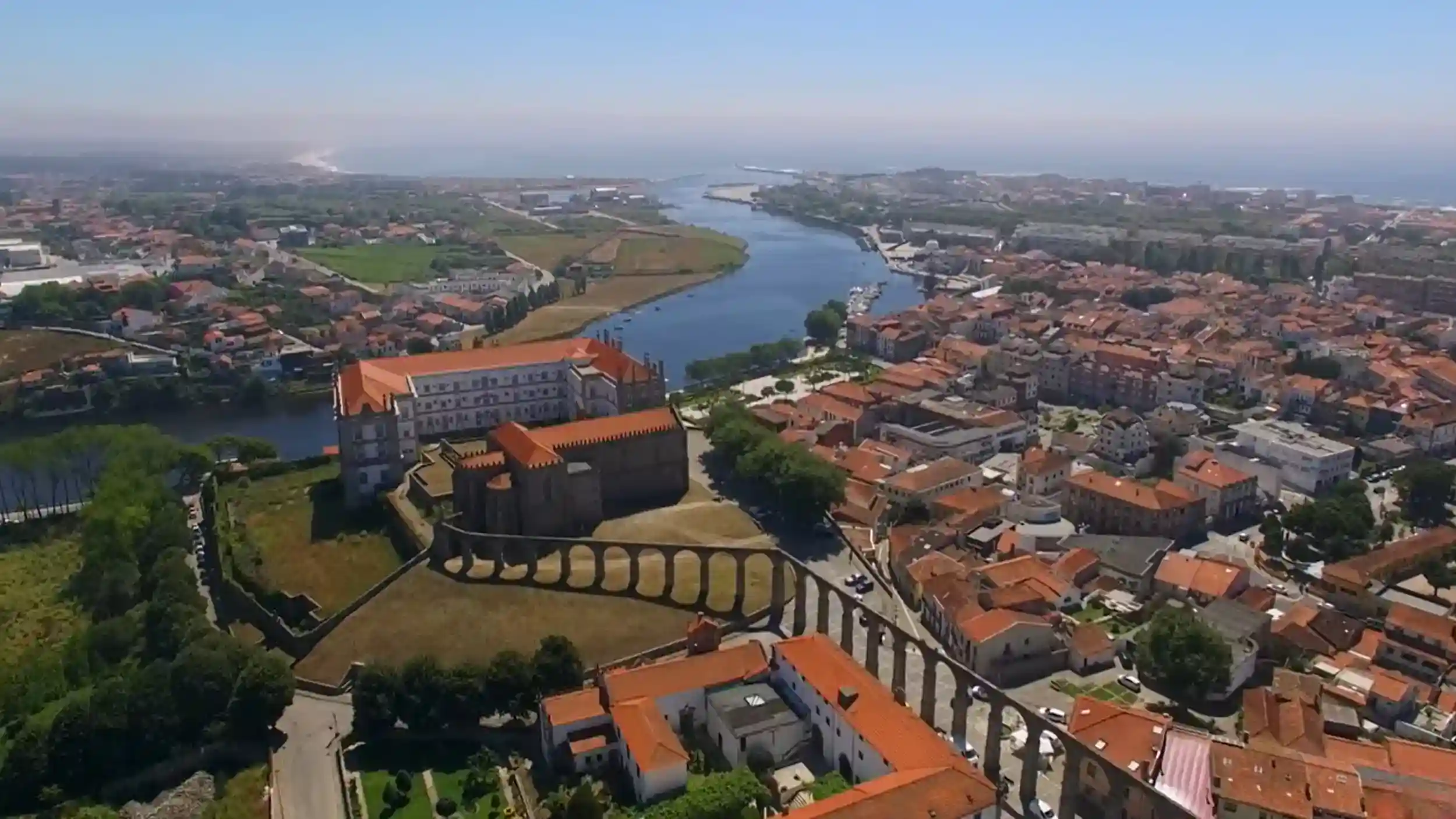
The boardwalk is raised to protect the fragile dune surface, with designated timber crossings providing access to the sand. The main Vila do Conde guide puts this protected coastline into the wider context of the river and historic centre.
🧭 Is the Vila do Conde Coastal Walk Part of the Camino?
Yes, parts of it overlap the Senda Litoral used by walkers following the Portuguese Camino towards Santiago. I was therefore sharing sections of the same boardwalk with pilgrims as well as local walkers, runners and families, although the route never felt like a formal long-distance trail to me.
That does not make the Vila do Conde coastal walk feel like a formal long-distance trail. On the ground, the boardwalk, beaches and local access points dominate the experience. You can walk a short section without feeling as though you have accidentally joined a pilgrimage.
For Camino walkers, however, the distinction matters. Senda Litoral is the coastal variant that stays closest to the Atlantic, while the broader Camino Portugués network includes different route options. The Vila do Conde shoreline therefore forms part of the Camino journey without every coastal walker necessarily following the Camino as a whole.
🌅 What Is the Best Time of Day for the Coastal Walk?
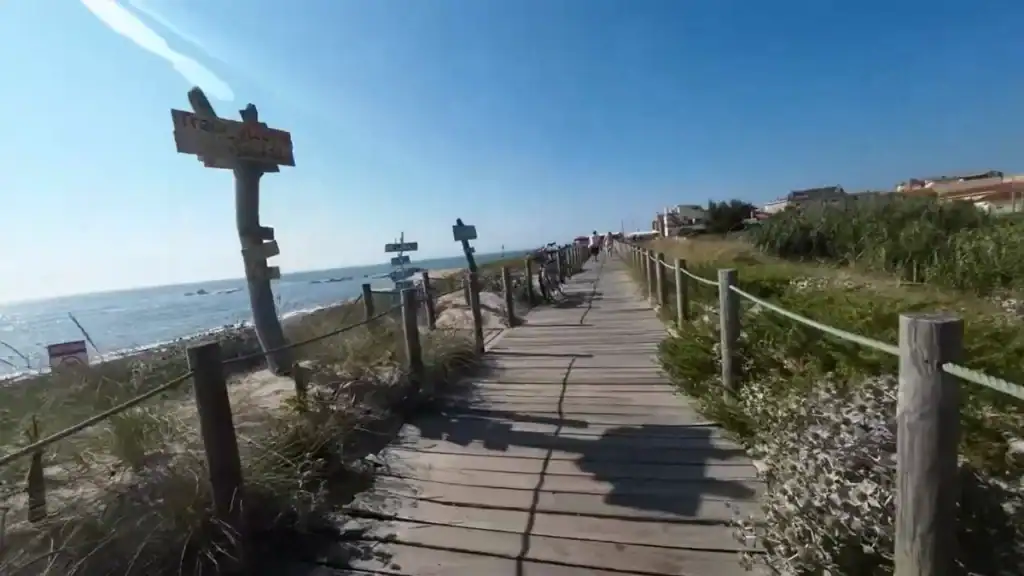
In summer, I would choose late afternoon. The strongest heat begins to ease, the west-facing coast gives you evening light over the Atlantic and there is still plenty of daylight for stopping along the way. With no cliffs enclosing the shoreline, I also found the sky and approaching weather unusually easy to read.
Summer mornings can begin hazy, softening the horizon and flattening the view. Once that clears, the coast becomes brighter and more exposed. I found shade limited unless the pine woodland happened to come close to the boardwalk.
Evening Light Changes the Appeal
Late afternoon has more appeal for me. The temperature begins to ease and, because this coast faces west, the sun drops towards the Atlantic rather than behind you.
In high summer, sunset can be around 9:00 to 9:15 pm, leaving a long evening window for walking. That makes it possible to avoid some of the strongest daytime heat without finishing in darkness.
If you want to spend part of the day on the sand as well, Vila do Conde beach looks more closely at how the wind, tides and exposed Atlantic setting affect a beach day.
🌉 Can You Walk Straight Across the River Ave?
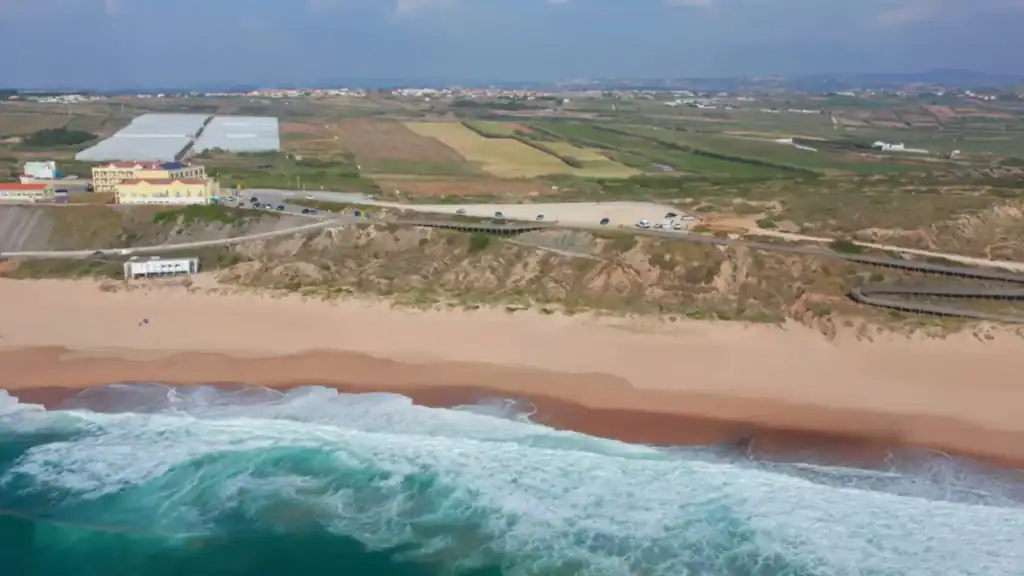
No. This was the one point where following the coastline stopped working. On the southern side, I could take the dune boardwalk to the estuary at Azurara, but it ends beside the jetty and there is no direct pedestrian crossing at the river mouth.
To Continue North, You Have to Leave the Shore
Continuing north towards Vila do Conde means leaving the immediate shoreline and crossing the Ave using the N13 bridge. The coastal route then resumes around Praia Azul rather than directly opposite the Azurara boardwalk.
I didn’t mind the interruption because it made the geography obvious. Within a short distance the relatively calm water of the Ave estuary gives way to the much more exposed Atlantic shoreline. From Praia Azul, the seafront continues north towards Póvoa de Varzim.
🌊 DON’T FOLLOW THE WATERLINE
Reaching the Azurara jetty does not mean you can continue straight across the river mouth. To keep heading north, turn inland for the bridge before returning to the coast on the Vila do Conde side.
🚲 Can You Cycle the Vila do Conde Coastal Boardwalk?
Not as one continuous boardwalk ride. Cycling is restricted on many of the dune sections, so although some cobbled stretches and parallel roads can be ridden, I would not plan to treat the pedestrian route itself as a cycle path.
If the bicycle is the point of the day, I would choose a different route rather than repeatedly working around pedestrian sections. Cycling from Vila do Conde gives you more freedom to head inland towards countryside and Vinho Verde vineyards before returning towards the Atlantic.
For this particular stretch, walking also suits the landscape better. You can leave the boardwalk at designated crossings, spend time on the beach and move through the protected dunes without having to think continually about whether the next section accepts bicycles.
🍂 What Is the Best Time of Year for the Coastal Walk?
I would choose summer for long daylight, easier café stops and the option of walking into the evening, while winter appeals for almost the opposite reasons: fewer people and a much more exposed Atlantic atmosphere. The route remains accessible throughout the year, but I would expect a very different day in January from one in July.
Summer Crowds Are More Localised Than Continuous
Even in July, the busiest points tend to be around car parks, cafés and beach access. Keep walking towards Labruge and the numbers thin considerably. An onshore breeze can also make a warm summer day feel more comfortable than the temperature suggests.
Winter is a different proposition. There are no cliffs to hide behind when Atlantic wind or rain arrives, although the raised boardwalk drains quickly and remains walkable. Café hours can be reduced and long sections may be extremely quiet.
For more on the town outside the main season, Vila do Conde in winter looks at how both the coast and everyday life change during the colder months.
I would choose summer for the long evening light and easier stops. The appeal of winter is almost the opposite: fewer people, a quieter boardwalk and the Atlantic setting at its most exposed.
For a first walk, I would keep the plan simple. Choose a distance that leaves enough time to stop, use late afternoon in summer if you want softer temperatures and evening light, and treat Labruge as an option rather than an obligation. The terrain is easy; it is the distance, exposure and temptation to keep following the coast that turn it into a much bigger day.