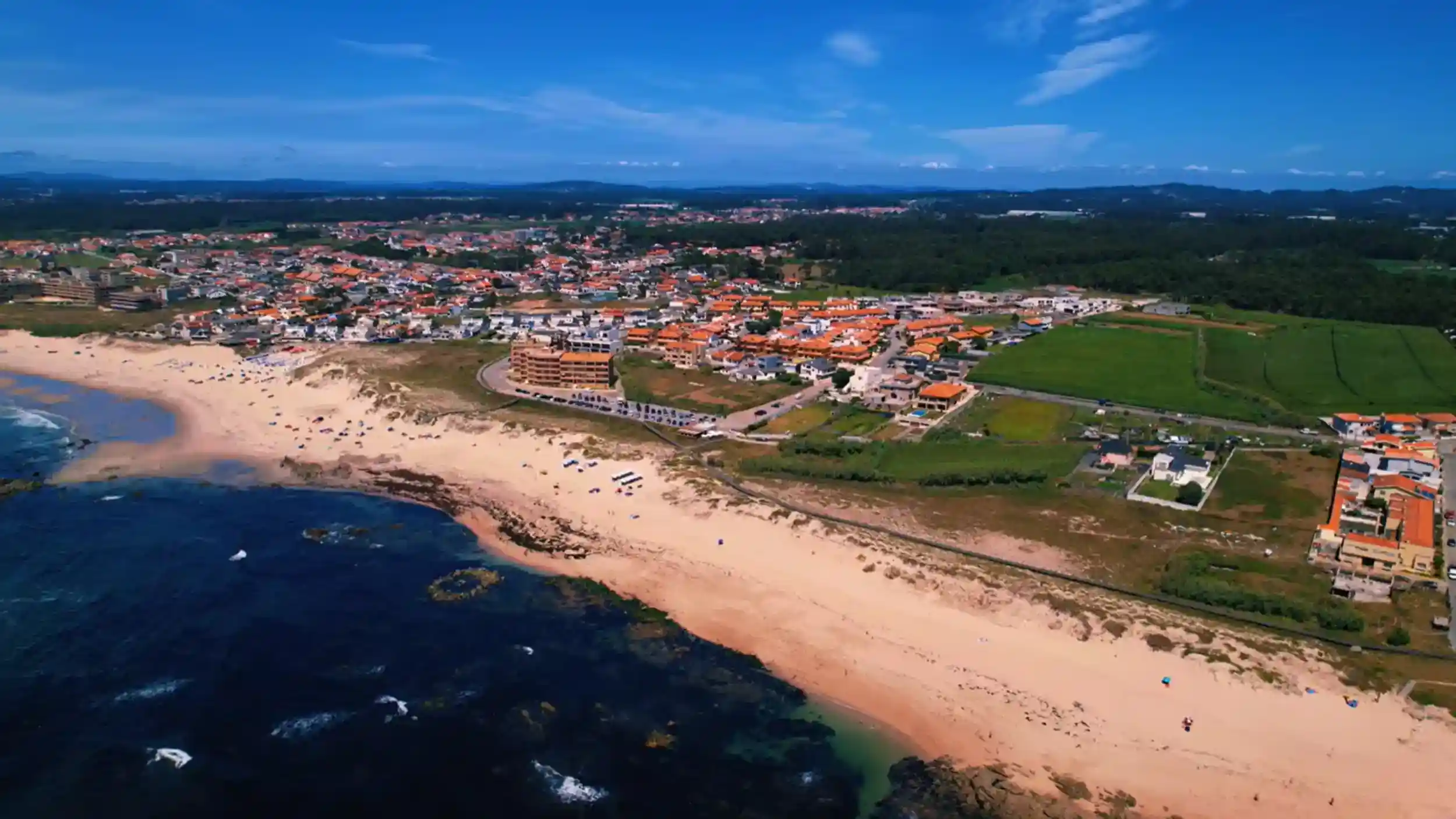
Vila do Conde is worth visiting if you want a walkable Portuguese coastal town where the beach, working harbour, historic centre and everyday local life still feel connected. Around thirty minutes north of Porto by car, it offers long Atlantic beaches and substantial maritime history without the stronger resort atmosphere of Póvoa de Varzim or the urban feel of Matosinhos.
What surprised us was how little it felt like a resort. We had expected the beach to dominate, yet moving between the Rio Ave, fishing harbour, enormous aqueduct, monastery and seafront gradually revealed a town with several identities. Vila do Conde made more sense to us as we walked it rather than treating it as a checklist of sights.
🗺️ Is Vila do Conde Easy to Explore on Foot?
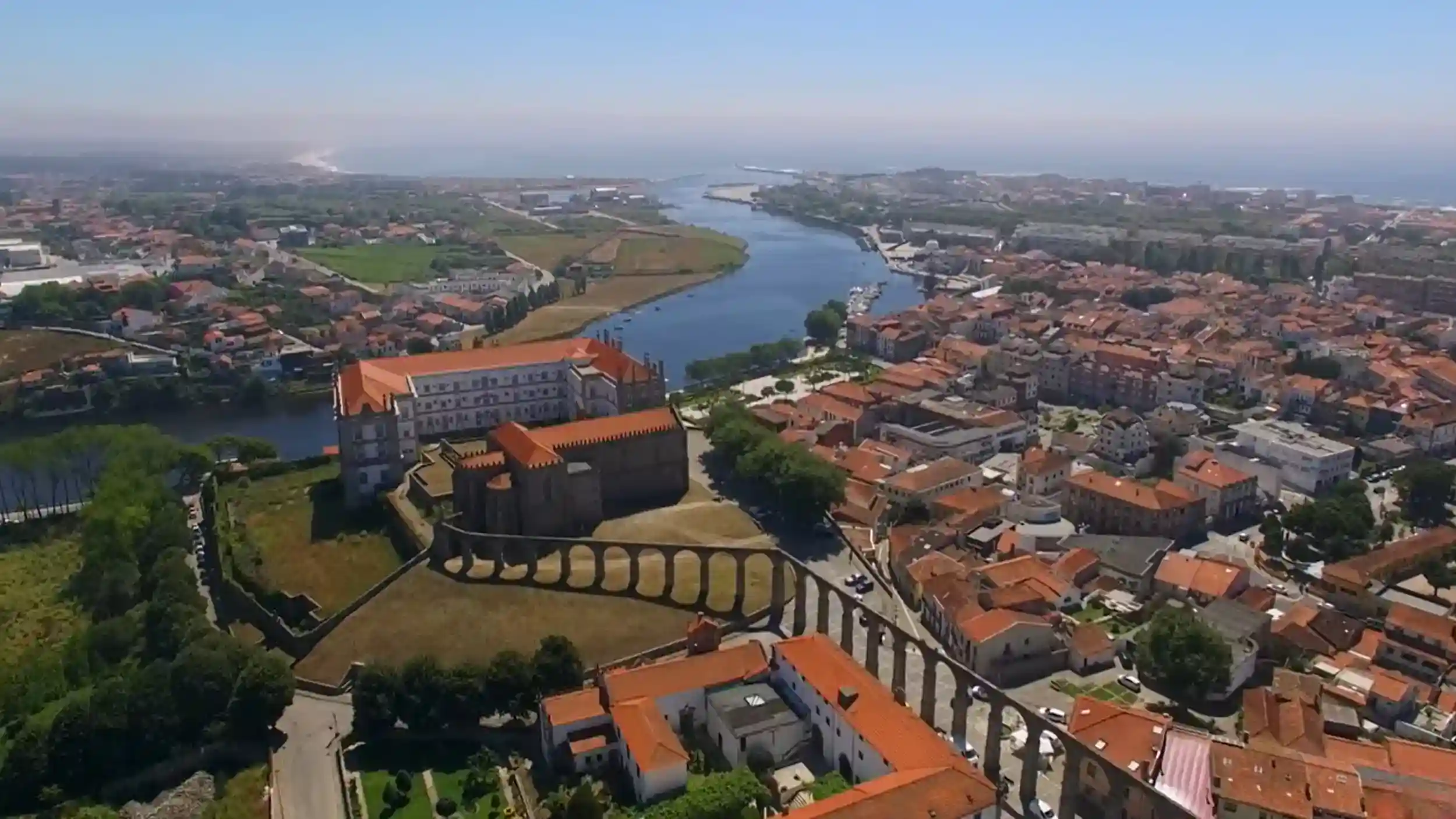
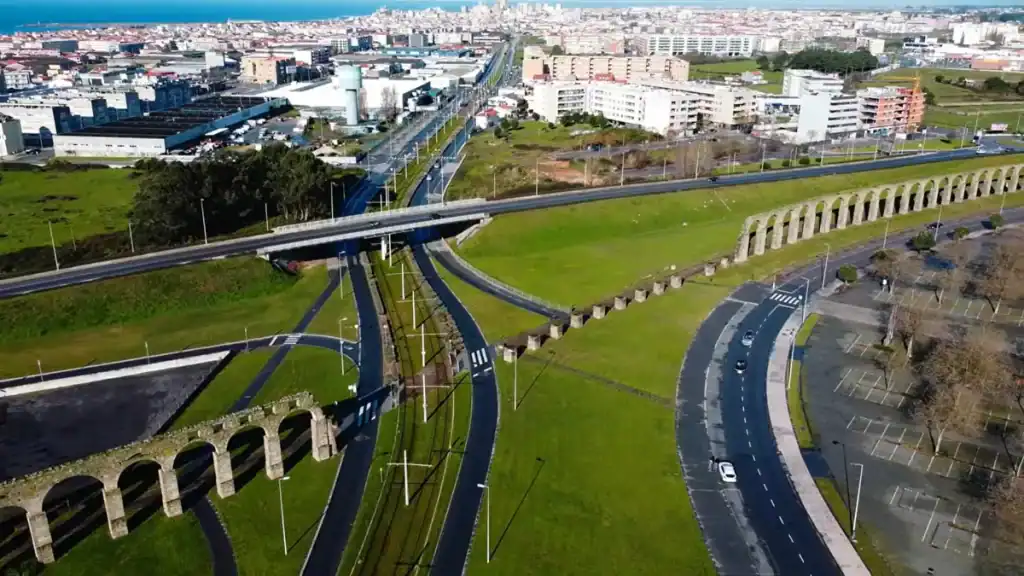
Yes. Once we had our bearings, Vila do Conde was remarkably easy for us to explore on foot. The town sits between the Atlantic and the Rio Ave, with the historic centre on the higher ground between them, and most places we wanted to see were within around twenty minutes of one another.
The aqueduct became an unexpectedly useful landmark
The enormous granite aqueduct was one of the features that immediately helped us get orientated. Stretching towards the Convent of Santa Clara, it is difficult to miss, while the river and Atlantic provide two more obvious reference points.
From around the station, Praça da República is only a short walk away. We never felt far from either the Rio Ave or the coast, which meant there was little temptation to keep returning to the car between sights.
🚇 From Porto: Line B takes around 48 minutes by Metro.
🚗 By car: Allow around 30 minutes via the A28.
🚶 Once there: Most of the main sights are within roughly a 20-minute walk of each other.
🅿️ If you’re driving: We found free parking along much of the seafront and riverside.
There was no single focal point that defined our first impression. Instead, the character kept changing as we moved from historic streets to the river and eventually the Atlantic. That gradual transition became one of the reasons walking worked so well.
Our The Beach at Vila do Conde: Scale, Wind and Open Sky guide looks more closely at how different the open coastline feels from the town immediately behind it.
🏖️ What Is Vila do Conde Beach Like?
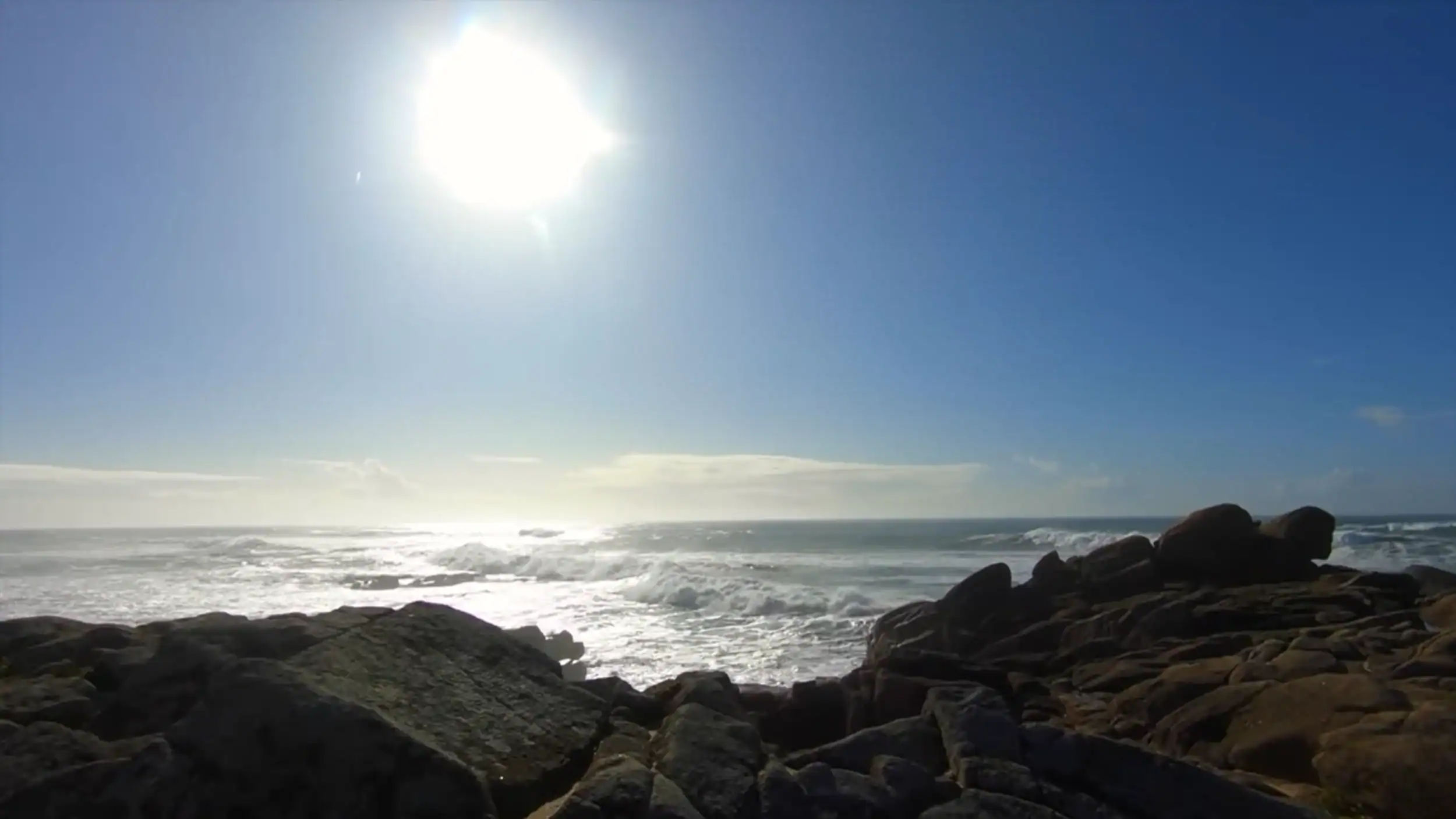
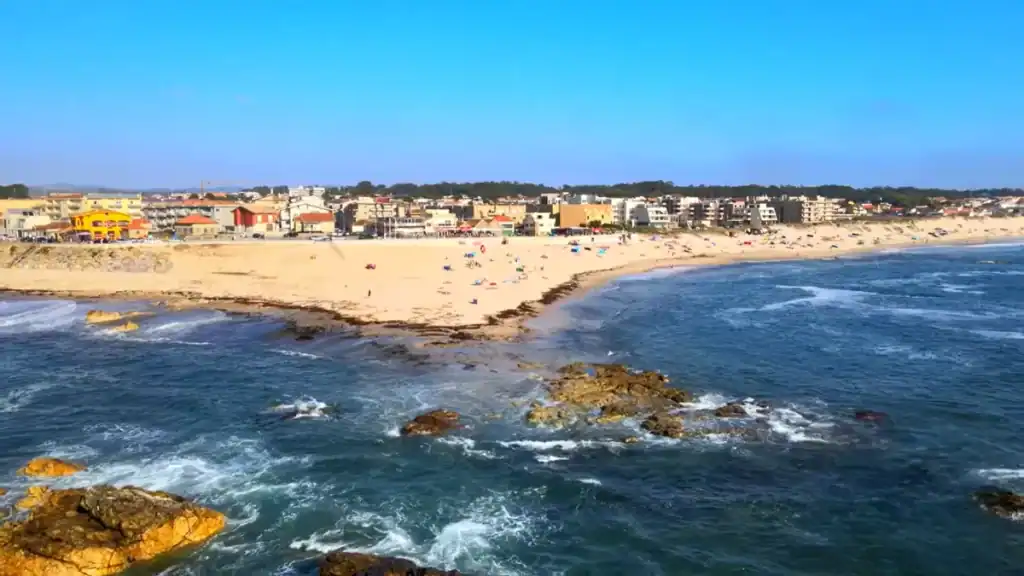
What stood out to us was the space rather than one exceptional patch of sand. North of the Rio Ave, wide beaches, rocky outcrops and a broad promenade form a long, exposed Atlantic coastline that felt more local and less packaged than many better-known Portuguese seaside destinations.
Walking north from the river mouth, Praia Azul, Praia do Forno, Praia da Ladeira and Praia da Senhora da Guia seemed to blend into one another. Rocky sections interrupted the sand just enough to keep the shoreline changing without making us feel we were visiting a succession of separate beaches.
This is an Atlantic beach, and it feels like one
The water felt cool and the coastline exposed rather than sheltered. A steady breeze helped explain why surfers, cyclists and walkers were such a visible part of the seafront. Anyone expecting a protected Mediterranean-style beach could find that openness a drawback; for us, it was part of the attraction.
🏖️ Want easy access and a long promenade?
Stay north of the Rio Ave, where several sandy beaches run alongside the esplanade.
🌊 Want somewhere quieter?
Azurara, south of the river, gave us a less busy alternative.
🏄 Want calm, sheltered swimming above everything else?
The exposed Atlantic character may be less appealing.
Space was ultimately what made the beach work for us. Even more important, the coastline still seemed to belong to local residents rather than existing primarily for visitors. Our The Beach at Vila do Conde: Scale, Wind and Open Sky guide explores that character in greater detail.
🏛️ What Is There to See in Vila do Conde?
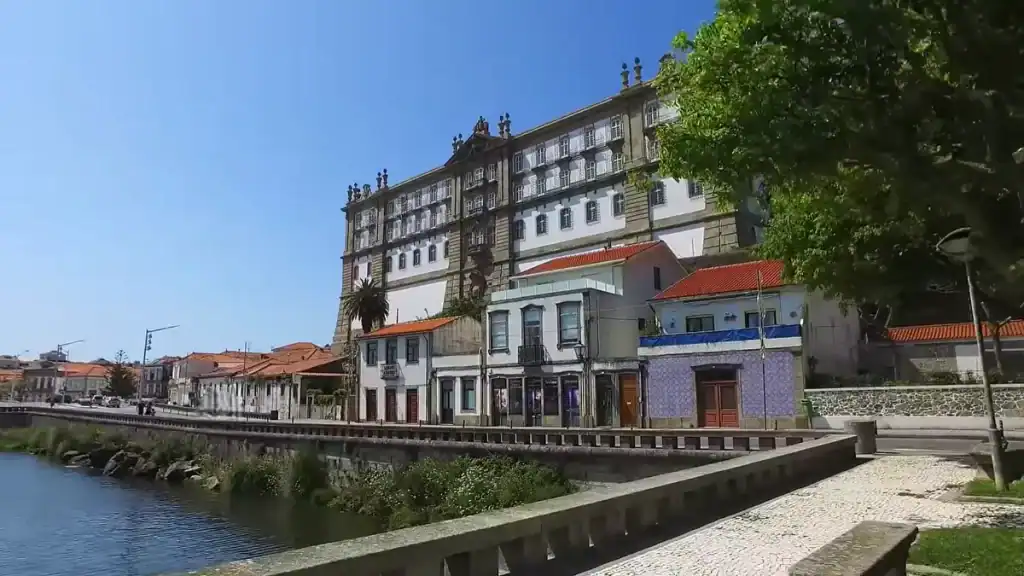
We found much more than the beach within a compact area: the Convent of Santa Clara, the aqueduct, Igreja Matriz, traditional streets and the Museu das Rendas de Bilros all sat within an easy walk of the river and coast. What stayed with us, though, was how quickly those sights gave way to quieter streets, granite buildings and traditional cafés where everyday life remained more prominent than tourism.
History never felt separated from the rest of town
The Convent of Santa Clara dominated the skyline, while nearby Igreja Matriz added another connection with the wealth of Portugal’s Age of Discovery. A short walk away, the Museu das Rendas de Bilros introduced us to Vila do Conde’s centuries-old bobbin-lacemaking tradition.
Yet it was the ordinary space between those landmarks that gave the centre much of its character. Quiet squares, family-run businesses and residents going about their day mattered more to us than finding another major attraction.
That distinction is important. Vila do Conde is not the town we would choose for a relentless sightseeing itinerary. Its appeal came from being able to walk from a monumental convent into everyday streets, follow those streets towards a working river and eventually emerge beside the Atlantic.
From the centre, it was easy to continue towards The Beach at Vila do Conde: Scale, Wind and Open Sky. Our Is Vila do Conde Worth Visiting? An Honest Assessment looks more closely at whether that quieter character will suit your trip.
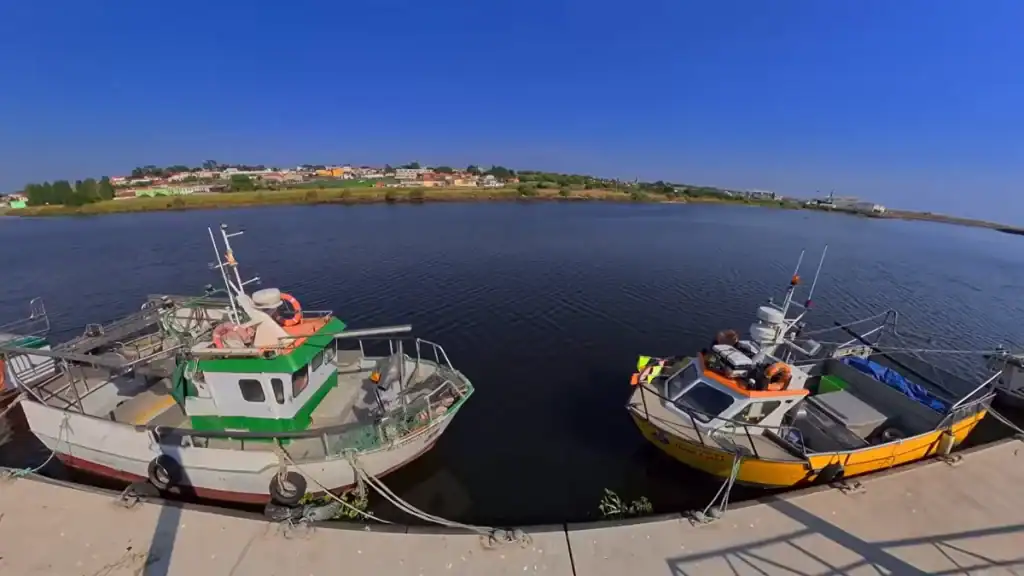
⚓ Why Is Vila do Conde Known for Its Maritime History?
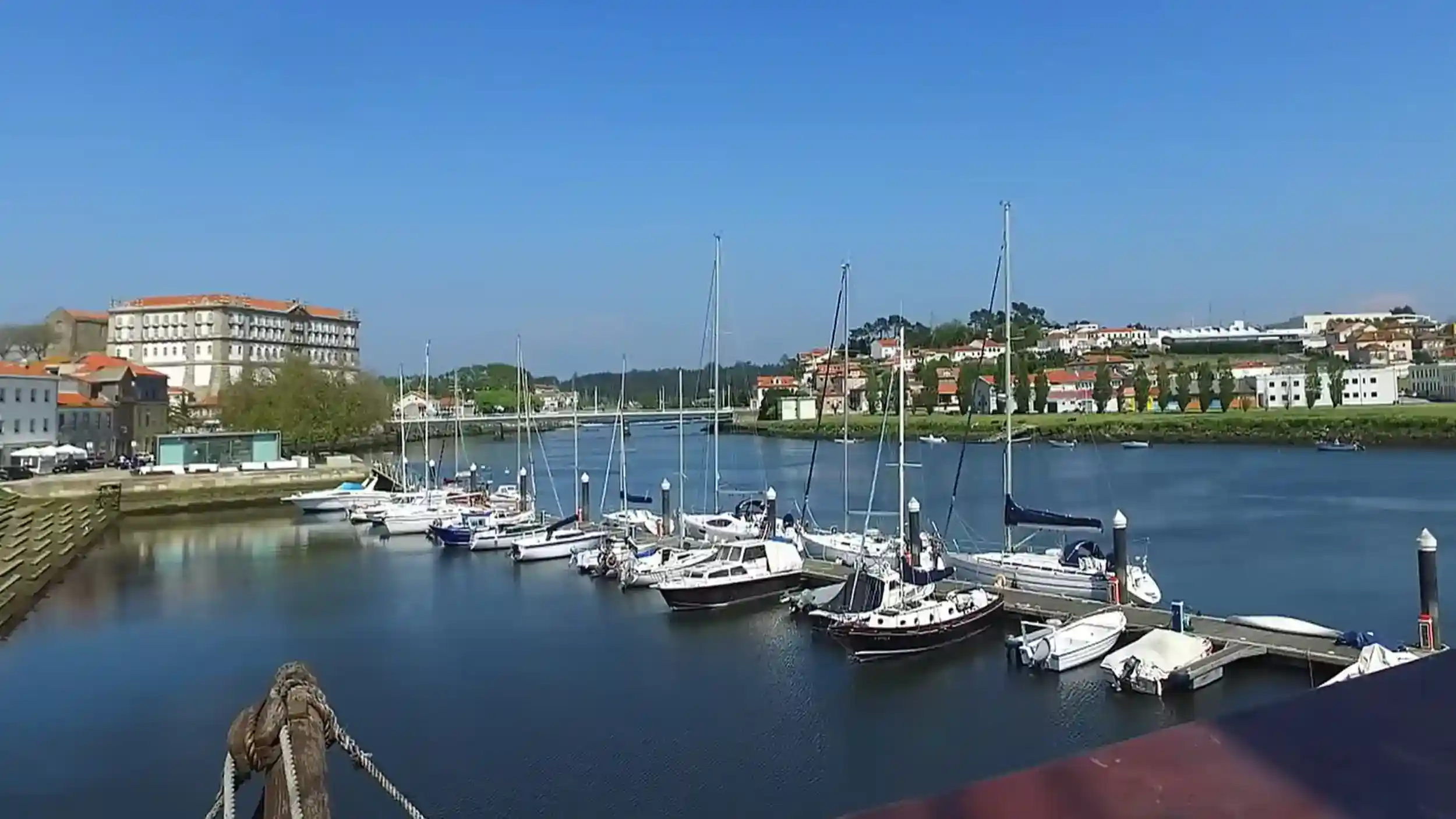
The harbour made Vila do Conde’s maritime history much easier for us to understand. At the meeting point of the Rio Ave and Atlantic, fishing boats and a working waterfront sit alongside the Nau Quinhentista and former customs house, so the town’s seafaring past never felt confined to a museum.
Caxinas helped explain why the waterfront felt active rather than preserved for visitors. Fishing remains part of local life, while nearby historical attractions put what we were seeing into a much longer context.
⚓ Fishing harbour
Working boats keep the maritime connection visible.
⛵ Nau Quinhentista
A full-size replica of a 16th-century carrack brings the town’s seafaring history into view.
🏛️ Alfândega Régia
The former customs house adds the historical context behind Vila do Conde’s maritime importance.
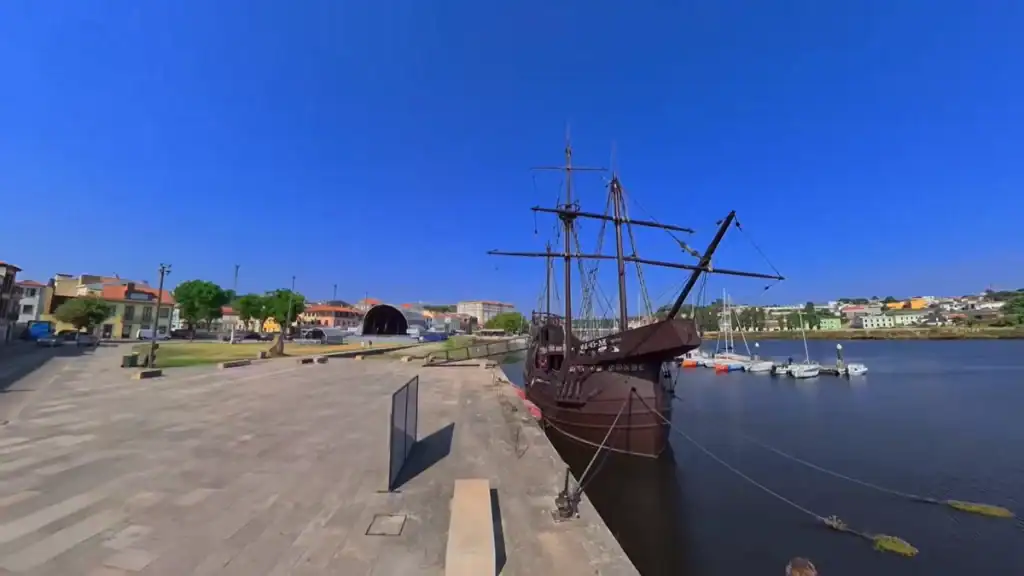
Following the Rio Ave joined the pieces together
By this point in our walk, the river had become more than another attractive waterfront. Following it helped us understand why Vila do Conde developed here and why the sea remains so central to the town’s identity.
That connection is still celebrated rather than simply remembered. The Nossa Senhora dos Navegantes Festival in Vila do Conde looks at one of the clearest expressions of the town’s continuing fishing heritage.
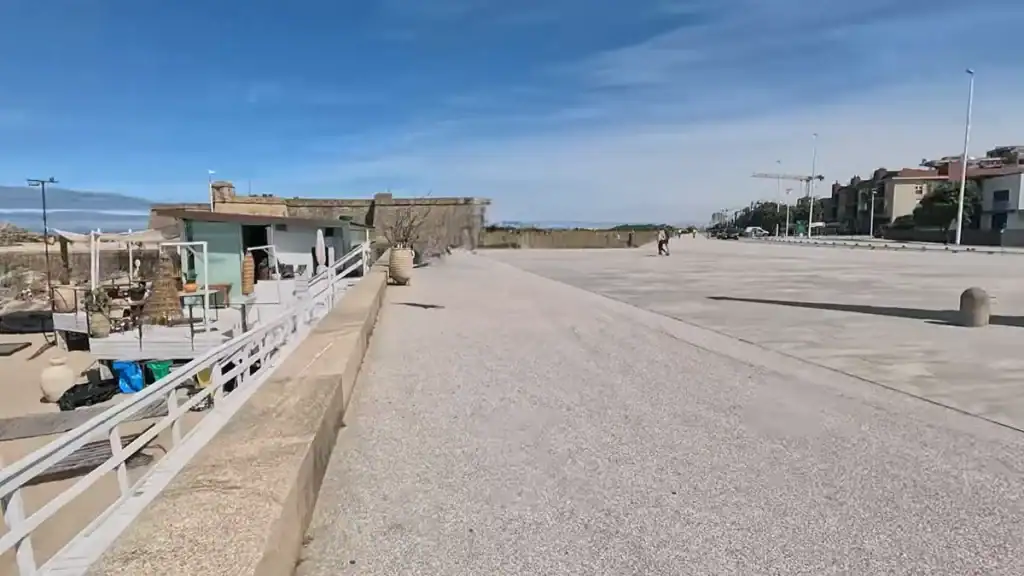
🌅 What Is the Best Time to Walk Vila do Conde’s Esplanade?
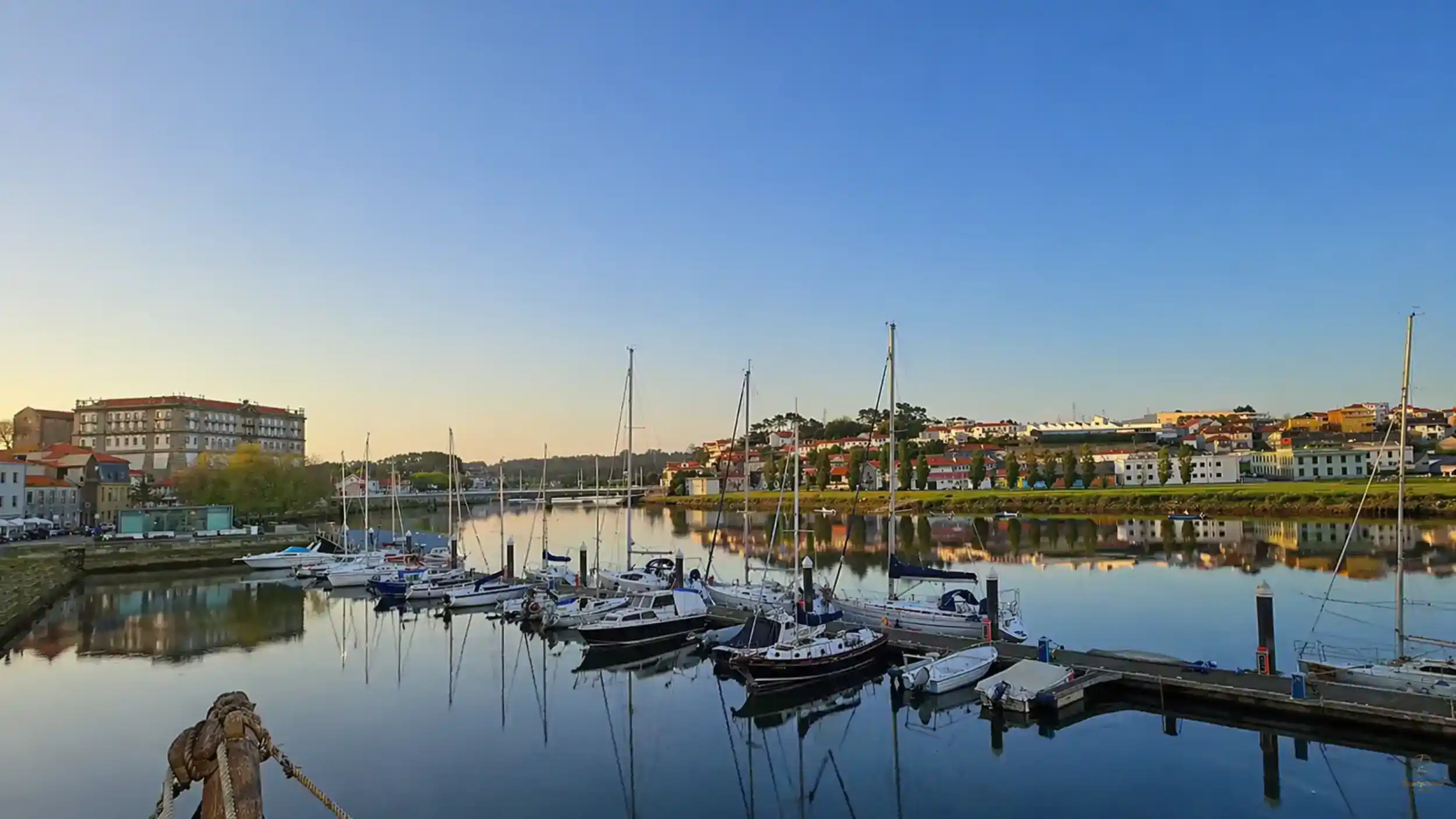
Late afternoon into evening was when we most enjoyed Vila do Conde’s esplanade. As the beach began to empty, local residents appeared for walks along the seafront and the atmosphere became livelier without feeling busy. We stopped looking for another sight and simply stayed on the promenade.
From late afternoon, families, cyclists and couples gradually replaced daytime beachgoers as the Atlantic light softened. At the southern end, the Forte de São João gave us one of our favourite views across the point where the Rio Ave reaches the ocean.
Sunset was only part of the reason to stay
The change in local rhythm mattered as much as the light. Earlier we had been walking the promenade to get somewhere. Later, we were using it in the same simple way as everyone around us: walking, stopping and watching the coast.
For that reason, late afternoon into evening would be our choice for an esplanade walk. It showed us a more relaxed, resident-led side of Vila do Conde than we had seen while sightseeing earlier in the day.
Our Vila do Conde in Winter: Quiet Coast, Resident Life guide looks at how that atmosphere changes outside the main holiday season.
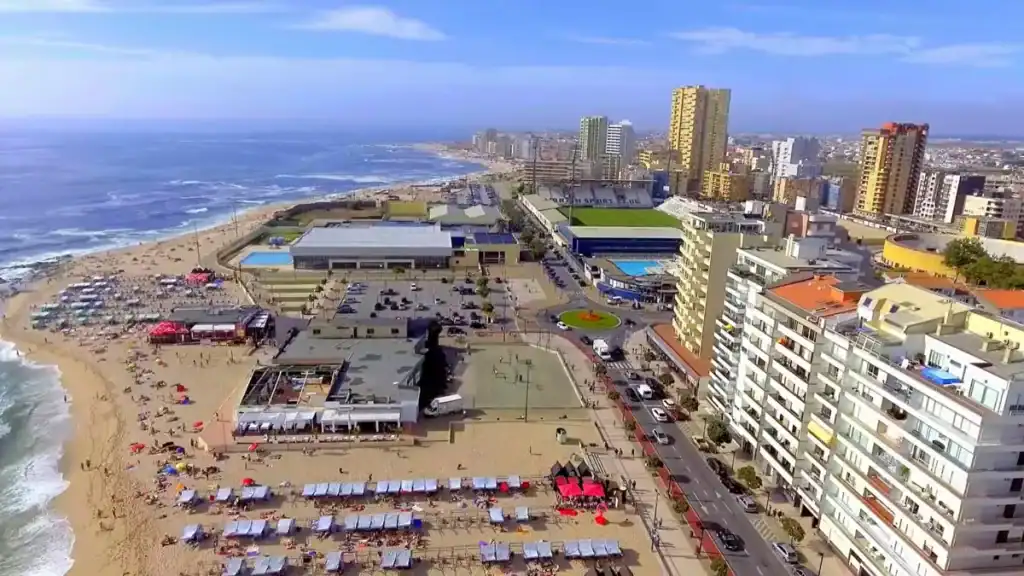
🔍 Vila do Conde, Póvoa de Varzim or Matosinhos?
We would choose Vila do Conde for the balance of history, coastline and ordinary Portuguese life, Póvoa de Varzim for a stronger traditional seaside atmosphere, and Matosinhos when seafood and easy Porto access mattered most. None was simply “better”; they suited different trips.
🏛️ Choose Vila do Conde
If you want history, a working harbour and Atlantic coastline within one walkable town.
🎰 Choose Póvoa de Varzim
If a stronger traditional seaside and nightlife atmosphere matters more.
🦞 Choose Matosinhos
If seafood and straightforward access from Porto are the priorities.
Our preference came down to atmosphere over entertainment
Póvoa de Varzim felt like the stronger choice for a conventional seaside atmosphere, while Matosinhos makes more sense to us for seafood combined with easy Porto access. Vila do Conde was quieter than either, and that was precisely why we preferred it.
Someone looking for nightlife, a busy resort or a large concentration of headline attractions could reach a different conclusion. For our preference for history, Atlantic coastline and everyday life in one manageable place, Vila do Conde wins.
🌊 Is Vila do Conde Worth a Day Trip From Porto?
Yes. At around thirty minutes by car or roughly 48 minutes on Metro Line B, Vila do Conde was easy enough for us to visit from Porto without the journey dominating the day, yet the working harbour, historic centre and Atlantic seafront felt sufficiently different to justify leaving the city.
We would return for the same combination that surprised us the first time: walking from substantial historic buildings to a working harbour, following the Rio Ave towards the Atlantic and ending the day on a seafront that becomes more enjoyable as local evening life takes over.
The qualification is its quietness. Vila do Conde is worth visiting because it does not try very hard to entertain you. Travellers who need constant attractions may prefer Porto, while a more conventional seaside break points towards Póvoa de Varzim. If atmosphere, space, maritime character and a town that is genuinely enjoyable on foot matter more, its restraint is exactly the reason to come.
Our Is Vila do Conde Worth Visiting? An Honest Assessment gives our fuller verdict on where the town succeeds and who may find it too quiet.