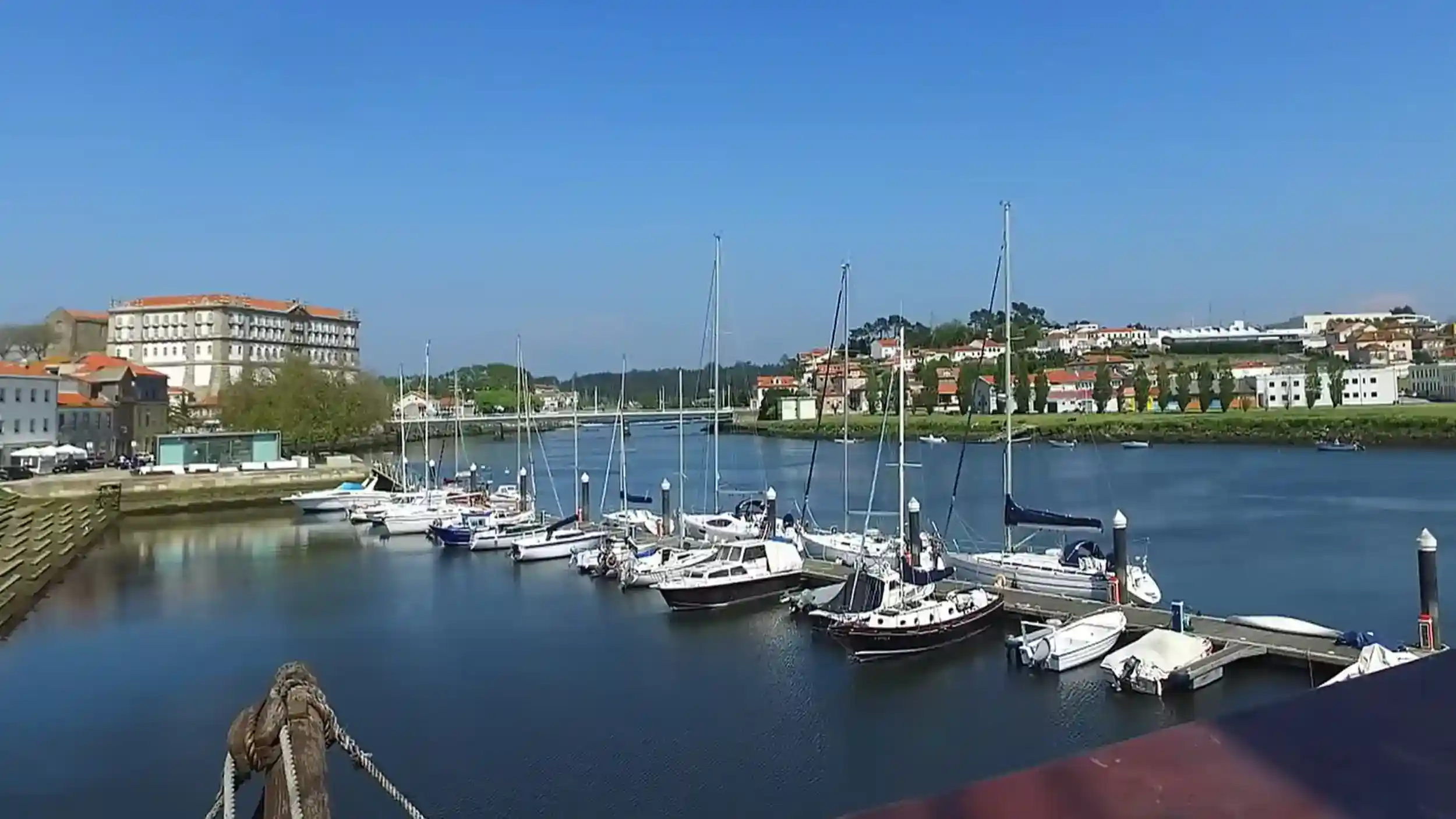
Is Vila do Conde worth visiting? Yes, if the idea of a working Portuguese coastal town appeals more than a polished resort. Around 30 kilometres north of Porto, it combines a riverfront, maritime history, Santa Clara and a broad Atlantic beach in a town compact enough to explore without turning the day into a sightseeing schedule.
We started around the Rio Ave and found that Vila do Conde unfolded naturally from there. The waterfront led us into its maritime past, Santa Clara pulled us uphill, and the Atlantic gave the walk a completely different finish. That unforced progression was a large part of the appeal.
🏘️ What Is Vila do Conde Actually Like?
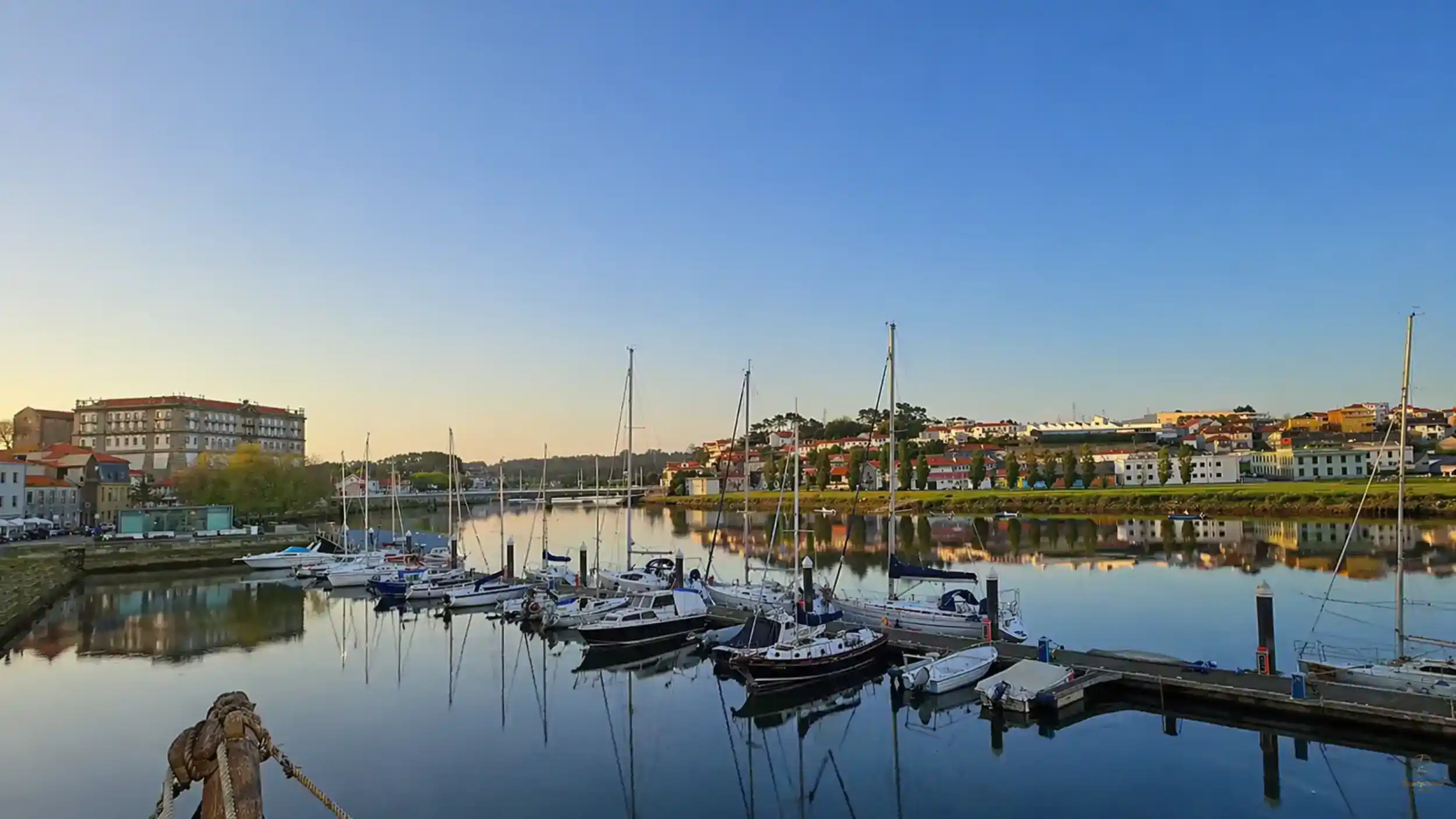
What struck us first was how little Vila do Conde behaved like a resort. The working waterfront, compact old streets and long beach all felt like parts of a functioning town, with tourism present without dominating the atmosphere. Sitting where the Rio Ave reaches the Atlantic gave it variety without making any one part feel manufactured for visitors.
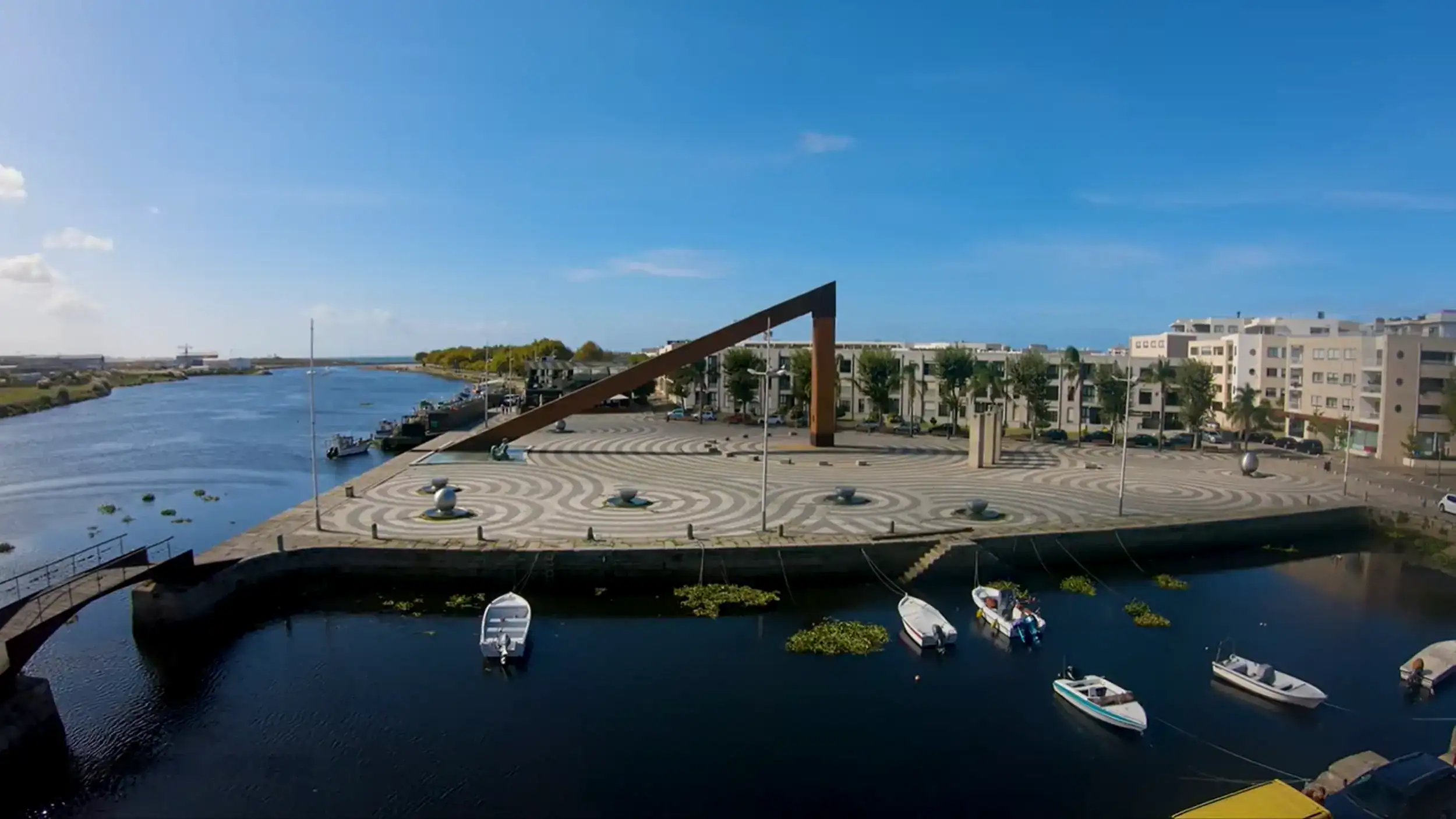
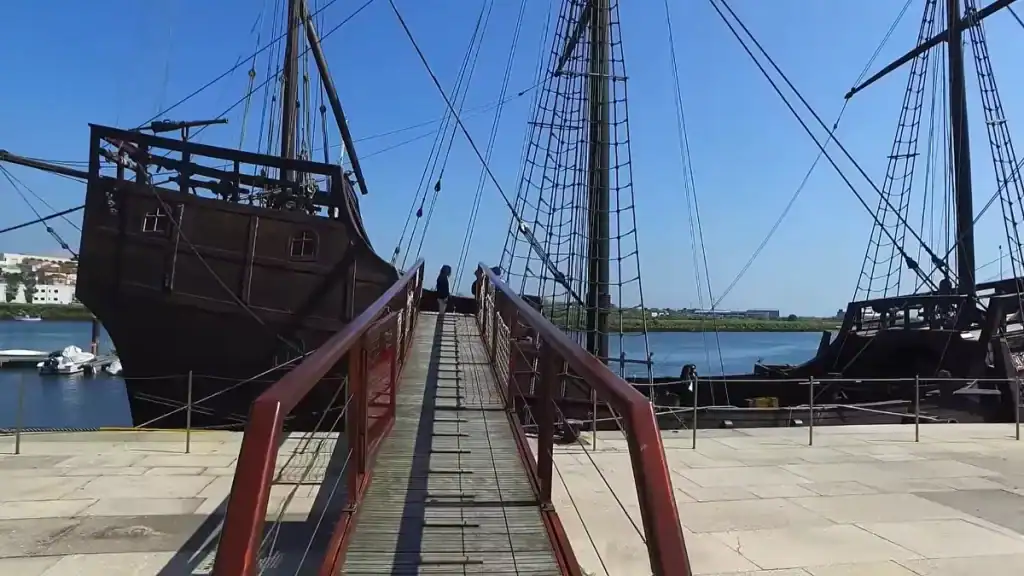
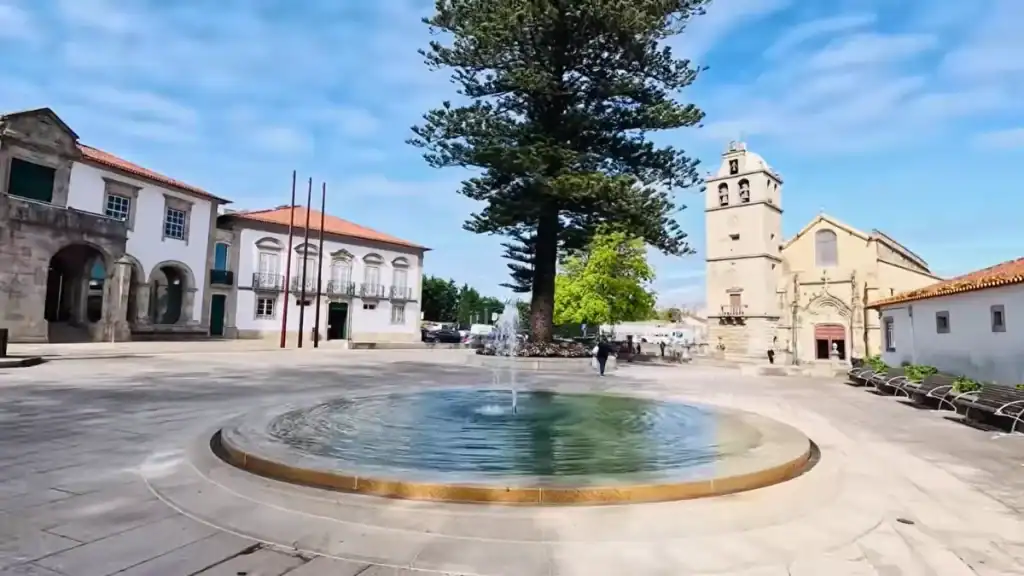
The lower town gave us the clearest introduction. Praça Dom João I sits beside the Ave near the historic waterfront, where fishing, river traffic and maritime history still feel connected to the present rather than preserved as a visitor display. For centuries, sailors and ships from Vila do Conde operated across the Atlantic.
What mattered to us was the absence of a sharp boundary between “local” Vila do Conde and the parts visitors come to see. The riverfront, old town and beach were all being used as ordinary town spaces, which made wandering through them feel less staged.
🧭 Who Is Vila do Conde Best Suited For?
We would recommend Vila do Conde most strongly to travellers who enjoy discovering a compact place on foot rather than working through a list of major attractions. That was how it worked for us: within a few hours, the character shifted from waterfront to old streets, then uphill towards Santa Clara and finally out towards the Atlantic.
We think the town is most likely to work for travellers who enjoy:
- 🚶 Exploring compact towns on foot
- ⚓ Working waterfronts and maritime character
- 🏛️ Historic buildings without heavy tourism
- 🌊 Long, open Atlantic beaches
- ☕ Places where everyday local life remains visible
A complicated itinerary would have made little sense to us here. A route through the historic centre, down towards the river, up to Santa Clara and eventually out to the beach gave the day enough structure without making it feel planned around attractions.
If you tend to remember the character of a place more than the number of sights you visited, that simplicity is a genuine strength.
🤔 Who Might Be Disappointed by Vila do Conde?
Travellers looking for a polished resort or a dense sightseeing itinerary are the ones we would hesitate to send here. Vila do Conde has no sequence of dramatic monuments and no purpose-built resort centre. Its appeal is spread between river, old streets, monastery hill and coastline, so anyone wanting immediate spectacle may find it understated.
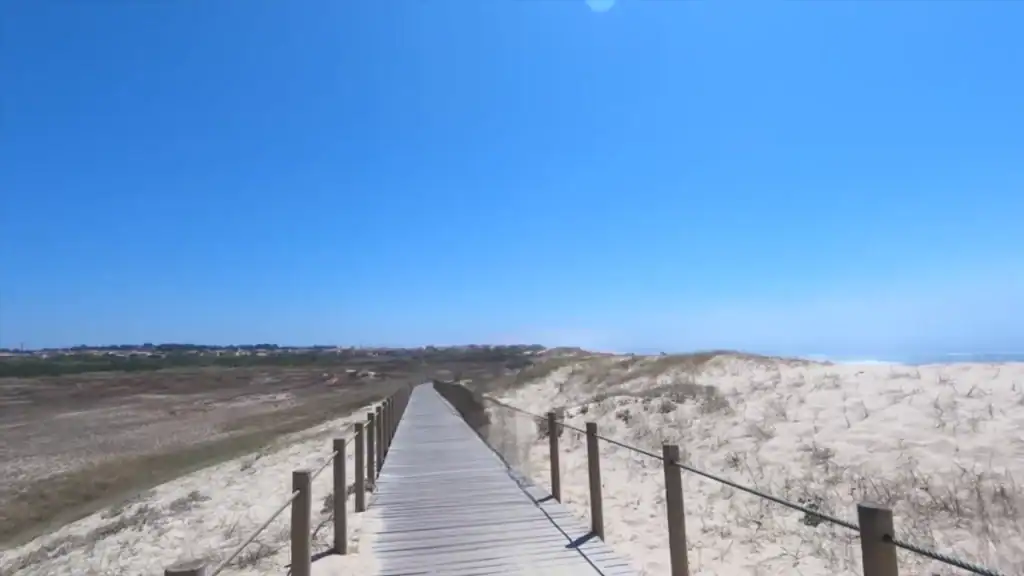
The beach is broad and exposed rather than framed by dramatic cliffs, while the historic centre is compact and easy to walk through. There are relatively few large attractions created specifically for visitors. None of that bothered us, but those are meaningful limitations if they define your ideal coastal break.
Anyone choosing the town mainly for sand and sea should understand Vila do Conde beach first. We found an exposed Atlantic shoreline with scale and space, not the sheltered-cove experience available elsewhere in Portugal.
🌊 Likely to suit you: if local character, walking and a working coastal atmosphere matter more than entertainment.
🎡 More likely to disappoint: if you want a busy resort, dramatic headline sights or a tightly packed sightseeing day.
That distinction matters. The absence of resort polish made Vila do Conde more appealing to us; for a different traveller, it could be the clearest reason to stay elsewhere.

🚶 What Should You Do on a First Visit to Vila do Conde?
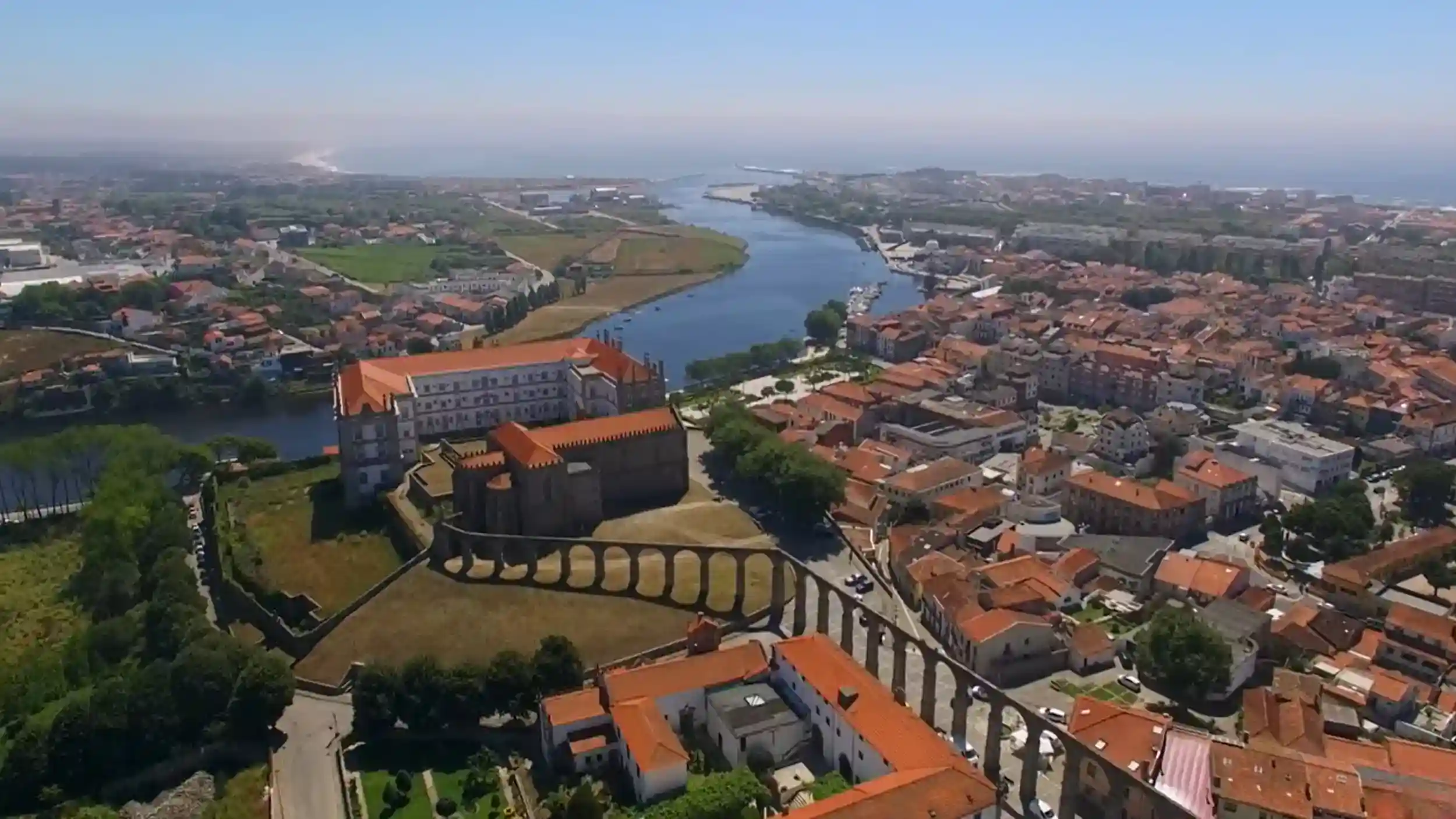
We would keep a first visit simple: start around the riverfront, continue through the historic streets, climb towards Santa Clara and finish beside the Atlantic. That was the route that worked for us. Once we stopped asking how many attractions the town had and followed its geography instead, the day felt coherent without requiring much planning.
Santa Clara added historical weight, but the memorable part was the transition rather than one landmark. The climb pulled us away from the waterfront, then the beach changed the atmosphere again at the end of the walk.
That is why Vila do Conde works especially well for someone who arrives without a rigid schedule. There is enough structure to prevent the day feeling aimless, but not so much that missing one attraction makes the visit feel incomplete.
🚆 How Long Do You Need in Vila do Conde?
Three to four hours felt realistic for our first visit, and a half-day gave us enough time to understand the town without rushing it. Vila do Conde is around 30 kilometres north of Porto, with the direct Metro taking roughly 40 to 45 minutes, and once there we could reach the riverfront, historic centre, Santa Clara and coast on foot.
📍 Distance: around 30 kilometres north of Porto.
🚇 Public transport: direct Metro from Porto, taking roughly 40 to 45 minutes.
⏱️ Time in town: three to four hours felt realistic for a first visit.
Three to four hours covers the essential route
That gave us enough time for the waterfront, the climb towards the monastery and aqueduct, and a continuation towards the Atlantic without rushing between them. A half-day therefore works well if your aim is to understand Vila do Conde rather than exhaust every side street.
Extra time changes the pace more than the sightseeing list. We would use it for quieter streets, a longer pause beside the river or seeing the beach under different conditions rather than searching for additional major attractions.
The main Vila do Conde guide gives the broader picture of how those areas connect.
For most Porto-based travellers, a half-day is enough to decide whether the town’s understated character works for you. Stay longer because you enjoy that rhythm, not because there is a long checklist left unfinished.

⭐ Is Vila do Conde Worth Visiting as a Day Trip?
Yes. Vila do Conde is worth visiting as a day trip from Porto if atmosphere, local character and variety matter more to you than headline attractions. The direct Metro keeps the journey manageable, and the town is compact enough to connect riverfront, maritime history, Santa Clara and the Atlantic on foot.
We would return for the same reason the first visit worked: the town changed character as we moved through it. Santa Clara gave the day historical weight, the waterfront showed us the working side of Vila do Conde, and the Atlantic stopped the visit feeling like a purely historic town break.
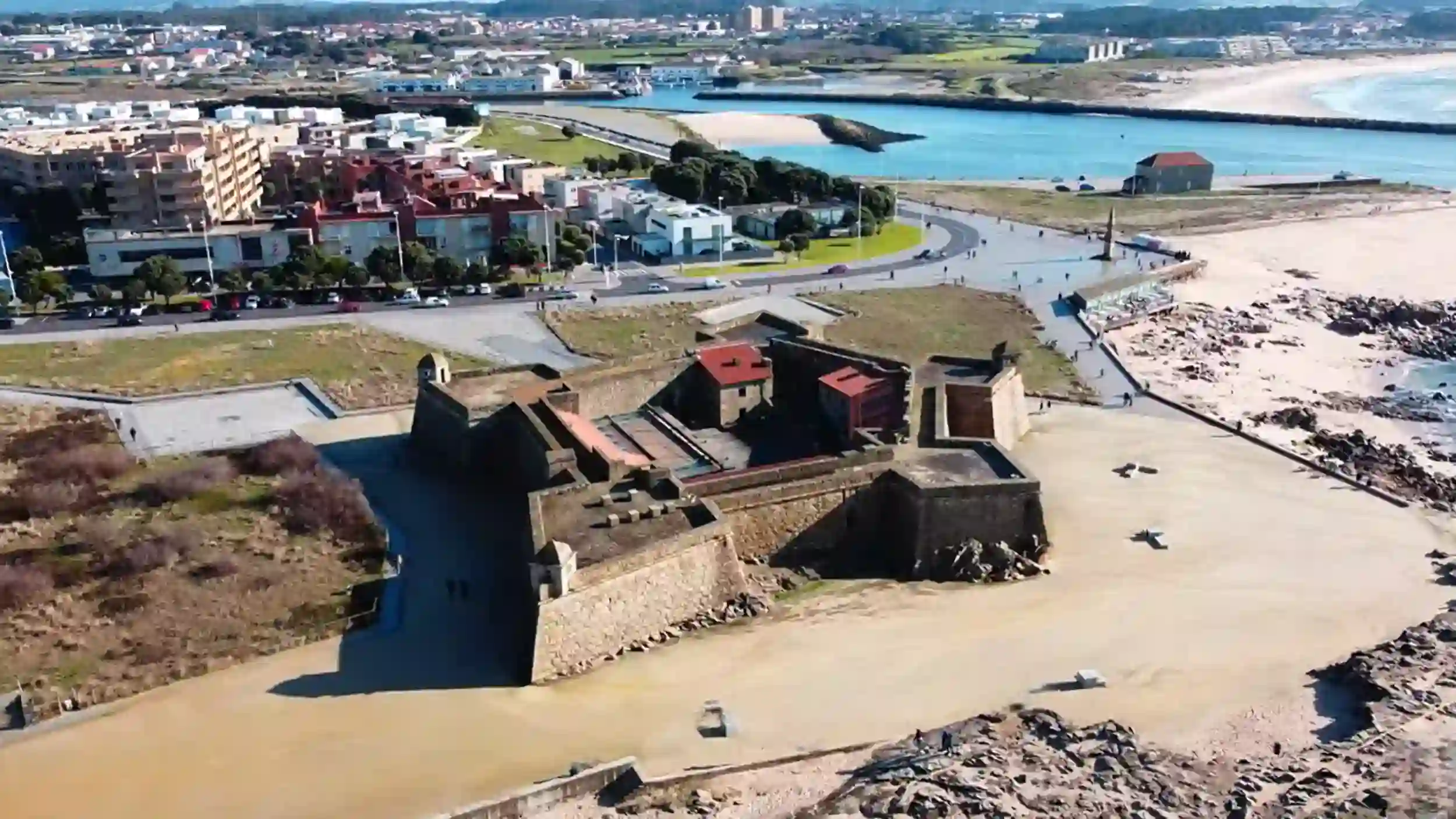
The waterfront is one of the areas we would happily give more time. Our Vila do Conde harbour guide goes further into the fort, river mouth and maritime side of town.
Expectations decide this one. We would not send someone here for resort spectacle or a dense collection of famous sights. We would recommend it to travellers who see value in an understated Portuguese coastal town still shaped primarily by the people who live there. The lack of spectacle is not something to overlook; it is part of the proposition.