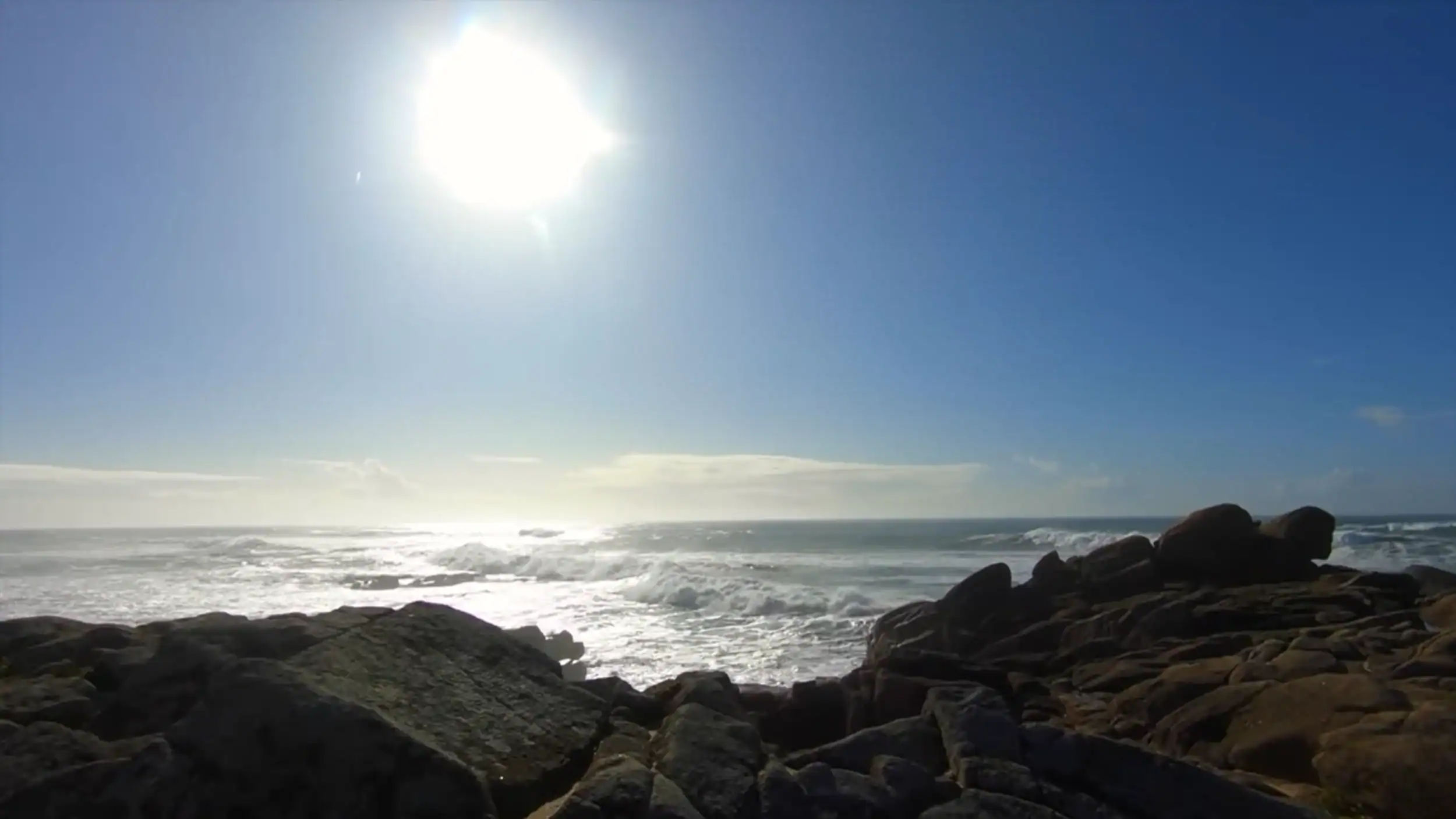
Vila do Conde in winter is worth visiting if you want a quieter Atlantic town rather than a winter-sun destination. Temperatures are typically around 8°C to 15°C, rain is more frequent and the seafront loses much of its summer activity, but the harbour, cafés, historic centre and everyday local life continue rather than closing down for the season.
That was the version we found more revealing. Quieter beaches gave us room to notice the fishing harbour, riverside and old streets without summer activity setting the pace. The compromise was weather: a bright spell could rescue an afternoon, while Atlantic rain could just as easily force us to change the order of the day.
❄️ What Is Vila do Conde Like in Winter?
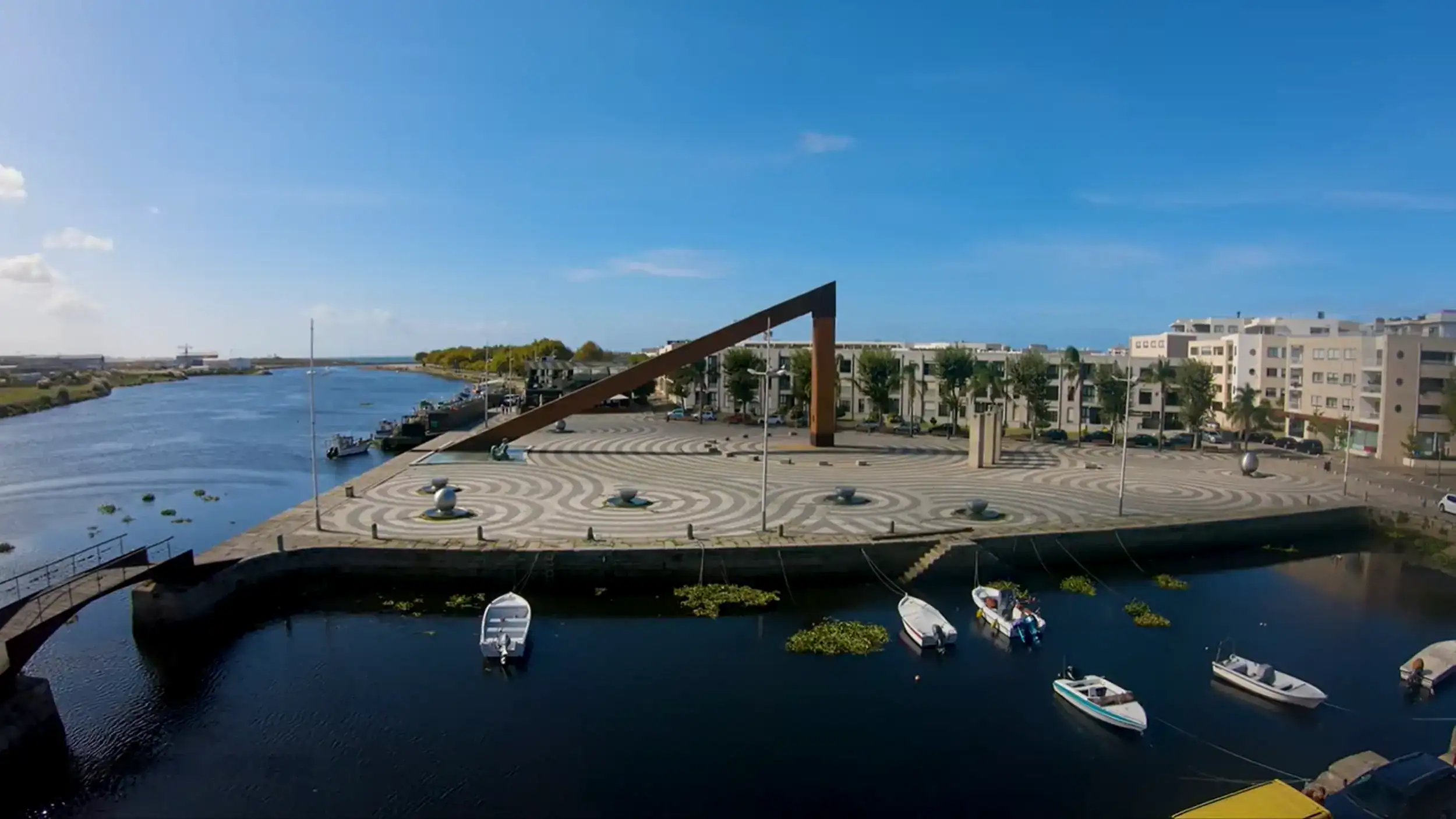
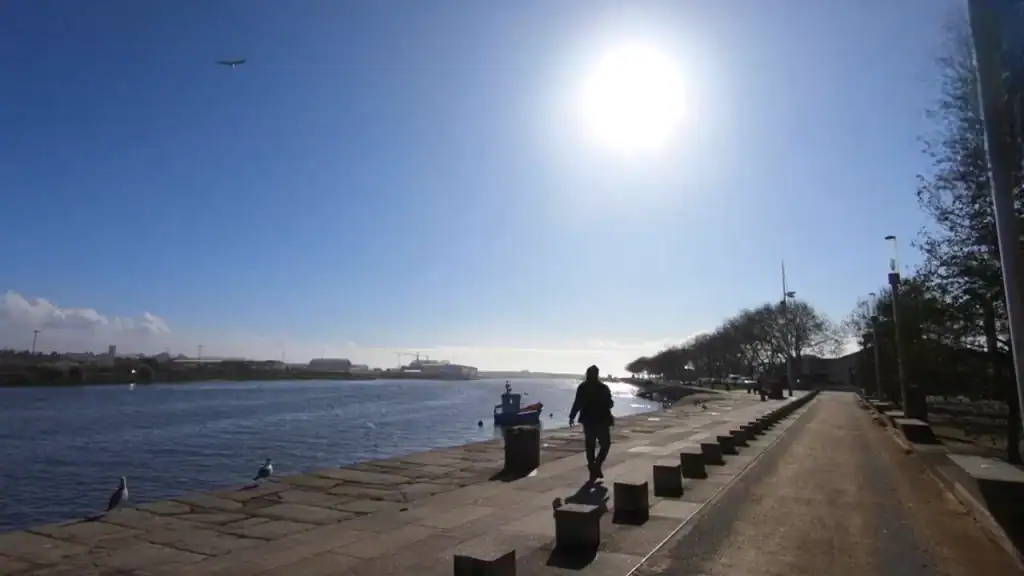
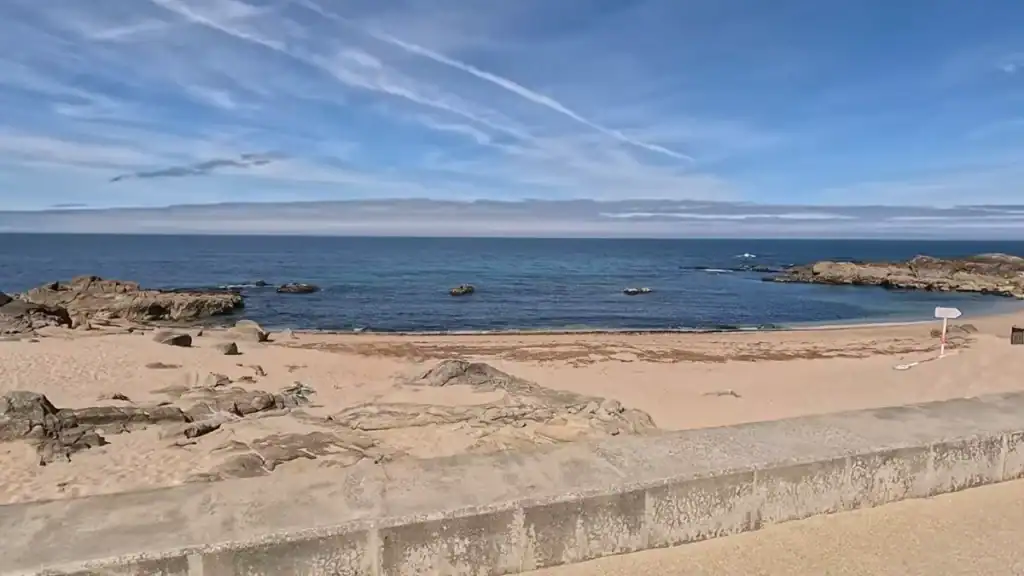
The biggest change we noticed was along the coast. Beach kiosks largely disappeared from the day, lifeguards were no longer part of the seafront and the promenade felt much quieter. Yet a short walk away from the sand corrected any impression that Vila do Conde had shut for winter: the harbour, cafés, markets and historic centre were still part of ordinary local life.
The seafront loses its summer layer first
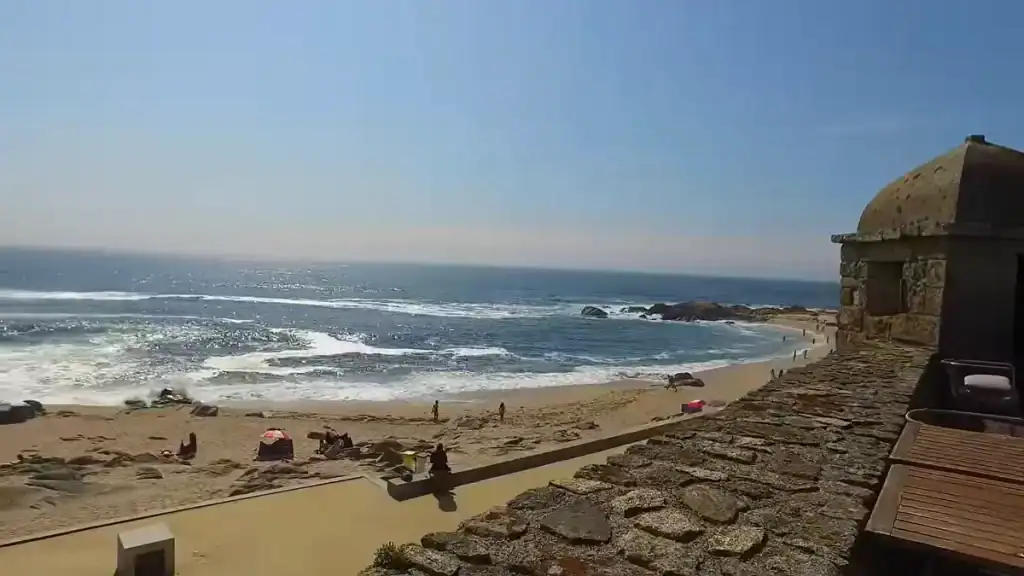
Without beach furniture, seasonal cafés and summer crowds, the Atlantic edge felt wider and more exposed. After rain cleared, that emptiness worked in its favour. We noticed the scale of the beach more, not less, because there was so little competing for attention.
🏖️ Beach: much quieter, with seasonal kiosks mostly closed.
🚶 Promenade: still useful for long coastal walks whenever the weather cooperates.
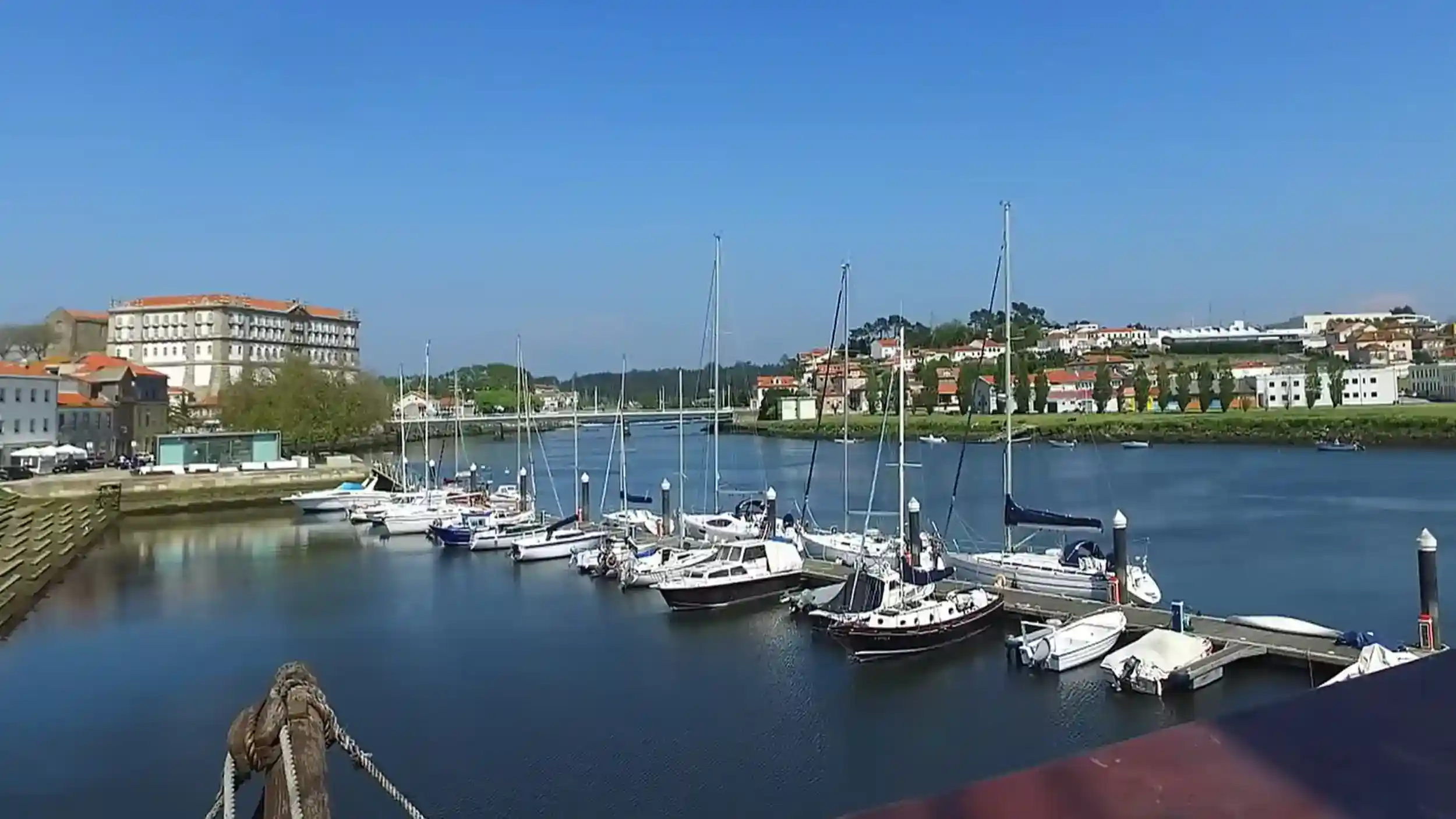
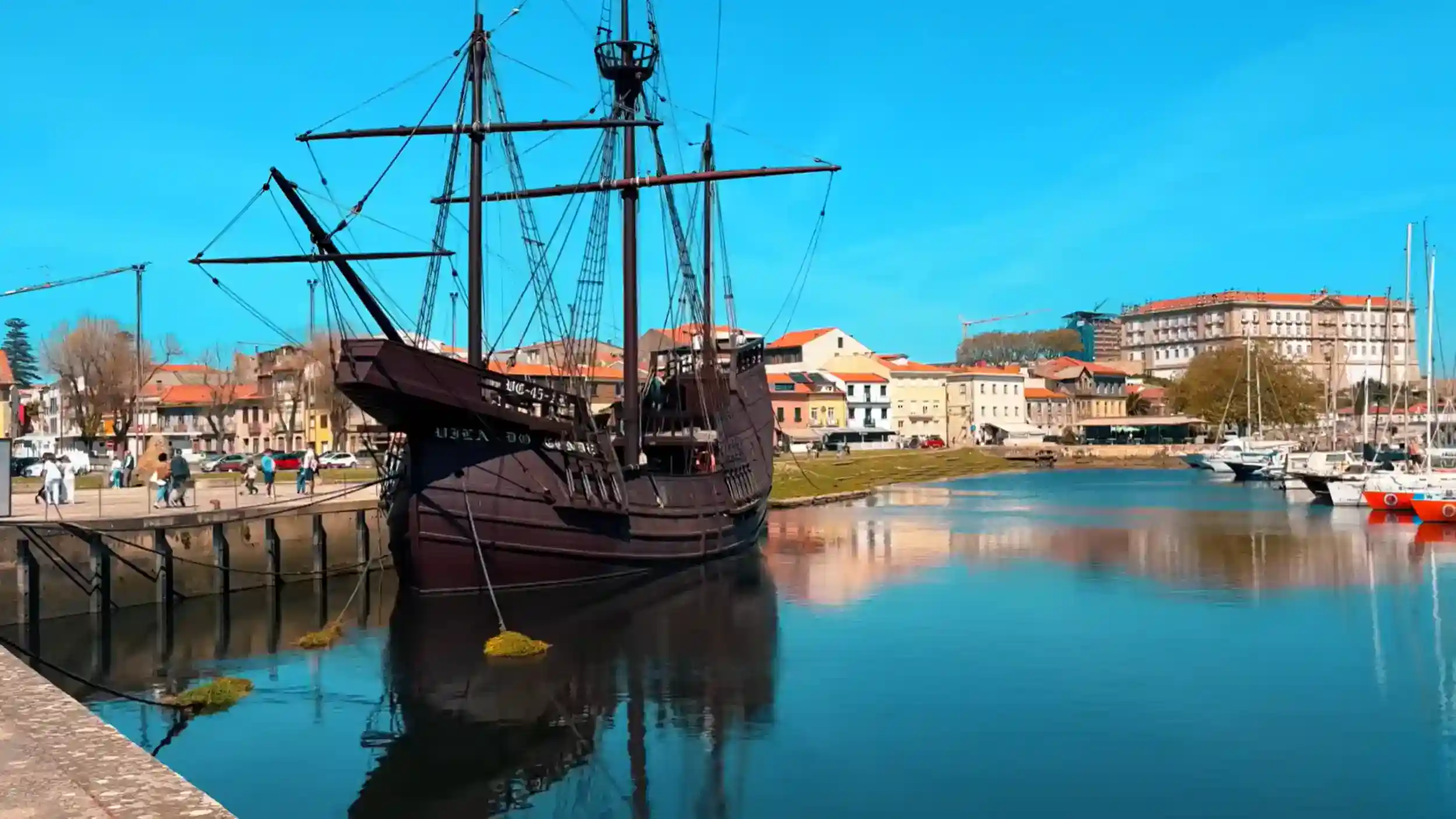
⚓ Harbour: fishing activity continues beyond the visitor season.
☕ Town centre: cafés, shops and resident routines stop Vila do Conde feeling like an abandoned resort.
Resident life becomes easier to see
Away from the beach, the seasonal shift was subtler. The fish market, cafés and Friday market continue, while the historic centre remains part of ordinary daily life. Caxinas made that especially clear, with boats from the fishing community continuing to work through winter conditions.
For us, this was more useful than simply saying the town was “quiet”. Fewer visitors changed what we noticed. The harbour, local cafés and people moving through town for everyday reasons became more prominent because tourism was no longer filling the foreground.
Our guide to Vila do Conde beach looks more closely at the tides, wind and Atlantic conditions shaping the shoreline through the year.

🌦️ What Is the Winter Weather Like in Vila do Conde?
Temperatures are typically around 8°C to 15°C, so the cold itself was not the part that changed our plans most. Atlantic rain, wind and rapidly shifting conditions mattered more. A grey morning did not necessarily mean losing the whole day, but neither could we assume a dry start would last.
| Winter factor | What to expect |
|---|---|
| 🌡️ Temperature | Typically around 8°C to 15°C |
| 🌧️ Rain | Regular Atlantic weather fronts and potentially wet spells |
| 🌊 Sea | Larger swells than in summer |
| 🌅 Light | Quick changes between grey skies and brighter intervals |
Atlantic fronts can redraw the coast within hours
We saw the same stretch of coast change character as the light shifted. Muted green water under cloud could become a much deeper blue when the sky opened, while stronger winter waves gave the shoreline more movement than we would expect in calmer summer weather.
Rain can settle in for several days, so we would not plan a winter trip around guaranteed coastal walking. Instead, we would keep the day flexible. A clear interval is the moment to head for the river or beach rather than saving the coast for a fixed afternoon slot.
🌊 Is Vila do Conde Beach Worth Visiting in Winter?
Yes, if we were going for coastal atmosphere rather than a winter beach holiday. We came to value the shoreline as somewhere to walk, watch the Atlantic and photograph changing conditions rather than somewhere that needed to deliver swimming weather.
That change in expectation matters. Stronger wind or a rougher sea does not automatically ruin a coastal day if you were never expecting to lie on the sand. It may simply change how long you stay and which part of the waterfront makes sense.
🌊 Good winter day: use a dry spell for the promenade, beach or harbour.
📷 Rougher day: the stronger Atlantic can make the coast more visually dramatic.
🏊 Swimming: we would not make it part of the winter plan.
Vila do Conde beach covers how wind, tides and seasonal conditions alter the shoreline beyond the winter months.
🏛️ Is Santa Clara Worth Visiting in Winter?
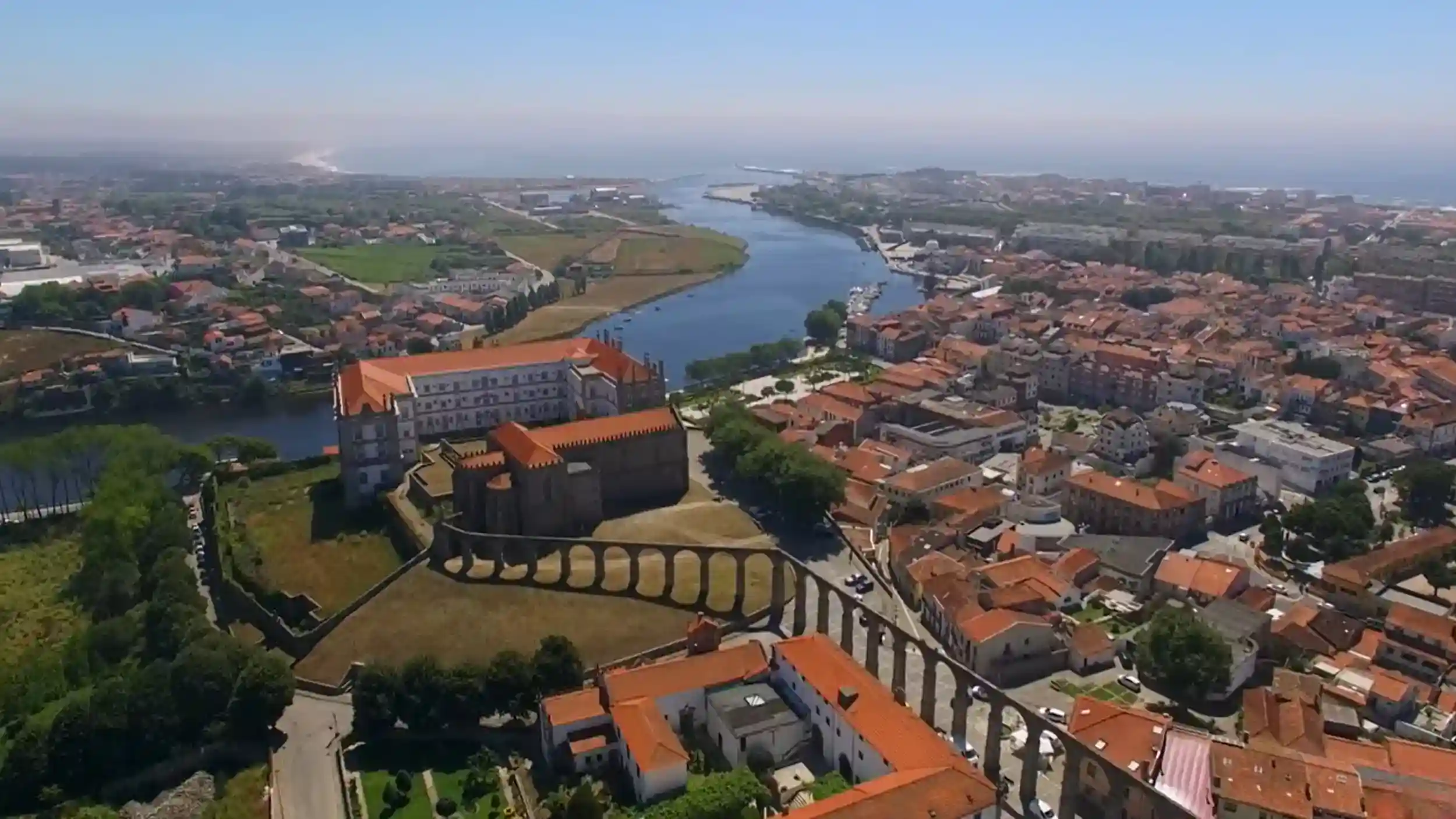
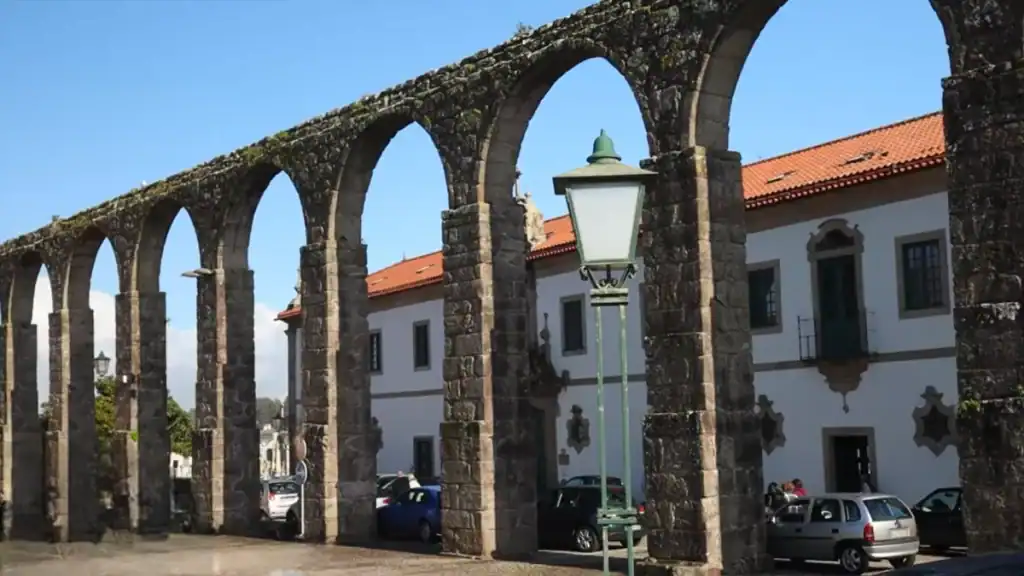
For us, yes. The Aqueduct of Santa Clara and hilltop convent do not rely on seasonal activity, while fewer visitors, wet granite and softer light made the historic setting feel more atmospheric after rain.
Rain changed the detail rather than spoiling it
Following the aqueduct towards the convent, we noticed how wet weather darkened the granite and made the moss along the arches more vivid. It was a small visual change, but one that suited the structure surprisingly well.
The short uphill walk also gave us a different perspective on Vila do Conde. From the higher ground, attention shifts across the Rio Ave, harbour and Atlantic, tying together parts of the town that can feel separate when explored at street level.
The quieter setting gave us more time to look
The convent itself does not become a different attraction in winter. What changes is the space around it. With fewer people about, we found ourselves looking longer along the aqueduct and out across the town rather than simply reaching the landmark and moving on.
For the architecture and history rather than the seasonal experience, Santa Clara Monastery and Aqueduct covers the site in greater depth.
🏪 What Stays Open in Vila do Conde During Winter?
We found that businesses serving residents generally kept Vila do Conde functioning through winter: restaurants, cafés, shops, the fish market and Friday market remained part of town life. The places we would be more careful about relying on were seasonal beach businesses and smaller visitor attractions, where closures or reduced hours were more likely.
Closures are concentrated around visitor season
The distinction became fairly simple once we stopped thinking of Vila do Conde as a beach resort. Businesses tied closely to summer are the vulnerable ones. The infrastructure of a working town remains.
Usually part of winter life: town cafés, shops, the fish market, Friday market and year-round public spaces.
More likely to change: beach kiosks, seasonal cafés and smaller visitor attractions.
Worth checking: museums or any attraction you specifically want to enter, as winter hours may be reduced.
The beach, promenade, aqueduct, riverside and historic centre do not depend on opening hours, which gives a winter visit some resilience when plans change. The metro from Porto also continues to run.
Our main Vila do Conde guide shows how the beach, harbour and historic centre fit together on a first visit.
🧥 What Should You Pack for Vila do Conde in Winter?
We would prioritise layers, a genuinely waterproof outer layer, practical shoes and wind protection rather than pack for severe cold. With temperatures typically around 8°C to 15°C, staying comfortable was more about handling rain and an exposed Atlantic breeze while moving between the town, river and seafront.
🧥 Layers
A warm mid-layer beneath a weatherproof outer layer gives more flexibility than one very heavy coat when conditions change through the day.
🌧️ Waterproof outerwear
Regular Atlantic rain makes a genuinely useful waterproof more important than dressing only for the temperature.
👟 Practical footwear
Choose shoes you are happy wearing on wet pavements and longer riverside or coastal walks.
💨 Wind protection
The seafront can feel colder than the temperature suggests when the Atlantic breeze strengthens.
The aim is not to pack for severe winter. It is to avoid having a perfectly manageable day cut short because rain or wind caught you with the wrong outer layer.
⭐ Is Vila do Conde Worth Visiting in Winter?
We think Vila do Conde is worth visiting in winter for travellers who enjoy working coastal towns, quiet walks, local life and Atlantic scenery without needing dependable sunshine. It is less convincing for anyone whose main reason for coming is swimming, beach cafés or a reliably dry outdoor break.
The season removes some obvious attractions, but it also makes the town easier to understand. Without the summer layer, we paid more attention to fishing boats, wet granite, changing sea light and the way the historic centre connects with the river and coast.
Weather remains the deciding compromise. A run of rain can restrict what you do, and some seasonal businesses will be closed. Yet Vila do Conde has enough year-round life that a wet morning does not make the whole visit pointless.
For us, that is the winter appeal. We would not choose Vila do Conde to escape winter. We would choose it to experience an Atlantic town when winter is allowed to be part of the place.