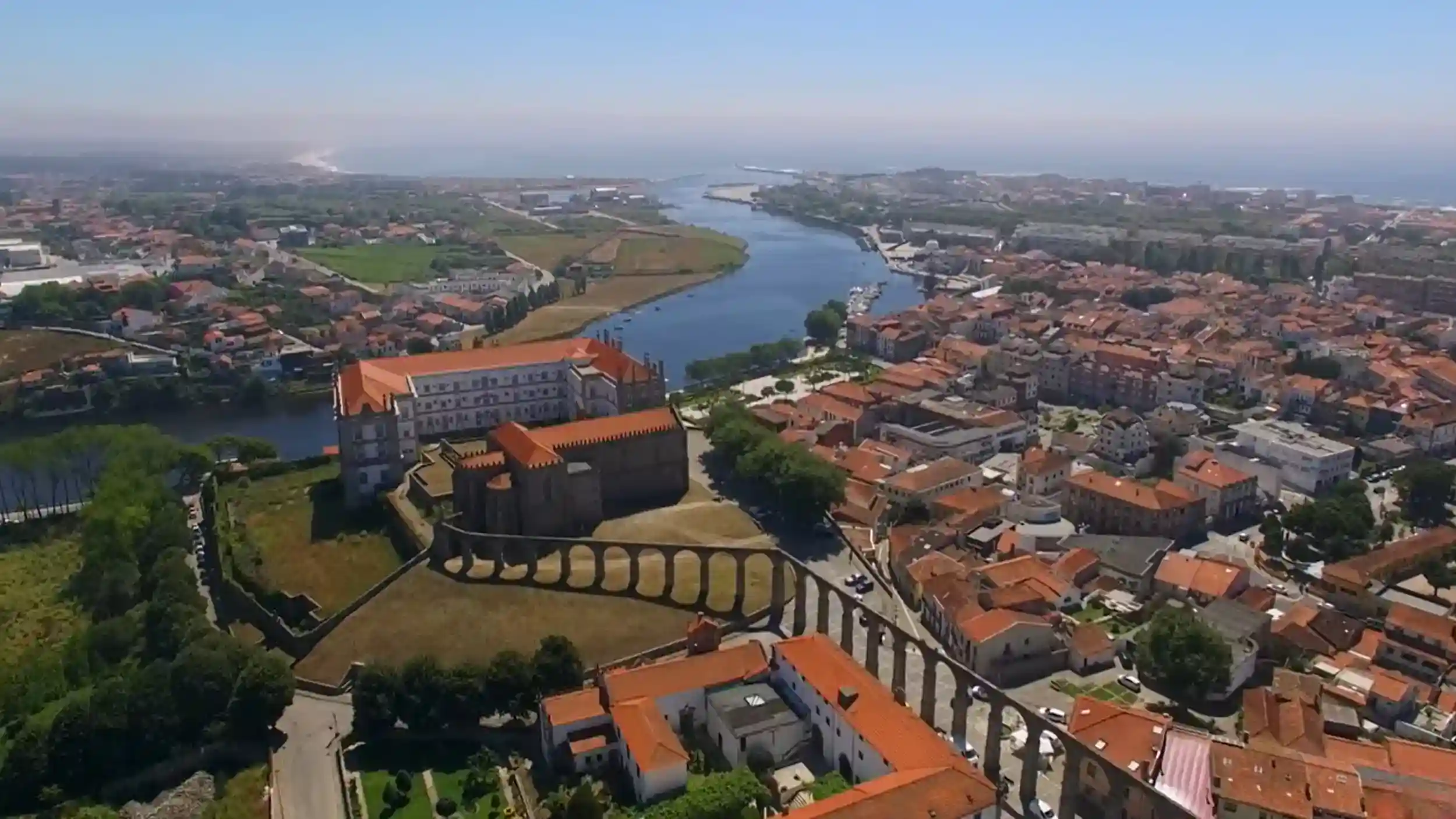
The Monastery of Santa Clara sits on the hill above the Rio Ave in Vila do Conde, around a fifteen-minute walk from the historic centre. Founded in 1318, it is the town’s most important historic landmark, while its aqueduct stretches for around four kilometres across the surrounding landscape. We found the setting almost as revealing as the building itself.
The visit made more sense once we stopped treating the monastery, aqueduct and viewpoint as separate sights. The climb showed us how the water system reached the hill, and the panorama at the top finally pulled the river, old town and Atlantic into one picture.
⛰️ What Can You See From the Monastery of Santa Clara?
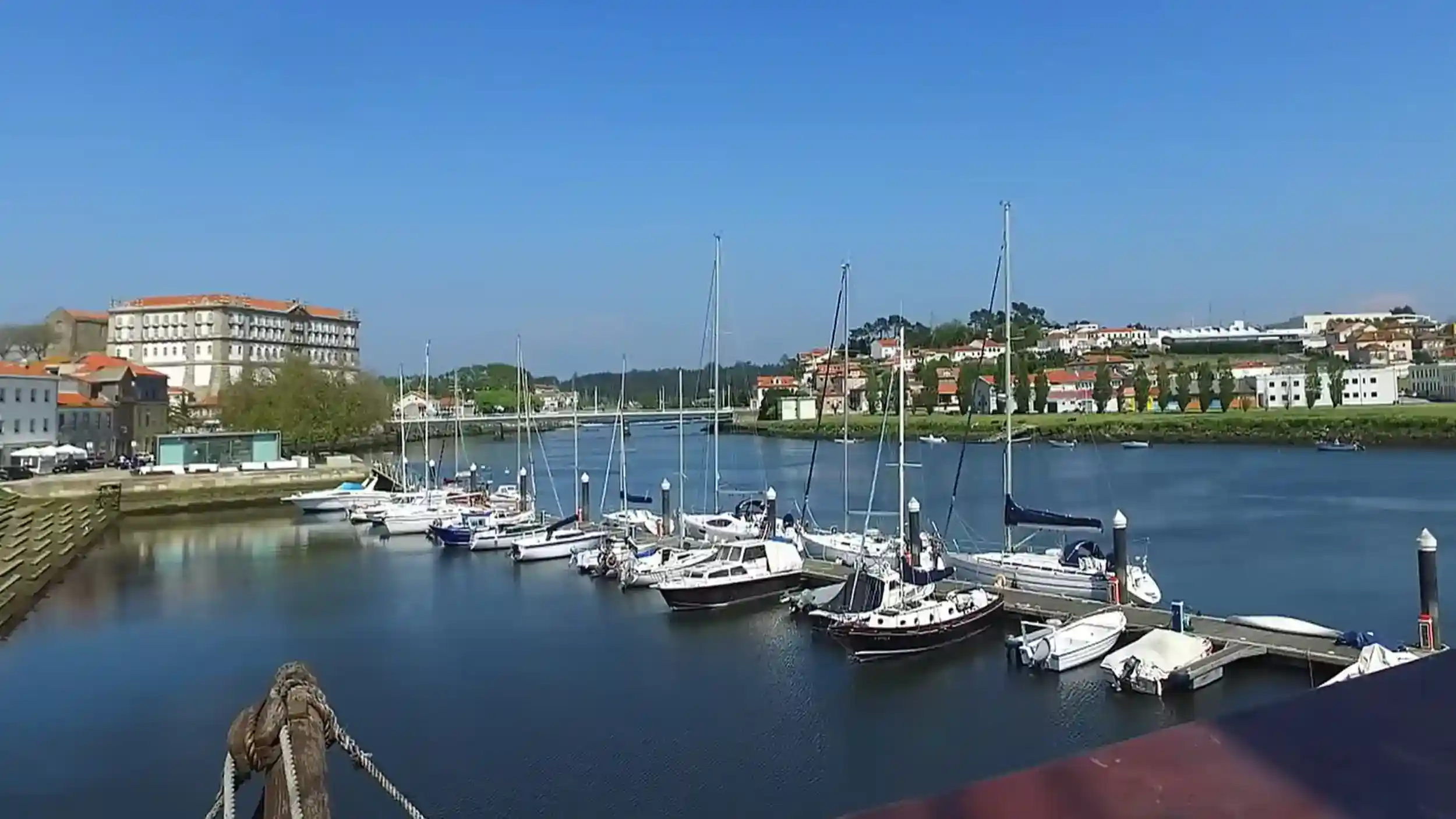
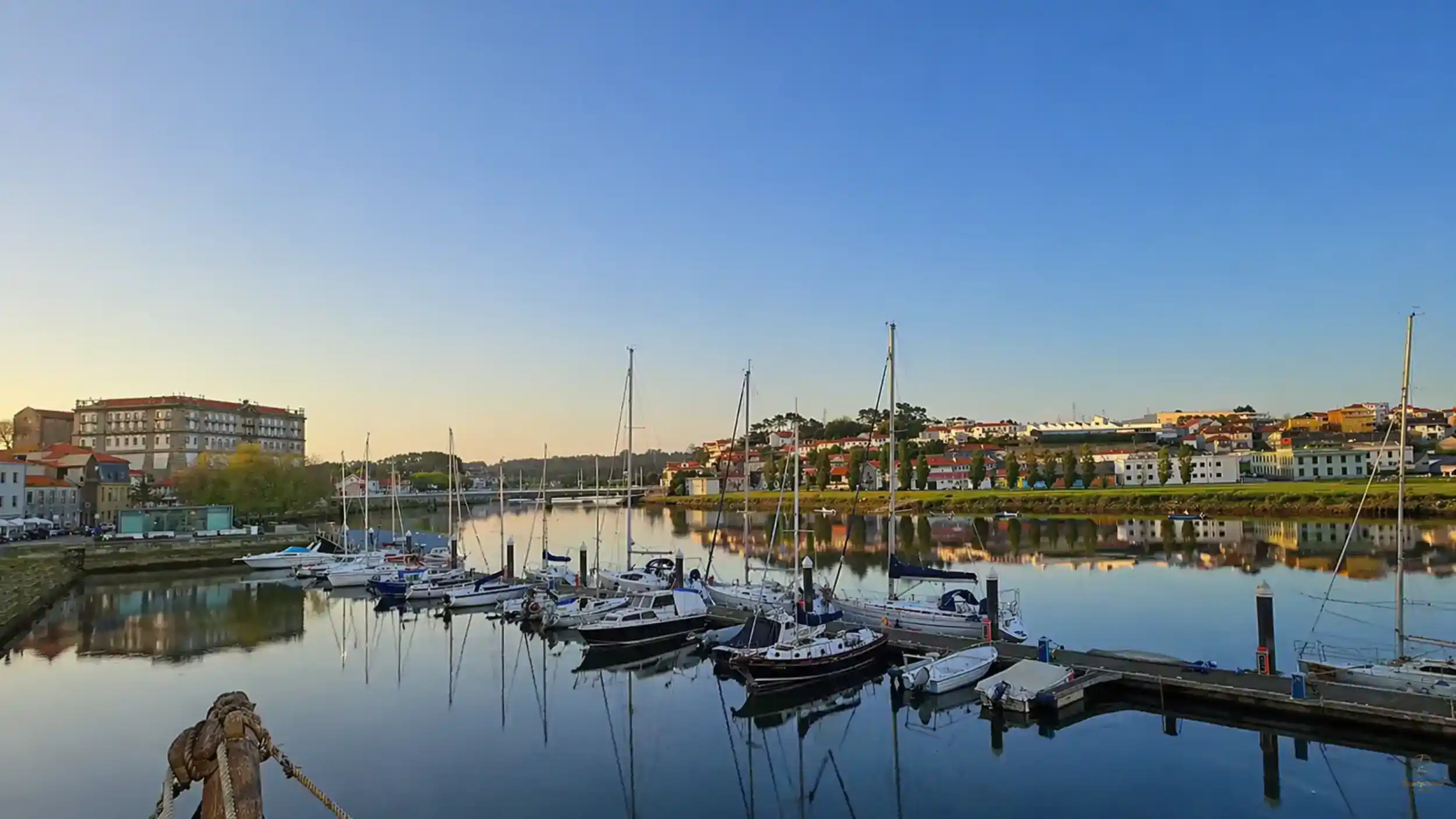
The historic centre, Rio Ave and Atlantic all came into view from the hill, which was more than we had expected from a climb that never felt especially high. Following the river towards its mouth from above also made the shape of Vila do Conde much easier for us to understand.
The viewpoint is useful because it explains the geography
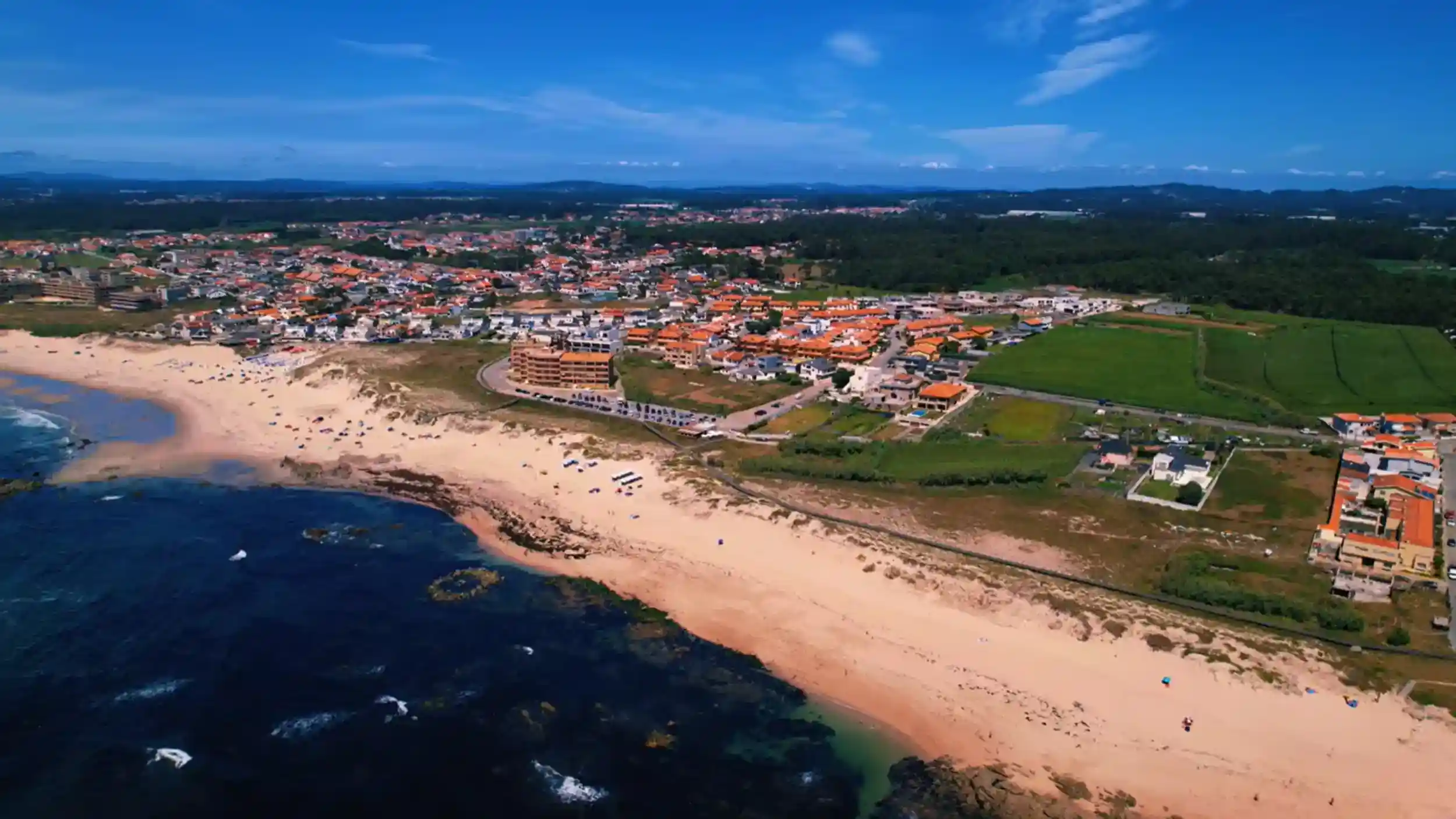
For us, the value was not simply having a high place to take photographs. Looking down, we could see older streets converging towards the river before the town opened onto the estuary and Atlantic. The coastline, dunes and offshore surf lines became much easier to place from above.
🌊 Looking towards the coast: the Rio Ave leads the eye towards its Atlantic mouth.
🏘️ Looking down: the historic centre clusters beneath the hill.
🌲 On a clear day: dunes, pine-backed coastline and open sea extend beyond the town.
That strategic view was being used long before the monastery existed. A castro occupied the hill above the river centuries earlier, which changed the way we read the site. Successive generations had recognised the same geographical advantage. Our wider Vila do Conde guide shows how the hilltop fits into the rest of the town.
🏛️ What Is There to See at the Monastery of Santa Clara?
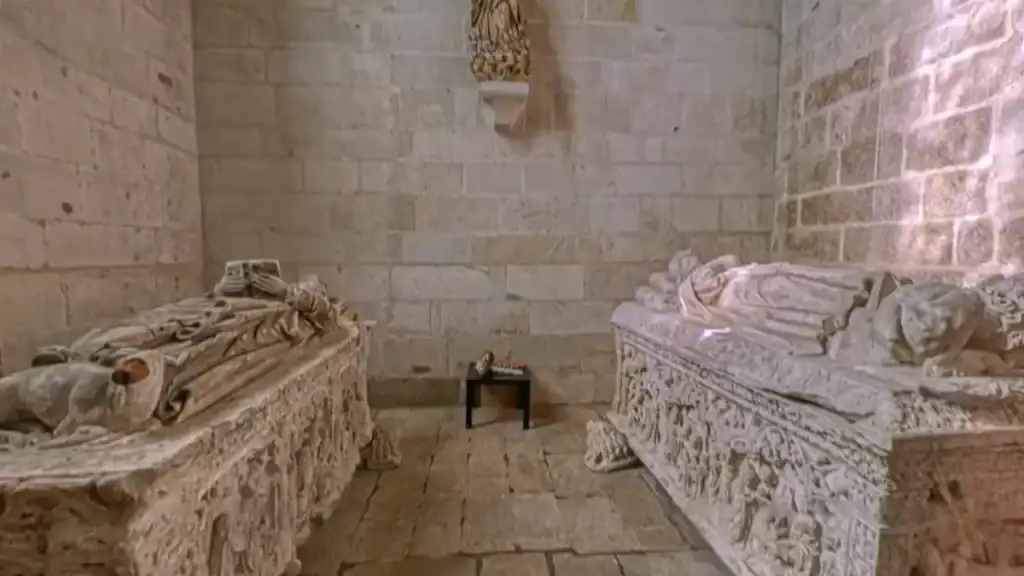
We found more than one neat architectural period waiting at the top. The monastery was founded in 1318 and expanded over several centuries, leaving its Gothic origins alongside later Manueline, Baroque and Rococo additions. Inside the church, the founders’ tombs provide the most direct link with the medieval beginning of the complex.
Inside the church are the tombs of founders Afonso Sanches and Teresa Martins, while the adjoining buildings show how the convent grew over hundreds of years. The result felt less like a single preserved monument and more like a place altered repeatedly as its role and scale changed.
| Feature | What it adds |
|---|---|
| ⛪ Gothic church | The medieval core of the complex |
| 🪟 Rose window | West-facing detail above the town |
| ⚰️ Founders’ tombs | A direct link with the 14th-century foundation |
| 🏛️ Later convent buildings | Evidence of centuries of expansion |
Interior access is the practical complication
The monastery is not always a simple fully open attraction. Interior access can vary while restoration and conversion work continues, so we would check current access before making the inside of the complex the sole reason for visiting.
That did not make the visit pointless for us. The churchyard, surrounding grounds, aqueduct and hilltop setting still gave the site a clear purpose even when access was limited. The natural starting point is the historic centre, where the short climb begins.
💧 Why Does Santa Clara Have Such a Long Aqueduct?
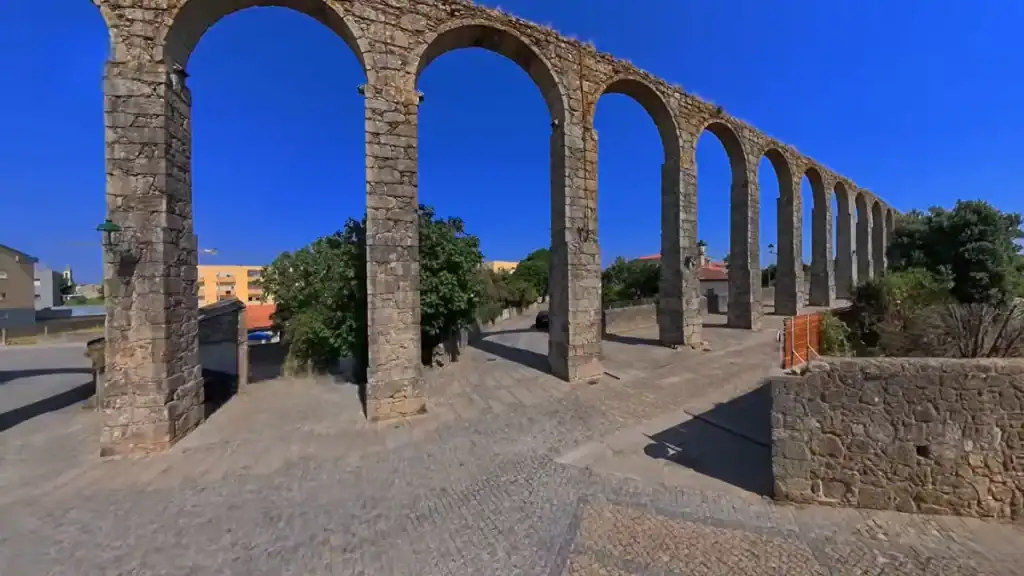
The monastery’s hilltop position left it with a practical problem we had not really considered until we followed the arches: its water supply had to travel several kilometres. The aqueduct solved that by carrying spring water from Terroso to the convent by gravity.
An earlier attempt failed because the natural gradient was insufficient. Construction resumed in 1705 and was completed in 1714, eventually creating a route of around four kilometres. The aqueduct is traditionally said to have contained 999 arches.
The engineering became easier to understand once we followed it
The aqueduct no longer carries water, yet large surviving sections still run through Vila do Conde. We kept encountering arches away from the monastery, which made the distance involved much more tangible than simply reading the figure.
Once the gradient is understood, the relationship between the two landmarks becomes much clearer. The arches are not decorative neighbours to the convent. They are the remains of the system that made sustained life on the hill possible.
The stone also changes visibly with the seasons. Vila do Conde in winter shows how rain, wet granite and moss alter the appearance of the surviving arches.
🚶 How Do You Walk to Santa Clara From Vila do Conde?
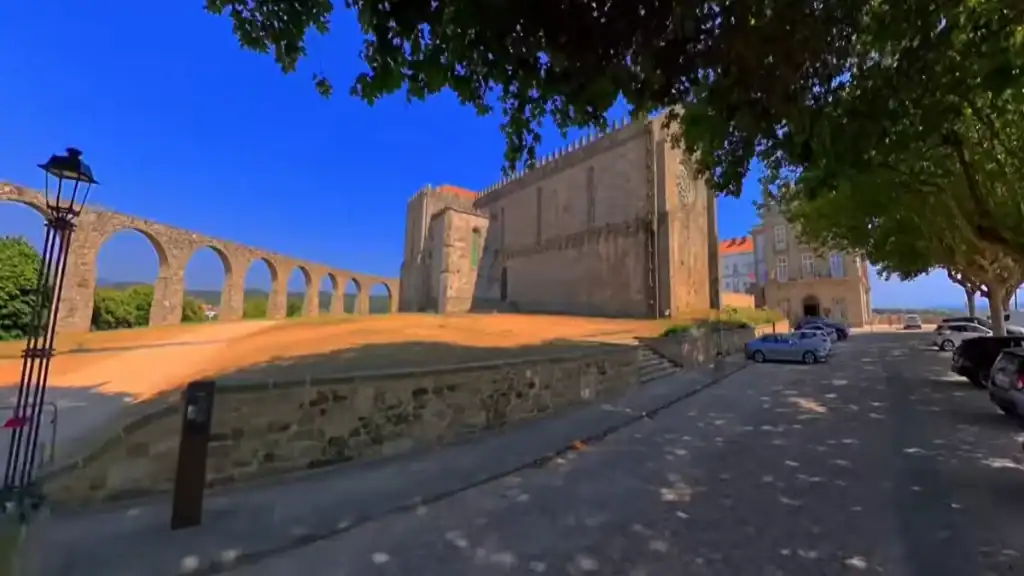
We started in central Vila do Conde and walked uphill for around fifteen minutes, following a steady rather than severe climb. Sections of aqueduct began appearing beside the residential streets before the full monastery complex came into view, which was why we preferred walking to arriving by car.
That sequence was useful because it turned the approach into part of the explanation. We began seeing arches between houses, then watched the water route gradually align with the monastery above. Arriving by car would have delivered us to the landmark faster but removed much of that context.
🏘️ Start: the historic centre and lower streets.
🏛️ On the way: aqueduct arches begin appearing beside residential roads.
⛰️ The climb: around fifteen minutes on foot, steady rather than severe.
⛪ Finish: the monastery and elevated views open up together.
By the time we reached the top, the lower streets, aqueduct and hilltop no longer felt like separate sights. That was the main reason the short walk earned its place in the visit.
🌄 When Is the Best Time for the Santa Clara Viewpoint?
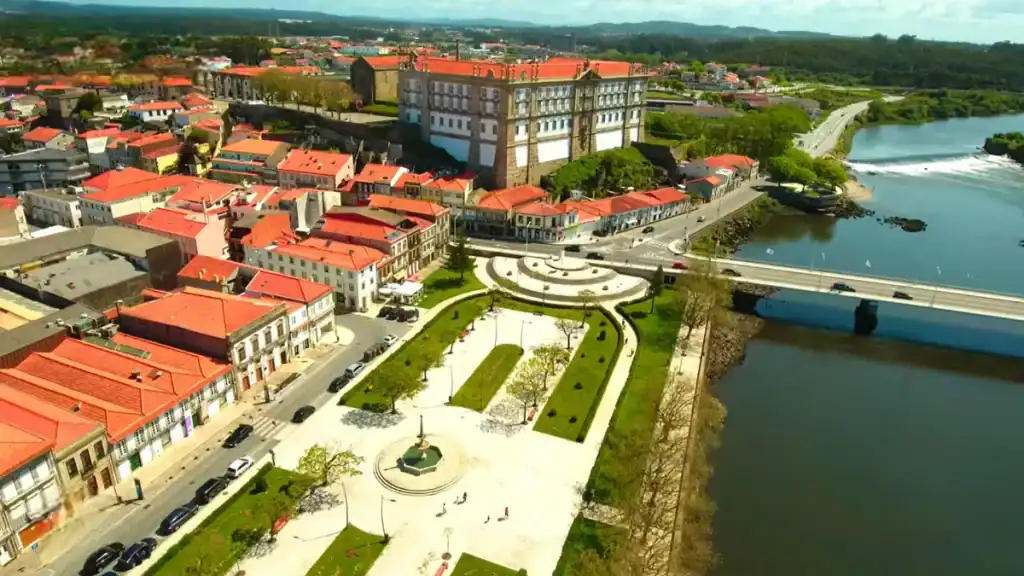
We would choose the clearest part of the day if seeing the Atlantic is important, although the viewpoint still worked for us when the weather was less perfect. The Rio Ave, historic centre and coastline sit within the same panorama, revealing connections that were much harder to appreciate while we were walking at street level.
On a clear day, the Atlantic is visible beyond the rooftops while the river draws the eye naturally towards the coast. Looking inland, surviving sections of aqueduct can still be traced through the residential edge of town, reinforcing how far the water supply once travelled.
Clear weather extends the view, but it is not essential
We would choose the clearest part of the day if the panorama is a priority. Clear skies open the view towards the Atlantic; lower cloud shifts attention back to the rooftops, Rio Ave and historic centre. Either way, the hill helped us understand the waterfront better.
Our Vila do Conde harbour guide follows that same river-to-Atlantic relationship at ground level.
⭐ Is the Monastery of Santa Clara Worth Visiting?
Yes, particularly if you approach Santa Clara as more than an interior historic attraction. The strongest part for us was the combination of history, aqueduct, climb and viewpoint. Together they explain why this hill mattered and how it connects with the rest of Vila do Conde.
The main limitation is access. Because interior opening can vary, we would not assume every part of the monastery will be available on the day. That matters most if your interest is specifically the inside of the convent rather than the wider site.
We would allow roughly an hour for the wider Santa Clara stop once at the hill, then add the fifteen-minute walk each way if approaching from the centre. The exact time can stretch if interior access is available or if, like us, you spend longer following the aqueduct and looking over the town from the viewpoint.
For us, the short climb was enough to justify making Santa Clara part of a wider Vila do Conde walk. Even with limited interior access, the hill still gave us one of the clearest explanations of the town we found anywhere.