Vila do Conde beach is worth visiting if you like wide Atlantic beaches, long shoreline walks and plenty of open space more than sheltered swimming or a polished resort atmosphere. Around 30 minutes north of Porto by car, the coast combines broad sand, rocky outcrops and a long esplanade, but wind, tide and Atlantic conditions can change the experience noticeably through the day.
That variability was what stayed with us. We could walk the same stretch in the morning and find it altered a few hours later, with more rock exposed, a narrower strip of sand or a breeze strong enough to make sitting still less appealing. Vila do Conde beach worked best once we stopped expecting the Atlantic to behave predictably.
🏖️ What Is Vila do Conde Beach Actually Like?
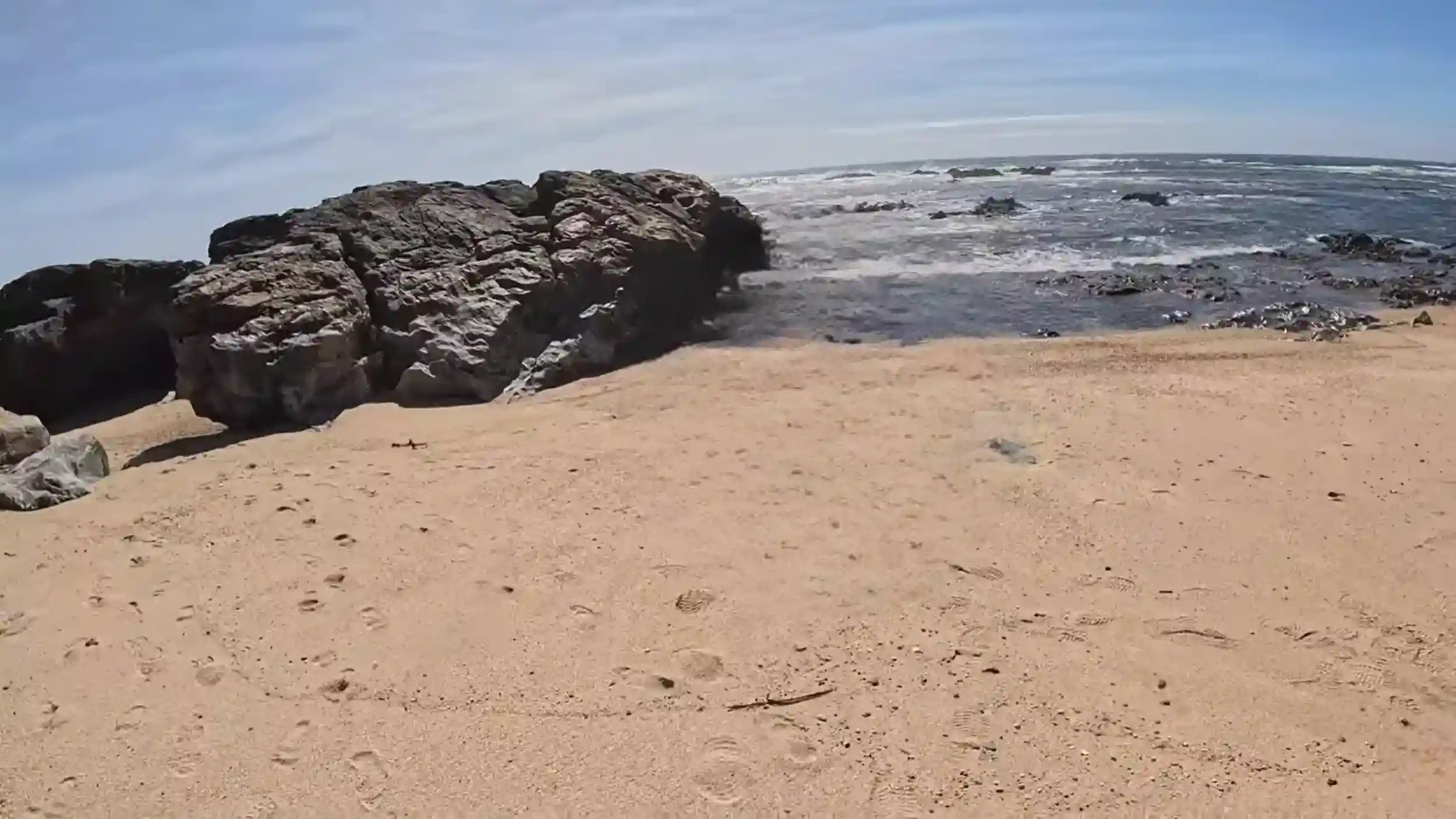
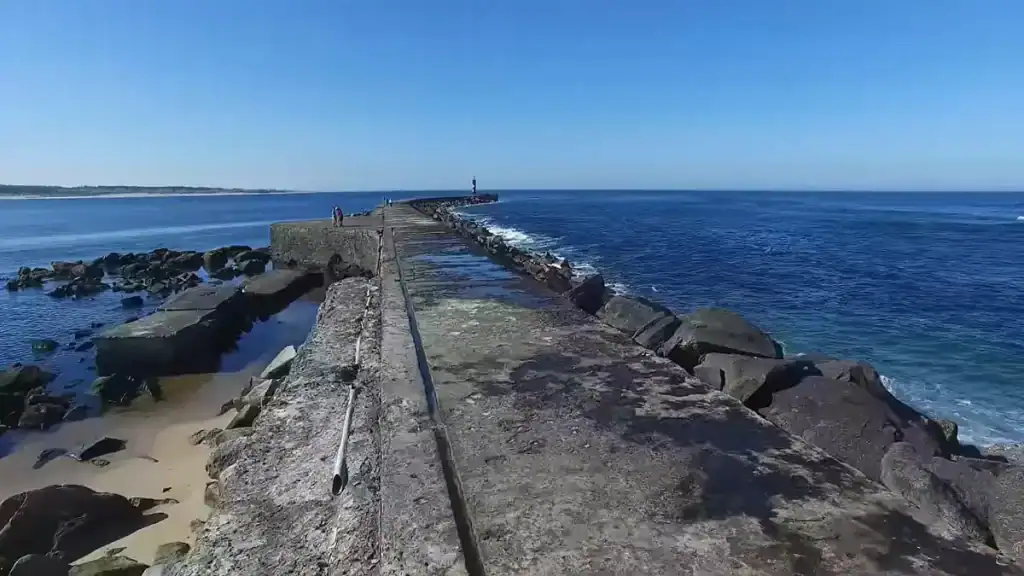
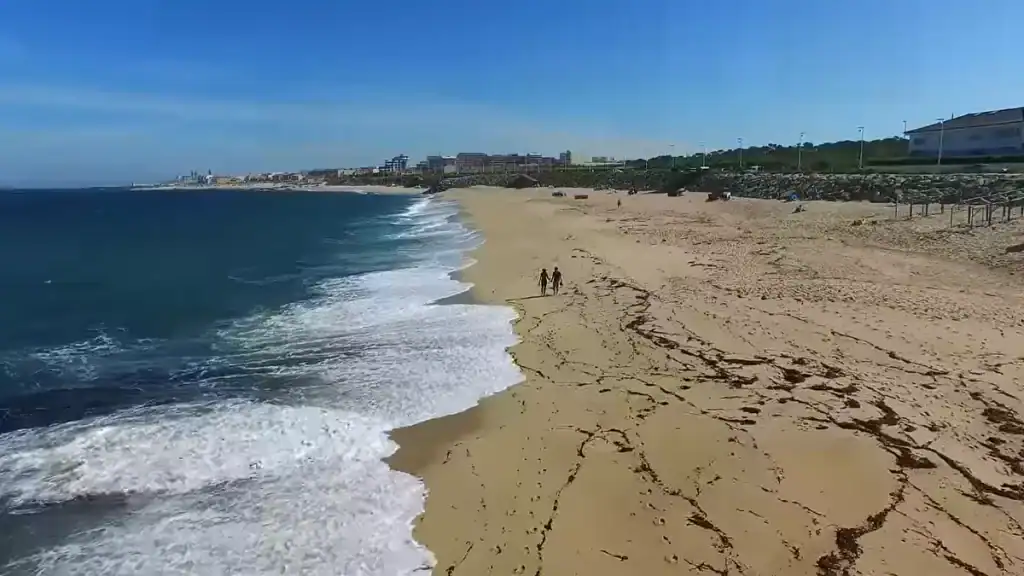
Scale was our first impression. The beach is flat, broad and directly exposed to the Atlantic, without the enclosed feeling of a sheltered bay. North of the Rio Ave, several named beaches run into one another, while rocky outcrops repeatedly interrupt the sand and stop the coastline feeling monotonous.
The shoreline kept changing as we walked
Praia Azul, Praia do Forno, Praia da Ladeira and Praia da Senhora da Guia felt less like four separate destinations than different sections of one long Atlantic shoreline. We would walk across open sand, reach another rocky interruption, then find the beach widening again beyond it.
🏖️ North of the river: long sandy sections, rocky outcrops and easy access to the esplanade.
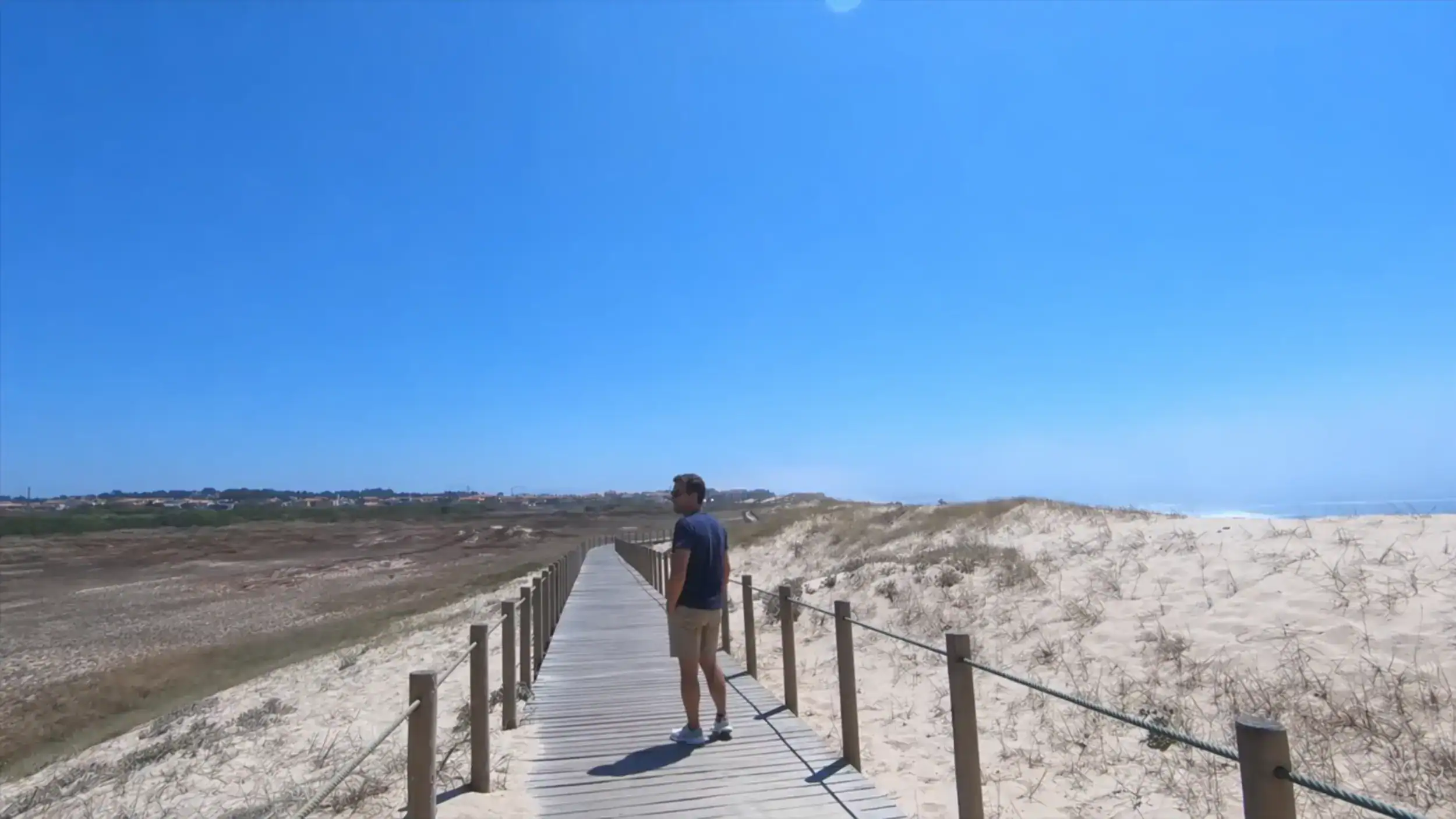
🌾 South towards Azurara: finer sand, lower dunes and a noticeably quieter feel.
🚶 Best for us: walking, watching the Atlantic and having enough space to keep moving rather than settling in one spot all day.
That distinction matters. We enjoyed the coast as much for walking and watching the sea as for conventional beach time. Anyone looking primarily for calm water and sheltered sunbathing may judge it differently.
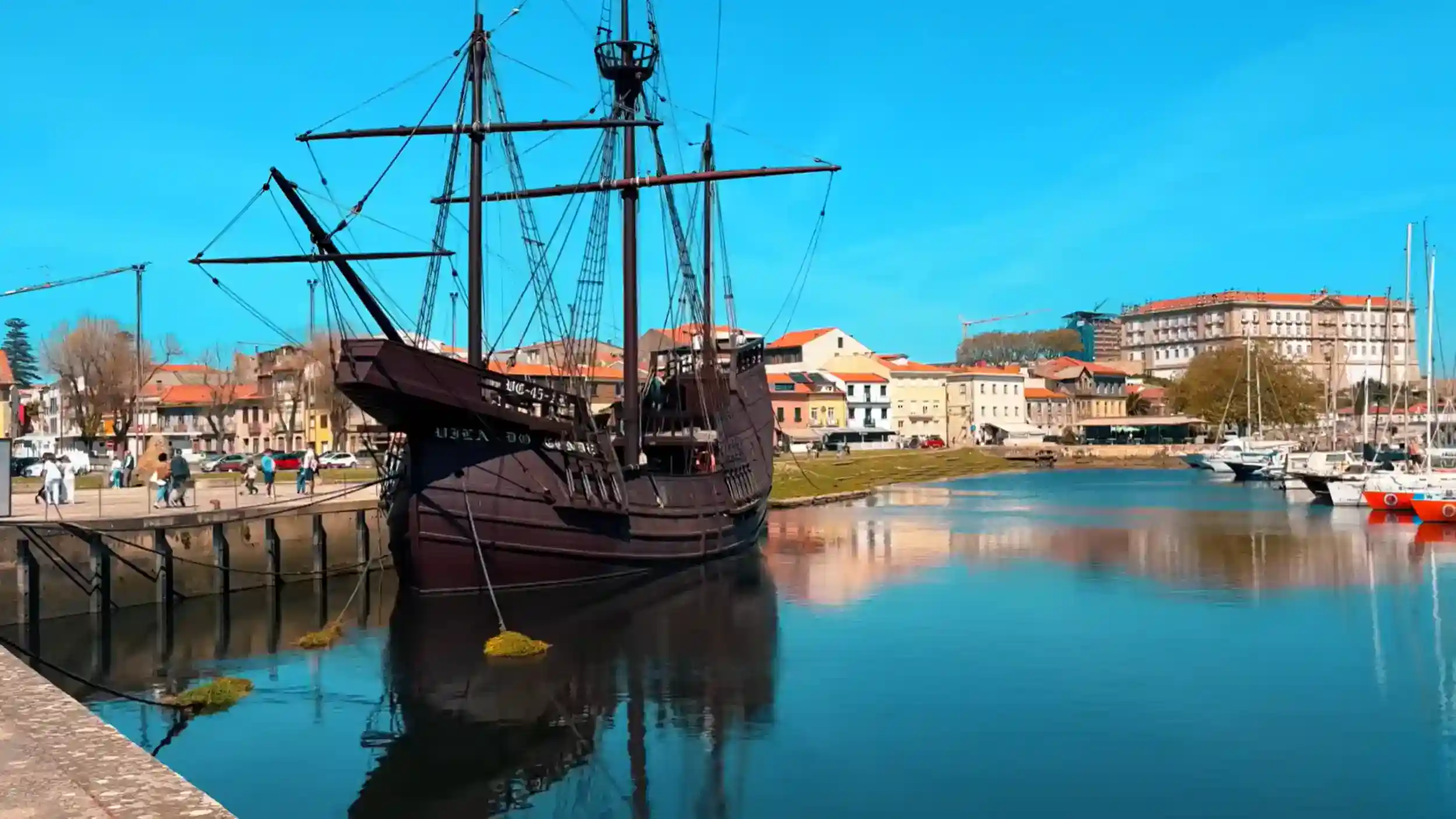
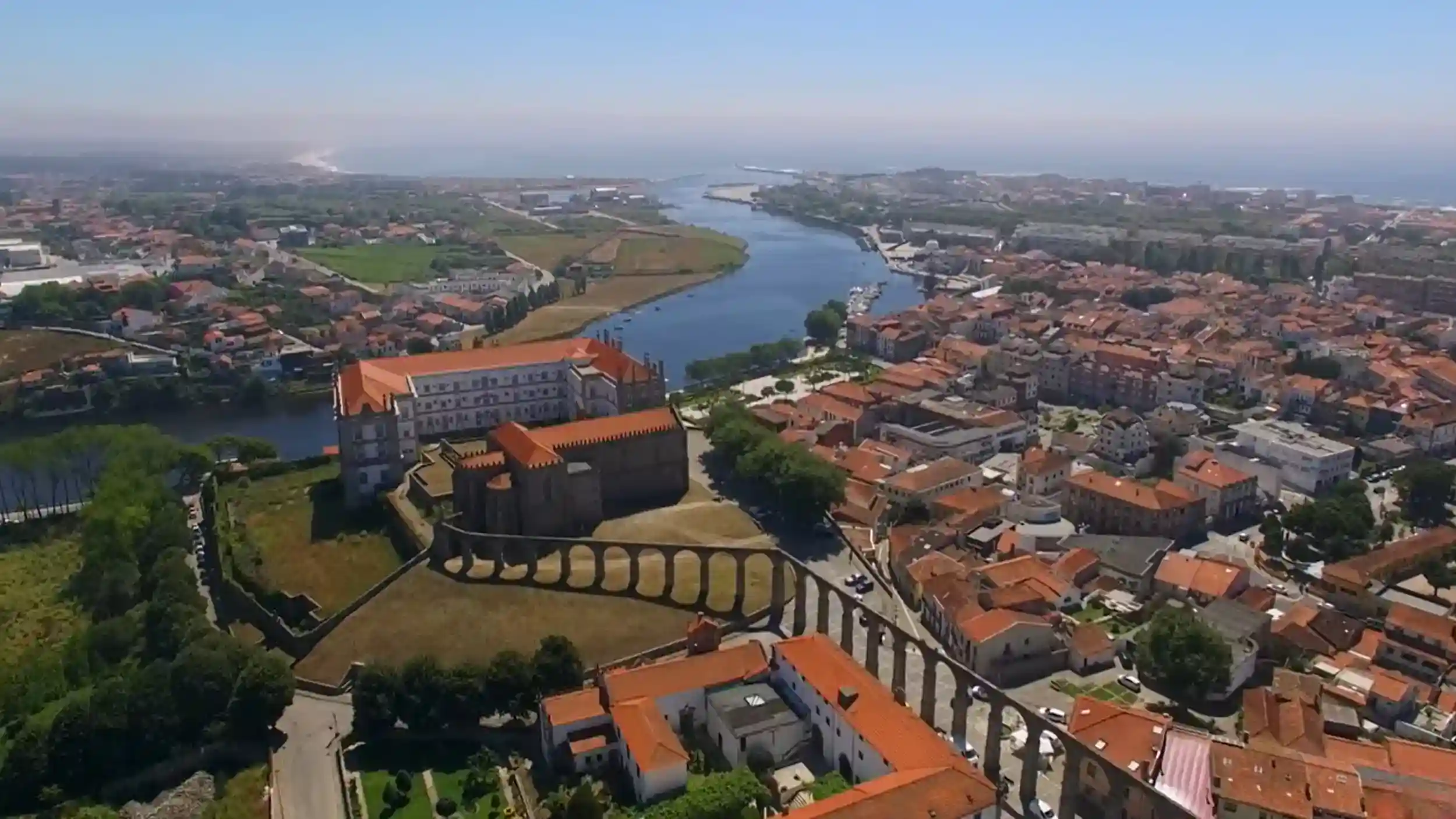
Vila do Conde: What This Atlantic Town Actually Feels Like explains how the beach connects with the harbour, Rio Ave and historic centre rather than functioning as a separate resort strip.
🌊 How Does the Tide Affect Vila do Conde Beach?
At low water, broad areas of damp sand, rocks and shallow pools appeared along the shoreline, giving us more room and a firmer surface for walking. As the Atlantic returned, much of that lower beach disappeared and some sections suddenly felt more confined. The difference was greater than we had expected.
Low tide gave us the beach we preferred
With the water out, walking became easier and the true scale of the coastline was much more obvious. Firm sand gave us a natural route along the shore, while exposed rocks broke up the otherwise straight Atlantic edge.
🌊 At high tide
The usable beach narrows and fewer rocks remain exposed.
🪨 Around low tide
More sand, rock and shallow tidal areas become accessible.
👟 For a long walk
We would check the tide and aim for falling or low water rather than arrive without looking.
That is a small planning decision, but it changes the experience. Had our first visit coincided only with high water, we would probably have come away with a narrower impression of the beach.
💨 Is Vila do Conde Beach Good for Swimming?
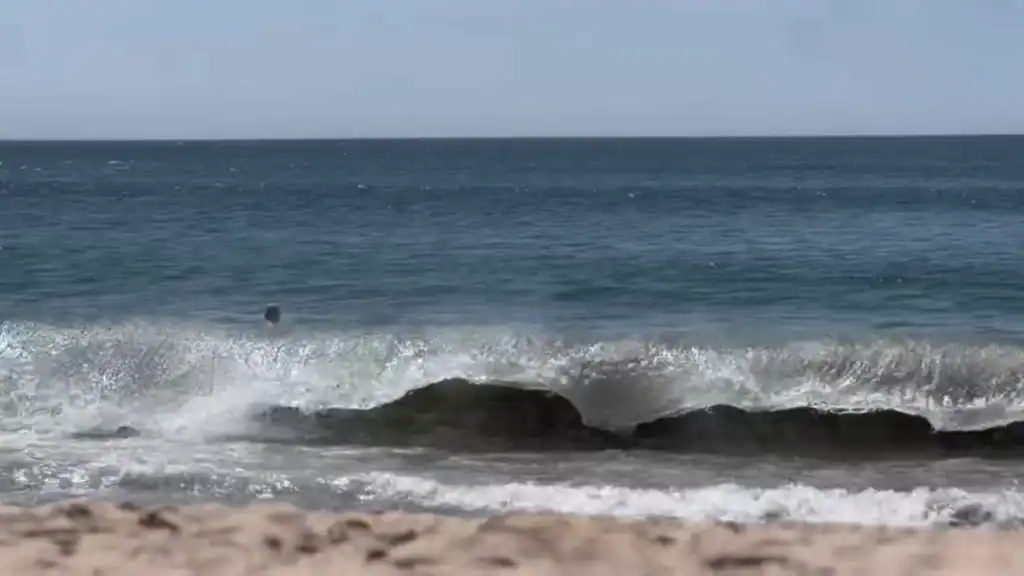
It can be good for swimming on calmer summer days, but we would never arrive assuming the conditions would suit it. There is little shelter from the Atlantic, and we found the wind affected more than comfort on the sand: it changed how rough the water looked and whether getting in seemed inviting at all.
A pleasant morning did not guarantee the same afternoon
The exposed setting means conditions deserve more attention than they might on a protected beach. Some breeze felt like part of the place rather than an occasional inconvenience, and the cool Atlantic water reinforced that sense of exposure.
For sitting on the sand, stronger wind could shorten our beach day. For walking, photography or surfing, the same conditions were much less of a problem. That is why describing Vila do Conde simply as “windy” misses the more useful question: what are you hoping to do there?
We would swim, but only when the Atlantic looked right
Vila do Conde beach can be good for swimming during calmer summer conditions, and lifeguards supervise the main bathing areas in season. We would still judge the water when we arrived rather than assume an Atlantic beach would be comfortable simply because the weather was warm.
🏊 Swimming: best suited to calmer summer days.
🏄 Surfing: the Atlantic swell makes the exposed coast useful beyond conventional beach weather.
🌡️ Water: expect the sea to feel cool even in summer.
Outside the main bathing season, walking the shore would be our default plan. If the sea happened to cooperate, swimming would be a bonus rather than something we had built the whole visit around.
📅 What Is the Best Time to Visit Vila do Conde Beach?
We would choose late spring or early autumn for the kind of beach day we enjoyed most: long walks, softer light and fewer people without needing to spend hours in the water. Summer makes more sense if swimming is the priority because it brings the warmest beach weather and supervised bathing.
| Season | What changes |
|---|---|
| ☀️ Summer | Warmest weather, lifeguards and the busiest beach period |
| 🌸 Spring | Quieter sand and comfortable conditions for walking |
| 🍂 Autumn | Fewer visitors with the Atlantic still central to the experience |
| ❄️ Winter | Peaceful shoreline and more dramatic coastal conditions |
Even in July and August, the width of the shoreline gives Vila do Conde more breathing room than a small resort beach. The trade-off is that summer does not remove its Atlantic character. Wind and cool water remain part of the equation.
Late spring or early autumn would bring us back
Those shoulder seasons suit what we liked most: enough comfort to spend a long time outside, fewer people and no pressure to judge the day by how many hours we spent swimming. Summer would be our choice only if getting into the water mattered more.
For the quietest version of the same coast, Vila do Conde in Winter: Quiet Coast, Resident Life looks at what happens when local walkers and surfers become more noticeable than conventional beachgoers.
🏘️ Is It Better to Stay Near the Beach or in Vila do Conde Centre?
We would stay closer to the centre because we preferred being able to move between the historic streets, Rio Ave, harbour and Atlantic rather than building the whole stay around the sand. Staying near the beach makes more sense when morning walks, surfing or maximum time beside the sea are the priority.
The decision is easier because the two areas never felt genuinely separate. Vila do Conde is compact enough that choosing the town does not mean giving up the beach, while choosing the seafront still leaves the historic centre within reach.
🌊 Stay near the beach if: morning walks, surfing or maximum time beside the Atlantic are the priority.
🏛️ Stay in town if: you want restaurants, historic character, the river and beach to form part of the same trip.
We would choose the second option. The coastline became more interesting once it was part of Vila do Conde rather than the only reason for being there.
🚗 Is Vila do Conde Beach Worth the Trip From Porto?
Yes, particularly if you want a coastal break from Porto without needing a conventional resort. Vila do Conde is around 30 minutes north of the city by car, making the beach close enough for a day trip while still offering a noticeably different Atlantic atmosphere.
We would make the journey for the combination rather than the sand alone. The tide gives the shoreline different personalities, the wind keeps the Atlantic present and the esplanade makes it easy to continue walking even when sitting on the beach stops being appealing.
That also explains who may be disappointed. If your ideal beach means consistently calm water, shelter from the wind and a resort built around sunbathing, Vila do Conde would not be our first recommendation. If you prefer space, movement, changing conditions and a beach that still feels connected to a real town, its exposed character becomes the reason to visit.
Vila do Conde: What This Atlantic Town Actually Feels Like gives the wider picture if you are deciding whether to make the coast part of a Porto itinerary.