
The Old Man of Coniston is a striking fell in England’s Lake District, popular with hikers and nature enthusiasts. Offering panoramic views of Coniston Water and surrounding landscapes, it combines natural beauty with a sense of adventure. Exploring the Old Man of Coniston provides an unforgettable experience filled with scenic vistas and outdoor challenge.
👀 At a Glance:
- 🗓️ Best time: May to September for stable weather and long daylight hours
- ⏰ Duration: 2.5-3 hours direct route, 5-6 hours circular walk
- 🎯 Must-see: Low Water tarn halfway up for photos and rest
- 💡 Insider tip: Park at Walna Scar car park to save 3km walking
- 🥾 Physical difficulty: Moderate to challenging with steep, rocky sections
🏔️ What is the Old Man of Coniston Lake District Fell?
The Summit and Coniston Fells Location
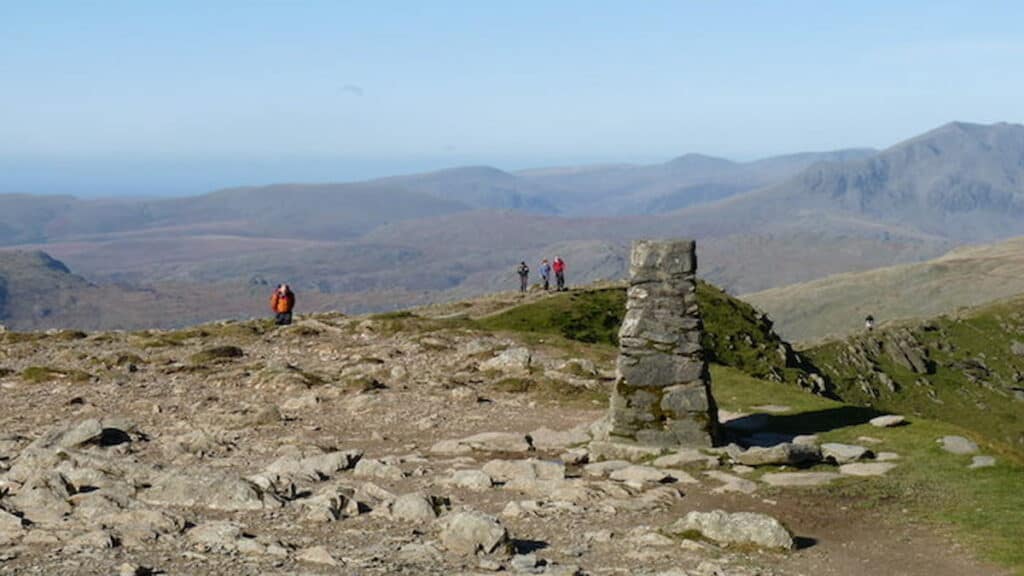
The Old Man of Coniston is a Lake District fell that stands 803 metres tall in Cumbria. It’s the 14th highest peak in the region and sits near Coniston village in the southern Lake District. Locals and visitors have climbed this Coniston Old Man for generations seeking that incredible summit view.
What is the Old Man of Coniston height exactly? It reaches 803 metres or 2,634 feet above sea level, which is high enough to offer panoramic views across multiple counties. On a clear day, you can spot Morecambe Bay and even the Isle of Man from the Old Man’s summit.
Surrounding Coniston Fells and Cumbria Views
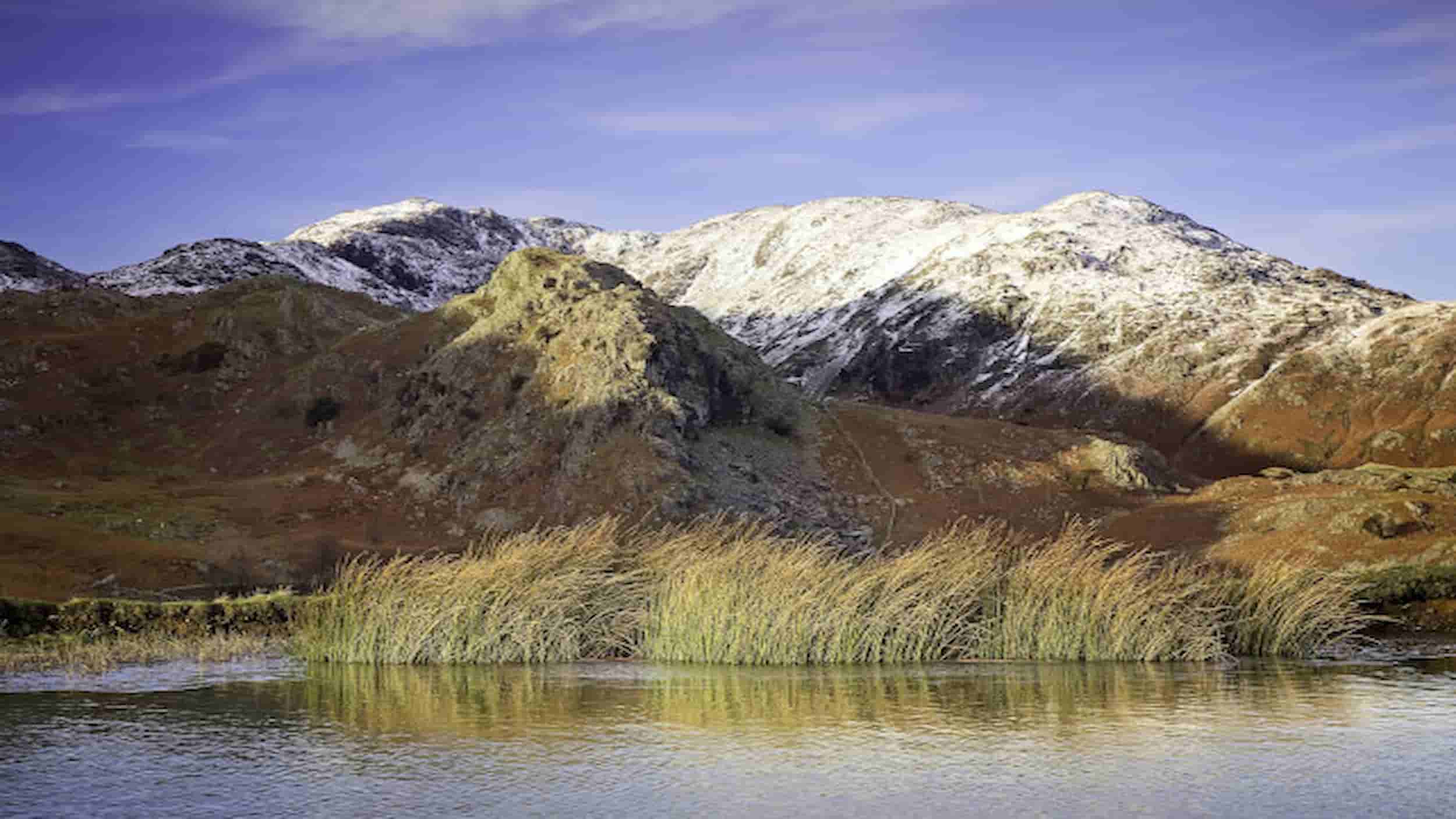
The mountain sits between Coniston Water to the east and the Duddon Valley to the west. You’ll find it positioned amongst other Coniston fells including Dow Crag, Brim Fell, and Swirl How. The village of Coniston lies at its base, providing the main access point for hikers.
The summit of the Old Man provides amazing views of Coniston Water below stretching towards Windermere. You can see across to the Langdale Pikes, Scafell Pike, and the central fells beyond. The surrounding peaks create a dramatic landscape that makes this one of the best walks in the Lake District.
Here’s something that surprises most hikers when they learn about the mountain’s industrial heritage. This mountain was once the second richest copper mine in Britain during its heyday. The mines produced over 50,000 tonnes of ore between 1599 and 1895 from these very slopes. You’ll pass old mine workings that tell stories of copper and slate extraction throughout your walk.
🏛️ Why the Coniston Old Man Has This Name
Old Norse Origins from Coniston Village
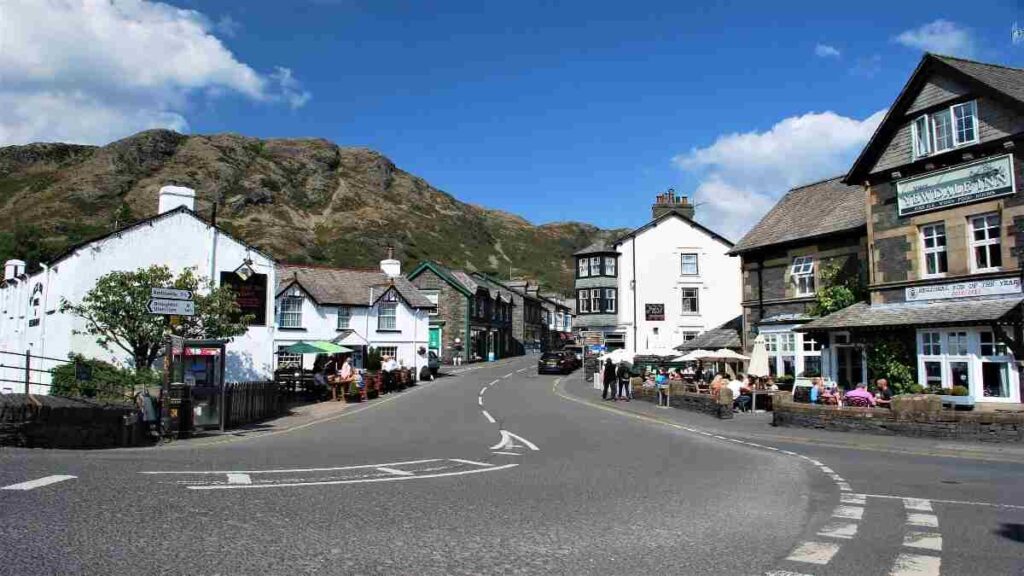
Why is it called the Old Man of Coniston, you might wonder? The name “Coniston” comes from the old Norse term “konigs tun” meaning king’s estate. Vikings settled this area over a thousand years ago and their language still echoes in many Lake District place names today.
The “Old Man” part has sparked debate amongst historians for years without clear resolution. Some say it refers to the mountain’s profile resembling a weathered face when viewed from Coniston village. Others claim it honours the ancient miners who worked these slopes for centuries. The quarry operations and old mine workings employed generations of local workers here.
Old Mine Workings and Industrial Past
Mining operations date back to Roman times in this area near Coniston Water and the surrounding valleys. However, the most intensive period ran from the 1700s to early 1900s around the Coppermines Valley. The industrial past left behind old buildings scattered across the lower slopes between Walna Scar Road and Low Water.
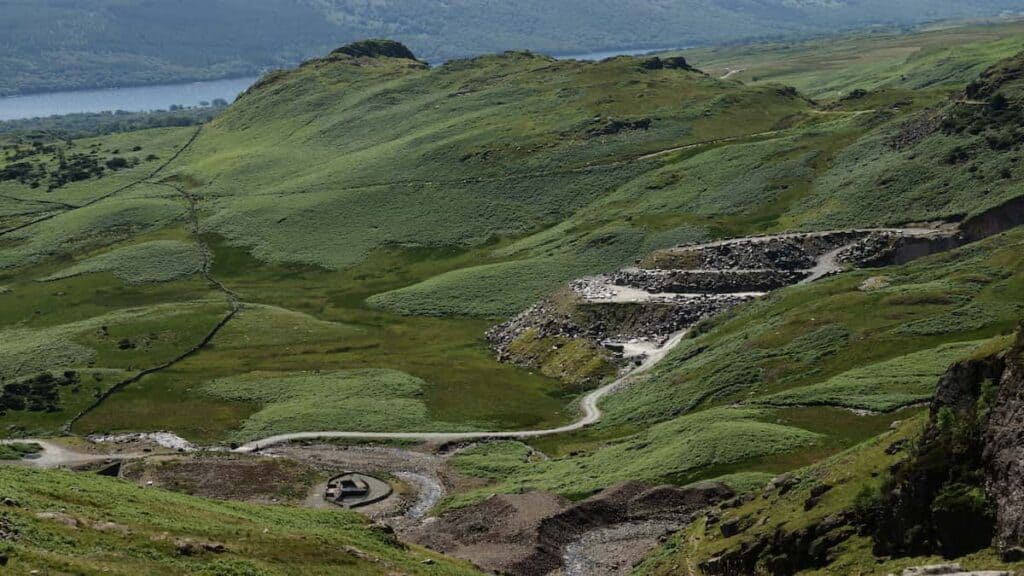
The copper mines at Coniston produced ore for centuries before closing in the 1900s when demand fell. Slate quarries also operated on the mountain’s slopes near Levers Water during the same period. The old mine workings you see today at sites like the Youth Hostel ruins tell these industrial stories vividly.
Local legend suggests the name might reference a specific boulder formation near the summit cairn. Unfortunately, if such a landmark existed, it’s now lost to time and weather erosion. The grand old mountain keeps its naming secrets well whilst hikers enjoy trails from Coniston village to the trig point.
🚗 Getting to Walna Scar Car Park from Coniston Village
Best Car Park at Walna Scar Road
Most people start their Old Man of Coniston walk from the village of Coniston itself. The Lake District National Park provides excellent visitor information about access points and current conditions. However, I’d recommend a different starting point that saves energy for the actual climb ahead.
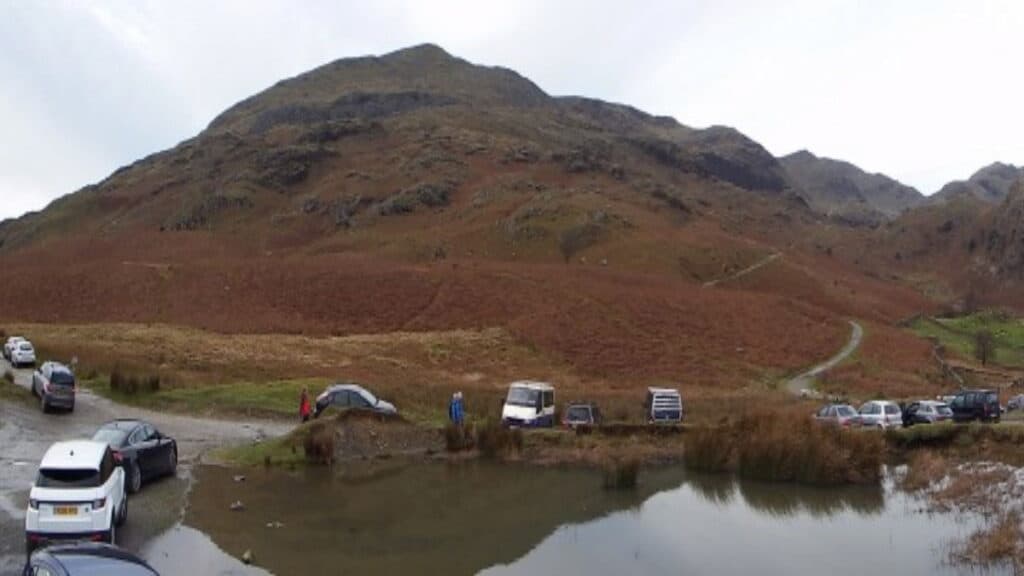
Drive to Walna Scar car park instead of parking in Coniston town centre if you can. This car park sits about 3km up Walna Scar Road from the village centre. The parking area is small and fills up fast on weekends, especially during summer months. Arrive before 9am to guarantee yourself a spot during busy periods like bank holidays.
Local tip: if Walna Scar is full when you arrive, park at the Church Beck car park near the Sun Hotel. Most tourists miss this spot and head straight to the main village car park instead. You’ll save yourself a 15 minute walk and £2 on parking fees compared to the centre.
Alternative Car Park Options in Coniston Village
If Walna Scar car park is full, you’ll find several alternative car parks in Coniston to choose from. The main village car park near the Coniston Tourist Information Centre operates with reasonable fees throughout the year. You can also park near the Black Bull pub in the village centre for convenience. The walk from Coniston adds about 6km round trip to your total distance though.
Another option is parking at the Church Beck car park on the eastern side of the village. From here, you can follow paths through the Coppermines Valley past fascinating old mine workings and ruins. This route takes you via Low Water to reach the summit of the Old Man eventually.
Walk from Coniston Using Public Transport
Public transport options exist too for reaching the village of Coniston from Windermere or Ambleside if needed. Buses run regularly during summer months with reduced services in winter, so check ahead carefully. From there, you can walk up Walna Scar Road to reach the main trailhead at the car park. Check the Stagecoach Cumbria website for current timetables and route information before travelling.
🌄 Hike Up the Old Man via Low Water Route
Starting the Ascent from Walna Scar Car Park
The most popular route follows a clear path from Walna Scar car park towards the summit ahead. Head north along the wide track that climbs gradually through the Coniston fells at a steady pace. Old mine workings appear on your left after about 20 minutes of walking uphill. These ruins reveal the area’s industrial past with copper and slate operations visible throughout the landscape.
Continue upward past the old Youth Hostel ruins on your right side as you gain height. You’ll cross several streams flowing down from Low Water tarn above creating a pleasant soundtrack. The path becomes rockier as you gain height towards the dramatic bowl containing Low Water itself. You’ll hear the crunch of loose slate under your boots with each deliberate step forwards.
Low Water Tarn and Steep Ascent to Summit
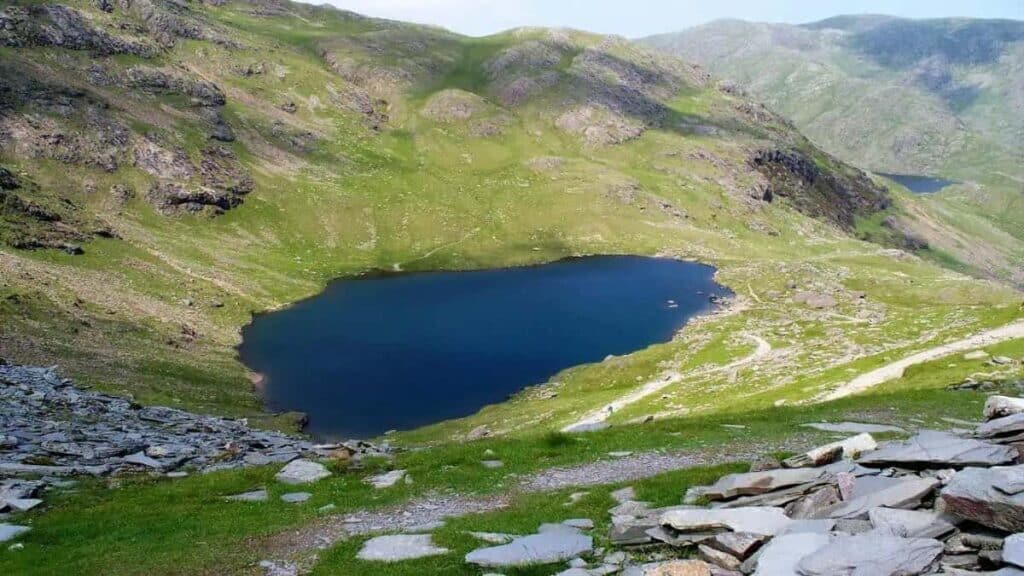
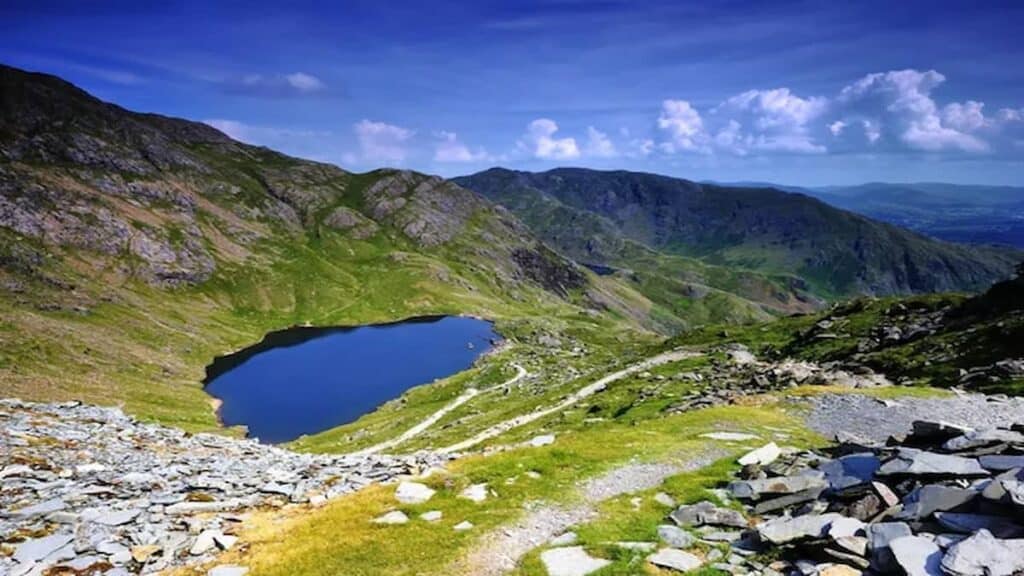
Low Water sits nestled beneath towering cliffs in a stunning glacial bowl carved by ancient ice. The water reflects the Old Man’s summit on calm days creating perfect photo opportunities for your collection. Sit on the cool, smooth rocks here worn by centuries of weather and have a snack. You can see the summit cairn high above you to the right beckoning onwards.
From Low Water, the path swings right and climbs steeply via the Low Water route upwards. This section gets your lungs burning and legs complaining badly as you zigzag upward towards the top. The trail passes through loose scree and solid rock faces requiring careful footwork and concentration. Take your time finding your rhythm for the challenging ascent that lies ahead of you.
On calm mornings at Low Water, you’ll hear nothing but wind whistling through the crags above. The silence is remarkable for somewhere so close to civilisation and busy roads down below. It’s one of those moments that makes you forget your burning thighs and just breathe deeply.
Reaching the Old Man of Coniston Summit
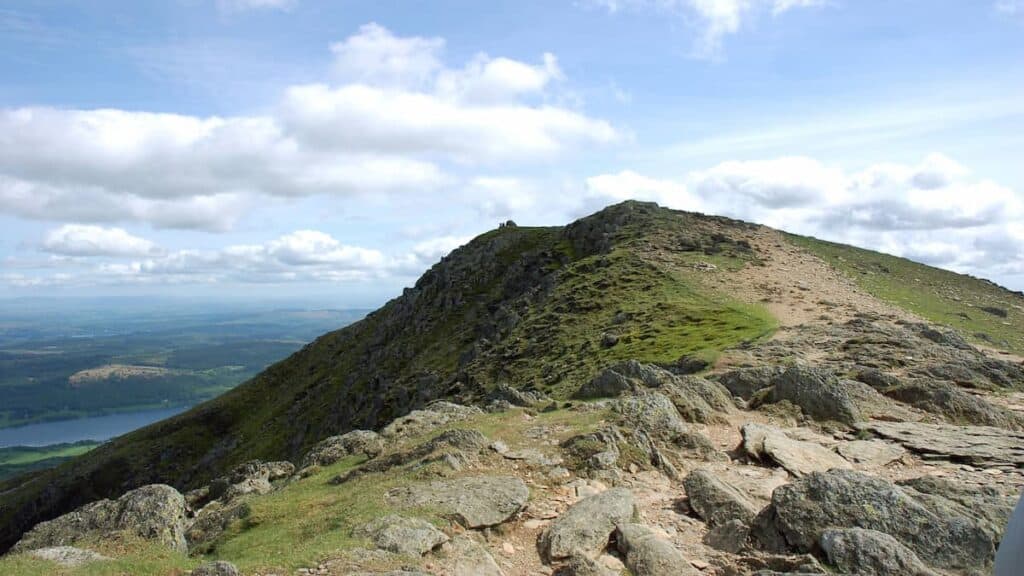
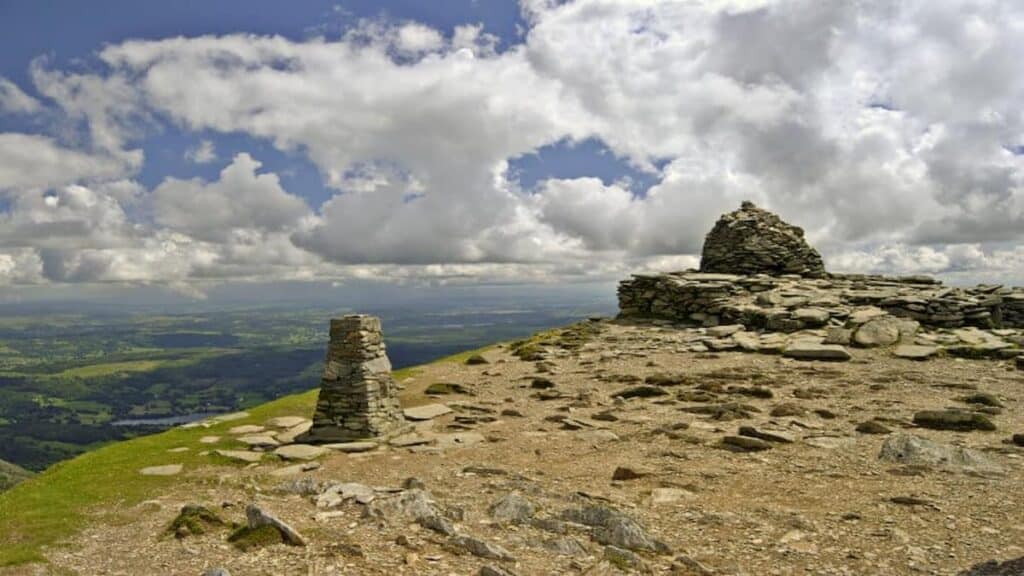
The final approach brings you to the summit cairn and trig point at 803 metres elevation. The panoramic views open up spectacularly across Cumbria in all directions from this vantage point. Coniston Water stretches out below you to the east with Windermere visible beyond in the distance. On a clear day, you can see Morecambe Bay, the Isle of Man, and even Scotland’s mountains.
This mountain has been climbed by everyone from Victorian tourists in full skirts to modern trail runners. Standing here, you’re part of a 200 year tradition of summit seekers and adventurers through time. That’s the Old Man’s real magic: it welcomes everyone who makes the effort to climb.
🔄 Circular Walk via Brim Fell and Goats Water
Ridge Walk to Brim Fell Along Scenic Route
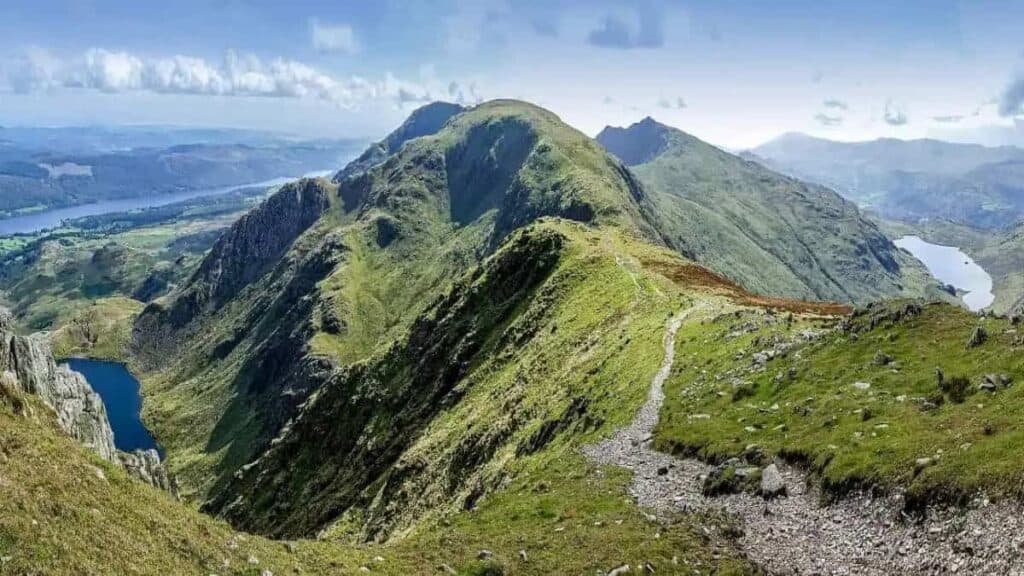
For experienced hikers wanting more after climbing the old man, extend your walk into a longer circular route. From the Old Man’s summit, continue north along the ridge walk towards Brim Fell ahead. This adds stunning sections to your Lake District adventure with constant views across the surrounding fells. The path stays high with constant exposure to wind but the views make it worthwhile.
Brim Fell sits just 15 minutes from the Coniston Old Man summit along the easy ridge path. The trail between them follows an easy line with amazing scenery overlooking Levers Water below. From Brim Fell, you can continue to Swirl How at 802 metres if energy permits. Each peak offers different perspectives of the Coniston fells and valleys spreading out around you.
Descent via Goat’s Hawse to Goats Water
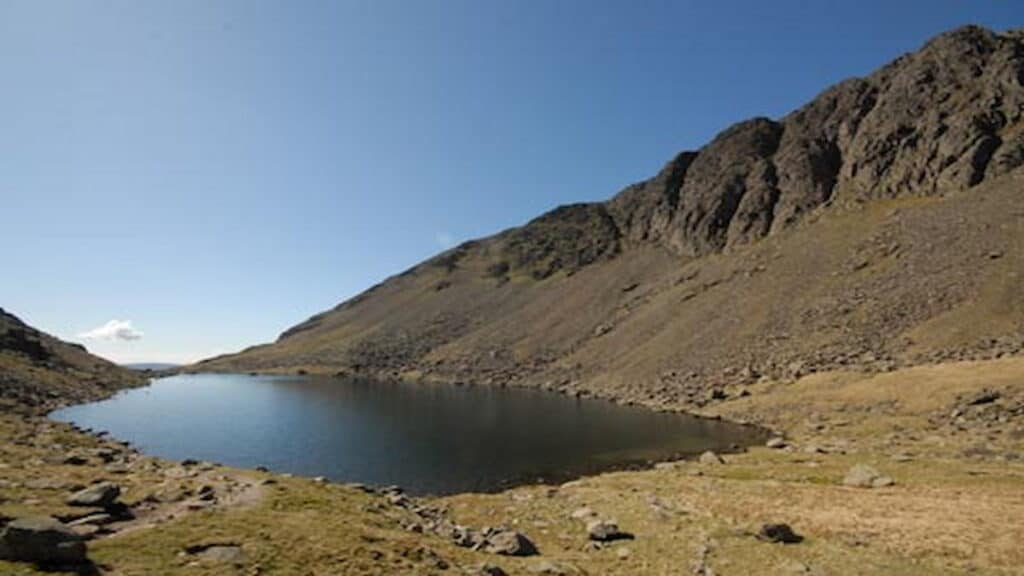
From Swirl How, descend towards Levers Hawse then drop down to Goats Water tarn nestled below. This path via Goat’s Hawse is gentler than the steep ascent route you took earlier via Low Water. The tarn sits beneath impressive Dow Crag cliffs in a dramatic rocky setting with remarkably clear water. It’s quieter here than at the more popular Low Water location you passed earlier today.
Follow the path around the eastern shore of Goats Water carefully over rocky terrain and loose stones. The trail then descends towards Walna Scar Road passing more old mine workings from the industrial era. The Cumbria Tourism website offers detailed trail maps for this scenic route back to the car park. Your legs will appreciate the gradual descent after all that climbing earlier in the day.
Goats Water stays quieter than Low Water even on busy summer weekends when everywhere feels crowded. The rock climbers tackling Dow Crag above create the only real noise you’ll hear echoing around. Their shouts echo off the cliffs as they call out route instructions to climbing partners below.
Completing the Circular Walk Back to Car Park
This circular route covers roughly 15km total distance through the Coniston fells and neighbouring peaks. It takes most people between 5 and 6 hours to complete this popular walk at a comfortable pace. The extra elevation gain from Brim Fell and Swirl How adds about 300 metres total to your day. Pack extra snacks and water for this extended adventure across the high fells of Cumbria.
⏱️ How Long the Old Man of Coniston Walk Takes
Direct Route Timing from Walna Scar Car Park
How long does it take to walk the Old Man of Coniston from start to finish? The direct route from Walna Scar car park takes 2.5 to 3 hours round trip for most people. This timing works for someone with average fitness who takes normal breaks along the established route. Your speed will vary based on weather conditions and your personal experience level on mountains.
The walk from Coniston village to the summit via Low Water takes about 3.5 to 4 hours return. This includes the extra distance along Walna Scar Road from the village centre at the start. You’ll need to add time for exploring the old mine workings if you plan to stop there.
Circular Walk Timing via Brim Fell
The circular walk via Brim Fell, Swirl How and Goats Water extends the hike considerably through multiple summits. This scenic route covers about 15km total distance through multiple peaks and challenging terrain throughout. Plan for 5 to 6 hours to complete the full circuit back to Walna Scar car park, including lunch breaks.
If you extend further to include Grey Friar and the full Coniston Round, you’ll need to allow 7 to 8 hours. This challenging route links Wetherlam, Swirl How, Grey Friar and the Old Man together in one big loop. The trail covers rough ground with significant ascent throughout the day across the Coniston fells and beyond.
Weather Impact on Lake District Walks Timing
Weather conditions dramatically affect your Old Man of Coniston walk time on the fell throughout the day. Rain makes the rocks slippery and slows your pace considerably around Low Water and the summit sections. Wind at the summit might force you to spend less time enjoying panoramic views than planned. Always add extra time to your plans for unexpected delays caused by weather or navigation issues.
⛰️ Is Climbing the Old Man Difficult?
Overall Difficulty for Lake District Walks
Is the Old Man of Coniston a difficult walk compared to other Lake District peaks? It sits somewhere between moderate and challenging amongst Lake District walks in terms of technical difficulty. The difficulty comes from the sustained uphill gradient rather than any technical climbing or scrambling required. Most people find the section from Low Water to the summit most demanding physically on their bodies.
The path from Walna Scar car park climbs steadily from the start through the Coniston fells at a relentless pace. Your heart rate will increase quickly on this steep ascent past the old mine workings below. The trail transitions from wide track to narrow rocky path higher up near Low Water tarn. Some sections require using your hands for balance on the steeper bits between larger boulders.
Steep Ascent Sections via Low Water
Near Low Water tarn, the gradient increases noticeably on the route via Low Water towards the summit. Here’s where many hikers need their first proper rest before continuing upward to the cairn above. The final push from the tarn to the cairn is the steepest part of the entire walk. Loose scree and larger boulders make footing tricky in places, especially when wet from rain.
The scramble sections near the summit of the Old Man require care but aren’t technically difficult for most. You’ll use your hands occasionally for balance on steeper bits between rocks and loose stones. The path is well-worn and clear but demands concentration when wet from rain or morning dew. Take your time through these sections rather than rushing and risking a twisted ankle or worse.
Your legs will definitely feel the burn especially on that last 100 metre push to the cairn. The loose stones shift under your weight making every step deliberate and energy-consuming throughout this section. But that’s what makes reaching the top feel like a genuine achievement worth celebrating with your mates.
Descent Back to Walna Scar Car Park
Descending from the summit back to Walna Scar car park requires equal care and attention throughout the route. Many accidents happen on the way down when tiredness sets in badly and concentration lapses occur. Your knees take the impact with each downward step on rocks near Low Water below. The stones can shift under your weight on looser sections causing potential slips or falls.
The panoramic views from the summit make every challenging step worthwhile though across Cumbria and beyond. You’ll see Coniston Water sparkling below and surrounding fells stretching to the horizon in every direction. On a clear day, the views extend all the way to Morecambe Bay, the Isle of Man, and Scottish peaks beyond.
🥾 Can Beginners Climb the Old Man of Coniston?
Best Walks in the Lake District for Beginners
Can a beginner climb Old Man of Coniston without previous mountain experience? Yes, but you’ll need reasonable fitness and proper preparation for this Lake District fell beforehand. This isn’t a casual stroll through Coniston village or around Coniston Water on flat paths. The ascent involves steep sections and some scrambling over rocks near the summit that demands fitness.
Beginners should choose the direct route up and back via Low Water from Walna Scar car park initially. This path is the most straightforward option amongst walks in the Lake District for first-timers. The trail is well-defined for most of the way up the fell past old mine workings. Thousands of boots have worn it smooth over decades of use by countless hikers before you.
Build Experience with Easier Walks from Coniston Village
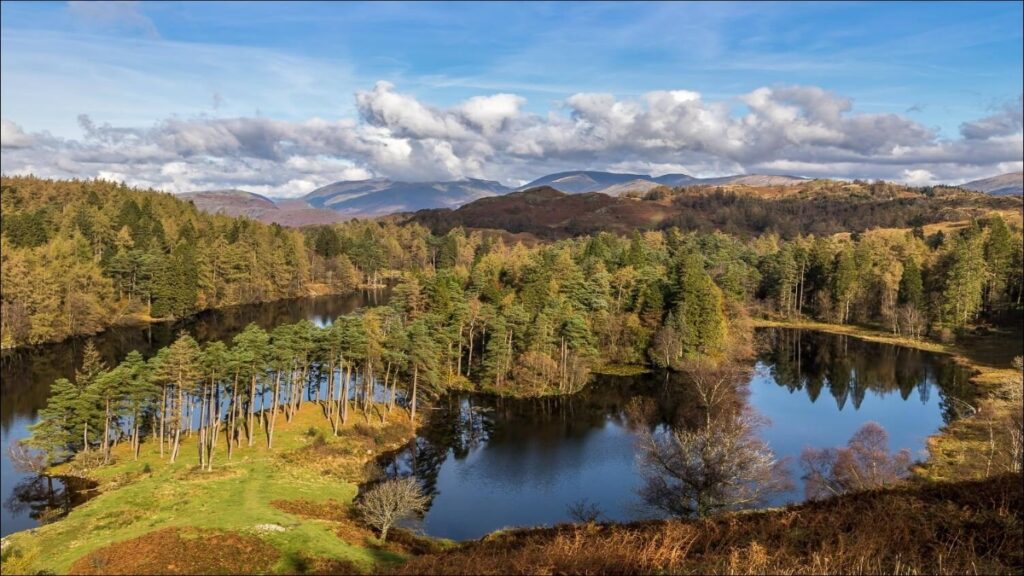
Start with easier walks first if you’re new to hiking in Cumbria and building your fitness levels. Try the path around Tarn Hows, the shore of Coniston Water, or Levers Water valley first instead. These lower-level walks build confidence and fitness without the steep ascent to 803 metres on the Old Man. Work your way up gradually through different difficulty levels over time rather than jumping straight in.
You’ll need good hiking boots with ankle support and grip for the rocky terrain you’ll encounter throughout. The rocks get slippery when wet from rain or morning dew near Low Water and higher sections. Bring trekking poles if you have dodgy knees for the descent back to the car park later. They help massively when your legs are tired and shaky from all the effort expended climbing.
Tips for First-Time Hike Up the Old Man
Start early in the morning when you’re fresh and energised for climbing the old man to the summit. The first section up Walna Scar Road is steep but manageable at a slow, steady pace. Take it slow and rest at Low Water tarn when needed along the way upwards. There’s no prize for speed on this great walk, so enjoy the journey and views.
Don’t attempt this hike up the old man if you’ve never done hill walking before anywhere previously. Try some easier Lake District walks from Coniston village first to build confidence and fitness gradually over weeks. Work your way up from Tarn Hows to higher peaks like Brim Fell over time before tackling the summit. Your body needs time to adapt to the demands of mountain walking and sustained climbing efforts.
Here’s what locals won’t tell you about timing your first attempt on this mountain properly. September and early October offer the best conditions for beginners wanting stable weather and fewer crowds. The summer crowds have gone but weather stays stable with fewer rainy days to contend with. You’ll have the mountain nearly to yourself on weekday mornings before the first tour groups arrive.
💡 Planning Your Old Man of Coniston Walk Successfully
Essential Gear for the Ascent
Pack layers even on warm summer days for your hike up the old man to higher elevations. The temperature drops noticeably as you gain height on the fell above Coniston village and exposed ridges. Wind chill at the summit can be brutal in any season, even during supposedly mild weather. I’ve seen people shivering in t-shirts whilst others wear fleeces comfortably during the same conditions.
Bring at least 2 litres of water per person for this popular walk to the summit and back. There’s no reliable water source once you leave Walna Scar car park behind at the start. Energy bars or sandwiches help maintain stamina during the steep ascent past Low Water and beyond. Your body burns serious calories climbing to 803 metres, so fuel it properly throughout the day.
Weather and Safety for Coniston Fells
Check the weather forecast before leaving home for the Coniston fells every single time you plan to go. Mountain conditions change fast in Cumbria throughout the day above Coniston Water and exposed summits. The Met Office provides detailed mountain weather predictions for the Lake District that are generally reliable. Don’t hesitate to postpone if conditions look dodgy with low cloud or high winds forecast.
Tell someone your planned route and expected return time back to the car park before you leave. Download the What3Words app for emergency location sharing on the fell above Coniston village if needed. Mobile signal is patchy on the mountain between Low Water and the summit in many spots. Carry a fully charged phone in a waterproof bag just in case you need emergency services.
May brings nesting birds and wildflowers along the lower paths but expect lingering snow patches near the summit. July and August mean crowds and midges but also the longest daylight hours for extended walks. Choose your season based on what matters most to you personally: solitude or guaranteed sunshine.
Timing and Exploring Coniston Village
Start before 10am during peak season to avoid the biggest crowds climbing from Walna Scar car park upwards. The parking area fills up fast on sunny weekends in summer months and bank holidays. Plus, finishing early gives you afternoon time to explore Coniston village, visit the Ruskin Museum, or grab food. The Black Bull pub serves excellent meals for hungry hikers after completing the Old Man walk successfully.
Book accommodation in advance if you’re staying overnight in Coniston village or nearby Ambleside for convenience. The Coniston area offers various hotels, B&Bs, and campsites near Coniston Water to suit all budgets. The town centre has several pubs serving excellent food for hungry hikers after completing tough days. Don’t leave accommodation bookings until the last minute during peak summer months or you’ll struggle.
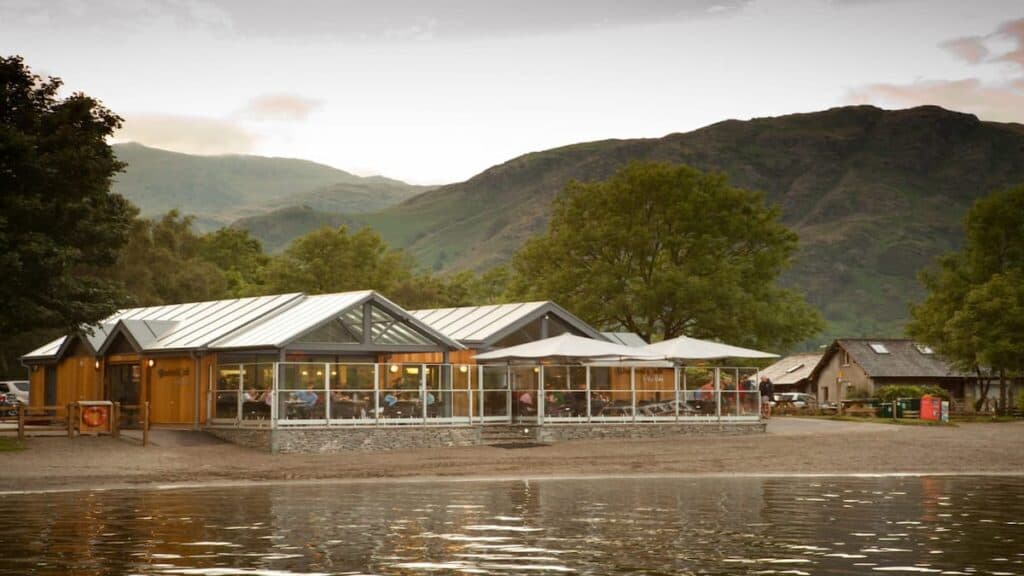
Insider secret: grab a takeaway coffee and bacon butty from Bluebird Cafe in Coniston village before you start. They open at 8am and locals swear by their breakfast sandwiches for pre-hike fuel every time. It beats expensive service station coffee hands down and costs half the price of chain cafes. The cafe sits right in the village centre, so you can’t miss it on your way through.
🎒 Best Walks and Alternative Routes Near Coniston
Easier Walks from Coniston Village
If the Old Man feels too ambitious for your current fitness level, try the walk to the old mine workings instead. This shorter route from Coniston village explores the Coppermines Valley and the fascinating industrial past around the Youth Hostel ruins. You’ll see fascinating old buildings without the tough summit climb to 803 metres at the cairn. It’s perfect for families with children or those wanting a gentler introduction to the area.
The path around Coniston Water offers beautiful low-level walking with lake views throughout the entire route. This easy trail from Coniston village provides woodland sections near Brantwood and open shoreline stretches towards Torver. Several cafes and pubs sit along the route including stops at Brantwood house and gardens. The Visit Cumbria guide lists all the details for planning your walking route around the lake.
Moderate Alternative Lake District Walks
Levers Water makes another excellent alternative destination for a different route in the Coniston fells worth exploring. This tarn sits in a dramatic bowl below the Old Man’s eastern slopes, accessible from Coniston village. The walk takes about 90 minutes each way past old quarry buildings near the Coppermines Valley below. Old mine ruins add historical interest throughout with interpretation boards explaining the industrial heritage of this area.
Tarn Hows provides the perfect beginner walk about 3km from Coniston near the village of Hawkshead. This circular trail around the tarn takes just an hour with stunning views across to the Old Man. The path is well-maintained and suitable for families with children and pushchairs in most weather conditions. It’s one of the most photographed spots in the Lake District for good reason with picture-perfect views.
Challenging Routes Including Dow Crag
Experienced hikers might tackle the full Coniston Round circuit linking multiple peaks including Wetherlam, Swirl How, and Grey Friar. This challenging route adds serious mileage and climbing across the surrounding fells from Coniston village throughout the day. The trail covers rough ground with significant ascent past Levers Water and over multiple summits throughout. Only attempt this if you’re fit and confident with navigation skills in challenging mountain terrain.
Dow Crag offers an alternative summit nearby with equally impressive panoramic views on a clear day worth experiencing. The ascent via Goats Water from Walna Scar Road is steep but rewarding for experienced walkers. Climbers use the crag face for technical routes up the rock whilst hikers stick to the established path. The path winds around the back safely, avoiding the exposed climbing routes on the main face.
The hawse between peaks offers stunning ridge walk opportunities across the Coniston fells linking Brim Fell to Swirl How. You can connect several summits together for a full Lake District adventure starting from Walna Scar car park. Always check the weather forecast at the Met Office and carry proper gear for extended walks. Ridge walks expose you to wind and weather more than valley routes, so plan accordingly always.