

Poisonous snakes in Costa Rica are part of the country’s remarkable biodiversity, including species like the fer-de-lance and eyelash viper. Learning about poisonous snakes in Costa Rica helps visitors stay aware while enjoying the rainforests, national parks, and natural beauty throughout the region.
👀 At a Glance: Costa Rica Snake Essentials
📍 22 venomous species out of 140+ total snake species
⚡ Fer-de-lance causes 70% of all venomous bites
💰 Snake tours cost $35-80 per person with expert guides
🏥 Hospital evacuation insurance: Essential for remote areas
📱 Costa Rica Snake app: Download for offline identification
🌙 Best viewing time: New moon nights with guided tours
Costa Rica snakes include over 140 species, so check Costa Rica Tourism Board for current safety guidelines and certified snake tour operators. Their friendly experts share realistic safety tips and help you find legitimate guides who know their stuff, making your wildlife adventures both thrilling and safe.
🐍 Understanding Deadliest Snakes in Costa Rica: Threat Level Reality Check
Most travellers completely overestimate the actual danger from poisonous snakes in Costa Rica. I thought the same thing before my first visit until local guides shared the real statistics: snake bites affect fewer than 600 people yearly. Costa Rica is home to more than 3 million tourists annually who safely enjoy this incredible country – the odds really are in your favor.
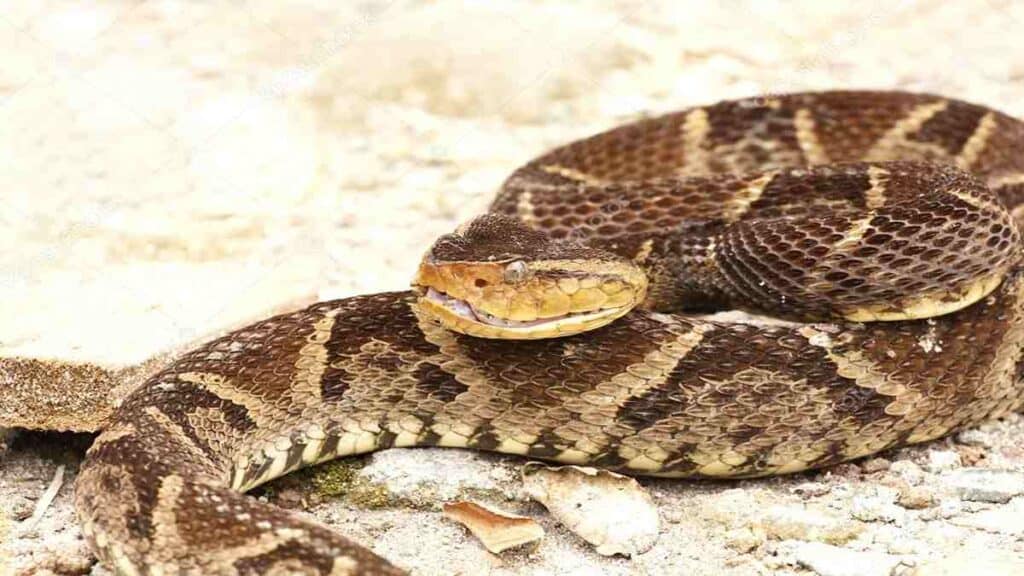
Your biggest risk comes from accidentally stepping on hidden snakes during those incredible night walks. I nearly made this mistake myself reaching into a hollow log near Manuel Antonio without looking first – classic rookie error that most of us make initially. From my conversations with local herpetologists, the fer de lance causes 70% of venomous bite incidents, but this deadly snake actually prefers staying hidden rather than fighting humans.
Understanding which areas house the most dangerous snake in Costa Rica helps you plan much safer routes. I learned this lesson after treating all parks the same during my early visits – parks with dense snake populations need completely different safety approaches than those gorgeous beach areas with minimal snake activity.
Costa Rica’s ecosystem includes both venomous and non-venomous snakes that play important roles. During my time volunteering at a rescue center, I learned about harmless species. Unlike venomous snakes, harmless species like the boa constrictor pose no threat to humans. These giant snakes are actually beneficial reptiles that control rodent populations. I came to appreciate this after watching them hunt.
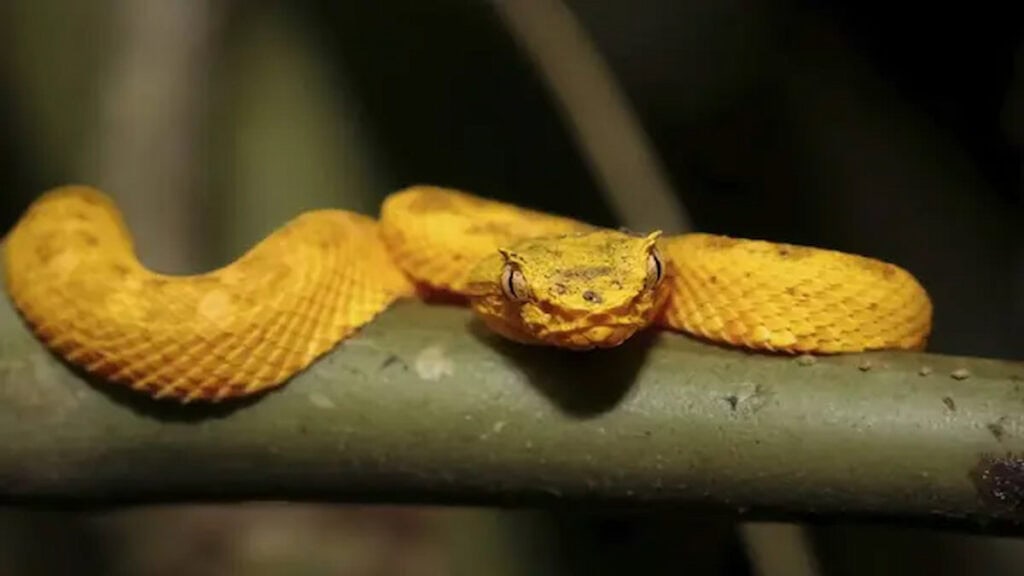
Most Dangerous Snake Species Found in Costa Rica
Fer-de-lance (Bothrops asper) – I’ve encountered this species multiple times throughout lowland areas. It causes the most bites because it gets seriously aggressive when cornered. Length reaches up to 2.5 metres, making it one of the largest venomous species. Its venom can absolutely kill without proper treatment. I witnessed this firsthand during a medical evacuation near Tortuguero.
Eyelash pit viper (Bothriechis schlegelii) – During my night walks in cloud forests and rainforests, I’ve learned something important. These smaller but equally dangerous beauties are masters of camouflage. Their incredible hiding ability makes them nearly invisible among plants, creating perfect ambush opportunities. The scales that resemble eyelashes give this species its distinctive name. I can now spot this from experience.
Bushmaster (Lachesis stenophrys) – I’ve only encountered Central America’s longest venomous snake twice in my five trips. Both times they reached 3 metres and were found deep in remote rainforest areas. These encounters were rare but incredibly serious when they happened. This species is highly venomous and poses a significant threat to humans.
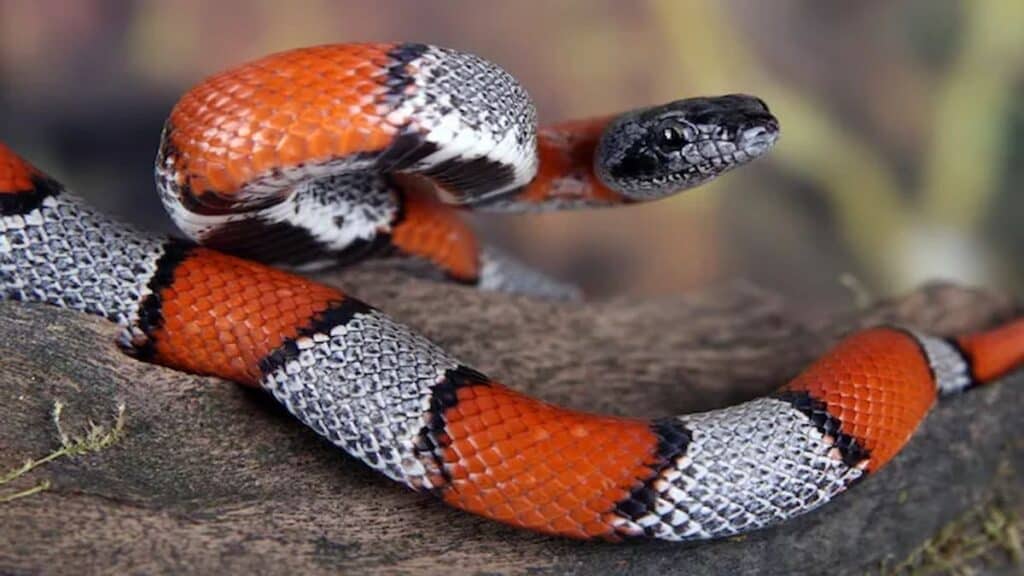
Central American coral snake (Micrurus nigrocinctus and Micrurus alleni) – I learned the hard way about Costa Rican species. “Red touches black, venom lack” absolutely doesn’t work for Costa Rican species. All coral snakes here pack serious venom regardless of their red and black colour patterns. A local guide saved me from a costly mistake with this false rule.
Types of snakes you might encounter also include non-venomous species that I initially confused with dangerous ones. During my early visits, I mistook several harmless species for venomous ones. These included tropical milk snakes, false coral snakes, green vine snakes, and lyre snake species. Experienced guides taught me the differences. Some species of snake like the king snake are actually beneficial as they’re mildly venomous. They help control other reptile populations.
Identifying Non-Venomous Snakes in Costa Rica
Unlike venomous snakes, harmless species pose no threat to humans and play important ecological roles. During my volunteer work, I learned that non-venomous snakes in Costa Rica include boa constrictors, which are often feared unnecessarily by tourists who are afraid of snakes.
Species in Costa Rica that are completely harmless include various species of venomous snakes’ mimics that use camouflage for protection rather than venom. These snakes like the false coral often confuse visitors, but learning to identify venomous ones versus harmless species becomes crucial for your peace of mind.
Understanding Central American and Costa Rican Snake Behavior
Snake species in Costa Rica exhibit fascinating behaviors that I’ve observed during countless hours in the field. Many snakes are nocturnal hunters, and you may see a snake during evening walks when they become active. The snake is known to use different hunting strategies depending on whether it’s a pit viper seeking warm-blooded prey or a coral snake hunting other reptiles.
Snakes you might encounter are likely to be found in specific habitats based on their feeding preferences. I’ve noticed that snakes often avoid human contact, and encountering a snake in the wild usually means you’ve surprised it rather than it seeking confrontation.
Pro Tip: Download the Costa Rica Snake app before your trip – you can still access it offline, even in those remote spots where there’s absolutely no phone service. This tool becomes invaluable for quick species identification.
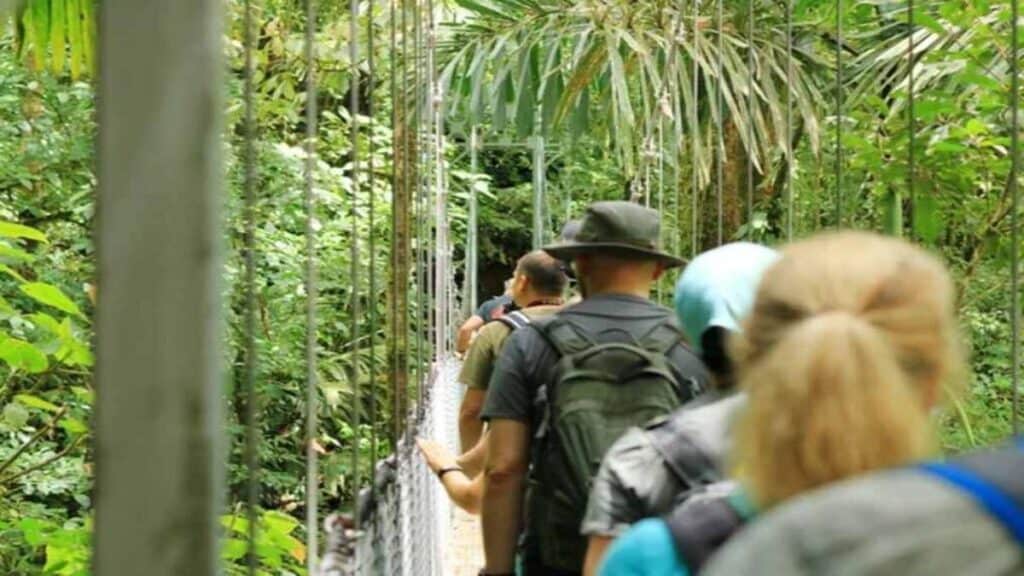
🚗 Getting Around Snake Territory: Safe Costa Rica Travel
Your transport choices directly impact snake encounter safety, so consult Costa Rica Transport Ministry for road conditions and rental car insurance requirements. Their updated route information and safety certifications help you navigate remote snake habitats safely while accessing the best wildlife viewing locations.
Rental Car Considerations
Four-wheel drive vehicles become absolutely essential for accessing Corcovado National Park and Osa Peninsula areas. These areas are where bushmaster populations are highest. I learned to book 3-4 weeks ahead after missing out during my second trip. You’ll save 25-30% on rental costs during peak season.
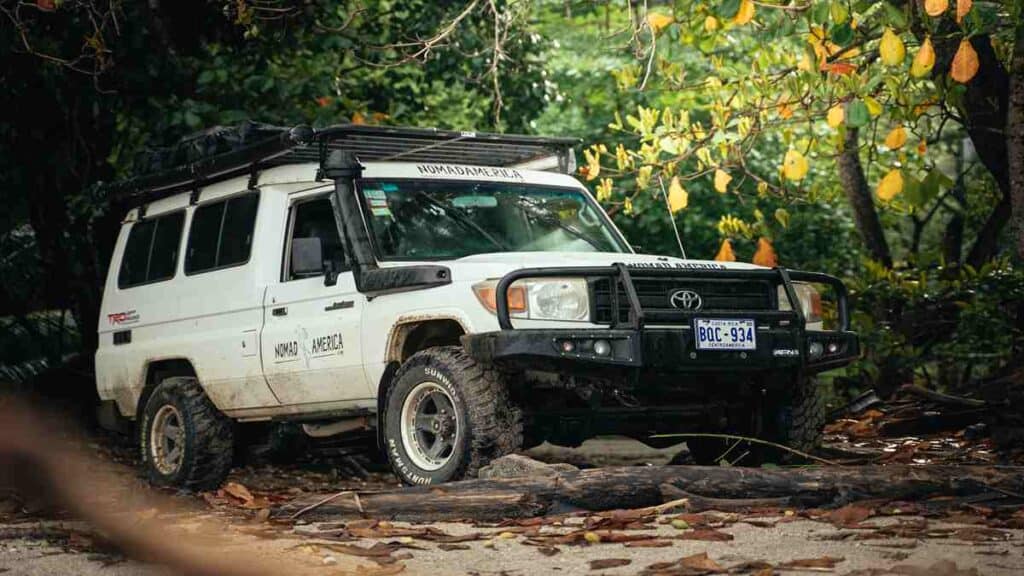
Insurance coverage should include comprehensive protection since snake-related incidents might require expensive medical evacuations. Additional coverage costs about $15-20 daily but prevents those horrifying $10,000+ evacuation bills. I witnessed another traveller face these costs firsthand.
Night driving multiplies your risk since many venomous snakes in Costa Rica become much more active after dark. You absolutely must plan accommodations within 2 hours of major snake habitats. Avoid attempting risky night travel through areas where snakes are found.
Public Transport Options for Snake Watching
Shared shuttles and buses eliminate hiking risks but limit access to prime snake-watching locations. Gray Line and Interbus provide reliable service to major parks where guided snake tours operate safely.
Tour operators specialise in snake-focused excursions with expert guides who know local species behaviour intimately. After missing several species during my solo attempts, I learned something important about booking. Advance booking during dry season (December-April) ensures availability for popular Monteverde and Manuel Antonio trips. Rattlesnake species can occasionally be spotted on these excursions.
Hike with a guide whenever possible, as local experts know where venomous snakes are most likely to appear. They understand which snakes feed during different times and how to avoid disturbing them. Professional guides know about their nocturnal hunting periods.
Pro Tip: I learned to combine public transport with guided tours for the absolute safest snake viewing experiences possible. Local guides identify dangerous species from perfectly safe distances while sharing invaluable insider knowledge about behaviour patterns that took me years to understand.
🏨 Choosing Your Places to Stay: Accommodation Strategy
Accommodation location matters way more when you’re planning snake encounters, so visit SINAC – Costa Rica National Parks for park permits and safety protocols. You’ll discover the best viewing locations, seasonal access changes, and which parks offer the safest snake-watching experiences with expert guides.
Budget-Friendly Options
Hostels in San José and Puerto Viejo provide affordable bases for day trips to snake habitats, with prices starting around $12-15 per night for shared amenities. These budget options often connect you with other wildlife enthusiasts for group tours – trust me, shared experiences make everything better.
Camping in designated areas of Corcovado and Tortuguero puts you closest to snake populations while maintaining safety protocols. Permits cost $25-30 per person and require advance booking, especially during peak wildlife viewing seasons – do yourself a favor and book early.
Homestays with local families offer incredible insider knowledge about seasonal snake activity patterns and traditional safety practices. Rates average $40-60 nightly including meals and invaluable local guidance from people who’ve lived alongside these species for generations – you absolutely must try this authentic experience.
Mid-Range Accommodations
Eco-lodges around Monteverde and Arenal provide guided night walks where you’ll safely observe venomous snakes of Costa Rica. Rates range $80-150 per night including guided activities that will absolutely blow your mind.
Wildlife refuges like Selva Verde offer specialised snake photography tours with professional guides who know exactly where to look. Package deals including meals and tours cost $120-180 per person daily. The guidebooks won’t tell you this: these experiences are worth every penny.
Beach resorts near Manuel Antonio combine exciting snake excursions with relaxation time that creates the perfect balance. All-inclusive options start around $200 per night during low season. Trust me, you’re going to love this combination of adventure and comfort.
Luxury Options
Exclusive lodges in Osa Peninsula provide premium snake-watching experiences with expert naturalists who share incredible insider knowledge. Rates begin at $400 per night including all meals and guided activities. I can’t tell you how amazing these experiences are.
Private reserves offer completely customised snake tours focusing on specific species like the most poisonous snake in Costa Rica. Daily rates can exceed $600 but include helicopter access to remote locations. Most tourists never venture to these areas.
Pro Tip: Book accommodation with medical evacuation insurance included, especially when staying in remote locations. Remote locations require expensive helicopter rescues if snake bites occur, with costs often exceeding $10,000 for emergency transport alone.
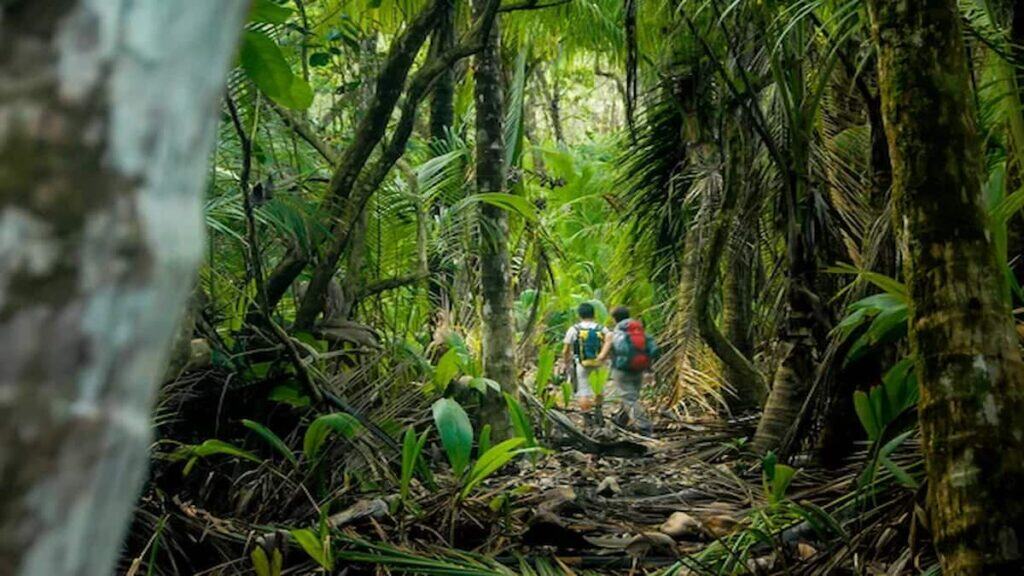
📅 Planning: Poisonous Snakes in Costa Rica Encounter Timing
Timing your visits around snake activity patterns becomes crucial with Costa Rica Meteorological Institute seasonal forecasts and rainfall data. Their weather experts help you plan the perfect timing for safe snake viewing while avoiding dangerous conditions that increase encounter risks.
Understanding Seasonal Snake Behavior
Rainy season (May-November) sees dramatically increased snake movement as they hunt for prey. Flooding forces many species into unusual locations, including near human settlements. Something most tourists miss completely is this displacement pattern.
Breeding seasons vary by species but generally peak during March-May transitions. Increased aggression during mating periods makes encounters significantly more dangerous. You know that feeling when timing becomes everything? This is one of those situations.
Temperature changes affect snake behaviour dramatically throughout the day. Here’s what locals know: cooler mornings and evenings see reduced activity. These periods make much safer exploration times.
Best Locations to See Snakes Found in Costa Rica
Corcovado National Park houses the highest concentration of poisonous snakes of Costa Rica anywhere in the country. I’ve taken guided tours here four times costing $45-65 per person. The expert interpretation always reveals species I would have missed completely.
Monteverde Cloud Forest offers excellent eyelash viper viewing opportunities that still amaze me after multiple visits. Night walks starting at $25-35 per person with professional guides who know exactly where to look. I learned this after fumbling around on my own initially.
Tortuguero National Park provides boat-based snake watching that eliminates hiking risks completely. After my close call with a fer-de-lance on foot, I prefer these tours. They cost $40-55 per person including boat transport. The perspective from water is both safer and more revealing.
Manuel Antonio offers a perfect mix of beach relaxation and snake spotting chances. I discovered this during my second visit there. Half-day tours cost $59-80 per person including transport. I always recommend this combination for first-time visitors.
Pro Tip: I learned to book snake tours during new moon phases when artificial lights make nocturnal species easier to spot safely. The darker conditions also reduce stress on the animals. This leads to more natural behaviour observations that make for incredible photography.
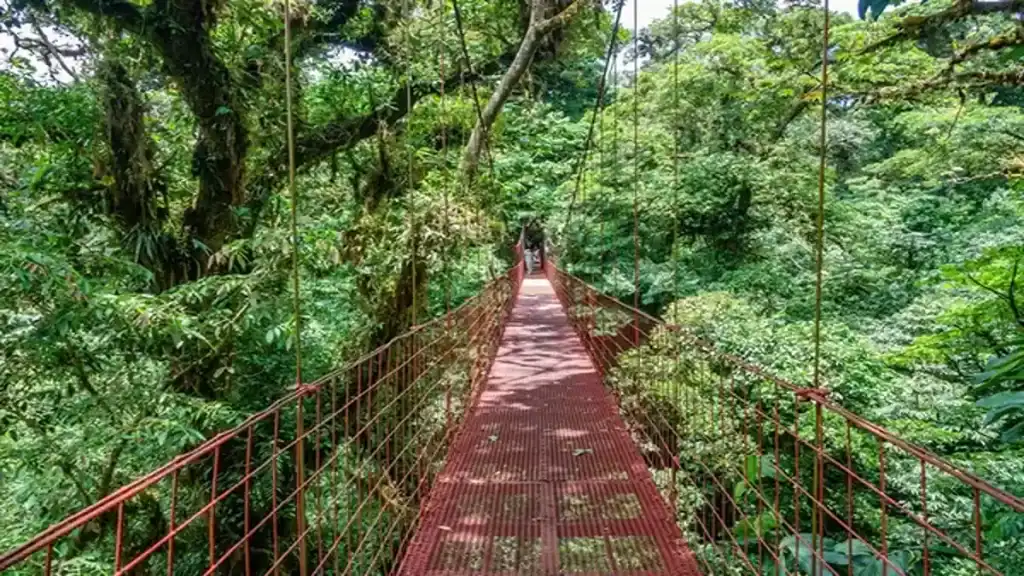
🌦️ Weather and Seasonal Planning: Climate Considerations
Weather patterns directly influence snake behaviour and your safety planning needs. After experiencing both seasons multiple times, I can tell you something important. Dry season offers more predictable conditions but requires completely different preparation than rainy months.
Dry Season Considerations
December through April brings minimal rainfall but higher temperatures that increase snake activity significantly. I underestimated dehydration risks during my first dry season visit. They affect both humans and snakes, potentially making encounters more dangerous than expected.
Dust levels can seriously affect visibility during forest walks where camouflaged snakes hide perfectly. I learned this lesson after a dusty hike near Guanacaste. I nearly stepped on a well-hidden fer-de-lance during that experience. Now I always bring dust masks and eye protection for lengthy hikes into remote areas.
Fire danger increases during dry months, potentially driving snakes into unusual locations where encounters become more likely. I witnessed this firsthand during a fire near Monteverde that displaced several species into camping areas. Always check fire restrictions before visiting remote areas.
Rainy Season Adaptations
May through November sees heavy rainfall that makes trails muddy and dangerous for hikers. Waterproof boots become absolutely essential for preventing slips near snake habitats where footing becomes treacherous – you’re going to love having dry feet all day.
Flooding can displace snakes from normal territories into camping areas and trails where you wouldn’t expect them. Monitor weather forecasts religiously and adjust plans accordingly – most tourists miss this critical safety step.
Increased humidity during rainy season affects visibility and comfort levels dramatically. Moisture-wicking clothing and anti-fog equipment improve safety more than you’d imagine possible – I can’t tell you how much difference proper gear makes.
Pro Tip: Pack different gear for each season based on specific weather challenges. Dry season requires sun protection and hydration focus, while rainy season demands waterproof everything including backup electronics and emergency communication devices.
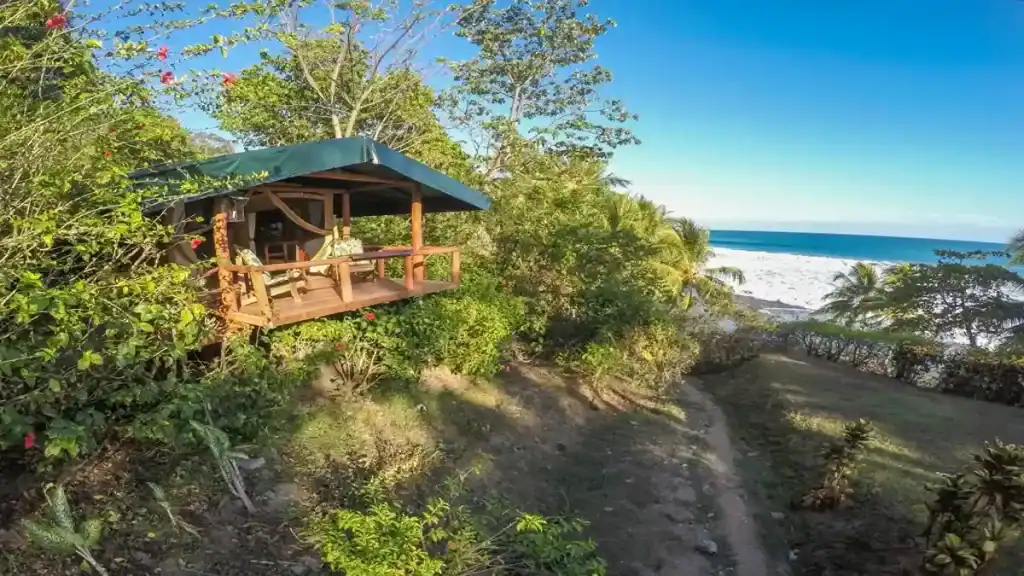
💰 Budget Planning Framework: Cost Management
Snake-focused travel costs vary dramatically based on your safety requirements and accommodation choices. Don’t make the mistake of underestimating expenses – here’s what the guidebooks won’t tell you: smart budget breakdown helps you plan realistic costs that won’t surprise you later.
Essential Cost Categories
Accommodation typically represents 35-40% of total costs, but here’s what locals know: safety-focused lodges charge premium rates but include medical evacuation coverage that could literally save your life.
Guided tours account for 25-30% of expenses, and trust me, expert guides cost more but significantly reduce snake bite risks – you absolutely must invest in professional guidance.
Insurance and medical coverage should represent 10-15% of budget, something most tourists completely overlook. Evacuation insurance costs $50-100 but covers $10,000+ emergency expenses – you’re going to love this peace of mind.
Equipment and safety gear adds 15-20% to total costs, but picture this: quality boots and protective clothing prevent most snake encounters before they happen.
Money-Saving Approaches
Group bookings reduce guided tour costs by 20-25% when organised for 4+ people – do yourself a favor and connect with other wildlife enthusiasts. Shared accommodations cut lodging expenses significantly while creating memorable shared experiences.
Shoulder season travel (May-June, September-November) offers 30-40% savings on accommodation while maintaining excellent snake viewing opportunities. Here’s what locals know: fewer crowds mean better wildlife encounters.
Package deals combining multiple activities often cost 15-20% less than booking separately – trust me, multi-day tours provide much better value than single-day excursions and deeper wildlife understanding.
Pro Tip: Budget extra 20% for unexpected costs like extended stays due to weather delays or medical issues. Remote locations often require flexibility with departure dates, and emergency expenses can quickly exceed your planned budget without proper contingency planning.
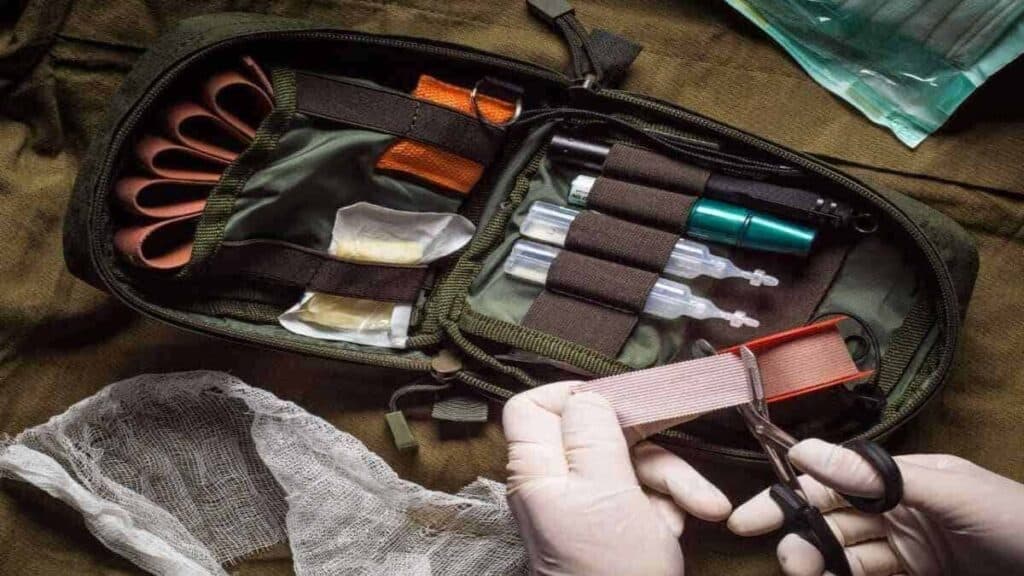
🚨 Safety and Emergency Planning: Crisis Preparation
Preparation prevents most snake-related emergencies, but you’ll absolutely need comprehensive plans for worst-case scenarios. Here’s what locals know that could literally save your life: emergency protocols become critical in remote areas where help is hours away.
Before You Go
Medical consultation should include discussing snake bite treatment options with professionals who understand tropical medicine. Allergies or medical conditions affect antivenom administration in ways you wouldn’t expect.
Emergency contacts list should include Costa Rican emergency services (911), your country’s embassy, and insurance provider’s emergency line. You’re going to love having this information readily available during stressful situations.
Evacuation insurance becomes critical in remote areas where hospitals are hours away by helicopter. Coverage should include transport and specialised medical care – trust me, this investment pays for itself if needed.
During Snake Encounters in the Wild
Freeze immediately if you spot a snake rather than jumping backward instinctively. I learned this the hard way after almost provoking a defensive strike – sudden movements trigger attacks from most species when encountering a snake in the wild.
Gently step back while keeping your eyes on the snake at all times. Most species will retreat when given escape routes, something I discovered during my early trips to Costa Rica when local guides taught me proper protocols for when you see a snake.
Never attempt to handle or photograph snakes from close range, no matter how incredible the shot might look. After witnessing a serious snakebite incident near Arenal, I always use telephoto lenses for safe photography from appropriate distances when observing any snake in the wild.
After Snake Bites
Seek immediate medical attention regardless of species through Costa Rica Emergency Services and Hospital Calderón Guardia antivenom centers. These life-saving facilities stock comprehensive antivenom supplies and coordinate helicopter evacuations from remote areas where you might encounter dangerous species.
Remove jewellery from affected limbs before swelling begins. Tight clothing should be loosened to accommodate tissue expansion that occurs after venomous bite incidents – something I learned during emergency first aid training in San José.
Avoid traditional remedies like cutting wounds or applying ice. These techniques usually cause more damage than the initial snake bite and can be dangerous to humans. Modern snakebite treatment protocols are far more effective than folk remedies I’ve seen attempted.
Medical Emergency Preparedness
Medical emergencies involving poisonous snakes in Costa Rica require immediate response and proper preparation. When exploring remote snake habitats, knowing hospital locations and evacuation routes becomes absolutely critical for bites in Costa Rica.
San José hospitals stock the most comprehensive antivenom supplies for treating bites from poisonous snakes in Costa Rica. Hospital Calderón Guardia and Hospital México maintain 24-hour emergency services with specialist toxicology units that understand local species – these facilities handle the majority of serious snake bite cases in the country.
Regional hospitals in Puntarenas, Limón, and Alajuela stock basic antivenoms but may require patient transfers for complex cases. Response times vary from 30 minutes in urban areas to 3+ hours in remote locations where deadly snakes are likely to be found.
Costa Rican emergency services (911) coordinate helicopter evacuations from remote areas where poisonous snakes in Costa Rica are most common. GPS coordinates help rescue teams locate victims quickly in dense forest areas where traditional navigation becomes impossible.
Comprehensive medical insurance covering snake bite treatment and evacuation costs hundreds rather than thousands of dollars. Basic policies often exclude adventure travel activities involving wildlife encounters, leaving travellers vulnerable to massive emergency expenses when they stay in Costa Rica.
Pro Tip: Carry emergency contact cards in Spanish with your medical information and insurance details clearly listed. Include blood type, allergies, medications, and emergency contact numbers – this information becomes critical when local medical staff need to make quick treatment decisions.
🎒 Essential Equipment and Identification: Poisonous Snakes in Costa Rica
Proper gear prevents most snake encounters while ensuring your comfort during wildlife observation. Picture this: quality equipment represents a safety investment rather than an unnecessary expense. You’ll appreciate it every single day. Trust me, you’re going to love feeling completely prepared.
Footwear Requirements
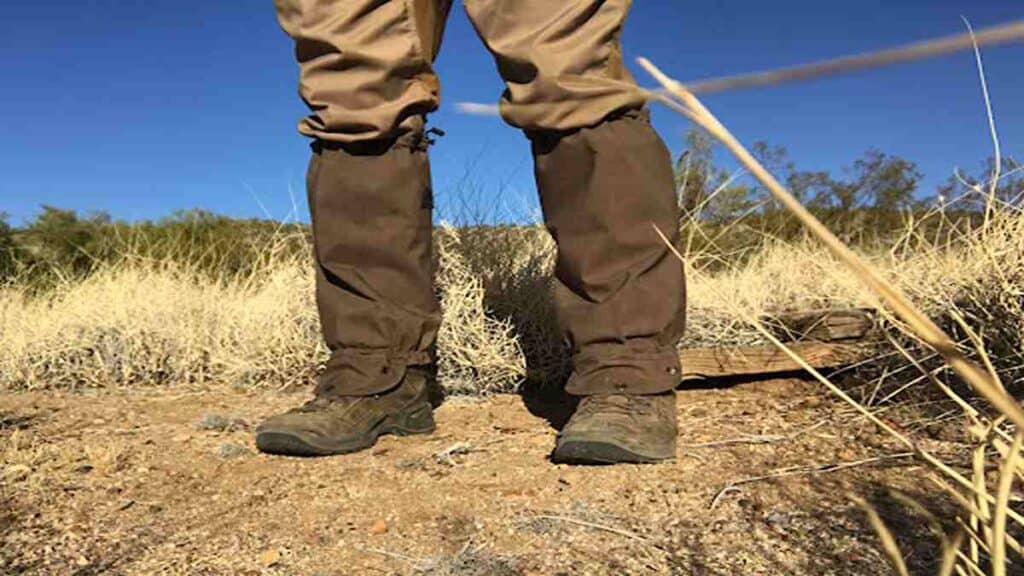
Leather boots with ankle support provide the best protection against snake bites in any terrain. Here’s what the guidebooks won’t tell you about rubber boots. They work well in muddy conditions but offer less bite protection. Most tourists don’t realize this important difference.
Gaiters add extra protection around ankles and lower legs where most bites occur. Snake-proof gaiters cost $40-80 but prevent most bite scenarios. Trust me, they’re worth every penny for the peace of mind alone.
Backup footwear becomes essential for multi-day trips into remote snake habitats where wet conditions are common. Don’t make the mistake of bringing only one pair of boots. Wet boots increase slip risks in areas where snakes hide. Having dry alternatives prevents dangerous situations from developing.
Clothing Considerations
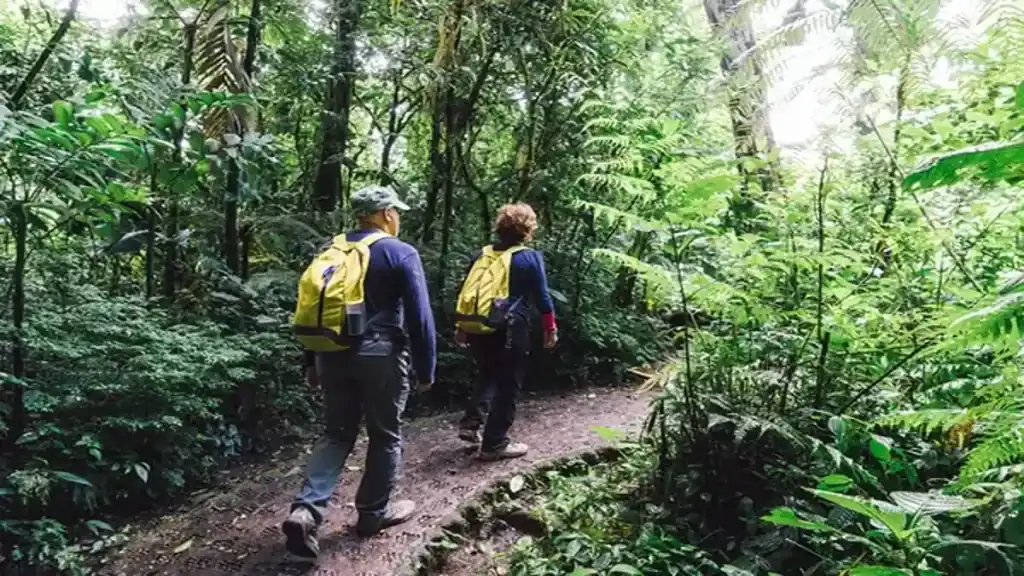
Long pants made from thick material protect your legs from brush and snakes that might strike. Don’t make the mistake of wearing shorts even in hot weather when hiking snake habitats. Here’s what locals know: coverage equals safety.
Light-coloured clothing helps you spot snakes that might fall from trees onto your body. Dark clothing makes it harder to notice attached snakes. This is something locals learned the hard way that you absolutely must remember.
Moisture-wicking fabrics keep you comfortable during long hikes in tropical conditions. You’re going to love staying dry during these adventures. Cotton clothing retains moisture and becomes uncomfortable quickly. This affects your alertness levels when you need them most.
Safety Equipment
Flashlights and headlamps become essential for night snake viewing adventures. Red filters preserve night vision while illuminating snake scales. Trust me, this small detail makes a huge difference for safe wildlife observation.
First aid kits should include compression bandages for snake bite treatment emergencies. Basic medical supplies help with minor injuries that could become serious in remote locations. I can’t tell you how important this preparation becomes.
Communication devices like satellite messengers provide emergency contact in remote areas where cell service disappears. Rental costs average $10-15 daily but enable rescue coordination. You absolutely must have backup communication when exploring remote snake habitats.
Snake Identification and Behaviour
Understanding snake behaviour helps you predict encounters and respond appropriately. Most dangerous situations arise from surprising snakes rather than deliberate aggression.
Territorial behaviour varies significantly between species. Fer-de-lance snakes are extremely aggressive when defending feeding areas, while coral snakes prefer hiding over confrontation.
Feeding patterns influence when and where you’ll encounter different species. Nocturnal hunters like eyelash vipers become active after sunset.
Defensive postures provide clear warning signs before strikes occur. Raised heads and S-shaped coiling indicate aggressive intentions.
Fer-de-lance encounters require immediate backing away since these snakes strike without warning. Their excellent camouflage makes detection difficult until very close.
Bushmaster snakes rarely bite humans but deliver potentially fatal venom when they do. Remote habitat locations make medical evacuation challenging.
Coral snakes deliver neurotoxic venom but rarely bite humans due to their secretive nature. Bright colouration provides clear identification warnings.
Pro Tip: Test all equipment before departure to ensure everything functions properly in field conditions. Equipment failure in remote areas can create genuinely dangerous situations, especially when communication devices or safety gear malfunction during critical moments.
📸 Photography: Research and Cultural Perspectives
Snake photography offers incredible opportunities but requires specialised techniques and safety protocols that most tourists completely overlook. Here’s what professional wildlife photographers won’t tell you: following strict guidelines when documenting poisonous snakes in Costa Rica makes the difference between amazing shots and dangerous situations.
Camera Equipment and Techniques
Telephoto lenses (300mm minimum) allow safe photography from appropriate distances that keep both you and the snake comfortable. Macro lenses work only for confirmed non-venomous species and dead specimens – don’t make this mistake.
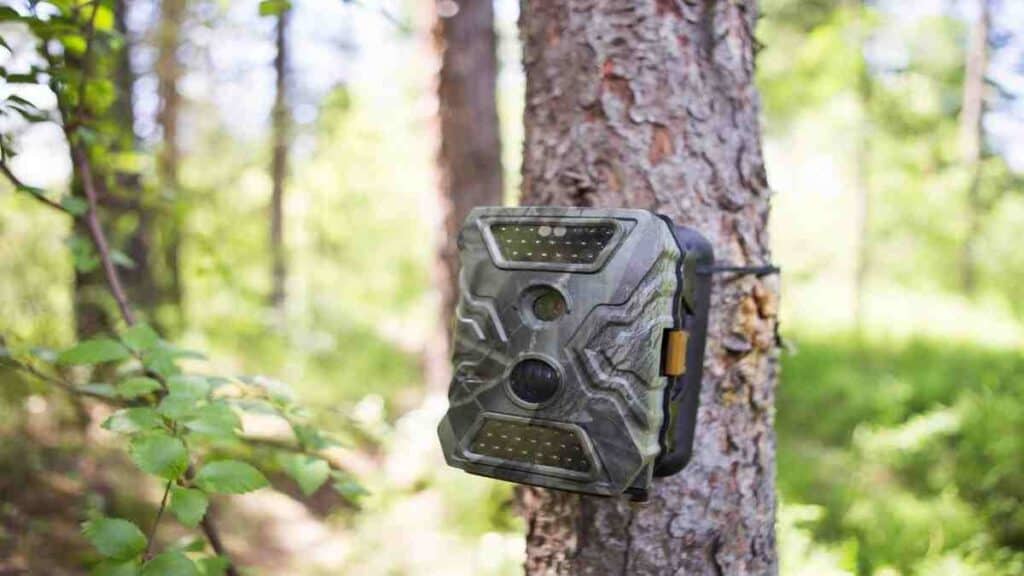
Camera traps capture natural behaviour without human presence risks that could trigger defensive responses. Motion-activated systems cost $200-400 but provide unique footage of secretive species you’d never see otherwise.
Waterproof cases protect expensive camera equipment during rainy season photography when humidity levels soar dramatically. Silica gel packets prevent condensation damage to expensive camera electronics, which becomes especially important in Costa Rica’s tropical climate conditions.
Guide coordination ensures photography doesn’t compromise group safety in ways you wouldn’t expect. Professional guides know which species tolerate photography and which require greater distances for everyone’s protection.
Conservation and Research Opportunities
Conservation efforts for poisonous snakes connect through Costa Rica Environment Ministry and research programs at places like Osa Conservation. You can join meaningful volunteer opportunities that contribute to snake research while learning from local experts who’ve studied these incredible species for decades.
Research stations throughout Costa Rica welcome volunteers to assist with snake population studies that make real differences. Osa Conservation and Monteverde Institute run programs focusing on venomous species behaviour and habitat requirements.
Data collection involves GPS mapping of snake encounters, behaviour observations, and habitat documentation without any snake handling required. No snake handling is required, making these programs accessible to travellers without herpetology experience.
Program duration ranges from one week intensive courses to month-long research projects that provide deep insights. Costs vary from $200-500 weekly including accommodation and meals at research stations, making these programs accessible to dedicated wildlife enthusiasts.
🏛️ Snakes of Costa Rica: Communities & Local Knowledge
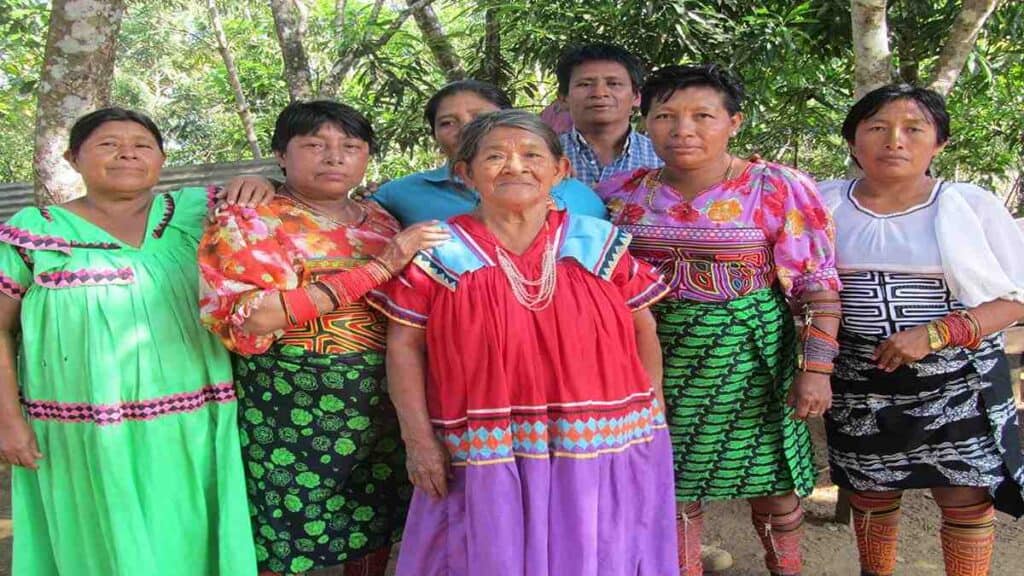
Local communities throughout Costa Rica possess generations of knowledge about living safely alongside venomous snakes that you won’t find in any guidebook. Here’s what locals know: traditional practices offer invaluable insights for modern travellers seeking authentic understanding.
Bribri and Cabécar peoples of Talamanca mountains have detailed knowledge of snake behaviour patterns passed down through centuries. Traditional calendars predict seasonal activity based on rainfall and temperature cycles with incredible accuracy.
Medicinal plants used traditionally for snake bite treatment include guaco and capitana species that grow locally. Modern research confirms some traditional remedies have anti-inflammatory properties that complement modern medical treatment.
Village elders teach children to recognise dangerous species from early ages using songs and stories. Traditional songs and stories encode important safety information about local snake populations in ways that stick.
Eco-lodges employ local guides whose traditional knowledge enhances visitor safety beyond what formal training provides. Scientific collaboration between researchers and traditional knowledge holders improves conservation efforts dramatically.
Community-based tourism provides economic incentives for habitat protection while sharing traditional knowledge with visitors interested in snake ecology. You’re going to love learning from people who’ve coexisted with these species for generations.
Understanding the role in Costa Rica’s ecosystem that both venomous and non-venomous snakes play helps visitors appreciate these incredible reptiles. Costa Rica’s Instituto Clodomiro Picado produces life-saving antivenoms that save thousands of lives globally each year, making this country a world leader in snake bite treatment and research.
Pro Tip: Hire local guides from indigenous communities whenever possible for the deepest understanding available. Their traditional knowledge provides unmatched insights into snake behaviour and safety practices passed down through generations of coexistence with these incredible species.