
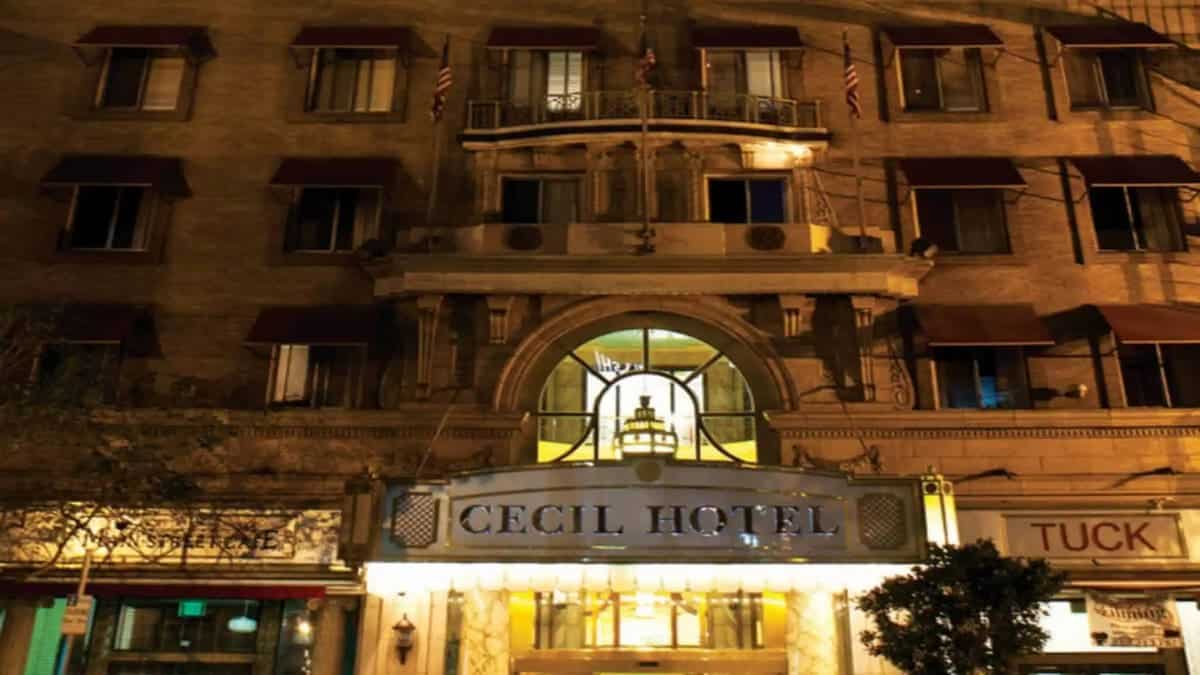
The Cecil Hotel in Downtown LA is a historic building known for its Beaux-Arts architecture and troubled past. Opened in 1924, it has gained notoriety for infamous crimes, mysterious deaths, and true-crime stories, making it a unique, if infamous, landmark in LA’s urban history.
👀 At a Glance:
🗓️ Best time: Never – building closed to tourists
💰 Budget: $0 (no longer operating as hotel)
✈️ Getting there: Metro to Pershing Square station
🏖️ Can’t miss: The building’s dark history and recent transformation
💡 Insider tip: View from street only – building now houses homeless

🏨 The Infamous Cecil Hotel’s Dark Beginning in Downtown Los Angeles
The 1927 Opening as a Luxury LA Hotel
Most people don’t realize the Cecil Hotel downtown LA started as an upscale destination in 1927. The hotel was designed to attract business travelers to downtown Los Angeles. You absolutely must understand this wasn’t always the deadliest LA hotel that people know today.
The building was constructed as a luxury destination in downtown Los Angeles. The Discover Los Angeles tourism board recognizes it as part of downtown’s historic architecture.
The Great Depression Changes Everything
Everything changed during the Great Depression when downtown LA began its decline. The Cecil Hotel started accepting long-term residents and transients. This shift marked the beginning of its transformation into something much darker.
By the 1950s, Skid Row had expanded around the hotel. The Cecil became known for housing people struggling with addiction and mental illness. You’ll discover this checkered history shaped everything that came next.
💀 Why the Cecil Hotel Downtown LA Became the Deadliest Hotel in America
The Dark Statistics and Mysterious Deaths
Here’s what the guidebooks won’t tell you about the Cecil Hotel’s reputation. Multiple deaths occurred within these walls since it opened. You’re looking at suicides, overdoses, and mysterious deaths that still puzzle investigators today.
The hotel’s location on Skid Row attracted vulnerable people seeking affordable housing. Many guests struggled with homelessness and mental health issues. The Los Angeles Times documented dozens of deaths between the 1960s and 2000s.

Serial Killers and the Night Stalker Connection
Don’t make the mistake of thinking these were all natural deaths. The Cecil Hotel downtown LA saw numerous suicides from upper floor windows. Guests found dead bodies in rooms, stairwells, and eventually that infamous water tank on the roof.
Serial killers like Richard Ramirez (the Night Stalker) stayed at the Cecil during their crime sprees. Jack Unterweger, an Austrian serial killer, was also linked to the hotel during his time in Los Angeles. The Visit California tourism office doesn’t mention this in their brochures.
You know that feeling when a place just feels wrong? Former guests described hearing screams, finding blood in elevators, and encountering disturbing behavior in hallways. The hotel earned its reputation as LA’s most haunted location.
🚰 The Elisa Lam Mystery & Water Tank Discovery at Cecil Hotel
The Canadian Student’s Final Days at Hotel Cecil
You’ve probably heard about Elisa Lam, the Canadian student whose death made the Cecil Hotel downtown LA internationally famous. The 21-year-old Canadian tourist was found dead in the hotel’s rooftop water tank in February 2013.
Here’s the travel secret most people don’t know about this case. Hotel guests complained about odd-tasting water and low water pressure for weeks before maintenance discovered the body. Imagine drinking that water without knowing what was causing the problem.
The Viral Elevator Footage
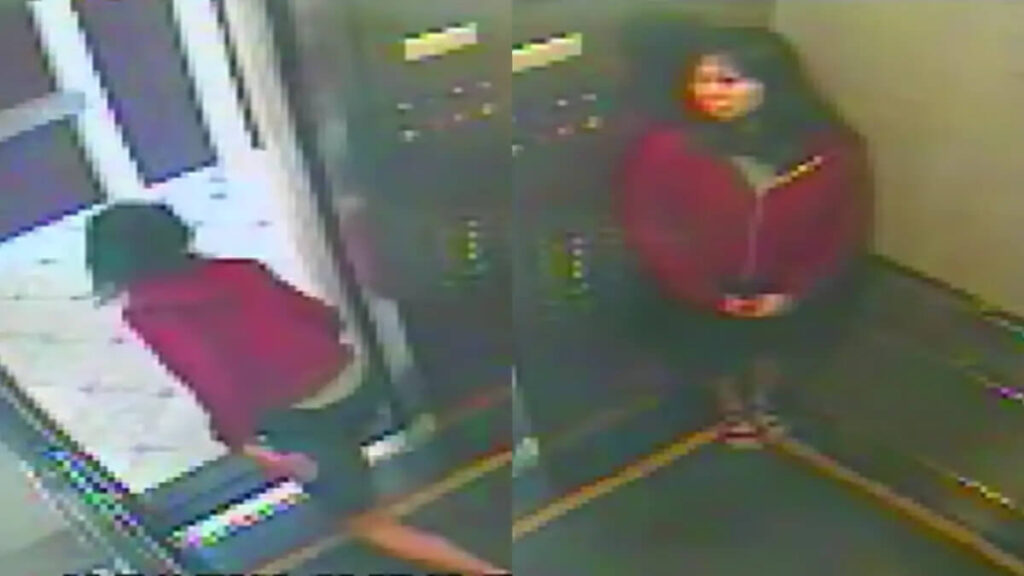
The elevator footage of Elisa Lam’s final hours went viral worldwide. You’ll see her pressing buttons, hiding in corners, and appearing to talk to invisible people. The video raised more questions than it answered about what happened to Elisa Lam.
Media Coverage and Global Impact
Netflix created “Crime Scene: The Vanishing at the Cecil Hotel” in 2021 about this case. The documentary explored theories ranging from mental health crisis to supernatural involvement. The Los Angeles Tourism & Convention Board had to address questions from curious tourists worldwide.
Most tourists miss the fact that Elisa was staying alone on the 15th floor. She had been traveling up the West Coast and blogging about her journey. Her body was found in the rooftop water tank, turning the Cecil Hotel downtown LA into a dark tourism destination overnight.
Unanswered Questions That Fuel Conspiracy Theories
The mystery keeps fascinating people because big questions remain unanswered. How did she get to the locked rooftop area? Why was the water tank lid found open? These unanswered questions keep bringing people to downtown LA looking for answers.
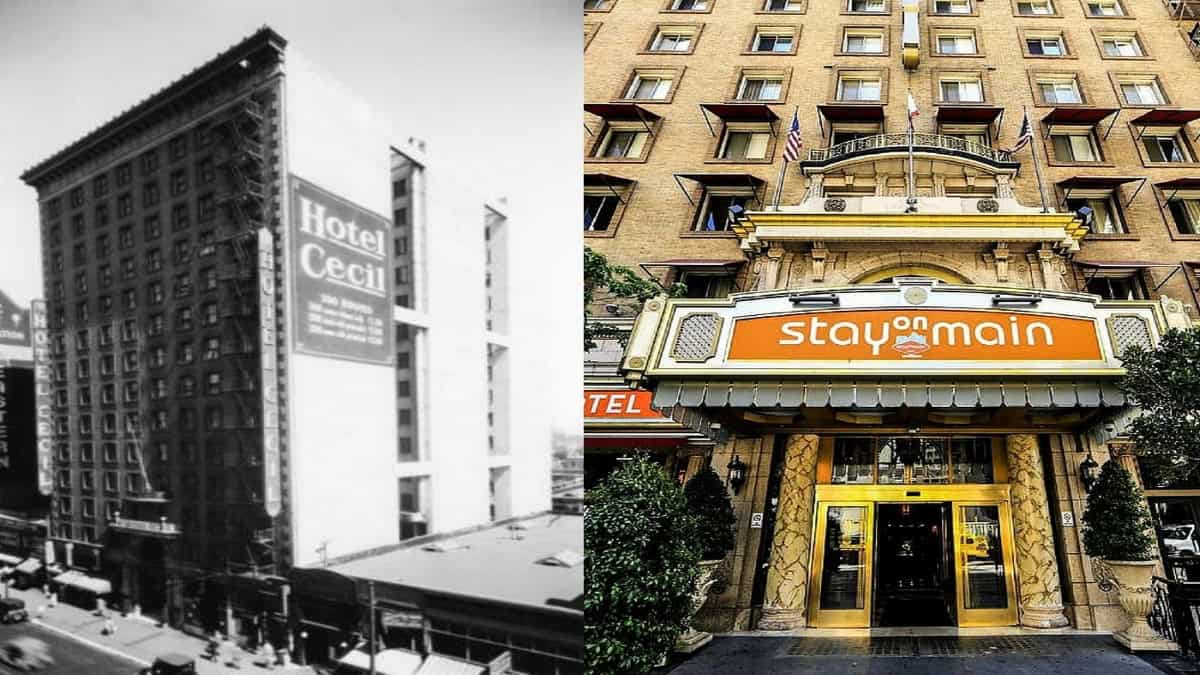
🏠 Cecil Hotel’s Transformation to House Homeless People
Do yourself a favor and learn about the Cecil Hotel’s recent transformation. In 2021, the building reopened as permanent supportive housing for homeless people. This change represents one of downtown LA’s most significant homelessness initiatives.
The Skid Row Housing Trust partnered with Simon Baron Development to convert the Cecil. They transformed the infamous hotel into affordable housing units with housing vouchers support. Mayor Karen Bass supported this transformation to house homeless people as part of LA’s broader housing strategy.
You absolutely must understand this wasn’t just about changing the building’s purpose. The developers had to overcome the Cecil Hotel downtown LA’s dark reputation. Many people questioned whether it was ethical to house vulnerable populations in such a notorious location.
The COVID-19 pandemic made the need for emergency housing in downtown Los Angeles more urgent. The city faced a big homelessness crisis with thousands of people living on the streets. Changing the Cecil into housing helped many people right away.
Here’s exactly what the change involved: complete renovation of all 299 hotel rooms into studio apartments. The building now has social services, security, and support programs. The Los Angeles Homeless Services Authority coordinates services for residents.

🎬 How American Horror Story Made the Cecil Hotel Downtown LA Even More Famous
The Hotel Cortez Connection
American Horror Story: Hotel drew inspiration from the Cecil Hotel downtown LA for its fifth season. The show featured a fictional hotel with similar dark history and mysterious deaths. This exposure brought even more attention to the real Hotel Cecil.
The series aired in 2015, two years after Elisa Lam’s death made headlines. Fans immediately recognized the parallels between the show’s hotel and the Cecil. The fictional Hotel Cortez shared many characteristics with LA’s infamous Cecil Hotel.
Hollywood’s Impact on Tourism
You’ll find yourself amazed by how closely the show mirrored real events. Both hotels featured mysterious elevator behavior, water tank incidents, and connections to serial killers. The show’s creators clearly researched the Cecil’s checkered history extensively.
Reality vs Entertainment Value
This will surprise you: American Horror Story actually increased tourism interest in downtown LA. People wanted to see the real location that inspired the fictional horror. The show turned the Cecil Hotel downtown LA into a pop culture phenomenon.
Take my advice and remember that the show was entertainment, not documentary. While inspired by real events, American Horror Story dramatized and fictionalized the hotel’s history. The real Cecil Hotel’s story is dark enough without Hollywood enhancement.
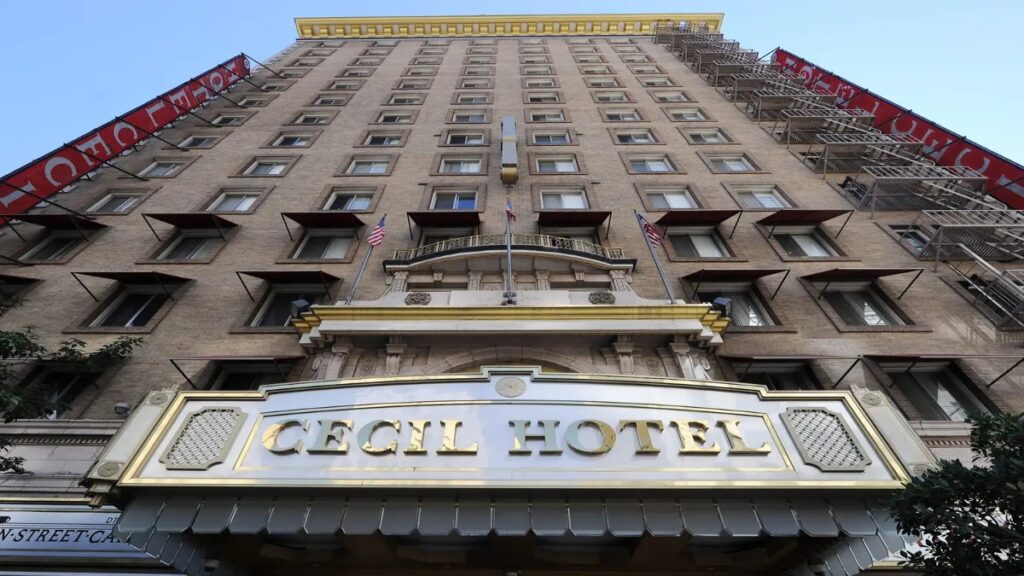
🏢 What Happened When the Infamous Cecil Hotel Went Up for Sale
The Challenge of Selling LA’s Deadliest Hotel
The Cecil Hotel up for sale made headlines in Los Angeles Magazine and other publications in 2014. The building’s owners struggled with its reputation and declining profitability. You’re going to learn why selling this infamous property proved so challenging.
Real estate experts called it one of LA’s hardest properties to sell. Who wants to buy the deadliest hotel in America? The building’s scary history scared away normal hotel investors and developers.
Finding Buyers with a Different Vision
Here’s what locals know about the sale process: it took years to find a buyer willing to take on the Cecil. The property’s location on Skid Row and its scary reputation created big challenges. Most investors wanted nothing to do with LA’s famous Cecil Hotel.
The Final Sale and New Direction
The building eventually sold to developers focused on affordable housing rather than traditional hospitality. This sale marked the end of the Cecil’s era as a functioning hotel. The transformation to house homeless people began after this ownership change.
You’ll discover that the sale showed the building’s problematic history. The new owners bought the property with plans for cheap housing change. Sometimes being famous for bad things creates chances for positive change in downtown Los Angeles real estate.

📰 Media Coverage That Made LA’s Infamous Cecil Hotel a Global Story
Decades of Los Angeles Times Coverage
Los Angeles Times coverage of deaths at the Cecil Hotel downtown LA spans decades. The newspaper documented the building’s transformation from luxury hotel to notorious landmark. You absolutely must read their archives to understand the full scope of this story.
International media attention exploded after Elisa Lam’s death in 2013. News outlets around the world covered the mysterious things surrounding the Canadian tourist’s death. The story spread across social media faster than any hotel-related incident before.
The True Crime Media Explosion
Curbed Los Angeles wrote extensively about the building’s architectural history and urban decay context. Their coverage helped readers understand how downtown LA’s decline contributed to the Cecil’s problems. The California Travel & Tourism Commission addresses questions about safety in downtown areas.
How L.A.’s Inside the Cecil Hotel Became True Crime Content
True crime podcasts discovered the Cecil Hotel downtown LA and created dozens of episodes about its history. Shows like “My Favorite Murder” and “Crime Junkie” brought the story to new audiences. This coverage cemented the hotel’s place in true crime culture.
Documentary filmmakers couldn’t resist the Cecil’s dark appeal. Netflix’s 2021 series brought the story to millions of viewers worldwide. The coverage transformed a local LA story into a global phenomenon about urban decay and mental health.
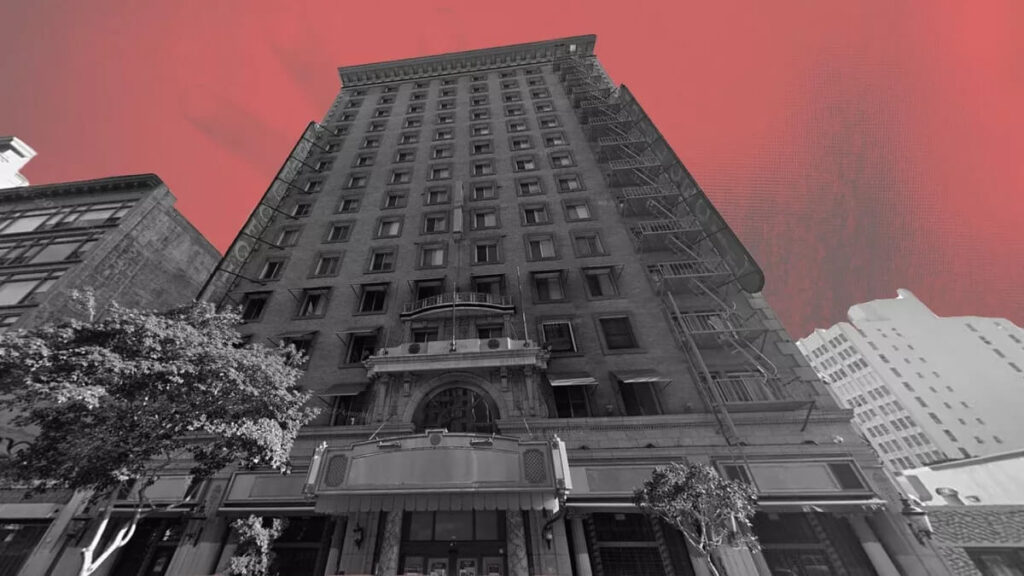
🔮 The Future of Cecil Hotel Downtown LA and Lessons for Urban Housing
A New Model for Problematic Properties
Trust me when I say the Cecil Hotel downtown LA represents both urban failure and potential redemption. The building’s transformation from deadliest hotel to supportive housing offers hope for similar properties. You’re witnessing one of downtown Los Angeles’ most significant social experiments.
The long-term lease ensures stable affordable housing in an expensive city. Residents now receive mental health services, addiction treatment, and long-term housing support programs. This model could work for other notorious buildings in downtown LA and beyond.
Breaking the Cycle of Urban Decay
Housing vouchers and federal funding make the Cecil’s supportive housing financially viable. The project demonstrates how cities can repurpose problem properties for social good. The Los Angeles Housing + Community Investment Department monitors the program’s success closely.
Many deaths occurred at the Cecil because vulnerable people had nowhere else to go. The building’s new purpose addresses the root causes that created its dark reputation. Providing stable housing with support services breaks the cycle that led to so many tragedies.
Lessons for Cities Nationwide
You’ll find that the Cecil’s story shows bigger problems about mental health, homelessness, and city decay. Cities across America face similar challenges with problem buildings and vulnerable people. The Cecil’s change offers a possible model for handling these complex problems.
Cecil Hotel Downtown LA as a Success Story
The COVID-19 pandemic showed cities really needed new housing solutions. Converting the Cecil Hotel downtown LA into permanent housing helped people during a health crisis. This success story shows that scary buildings can help people when managed and funded properly.