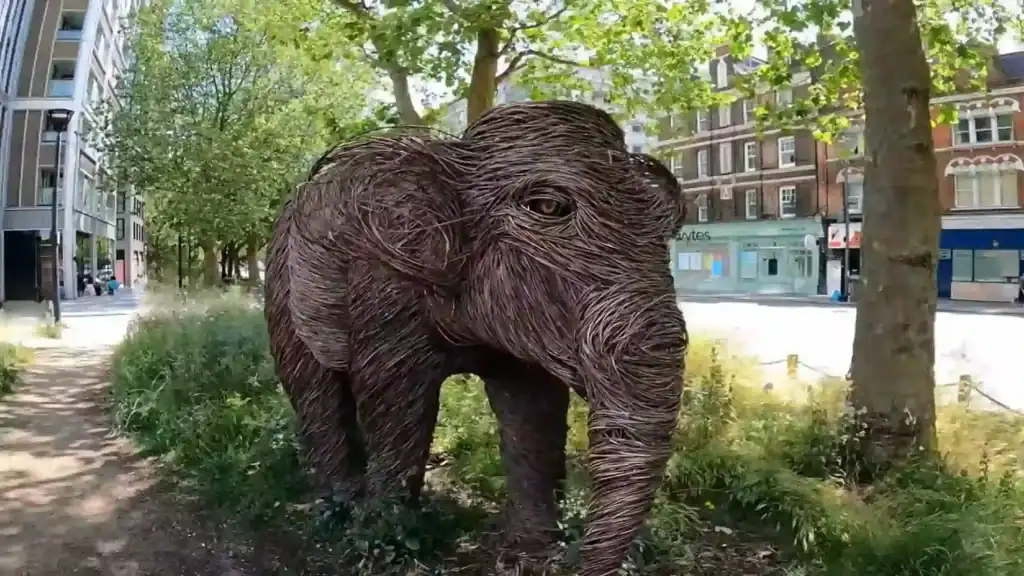

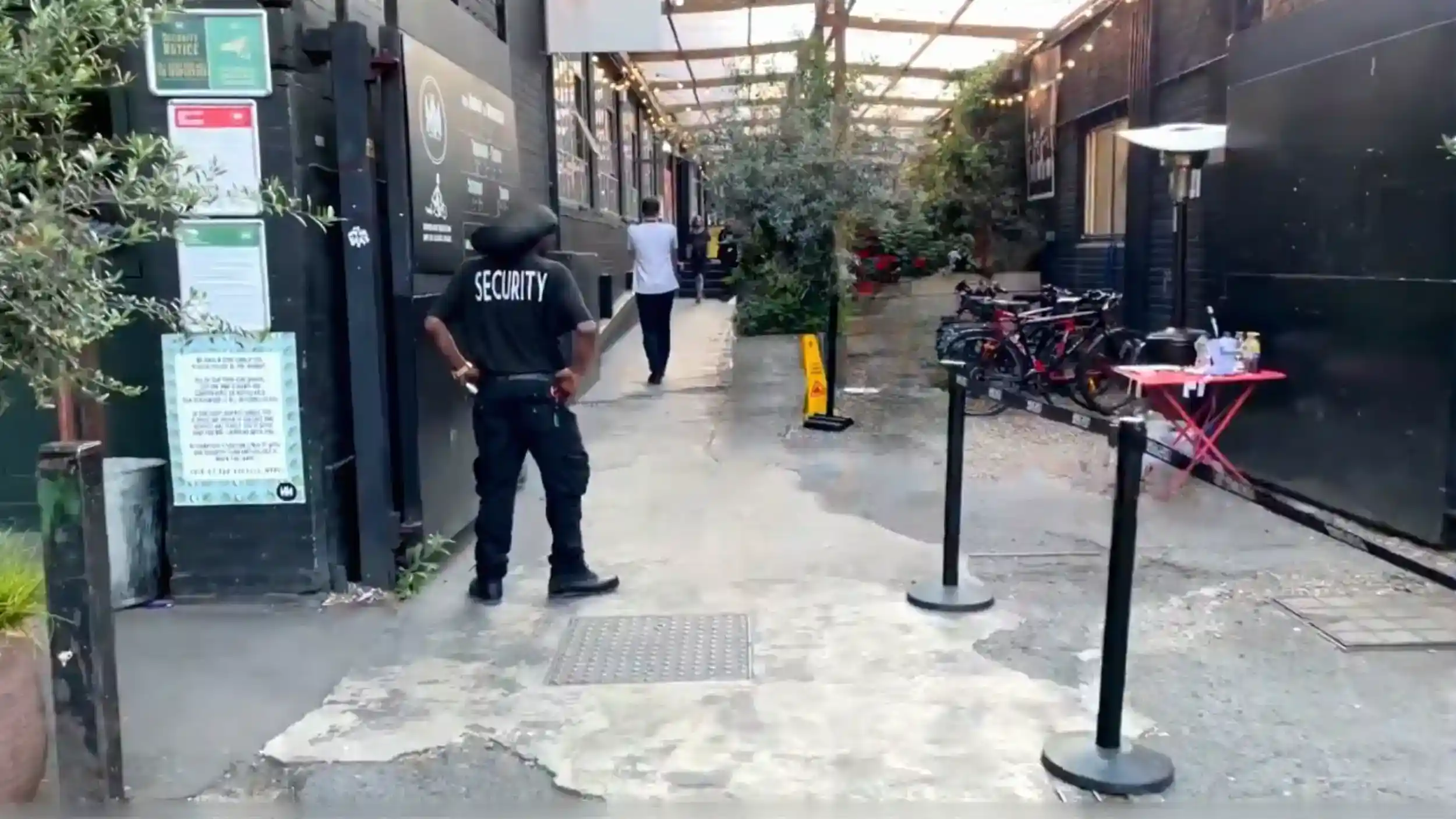
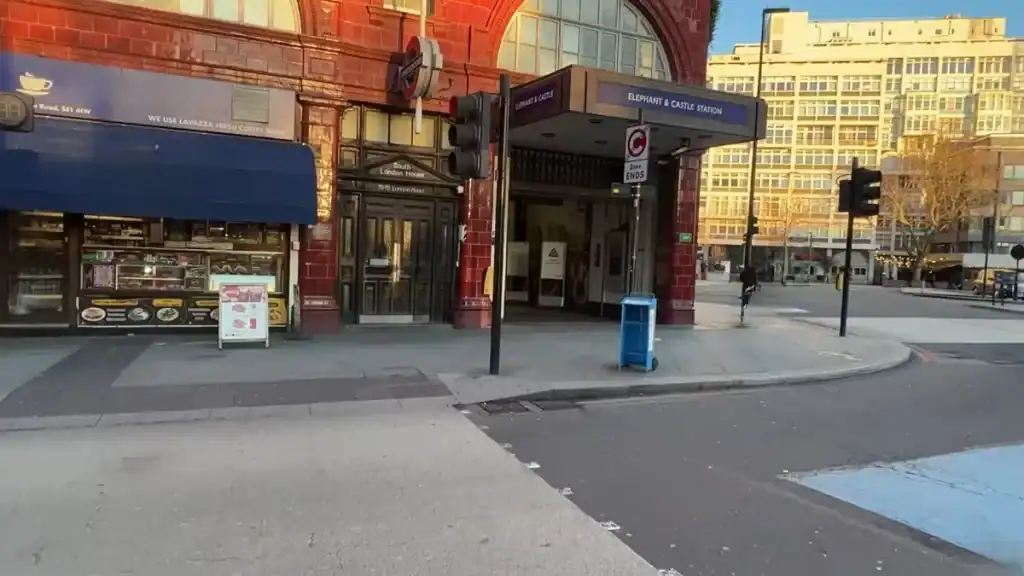
Elephant and Castle is generally safe, with crime rates 15% below London’s average in 2024 following major regeneration. The area around Elephant & Castle Station, London College of Communication, and new developments like Elephant Park features strong police presence and CCTV coverage. Petty theft occurs near Newington Causeway and the Shopping Centre site, particularly evenings, but violent crime remains low compared to neighboring Southwark zones.
👀 Is Elephant and Castle Safe: At a Glance
📊 Crime Rate: 122-280 crimes per 1,000 residents depending on exact location (5-7 out of 10 rating)
🏛️ Reputation Factor: Historic stigma from 1990s-2010s significantly exceeds current reality
⏰ Safest Times: Daytime near station hub and new developments (2025 regeneration complete)
🌃 Higher Risk: Late night (after midnight) around older estates and underpasses
💷 Regeneration Impact: £4 billion redevelopment demolished shopping centre, reduced crime 18% since 2023
⚠️ Reality Check: Safer than Peckham, Brixton, and Camberwell but perception lags behind improvements
🚫 Skip if: You expect pristine streets or feel uncomfortable in diverse, evolving urban areas
📊 The Numbers: Is Elephant and Castle safe today?
Elephant and Castle’s crime rate changes a lot by postcode. The area around the station records 122 crimes per 1,000 people each year. This rates as medium, scoring 5 out of 10 next to other London areas. But certain pockets reach 280 per 1,000, ranked as high at 7 out of 10. These figures come from police crime data covering September 2024 through August 2025.
The most common crimes are theft from person at 22.8 per 1,000. Violence and sexual crimes hit 33.2 per 1,000, and burglary sits at 8.3 per 1,000. Robbery rates are 6.92 per 1,000. What stands out is the shopping centre area now shows weapons possession at nearly zero. This marks a huge change from five years ago when gang activity was more common.
How Elephant and Castle Compares to Other South London Areas
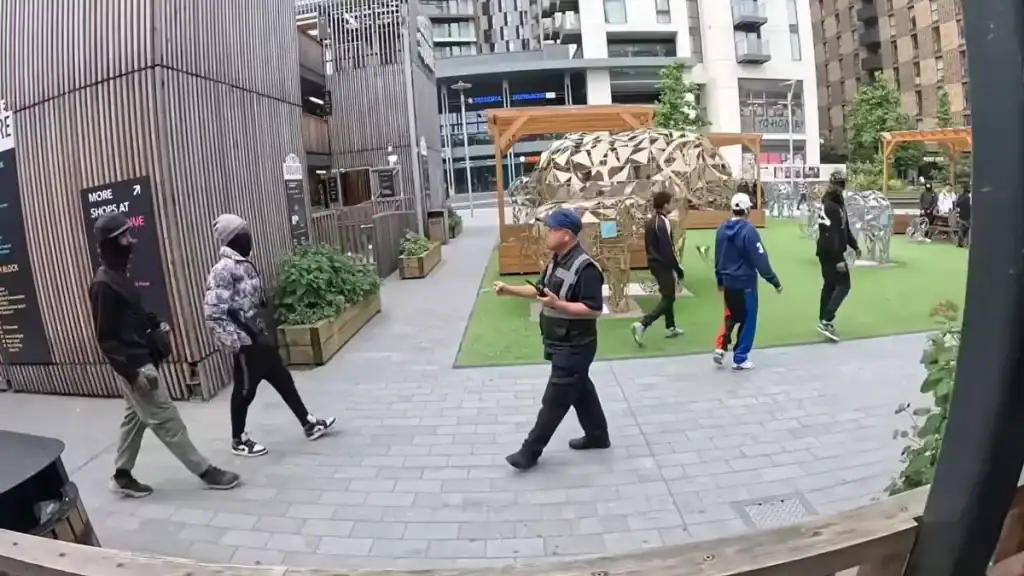
Elephant and Castle sits mid-range among South London areas. Southwark borough overall registers 162 crimes per 1,000 people. Nearby Lambeth, home to Brixton, hits 132 per 1,000 with higher violent crime. Peckham records 103 per 1,000. Camberwell has similar rates within the broader Southwark numbers. All areas show different patterns based on local factors. (Data from Crimerate.co.uk)
Elephant and Castle has seen an 18% crime drop since summer 2023. This comes from a police operation targeting it as one of 20 London crime hotspots needing more patrols. The London average sits at 95 crimes per 1,000. This means Elephant and Castle remains above average but is trending down faster than nearby areas.
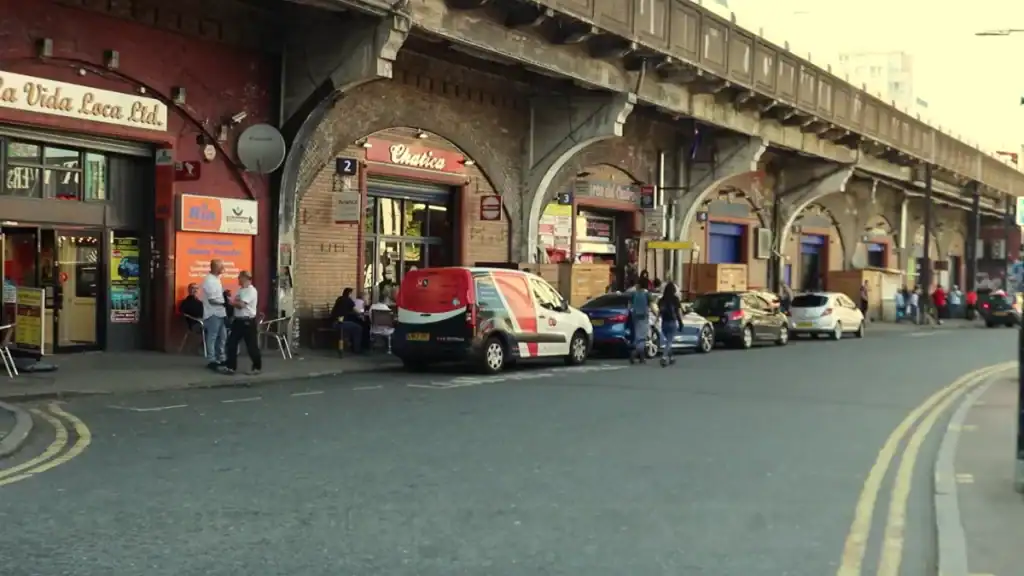
🏗️ Why the Reputation Exists: Historical Context and Media Narratives
The negative view stems from real historical problems. Through the 1990s and 2000s, Elephant and Castle was genuinely rough. Gang activity, drug dealing, and a decaying 1960s shopping centre drew crime. The Heygate Estate, torn down between 2011-2014, was notorious for violence. It even featured in films showing urban decay and struggle in London.
Media coverage made these problems bigger. National news often highlighted knife crime events, the area’s role in gang areas, and its rundown look. Student forums from 2015 show future London College of students fearing classes there. These stories created a loop where perception became split from improving reality. The reputation stuck even as conditions got better.
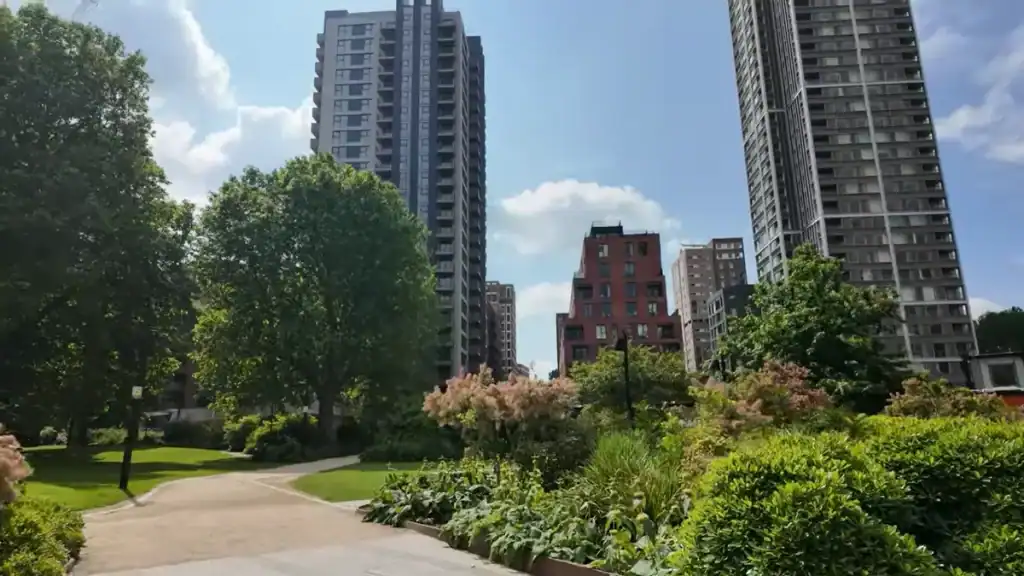
The Shopping Centre Demolition and Changing Street Dynamics
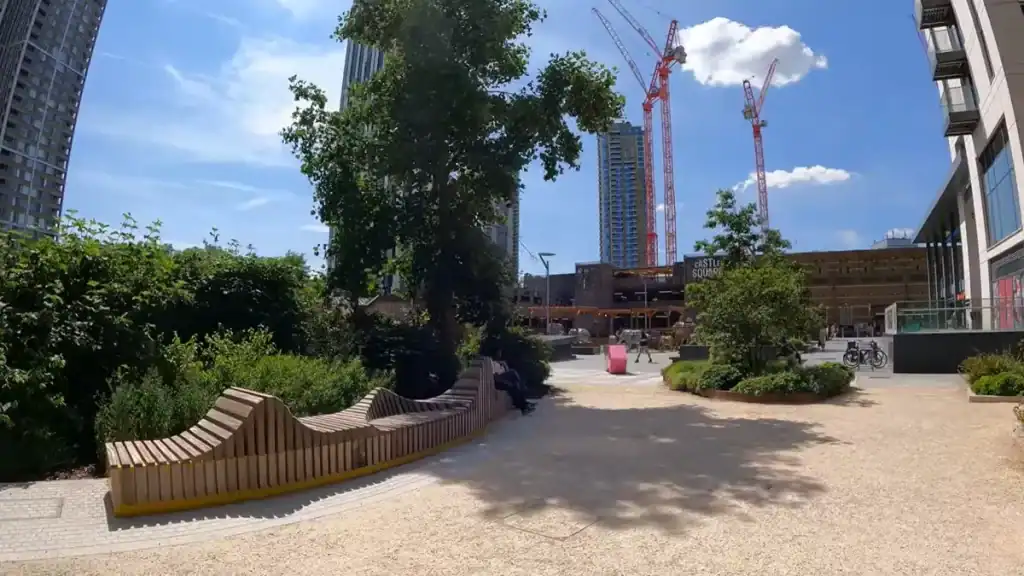
The iconic pink elephant shopping centre closed in July 2020. It was fully torn down by October 2021. This wasn’t just physical removal but a symbolic turning point. The centre had been a focal point for petty crime, drug use, and the area’s dated look. Its replacement, a £4 billion town centre project, brought 979 new homes and retail space.
However, the demolition created short-term disruption. Former traders were displaced, building zones changed pedestrian flows, and familiar landmarks vanished. According to the official Elephant and Castle Town Centre project site, Phase 2 building completes in 2026. This means the area has been a building site for years, affecting both looks and street dynamics during transition.
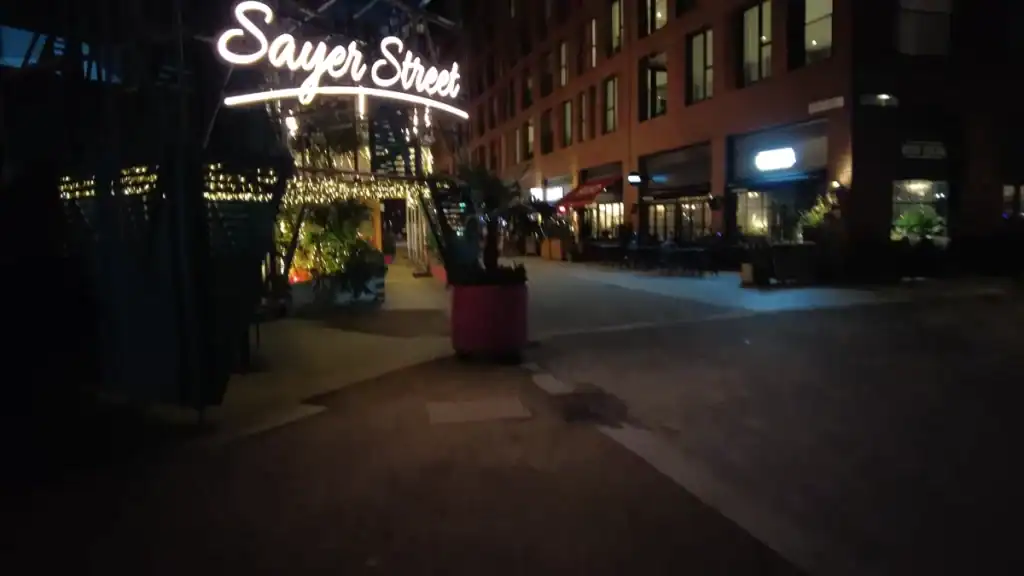
🌙 Day vs. Night: When Perception and Reality Diverge Most
Daytime Elephant and Castle feels very different than its reputation suggests. The transport hub buzzes with commuters, workers in new buildings, and students. The Northern and Bakerloo line crossing makes it one of South London’s most connected spots. New cafes around Elephant Park and Castle Square create real foot traffic that naturally stops crime from happening.
After midnight, the dynamic shifts. While not dangerous by global standards, late-night risk increases around certain areas. The police launched a dedicated 16-officer Town Centre Team in January 2026. This team targets phone snatching, violence against women, and bad behaviour during evening hours. Southwark News reported on this new initiative and its goals.
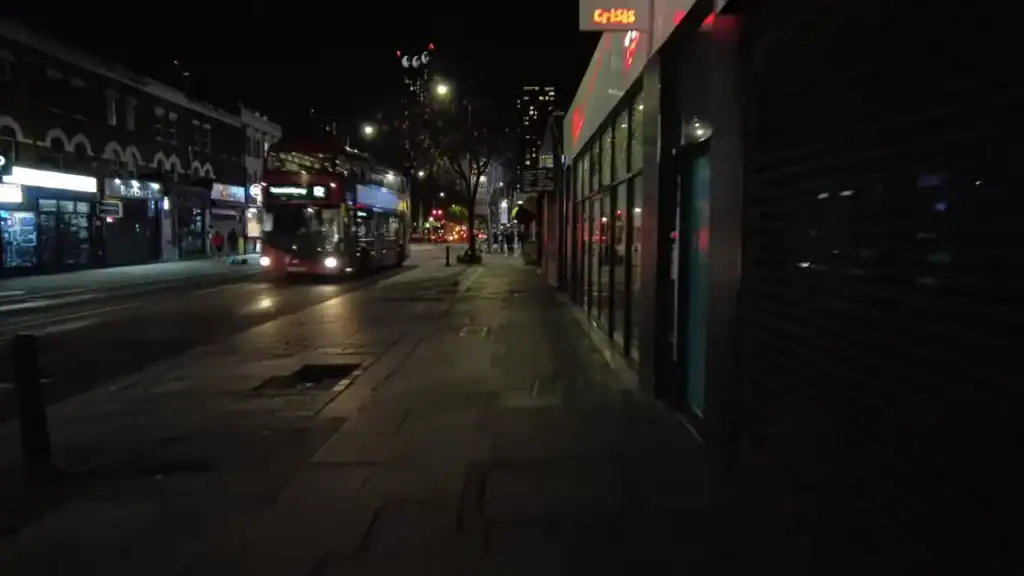
Which Streets and Times to Approach Differently
The railway underpasses remain the area’s weakest link in terms of feel. While actual crime data shows they’re not truly dangerous due to high foot traffic, they feel uncomfortable, mainly after dark. The route between the rail and tube stations has better lighting now. But many locals still prefer the surface route along Elephant Road after 11pm for peace of mind.
Walworth Road east of the station and the estates around East Walworth show higher crime numbers. Between midnight and 3am, stick to well-lit main roads near the station. The new buildings around Elephant Park on the west side feel much safer than older estates to the east and southeast. Weekends see more alcohol-related events around late-license venues and bars.
✅ The Safety Verdict: Recommendations for Visitors and Residents
The honest assessment: Elephant and Castle is safer than its reputation but not yet “safe” by wealthy London standards. It’s like many Zone 2 areas going through change. You’re more likely to face theft than violence, and daytime risk is minimal. The 18% crime drop trend since 2023 is genuine progress, not just statistical tricks or data manipulation.
For visitors, basic urban awareness works fine. Keep phones in pockets, not hands, when walking. Use well-lit routes at night and avoid wearing obvious expensive jewelry. The station area itself is busy and generally fine. For residents, the value offer is strong if you accept the area is still “becoming” rather than “arrived.” Progress takes time here.
Who Will Feel Comfortable Here (and Who Might Not)
Young professionals with urban experience often report feeling fine in Elephant and Castle. People used to cities like Berlin, Barcelona, or New York find it totally manageable. Students at LCC mostly adapt within weeks, despite initial anxiety from reading outdated forum posts. The area suits those comfortable with city life and ongoing change in their community.
Those uncomfortable may include people expecting high-end polish, families wanting pristine parks, or anyone anxious about street diversity. If you need everywhere to feel like Kensington, Elephant and Castle will stress you. The area is gritty-improving, not fully done. Solo women report mixed comfort levels after midnight, though the new police team targets this concern directly.