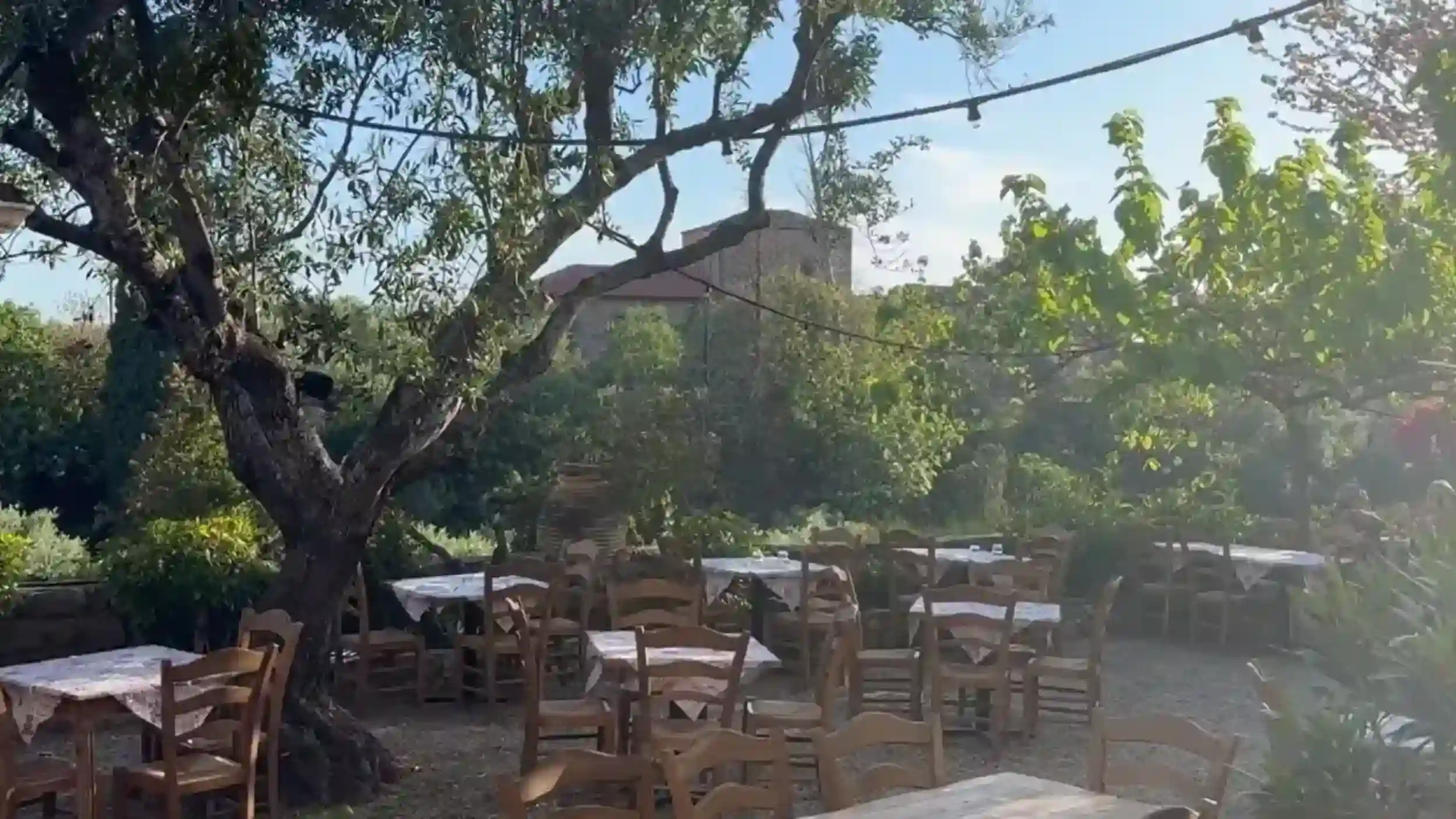
Mani Peninsula peace and quiet is one of the region’s defining characteristics. While no destination is completely empty, the peninsula remains noticeably quieter than most of Greece, with peaceful villages, uncrowded roads and long stretches of coastline where silence still feels like part of the landscape.
🤫 Quiet Compared to What
The Mani has a reputation for being peaceful.
The important question is compared to what.
If you’re arriving from Santorini, Mykonos or the busier parts of Crete, the difference feels immediate. If you’re comparing it with an isolated mountain village in winter, the contrast is naturally much smaller. Understanding those expectations helps explain why so many visitors describe the peninsula as one of the quietest places they’ve found in southern Greece.
Quieter Than Most Popular Greek Destinations
The Mani sits well away from Greece’s busiest tourist routes.
It has no airport, no ferry terminal bringing day-trippers and very few places capable of handling large coach groups. Most visitors arrive because they’ve deliberately chosen the peninsula rather than simply passing through.
That alone keeps visitor numbers surprisingly low throughout much of the year.
Travellers planning a wider Peloponnese road trip often discover that Visiting the Mani Peninsula: How Much Time Do You Really Need? explains why the region feels so different from neighbouring destinations.
Not Every Part of the Peninsula Feels the Same
Peace and quiet aren’t distributed equally.
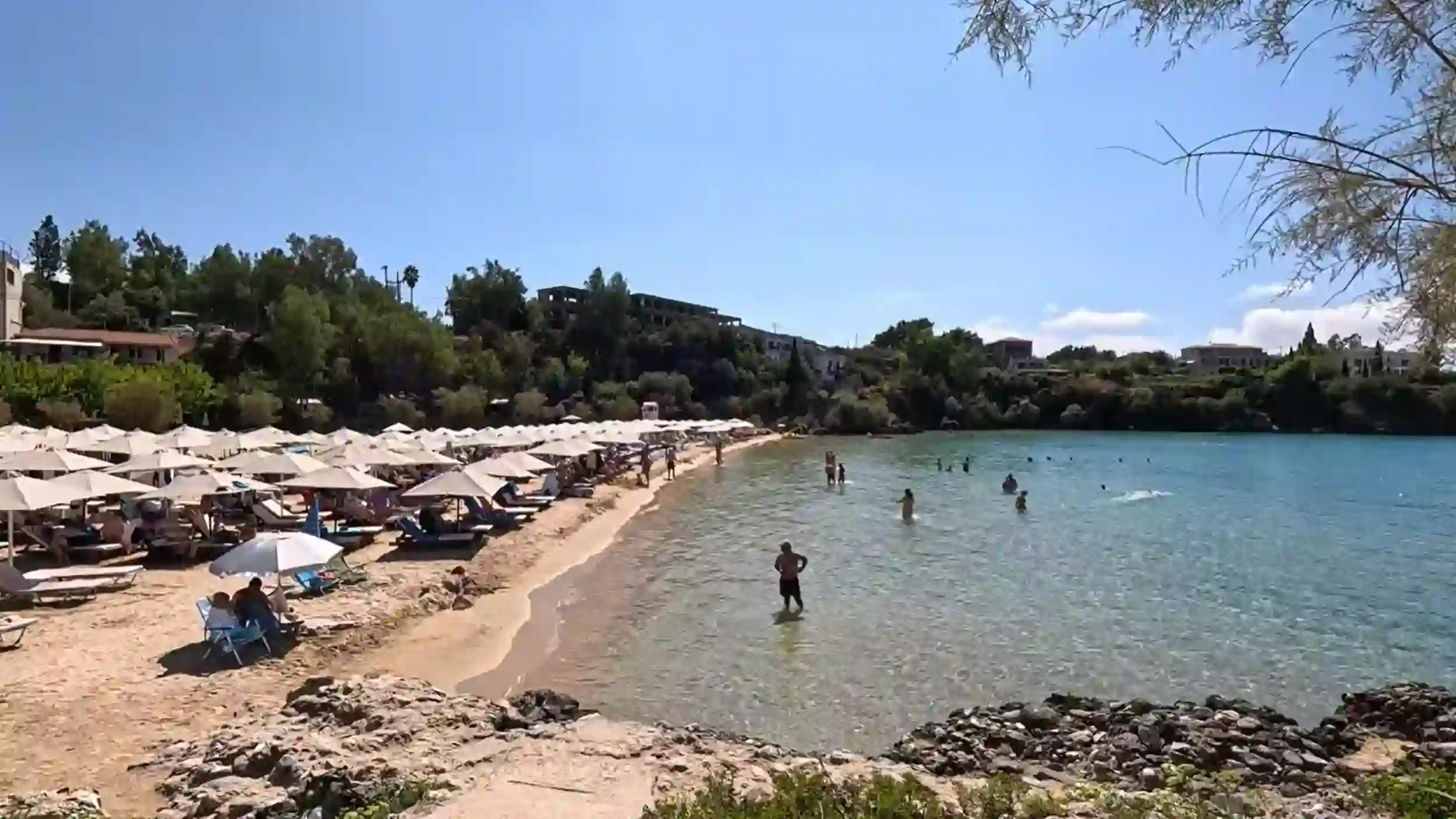
The western coast around Stoupa and Kardamyli becomes noticeably livelier during summer, while the Deep Mani south of Areopoli often remains remarkably calm even during the busiest weeks of the year.
That change surprises many first-time visitors.
| Area | Typical Atmosphere |
|---|---|
| 🌊 Stoupa & Kardamyli | Busier in summer |
| 🏛️ Areopoli | Lively but rarely crowded |
| 🪨 Deep Mani | Quiet throughout most of the year |
| 🌅 Cape Tainaron | Usually peaceful |
The Mani isn’t empty.
It simply experiences tourism on a scale that’s very different from much of Greece.
That’s why visitors often describe the silence here not as unusual, but as something that feels entirely natural once you’ve spent a day or two exploring the peninsula.
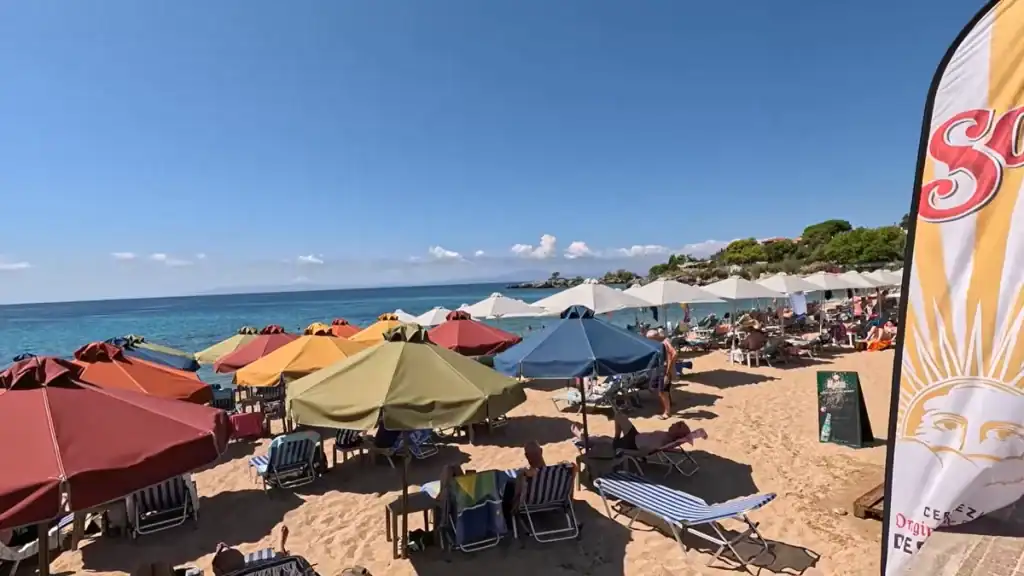
📅 When Crowds Actually Show Up
Yes, the Mani has a busy season.
It’s just much shorter and much gentler than many visitors expect.
For most of the year, the peninsula feels remarkably peaceful. The noticeable increase in visitors is largely concentrated into July and August, when Greek families, road-trippers and overseas travellers all arrive at the same time.
Summer Concentrates Activity
The busiest places aren’t difficult to identify.
Stoupa’s beaches become livelier, Kardamyli fills with diners during the evening and accommodation books much further in advance than during spring or autumn. Even so, the atmosphere rarely resembles the packed resorts found elsewhere in Greece.
The crowds also tend to stay close to the coast.
Visitors looking for quieter swimming spots during the busiest weeks often discover they’re only a short drive away. Mani Peninsula Beaches: Where People Actually Go compares the peninsula’s popular beaches with coves that remain surprisingly peaceful even in high summer.
The Deep Mani Stays Surprisingly Calm
South of Areopoli, the mood changes again.
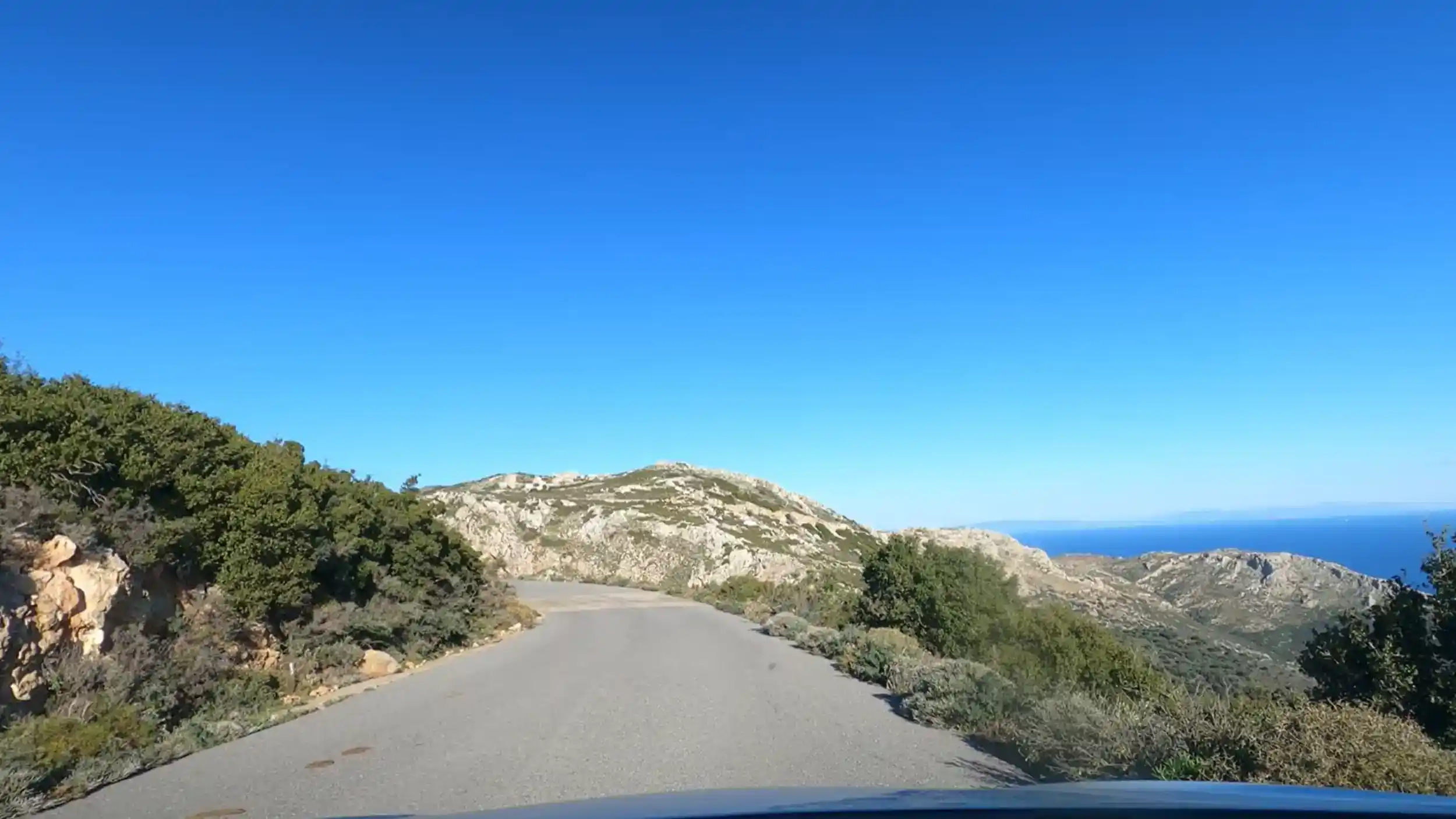
The roads become quieter, villages are more widely spaced and many travellers simply continue driving rather than staying for long. Even when the western coast feels busy, the Deep Mani often retains the slower atmosphere that people associate with the region.
Peak season in the Mani is still quieter than normal summer in many other parts of Greece.
| Time of Year | What to Expect |
|---|---|
| 🌸 Spring | Quiet almost everywhere |
| ☀️ July & August | Busy mainly on the western coast |
| 🍂 September | Crowds fall away quickly |
| ❄️ Winter | Mostly locals and returning visitors |
One of the peninsula’s greatest strengths is how quickly the busy period fades. By early autumn, peaceful roads and quiet villages become the norm again, giving visitors a completely different experience only a few weeks after the height of summer.
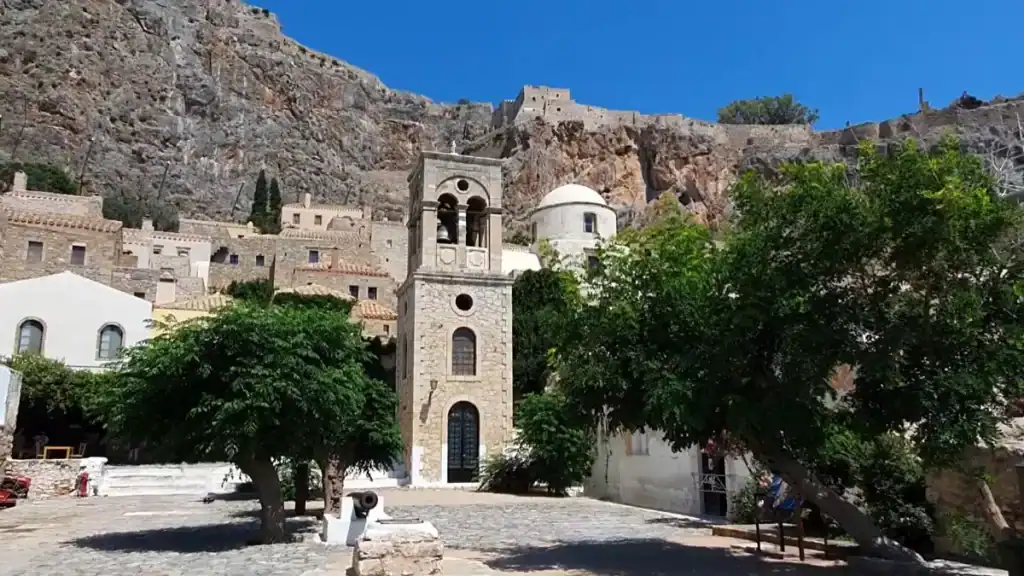
🌅 The Hours That Stay Quiet Regardless of Season
Even during the busiest weeks of the year, the Mani has moments that feel almost untouched.
They simply occur at different times of day.
Visitors who adjust their schedule quickly discover that the peninsula seems to belong to locals early in the morning and to anyone willing to linger after sunset.
Early Mornings Feel Almost Private
Before cafés begin filling and the day’s visitors arrive, the villages are remarkably peaceful.
Stone streets echo with little more than birdsong, church bells or the occasional scooter heading to work. The cooler air also makes this one of the best times to explore places such as Areopoli, Vathia or Kardamyli on foot.
Photographers often prefer these hours too, when the softer light transforms the limestone buildings and the roads remain almost empty.
If you’re planning a morning walk, Stone Paths and Silent Gorges: Hiking the Mani Peninsula explains why many of the peninsula’s best routes are most enjoyable before the heat builds.
Evenings Slow Everything Down Again
The atmosphere changes for different reasons after sunset.
Rather than becoming noisy, the villages become sociable. People gather in tavernas, conversations drift across quiet squares and harbours settle into an easy rhythm that’s very different from the activity of the afternoon.
The pace is relaxed rather than lively.
The Mani’s quiet isn’t the absence of people.
It’s the absence of pressure, traffic and constant background noise.
Whether you visit in May or August, these quieter hours remain remarkably consistent. Simply shifting your sightseeing to the beginning and end of the day can make the peninsula feel far more peaceful than the calendar alone might suggest.
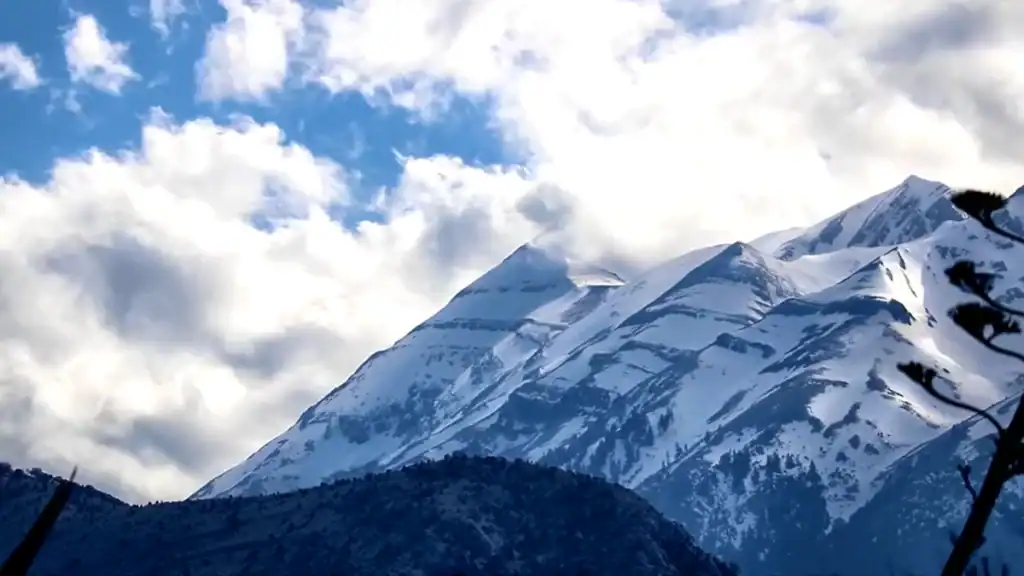
🍃 What the Off-Season Actually Sounds Like
The quiet becomes much easier to notice once summer ends.
Without steady traffic, busy cafés and holiday conversations filling the background, the peninsula returns to the rhythm that local communities experience for much of the year. It’s one of the reasons many repeat visitors deliberately choose the shoulder seasons.
Silence Has Its Own Character
Off-season quiet isn’t complete silence.
Instead, everyday sounds begin to replace tourist activity. Wind moves through the olive trees, fishing boats leave the harbour before sunrise and church bells carry surprisingly long distances across the valleys.
Visitors often comment that they can hear the landscape itself.
That slower atmosphere becomes even more noticeable in spring and autumn, when the roads are quieter and villages return to their normal routines. The Mani Peninsula in Autumn: Harvest, Empty Roads and the Return of Rain explores how dramatically the atmosphere changes once the main tourist season finishes.
Fewer Visitors, More Conversations
Another difference is the way people interact.
Restaurant owners have more time to chat, accommodation hosts are often happy to suggest places that rarely appear in guidebooks and there’s less feeling of everyone moving to the next attraction.
The pace naturally becomes more personal.
| What You Hear Most Often | |
|---|---|
| 🌊 Waves against the shore | Instead of beach crowds |
| 🔔 Church bells | Instead of traffic |
| 🐐 Goat bells and birdsong | Instead of organised activities |
| 🌬️ Wind through olive groves | Instead of constant background noise |
Off-season peace isn’t created for visitors.
It’s simply what the Mani sounds like when everyday life takes over again.
For travellers seeking genuine Mani Peninsula peace and quiet, these months often provide the experience they imagined long before they arrived.
⏳ How Long the Quiet Holds
The Mani is changing.
Just very slowly.
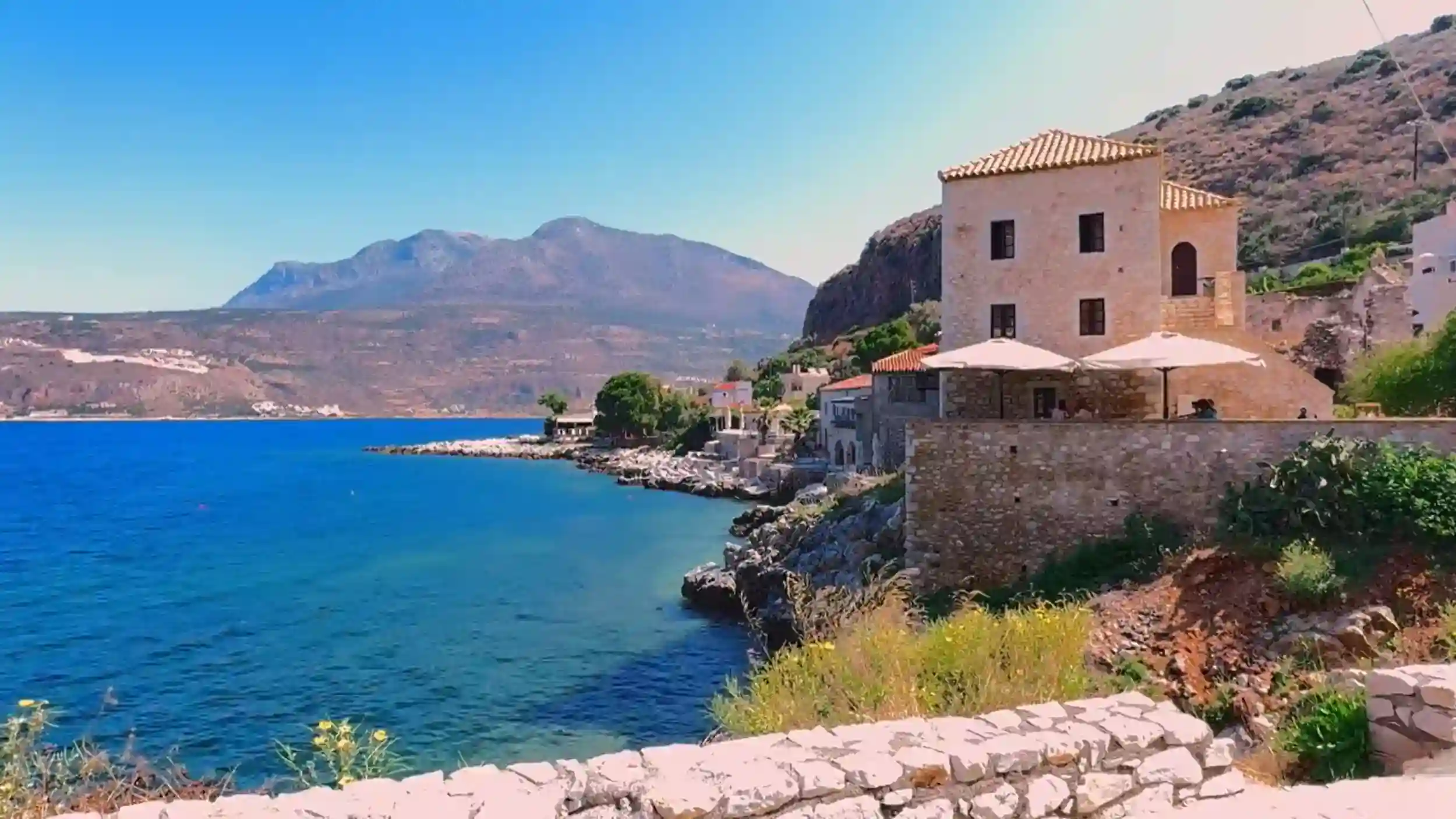
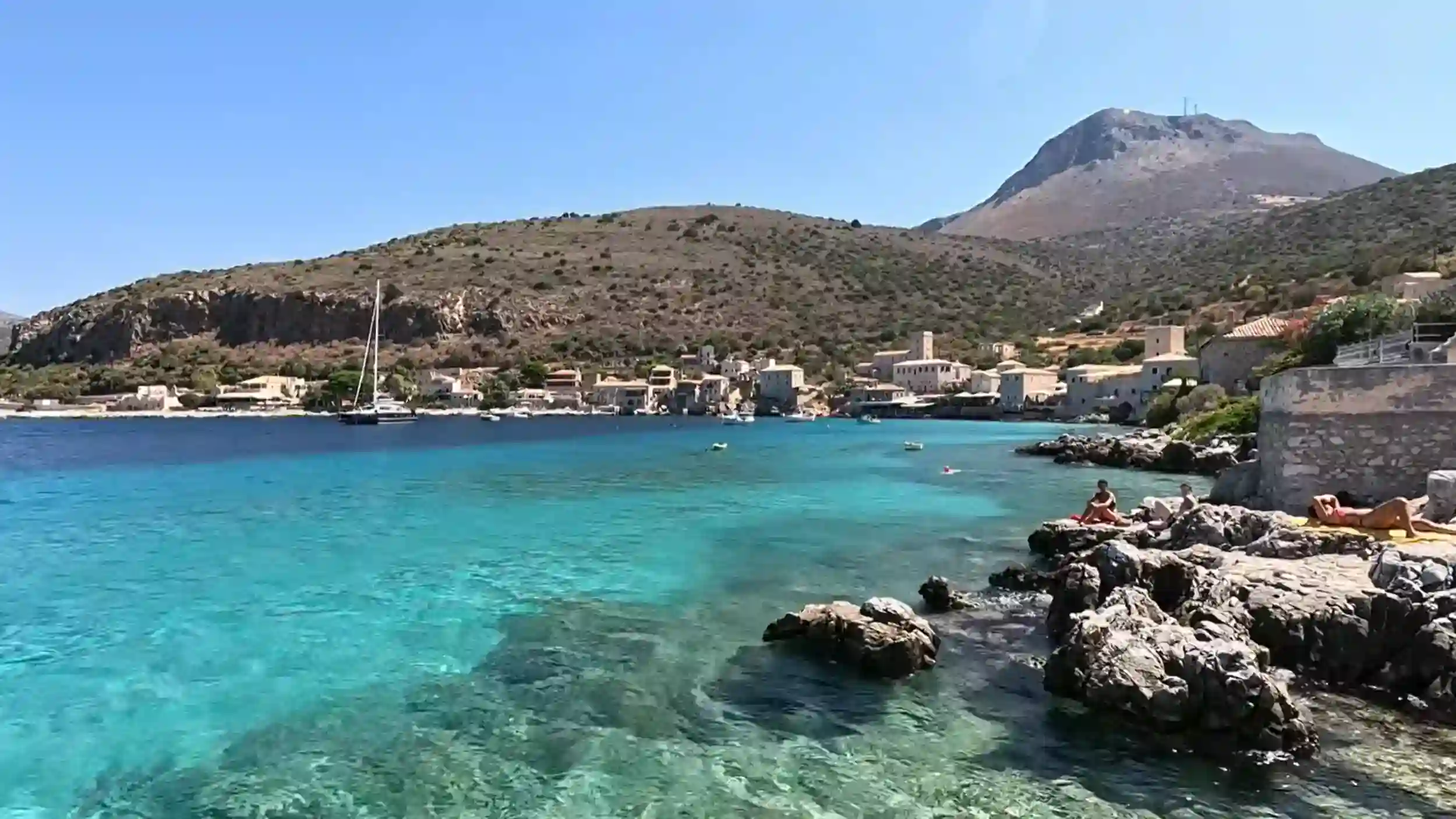
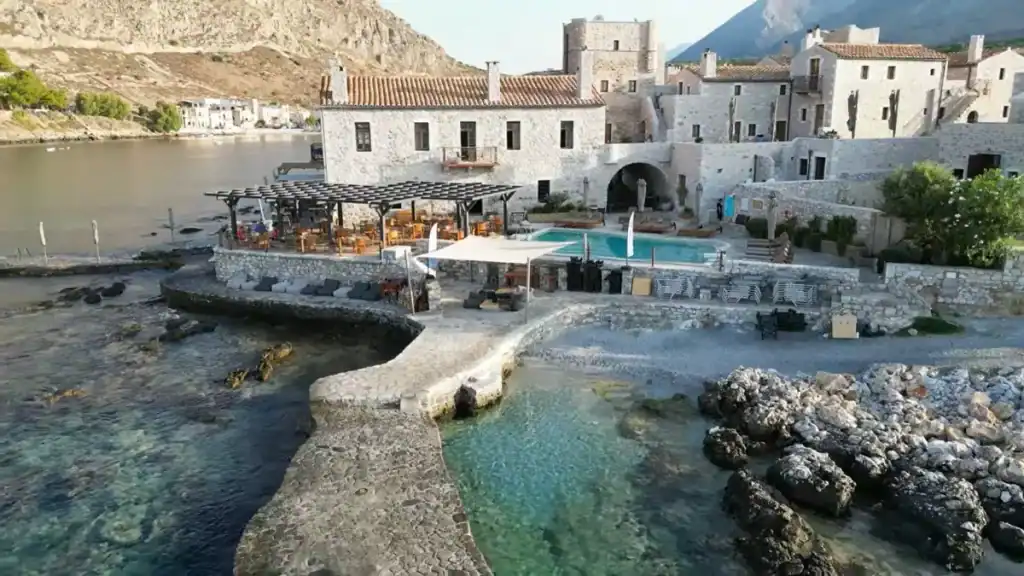
More travellers discover the peninsula each year, boutique guesthouses continue to open and villages such as Limeni and Kardamyli appear more frequently in travel articles than they once did. Yet the overall character of the region remains remarkably intact.
Geography Still Protects the Peninsula
The biggest reason is simple.
The Mani isn’t easy to visit by accident.
There are no international airports, cruise terminals or major transport hubs bringing large numbers of visitors each day. Most people arrive by car after deliberately choosing to explore this corner of the Peloponnese.
That natural barrier continues to limit visitor numbers far more effectively than any tourism policy could.
Travellers considering a first visit often notice this almost immediately. Who Travels to the Mani Peninsula – and Why explains why the peninsula tends to attract independent travellers rather than mass tourism.
Growth Without Losing Its Identity
The villages have adapted where necessary.
A restored tower house may now operate as a boutique hotel, while an old harbour taverna welcomes more overseas visitors than it did a decade ago. But the underlying rhythm of daily life has changed very little.
Roads remain narrow.
Villages remain small.
The landscape still dictates the pace rather than tourism.
| What’s Changing | What’s Staying the Same |
|---|---|
| 🏨 More boutique accommodation | 🪨 Traditional stone villages |
| 🌍 Greater international awareness | 🚗 Quiet roads away from peak season |
| 📸 Increased photography tourism | 🌿 Unspoilt landscapes |
| 🧭 Better travel information | 😌 Relaxed pace of life |
The Mani’s peace survives because its character has never depended on being fashionable.
For now, Mani Peninsula peace and quiet remains one of the easiest promises in Greece to keep. Visitors willing to venture beyond the busiest summer beaches still find exactly what the peninsula has quietly offered for generations: space, silence and time to appreciate both.