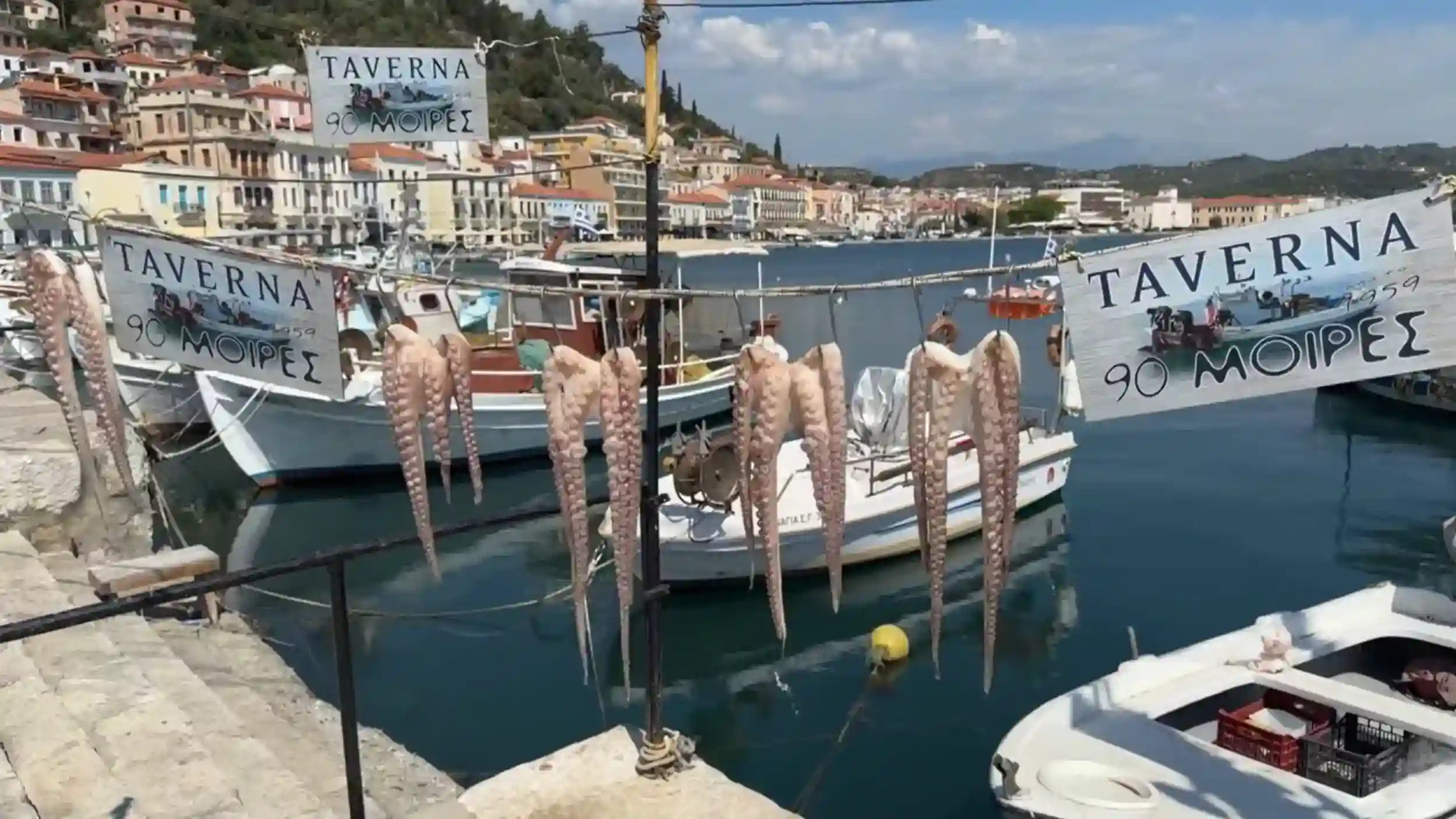
Visiting the Mani Peninsula deserves more than a quick stop. Two nights let you experience its villages, coastline and slower rhythm, while three days provide enough time to explore without constantly watching the clock.
There’s a version of the Mani that gets ticked off in an afternoon: a stop south of Gytheio, a coffee in Areopoli, a glance at the tower houses, back on the road by three. Plenty of travellers do it that way.
🧭 Why the Mani Takes Longer to Reveal Itself Than Most Places
The Mani isn’t difficult to visit.
It’s difficult to understand quickly.
Many destinations reveal their highlights within a few hours. The Mani works differently. Its famous sights are certainly worth seeing, but the memories people talk about afterwards usually come from quieter moments that can’t easily be scheduled.
It’s the Gaps Between the Attractions
The peninsula isn’t built around one headline attraction.
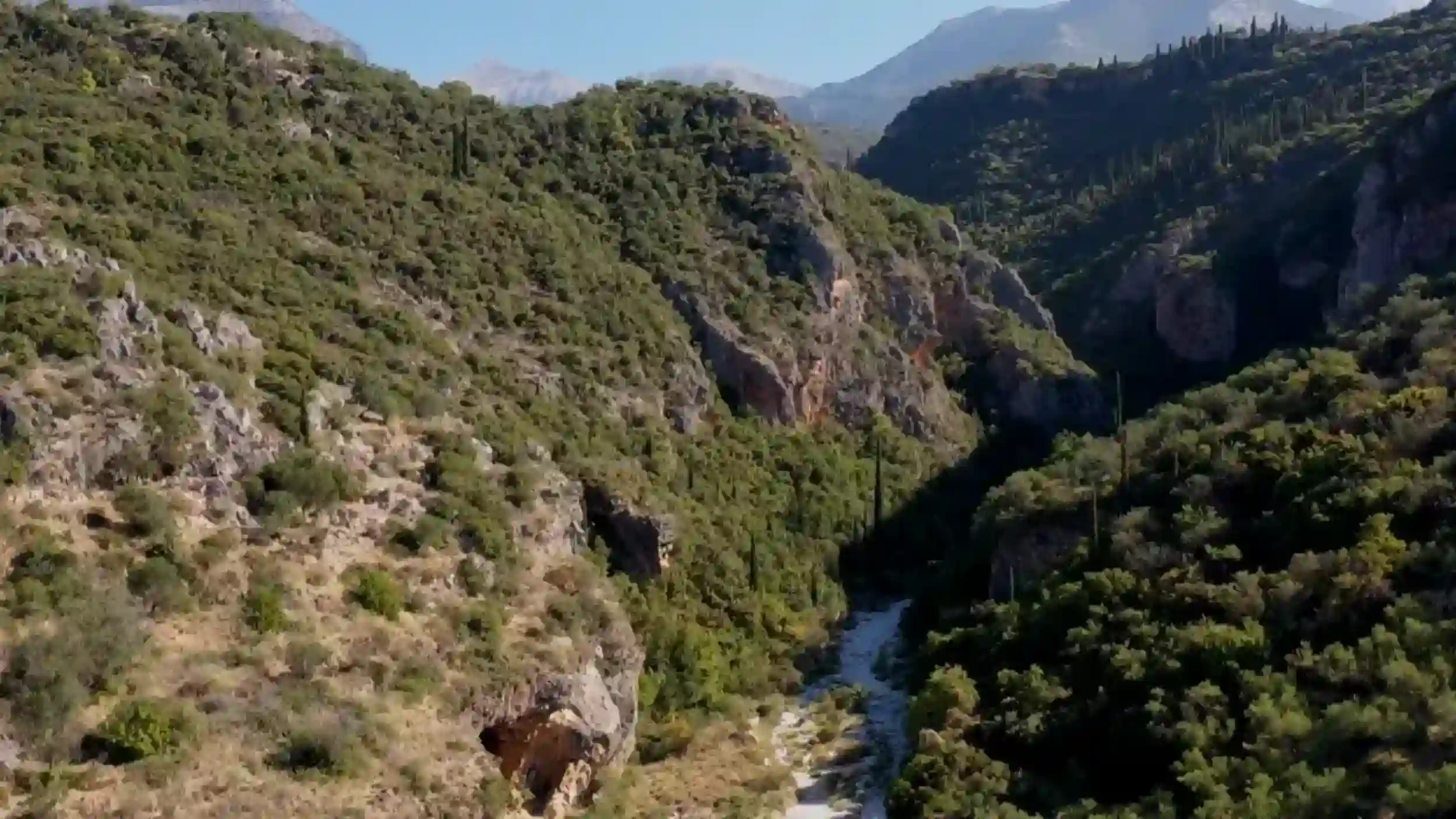
Instead, it’s a collection of villages, hidden coves, mountain roads and viewpoints connected by slow journeys rather than fast transfers. That’s why visitors often underestimate how much time they’ll need.
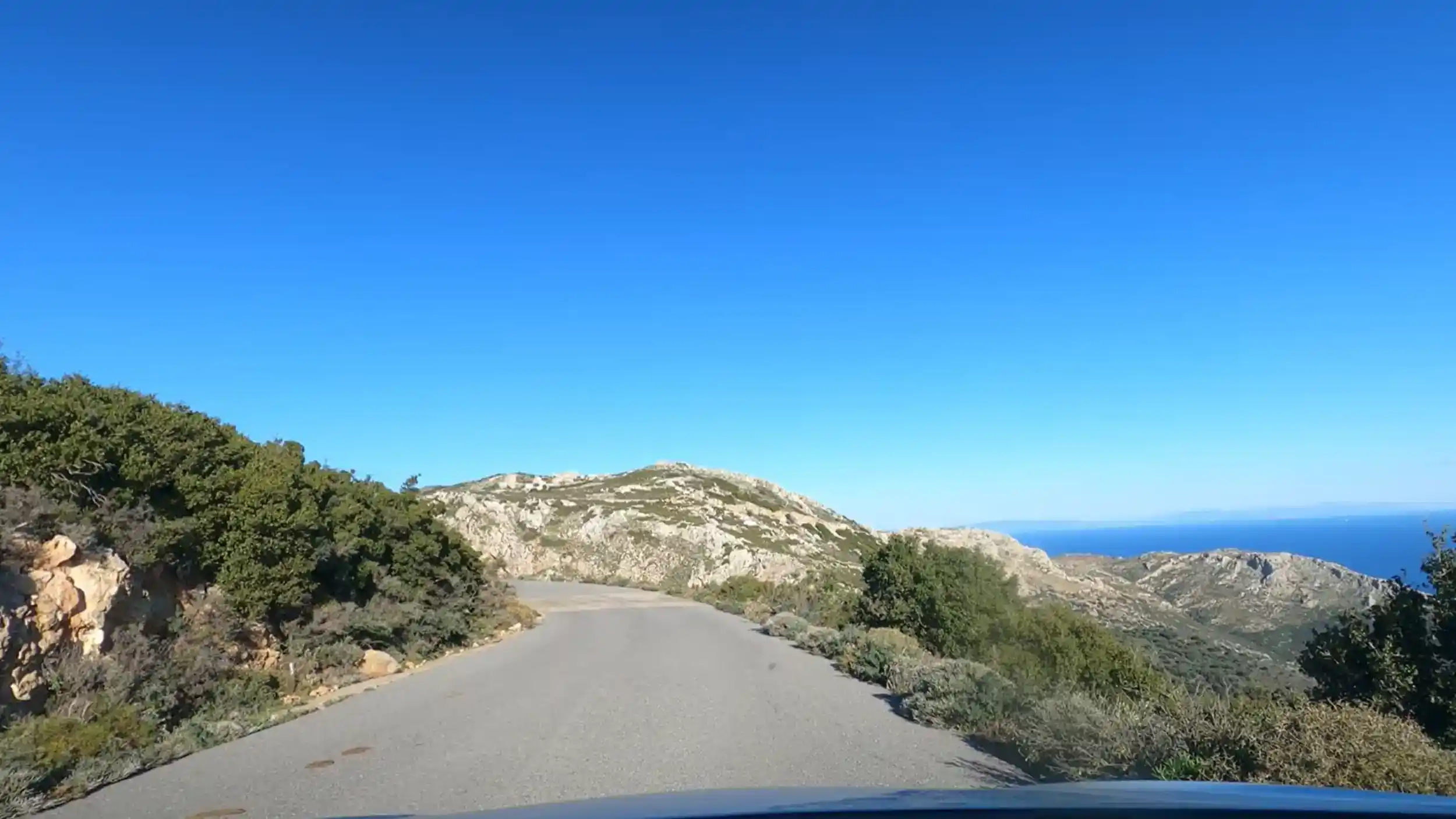
The drive itself constantly interrupts your plans.
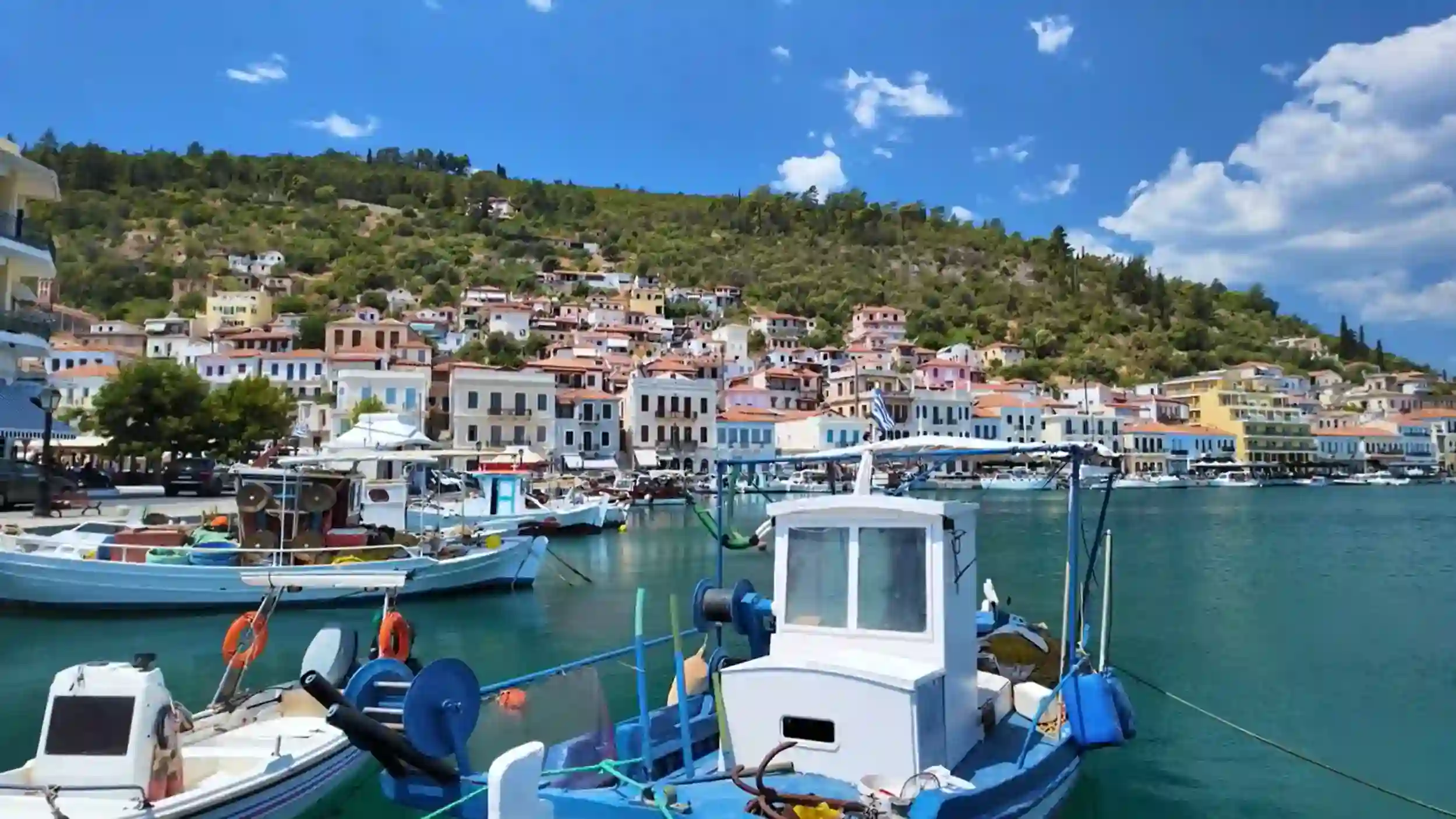
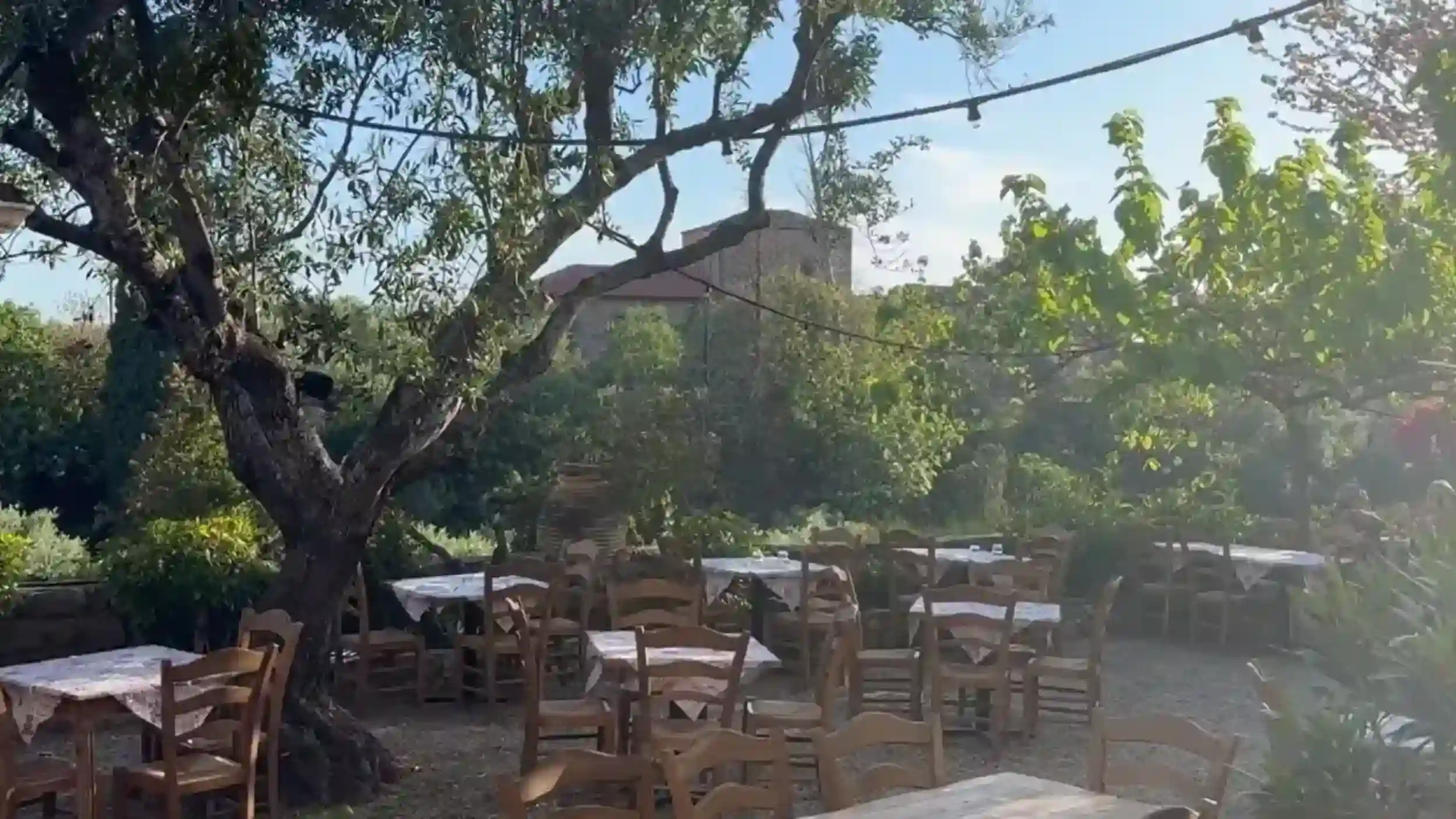
A harbour worth photographing, a stone village that wasn’t on your itinerary or a quiet taverna overlooking the sea all compete for your attention before you ever reach your intended destination.
If you’re exploring by car, this slower pace quickly becomes part of the experience. Driving in the Mani Peninsula: Roads, Turns and What to Expect explains why short distances rarely translate into short journey times.
A Single Day Shows You the Outline
Can you visit in one day?
Absolutely.
Will you understand why people return?
Probably not.
A day trip usually allows enough time to see Areopoli, drive part of the coastline and perhaps visit one major attraction. What it doesn’t provide is the flexibility to slow down when somewhere unexpectedly captures your attention.
The Mani rewards unplanned time more than planned sightseeing.
The less you rush from place to place, the more memorable the peninsula tends to become.
That’s why so many travellers leave feeling they saw plenty, yet somehow experienced very little.
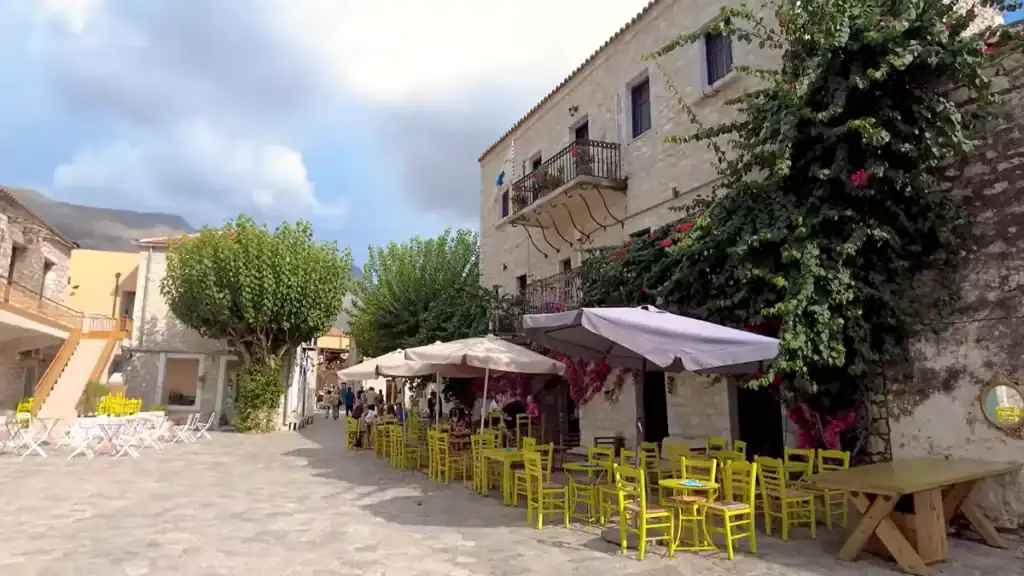
🗓️ What Two to Three Days Makes Possible
Two nights is where the Mani begins to feel less like a route and more like a destination.
Instead of rushing from one landmark to the next, you can spread the experience across several days, giving yourself time to enjoy the villages, coastline and quieter corners that many visitors miss.
Two Days Gives You Balance
With two full days, you no longer have to choose between the peninsula’s highlights.
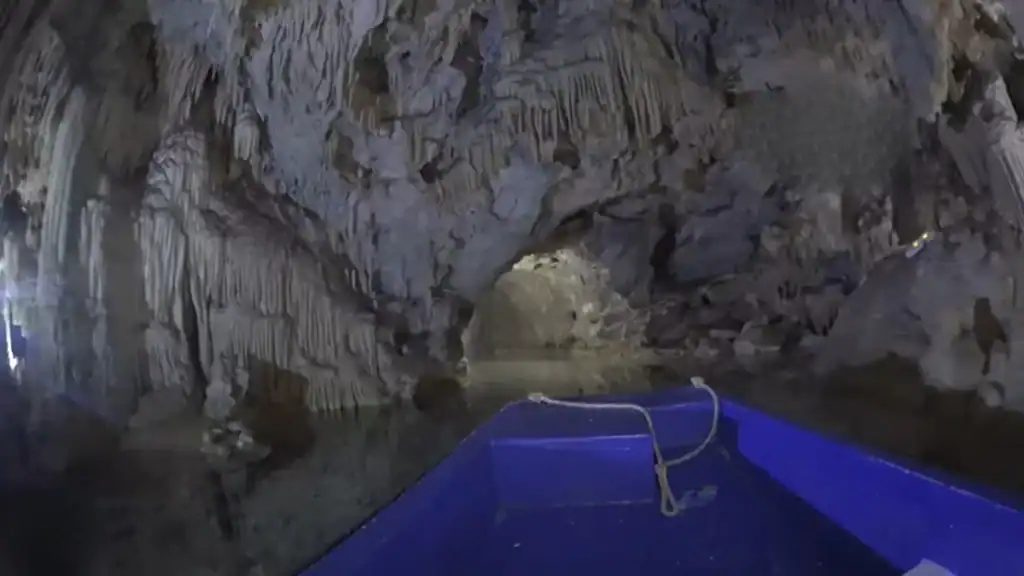
A morning at the Diros Caves, an afternoon exploring Areopoli and an evening beside the sea all fit comfortably into the same trip without feeling hurried. The following day can then be devoted to the southern villages, scenic drives or simply following whichever road looks most inviting.
If the caves are on your itinerary, The Diros Caves: What the Visit Is Actually Like explains why visiting early in the day makes the experience far more enjoyable.
Three Days Unlocks the Peninsula
Adding a third day changes your priorities.
Instead of asking what you can fit in, you begin asking where you’d like to spend more time. That subtle shift often leads to the most memorable moments, whether it’s lingering over lunch in Limeni, taking an unplanned swim or exploring villages beyond the usual tourist route.
| Length of Stay | What Becomes Realistic |
|---|---|
| 🚗 1 Day | Highlights only |
| 🌊 2 Days | Caves, villages and coastline |
| 🧭 3 Days | Southern Mani, scenic detours and relaxed sightseeing |
Many travellers also discover that quieter beaches only reveal themselves once there’s enough flexibility to stop whenever the coastline catches your eye. That’s one reason Mani Peninsula Beaches: Where People Actually Go becomes particularly useful if you’re staying beyond a single day.
The extra time doesn’t simply allow you to see more. It allows you to stop measuring the trip by attractions and start experiencing the peninsula at its own pace.
🗺️ Fitting the Mani Into a Peloponnese Circuit
The Mani works best as part of a wider Peloponnese road trip.
Its position makes it an easy addition between Kalamata, Monemvasia and the southern coast, but it’s worth resisting the temptation to treat it as just another stop along the way. The peninsula has a pace that’s very different from the rest of the region.
Where It Fits Naturally
Most travellers arrive from Kalamata or continue east towards Monemvasia.
Both routes work well, although they create different journeys. Approaching from Kalamata introduces the western coast and villages such as Kardamyli before reaching the Deep Mani, while travelling from Monemvasia offers a quieter approach through the eastern side of the peninsula.
The route you choose changes the experience more than the overall driving time.
What Combines Well
Some destinations naturally complement the Mani.
Monemvasia pairs well because it offers a completely different atmosphere. Its fortified medieval town contrasts beautifully with the Mani’s scattered villages, rugged coastline and wide-open landscapes.
Trying to combine both in only a couple of days, however, usually leaves too little time for either.
If you’re planning to drive between them, Driving in the Mani Peninsula: Roads, Turns and What to Expect explains why journey times are often longer than visitors expect.
| Destination | Works Well With the Mani? |
|---|---|
| 🏰 Monemvasia | ⭐ Excellent combination |
| 🌿 Kalamata | Ideal arrival or departure point |
| 🏖️ Costa Navarino | Easy western extension |
| ⛰️ Taygetos Mountains | Excellent scenic detour |
Rather than measuring the peninsula by kilometres, think about how much time you want to spend experiencing it. The Mani is rarely the quickest part of a Peloponnese itinerary, but it’s often the section travellers remember most clearly.
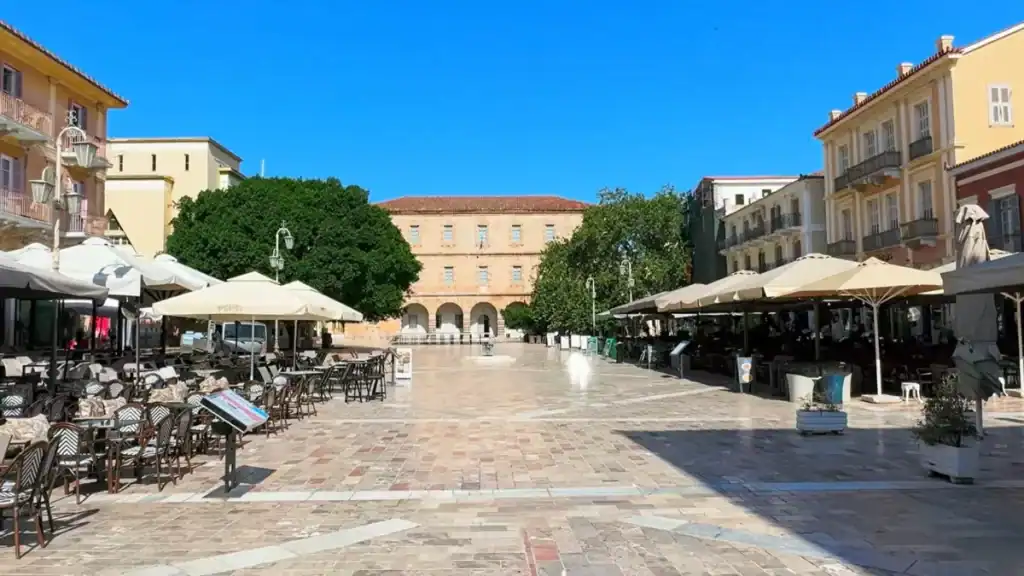
🐢 Slow Travel Versus a Quick Detour
The Mani rewards travellers who are prepared to slow down.
That’s not a romantic idea. It’s simply the most practical way to experience a peninsula where winding roads, hidden beaches and traditional villages constantly tempt you to abandon your original plan.
What Slow Travel Actually Means Here
Slow travel doesn’t mean doing less.
It means leaving enough space for the unexpected.
A viewpoint becomes a twenty-minute stop instead of a photograph through the windscreen. A recommendation from a taverna owner turns into an afternoon at a beach you hadn’t heard of. A village café becomes somewhere you linger rather than somewhere you grab a coffee before moving on.
Those moments rarely appear on itineraries, yet they’re often what people remember most.
The Cost of Rushing
Trying to see everything usually achieves the opposite.
The Diros Caves become a race against ticket availability. Areopoli becomes somewhere you walk through rather than experience. Scenic roads become transport instead of part of the holiday.
Visitors following a tighter schedule often find themselves driving past exactly the places they would have loved had they stopped.
That’s especially true along the coastline, where many of the quieter swimming spots only reveal themselves once you allow time to explore. Mani Peninsula Beaches: Where People Actually Go highlights several that are easy to miss if you’re simply driving from one landmark to the next.
The Mani isn’t a place to conquer.
It’s a place to settle into, even if only for a couple of days.
The irony is that travellers who slow down often end up discovering more than those trying to cover every attraction on the map.
🏨 How Long to Stay and Where to Base Yourself
The best base depends on how you want to experience the Mani.
Some travellers want easy access to the Deep Mani and the Diros Caves. Others prefer beach time, scenic drives or evenings in lively coastal villages. Choosing the right base often saves more time than trying to fit extra destinations into your itinerary.
If You Have Two Nights
Areopoli is the strongest all-round choice.
It sits close to the Diros Caves, provides straightforward access to both coasts and offers plenty of restaurants, cafés and accommodation within walking distance of its historic centre. For first-time visitors, it’s the easiest place from which to explore the peninsula without spending excessive time on the road.
If cave visits are one of your priorities, The Diros Caves: What the Visit Is Actually Like explains why staying nearby makes an early start much easier.
If You’re Staying Longer
Three or four nights allow you to become more selective.
Kardamyli works well if walking, relaxed cafés and the western coastline appeal most. Limeni offers unforgettable sea views and quick access to the Deep Mani, while Gerolimenas places you much closer to Cape Tainaron and the peninsula’s quieter southern villages.
| Base | Best For |
|---|---|
| 🏛️ Areopoli | First visits and central location |
| 🌊 Limeni | Sea views and the Deep Mani |
| 🌿 Kardamyli | Walking and slower-paced stays |
| ⚓ Gerolimenas | Exploring the southern peninsula |
The Best Advice Is Surprisingly Simple
If your itinerary allows it, resist changing accommodation every night.
The Mani rewards travellers who unpack once, slow down and let each day develop naturally. You’ll spend less time checking in and out, and far more time discovering the roads, villages and coastline that make the peninsula memorable.
For many visitors, that’s the moment visiting the Mani Peninsula changes from a sightseeing trip into somewhere they’d genuinely like to return to.