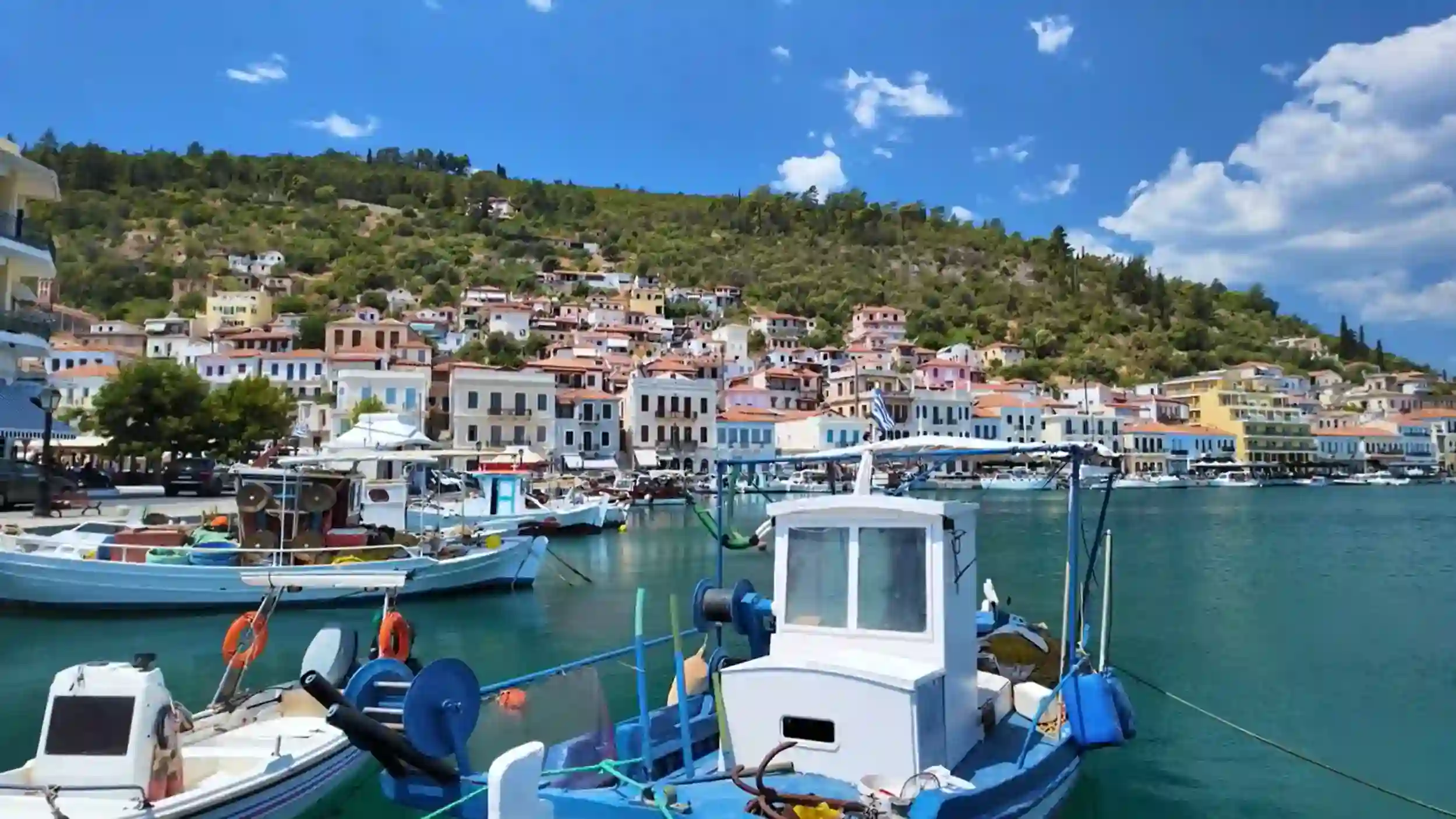
Mani Peninsula in autumn brings warm seas, quieter roads, olive harvest activity and the first return of rain, making October especially appealing for travellers who prefer slower journeys and fewer crowds.
Summer leaves the Mani slowly. By late September the hills look spent: scrub bleached to straw, the limestone pale even in softer light, the coastal rocks stripped of anything not rooted deep. Then the first rains arrive, often brief and violent, spilling down the cobbled drainage channels that run through villages like Lagia before the ground has had a chance to absorb them.
🍂 How the Landscape Reads After Summer
The first autumn rain changes the Mani almost overnight.
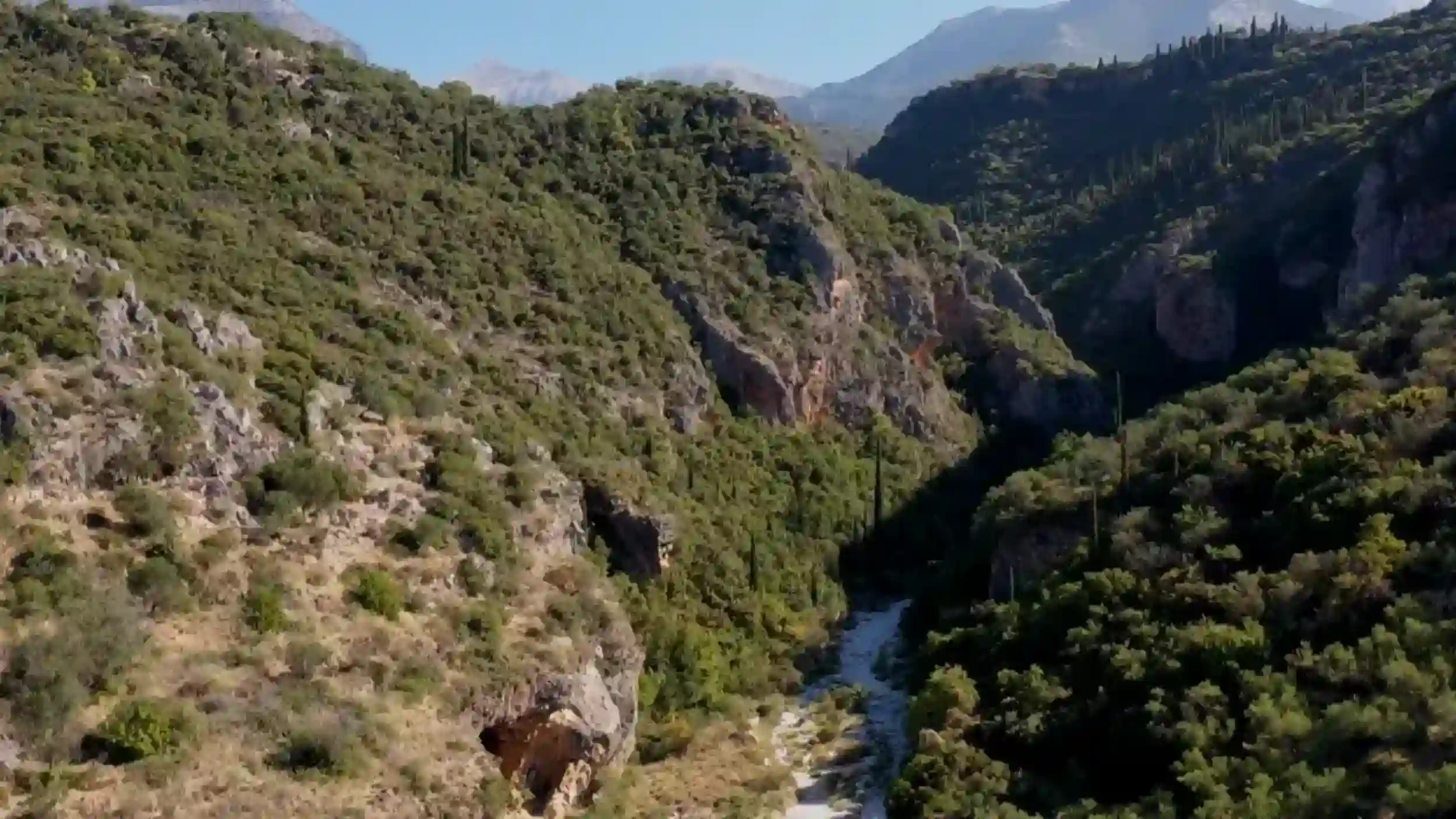
Not because the peninsula suddenly turns green, but because the landscape begins to soften. Dust settles, the air becomes noticeably clearer and subtle patches of fresh growth appear among hills that have spent months under relentless summer sun.
It’s a gradual transformation rather than a dramatic one.
The Colours Begin to Return
September still carries much of summer’s appearance.
By October, however, darker soil reappears beneath the olive trees, prickly pears ripen and scattered greenery slowly returns to terraces and rocky hillsides. The limestone villages remain unmistakably Mani, but the scenery starts to regain depth after months of bright, dry conditions.
Photographers often notice another difference first.
Clearer Air Changes the View
The first rainfall removes much of the atmospheric haze that builds during summer.
Mountain ridges appear sharper, the coastline stretches further into the distance and the sea takes on richer shades of blue beneath the lower autumn sun. Places that felt harsh during August suddenly seem calmer without changing at all.
If you’re interested in seeing the peninsula at its most photogenic, this seasonal shift is one reason many visitors quietly favour autumn over peak summer.
Those who enjoy exploring on foot often appreciate the change even more. Cooler temperatures and improved visibility make many routes feel completely different from their midsummer counterparts, particularly along the old stone paths described in Hiking the Mani Peninsula: Stone Paths and Silent Gorges.
Autumn doesn’t transform the Mani.
It simply reveals details that the intensity of summer often hides.
🫒 The Olive Harvest and What It Means for a Visit
Autumn isn’t simply a quieter version of summer.
It’s working season.
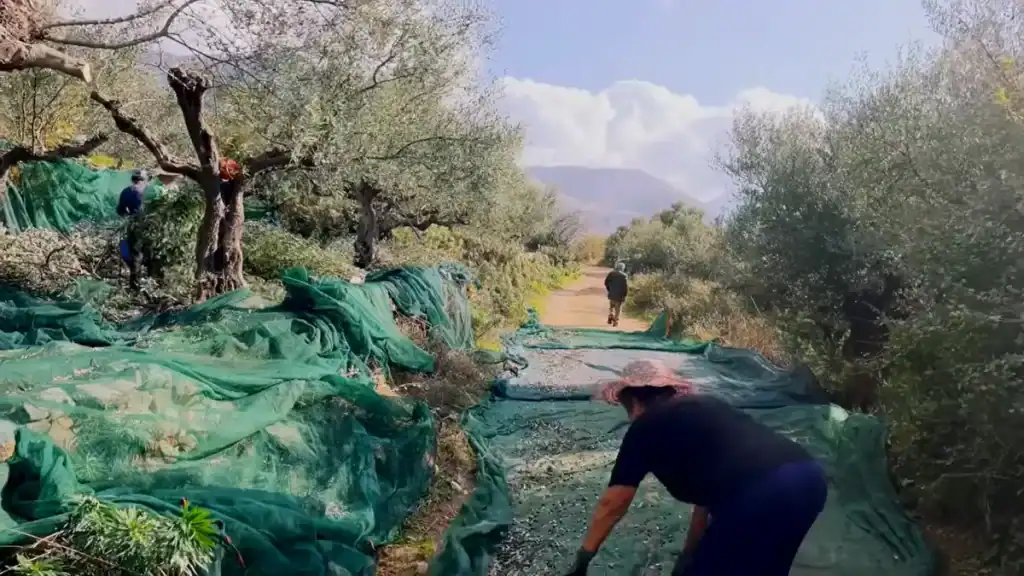
Across the Mani Peninsula, olive groves become busy as families begin harvesting one of the region’s most important crops. Visitors rarely encounter organised demonstrations or tourist experiences. Instead, they see everyday life unfolding as it has for generations.
You’ll Notice the Harvest Everywhere
Drive almost any rural road during October and you’ll begin spotting nets spread beneath olive trees, small tractors moving between groves and families working together beneath the branches.
The activity feels purposeful rather than hurried.
Harvesting often starts soon after sunrise, making mornings noticeably busier in the countryside than they were during summer, even though the roads remain relatively quiet.
What It Means for Visitors
The harvest adds something authentic to an autumn trip.
Instead of interrupting your plans, it becomes another part of the landscape. Passing workers in the groves, seeing freshly picked olives being transported and finding locally produced olive oil on restaurant tables all help explain why this region has such a strong agricultural identity.
If you’re driving between villages, don’t be surprised to encounter occasional tractors or slow-moving farm vehicles. They rarely cause significant delays and simply become part of the season’s slower rhythm.
| During Harvest | What You’ll Notice |
|---|---|
| 🫒 Olive nets beneath trees | Families gathering fruit |
| 🚜 Rural roads | More agricultural traffic |
| 🥣 Local tavernas | Fresh seasonal produce |
| 🌳 Hillsides | Groves busy from early morning |
Rather than looking for organised tours, spend time driving the quieter back roads between villages. That’s where the harvest is most visible and where the Mani feels least like a destination and most like a place people genuinely live.
A compact hire car is particularly useful at this time of year, as many harvesting villages are reached by narrow rural roads. Driving in the Mani Peninsula: Roads, Turns and What to Expect explains what to expect once you leave the main coastal routes.
🚗 Driving the Peninsula After the Season Ends
Autumn is arguably the easiest time of year to drive through the Mani.
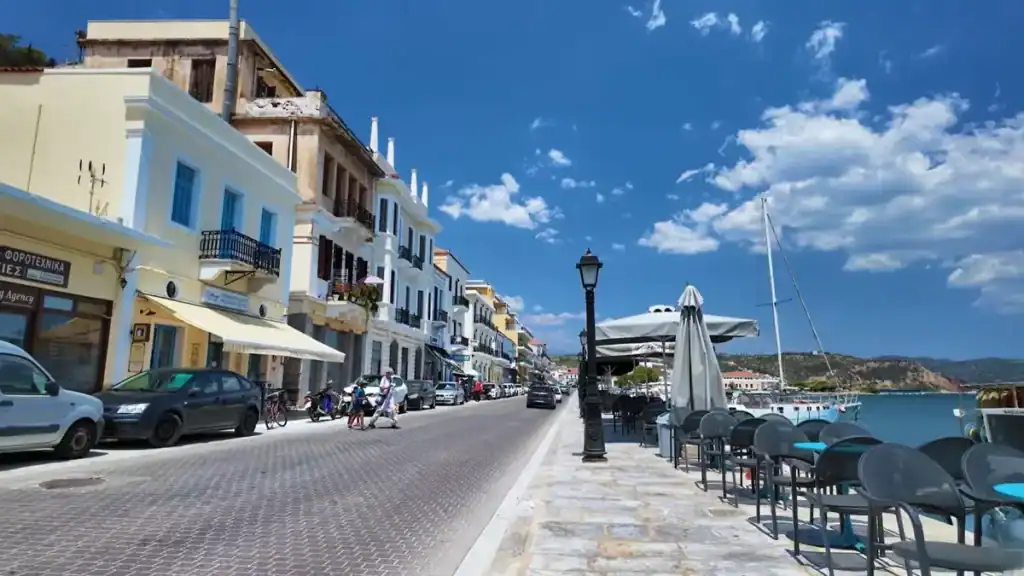
The roads haven’t changed, but almost everything else has. Summer traffic fades away, campervans become less common and many of the peninsula’s most scenic routes return to the slower pace they naturally suit.
Quieter Roads, Better Journeys
One of the biggest differences is how much easier it becomes to stop.
Viewpoints that were difficult to pull into during August are often empty, parking in villages becomes straightforward and there’s far less pressure from traffic behind you. The drive begins to feel like part of the holiday again rather than simply the journey between attractions.
That extra freedom encourages spontaneous detours, particularly towards smaller villages or coastal viewpoints that many summer visitors simply drive past.
The Weather Needs More Respect
Autumn also introduces something summer rarely does.
Rain.
The first storms can leave gravel, leaves and small debris on rural roads, particularly after long dry periods. Mountain routes remain perfectly manageable, but they deserve a little more attention than they did a few weeks earlier.
Allow a little extra time after heavy rain.
Wet limestone, tighter bends and occasional fallen stones make a slower pace the sensible option rather than a frustrating one.
The Road to Cape Tainaron
Few drives benefit from the quieter season more than the journey south to Cape Tainaron.
Without long queues of summer traffic, it’s easier to appreciate the changing scenery, stop at coastal viewpoints and enjoy the gradual transition from olive groves to the peninsula’s dramatic southern tip.
If you’re planning that route for the first time, Driving in the Mani Peninsula: Roads, Turns and What to Expect covers the narrow sections, journey times and practical advice in much greater detail before you set off.
By October, many visitors discover they’re remembering the drive every bit as much as the destination itself.
🏊 Swimming Into October and Beyond
For many visitors, autumn offers the best swimming of the year.
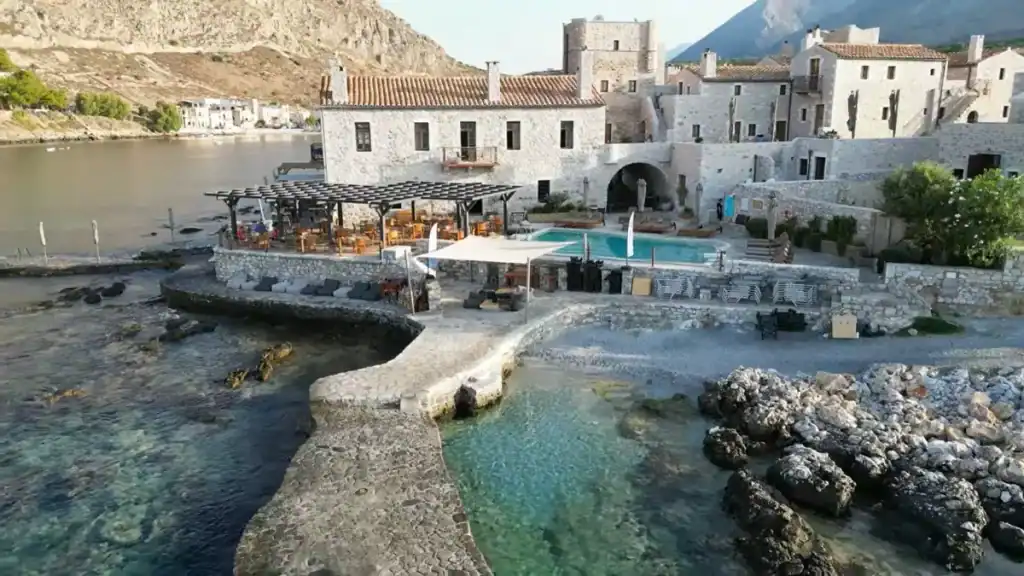
The air is cooler than it was in August, yet the sea has spent months storing summer’s warmth. That combination often makes October feel more comfortable than peak season, particularly during the middle of the day.
The Sea Holds Its Heat
Unlike the land, the Mediterranean cools slowly.
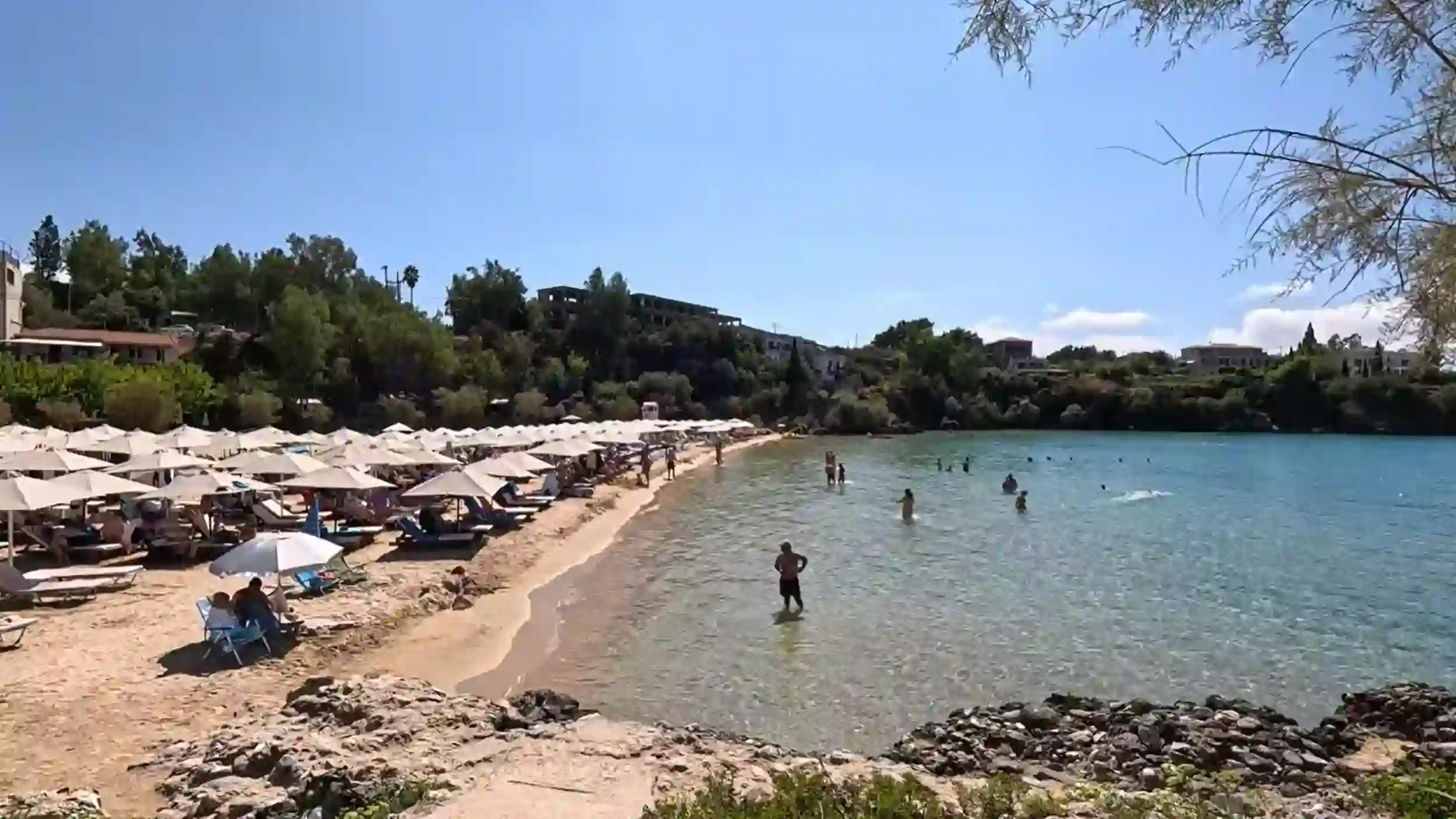
It’s common to find pleasantly warm swimming conditions throughout much of October, especially in sheltered bays where the water remains calm. Even when mornings feel noticeably cooler, the sea often stays inviting well into the afternoon.
By November, conditions become more unpredictable.
Choosing the Right Beach
Wind becomes a bigger influence as autumn progresses.
Sheltered coves often remain enjoyable for swimming, while more exposed stretches of coastline can feel very different from one day to the next. Flexibility is one of the advantages of travelling during this season.
If you’re deciding where to swim, Mani Peninsula Beaches: Where People Actually Go compares the peninsula’s sheltered bays with its more exposed coastline, making it easier to choose beaches that suit autumn conditions.
| Month | Typical Conditions |
|---|---|
| 🍂 October | Warm sea and comfortable swimming |
| 🌦️ Early November | Variable weather but often still swimmable |
| 🌧️ Late November | Cooler water and changing conditions |
Rather than planning every day around the beach, many autumn visitors simply carry swimwear and decide when they arrive. The combination of empty coves, clear water and warm afternoon sunshine often creates opportunities that weren’t part of the original itinerary.
That’s one of autumn’s greatest strengths. It leaves room for spontaneous moments rather than fixed schedules.
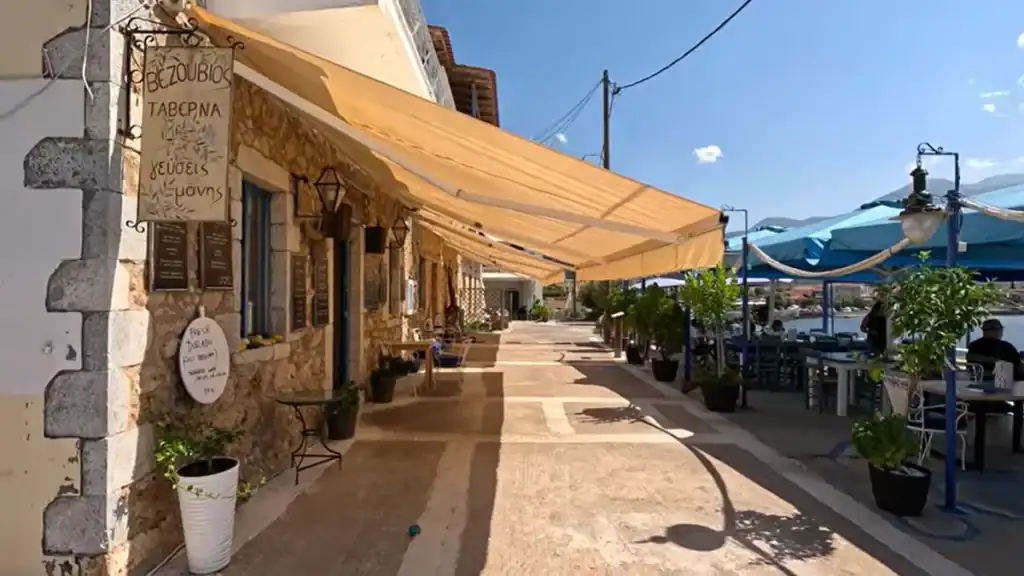
🏘️ Village Life Once the Season Recedes
As autumn progresses, the Mani quietly returns to itself.
The seasonal visitors leave, holiday homes close for the winter and many villages settle back into their everyday routines. Rather than feeling deserted, most places simply become calmer, making it easier to appreciate the pace of local life.
The Permanent Communities Remain
Villages such as Lagia, Areopoli and Agios Nikolaos continue functioning long after the busiest months have ended.
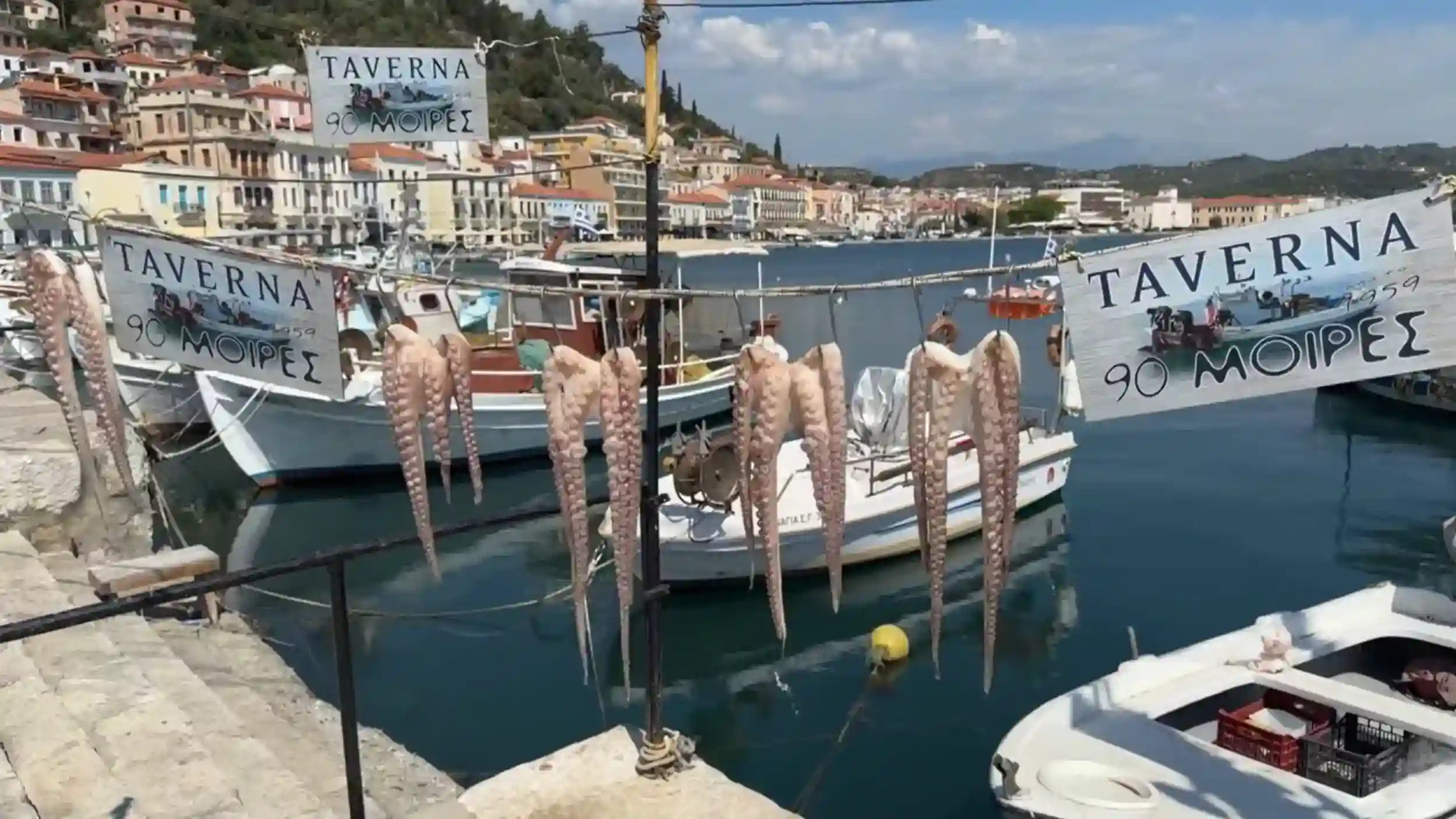
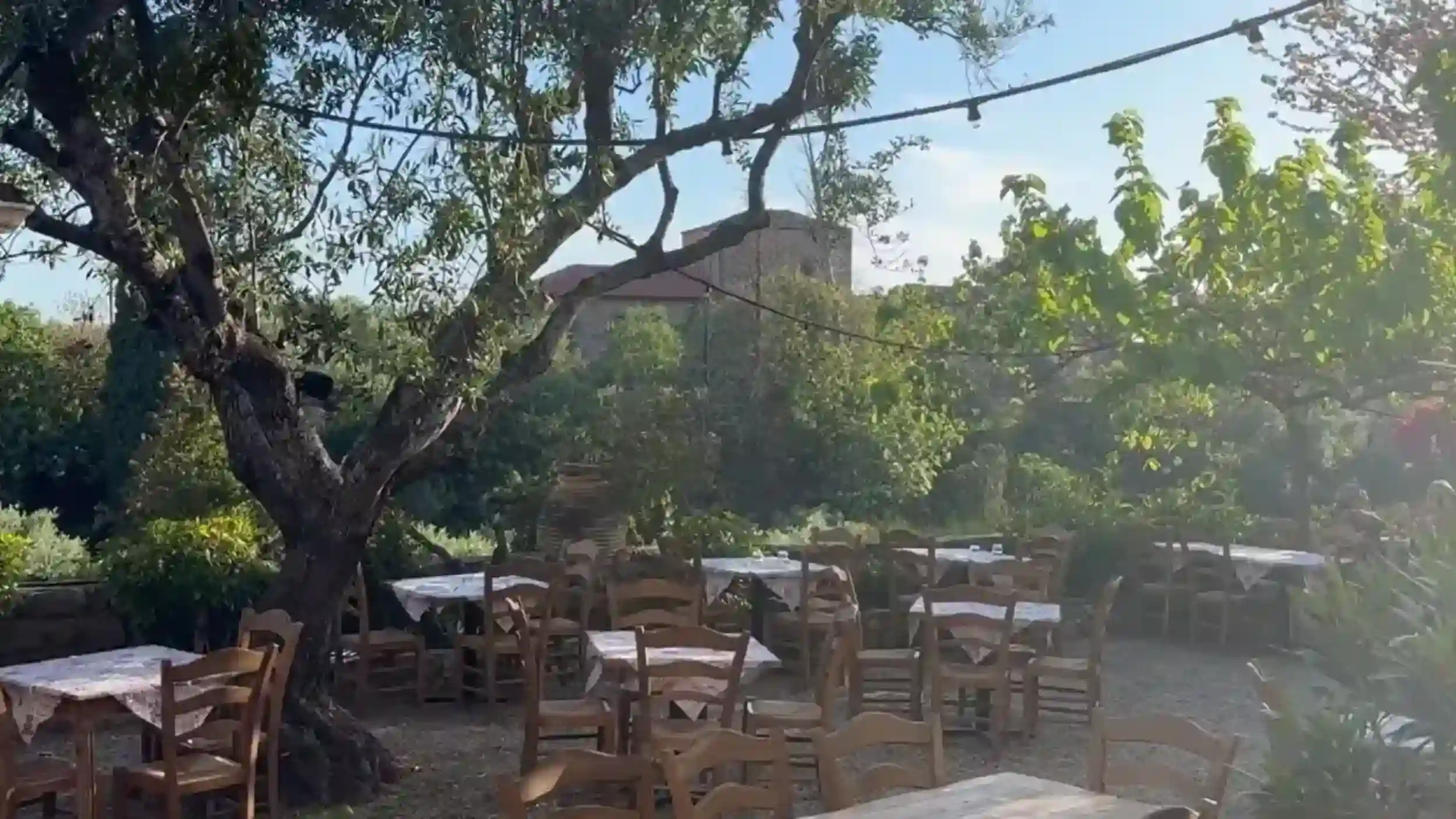
Children still walk to school, neighbours stop to chat in the village square and tavernas that stay open begin serving more local residents than tourists. It’s a side of the Mani that many summer visitors never experience.
The atmosphere feels less like a holiday destination and more like a working peninsula.
Some Businesses Close, Others Carry On
Not everything remains open.
Small guesthouses may shut for the season, beach cafés disappear and opening hours become less predictable, particularly in the Deep Mani. At the same time, family-run tavernas, bakeries and local shops continue serving the communities that live here throughout the year.
If you’re planning to visit attractions with seasonal opening hours, it’s worth checking ahead. The Diros Caves: What the Visit Is Actually Like remain one of the peninsula’s highlights, but opening times are usually shorter than during summer.
A More Authentic Rhythm
One unexpected benefit of autumn is how naturally conversations happen.
Restaurant owners often have more time to chat, meals become slower and there’s less sense of visitors moving quickly from one attraction to the next. The quieter pace allows the character of individual villages to emerge much more clearly.
Autumn rewards curiosity.
Spend an extra hour in a harbour, wander through a side street or stop at a small bakery. Those unplanned moments often become the highlights of an autumn visit.
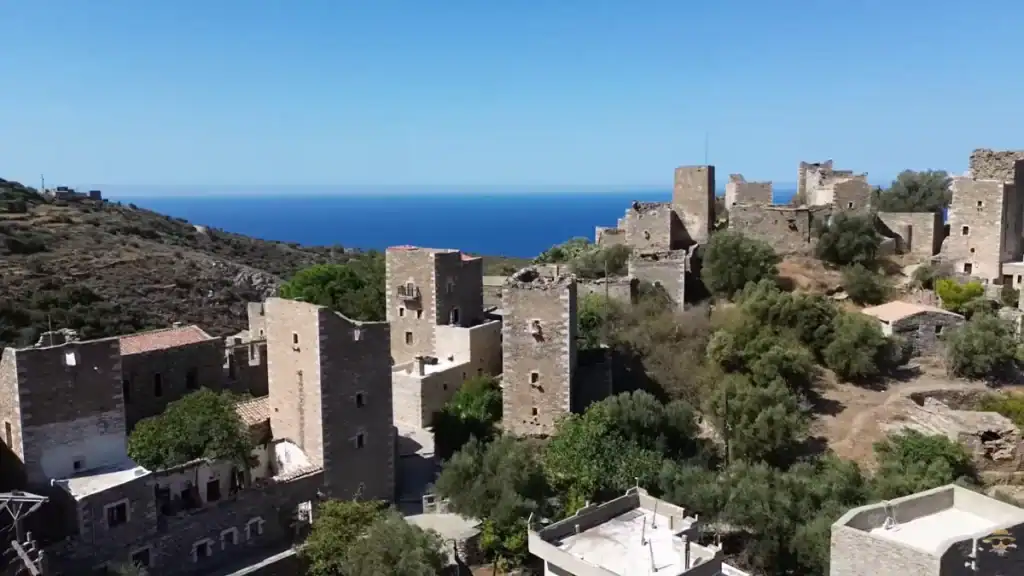
🍁 Why Autumn Works for Some Travellers and Not Others
Autumn suits a particular kind of traveller.
If your ideal holiday revolves around lively beaches, guaranteed sunshine and bustling waterfronts, the quieter weeks after summer may feel too subdued. But if you value peaceful roads, comfortable temperatures and having viewpoints almost to yourself, autumn is difficult to beat.
Why Many Visitors Choose October
By October, the extremes of summer have faded.
Walking becomes more comfortable, driving is less demanding and sightseeing no longer needs to revolve around avoiding the hottest part of the day. The slower pace encourages longer stops, scenic detours and the freedom to change your plans without worrying about queues or fully booked attractions.
That flexibility is one of the season’s greatest strengths.
Travellers who enjoy road trips often find autumn especially rewarding because the quieter conditions allow them to appreciate the peninsula itself rather than simply travelling through it. Those differences become even clearer when compared with <a href=”https://softfootprints.com/summer-in-the-mani-peninsula/“><strong>Summer in the Mani Peninsula: Heat, Light and Daily Rhythm</strong></a>, when sightseeing naturally revolves around the day’s hottest hours.
When Autumn Isn’t the Best Choice
No season is perfect.
Some beach facilities close, opening hours become less predictable and occasional rain showers can interrupt outdoor plans. If warm evening swims and fully open waterfronts are high on your wish list, late summer may still be the better option.
| Autumn Is Ideal If You Want… | Consider Another Season If You Want… |
|---|---|
| 🍂 Quiet villages | ☀️ Guaranteed hot weather |
| 🚗 Peaceful scenic drives | 🏖️ Fully open beach facilities |
| 🥾 Comfortable walking temperatures | 🌙 Lively nightlife |
| 📸 Softer photography light | 🌊 The warmest possible sea |
For many travellers, though, these trade-offs are exactly what make the season memorable. The Mani feels less like somewhere performing for visitors and more like somewhere simply continuing its everyday life.
If you’re still deciding which season best matches your travel style, Mani Peninsula in Spring: Fewer Crowds and Softer Light offers a useful comparison with the equally peaceful months of April and May, when the landscape is greener but the sea is noticeably cooler.
Autumn doesn’t try to compete with summer. It offers a different version of the peninsula, one that many returning visitors come to prefer.