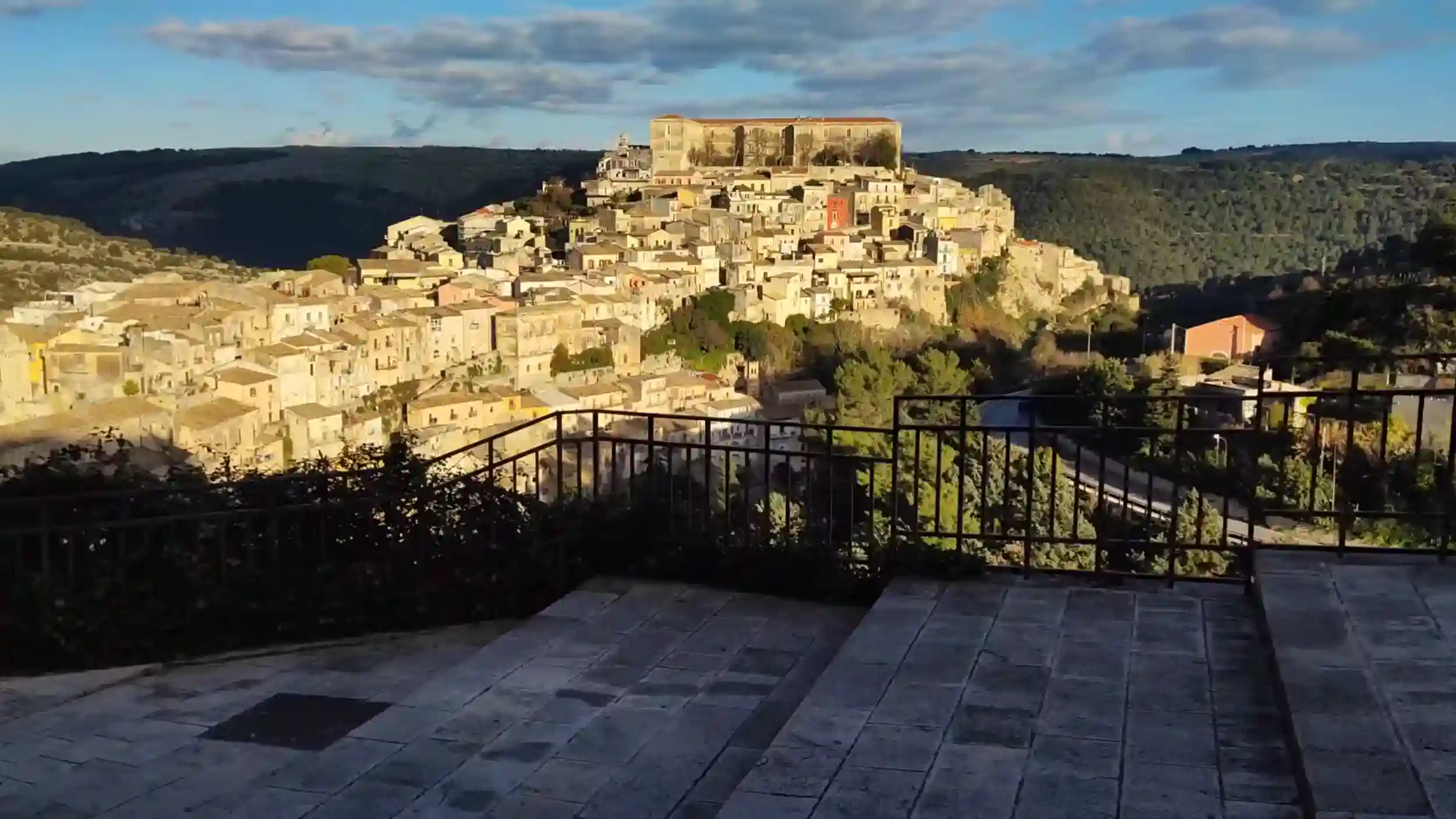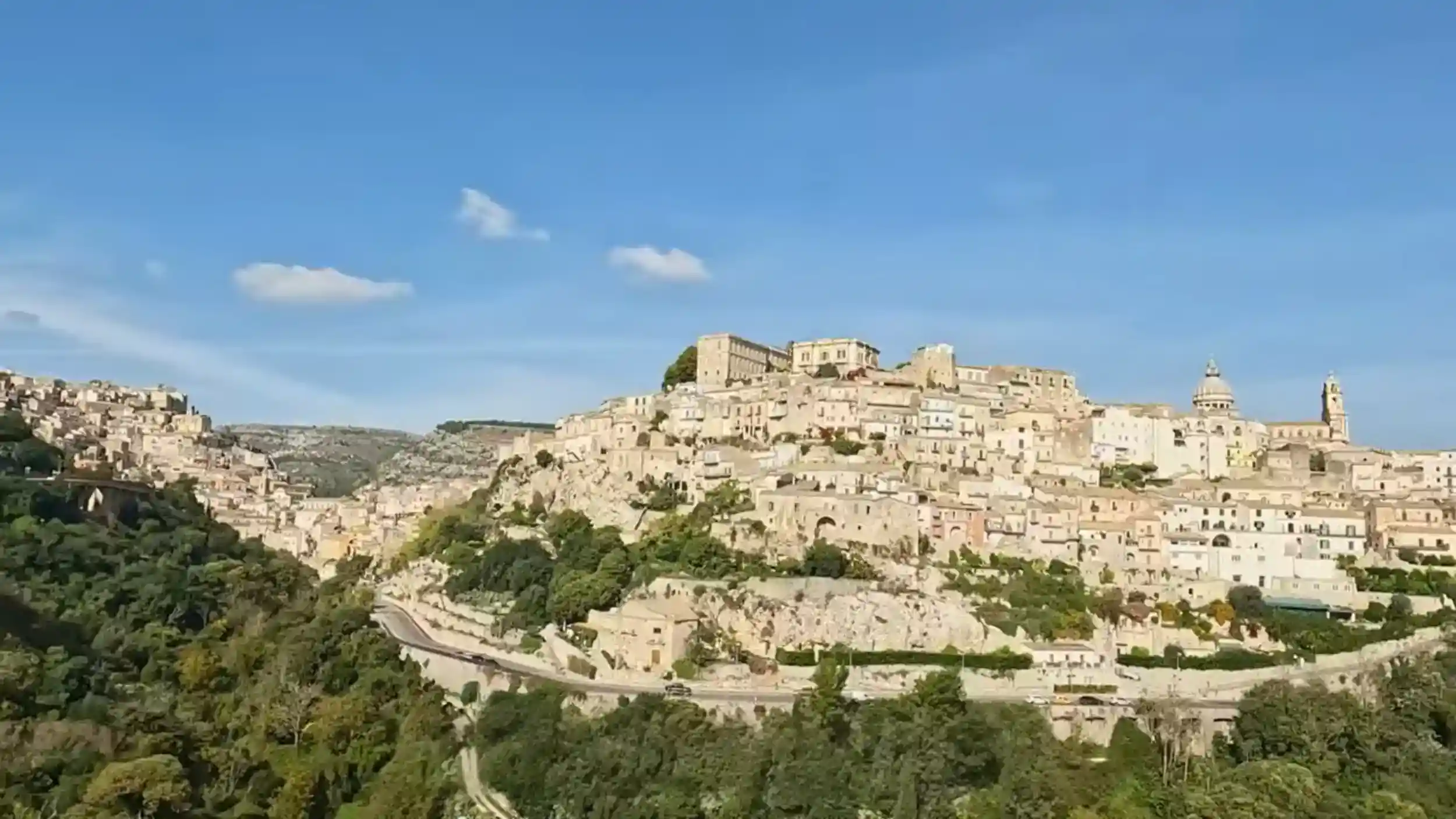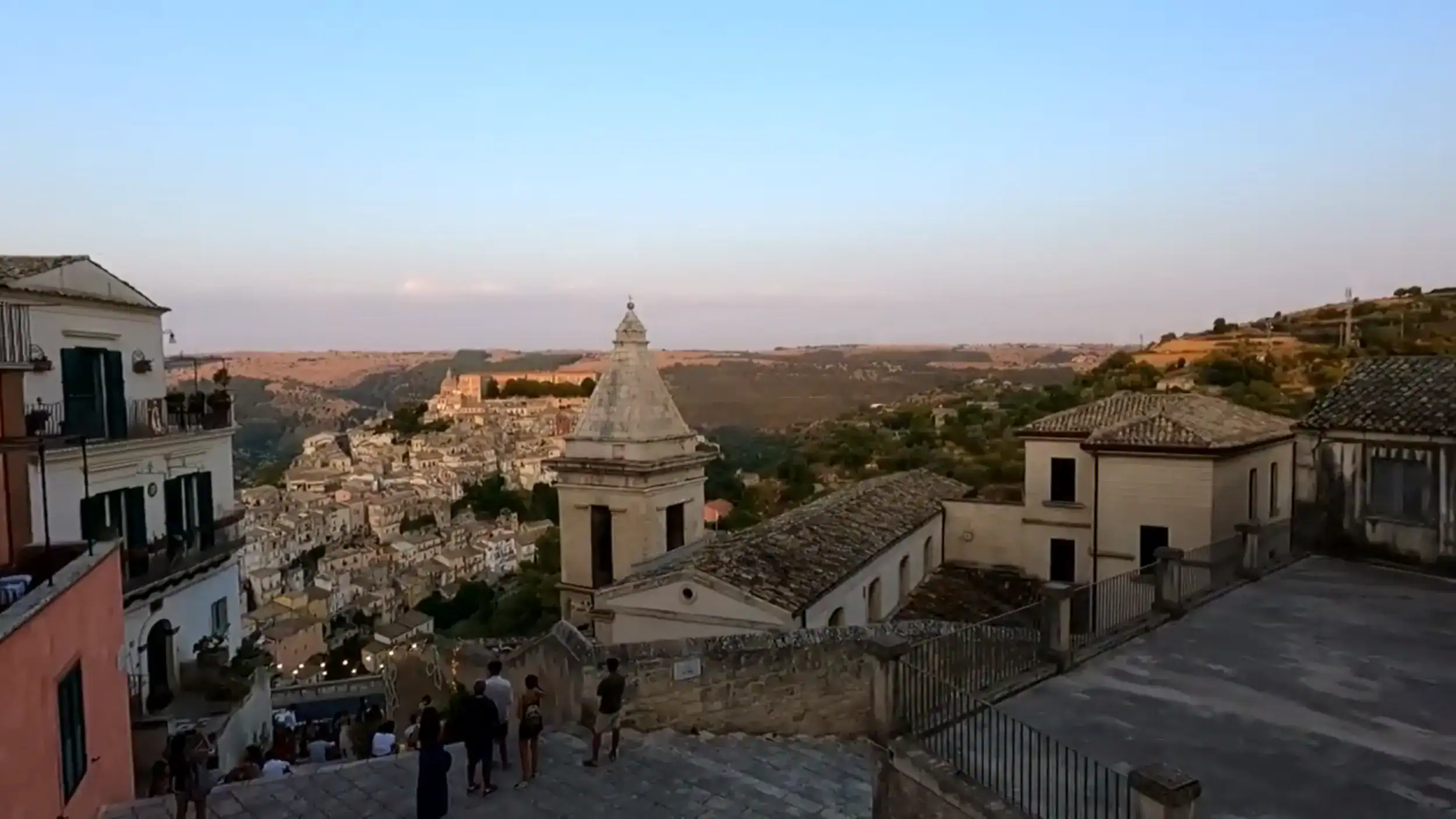
Ragusa Ibla streets rewarded us most when we stopped trying to follow a rigid sightseeing route. Once we wandered beyond the obvious paths, we found hidden churches, quiet courtyards and unexpected valley views, while the compact historic centre meant we never felt particularly lost.
The longer we spent there, the more details we noticed, particularly along the side streets and inside churches we could easily have walked past on a quicker visit.
🏘️ What Ragusa Ibla Streets Were Actually Like to Explore
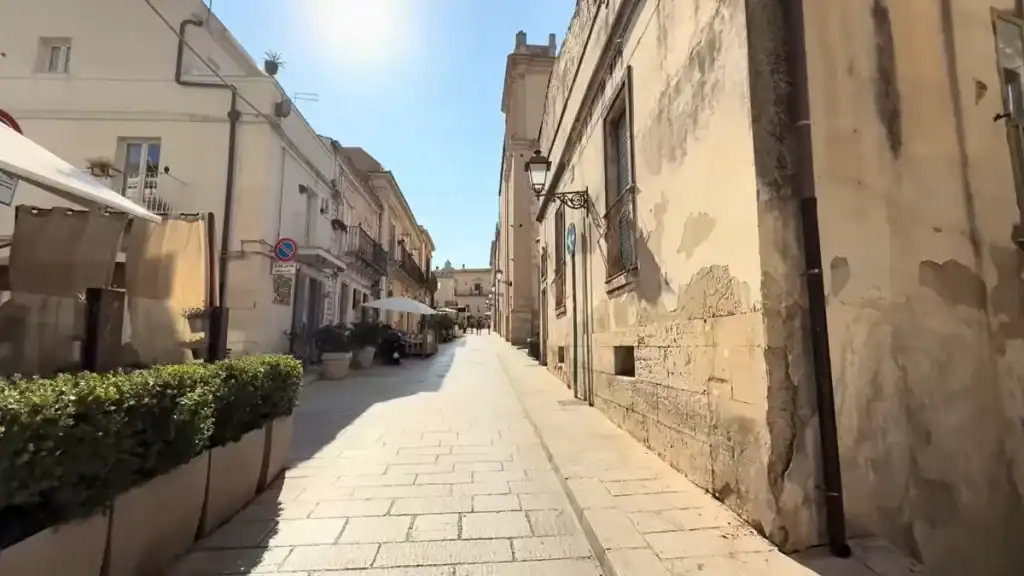
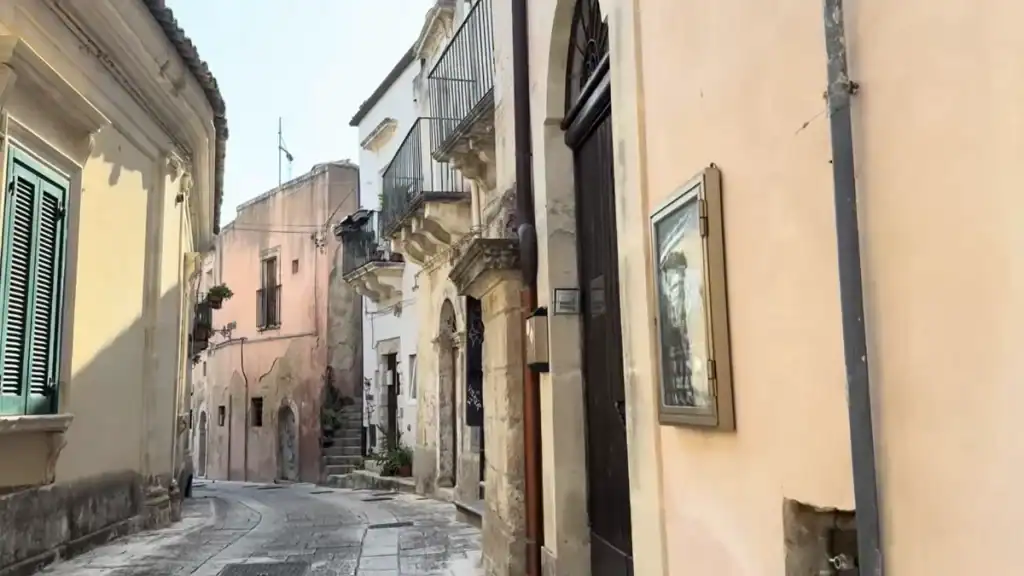
We quickly realised the streets of Ragusa Ibla were not somewhere we wanted to walk efficiently. Main routes narrowed into limestone lanes, small churches appeared where we were not expecting them and ordinary-looking corners suddenly opened towards the valley.
Yes, many Ragusa Ibla streets are narrow, and the old centre includes stone-paved lanes, steps and uneven historic surfaces rather than consistently smooth modern pavements. I would describe them as a mixture of paved streets, stone lanes and stairways rather than claim that every street is literally cobbled.
They can also be steep. Ibla sits across sloping terrain, and routes towards Ragusa Superiore involve far more climbing and steps than the streets immediately around Piazza Duomo. I would therefore expect gradients to be part of exploring rather than an occasional inconvenience.
Curiosity worked better for us than careful route planning.
How Easy Are the Streets With Wheels?
I would not describe Ragusa Ibla as uniformly wheelchair- or stroller-friendly. Steps, gradients, narrow lanes and uneven stone surfaces can make some of the most atmospheric routes difficult, particularly the connections towards Ragusa Superiore. A stroller may be manageable on easier central stretches, but I would plan an accessible route separately rather than assume every lane can be followed.
I also would not describe all Ragusa Ibla streets as pedestrian-only. The historic centre contains excellent walking areas with much of it closed to vehicles. I would stay alert for local traffic whenever I moved away from obvious pedestrian spaces and piazzas.
No Two Corners Seemed to Lead to the Same Thing
One of the things we enjoyed most was how quickly the surroundings changed. A quiet alley could open into a small piazza, while a lane that initially looked unremarkable might end at a panoramic viewpoint or reveal an ornate Baroque doorway that had been completely hidden moments earlier.
Along the way we found churches, cafés, small piazzas, residential corners, Baroque doorways and sudden valley views. That mixture is why I would treat the streets themselves as part of the sightseeing rather than simply the route between the Duomo and the gardens.
| 🏘️ Exploring the Streets | |
|---|---|
| 🪨 Narrow limestone lanes | Full of architectural detail |
| 👀 Unexpected viewpoints | Valley views appear without warning |
| ⛪ Hidden churches | Tucked between everyday buildings |
| 🚶 Slow wandering | The best way to experience Ibla |
| 🪜 Steep sections | Gradients and steps are part of exploring Ibla |
| ♿ Accessibility | Some historic lanes are difficult with wheels |
| 🌙 After dark | Take extra care on steps and quieter lanes |
Put the Map Away for a While
I would not reduce the best Ragusa Ibla streets to a list of names. My most useful route would begin around Piazza Duomo, wander through the lanes around San Giuseppe and continue east towards Giardino Ibleo, deliberately allowing time for side streets along the way.
There is not one “main street” established by the information behind this article in the way visitors might expect from a modern town centre. Piazza Duomo is the practical heart of Ibla, and I would use the streets radiating from it as my orientation point.
Some of our best moments came from following whichever street looked interesting rather than moving directly between famous landmarks. If you’re arriving on foot from Ragusa Superiore, our guide to walking down into Ragusa Ibla explains how the steps, alleys and piazzas gradually introduce the old town before these quieter streets begin to unfold.
⛪ What We Noticed at the Duomo di San Giorgio
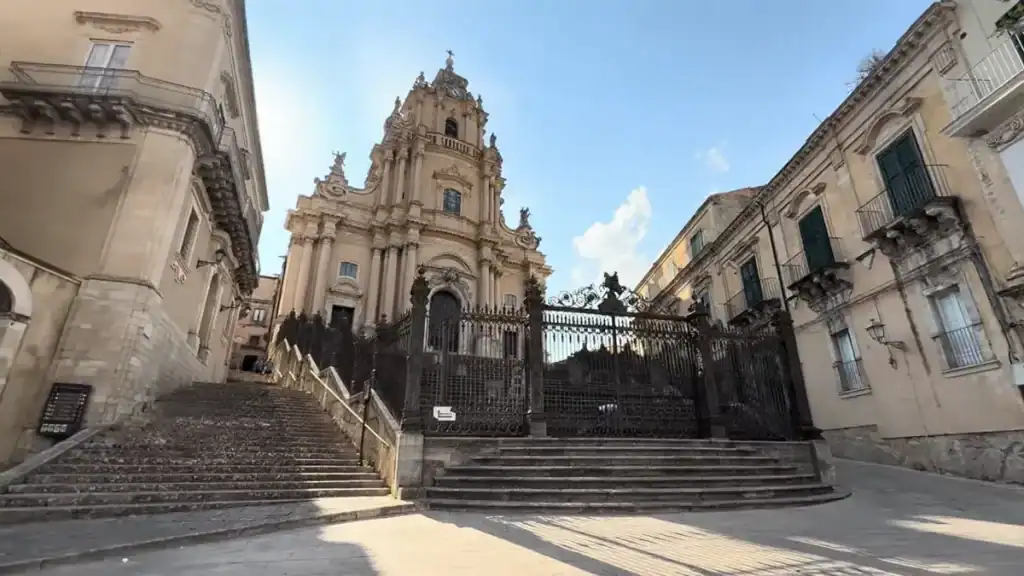
The Duomo di San Giorgio became the architectural centre of our walk through Ragusa Ibla long before we reached its doors. The cathedral appeared above surrounding rooftops and then dominated Piazza Duomo from the top of its sweeping staircase.
For us, the approach was almost as memorable as standing inside the building itself.
Morning Gave Us More Time to Look Properly
We preferred seeing the cathedral earlier, when Piazza Duomo was quieter and the softer light brought out the colour of the limestone. Inside, stained-glass windows, intricate ironwork and decorated chapels provided a much darker, richer contrast with the bright Baroque façade outside.
If shops matter to the walk, I would not rely on one universal opening time as individual businesses can keep different schedules. I would treat an early morning start as best for quieter streets and architecture, then expect more commercial activity later rather than plan around an unsupported fixed opening hour.
| ⛪ Visiting the Duomo | |
|---|---|
| 🏛️ Baroque façade | One of Sicily’s finest |
| 🌅 Morning visits | Quieter with softer light |
| 🪟 Stained-glass windows | A highlight of the interior |
| 📍 Piazza Duomo | The centre of Ragusa Ibla |
The Staircase Deserves More Than a Quick Photograph
It would have been easy for us to photograph the cathedral from the piazza and move on, but lingering changed the experience. The carefully staged staircase, façade details and craftsmanship inside all became more apparent once we stopped treating the Duomo as a landmark to tick off before returning to the surrounding streets.
⛪ The Ragusa Ibla Churches We Found Beyond the Main Square
Once we left Piazza Duomo, the streets became noticeably quieter. San Giorgio may dominate most visits, but several smaller churches gave us a more intimate view of Ragusa Ibla and provided good reasons to keep exploring beyond the busiest part of town.
The less deliberately we searched for them, the more satisfying some of these discoveries felt.
San Giuseppe Is Easy to Walk Past
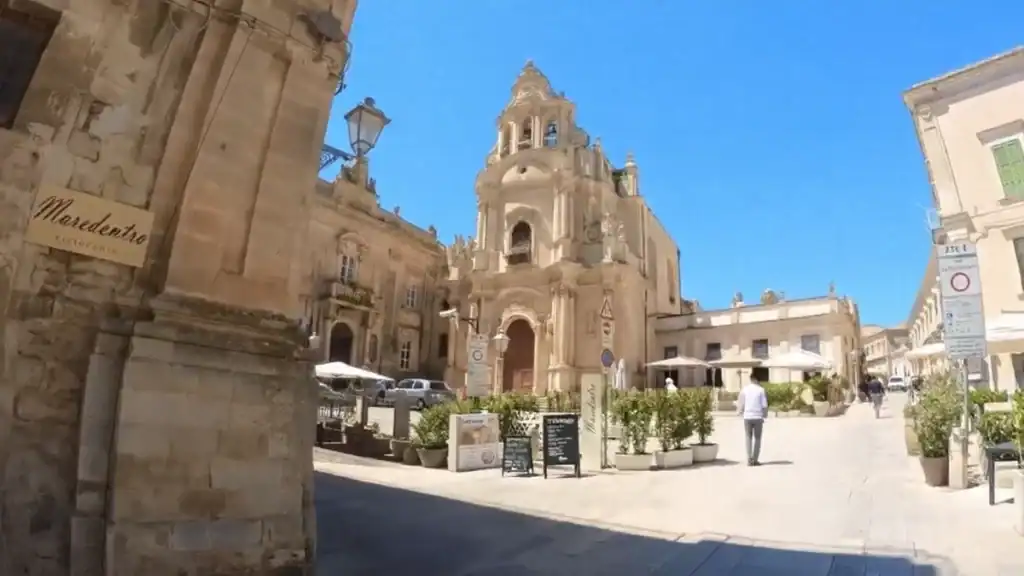
Chiesa di San Giuseppe is only a short walk from Piazza Duomo, yet it felt much easier to overlook when our attention was still on the cathedral. Elsewhere, Santa Maria delle Scale helped us understand Ragusa before and after the 1693 earthquake, while Santa Maria dell’Itria stood out because of its distinctive blue dome.
| ⛪ Beyond Piazza Duomo | |
|---|---|
| 🏛️ Chiesa di San Giuseppe | Elegant Baroque church near the square |
| 💙 Santa Maria dell’Itria | Recognisable by its blue-tiled dome |
| 🪜 Santa Maria delle Scale | Connects Ragusa Superiore and Ibla |
| 🚶 Quiet side streets | Home to several lesser-known churches |
Smaller Churches Changed the Rhythm of Our Walk
The quieter churches gave us natural places to pause between longer stretches of walking. Rather than moving from one major attraction to the next, we could step inside, look around and then continue through the surrounding lanes without feeling that every stop needed to be a headline sight.
Would We Walk These Streets After Dark?
I would be comfortable exploring the central streets in the evening using the same normal precautions I would in any unfamiliar historic town, but I would take more care on steps, steep lanes and quieter routes where lighting may be less useful. The information behind this article does not provide crime data, so I would not turn our experience into a blanket safety guarantee.
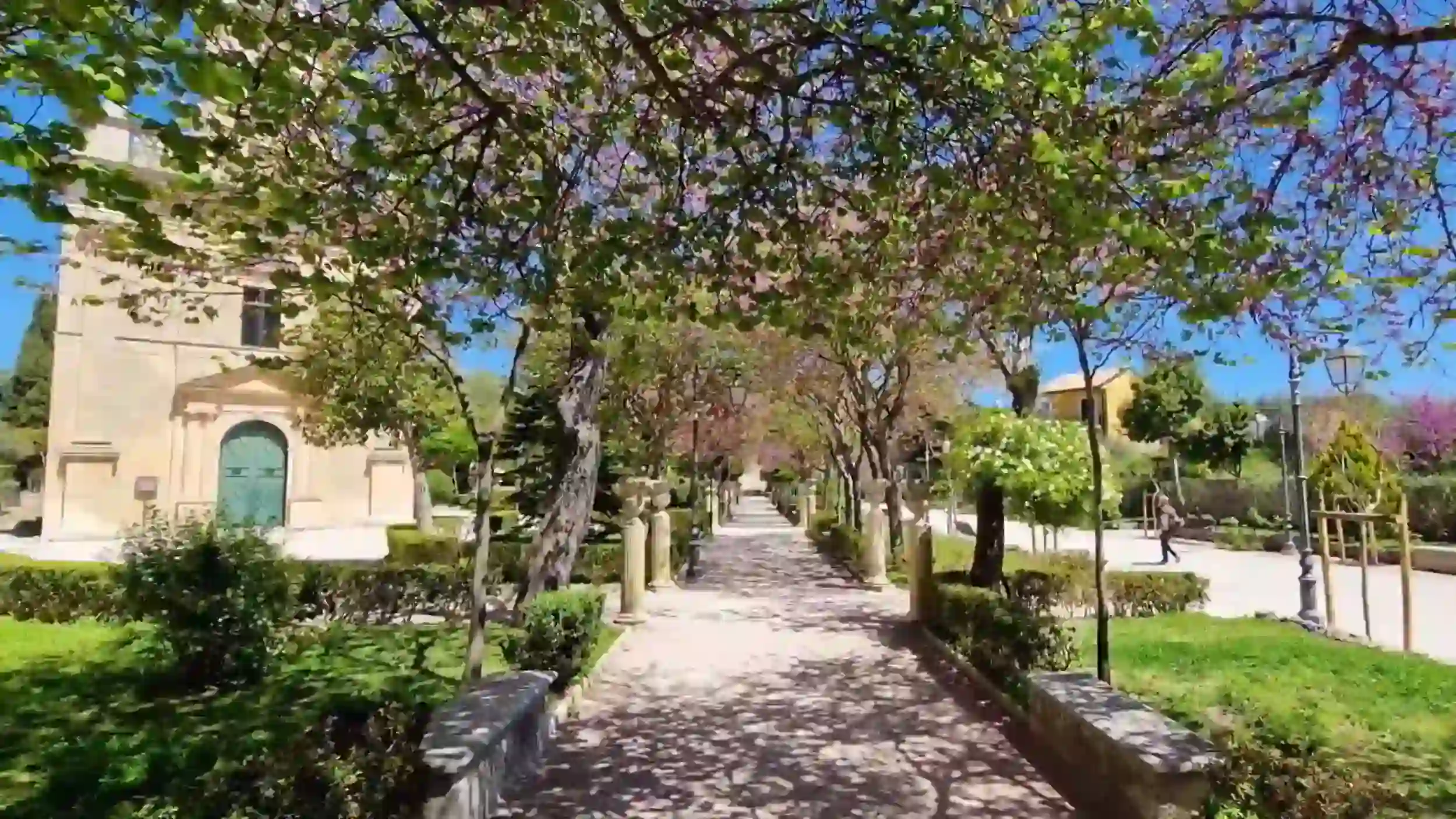
🌳 Why We Finished at Giardino Ibleo
The eastern edge of Ragusa Ibla felt noticeably different from the streets around Piazza Duomo. Buildings began to thin, the valley opened in front of us and Giardino Ibleo provided a natural change of pace after the enclosed lanes of the historic centre.
It felt like the point where the town finally released us back into the wider Sicilian landscape.
Shade and Space Were a Welcome Change
After spending so much time between limestone buildings, we appreciated the shaded paths, mature trees and benches overlooking the valley. Archaeological remains and small churches added interest, but what we enjoyed most was simply having somewhere open and quiet to stop after the tighter streets behind us.
| 🌳 Giardino Ibleo | |
|---|---|
| 🌿 Mature gardens | A peaceful place to slow down |
| 👀 Valley viewpoints | Some of Ibla’s finest panoramas |
| ⛪ Small historic churches | Scattered around the gardens |
| 🚶 Natural finish | A rewarding end to the walking route |
End the Walk With the Wider View
Looking out across the valley after exploring Ragusa Ibla streets gave us a useful final sense of where everything sat. If you’re continuing through southeastern Sicily, our guide to combining Modica and Ragusa shows how these neighbouring Baroque towns can fit naturally into the same trip.