Is Rías Baixas worth visiting? Yes, particularly if you prefer exploring a coastline rather than staying in one resort. Fishing towns, beaches, seafood stops and ferry trips give the region enough variety for the days to feel different as you move between the estuaries, although Atlantic weather makes flexibility more useful than a rigid itinerary.
That unpredictability became part of the appeal for me. Wind, cloud and tides can alter beach and boating conditions quickly, so I would keep some days interchangeable rather than fixing the entire trip in advance.
🌊 Why Does Rías Baixas Reward Flexible Days?
Because the coast can change enough between breakfast and afternoon to make a different plan better. Atlantic weather, tides and changing light alter which stretch of coast makes most sense, so rigid beach-day planning works less well here than keeping two or three options in mind.
Use the Calmest Part of the Day for Exposed Beaches
Earlier in the day, beaches often feel calmer and less crowded. This is a good time for the more exposed stretches of coastline, particularly if stronger Atlantic winds are forecast for later.
As conditions change, moving inland towards the rías can work better than trying to force a full beach day. Harbours, fishing towns and more sheltered stretches of water give you alternatives without abandoning the coast entirely.
I would treat that need to adapt as part of the appeal rather than a flaw. Check the conditions in the morning, then let the coast determine whether the day becomes a beach, harbour, village or ferry day.
💡 GOOD TO KNOW
Do not lock every beach day to a date. Keep at least one harbour, village or sheltered-estuary option ready so a windy Atlantic forecast changes the plan rather than wastes the day.
🚗 Should You Treat Rías Baixas as a Road Trip?
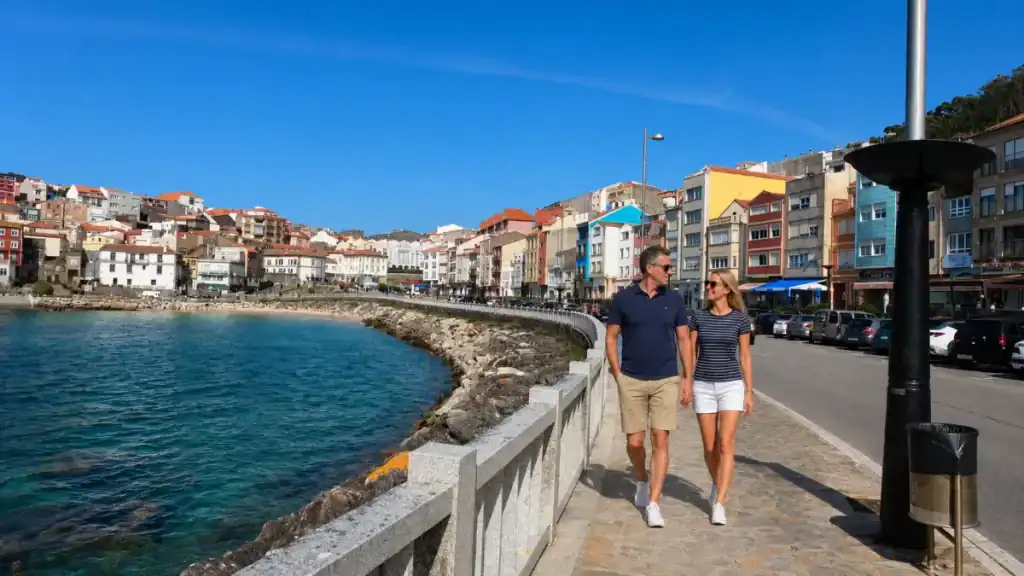
No. I would not choose one resort and commute out from it for the entire trip. The distances are manageable, but the character of the coast changes enough between the estuaries that moving base becomes part of experiencing the region rather than an inconvenience.
Start in the South, Then Slow Down
Vigo gives you city life and ferry connections, while Baiona combines beaches with a historic harbour and a more relaxed atmosphere. Together they make a practical starting point for the south.
Further north, O Grove and A Illa de Arousa bring quieter beaches, fishing communities and a slower coastal rhythm. Moving base means that change happens naturally rather than through repeated out-and-back drives.
🧭 Which Base Fits Your Trip?
- Baiona: beaches, harbour evenings and an easy first base.
- Vigo: city facilities and the simplest Cíes ferry planning.
- O Grove or A Illa de Arousa: slower coastal days, seafood and smaller beaches.
For a longer stay, I would split the trip between two or three areas. A slow road trip through Rías Baixas is particularly well suited to this style of travel.

🏘️ Is Combarro Worth Adding to a Rías Baixas Trip?
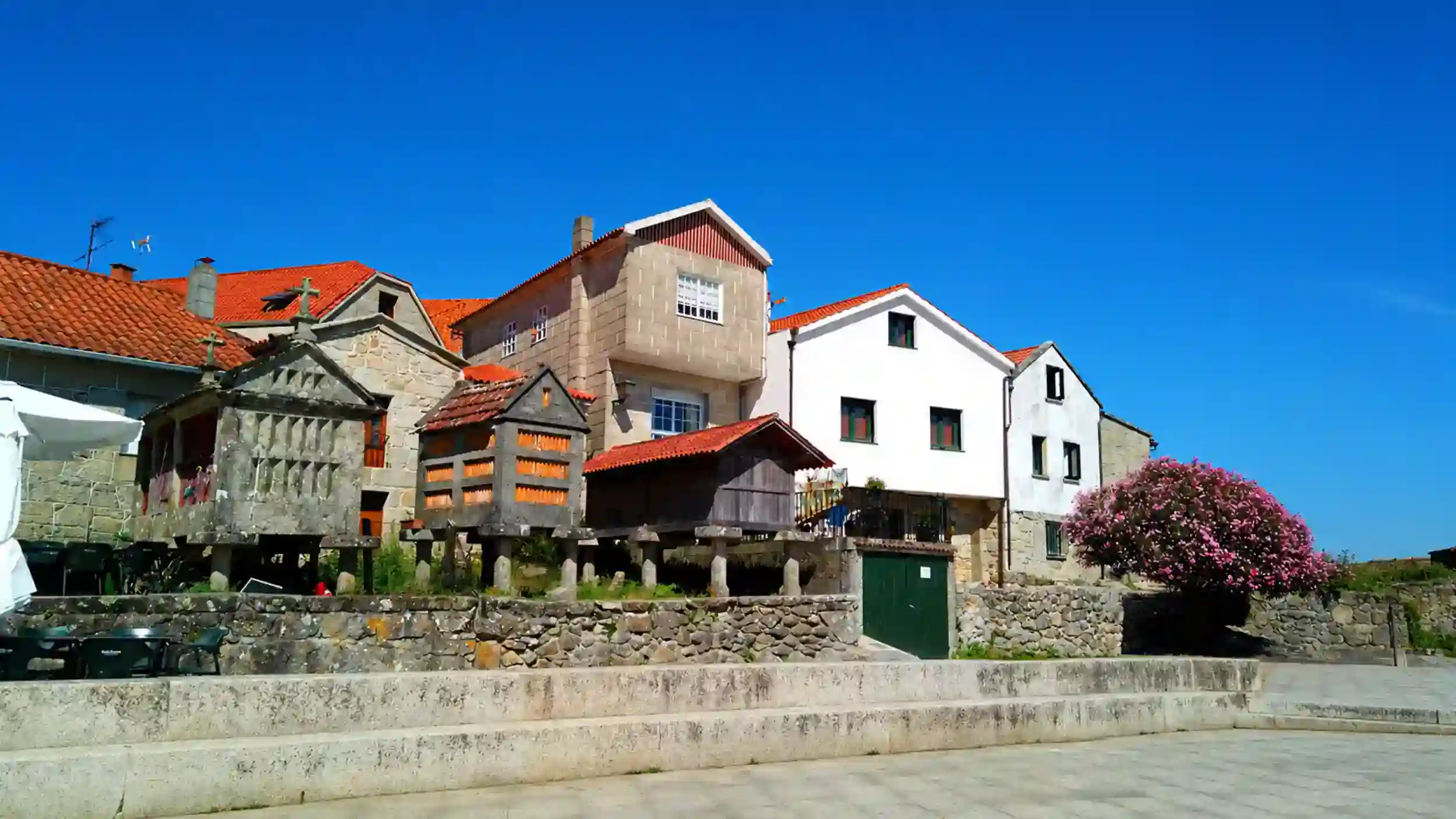
Yes. Combarro earned its place for me because it broke up a trip that could otherwise become dominated by beaches and harbours. Granite houses, narrow lanes and traditional hórreos sit directly beside the water, giving the village a character tied closely to the estuary.
The Old Waterfront Is Enough of a Reason to Stop
The most distinctive part is the old waterfront, where stone granaries line the shore and small lanes open unexpectedly towards the water. You do not need a long sightseeing list here. Wandering through the historic centre is the experience.
Combarro becomes considerably busier during the middle of the day, particularly in summer. The best time of day to visit Combarro is usually earlier in the morning or later in the afternoon, when the lanes are quieter and the village feels less dominated by day visitors.
🏊 Is Rías Baixas Good for Swimming?
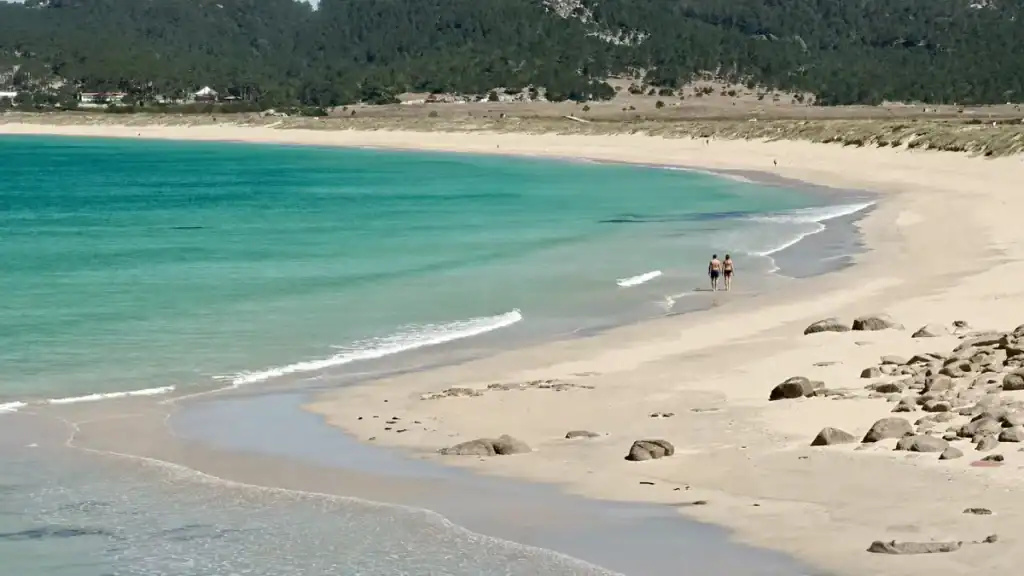
Yes, particularly in summer, but I would not arrive expecting Mediterranean water. The Atlantic can feel distinctly cool even when the beach itself is warm, and exposed stretches can change quickly once the wind strengthens.
That stopped me judging a beach day by air temperature alone. A sheltered cove inside one of the rías can be far more inviting than an ocean-facing beach only a short drive away, so wind direction and exposure matter alongside sunshine.
The Beach Choice Matters More Than Chasing Heat
If swimming is important, use calmer conditions for exposed beaches and keep sheltered alternatives in reserve. I would come for the combination of coast and swimming rather than expecting long, reliably warm sessions in the sea every day.

🏝️ Where Can You Slow the Trip Down?
I would slow the trip down around A Illa de Arousa and O Grove. Sheltered water, smaller beaches and working fishing communities create a different rhythm from the busier southern coast without abandoning the coastal character of Rías Baixas.
A Illa de Arousa Feels Closely Tied to the Estuary
The island has small beaches, pine-backed stretches of shoreline and mussel rafts visible across the water. It feels less like a conventional resort and more closely connected to the working estuary.
O Grove gives you restaurants, seafood and easy access to surrounding beaches without losing that slower atmosphere. A slow afternoon between O Grove and La Toja works particularly well when you want an easier day between longer coastal drives.

🦞 How Does Food Fit Into a Rías Baixas Road Trip?
I found food worked best as part of the journey rather than as a separate itinerary. Fish markets start early, shellfish availability changes with sea conditions and menus often reflect what has actually been landed or gathered.
Mussels, octopus, scallops, clams and percebes appear throughout the region, but different towns have their own strengths. Albariño is produced throughout the Rías Baixas wine region and fits naturally alongside the local seafood.
A long lunch can therefore become the stop rather than an interruption to the sightseeing. Meals work particularly well while driving the coast between Baiona and O Grove, where rushing from town to town would miss much of what makes the route enjoyable.

🌆 Should You Stay in Baiona or Vigo?
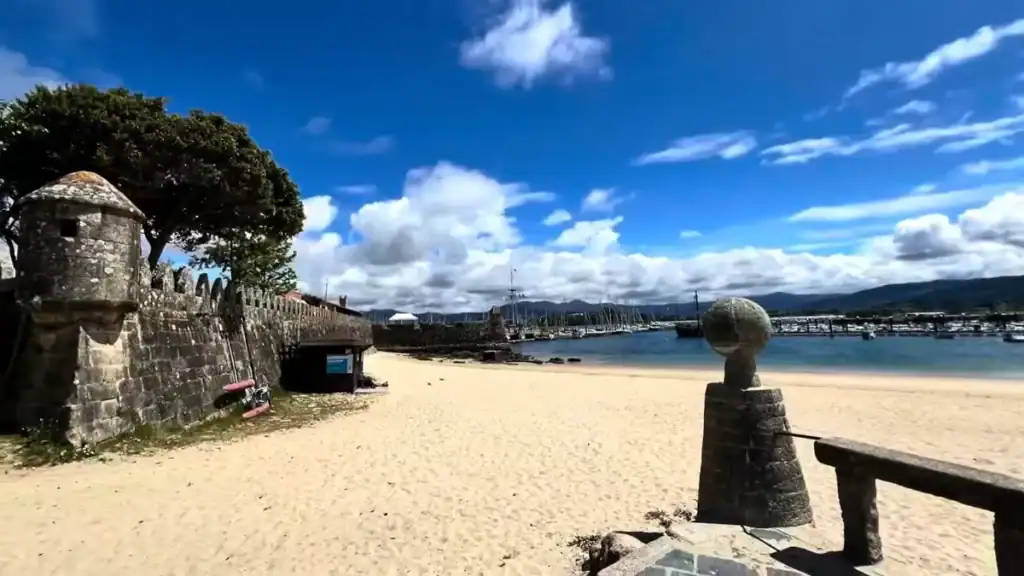
I would choose Baiona as the strongest all-round first base. Beaches, a historic centre and a working harbour are close together, while the southern coastal roads remain easy to reach. Crucially, you can also have a worthwhile day without getting back into the car.
Vigo is the better fit when city facilities and the easiest Cíes connections matter more. It is busier, steeper and more industrial, with a huge working port at its centre, so it gives the trip an urban dimension rather than trying to imitate the smaller coastal towns.
Choose the Base Around the Trip You Actually Want
For beaches, harbour evenings and a smaller-town atmosphere, I would start with Baiona. Using Vigo as a base for the Southern Galicia coast makes more sense if ferries, transport connections and city life carry more weight.

⛴️ How Much Time Do the Cíes Islands Need?
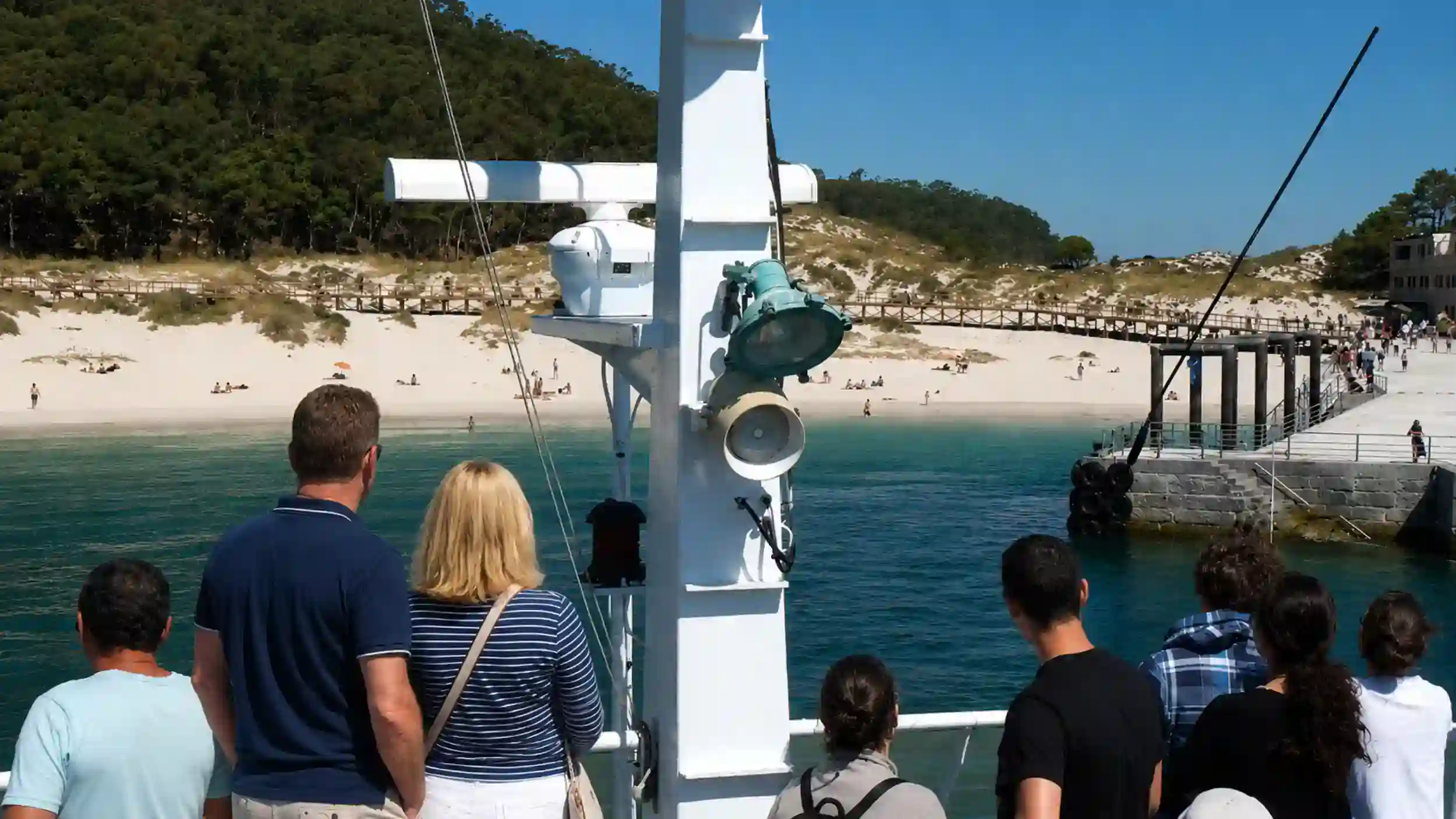
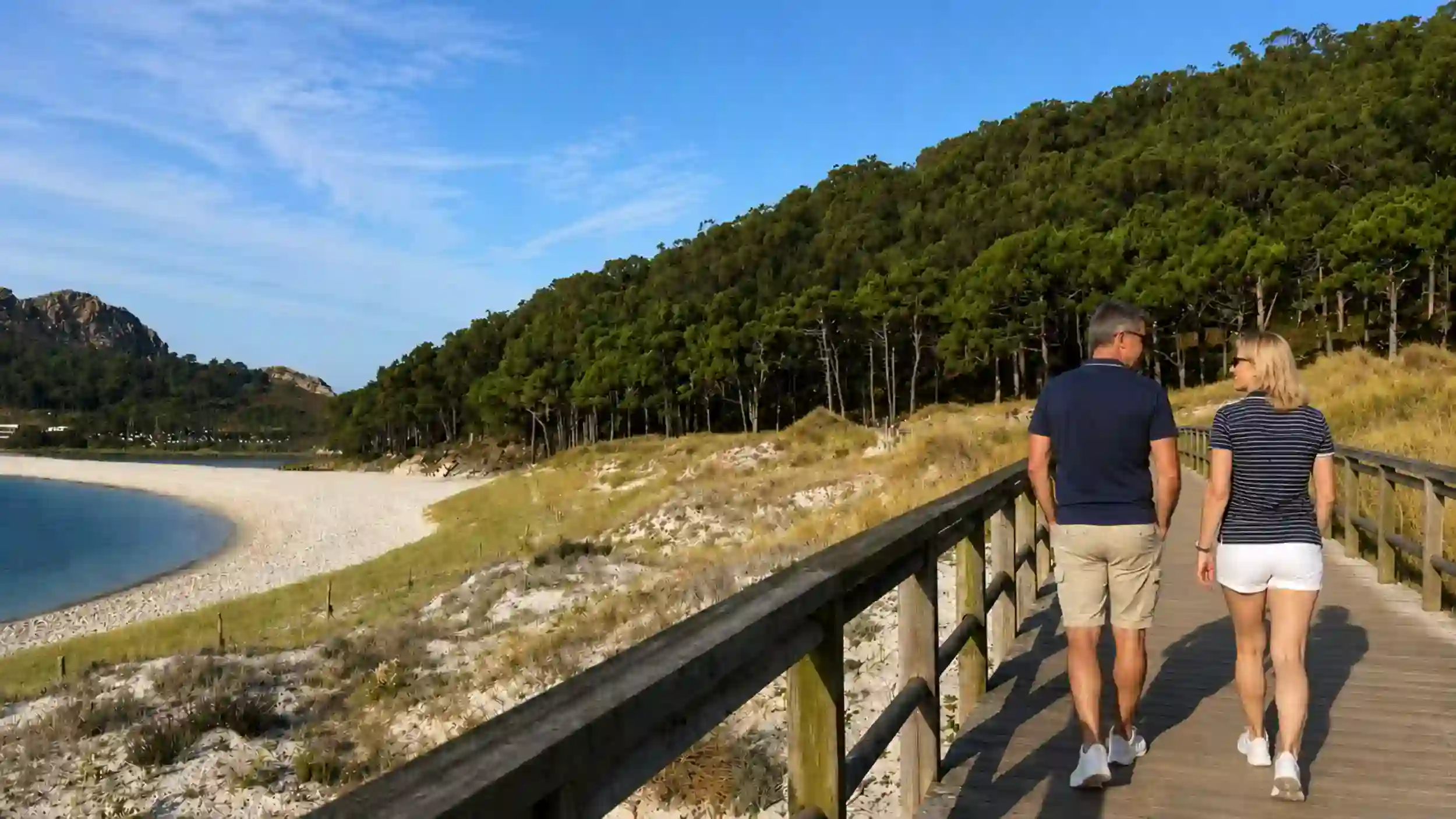
I would give the Cíes Islands a full day. They add the wildest landscape in this itinerary. White beaches and clear water sit alongside exposed cliffs, forested walking routes and open Atlantic scenery, but ferry timings mean they deserve a full day rather than being squeezed into another coastal stop.
Vigo is the most straightforward departure point, although seasonal services also operate from other ports including Baiona. During the regulated visitor season, you need the required visitor authorisation as well as a ticket from an authorised ferry operator, so this is one part of the trip I would organise in advance rather than improvise that morning.
A Few Hours Would Feel Too Tight
Ferry schedules shape the day, while the walking routes and beaches reward an early departure and later return. Visiting the Cíes Islands from Vigo is the easiest way to build them into a Rías Baixas trip, and I would leave enough time to explore beyond Rodas Beach.
⛴️ THE CÍES DECISION
Give the islands a full day. Best for travellers who want beaches, walking and wilder Atlantic scenery. Think twice about squeezing them into a packed road-trip day because the ferry timetable controls both ends of the visit.

🧭 Who Will Get the Most From Rías Baixas?
Rías Baixas is worth visiting if variety matters more than predictable resort days. It particularly suits independent travellers who enjoy moving between beaches, fishing towns, islands, seafood stops and different bases, and who are comfortable allowing Atlantic conditions to influence what happens next.
I would look elsewhere if guaranteed warm-water beach days, a single walkable resort or a tightly fixed itinerary is important to you. Here, the better rhythm is to check conditions, choose the stretch of coast that works that day and leave enough room for plans to change.
✓ WORTH IT?
Yes, if you enjoy independent coastal travel more than predictable resort days. Best for road trips, seafood, islands and changing scenery. Think twice if guaranteed warm sea, fixed beach plans and staying in one resort matter more.
That is ultimately what separates Rías Baixas from a conventional beach holiday. The coast asks a little more of you, but it also gives more back when you move with it rather than trying to make every day behave the same way.

For a longer trip, a slow road trip through Rías Baixas makes more sense than choosing one resort and staying put. If you’re still deciding how long to allow, how many days you need in Rías Baixas is the natural next question.