Visiting the Cíes Islands works best as a full-day trip from Vigo, despite the ferry taking only around 40 minutes. The short crossing made the islands look simple on paper; in practice, the day was governed by departure times, walking distance, Atlantic weather and how much margin we left for the boat back.
That changed how I thought about the trip. Rather than trying to fit Cíes around something else in Vigo, I treated the ferry as the start of the day’s rhythm and left the rest of the itinerary empty. It was the difference between exploring the islands and spending the afternoon watching the clock.
⛴️ How Early Should You Start a Cíes Islands Day?
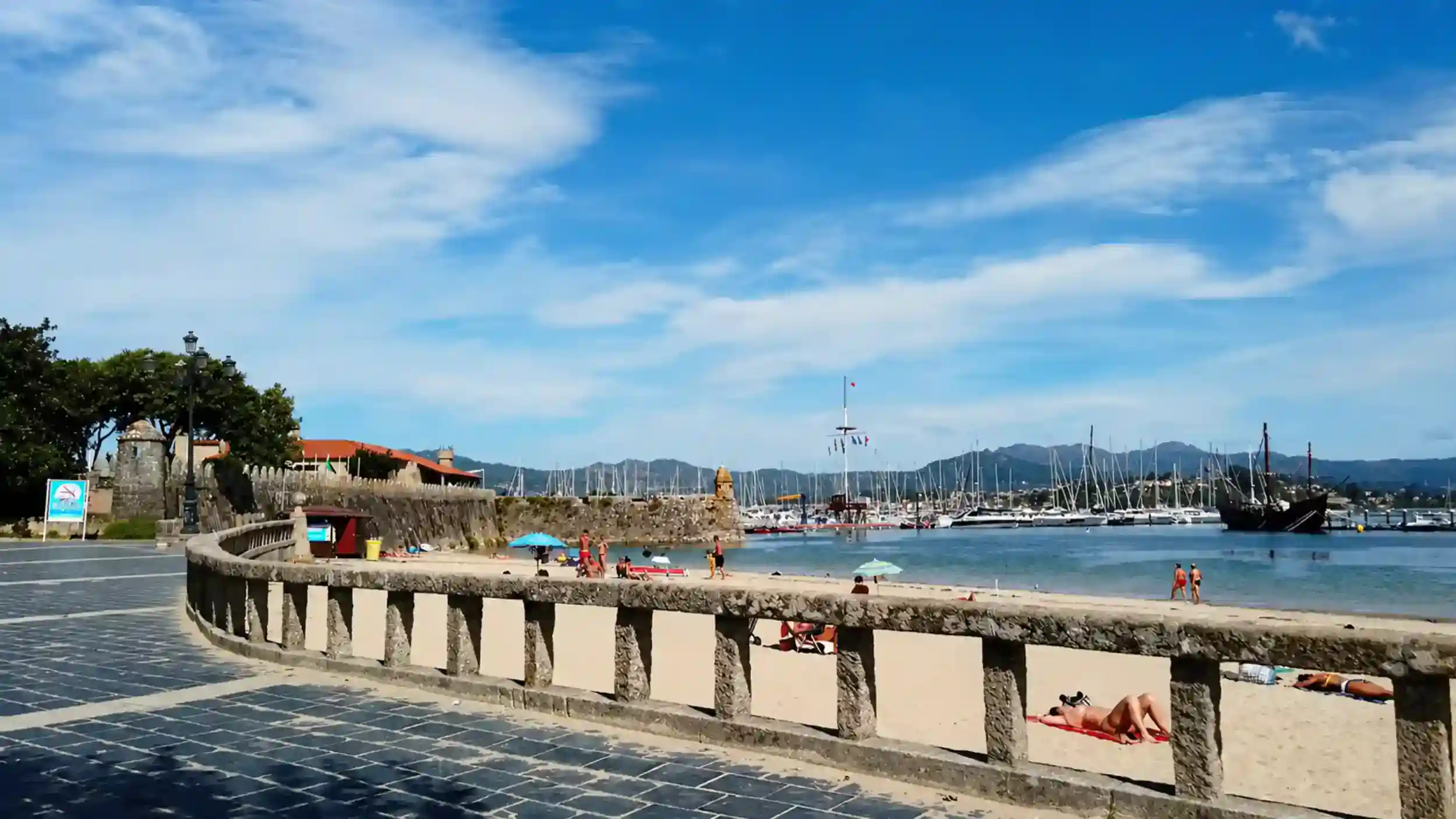
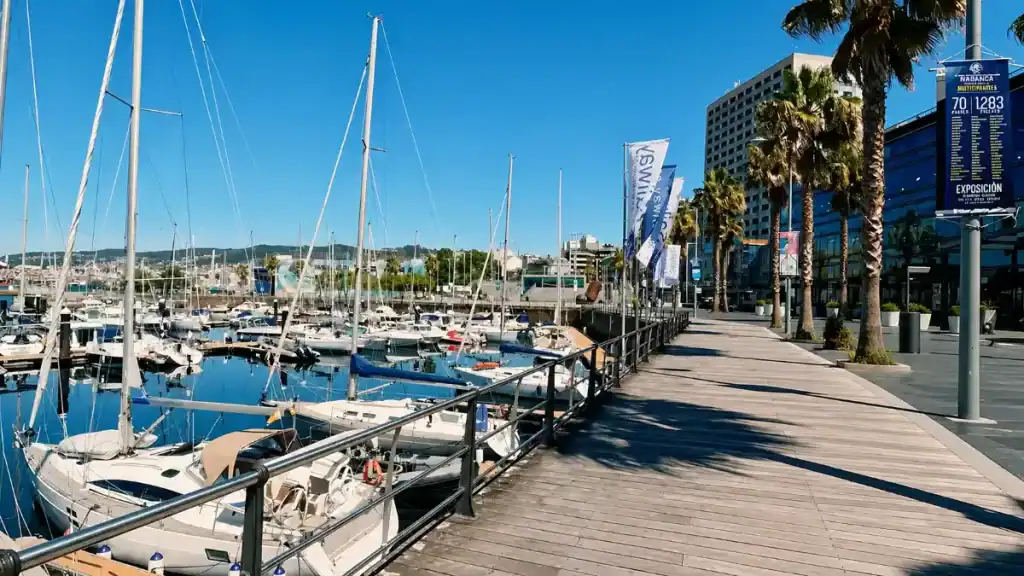
I would start early enough to reach the harbour without rushing. Earlier in the morning, Vigo’s waterfront still felt fairly ordinary. Delivery vans were moving around the port, cafés were opening and there was little sense of urgency. Then backpacks, cool boxes, beach bags and walking shoes began converging on the maritime station, and the atmosphere changed surprisingly quickly.
That was my first useful lesson from the day: having a ticket did not mean I wanted to arrive at the last minute. Once several sailings began overlapping, the relaxed harbourfront became an organised boarding queue.
An Early Sailing Bought Us Time Later
The Vigo to Cíes crossing takes roughly 40 minutes, so the journey itself is not the time problem. What mattered was reaching the islands early enough that a lighthouse walk, lunch and a swim could happen without each one stealing time from the next.
A later ferry would have changed the feel of the whole visit. The same walking routes and beaches would still be there, but every stop would come with the calculation of how long remained before the return boat.
📌 What I Would Fix Before Reaching the Harbour
- 🎟️ Island authorisation and ferry ticket: arrange both in advance when authorisation is required.
- ⏰ Departure time: choose an early practical sailing if you want walking and beach time.
- 🚢 Return sailing: know which boat you are coming back on before setting off across the islands.
🥾 How Much Walking Should You Expect on Cíes?
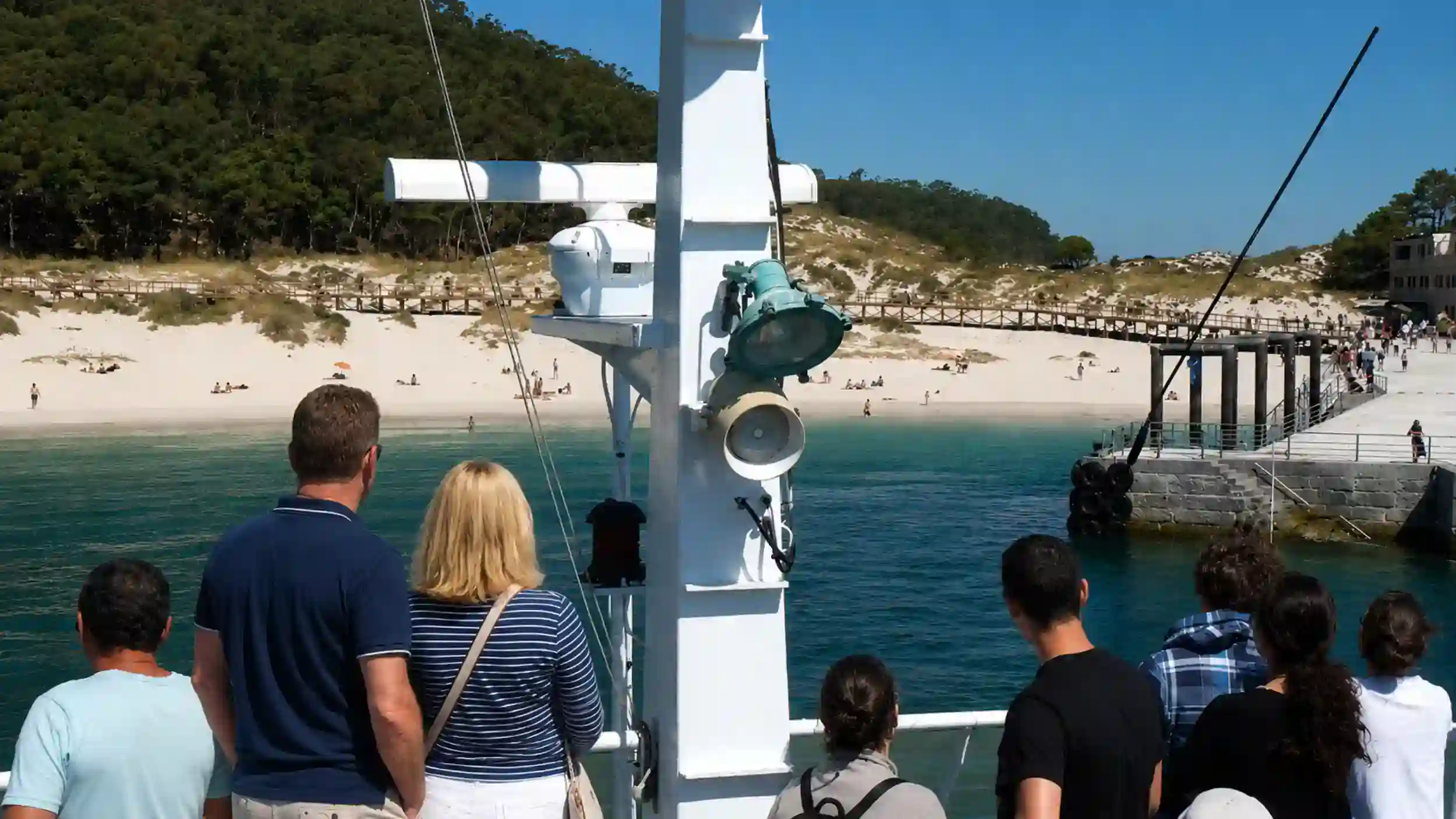
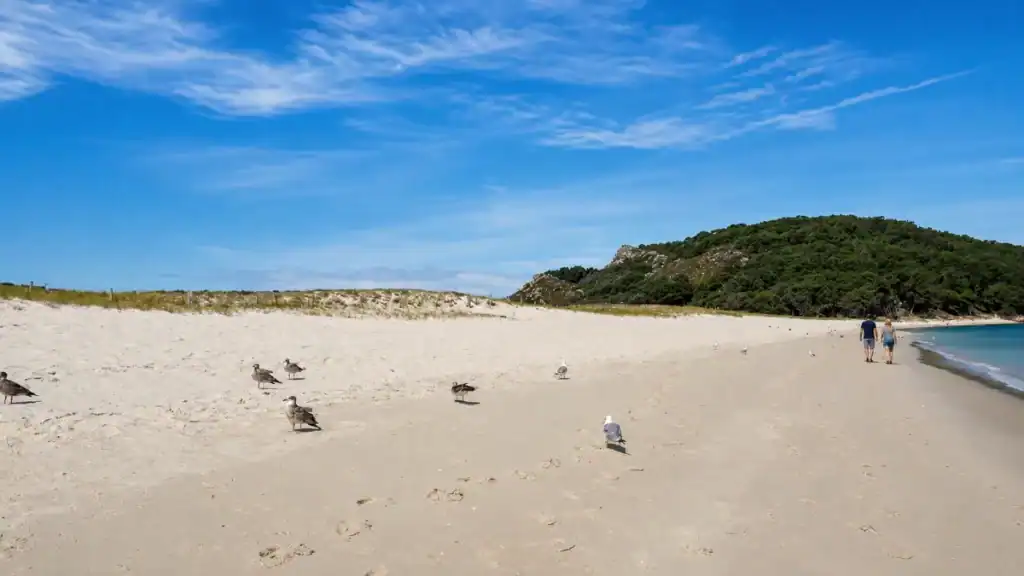
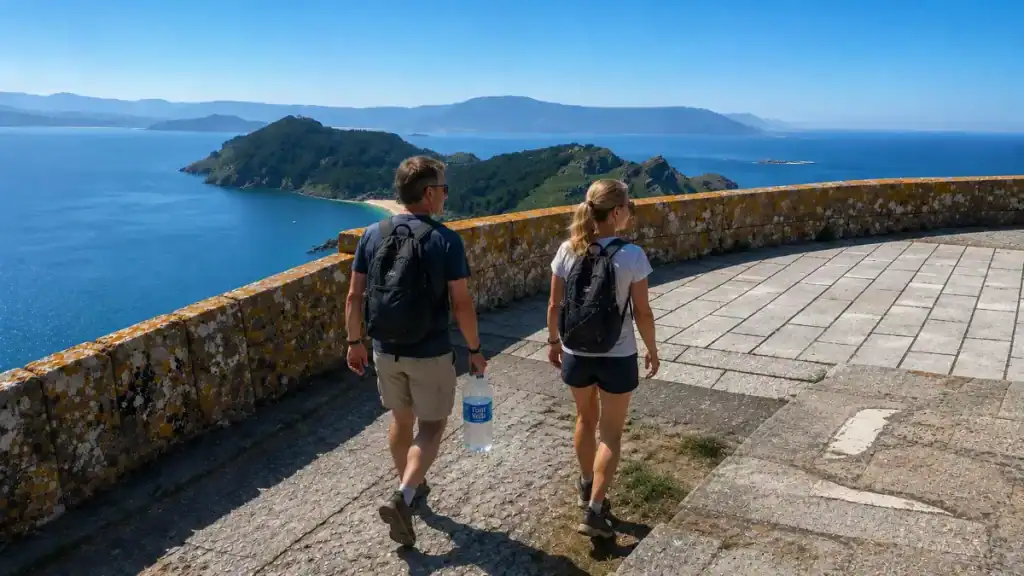
More than the arrival view suggested. From the ferry, the day initially looked easy to divide into neat pieces: walk first, beach later. It did not stay that tidy. The lighthouse routes climb steadily, and even the easier paths covered more ground than the arrival photographs had suggested.
The reward came gradually. Looking back, the water towards the mainland appeared calmer; turn towards the western side and the islands suddenly felt far more exposed, with darker Atlantic water, cliffs and heavier swell. That contrast made the walking worth doing rather than something to rush through before the beach.
The Beach Stop Felt Better After the Climb
By the time the paths brought us back down towards the water, separating the day into “hiking” and “beach” no longer made much sense. The swim became the break the walk had created.
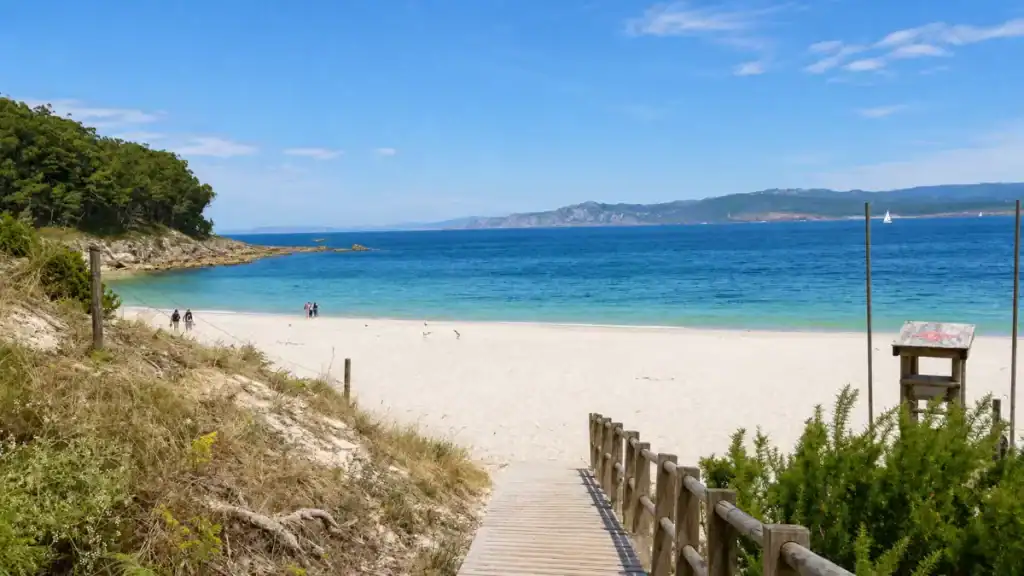
Rodas was the obvious place to stop because it sits conveniently between the main walking areas and the ferry zone. In bright sun, the white sand and clear water looked almost Mediterranean. Stepping into it ended that comparison quickly. This is Atlantic coastline rather than the Mediterranean, and the water stayed cold enough to make the first few steps noticeably hesitant.
That is why one full day is enough for most visitors, but half a day feels unnecessarily tight. A full day lets the walking lead naturally into the beaches instead of making you choose between them.
🏝️ WHY I WOULD NOT DO HALF A DAY
The ferry is quick, but the island is not. Once walking, swimming and the fixed return sailing are combined, half a day turns each stop into a calculation rather than part of the experience.
🌬️ Can Cíes Weather Differ From Vigo?
Yes. The crossing is short enough that I had expected the conditions on Cíes to feel much like Vigo. That assumption did not hold. Sheltered water near the city can give way to a choppier crossing, and the islands themselves are more exposed to Atlantic wind.
A warm, still mainland morning can therefore produce a cooler arrival than expected. The difference matters most when you stop moving. Wind that feels welcome on an uphill path can make sitting on an exposed beach noticeably less comfortable.
🌦️ THE PACKING LESSON
I would dress for the islands rather than for the weather visible from Vigo harbour. A light extra layer earns its place even when the city feels warm.
🎒 What Should You Pack for the Cíes Islands?
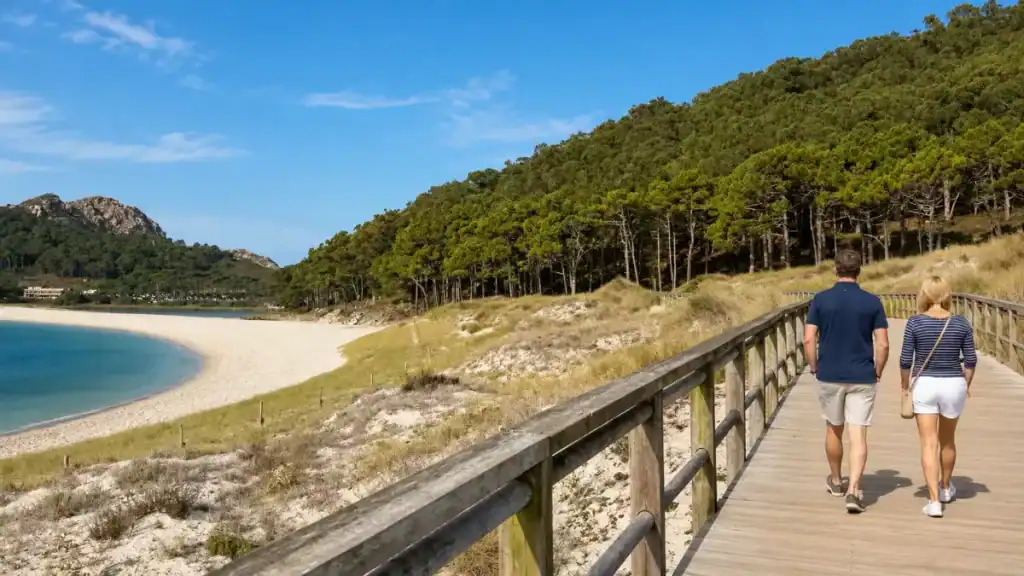
I would pack for walking first and the beach second. The easy mistake is to prepare for a beach excursion. Cíes looks like one from the ferry. Once the walking begins, comfortable shoes, water and a manageable bag matter more than bringing half a day’s beach equipment with you.
Large cool boxes and heavy bags become irritating surprisingly quickly on uphill paths. I would rather carry enough water, sun protection and a light layer than spend the day hauling things that only become useful once we stop on the sand.
🎒 What Actually Earns Space in the Bag
- 🥾 Comfortable walking shoes
- 💧 Plenty of water
- ☀️ Sunscreen and sun protection
- 🏊 Swimwear and a light towel
- 🧥 A light layer for wind or cooler island conditions
- 🎒 A bag you are comfortable carrying uphill
🚢 How Should You Plan Around the Return Ferry?
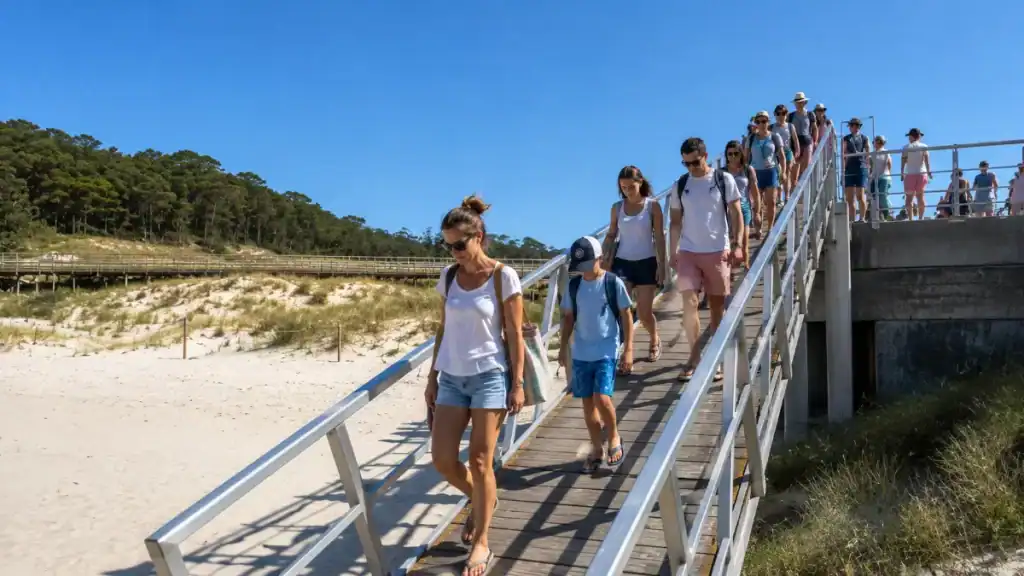
I would keep the final part of the afternoon within comfortable reach of the jetty. Late afternoon was when the freedom of the morning began narrowing. Beach groups started packing, people returning from the more distant paths were walking faster and the departure area filled with travellers who had all been given roughly the same instruction: be back for the boat.
That change in pace was hard to miss. The quiet arrival had felt open-ended; the return felt organised around a deadline.
I Would Not Save the Longest Walk for Last
The practical consequence is simple. Once the afternoon is moving on, I would stay within comfortable reach of the jetty rather than start another distant route. You need time to walk back, collect anything left near the beach and find the correct boarding queue.
Waiting for the final sailing can also make the end of the trip feel more compressed. By then, the combination of walking, sun, wind and swimming has usually made the day more tiring than a normal beach excursion.
🕒 THE RETURN RULE I WOULD USE
Choose a sailing that leaves a margin you can enjoy, not one that forces you to extract every possible minute from the island.
🏝️ Is One Full Day Enough for the Cíes Islands?
Yes. For most visitors, a full day from Vigo is the right amount of time. It is long enough for a meaningful walk, a proper beach stop, food and the ferry journeys without needing to move continuously.
I would not try to make Cíes a half-day add-on. The crossing may only take around 40 minutes, but the timetable removes the freedom that normally makes a short excursion easy. Once you have arrived, the islands reward slowing down rather than calculating how quickly you can get back.
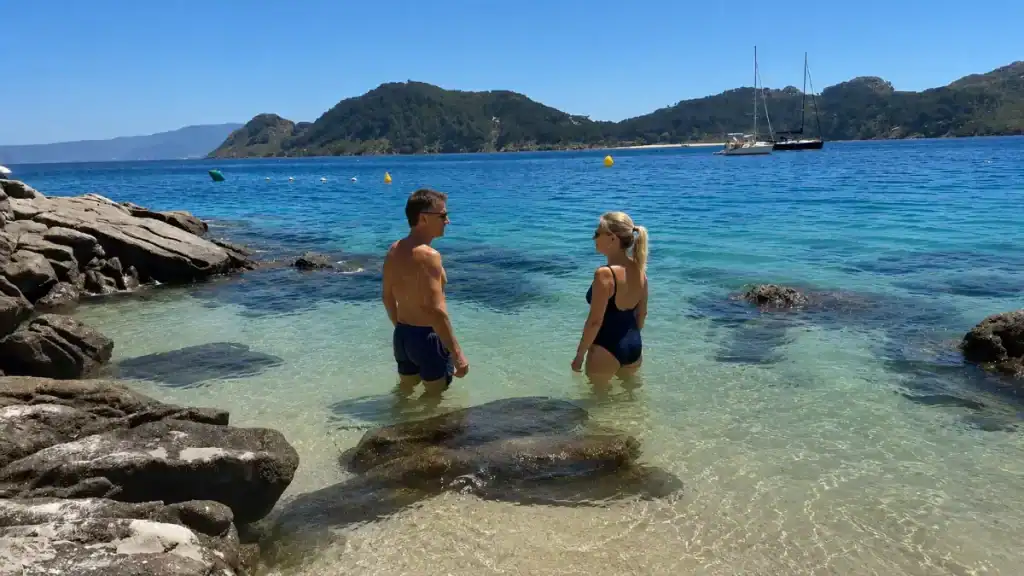
My preferred shape for the day is simple: an early ferry, the main walk while there is plenty of time, swimming later and a return that does not turn the final hour into a race. The best part was not fitting more in. It was reaching the point where the ferry timetable stopped feeling like a restriction because we had finally started working with it.