
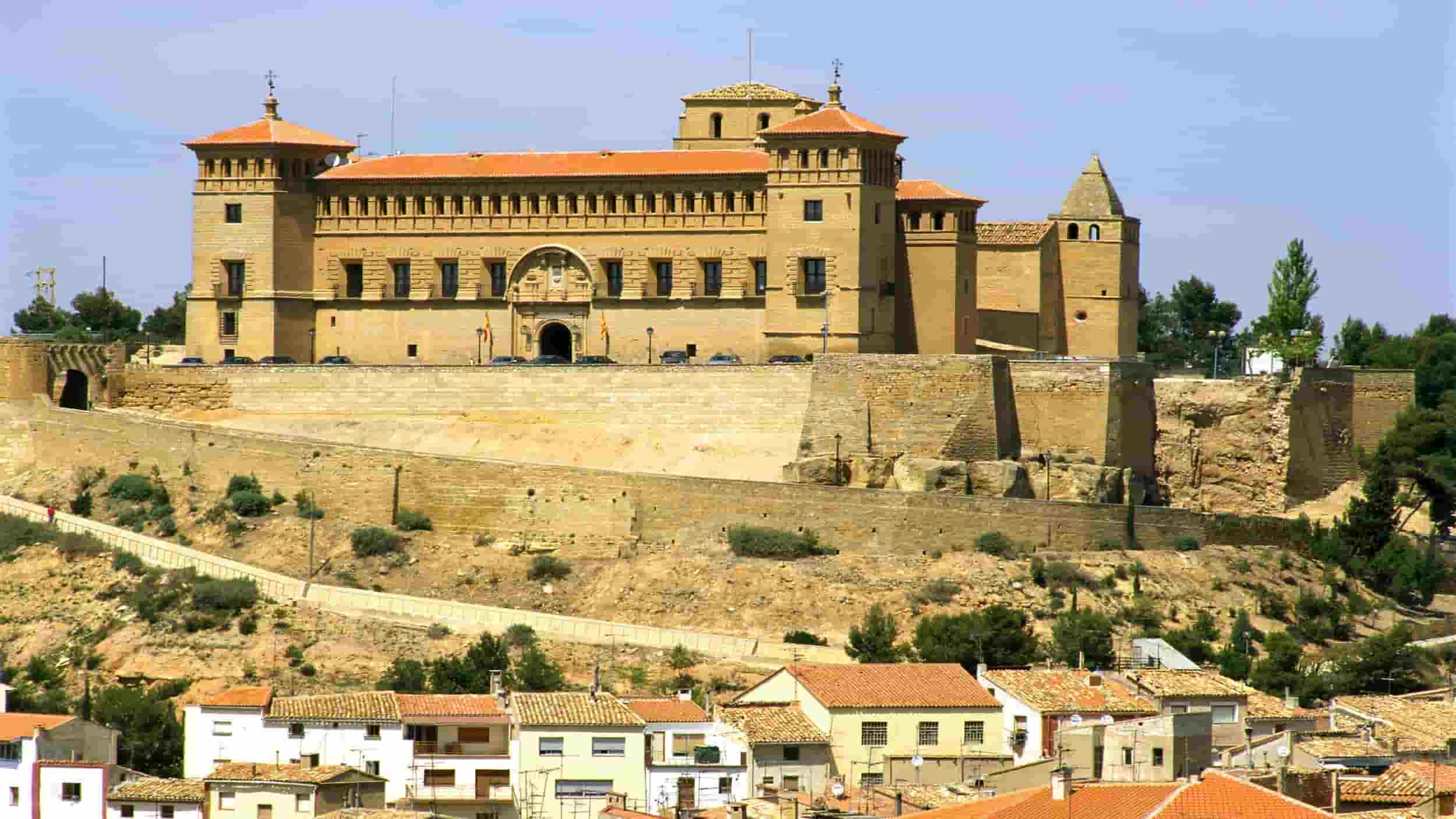
The best paradors in Spain turn historical monuments into amazing places to stay. These state-run hotels sit inside castles, monasteries, and palaces across the country. You sleep where kings once ruled and monks once prayed.
Stone walls radiate warmth from centuries of Spanish sun. You smell old wood mixed with fresh citrus from courtyard gardens. Church bells echo across ancient plazas while your footsteps click on worn marble floors. This is your first moment inside a real castle hotel in Spain.
👀 At a Glance:
💰 Budget range: €80-€300 per night depending on location and season
🗓️ Best time: Spring and fall offer mild weather and fewer crowds
✈️ Getting there: Most paradors are 1-3 hours from major Spanish airports
💡 Insider tip: Book directly on the Paradores website for best rates
⭐ Unique experience: Sleep in a 1000-year-old castle with modern comfort
🏰 What Makes Spanish Paradores Special
The Parador network started in 1928 to preserve Spain’s historic buildings. The government transformed old castles and convents into luxury hotels. Now 97 paradors operate across Spain, and Spain’s official tourism board actively promotes these unique properties as essential cultural experiences.
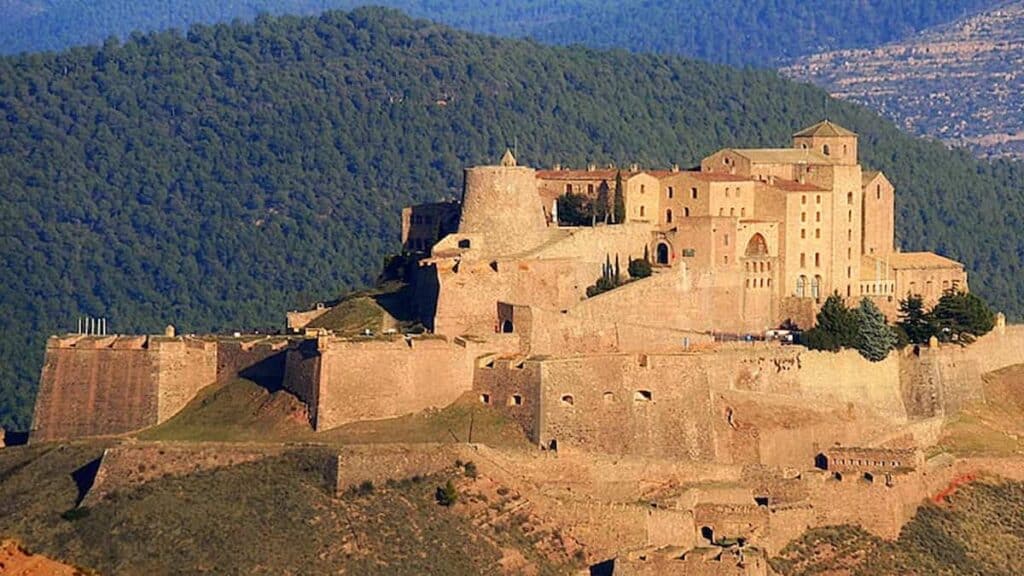
Each parador sits inside a real historic building. In 886 AD the parador de Cardona was built inside a medieval castle. The parador de Santiago de Compostela occupies a 15th-century royal hospital. The parador de León sits in a 16th-century monastery along the Camino pilgrimage route.
Modern amenities blend perfectly with ancient architecture. You get wifi in a gothic cloister at the parador de Cuenca. Air conditioning cools 500-year-old stone rooms at the parador de Toledo. Swimming pools sit in former monastery courtyards at the parador de Carmona.
Staying in a Parador
Every parador feels different because each building tells its own story. The parador de Santiago was once a hospital for pilgrims walking the Camino. Now it’s one of the oldest hotels in the world still operating.
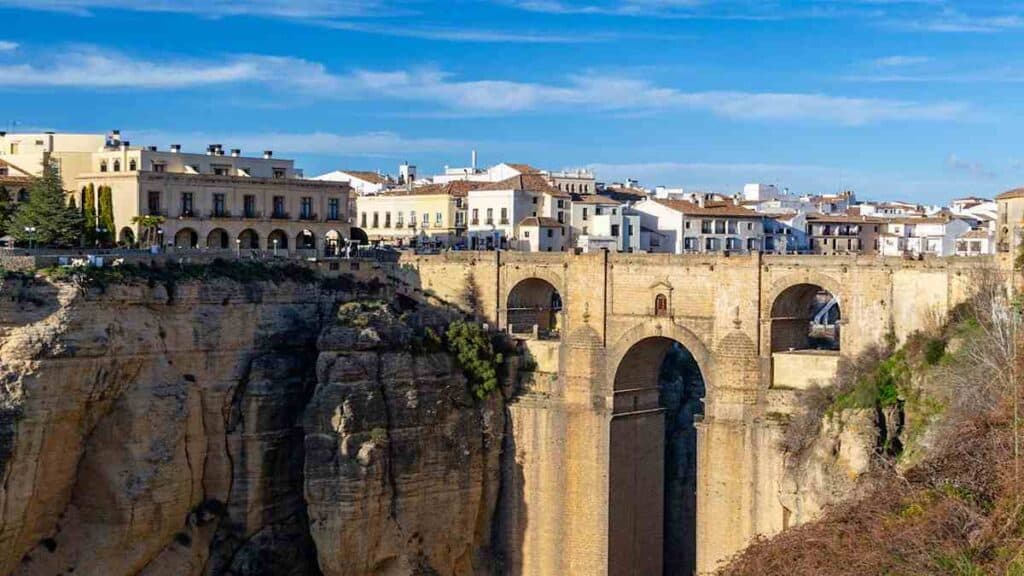
The parador in Granada sits inside the Alhambra palace grounds. This location of the parador puts you inside a declared world heritage site. The parador de Ronda perches on a cliff above a 120-metre gorge with views across Andalusia.
Local staff share stories their grandparents told them about these buildings. You’re not booking a hotel room; you’re renting a piece of Spanish history for the night. They know which tower room has the best views from the parador de Sigüenza.
🌟 Are Paradors Worth It?
Yes, staying in a parador is absolutely worth the money for most travellers. Here’s why: you’re not just paying for a hotel room. You’re experiencing Spanish history firsthand in buildings that shaped the country.
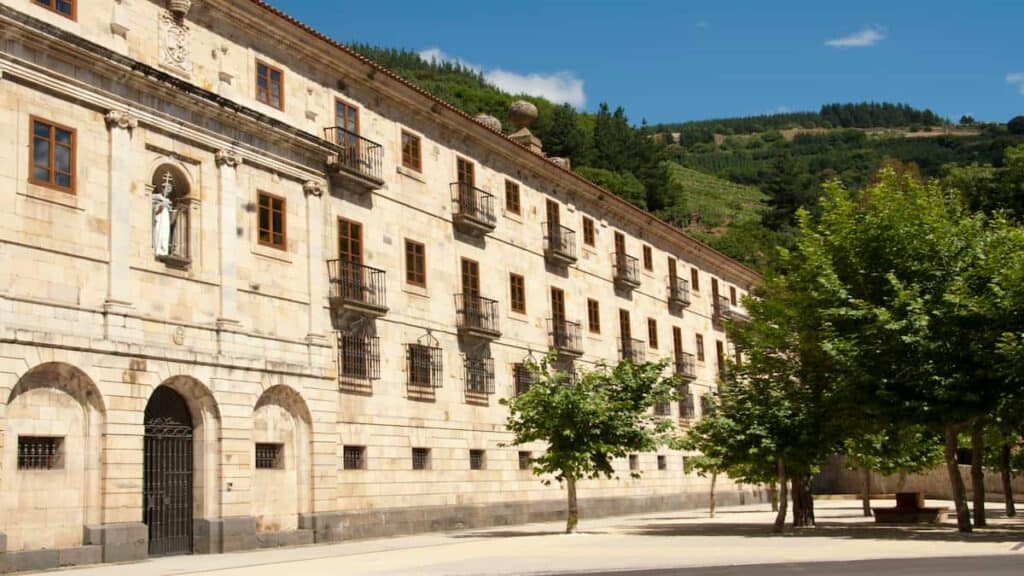
The value goes beyond the nightly rate. The parador de Corias includes breakfast with Asturian specialities like local cheese and cider. Extremaduran cuisine can be found with half-board at the parador de Jarandilla de la Vera. The parador de Nerja provides gourmet dinners featuring fresh Mediterranean seafood.
Historic paradores cost less than modern five-star hotels in Spanish cities. A stay at the parador de Cuenca runs €100-150 per night. The parador de Cáceres costs €120-160 per night for similar quality. A similar luxury hotel in Madrid or Barcelona costs €300-400 for comparable quality.
Best Paradores Hotels in Spain Features
Room quality at paradores hotels matches international luxury standards. Beds are comfortable at the parador de Cardona’s tower rooms. Bathrooms are modern and spotless at the parador de Alarcon. The difference is your window overlooks medieval towns instead of parking lots.
Many paradors feature swimming pools, spas, and fine dining restaurants. The parador de Málaga Gibralfaro has a pool with Mediterranean views. The parador de León serves meals in a vaulted monastery refectory. The echo of your voice bounces off stone arches during breakfast service. The parador de Carmona offers spa treatments in a converted Moorish fortress.
Service levels at best paradores hotels in Spain are consistently excellent. Staff at the parador de Toledo arrange private city tours. The team at parador de Granada books Alhambra tickets before they sell out. Concierges at the parador de Santiago recommend authentic Galician restaurants locals love.
💶 How Much Do Paradores Cost in Spain?
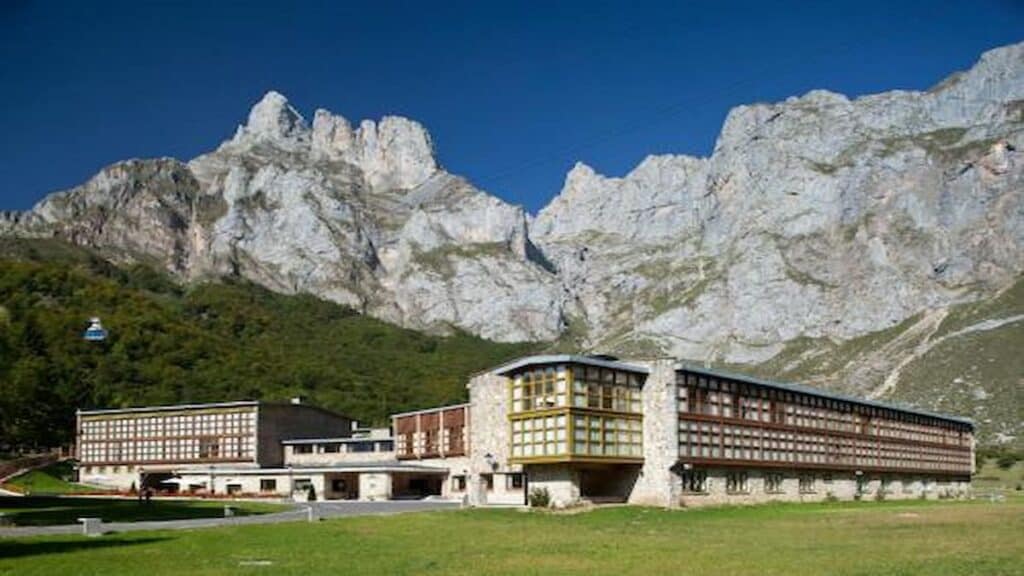
Parador prices range from €80 to €300 per night depending on location and season. The parador de Fuente Dé in the Picos de Europa mountains costs around €80-120. The parador de Vielha in the Pyrenees runs €90-130 per night. €250-300 per night for the parador de Granada inside the Alhambra runs .
Most paradors fall in the €120-180 range per night. The parador de Toledo costs €140-170 per night. The parador de Carmona runs €130-160 per night. €150-180 for standard rooms with gorge views at the parador de Ronda sits at.
Off-season rates drop significantly at many other paradors. Winter stays at the parador de Sigüenza can cost 30-40% less than summer. The parador de Cáceres offers great deals from November through March. The parador de Trujillo drops to €80-100 in January.
Parador Hotels in Spain Savings
Book directly through the official Paradores website for the best rates. You’ll find exclusive offers not available on booking sites. The parador de Lerma often has multi-night discounts of 10-15%. The parador de Almagro includes free breakfast with three-night stays during off-season.
Half-board packages provide excellent value for your trip to Spain. The parador de Baiona includes breakfast and dinner for €50 extra per person. The parador de Tortosa offers similar packages with Catalan wine included. You save money while enjoying regional cuisine beyond the parador walls.
The Paradores Pass lets you stay at multiple properties with discounted rates. Five nights at different locations like the parador de Jaén, parador de Úbeda, and parador de Cazorla costs less per night. This works great for road trips through Andalusia or northern Spain. The best paradors in Spain become even more affordable with this pass option.
🎯 Top 5 Best Paradors in Spain You Must Visit
These five paradores represent the very best parador hotels across Spain. Each offers something unique you can’t find at other properties in the network.
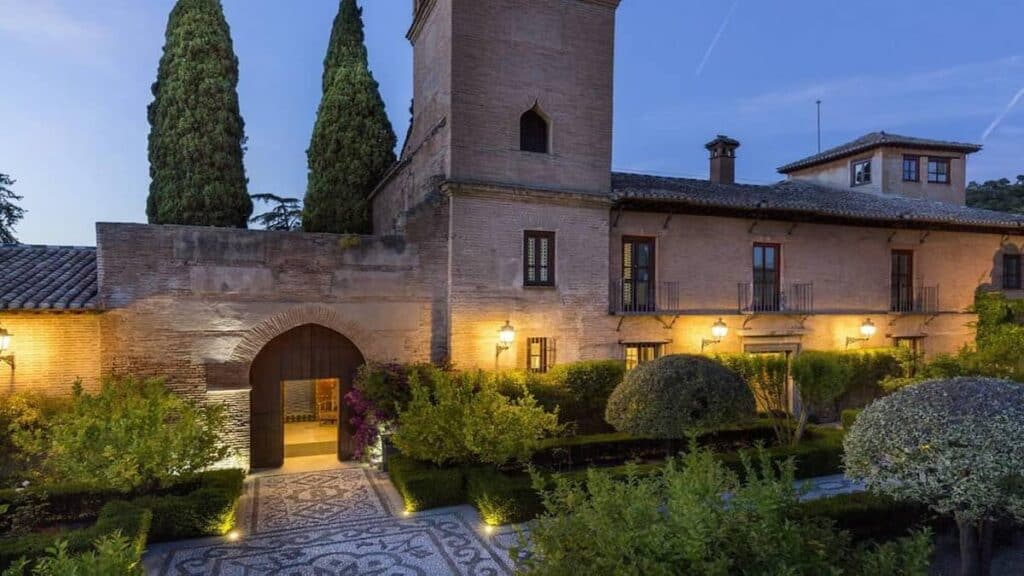
1. Parador de Granada
Inside the Alhambra grounds, this convent-turned-hotel is a once-in-a-lifetime stay. Morning coffee in the courtyard garden feels surreal. This parador is located inside a UNESCO world heritage site.
The building dates to 1499 and was originally a Franciscan convent. Catholic monarchs Ferdinand and Isabella chose this spot themselves. You can visit the Chapel Royal where they’re buried just 10 minutes walk away.
Book six months ahead for summer stays. Rooms fill fast because there are only 40 of them. Every room offers views of the Generalife gardens, the Albaicín neighbourhood, or the Sierra Nevada mountains beyond Granada.
Walk through the Alhambra’s Nasrid Palaces before 9am crowds arrive. Locals know the Alhambra staff entrance opens at 8:30am for parador guests only. Explore the Generalife summer palace gardens in peaceful morning light. Water trickles through Arabic fountains while swallows dart between cypress trees. Evening tapas in Granada’s Realejo neighbourhood sits just outside the Alhambra walls.
2. Parador de Santiago de Compostela
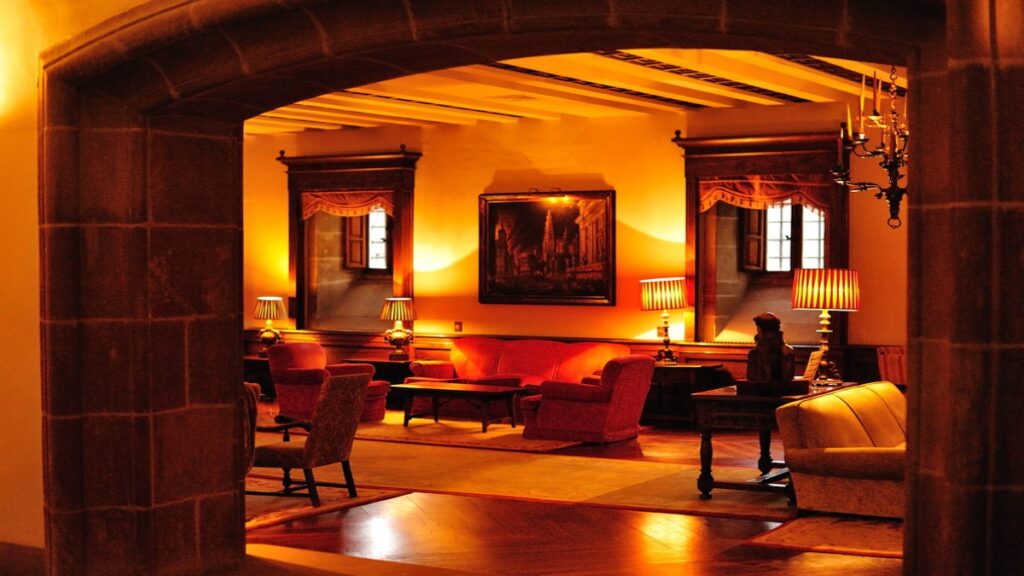
One of the oldest hotels in the world still operating. Pilgrims have found shelter here for over 500 years. The historic building and location make staying at this parador truly special.
Four baroque courtyards create stunning spaces throughout the building. The parador de Santiago features a spa, gourmet restaurant, and 137 rooms. Each room combines period details with modern luxury and Galician textiles.
Visit Santiago Cathedral and see the botafumeiro incense ceremony on Sundays. Grab breakfast at Café Casino nearby before 9am when locals finish morning mass. Walk the old town’s medieval streets to Praza do Obradoiro. Take a day trip to the dramatic Costa da Morte coastline 90 minutes west.
The location puts you steps from Santiago Cathedral. Explore the cathedral museum and rooftop tours. The smell of incense drifts through stone corridors mixed with fresh coffee from the restaurant. Try pulpo a feira at nearby restaurants where locals eat after Sunday mass.
3. Parador de Cardona
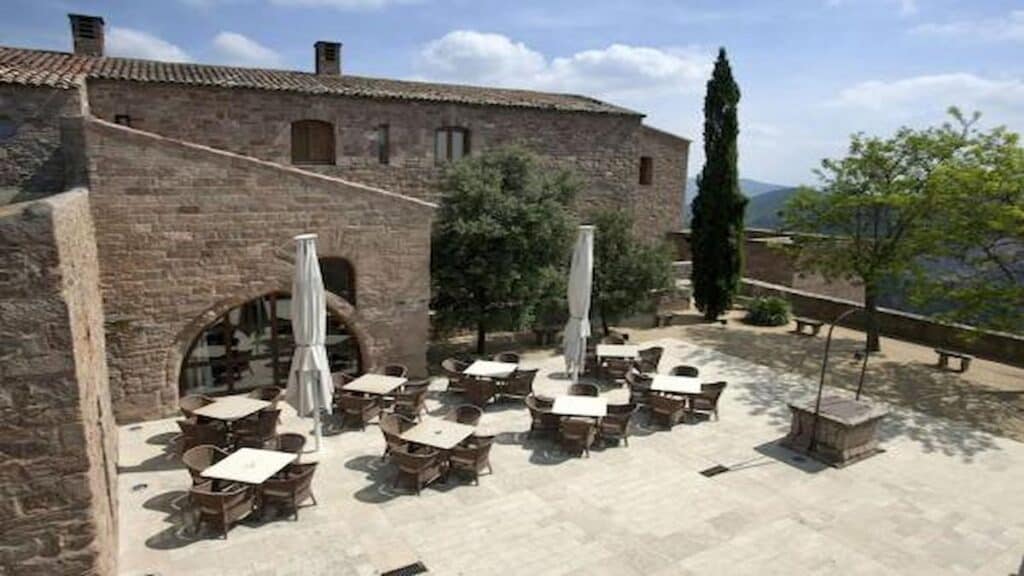
This 9th-century castle towers over Catalonia’s Salt Valley. The views go on forever from this historic parador. Medieval towers and ramparts transport you back 1,000 years.
Stone walls are two metres thick in some places. The tower rooms have the best overlook of the valley below. It’s worth climbing narrow spiral stairs when you see sunrise over the Pyrenees.
Visit the Salt Mountain Cultural Park with its underground salt mines. Explore the Romanesque church of Sant Vicenç inside the castle walls. Drive 90 minutes to Montserrat monastery perched on dramatic rock formations.
Local legend says ghosts of medieval knights walk the ramparts. Staff swear they hear chain mail clinking at 3am when the castle is completely empty. The castle defended the region for over 1,000 years against invaders. Now it’s one of the best parador hotels for history lovers.
4. Parador de León
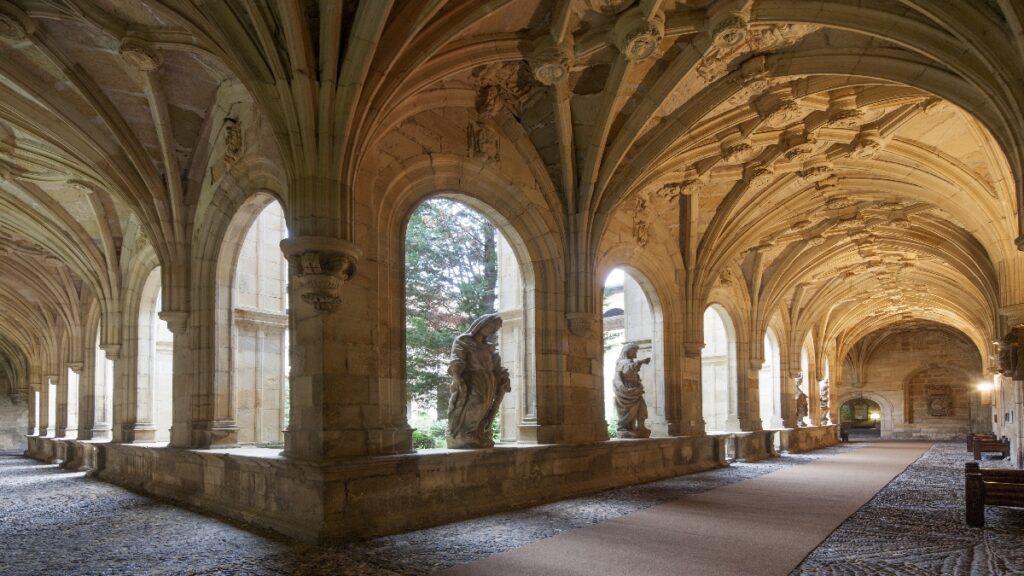
The San Marcos monastery facade is one of Spain’s most beautiful buildings. Gothic cloisters and Renaissance architecture create an incredible setting. This is hands-down one of the best non-urban hotel in Spain.
The building stretches 100 metres along the Bernesga River. It was built as a monastery and hospital for pilgrims on the Camino. Now part of the parador de León houses a museum with Roman artefacts.
Visit León Cathedral with its incredible stained glass windows filling the interior with coloured light. Explore the Casa Botines designed by Gaudí in the city centre. Walk the medieval walls and visit the Royal Pantheon at San Isidoro Basilica.
The parador de Leon ranks among the most impressive state-run hotels in Europe. The monastery’s library once held 40,000 medieval manuscripts worth more than the building itself. The restaurant serves Maragato stew, a regional speciality. You’re staying in rooms monks once occupied along the pilgrimage route.
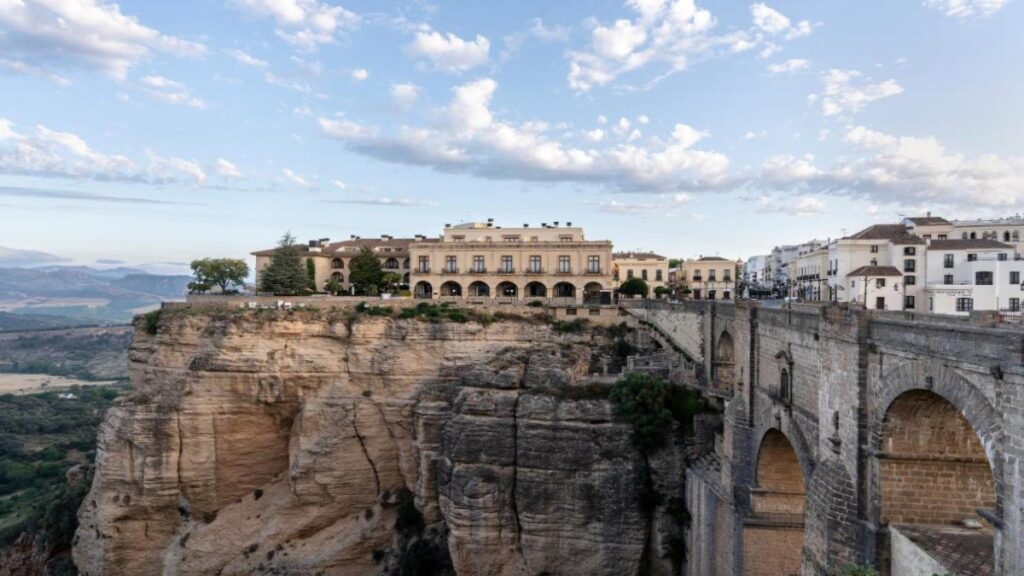
5. Best Paradors in Spain: Parador de Ronda
Perched above a dramatic gorge, this modern parador has the most spectacular location. The views from your room will stay with you forever. It’s new construction built with traditional Andalusian style.
The famous Puente Nuevo bridge spans the 120-metre gorge right outside. You can photograph it from multiple angles around the property. Visit the bullring, one of Spain’s oldest and most beautiful.
Walk across the bridge to explore Ronda’s old Moorish quarter. Tour the Arab Baths from the 13th century. Drive to the white villages of Zahara de la Sierra and Grazalema within 45 minutes.
The swimming pool area overlooks the gorge with mountain views beyond. Sunset turns the whole scene golden from this overlook. Local photographers shoot from the Jardines de Cuenca viewpoint at 7:45pm for perfect golden hour light. Take the cliff path down into the gorge for dramatic photos looking up.
👑 What is the Most Luxurious Parador?
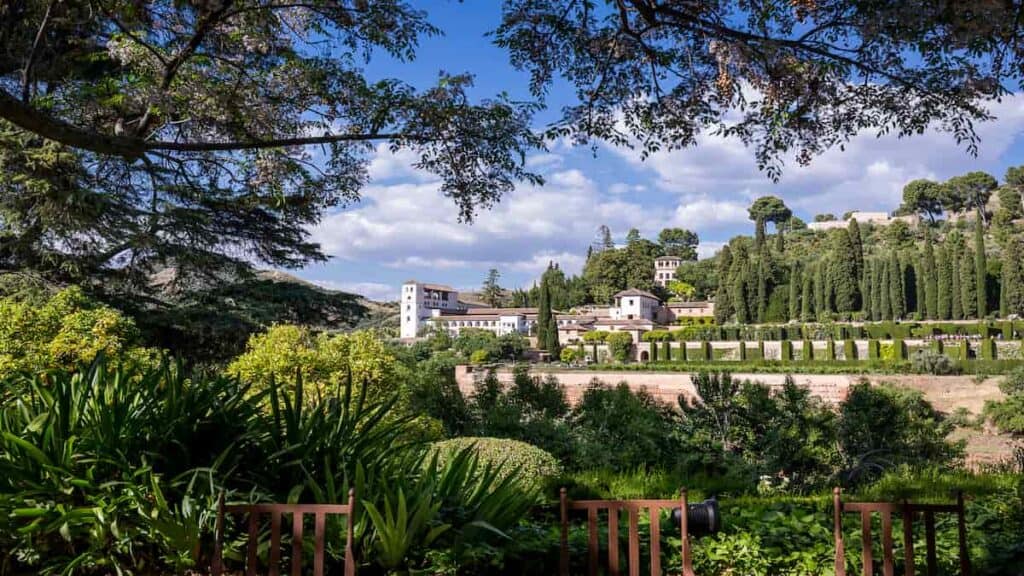
The parador de Granada is widely considered the most luxurious parador. It sits inside a 15th-century convent within the Alhambra palace complex. This was declared a world heritage site by UNESCO in 1984. Among the best paradors in Spain, this property stands alone for pure luxury and location.
Rooms overlook the Alhambra gardens and Granada’s historic Albaicín neighbourhood. You walk through the same courtyards where Spanish royalty once strolled. The building blends Moorish and Christian architecture perfectly.
Staying at the parador means waking up inside a world heritage site. You can explore the Nasrid Palaces before tour buses arrive at 9am. Evening walks through the Generalife gardens feel magical without crowds. Watch sunset from the Alcazaba fortress with the city spread below.
Parador de Granada Luxury Features
The restaurant serves Andalusian cuisine in a former monastery dining hall. Arched ceilings and original tile work create an elegant atmosphere. The aroma of saffron rice and grilled lamb fills the candlelit dining room. Breakfast on the terrace overlooks perfectly maintained Arabic gardens with fountains and roses.
Service levels exceed typical parador standards here. Staff anticipate your needs before you ask. They arrange private Alhambra tours with expert guides. They book tables at Carmen de los Mártires and other Granada restaurants where locals celebrate special occasions.
Room amenities include luxury linens, robes, and high-end toiletries. Bathrooms feature heated floors and rainfall showers. Some rooms have original convent windows overlooking courtyard gardens where monks once walked.
Spanish Paradores: Other Top Luxury Options
The parador de Santiago de Compostela also ranks among luxury hotels in Spain. Its royal hospital heritage shows in the grand baroque architecture. The spa offers treatments with Galician thermal waters. Four courtyards create peaceful retreats throughout the property.
The parador de León competes with its Renaissance facade and museum-quality interiors. Original monastery cloisters remain perfectly preserved. The location along the Camino de Santiago adds historical significance. Gothic vaulted ceilings in dining areas create unforgettable atmosphere.
The parador de Carmona sits atop a Moorish fortress with 360-degree views. The swimming pool occupies the former parade ground where soldiers once trained. Tower rooms feel like private castles. Palm-filled gardens create an oasis feeling in Andalusia’s heat.
🏔️ Best Paradors in Spain by Region
Parador de Fuente Dé and Northern Mountains
Northern Spain offers dramatic mountain paradores perfect for nature lovers. The parador de Fuente Dé sits at 1,100 metres elevation in the Picos de Europa National Park. Cable cars take you to 1,800 metres for incredible mountain views. Hiking trails lead to alpine lakes and medieval shepherd huts.
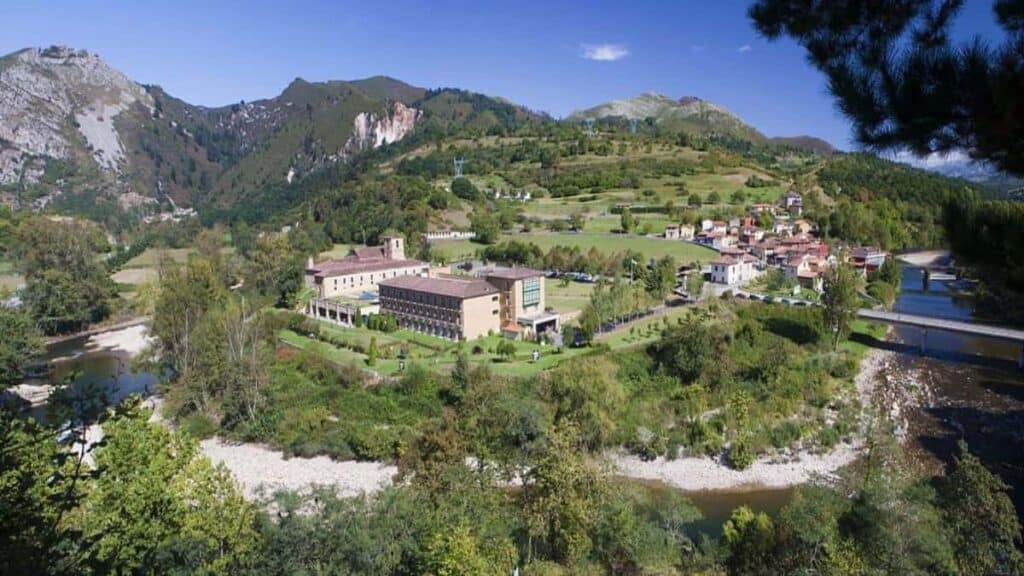
The parador de Cangas de Onis was built inside an 8th-century monastery. A Roman bridge crosses the Sella River right outside the parador. Drive 20 minutes to the Lakes of Covadonga nestled in mountain cirques. Visit the Sanctuary of Covadonga where Spain’s reconquest began.
The parador de Corias is located in Asturias and occupies a massive 11th-century monastery complex. Beautiful cloisters surround peaceful gardens. The town of Cangas del Narcea nearby produces excellent wine. Drive to Muniellos Forest Reserve, one of Europe’s largest oak forests.
Parador de Carmona and Andalusian Castles
Southern paradores showcase Moorish influence and dramatic clifftop locations. The parador de Ronda perches on a 120-metre gorge edge with views across valleys. Visit the bullring and Arab Baths in town. Drive to white villages like Setenil de las Bodegas built under rock overhangs.
The parador de Carmona occupies a 14th-century Moorish fortress. You can see for miles across olive groves from the walls. Explore Carmona’s Roman necropolis with underground tombs. Visit Seville just 30 minutes away for flamenco and tapas. The swimming pool sits where guards once watched for invaders, and Andalusia’s tourism board highlights these paradors as premier heritage experiences.
The parador de Jaén sits atop Santa Catalina castle overlooking endless olive groves. Walk to the Arab Baths below the castle. Visit Úbeda and Baeza, twin Renaissance towns 45 minutes away. Tour olive oil mills to learn about Spain’s liquid gold production.
Arcos de la Frontera’s parador clings to a cliff above the Guadalete River. This white village setting is pure Andalusia with narrow streets. Visit nearby Jerez for sherry tastings at famous bodegas. Explore Cádiz beaches and seafood restaurants an hour west.
Parador de Málaga Gibralfaro and Coastal Hotels
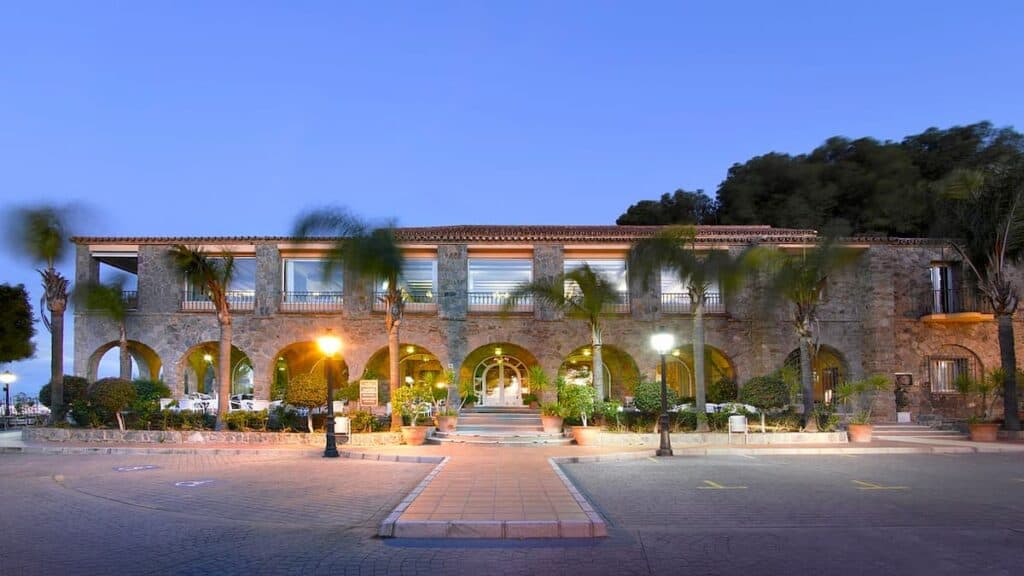
Mediterranean paradores combine beach access with historic settings. The parador de Málaga sits on Gibralfaro hill with Mediterranean views and city overlooks. Walk down to Málaga’s Picasso Museum and Alcazaba fortress. Enjoy beaches along the Costa del Sol within 15 minutes. The parador de Malaga Gibralfaro offers some of Spain’s best sunset views over the port.
The parador de Aiguablava sits on Catalonia’s rugged Costa Brava among pine forests. Private beach access leads to crystal-clear coves perfect for snorkelling. Visit medieval Pals village 15 minutes inland. Explore Begur’s old quarter and nearby beaches like Sa Tuna, and Catalonia’s official tourism site features it prominently in coastal getaway recommendations.
The parador de Nerja sits on cliffs above the Mediterranean. Walk down to Nerja’s beaches and the famous Balcón de Europa viewpoint. Explore the Nerja Caves with prehistoric paintings. Drive the coastal road to Frigiliana, one of Spain’s prettiest white villages.
Atlantic coast options include the parador de Baiona in Galicia. This fortress overlooks the bay where Columbus’s Pinta first returned from America in 1493. Walk the coastal path to Monte Real lighthouse. Visit nearby Vigo for fresh seafood markets. Ferry to the Cíes Islands for pristine beaches, making it one of Galicia Tourism’s most celebrated heritage accommodations.
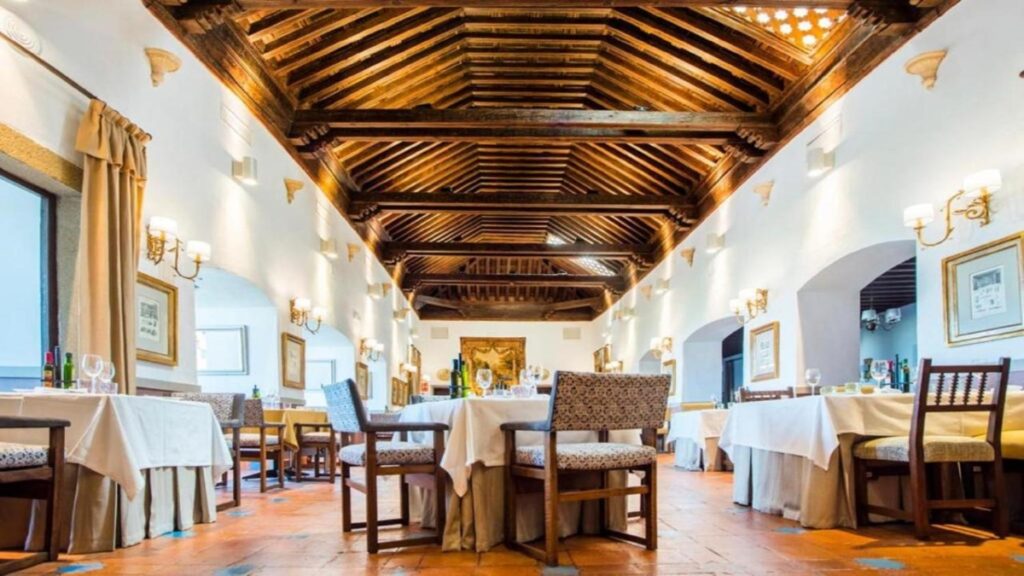
Parador de Toledo and Central Spain
The parador de Toledo sits just outside the old city walls with panoramic views. Walk across the Alcántara Bridge to explore the medieval city. Visit the Cathedral, Alcázar fortress, and El Greco Museum. The Jewish Quarter’s narrow streets hide synagogues and traditional workshops.
The parador de Cuenca occupies a former monastery on a cliff edge. The building hangs over the Huécar River gorge with dramatic views. Walk to the famous Hanging Houses suspended over the gorge. Visit the Abstract Art Museum and Cathedral in the old town.
The parador de Almagro in La Mancha features a beautiful 16th-century monastery cloister. This parador showcases Castilian architecture in Don Quixote country. Visit the Corral de Comedias, a perfectly preserved 17th-century theatre. Explore nearby Tablas de Daimiel wetlands for birdwatching.
The parador de Alcalá de Henares occupies a 17th-century college building. This university town was Cervantes’ birthplace. Visit his house museum and the historic university. Explore the old Jewish quarter and medieval walls within walking distance.
🍷 Dining at the Best Paradors in Spain
Restaurant dining at paradores celebrates regional Spanish cuisine with local ingredients. For catalan specialities like suquet de peix fish stew in a medieval castle try the parador de Tortosa serves. For Maragato stew try the parador de León where it’s prepared with seven different meats. The parador de Santiago offers Galician octopus and fresh percebes barnacles from Atlantic rocks.
Breakfast spreads at Spanish paradores feature local cheeses, cured meats, fresh fruit, and pastries. The parador de Corias bakes traditional Asturian bread each morning. The smell of fresh bread drifts through hallways before sunrise wakes sleeping guests. The parador de Carmona offers local olive oils for tasting. Many locations include regional specialities like tortilla española and local jams made from nearby orchards.
Wine selections highlight nearby regions and small producers. The parador de Lerma features Ribera del Duero wines from local wineries. Paradors in La Rioja showcase Tempranillo from century-old vineyards. The parador de Baiona serves Albariño whites from Rías Baixas coastal vineyards.
Parador de Tortosa and Regional Dishes
Each parador serves dishes specific to its region. The parador de Corias in Asturias makes fabada asturiana, a rich bean stew with chorizo and morcilla. This monastery-turned-hotel also offers local cider poured in traditional Asturian style from height.
The parador de Almagro in Castilla-La Mancha serves pisto manchego, berenjena con miel, and game dishes like venison. Don Quixote country flavours shine in every meal. Local Manchego cheese appears in multiple dishes. Local saffron from nearby Consuegra adds distinctive taste and colour to rice dishes.
Coastal paradores naturally focus on fresh seafood caught daily. The parador de Nerja serves pescaíto frito, lightly fried small fish from Mediterranean waters. For pulpo a feira, Galician-style octopus with paprika and olive oil go to the parador de Baiona prepares. The parador de Aiguablava offers suquet and romesco sauce with local fish.
The parador de Jarandilla de la Vera in Extremadura specialises in dishes with local paprika. October brings wild mushroom season with special roasted seta menus appearing on weekends. Emperor Charles V stayed at this parador in 1556 and loved the regional cuisine. The menu includes migas extremeñas, caldereta de cordero lamb stew, and local Torta del Casar cheese.
Best Paradors in Spain Dining Experiences
Many paradors host wine tastings and cooking classes for guests. I recommend the parador de Lerma which offers Ribera del Duero vineyard tours and tastings. The parador de Carmona teaches traditional gazpacho and salmorejo preparation. The parador de Santiago demonstrates Galician empanada making with local fillings.
Special occasion dinners can be arranged in unique spaces. The parador de Cardona sets tables in the castle tower for intimate celebrations. The parador de Trujillo arranges private dinners in the historic courtyard under stars. To experience monastery cloisters for candlelit group dinners try the parador de León .
The parador de Ciudad Rodrigo offers medieval-themed dinners during summer festivals. Staff dress in period costumes and serve dishes from historical recipes. You eat like Spanish nobility from centuries past in authentic castle settings with live music.
📅 Best Time to Visit Paradors of Spain
Best Paradors in Spain: Spring and Fall
Spring months from April to June offer perfect weather for exploring paradors in Spain. Temperatures stay comfortable at 18-24°C for walking historic towns. Gardens bloom at the parador de Granada, parador de Carmona, and parador de Cuenca. Cherry blossoms appear in Jerte Valley near the parador de Jarandilla bringing special desserts to restaurant menus.
Fall brings fewer tourists and beautiful light for photography. September through November is ideal for visiting the parador de Toledo, parador de Sigüenza, or parador de Alarcón. You’ll get better rates and easier reservations. Autumn colours transform forests around the parador de Cangas de Onis and parador de Vielha.
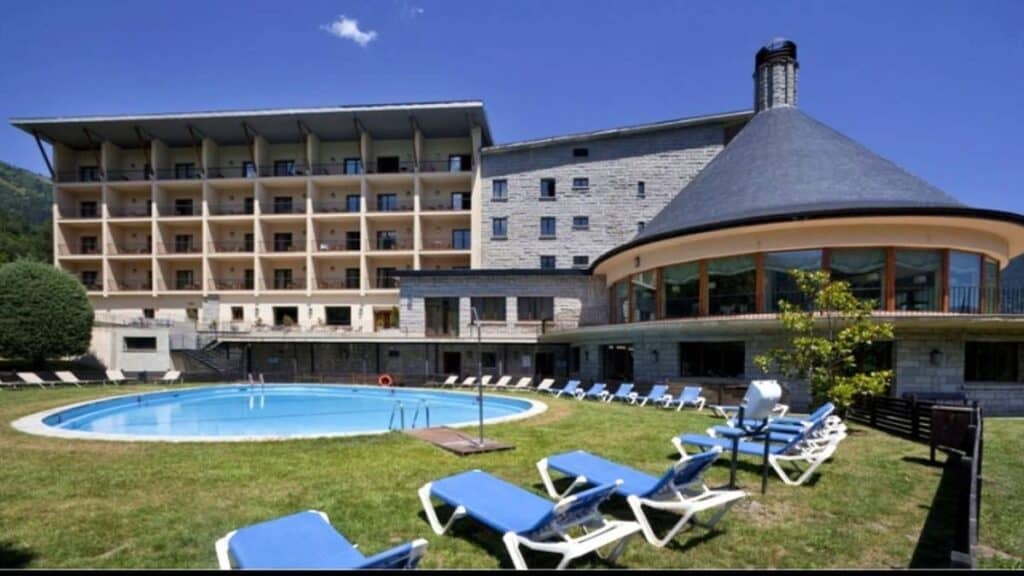
Parador de Vielha: Summer and Winter
Summer means higher prices and more crowds at popular locations like the parador de Santiago and parador de Granada. The parador de Alarcon and other central Spain properties get very hot with temperatures above 35°C. Coastal paradors like the parador de Baiona, parador de Nerja, and parador de Aiguablava stay cooler with sea breezes.
Winter travel to many other paradors provides the best value. The parador de Trujillo costs 40% less in January than in May. The parador de Cáceres and parador de Mérida offer great deals November through March. You’ll have restaurants and common areas almost to yourself for quiet stays.
Mountain paradores like the parador de Vielha attract skiers in winter. The parador de Fuente Dé provides access to ski areas in the Picos de Europa. Rates actually increase during ski season in the Pyrenees from December through March. The parador near Sierra Nevada serves Granada’s ski resort.
Spain Paradores: Festival Planning
Holy Week and local festivals drive up prices at certain Spain paradores. The parador de Santiago de Compostela fills completely during the Feast of Saint James in late July. The parador de Carmona gets expensive during Seville’s Feria de Abril in spring. Book six months ahead for these peak times.
Paradores in Spain: Regional Weather
Northern coastal paradors are best from May through October when rain decreases. The parador de Baiona, parador de Cangas de Onis, and parador de Corias see beautiful weather in early fall. Atlantic storms increase from November through March along Galicia’s coast.
Andalusian paradores shine in spring when wildflowers bloom across the region. March and April offer warm 20-25°C days without brutal summer heat. The parador de Carmona, parador de Ronda, and parador de Jaén become unbearable in July-August afternoons above 38°C.
Central Spain paradors are pleasant year-round but cold in winter. The parador de Toledo, parador de Cuenca, and parador de Sigüenza see occasional snow. Bring layers for evening walks even in summer at these 800-1000 metre elevation properties. Spring wildflowers carpet La Mancha near the parador de Almagro.
The parador de Lerma in Castilla y León looks magical under winter snow covering the ducal palace. This 17th-century property becomes a fairytale setting December through February. Stay at the parador during December for access to local Christmas markets and seasonal roasted chestnuts.
💡 Essential Tips for Staying at The Best Paradors in Spain
Parador de Vilalba: Booking Tips
Book early for the most popular paradors during peak season. You need to book six months in advance for a summer booking at the parador de Granada requires. The parador de Santiago fills quickly during holy years and the Feast of Saint James. The parador de Ronda and coastal properties need three months advance for July-August.
Request specific rooms when you book for best views and locations. Corner tower rooms at the parador de Cardona offer 360-degree views. The parador de Jarandilla de la Vera has rooms where Emperor Charles V stayed in 1556 before retiring to Yuste monastery. Ask for cliff-edge rooms at the parador de Cuenca for dramatic gorge views.
Join the Amigos de Paradores loyalty programme for perks and discounts. It’s free to join online through the official website. You’ll earn points toward future stays at any parador location. Members get early access to special offers at properties like the parador de León and parador de Toledo.
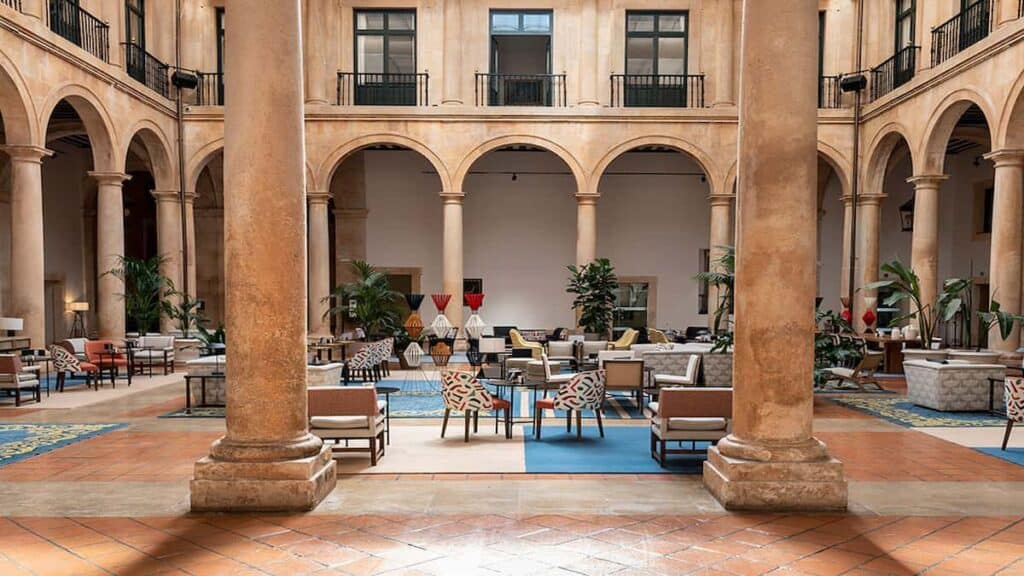
Parador de Lerma: Guest Experiences
Ask staff for local recommendations beyond the guidebooks. They know which nearby villages are worth visiting on your trip to Spain. The parador de Vilalba staff direct you to the best Galician cuisine spots in nearby Lugo. Ask concierges for Thursday market times when farmers sell cheese and honey directly to locals. Staff at the parador de Almagro recommend authentic La Mancha cheese makers within 30 minutes.
Many paradors offer guided tours of their historic buildings included with your stay. The parador de Lerma includes tours of the ducal palace and collegiate church with baroque organ. The parador de Cardona offers castle wall walks and tower access. These insider experiences at the parador de Santiago and parador de León are often free for guests.
Check for special events and experiences at each parador during your dates. The parador de Carmona hosts flamenco nights in the courtyard. Wine tastings happen monthly at the parador de Sigüenza with Ribera del Duero producers. The parador de Ciudad Rodrigo hosts medieval festivals in summer with period costumes and traditional music.
Plan time to simply enjoy your parador beyond using it as a base. Read in the gothic cloister at the parador de Cuenca. Have sunset drinks on the terrace at the parador de Ronda overlooking the gorge. Part of the parador experience is slowing down in these historic spaces and absorbing the atmosphere. The best paradors in Spain reward guests who take time to appreciate their unique settings.
Best Paradors in Spain: Practical Travel Tips
Direct booking through the parador system always offers better rates than third-party sites. The official Paradores website shows exclusive packages for the parador de Baiona, parador de Nerja, and others. You get more flexibility with room requests for properties like the parador de Málaga Gibralfaro. The system honours special needs requests when possible.
Multi-night stays at the same parador often trigger automatic discounts of 10-15%. Three nights at the parador de Toledo costs less per night than two separate bookings. Four nights at the parador de Granada includes one complimentary dinner. Check the website for current package deals on longer stays throughout the network.
Parking is usually free at paradors outside major cities across Spain. The parador de Carmona, parador de Trujillo, and parador de Cardona include free secure parking. City paradors like Santiago de Compostela and Toledo charge €15-25 daily for nearby parking lots or garages. Ask about this when booking your stay.
The parador de Sigüenza offers special packages for couples and families throughout the year. These packages include meals, wine tastings at nearby wineries, and guided tours of the medieval castle. The parador de El Saler near Valencia offers golf packages with beach access and green fees included.