
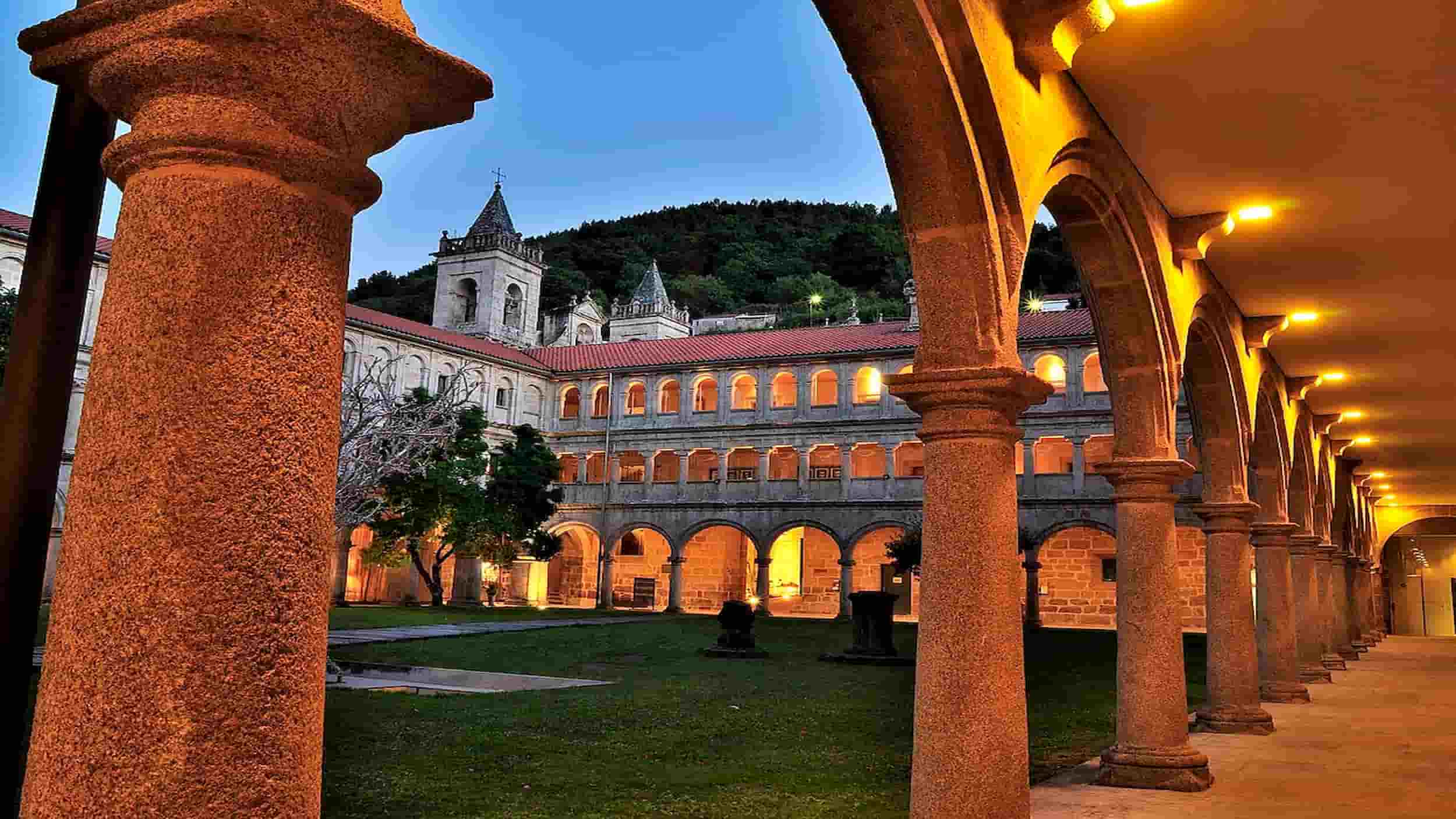
Historic Spanish Paradores offer travelers a unique way to experience Spain’s rich heritage, combining cultural preservation with exceptional hospitality. Located in former castles, monasteries, and manor houses, these stays highlight the country’s architectural and historical treasures. Exploring historic Spanish Paradores provides an unforgettable journey through Spain’s past while enjoying comfort, character, and remarkable surroundings.
👀 At a Glance:
- 🗓️ Best time: Spring and fall for good weather and smaller crowds
- 💰 Budget range: Mid to high range depending on season and location
- 🏰 What you get: Real castles and palaces with modern comforts included
- ✈️ Getting there: Most require a car but some have train access
- 💡 Insider tip: Stay at least once in your life at a parador
🏰 What Makes Historic Spanish Paradores Special
Historic Spanish Paradores of Spain are unlike any hotels in the world. These aren’t just places to stay for the night. They’re real castles and palaces that the Spanish government saved from falling apart. You actually sleep where kings once lived centuries ago.
King Alfonso XIII started this whole thing back in 1928. The first parador opened in Gredos on October 9th that year. His goal was simple: save Spain’s best old buildings. Now there are 98 historic Spanish paradores across Spain. Each one tells its own story through ancient stones.
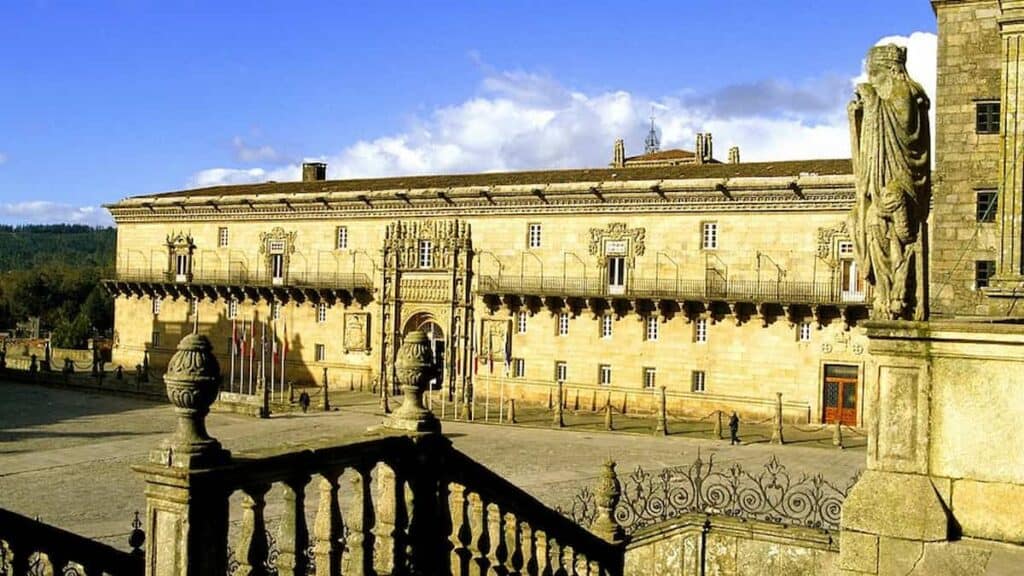
The Hostal dos Reis Católicos in Santiago is special. It’s one of the oldest hotels still running anywhere. The Catholic Monarchs built it in 1499 for tired pilgrims. Today you can stay at the parador just like travelers did 500 years ago.
Each parador sits in a former convent, castle, palace, or monastery. The paradores of Spain protect buildings that might otherwise crumble away. The Spanish government runs them as luxury hotels now. Everyone gets to enjoy Spain’s artistic heritage this way.
🛏️ Parador Hotels in Castles and Palaces
Cardona Parador and Parador de Carmona
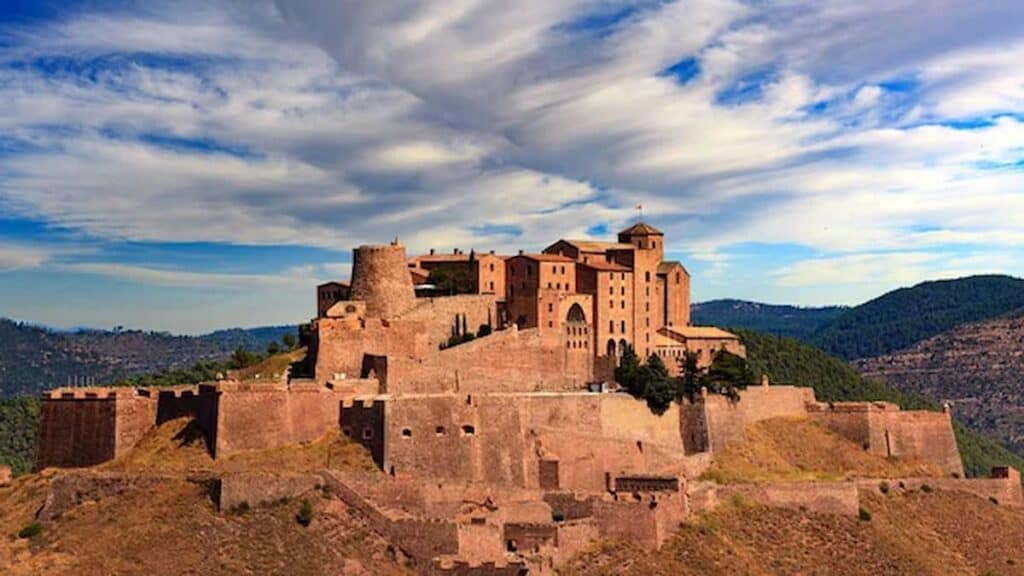
Staying in a parador means sleeping in actual castles and palaces. Cardona Parador sits in a 9th century castle. The Parador de Carmona was a palace overlooking southern Spain. De Baiona Parador protects an Atlantic fortress. These places are the real deal, not theme parks.
The castle at Cardona dates back to 886 AD. It’s one of the oldest paradores around. The Maiden’s Tower has crazy medieval stories attached to it. You walk through gothic walls that are hundreds of years old. The views from your room stretch across valleys for miles.
Parador de Baiona and Parador de Granada
Down in Andalusia, the Parador de Carmona sits on the highest hill. King Pedro built this palace using Seville’s best craftsmen back then. The building looks out over plains that seem endless. Part of the parador has a beautiful cloister with Moorish tiles everywhere.
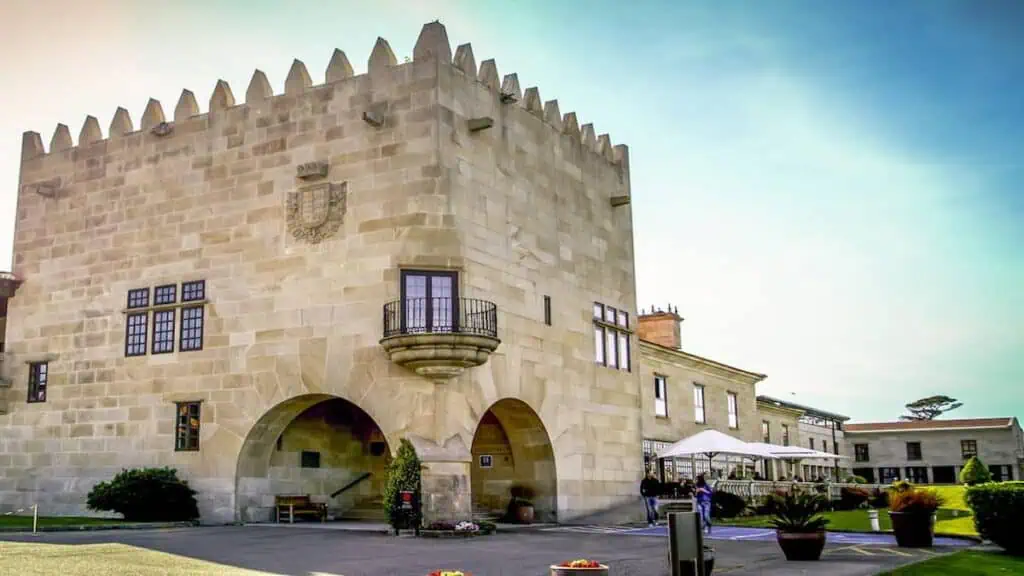
The Parador de Baiona sits on the Monterreal Peninsula. The Catholic Monarchs founded this fortress in 1497 to protect the coast. Waves crash right against the walls below your window. You can walk the ramparts and watch ships pass by. The Cíes Islands sit out there on the horizon.
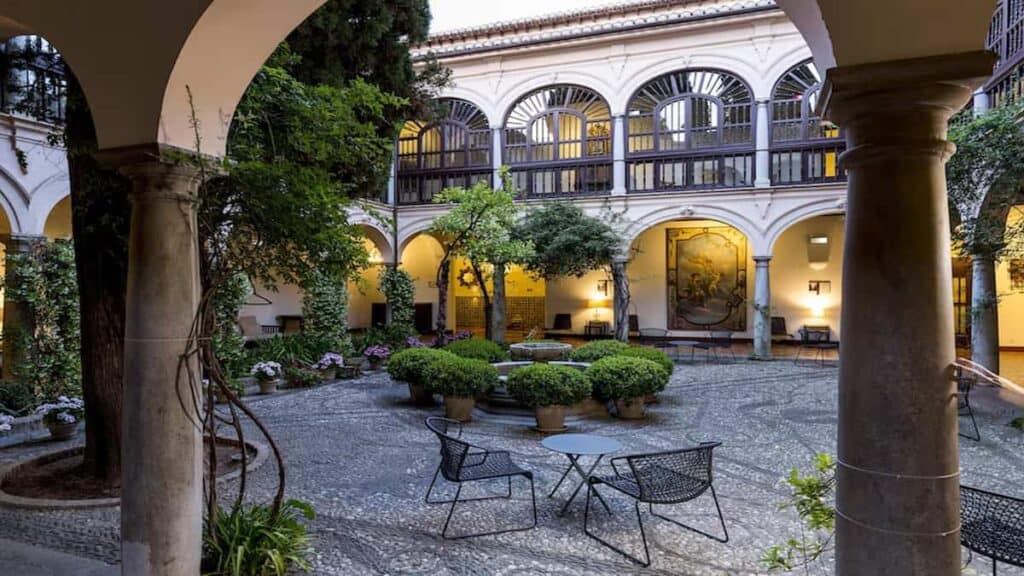
The Parador de Granada sits right inside the Alhambra grounds. Many historic Spanish paradores were once convents or monasteries back in the day. The Parador de Corias was a huge Benedictine monastery in Asturias. Former convent cells became comfortable hotel rooms. They kept the original character and artistic heritage though.
⛪ Paradores in Spain Along the Camino de Santiago
Parador de Santiago de Compostela
The Camino de Santiago connects several amazing paradores in Spain. The Hostal de los Reyes Católicos stands next to the cathedral. The Hostal de San Marcos in León sheltered pilgrims for centuries. The Parador de Santo Estevo sits near ancient pilgrimage routes today.
The Catholic Monarchs built the Hostal dos Reis Católicos for tired pilgrims. They funded it in 1499 after walking to Santiago themselves. Construction started in 1501 and took over ten years to finish. The building joined the network of paradores in 1986. It’s the oldest hotel still running anywhere in the world.
When you stay at the Parador de Santiago de Compostela, history surrounds you. The building sits on the square of Santiago de Compostela. It’s right next to the Cathedral de Santiago where pilgrims end up. Four cloisters fill the interior with peaceful courtyards. The tomb of the Catholic Monarchs was here temporarily in 1504.
Pilgrim Accommodation
The location couldn’t be better for pilgrim accommodation after a long walk. You’re literally steps from the cathedral where the Camino ends. Many pilgrims cry when they finally reach this historic city. The Santiago Tourism website has tons of information about the pilgrim experience here.
The Hostal de San Marcos in León goes back to the 12th century. It was built to accommodate pilgrims walking through León. The Order of Santiago made it their main headquarters. The building has this ornate plateresque facade that’s amazing to see. It’s one of Spain’s most important Renaissance buildings today.
The parador still honors pilgrim traditions after all these centuries. Every day at the Hostal dos Reis Católicos, something cool happens. The first ten pilgrims who finish the Camino get free meals. This practice dates back hundreds of years to medieval times. These paradores keep their original purpose alive for modern travelers.
🌟 Parador de Toledo and Parador de Málaga
Tourism in Southern Spain
The Parador de Granada might be the most requested parador around. Toledo’s parador offers amazing city views from the hill. On the Atlantic coast, the Parador de Cádiz overlooks endless waters. Near beaches in southern Spain, the Parador de Málaga gives easy access. These historic Spanish paradores offer something different and special.
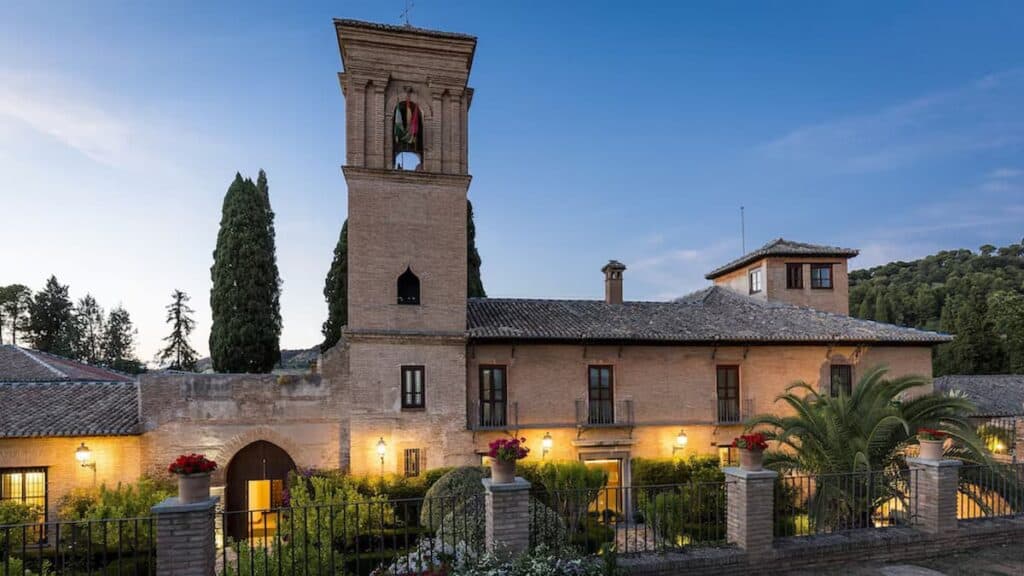
You stay on the grounds of the Alhambra at Granada’s parador. This former convent sits inside Spain’s most famous monument. The building offers views of the Generalife gardens below. The Catholic Monarchs chose this spot after conquering Granada in 1492. It’s been an important place ever since then.
The parador sits in a 15th century convent. That convent was built on top of a 14th century palace. The tomb of the Catholic Monarchs was here for a while. They stayed until the Royal Chapel was finished in town. Book way ahead because this luxury hotel fills up fast. The Granada Tourism site helps with planning your visit there.
Paradores Nuevos and Historic Properties
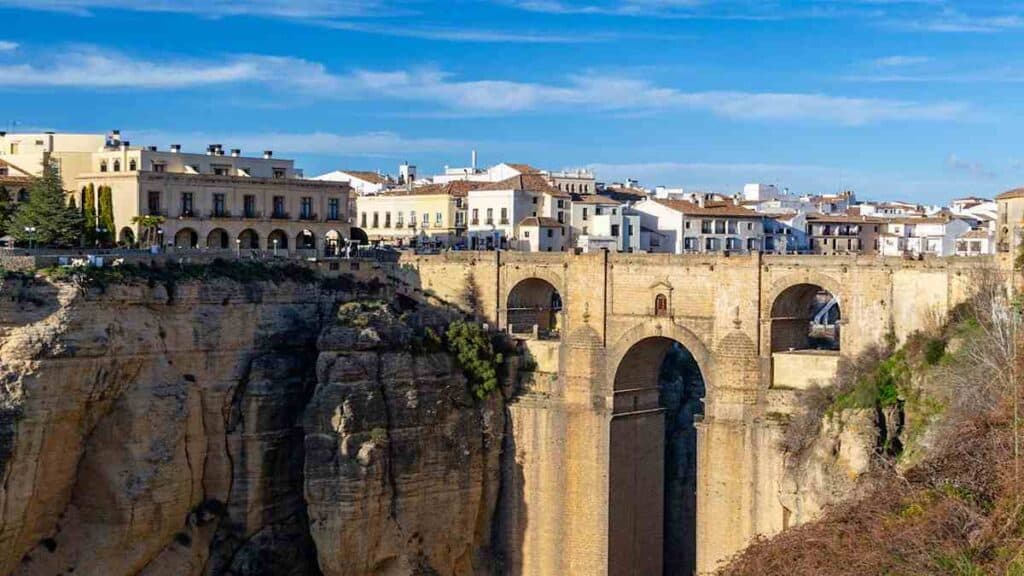
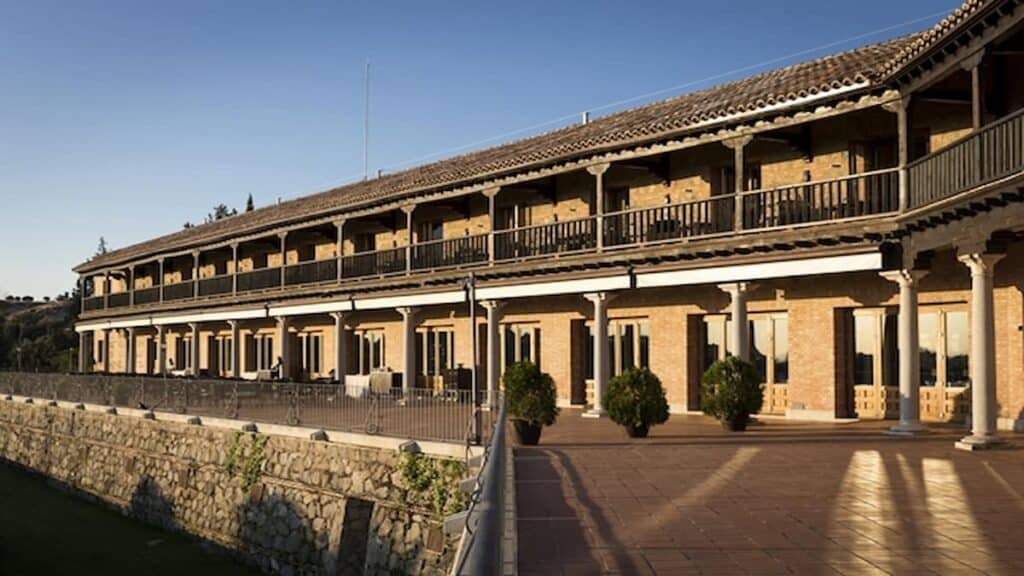
The Parador de Toledo overlooks this amazing historic city from a hill. The Parador de Cuenca sits in a 16th century former convent. It perches right above the gorge with dramatic views everywhere. The Parador de Ronda sits on cliffs that drop straight down. These paradores are located in some of Spain’s best settings.
On the coast, several paradores offer ocean experiences for beach lovers. The Parador de Cádiz overlooks the Atlantic with endless water views. Málaga Parador sits near beaches in southern Spain. The Parador de Nerja provides Mediterranean views along the coast. You can stay in a parador and enjoy both history and beaches.
The network has paradores nuevos and historic properties across the whole country. The Parador de Carmona shows off Moorish heritage in its design. The Parador de Cardona displays gothic architecture in the castle. Each stay in a parador gives you different views of Spanish history.
🌲 Parador de Santo Estevo in Galicia
Paradores en Galicia Near Santiago
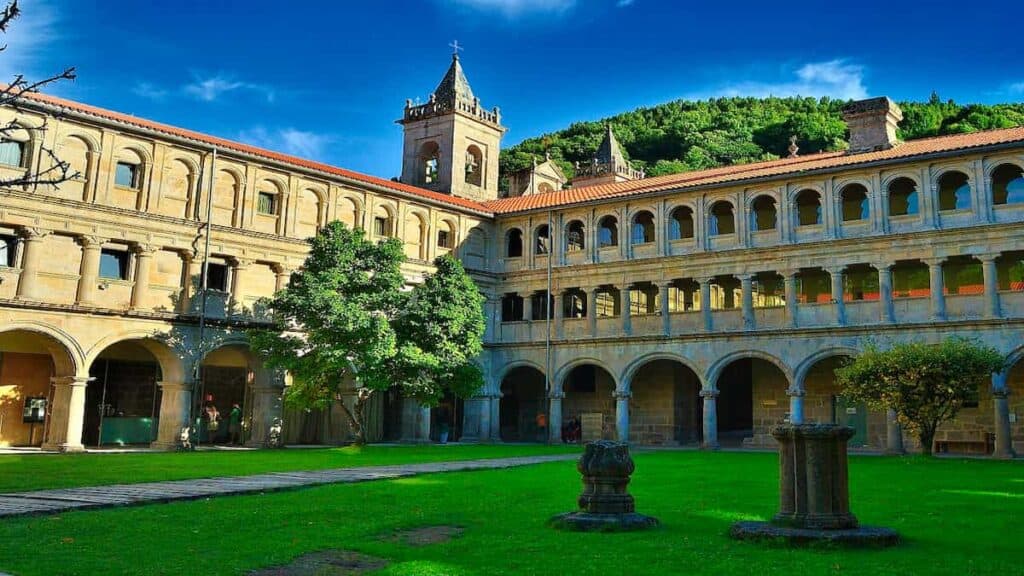
This monastery stands out among all paradores en Galicia for sure. The Parador de Santo Estevo sits deep in Ribeira Sacra. It’s tucked between the Miño and Sil rivers in the mountains. It’s a former Benedictine monastery going back to the 6th century. That makes it incredibly old by any measure.
The monastery was documented way back in 921 AD officially. A king granted the territory to an abbot back then. Nine bishops came here in the 10th century to retire. They gave up their positions to end their days here. The building became a national monument in 1923 for its heritage.
Three cloisters from different centuries make this place really special. The Romanesque cloister is the oldest and most beautiful one. Stone arches surround a peaceful courtyard in the center. Walking through the cloister areas feels like time traveling. You see architectural styles change as you move through spaces.
Leyendas en Paradores and Remote Locations
The location overlooking the Sil canyon is absolutely stunning to see. Forests cover the surrounding mountains on all sides completely. You hear birds singing instead of traffic noise all day. The monastery sits isolated from modern life out here. The Galicia Tourism Board provides directions through winding mountain roads to reach it.
The Benedictines abandoned the monastery back in 1836 completely. It fell into ruins over the next century and a half. Restoration work finally began in the late 20th century. The building opened as part of the parador network in 2004. Now 77 rooms fill what were once monk cells. The spa operates down in the former wine cellars.
Nearby attractions include Santa Cristina monastery from the 10th century. San Pedro de Rocas church dates to the 6th century. Regina Viarum Winery shows heroic viticulture on steep mountain slopes. The staff shares leyendas en paradores about bishops and medieval times. These sites sit within easy reach when you stay here.
🏔️ Parador de Vilalba and Paradores in Galicia
Parador de Vielha and Fuente Dé
Galicia packs some of the best parador hotels in the network. The Parador de Baiona sits overlooking the Atlantic Ocean. Santo Estevo Parador hides deep in mountain forests. The Parador de Santiago welcomes pilgrims finishing the Camino. The paradores en Galicia show this green region’s natural beauty.
The Parador de Baiona sits in a fortress from 1497. The Catholic Monarchs founded it to protect the Atlantic coast. It sits on the Monterreal Peninsula with panoramic bay views. Baiona was the first European port to hear about Columbus. The fortress opened as a parador back in 1966.
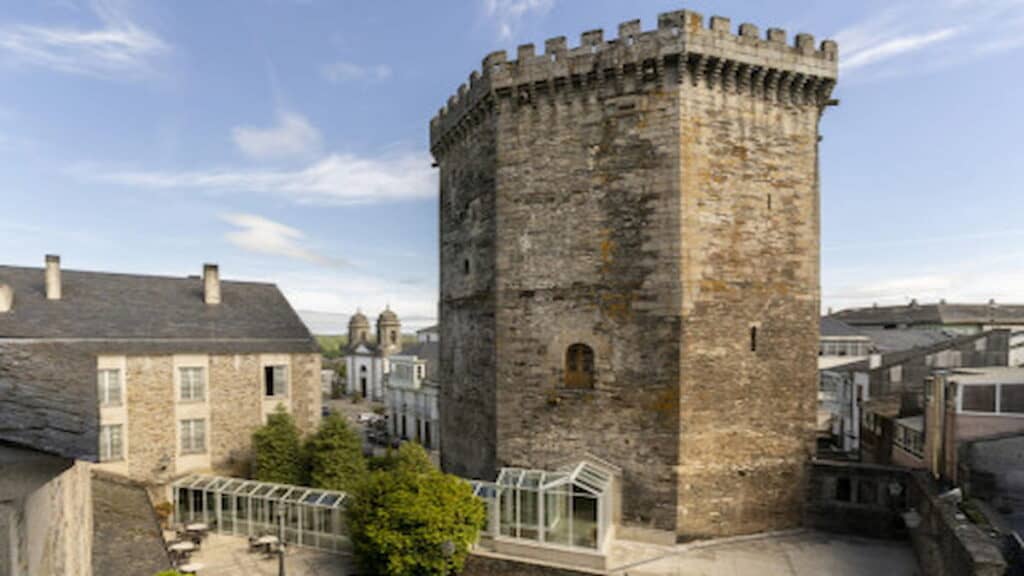
The Parador de Tui sits near Portugal on the Miño River. De Monforte Parador occupies a beautiful Renaissance monastery. The Parador de Vilalba features a medieval tower for rooms. You climb stone stairs to reach your room in the tower. Mountain paradores like Parador de Vielha and Fuente Dé offer dramatic views. The Pyrenees and Picos mountains surround these remote properties.
Bodas en Paradores and Navidad en Paradores
Fresh seafood rules menus at paradores in this coastal region. The Parador de Baiona serves catches straight from the Atlantic. The Parador de Santo Estevo features fish from the Sil River. The Hostal dos Reis Católicos offers traditional Galician dishes. Local Albariño wine pairs perfectly with all the seafood.
Each property has its own unique character across paradores en Galicia. The Parador de Baiona feels grand with 122 rooms total. It has a spa and pool overlooking the ocean. The Parador de Santo Estevo feels remote with 77 rooms. Many properties host bodas en paradores for weddings. They celebrate navidad en paradores with special Christmas events too.
The paradores offer special deals for staying at multiple locations. You can plan trips through Galicia staying only in historic buildings. It’s an amazing way to explore this corner of Spain. Portugal sits just across the border to the south. You experience authentic accommodation in former monasteries this way.
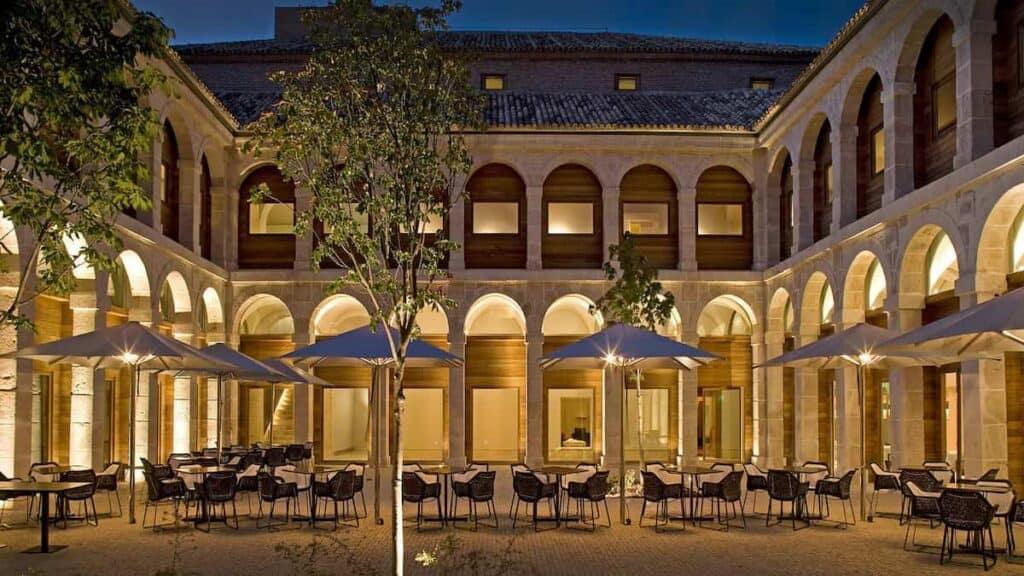
🏛️ Paradores in Spain with Historic Architecture
Parador de Alcalá de Henares Region
The historical buildings show off centuries of Spanish building skills. The Parador de Cardona displays 9th century Romanesque and gothic work. The Parador de Carmona shows beautiful Mudéjar patterns everywhere. The Hostal San Marcos has a plateresque Renaissance facade. Near Madrid, properties like those in the Alcalá de Henares region connect you. They offer literary heritage from Spain’s Golden Age writers.
Many castles and palaces mix Moorish and Christian design together beautifully. The Parador de Granada sits in a Nasrid palace. That palace was converted to a convent after 1492. The Parador de Carmona was a Moorish fortress originally. A Christian king rebuilt it as his palace later. These historic Spanish paradores show how different cultures shaped Spain’s artistic heritage.
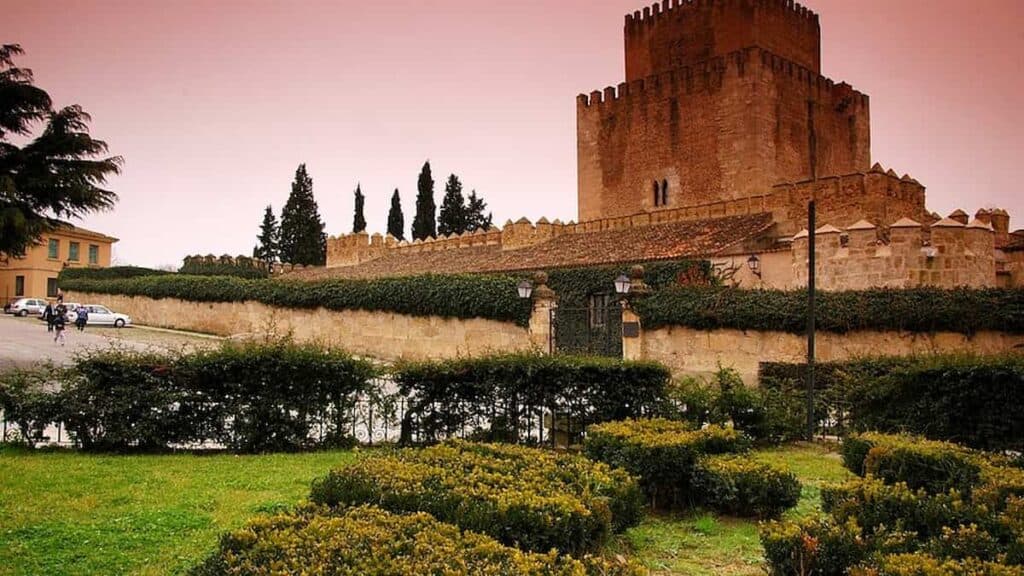
Parador de Ciudad Rodrigo and Castle Walls
Monastery cloisters are especially beautiful across the whole network. The Parador de Santo Estevo has three from different centuries. The Hostal de San Marcos has gorgeous Renaissance cloisters. The Hostal dos Reis Católicos features four connected courtyards. The Parador de Ciudad Rodrigo shows medieval fortress architecture perfectly. It sits right along Portugal’s border in the west.
Castle walls at places like Cardona and Baiona are incredibly thick. They were built to withstand sieges during medieval wars. The Parador de Baiona defended against Sir Francis Drake in 1585. Drake attacked but couldn’t take the fortress that day. Legend says the Cardona Parador was never conquered ever. It held strong for eleven centuries against all attacks.
The Spanish government requires careful preservation of all parador buildings. The Parador de Granada was restored between 1927 and 1929. The Parador de Santo Estevo reopened in 2004 after major work. These aren’t replicas of old buildings made for tourists. They’re actual historic buildings maintained with modern safety standards.
Some locations contain layers of history stacked on top. The Parador de Carmona sits on a Carthaginian acropolis. The Hostal San Marcos stands where a 12th century pilgrim hostal began. The Parador de Granada contains 14th century Moorish bath remains. You can see these remains on its grounds today.
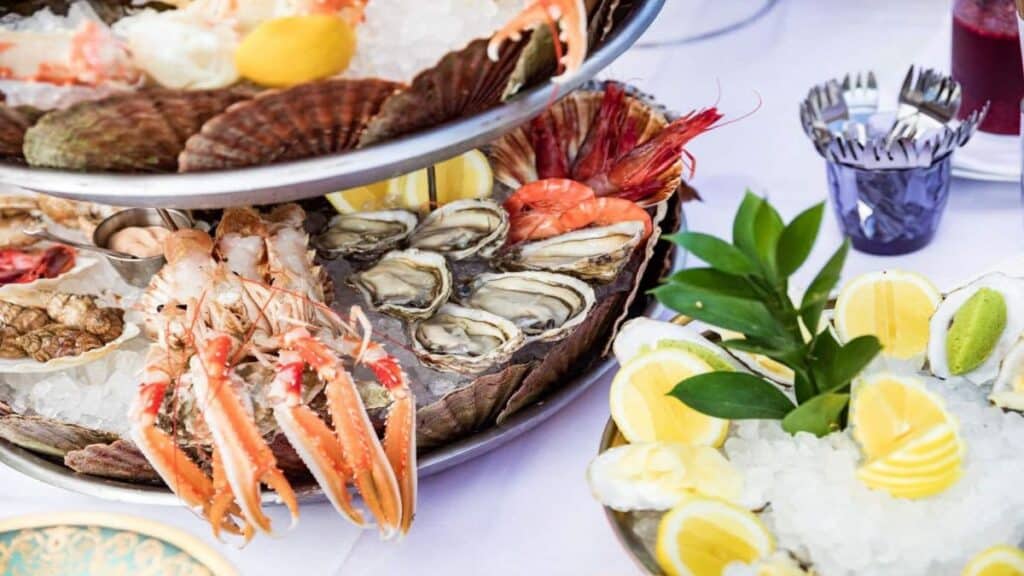
🍷 Food and Culture at Historic Spanish Paradores
Southern Spain Food and Wine
Each stay in a parador connects you to local culture completely. The Parador de Carmona serves Andalusian food and local olive oil. Santo Estevo Parador offers fresh Galician seafood. The Parador de Toledo features traditional Castilian specialties. These planazos paradores show regional differences perfectly across Spain.
In southern Spain, the Parador de Carmona overlooks endless olive groves. The Parador de Granada serves Moorish-influenced dishes with exotic spices. The Parador de Ronda offers views of dramatic gorges. The food reflects centuries of cultural mixing in Andalusia. Moors and Christians both influenced what people eat today.
Northern Seafood at Parador de Cangas
Up in Galicia, seafood rules at every single parador hotel. The Parador de Baiona serves Atlantic catches with amazing views. The Parador de Santo Estevo features river fish from the Sil. Areas like Parador de Cangas de Onís show Asturian traditions. Mountain cuisine from Asturias is hearty and filling always.
The Hostal San Marcos in León serves Castilian specialties like cecina. The Parador de Toledo offers regional game from the countryside. The Parador de Gredos was the very first parador ever. It shows mountain cuisine from the Sierra de Gredos. Central Spain’s food reflects agricultural traditions from farming country. Continental climate affects what grows and what people eat.
Mountain locations offer totally different experiences from coastal ones. The Parador de Cardona sits in wine country near Barcelona. The paradores in the Picos de Europa give mountain access. The Parador de Fuente Dé sits in dramatic mountains. A cable car runs right near this remote property. Each part of the network shows different Spanish landscapes.
Coastal properties mix beach time with historic exploration perfectly. The Parador de Baiona lets you walk fortress walls. Then you can swim in the Atlantic right after. The Parador de Málaga combines culture with Mediterranean beach time. The Parador de Cádiz offers Atlantic views from rooms. This variety makes paradores in Spain perfect for different traveler interests.
💼 Stay in a Parador: What to Expect
Modern Hotel Comforts in Historic Buildings
Modern comforts mix with historic buildings at all 98 locations. The Parador de Granada offers wifi right inside the Alhambra. The Parador de Cardona has comfortable beds in a castle. When you stay in a parador you get both things. You experience history but sleep well with modern accommodation standards.
Room sizes vary quite a bit across the network of paradores. The Hostal dos Reis Católicos has 137 elegant rooms total. It sits right next to the cathedral in Santiago. The Parador de Santo Estevo offers 77 rooms in monk cells. The Parador de Carmona features 63 rooms with amazing views. They overlook the surrounding plains stretching out below.
Staff Knowledge and Dining
The staff at these luxury hotels really know their buildings well. At the Parador de Granada, they explain the palace history. At the Hostal de San Marcos, they point out Renaissance details. In the Parador de Santo Estevo, they share monastery stories. They tell leyendas en paradores about ghosts and medieval times.
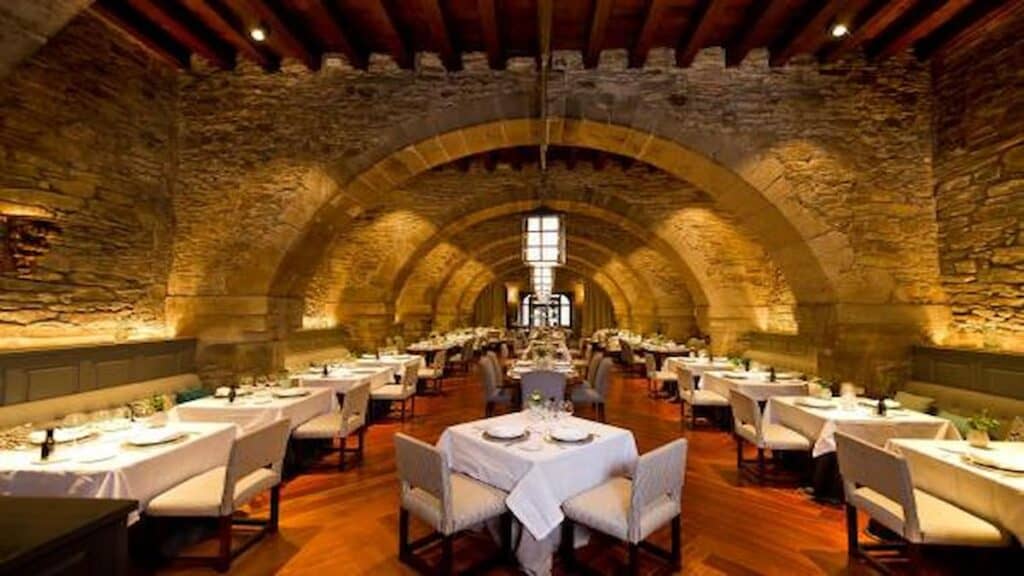
Dining means experiencing regional food from each area of Spain. The Parador de Santiago serves Galician specialties in historic halls. Carmona Parador offers Andalusian dishes with local ingredients. The Parador de Granada features traditional sweets from the region. The food quality across historic Spanish paradores is excellent. Tourism experiences always include great meals at these properties.
Spa Facilities and Seasonal Pricing
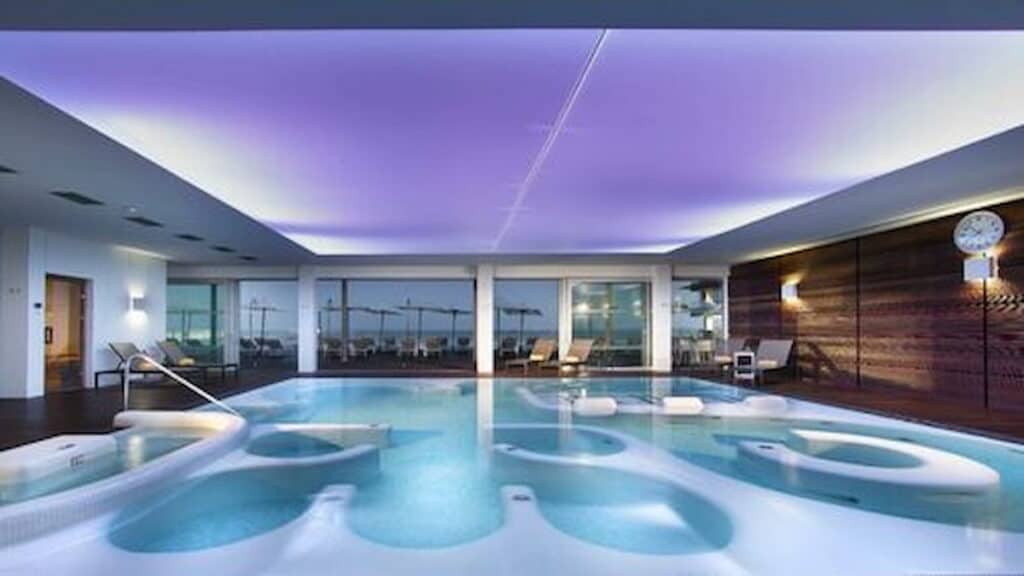
Many properties have spa facilities and pools for guests now. The Parador de Santo Estevo has a spa down there. It’s built in the former wine cellars underground. The Parador de Baiona offers a large pool with views. You look out over the ocean while you swim. The Parador de Carmona has a seasonal pool overlooking plains. These luxury hotels balance history with relaxation for modern travelers.
The paradores offer competitive pricing for accommodation in historic buildings. Famous locations like Granada cost more because everyone wants in. Properties like Santo Estevo offer better value in remote areas. Prices vary quite a bit by season throughout the year. Many travelers say you should stay at least once. Stay at least once in your life at a parador.
🗺️ Planning Your Paradores in Spain Trip
Booking Planazos Paradores Packages
Booking through the official website gets you the best deals. The network of historic Spanish paradores offers packages for multiple stays together. The Paradores official site shows all 98 locations across Spain. It includes information about bodas en paradores for weddings. Also navidad en paradores celebrations happen during Christmas time.
You can create planazos paradores (parador plan) by driving between properties yourself. Many travelers start out from the Parador de Santiago. Then they drive to the Parador de Santo Estevo. Finally they end at the Parador de Baiona on the coast. Each day brings a new historic building to explore. The drives show beautiful Spanish countryside between all the locations.
Transportation to Paradores in Spain
City paradores are easy to reach without a car. The Parador de Santiago sits right in the city center. The Hostal de San Marcos in León is walkable from downtown. The Parador de Toledo has frequent buses from Madrid. Remote mountain paradores tell a different story though. Places like Santo Estevo definitely require a vehicle to reach.
Think about what interests you most when you’re planning trips. The Parador de Granada offers Moorish architecture inside the Alhambra. Cardona Parador provides a medieval castle experience. The Parador de Baiona gives Atlantic coast views constantly. The paradores are located across Spain offering huge variety. You can match properties to your personal interests perfectly.
Combining Paradores with Tourism Activities
Regional tourism boards help a ton with planning complex trips. The Spain Tourism Board has information about all paradores. They suggest routes combining multiple properties into one trip. They recommend pairing properties with nearby cities for comprehensive exploration. You see different regions through trips spanning multiple weeks.
Many people combine stays with other activities they love doing. Stay at the Parador de Santiago after walking the whole thing. Walk the Camino de Santiago first, then reward yourself. Use the Parador de Granada as your base for exploring. You can tour the historic city from there every day. Visit the Parador de León while touring amazing cathedrals nearby. These historic Spanish paradores work as perfect anchors for bigger adventures.
Don’t rush your visits at places like these special properties. The Parador de Santo Estevo or Hostal de los Reyes deserves time. Spend time exploring everything slowly and taking it all in. Walk the grounds at the Parador de Baiona for hours. It overlooks the Atlantic Ocean with endless views out there. Explore cloisters at the Parador de Santo Estevo carefully. Experience Spanish history firsthand by staying in these castles. You’re sleeping in actual palaces where history really happened.