Poisonous Snakes in Costa Rica: Complete Safety Guide
Poisonous snakes in Costa Rica are part of the country’s remarkable biodiversity, including species like the fer-de-lance and eyelash viper.

Home » Responsible Travel
Responsible travel focuses on minimizing negative impacts while supporting local communities and protecting environments where you visit. The approach means thinking beyond just seeing sights to how your presence affects places and people. Small changes in how you travel add up creating better outcomes for destinations struggling with overtourism, environmental damage, and economic leakage where money leaves communities. It’s not about perfect behavior but making conscious choices that benefit rather than harm. Every traveler can incorporate responsible practices without sacrificing enjoyment or adventure. The goal stays experiencing places authentically while leaving them better than you found them.
Choose locally owned guesthouses, restaurants, and tour operators over international chains sending profits overseas. The money stays in communities employing residents and supporting families. Eat at neighborhood restaurants where locals eat rather than tourist traps near monuments. Buy handicrafts directly from artisans in markets not souvenir shops importing mass-produced items. Hire local guides who know the area and culture intimately. The expertise runs deeper and the income supports their families. Use local transport like buses and shared taxis instead of always taking private tours. Tip fairly based on local standards not Western guilt. Research appropriate amounts because over-tipping distorts local economies as much as under-tipping exploits workers. Shop at markets buying produce and snacks supporting farmers. The connections you make with local people often become trip highlights.
Reduce plastic by carrying a reusable water bottle, shopping bags, and utensils. Many places lack recycling infrastructure so plastic ends up in landfills or oceans. Refuse plastic bags and straws. Choose accommodations with environmental practices like solar power, water conservation, and waste reduction. Support national parks and protected areas by paying entry fees funding conservation. Stay on marked trails preventing erosion and habitat damage. Don’t touch coral when snorkeling or diving. The oils from skin kill the living organisms. Avoid animal attractions exploiting wildlife like elephant rides, tiger selfies, or dancing bears. The training involves cruelty and captivity harms animal welfare. Choose ethical wildlife experiences observing animals in natural habitats with responsible operators. Offset carbon from flights if possible though reducing flights works better. Take trains and buses between destinations when practical.
Learn basic phrases in the local language showing respect and effort. Please, thank you, and hello open doors. Dress appropriately for the culture especially in conservative or religious areas. Research customs before visiting to avoid offensive behavior. Ask permission before photographing people particularly in developing countries where poverty tourism exploits subjects. Don’t photograph children without parent consent. Respect sacred sites following rules about entry, dress, and behavior. Stay quiet in religious spaces. Visit popular attractions during off-peak times or shoulder seasons reducing pressure on overwhelmed destinations. Explore beyond the main sights discovering lesser-known places needing tourism income. Spend more time in fewer places rather than rushing through hitting highlights. The depth of experience improves and your impact decreases. Question whether your visit helps or harms. Some places like fragile ecosystems or communities dealing with overtourism benefit more from visitors staying away.
Food choices matter by eating locally sourced seasonal ingredients, avoiding endangered species like shark fin or turtle, choosing sustainable seafood, supporting farm-to-table restaurants, trying street food, reducing meat consumption, avoiding food waste.

Poisonous snakes in Costa Rica are part of the country’s remarkable biodiversity, including species like the fer-de-lance and eyelash viper.

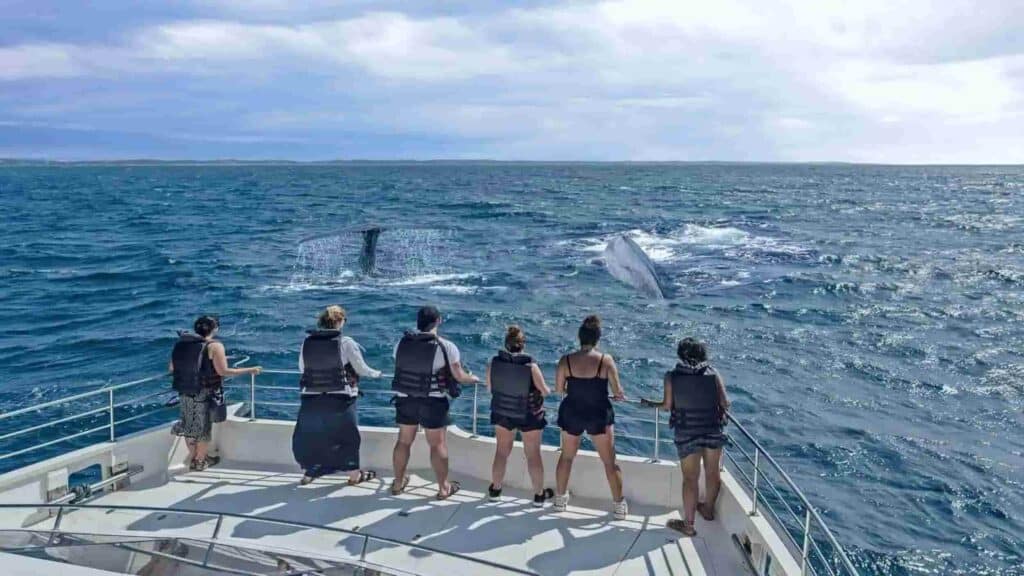
The best whale watching locations offer incredible opportunities to see majestic marine life in their natural habitats. This guide highlights
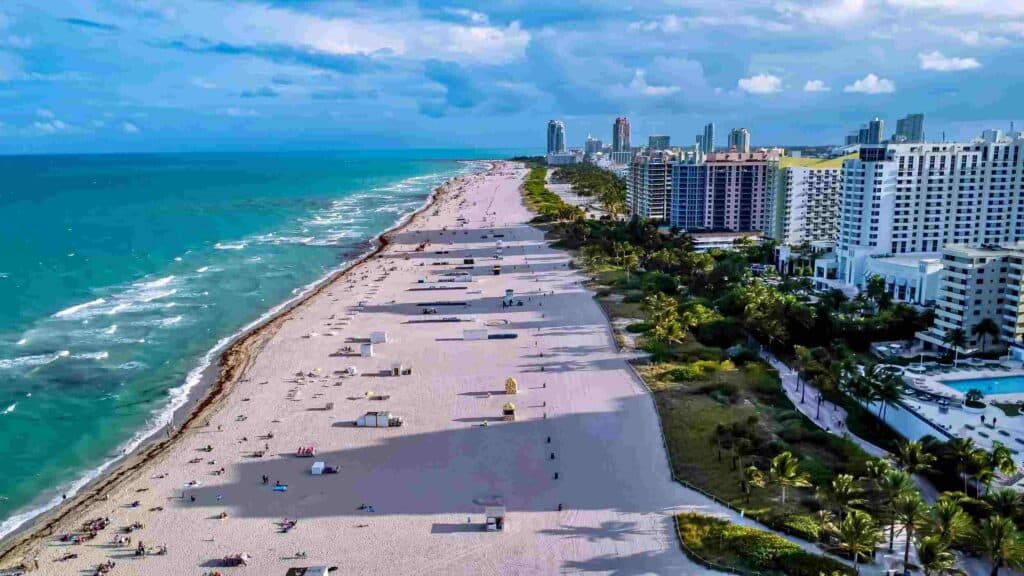
Popular places in Florida offer a mix of sun-soaked beaches, thrilling theme parks, and vibrant cities. From the lively streets
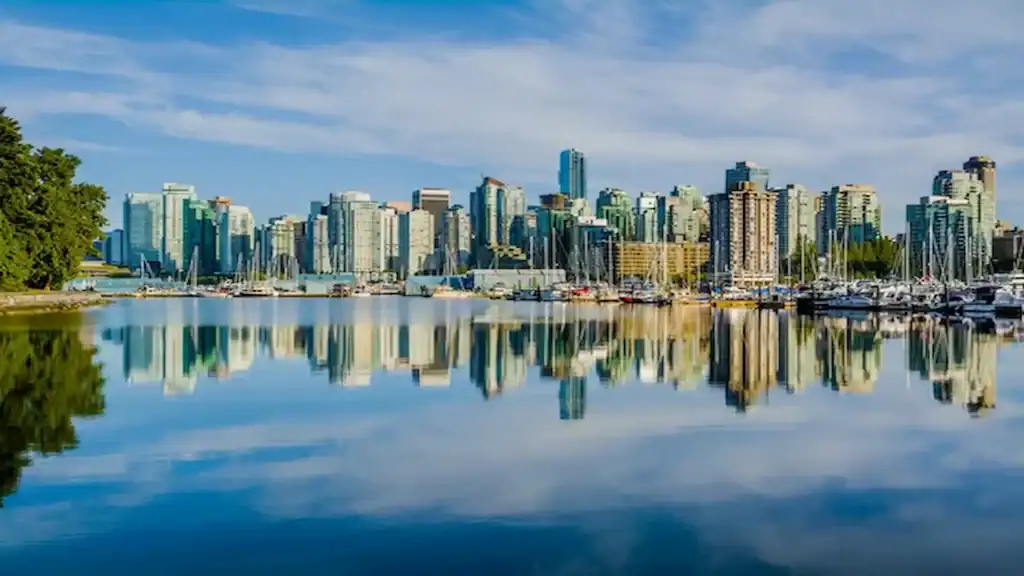
Vancouver city tourist attractions offer waterfront views, vibrant neighborhoods, and world-class cultural sites. This guide highlights downtown landmarks, Stanley Park,

Must see islands in Greece offer travelers a mix of crystal-clear waters, charming villages, and unforgettable cultural experiences. From famous
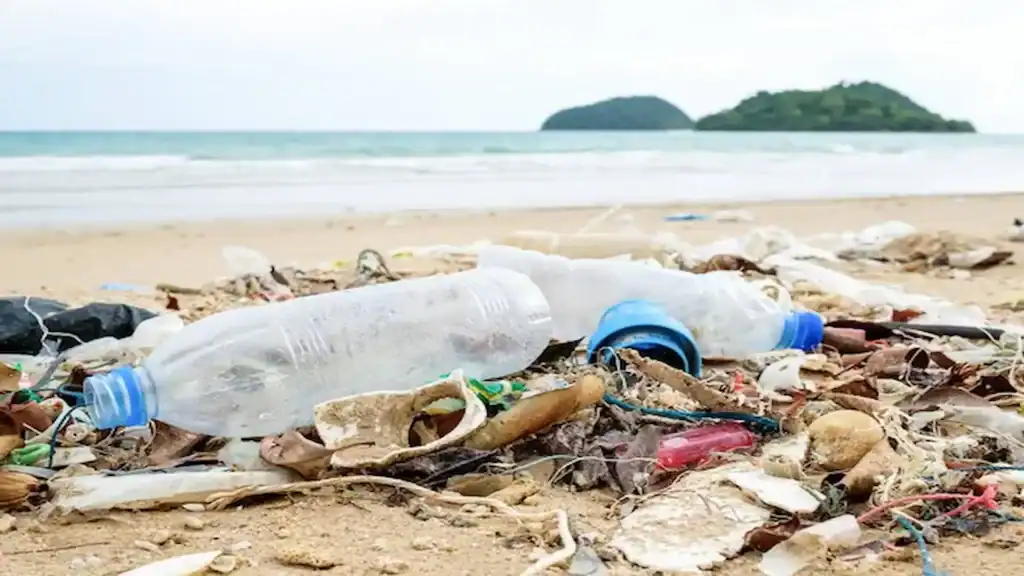
Beach clean ups help protect coastlines, marine life, and local communities. This guide explains why they matter, how they raise

I’m a travel-obsessed guy who’s been chasing that perfect moment for more years than I can remember – still buzzing like a kid! One Greek island trip changed everything. Now I share travel secrets most tourists miss through Soft Footprints. Trust me: life-changing places aren’t all on TripAdvisor.
Subscribe to Soft Footprints!Â
Get updates on the latest posts and more from Soft Footprints straight to your inbox.
This website uses cookies to improve your experience. We'll assume you're ok with this, but you can opt-out if you wish. Read More