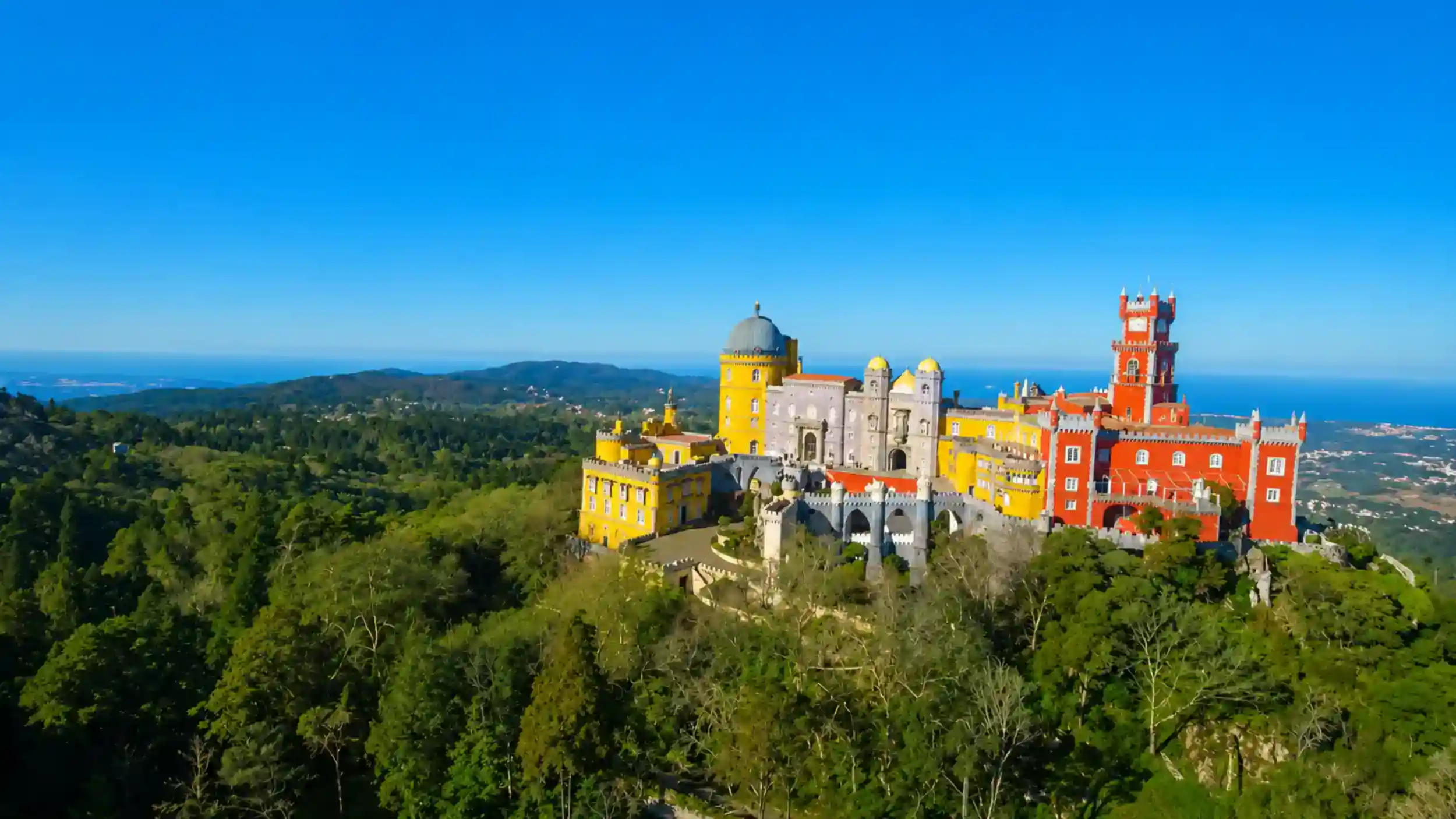
Our first Sintra plan looked perfectly reasonable on a map. Pena Palace, the Moorish Castle, Regaleira and the historic centre all seemed close enough to combine, with perhaps enough afternoon left for the coast. Once the climbing, winding roads and time inside the estates started adding up, that neat little itinerary began to fall apart.
The distances were not really the problem.
We had simply left no slack. One attraction taking longer than expected meant the next had to be shortened, and suddenly we were looking at the time rather than the place in front of us.
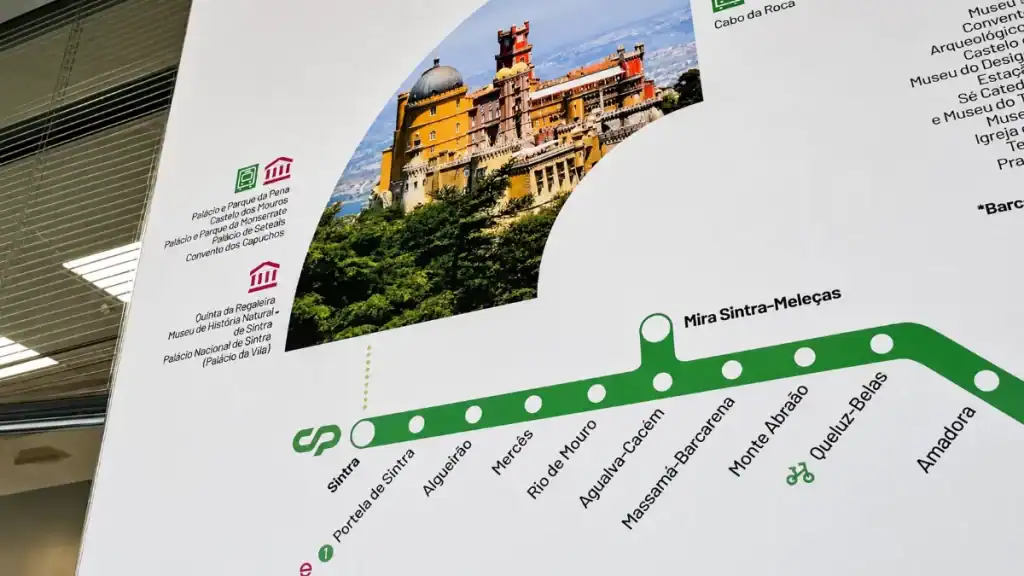
📋 How Many Major Attractions Can You Realistically See in Sintra in One Day?
I would plan two major attractions for a comfortable Sintra day, or three substantial stops if the routing is sensible and I am happy with a fuller schedule. On paper, Pena Palace, the Moorish Castle, Quinta da Regaleira, Sintra town, Cabo da Roca and a coastal village did not look absurdly ambitious. The problem only became obvious once our first proper visit was underway. Six would have turned the day into a sequence of arrivals and departures.
Queueing was only part of it. A timed entrance dictated when we had to be somewhere, the estates took longer to walk than their map pins suggested, and even stopping for food removed another chunk of the afternoon. None of that was visible when we first joined the dots between attractions.
Things became easier once we decided which places actually mattered. Working out which places around Sintra to prioritise turned the remaining stops into options rather than deadlines.
🗓️ WHAT I WOULD REALISTICALLY PLAN FOR ONE DAY
🏰 Two major attractions: comfortable when I want proper time inside both and an unhurried lunch.
🏰 Three substantial stops: possible with sensible routing, but I would expect a fuller day.
📋 Four or more major attractions: this is where I found sightseeing started turning into schedule management.
🌊 Palaces plus the coast: possible only when I deliberately reduce the palace list rather than adding the coast on top.

⏱️ How Long Do Pena Palace and Quinta da Regaleira Need?
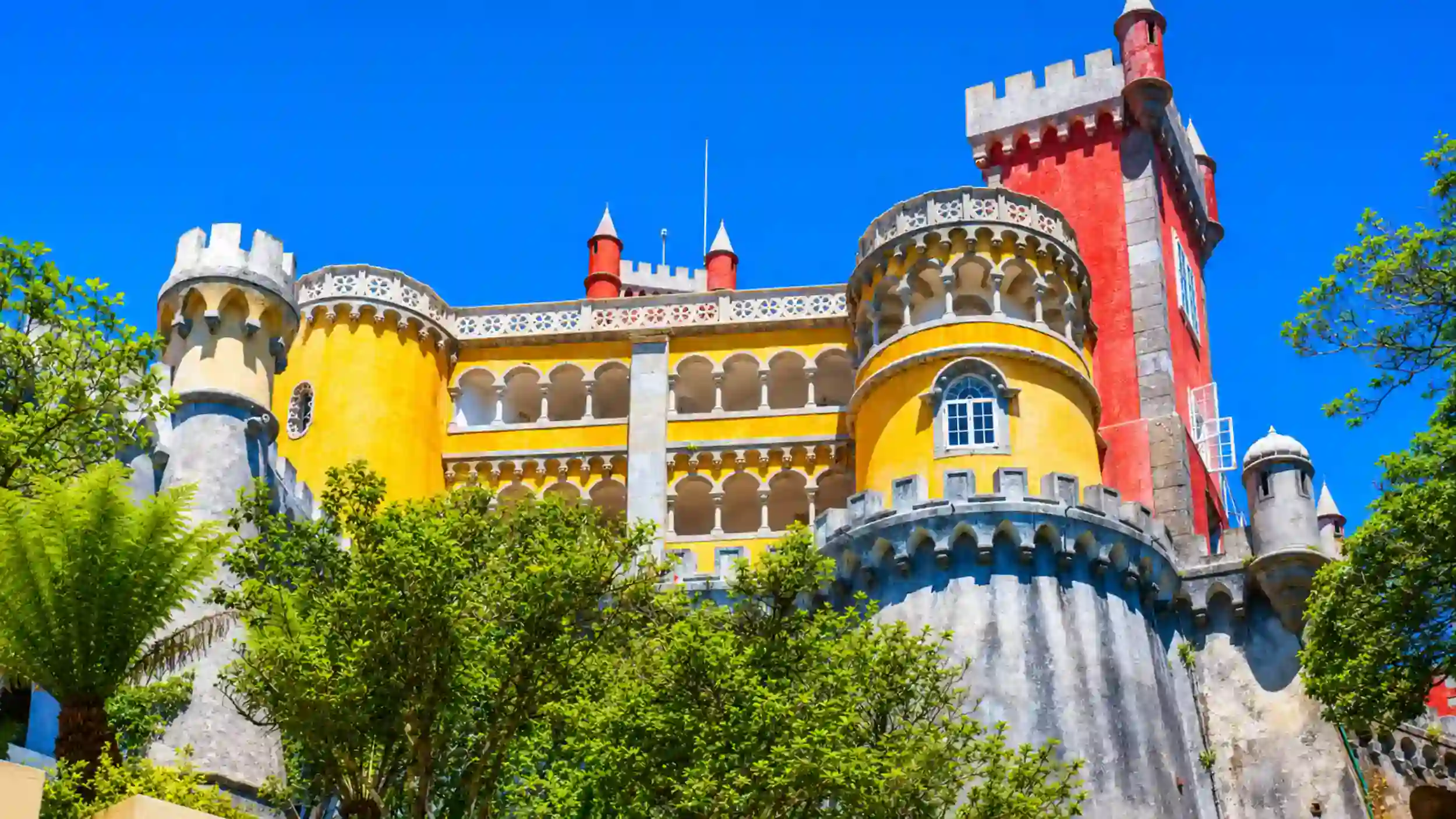
I would protect around two hours for Pena Palace and some of its grounds, and roughly two to three hours for Quinta da Regaleira. Pena was where our timetable first started to feel misleading: the timed entry gave us one fixed point, but it did not account for getting up the hill, reaching the entrance or the time we would actually spend once inside.
I Would Give Pena Palace Around Two Hours
The grounds changed the calculation. Once we moved beyond the palace terraces, the idea of a quick one-hour visit stopped making much sense. Around two hours feels far more realistic for the palace and some of the estate; exploring the park properly pushes it longer.
And that is time at the attraction, not the whole operation of reaching it. The uphill approach and transport still sit outside that allowance.
Regaleira Can Easily Take Two to Three Hours
Regaleira caught us out differently. We knew about the Initiation Well, but the estate kept offering reasons not to head straight there: another path through the gardens, a tunnel, a grotto, then a tower that looked worth investigating.
Two hours could become three without any sense that we were lingering unnecessarily. Trying to recover that time by rushing only the famous points would have removed much of what made the place interesting. I would never use Regaleira as a convenient gap-filler.
⏱️ THE TIME I WOULD PROTECT
🏰 Pena Palace: around two hours for the palace and a useful amount of the grounds, with extra time if I want to explore the park properly.
🗝️ Quinta da Regaleira: roughly two to three hours if I want the gardens, tunnels and Initiation Well rather than only the headline sights.
✂️ If either overruns: I would remove something later instead of shortening every remaining stop.
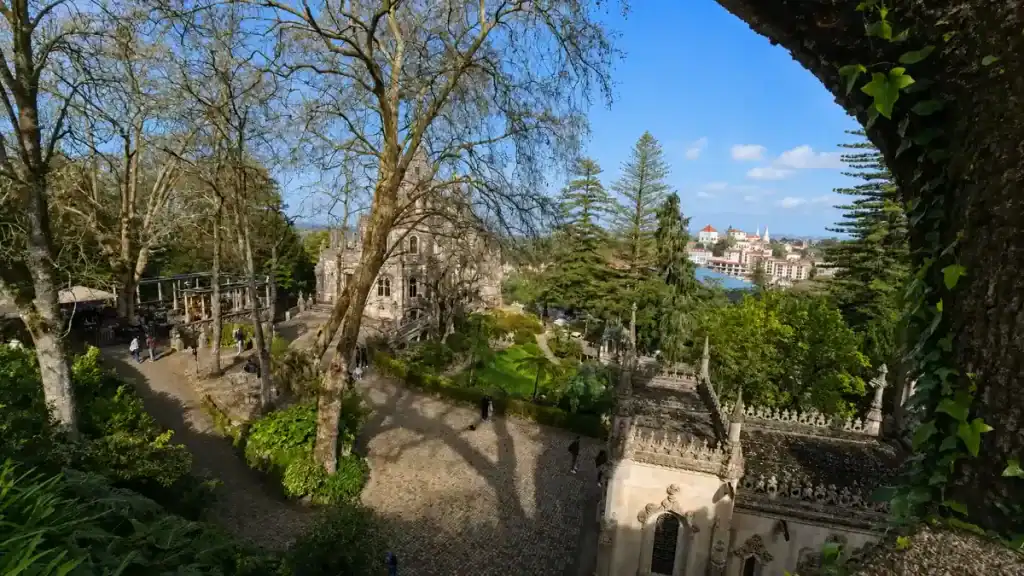
🚶 How Much Walking Should You Expect in Sintra?
I would expect walking to take more time and energy in Sintra than the map suggests, particularly around the hilltop palaces. The main attractions looked deceptively close together, which was exactly why we misjudged the effort between them.
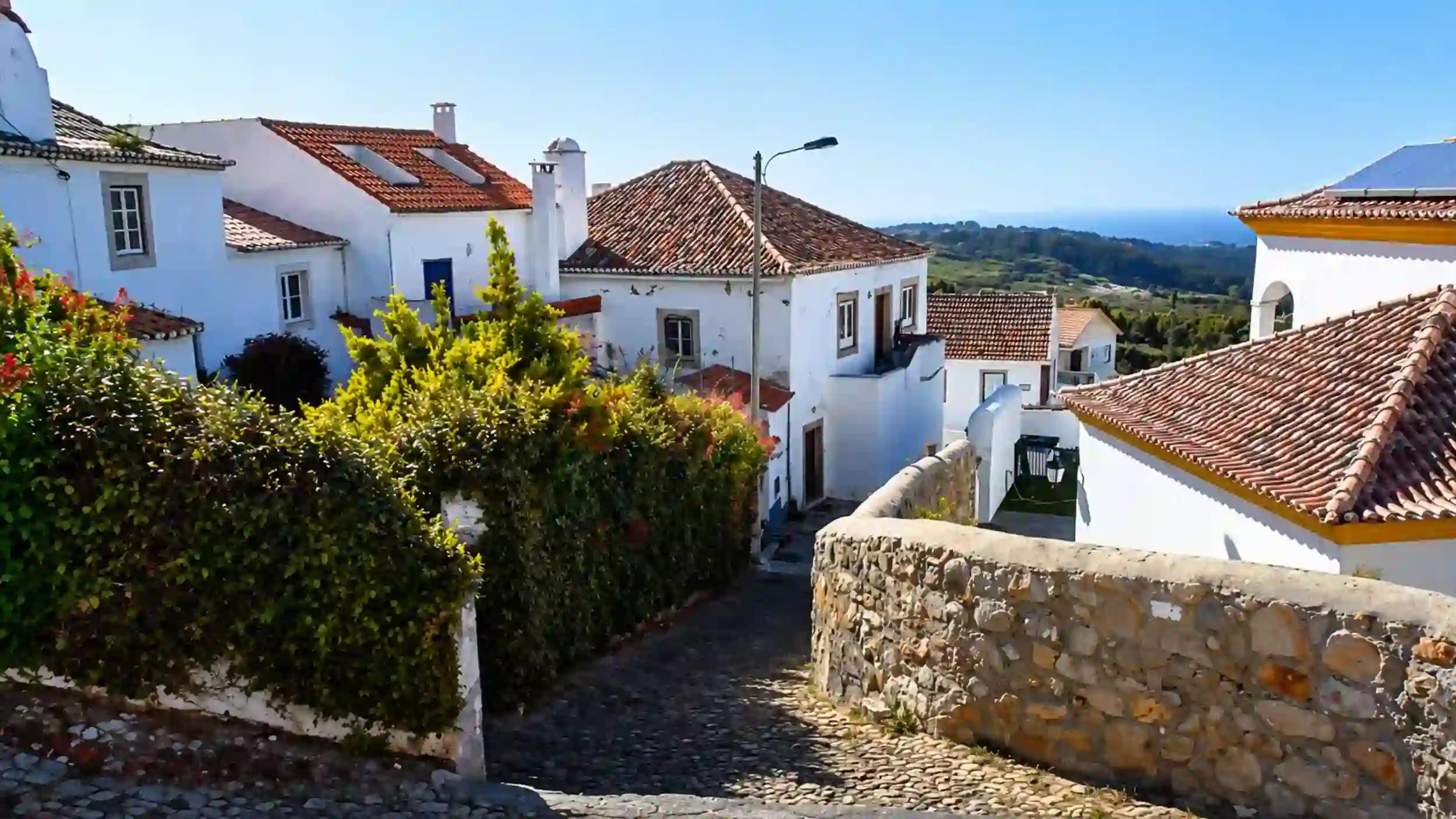
Pena Palace, the Moorish Castle, Quinta da Regaleira and the historic centre occupy a compact area, but the map flattened the bit that mattered: the hills. Short-looking journeys became climbs, slow roads and more effort than their distance suggested.
Walking around Sintra town itself was straightforward enough. Carrying that assumption into the wider palace district was the mistake.
The Hills Were the Part My Map Failed to Show
The walk from the station towards Pena Palace meant roughly 45 minutes uphill. Even after using buses, taxis or tuk-tuks for the bigger climbs, the steps inside estates and between sights kept accumulating.
Pena Palace and the Moorish Castle added steep terrain; Regaleira added another large estate explored almost entirely on foot. By afternoon, all those apparently minor stretches had become a significant part of the day.
Comfortable footwear helped, but the more useful lesson was to account for the walking before filling the itinerary. With children, older relatives or anyone with limited mobility, I would cut the schedule further rather than hope the gradients somehow stop mattering.
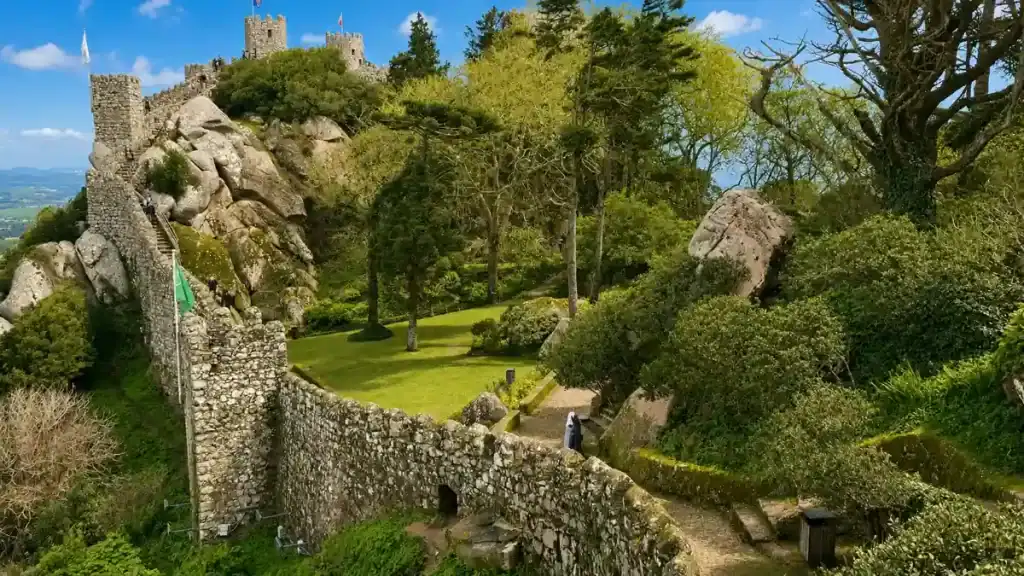
⚠️ What Should You Do When Your Sintra Itinerary Starts Running Late?
When a Sintra itinerary starts running late, I would drop a later stop rather than try to recover the lost time by rushing everything else. Our itinerary did not unravel because anything went badly. One place was simply more interesting than expected, so we stayed. Lunch then took a little longer, transport ate another slice of the afternoon, and we were left with the same list of stops but much less day.
Staying longer was not the mistake. That was one of the better parts of the day.
The mistake was pretending the original itinerary still existed afterwards.
The First Overrun Is My Cue to Re-plan
Once the morning had overrun, something later had to disappear. The alternative was to claw the hour back in ten- and fifteen-minute pieces, shortening every remaining visit and spending the afternoon watching the clock.
Dropping one stop protected everything else. After that, the day felt like travelling again rather than completing a list.
⚠️ WHEN MY SINTRA DAY STARTS SLIPPING
⏱️ First attraction runs late: I drop a later stop rather than trying to recover the time.
❤️ Pena or Regaleira is better than expected: I stay longer. Enjoying the place is not the failure.
🥾 Walking is taking more energy: I use transport where useful and reduce the remaining itinerary.
📋 Everything still looks possible: I remind myself that possible is not the same as enjoyable.
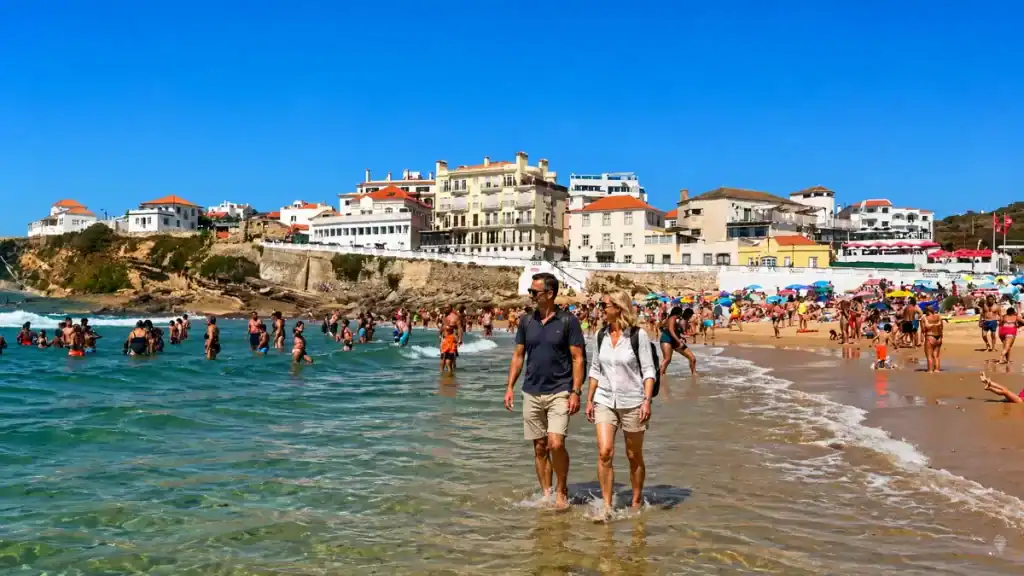
🌊 Can You Visit Sintra’s Palaces and the Coast in One Day?
Yes, you can combine Sintra’s palaces and the coast in one day, but I would only do it by deliberately reducing the palace list. We made the coast look easy by treating it as whatever came after the palaces. It was not. By the time the journey west, parking and the first coastal stop were accounted for, the generous-looking afternoon on our itinerary had shrunk considerably.
A car gave us the most flexibility between coastal villages and beaches, although the narrow roads still made progress slower than the map implied. Without one, I would be even more conservative about combining the palaces and coast in a single day.
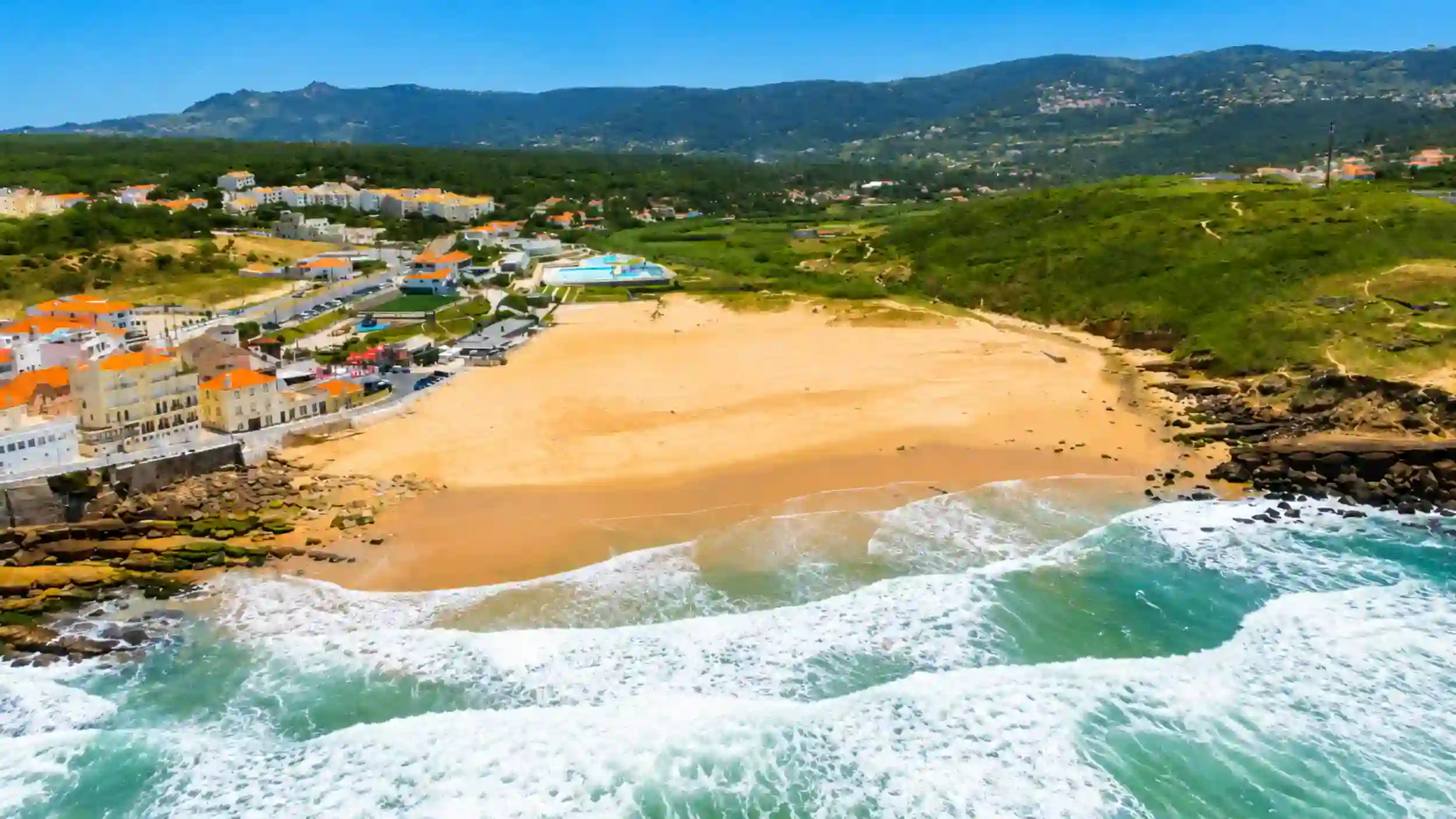
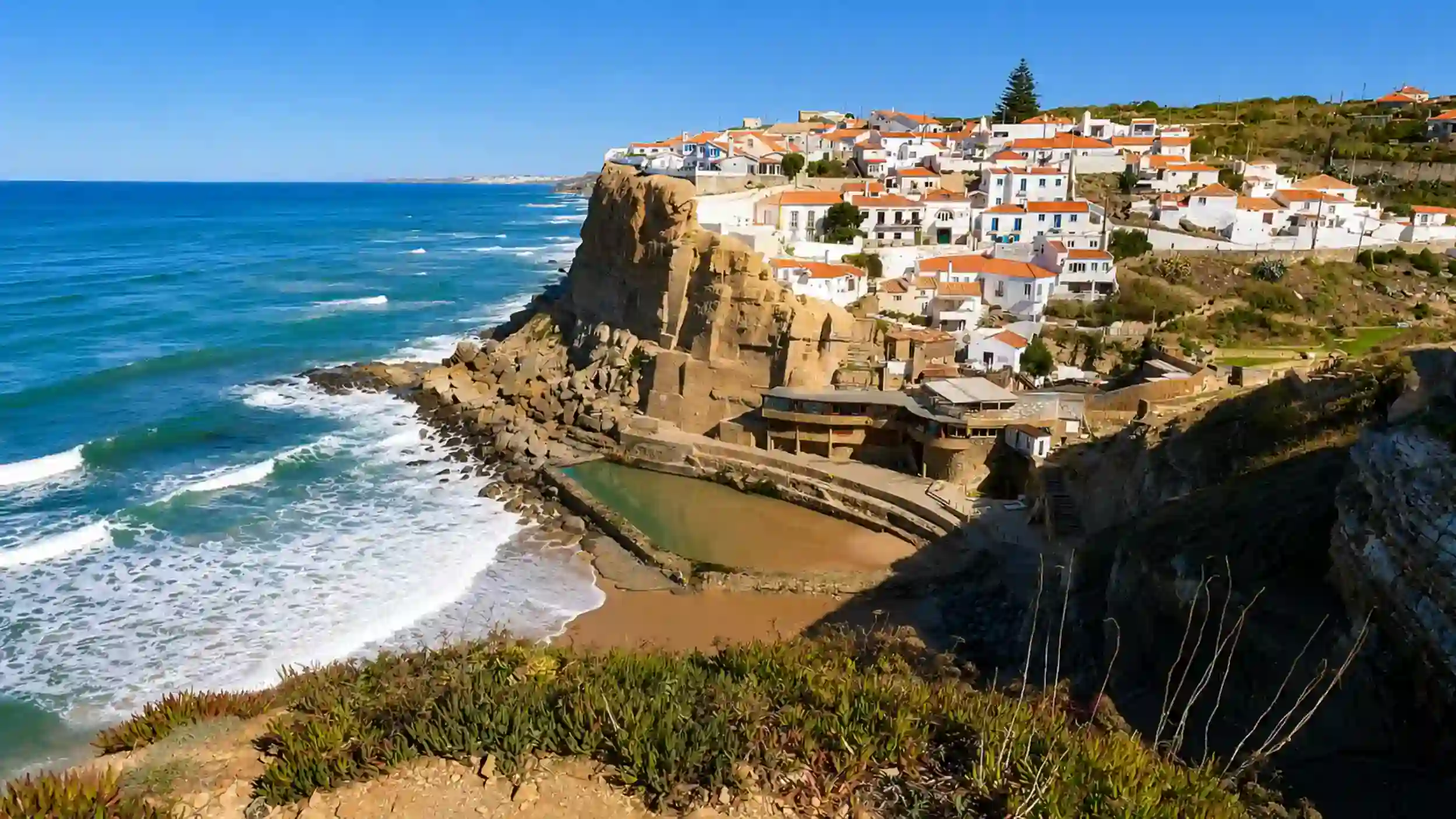
Timing mattered once we reached the coast too. Azenhas do Mar became noticeably busier at particular times, while Praia das Maçãs had its own parking pressures. Praia da Adraga felt wasted as a quick photograph before moving on.
Two Coastal Stops Felt Better Than Five
Praia das Maçãs, Azenhas do Mar, Praia Grande, Praia da Adraga and Cabo da Roca looked temptingly close together. Seeing those names clustered on the map was exactly the temptation I would resist.
If the coast mattered, I would limit the morning to one or two major Sintra attractions and choose perhaps two coastal stops afterwards. Better still, I would give the coast its own day and stop treating it as whatever time the palaces leave behind.
🧭 How Many Days Do You Need in Sintra?
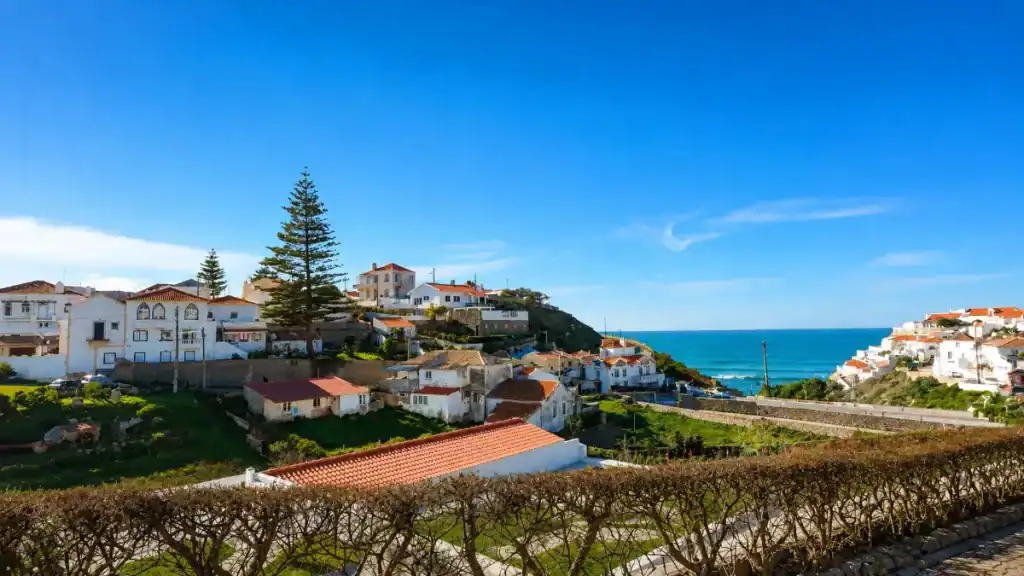
I would give Sintra two days for several major palaces without constantly watching the clock, and three if the coast is genuinely part of the trip. With one day, some places have to wait. Two days changed the equation for us because we no longer needed every palace visit to finish exactly on schedule.
Three days makes more sense when the coast is genuinely part of the trip. The palace district can then have its own rhythm, while beaches, villages and Cabo da Roca stop competing for the scraps of an afternoon.
Working out how many days the places around Sintra actually need made that trade-off much clearer. The beautiful places around Sintra were not difficult to find. Resisting the temptation to turn them into a checklist was harder.
🧭 HOW MANY DAYS I WOULD GIVE SINTRA
1 day: choose two or three priorities and accept that much of Sintra will remain unseen.
2 days: my better choice for several major palaces with enough flexibility for overruns and walking.
3 days: the stronger option when I also want the coast rather than merely squeezing in one viewpoint.
What stayed with us was not the attraction we might have squeezed into the final hour. It was having time to follow another path through a garden, stop looking at the clock and remain on the coast when there was no good reason to leave. That is the difference I would plan for next time.