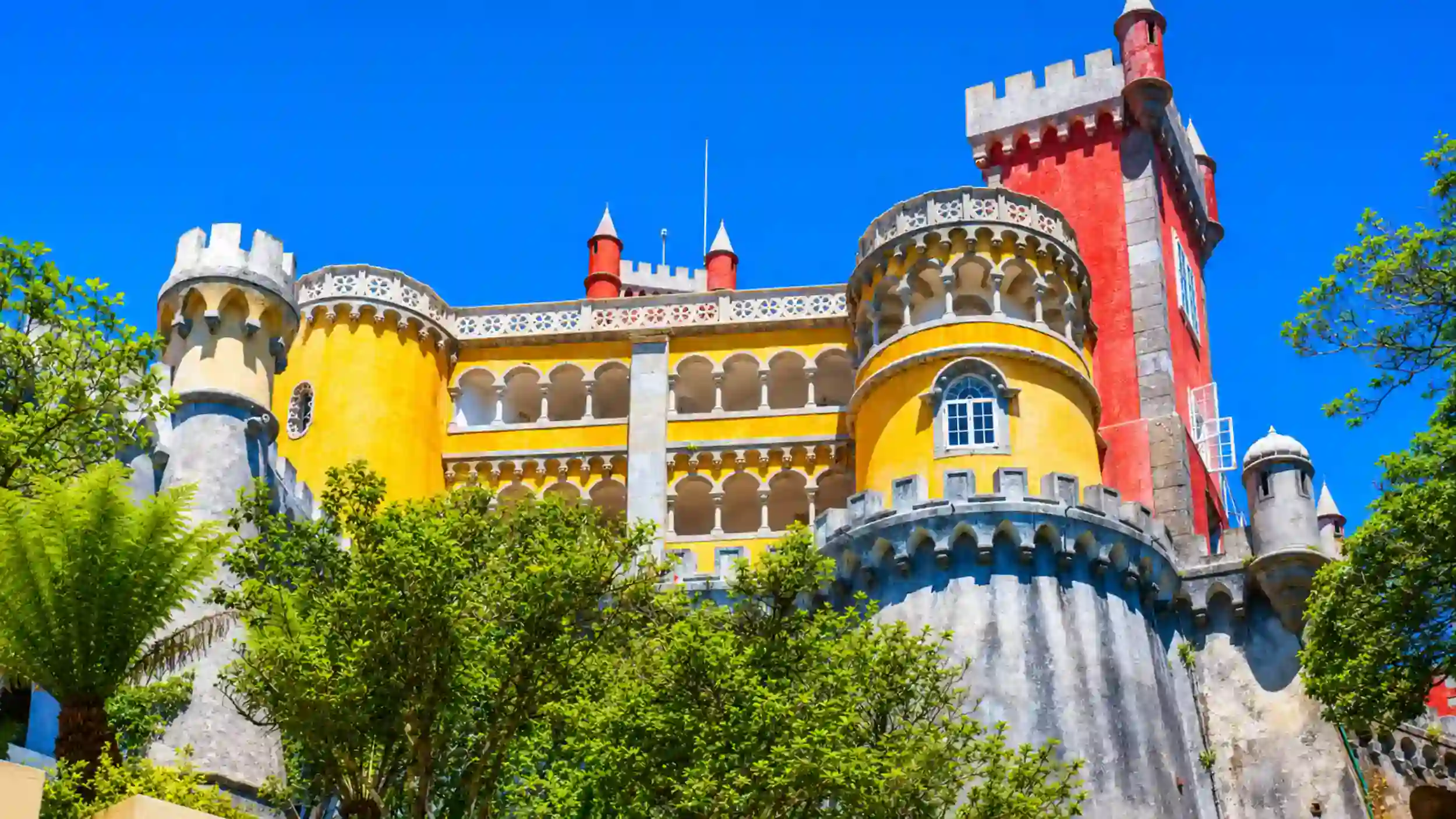
The most beautiful places around Sintra are spread across several very different landscapes rather than one compact sightseeing area. The palace hills, historic centre, forested Serra de Sintra, Cabo da Roca, Azenhas do Mar and the Atlantic beaches all deserve time, which is why I would plan at least two days and preferably three if you want to see Sintra properly.
What changed my own planning was realising how little of it sits in one convenient zone. Once the hills and coast stopped looking like one cluster on the map, the itinerary became much easier: group places by area, choose fewer major sights and stop doubling back.
🗺️ Sintra Made More Sense Once I Stopped Treating It as One Sightseeing Zone
Sintra made more sense once I stopped treating the palaces, town and Atlantic coast as one sightseeing zone. The palace district rises through the forested hills above town, while the coast sits farther west beyond the Serra de Sintra. On paper, that can look manageable in one ambitious sweep. On the ground, the climbs, transfers and changes of direction made that approach feel much less clever.
The first useful distinction was simple. I treated the historic centre and palace hills as one type of day, then gave the coast its own space.
Transport Changed With the Part of Sintra I Was Exploring
For the town and palace district, the train from Lisbon’s Rossio station takes around 40 minutes and avoids bringing a car into the part of Sintra where it was least useful to me. The 434 bus then connects Sintra station with Pena Palace and the Moorish Castle.
Once the route turned west towards smaller villages and the coast, the balance reversed. Driving gave me much more freedom to link places that would otherwise require more careful transport planning.
📱 Simple planning rule: use public transport for a palace-focused day; consider a car when the coast and quieter villages become the priority.
🏰 Two or Three Palaces Are Better Than Trying to Collect Them All
Two or three well-chosen palaces worked better for me than trying to collect every major sight. The palace district contains Sintra’s most famous attractions, but fitting everything into one day would have turned the visit into a race between entrances.
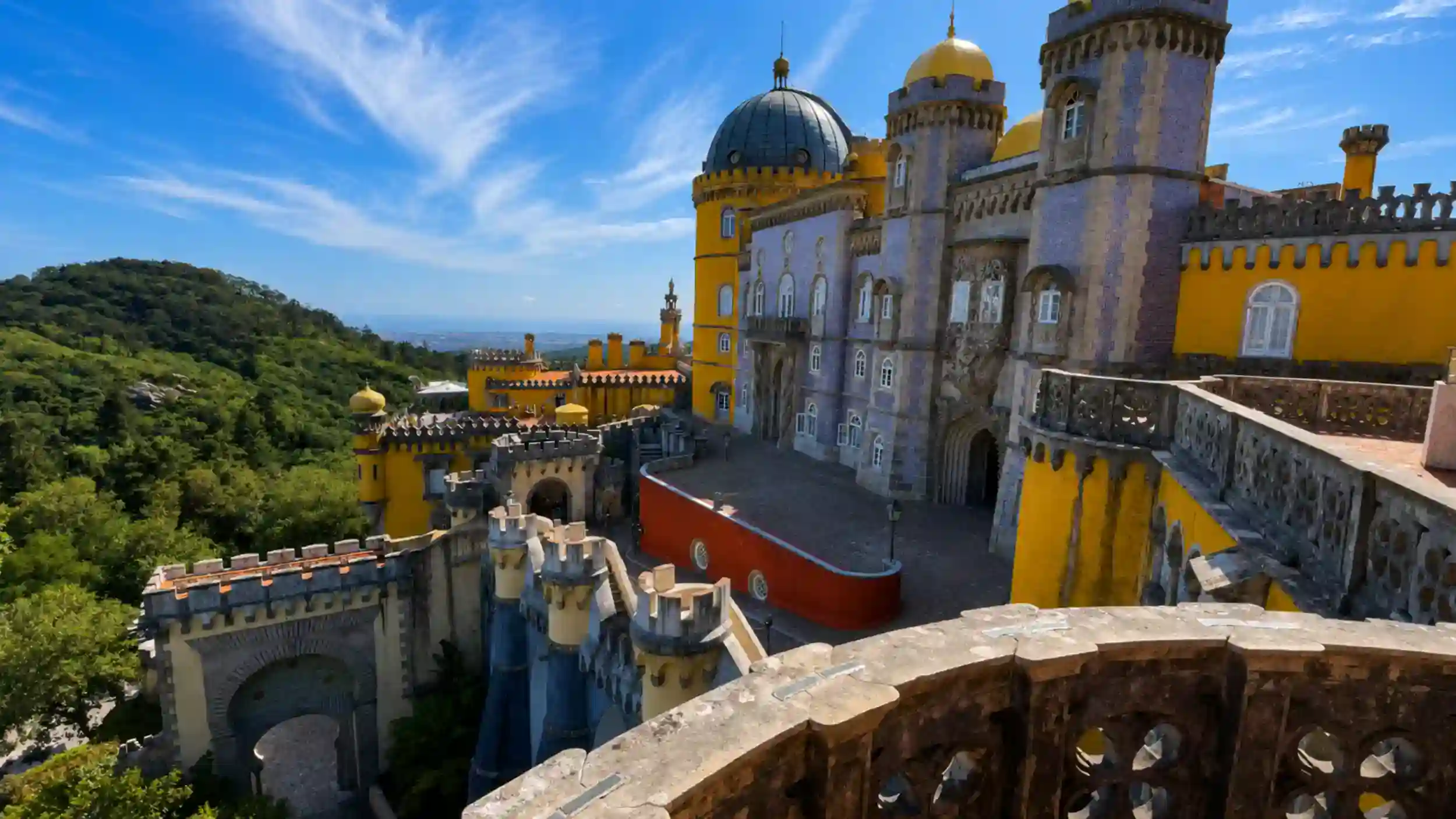
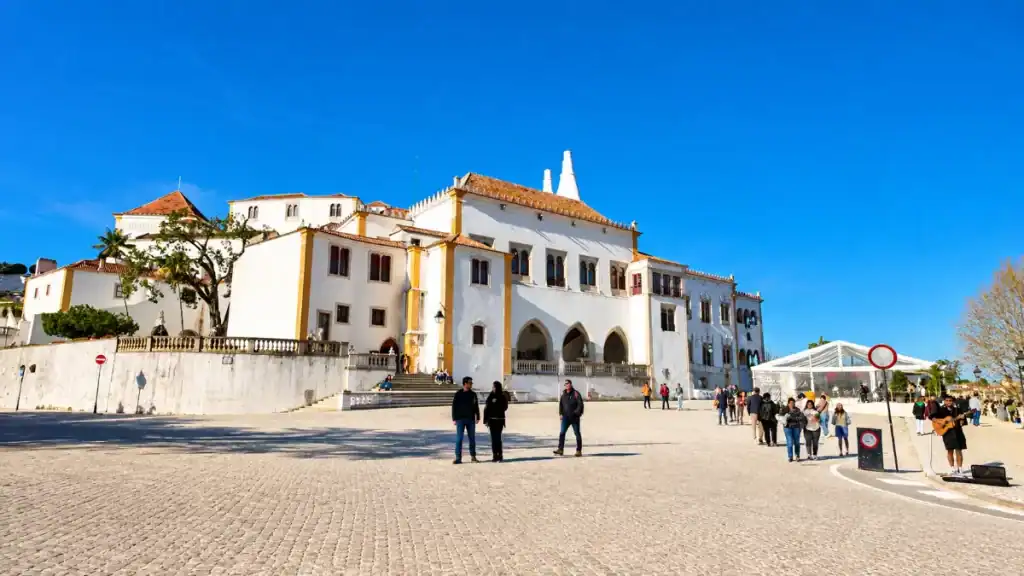
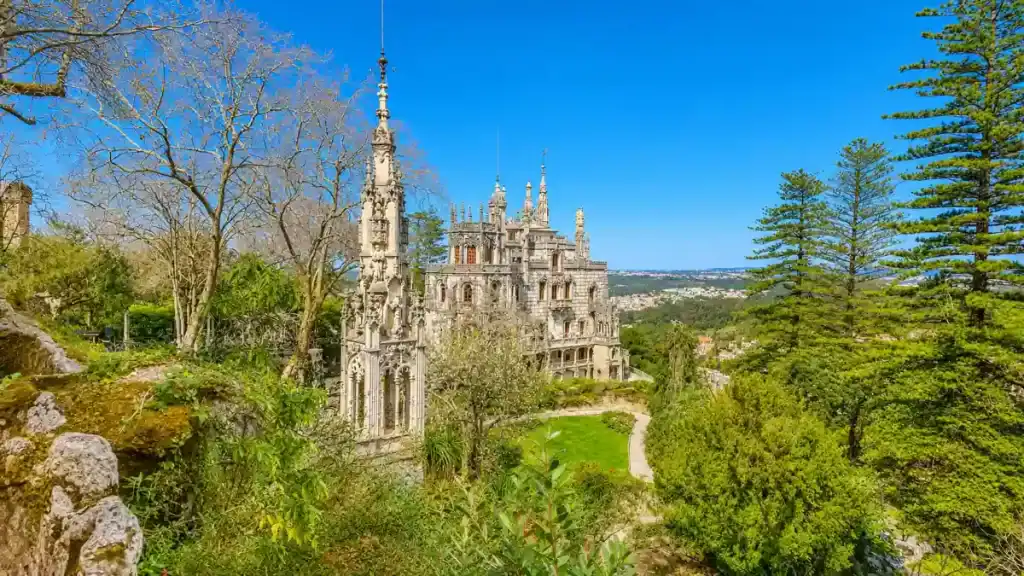
Pena Palace and the Moorish Castle naturally belonged together in my head because both sit high above town. Quinta da Regaleira and Sintra National Palace fitted more easily with time in the historic centre.
Regaleira Rewarded the Time I Gave It
The Initiation Well draws much of the attention at Quinta da Regaleira, but the visit became more interesting once I stopped treating that as the finish line. Tunnels, gardens and smaller architectural details kept pulling the route away from the obvious photo stop.
Sintra National Palace was easier to underestimate. Its advantage was almost the opposite: it sits directly in the historic centre, so including it did not create another transport problem.
Pena Took More of the Day Than I Expected
Pena Palace needed more planning. Reaching the hilltop position takes time, and the grounds can easily turn what looks like a short palace visit into several hours.
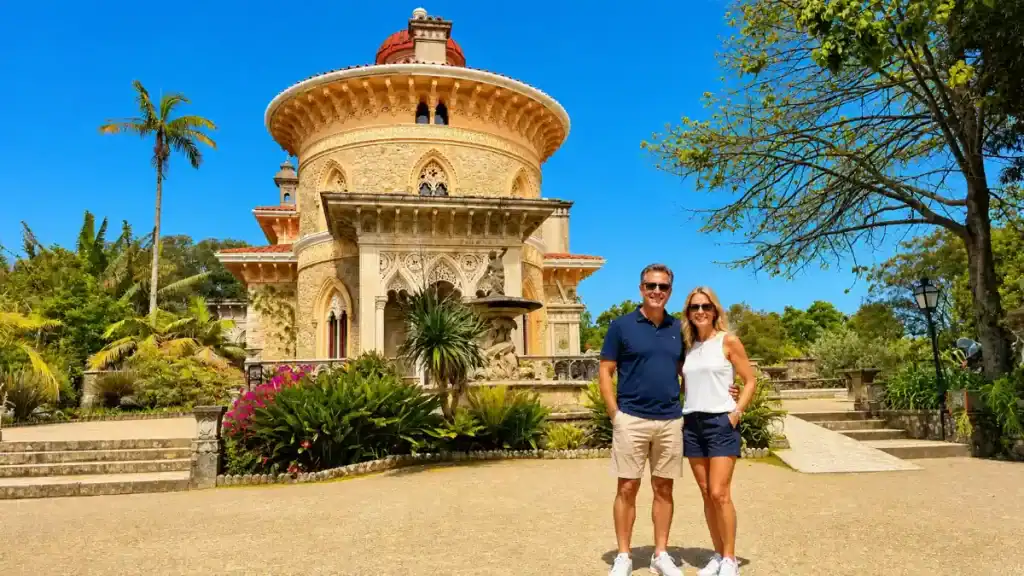
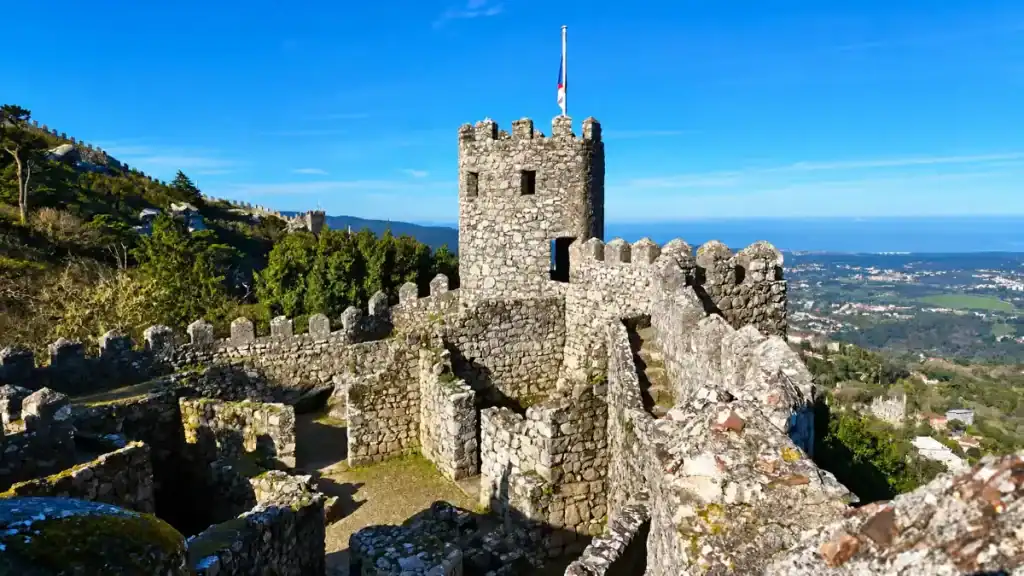
That made selectivity easier. I would prioritise Pena for the iconic palace experience, Regaleira for gardens and exploration, and the Moorish Castle for defensive walls and elevated views. Monserrate became the quieter alternative when another headline sight was less important than space.
🏰 If time is tight: choose two major sights that give you different experiences rather than three or four that force you to keep moving.
🌊 West of Sintra Felt Like a Different Journey
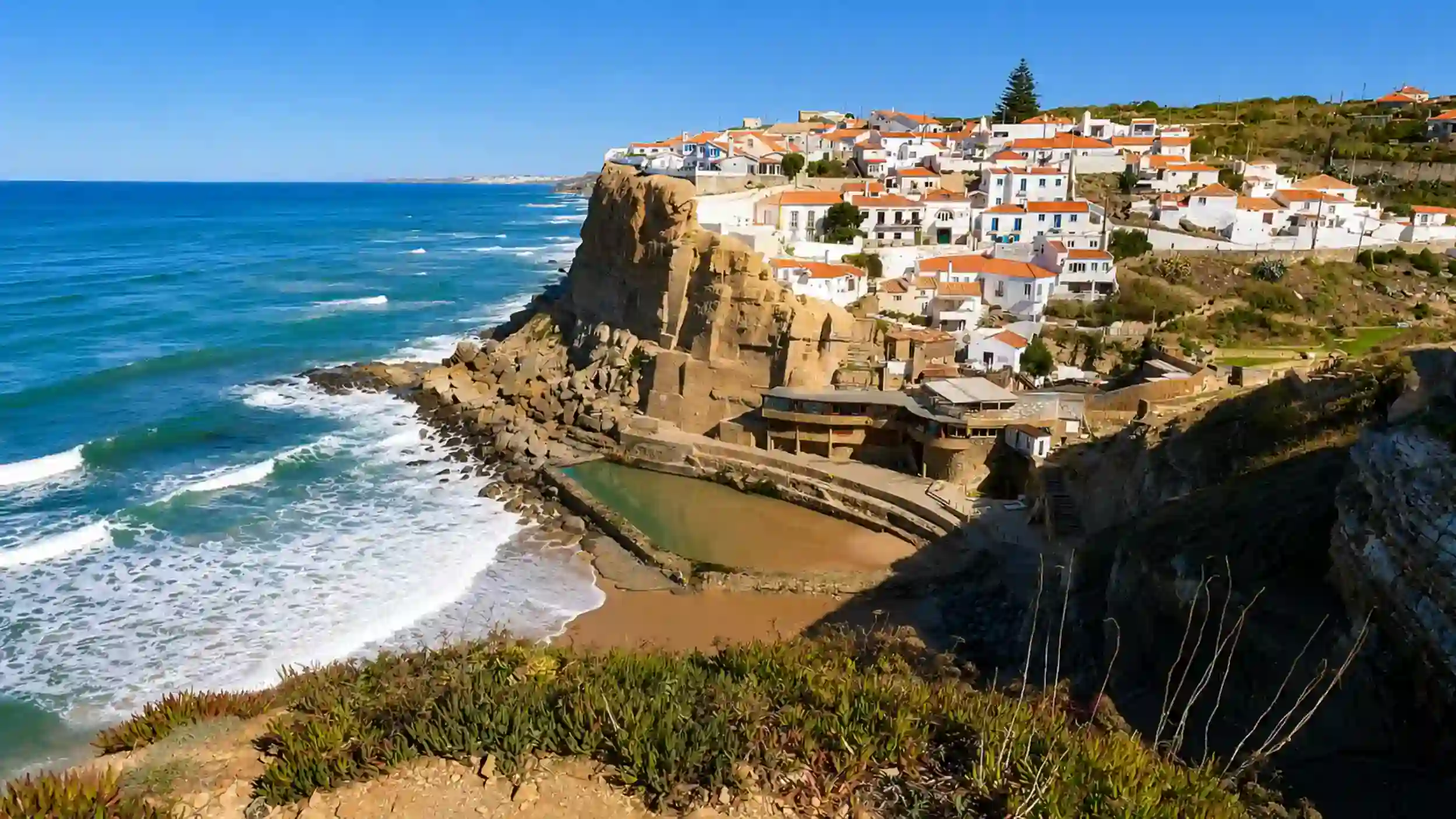
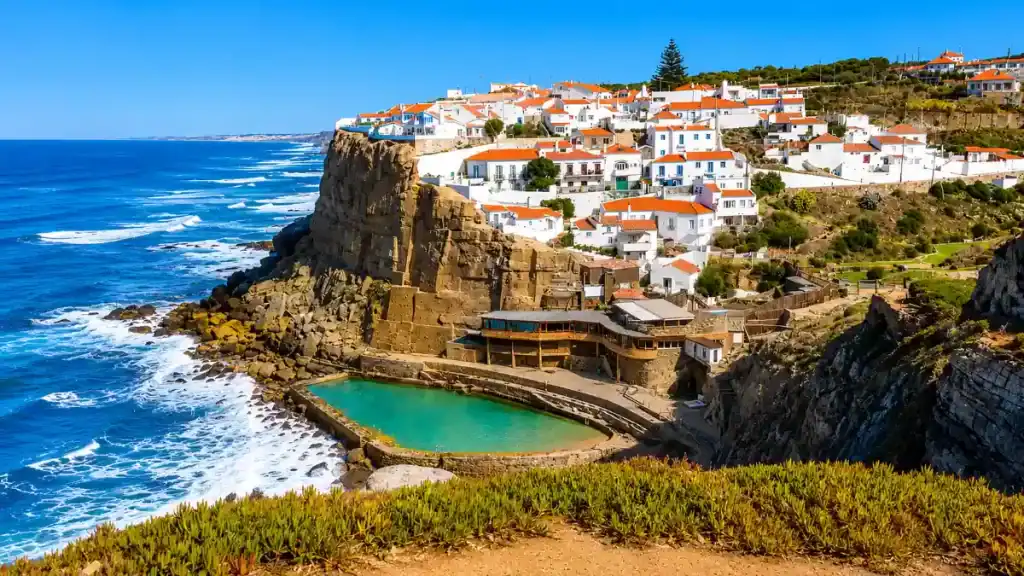
West of Sintra felt like a different journey rather than an extension of the palace day. The landscape changed quickly once the road left the forested hills and headed towards the Atlantic, and Cabo da Roca, Azenhas do Mar, Praia das Maçãs and Praia Grande gave me a version of Sintra with very little in common with palace interiors and the historic centre.
Azenhas do Mar and Cabo da Roca Made a Natural Pair
Azenhas do Mar clings to the cliffs above a natural ocean pool and became one of the most distinctive coastal stops. Whether I visited in the morning or afternoon changed both the light and how busy the viewpoint felt.
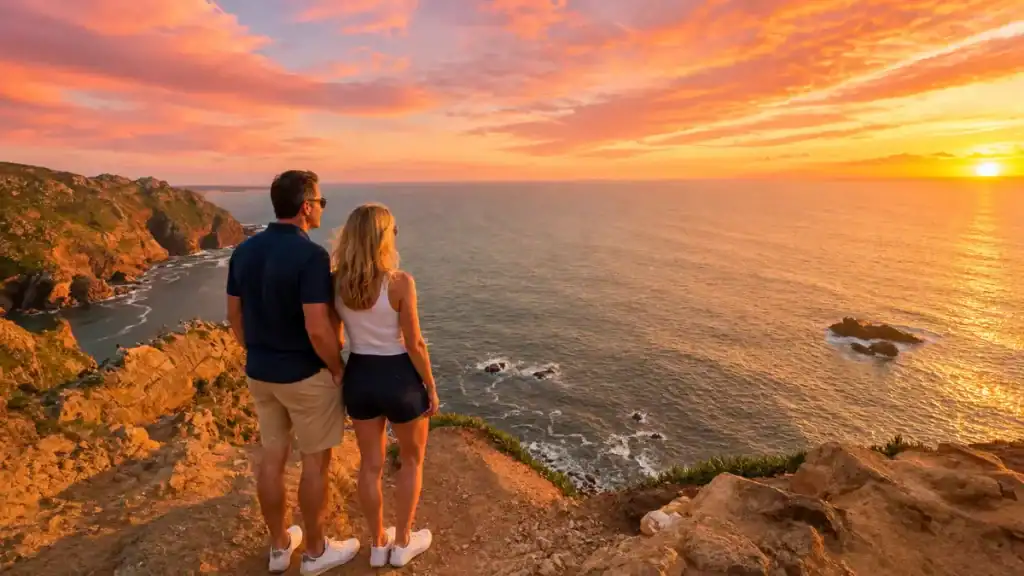
Cabo da Roca was rougher and more exposed. The cliffs drop sharply towards the Atlantic, and conditions at Cabo da Roca vary considerably through the day. Wind and visibility mattered enough that timing stopped feeling like a minor detail.
The Beaches Worked for Different Reasons
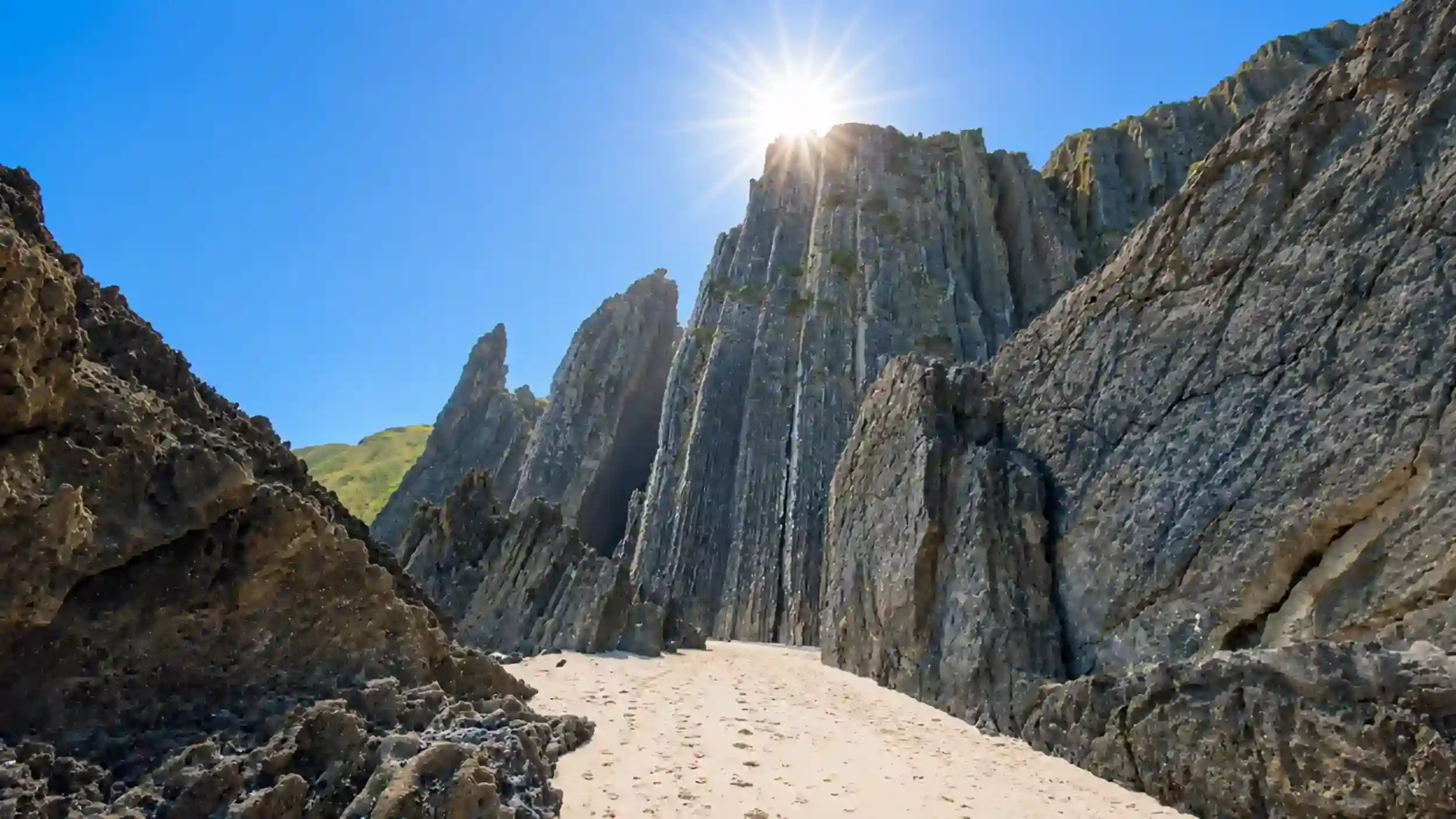
Praia das Maçãs gave me more of a seaside-village atmosphere and can be reached from Sintra by tram. Spending a full day there makes sense when the coast is meant to be part of the holiday rather than a quick photo stop.
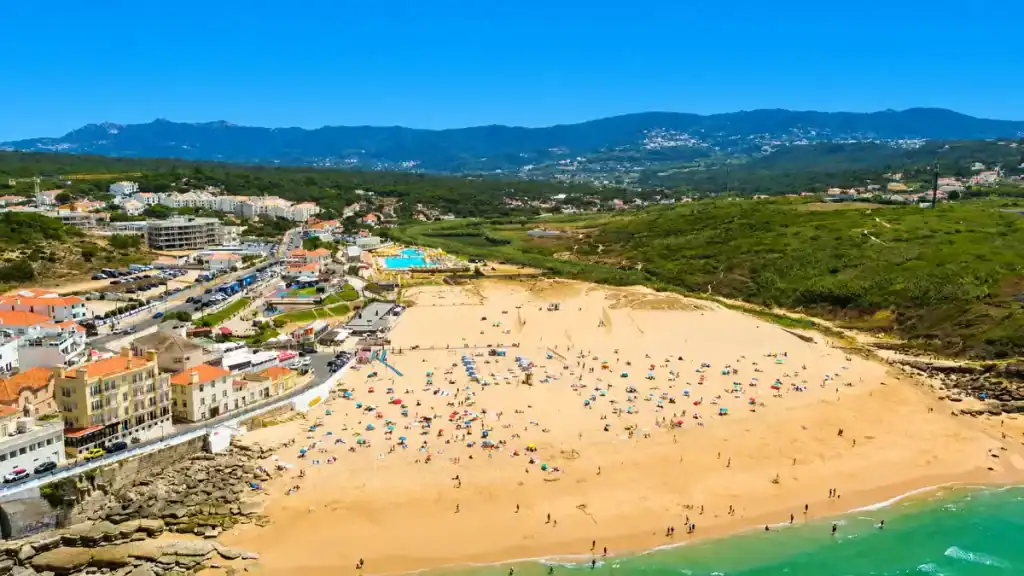
Praia Grande felt broader, more exposed and much more focused on surf and an active beach day. Those differences made the coast worth treating as a proper part of Sintra rather than something squeezed onto the end of a palace itinerary.
🌿 The Quieter Places Changed the Pace of the Trip
The quieter places changed the pace of the trip because they pulled me away from Sintra’s usual palace-and-coast circuit. Some of those less obvious stops stayed with me most.
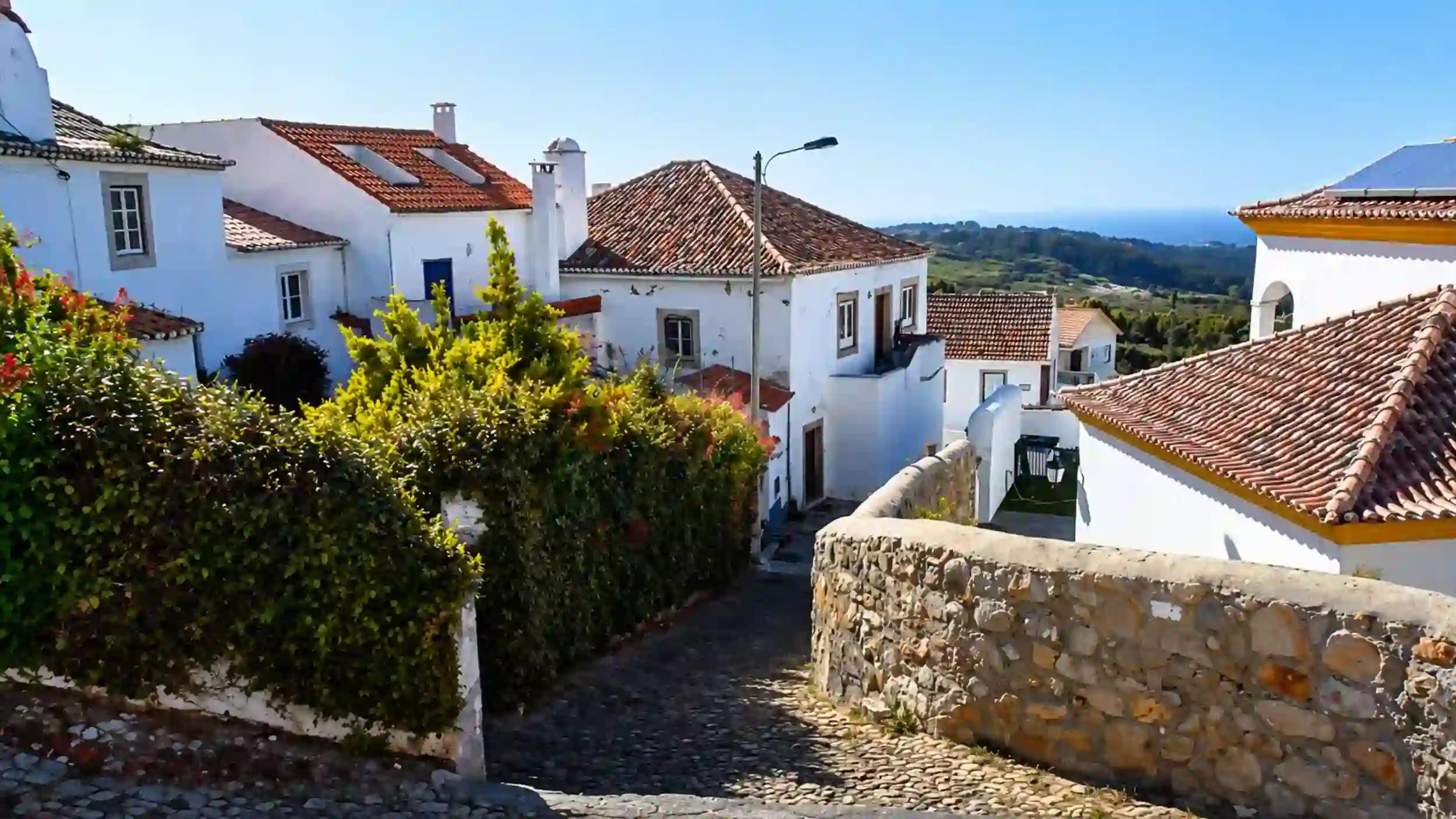
Colares, Almoçageme and Penedo felt less dominated by visitors than the major attractions. Once the crowds thinned, the landscape between the Serra de Sintra and the Atlantic became easier to notice in its own right.
The Villages Made Sintra Feel Less Like a Checklist
Colares brought a stronger wine-growing identity. Almoçageme sat closer to the coast above the cliffs, while Penedo climbed into the hills with views across the surrounding countryside.
The trails towards Peninha extended that quieter side of the region farther into the Serra de Sintra. Reaching these places took more effort, especially without a car, but that inconvenience was also what kept them from feeling like another stop on the main sightseeing conveyor belt.
🧭 Choose the Version of Sintra You Actually Want
- 🏰 Palaces and history: historic centre plus two major palace sights.
- 🌊 Atlantic scenery: Cabo da Roca, Azenhas do Mar and the coastal villages.
- 🏖️ Beach time: Praia das Maçãs or Praia Grande rather than treating the beach as a quick add-on.
- 🌿 Quieter Sintra: Colares, Almoçageme, Penedo and the surrounding trails.
- ⏱️ One day only: choose one area instead of repeatedly crossing between hills and coast.
⏱️ Two Days Is the Minimum I Would Choose for Sintra Properly
Two days is the minimum I would choose if I wanted to see Sintra beyond one or two headline attractions. A day trip from Lisbon can work for the palace district, but the compromise is accepting that the coast and quieter parts of the region will largely disappear from the plan.
Staying overnight changed what became realistic. With two days, one could belong to the palaces and historic centre while the second moved west towards the Atlantic.
A Third Day Is Where the Itinerary Starts Breathing
Three days created room for the places that are easiest to sacrifice in a rushed itinerary: quieter villages, forest walks and less-visited corners of the hills.
I would settle the question of how many days to actually spend before choosing attractions. That one decision determines whether the itinerary becomes selective or simply overloaded.
🧭 The Best Sintra Itinerary Starts by Leaving Good Places Out
The best Sintra itinerary I could make started by deliberately leaving good places out. Trying to include a little of everything was exactly where my planning became unnecessarily difficult. Palaces, coast, beaches and villages all looked close enough to combine until the actual movement between them started consuming the day.
Understanding the most common planning mistakes helped show where that time was disappearing. Knowing which Sintra attractions to prioritise then made the route much easier to match to the time available.
🧭 My planning lesson: there are too many beautiful places around Sintra to see properly in one rushed visit. A better itinerary came from deciding what kind of Sintra I wanted that day and accepting that some worthwhile places would have to wait.