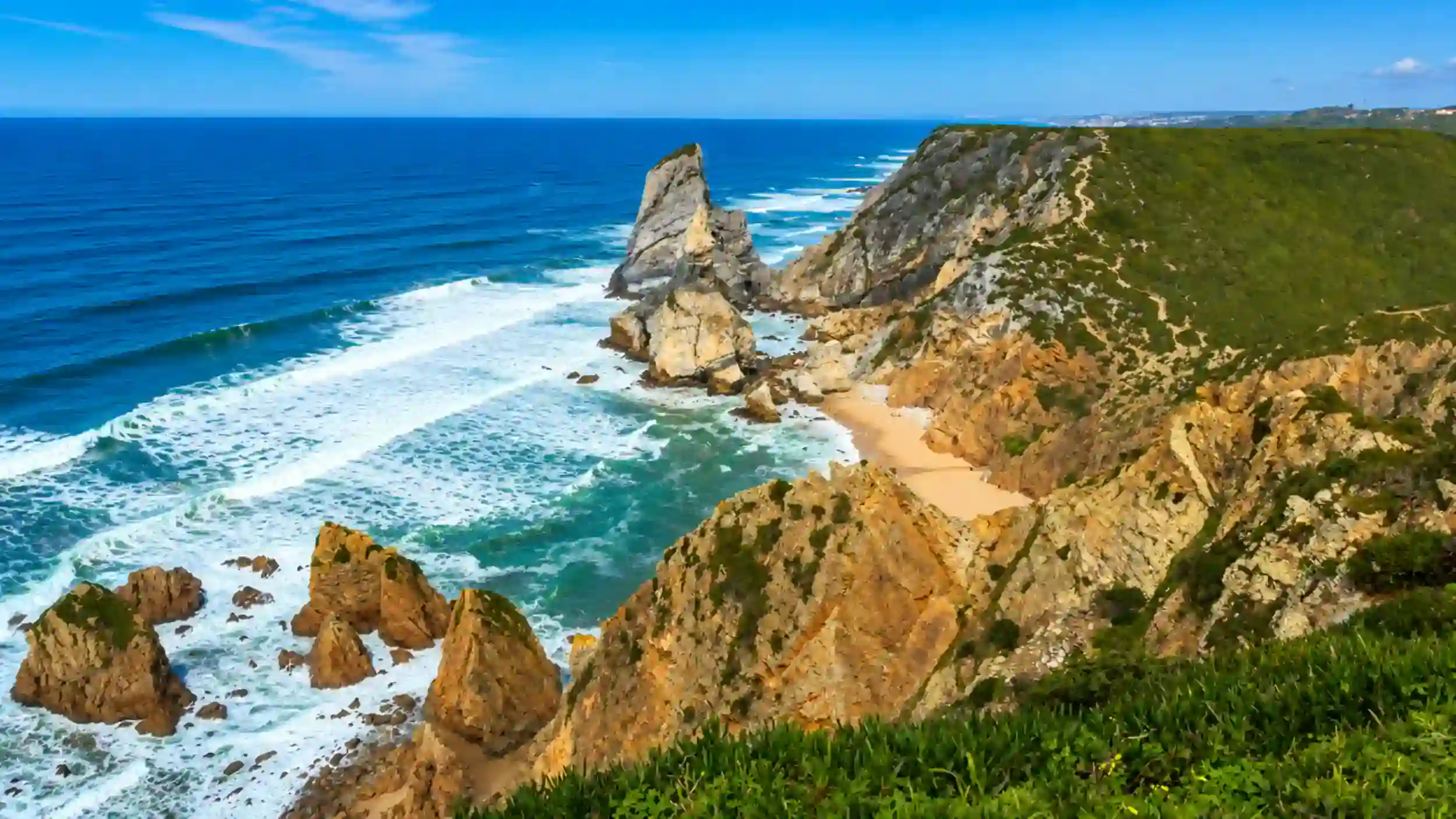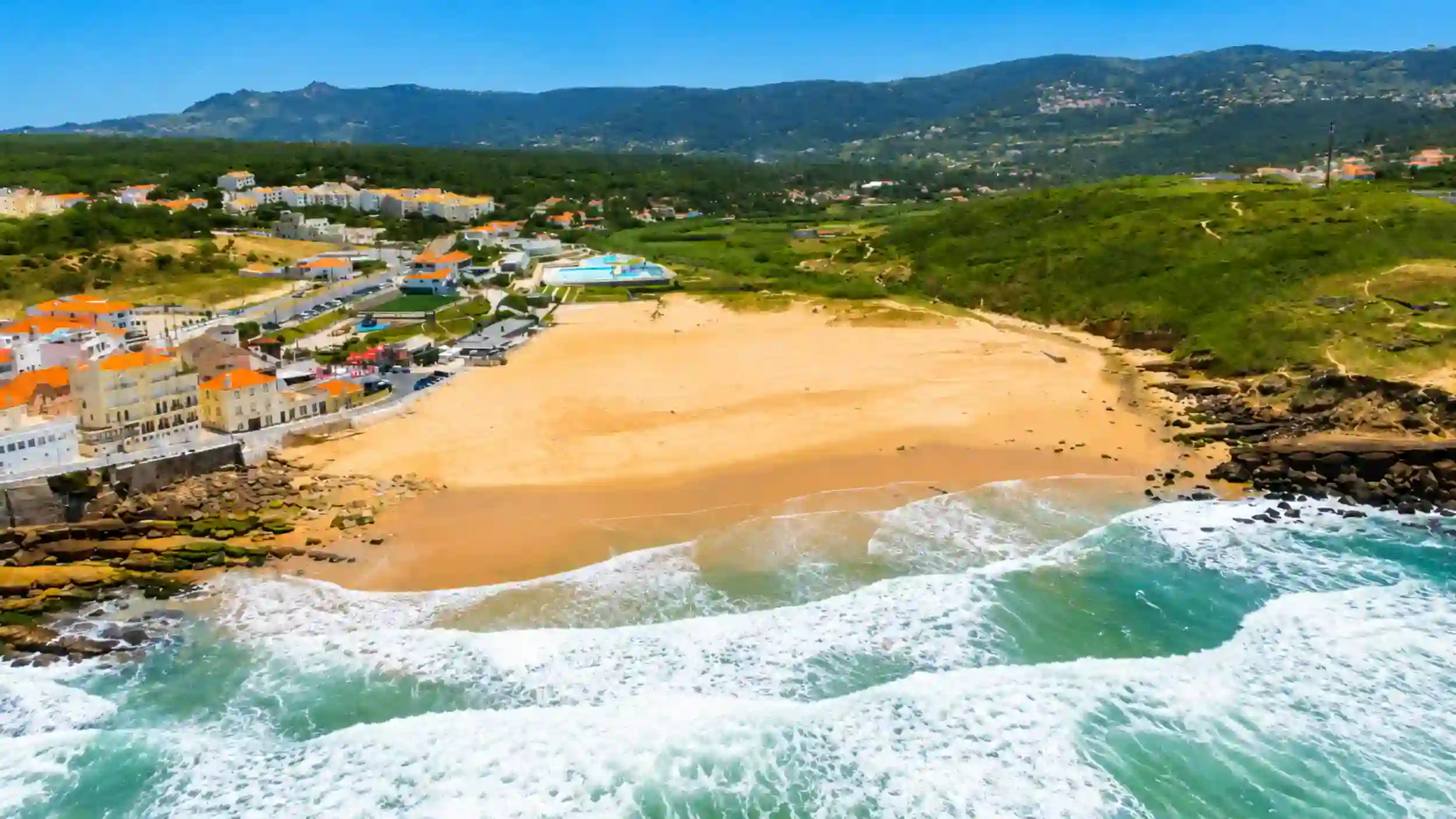
Is Praia Grande worth visiting? Yes, I think it is, particularly if you prefer large, exposed Atlantic beaches to sheltered coves. I liked the broad sweep of sand, powerful surf and open coastal setting, while the saltwater pool gave me a calmer alternative to the ocean.
I would not choose Praia Grande for shelter. Its exposure was a large part of the appeal for me, but it also meant the wind and Atlantic swell had much more influence over the day.
🌊 Praia Grande Felt Bigger and Wilder Than the Nearby Coves
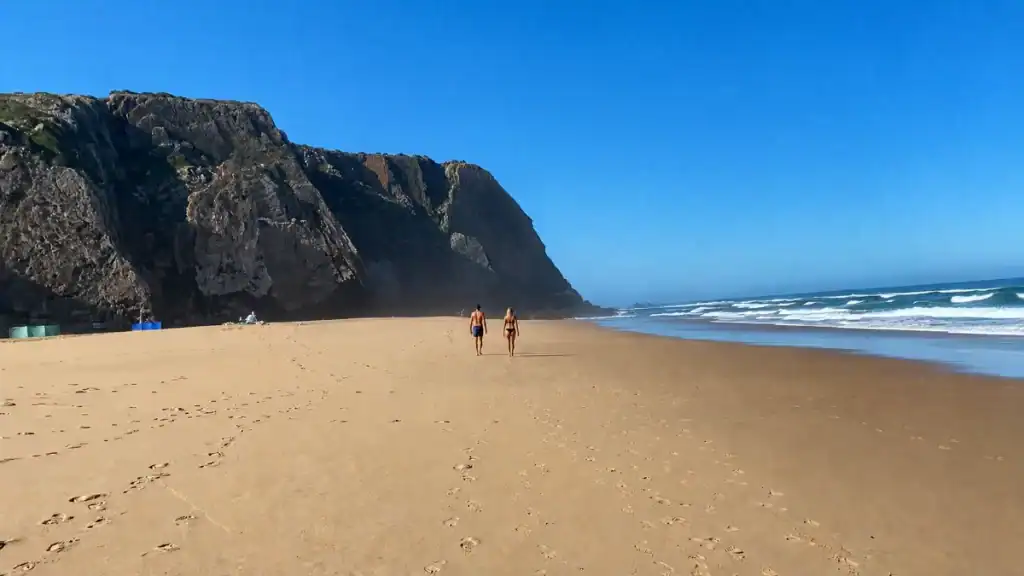
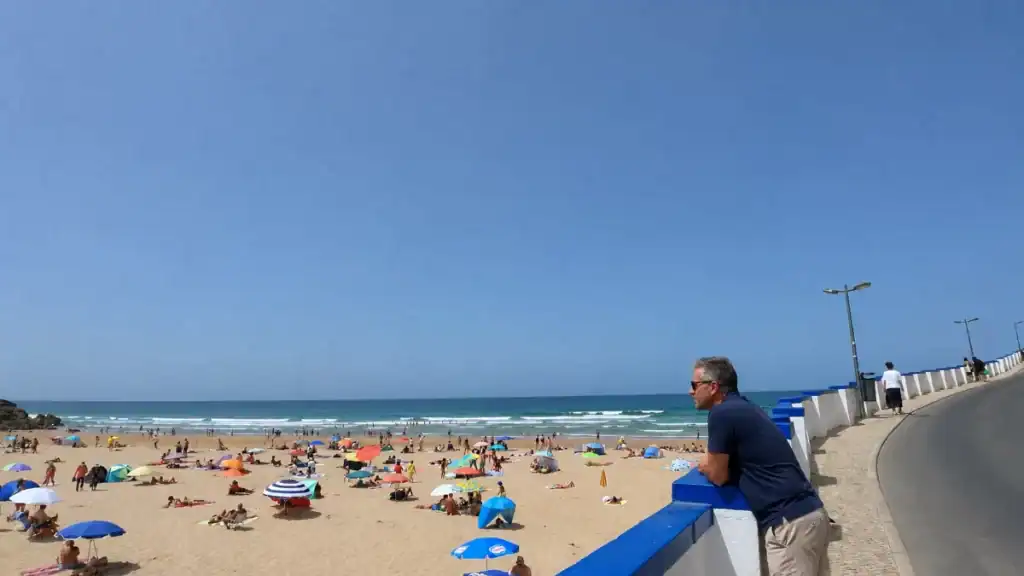
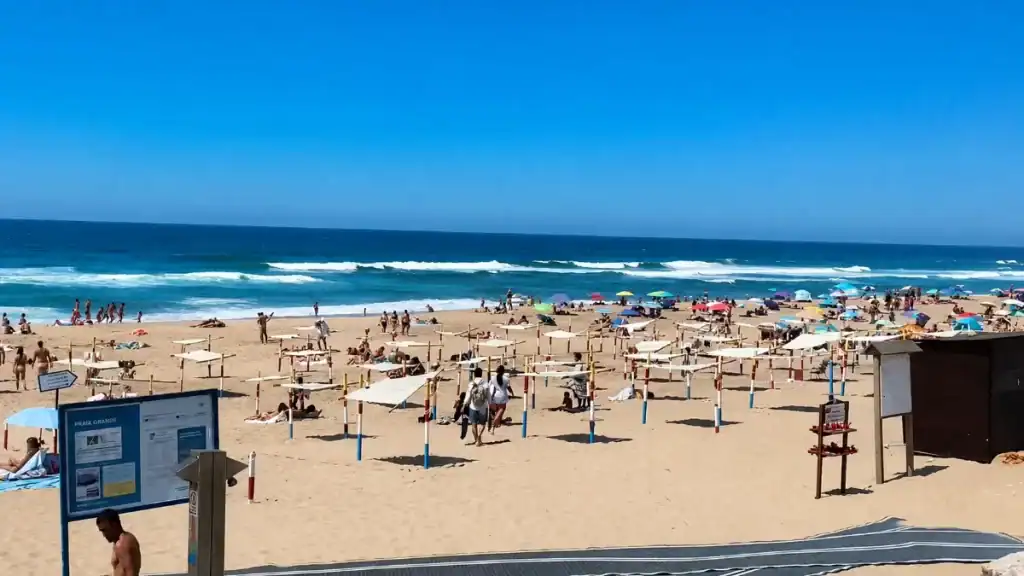
Praia Grande felt bigger and wilder than the nearby coves because of its scale and exposure. The first thing I noticed was the broad sweep of sand, backed by high cliffs and an open Atlantic horizon.
That size was one of its biggest advantages for me. Even during busy summer periods, there is considerably more room to spread out than at many of the smaller beaches nearby.
I Would Arrive Earlier on a Summer Weekend
Praia Grande sits roughly 12 kilometres from central Sintra, and I found it straightforward to reach by car. On a summer weekend I would arrive earlier, before parking pressure starts taking some of the ease out of the visit.
I could also reach the coast by public transport from the Sintra area, although I would choose a car if I wanted the flexibility to combine several beaches.
I never saw Praia Grande as an alternative version of a sheltered cove. Its appeal came from the scale, open Atlantic horizon and cliffs enclosing the beach.
If I wanted a smaller and more picturesque coastal setting, I would choose Azenhas do Mar. When I wanted broad sand, room to walk, surf and several hours beside the sea, Praia Grande made more sense.
| If I wanted… | My choice | Why |
|---|---|---|
| 🌊 Big Atlantic scenery | ✅ Praia Grande | Wide sand, cliffs and open horizon |
| 🏊 Calmer swimming | 💧 Arribas Ocean Pool | Saltwater without the full Atlantic swell |
| 🏘️ Seaside-village atmosphere | 🚋 Praia das Maçãs | Beach, cafés, river and old tram |
| 📷 A scenic coastal stop | 🏠 Azenhas do Mar | Clifftop village setting |
| 😌 Sheltered sea swimming | ⚠️ Look elsewhere | Praia Grande is exposed to wind and swell |
🏊 The Saltwater Pool Changed How I Judged the Beach
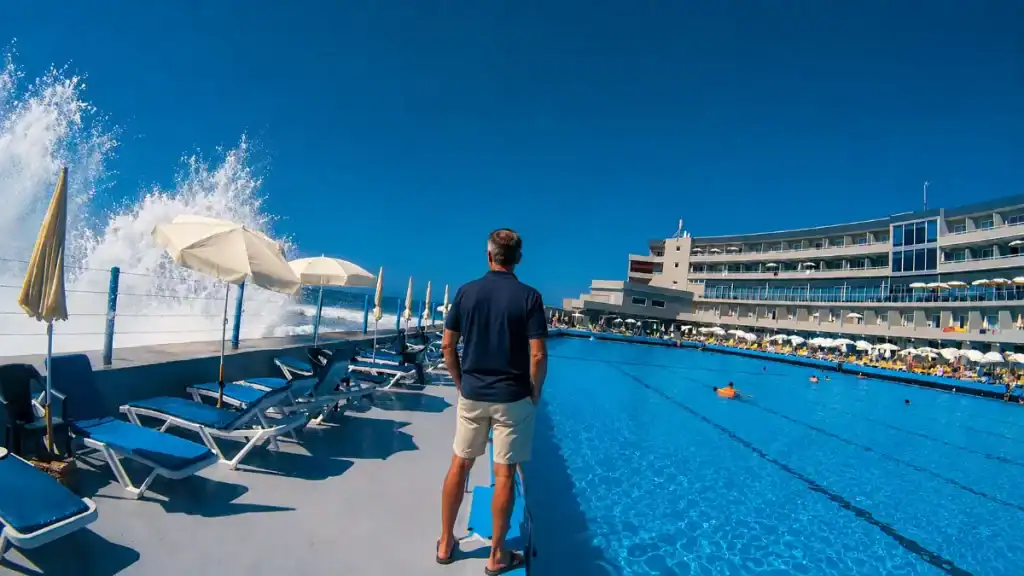
The Arribas Ocean Pool changed how I judged Praia Grande because it gave me a calmer swimming option without losing the Atlantic setting. The 100-metre saltwater pool sits directly beside the ocean.
I liked having the same seawater setting without the force of the open ocean. The shallow section for children also makes the pool particularly useful for families when the Atlantic swell is too strong for comfortable swimming.
At one end of the beach, beside the Arribas Sintra Hotel, I found a more developed setting than on the long open stretch of sand beyond.
For me, the pool significantly broadened Praia Grande’s appeal. I could enjoy the scenery of an exposed Atlantic beach without depending on the open sea being comfortable enough for a relaxed swim.
🌊 Quick choice: come for surf and Atlantic scale; use the saltwater pool when calmer swimming matters.
🌊 I Would Come for the Atlantic, Not Gentle Swimming
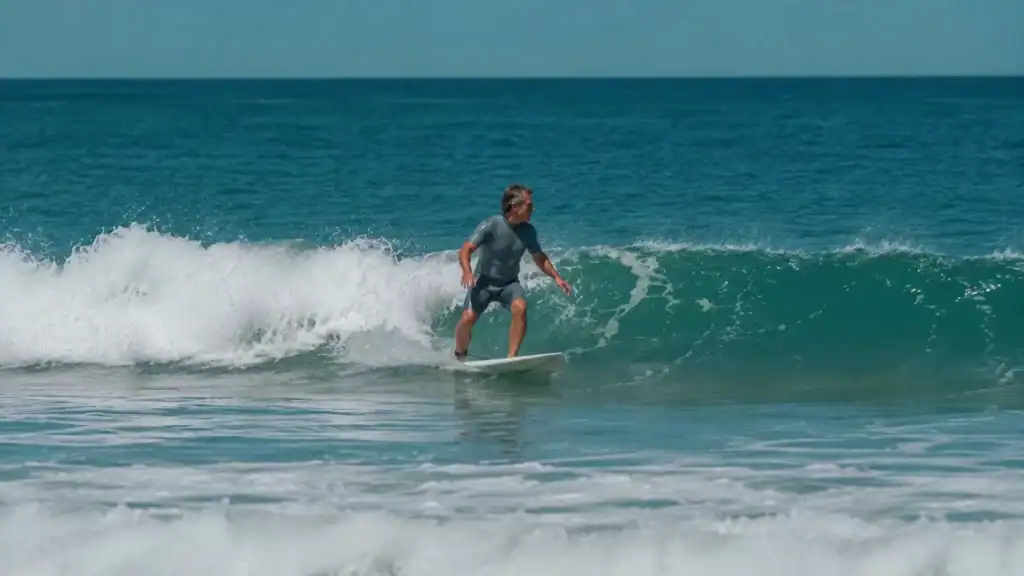
I would come to Praia Grande for the Atlantic rather than gentle sea swimming. Its exposed position brings reliable swell, and surfers and bodyboarders are a natural part of the beach.
I found surf schools operating during the warmer months, while experienced surfers use the beach across a much wider part of the year.
The Same Waves Can Work Against Casual Swimmers
The conditions I liked watching as part of the Atlantic setting were also the reason I would be cautious about casual swimming. Strong swell and sea breezes can produce powerful waves even when the beach itself looks inviting.
Lifeguards supervise the beach during the main season, but when the Atlantic was rough I thought the saltwater pool made much more sense for families wanting calmer water.
That distinction would decide the visit for me. I think Praia Grande is excellent for experiencing the Atlantic, but I would choose somewhere else if gentle sea swimming were my main priority.
🦖 I Would Treat the Dinosaur Footprints as a Bonus
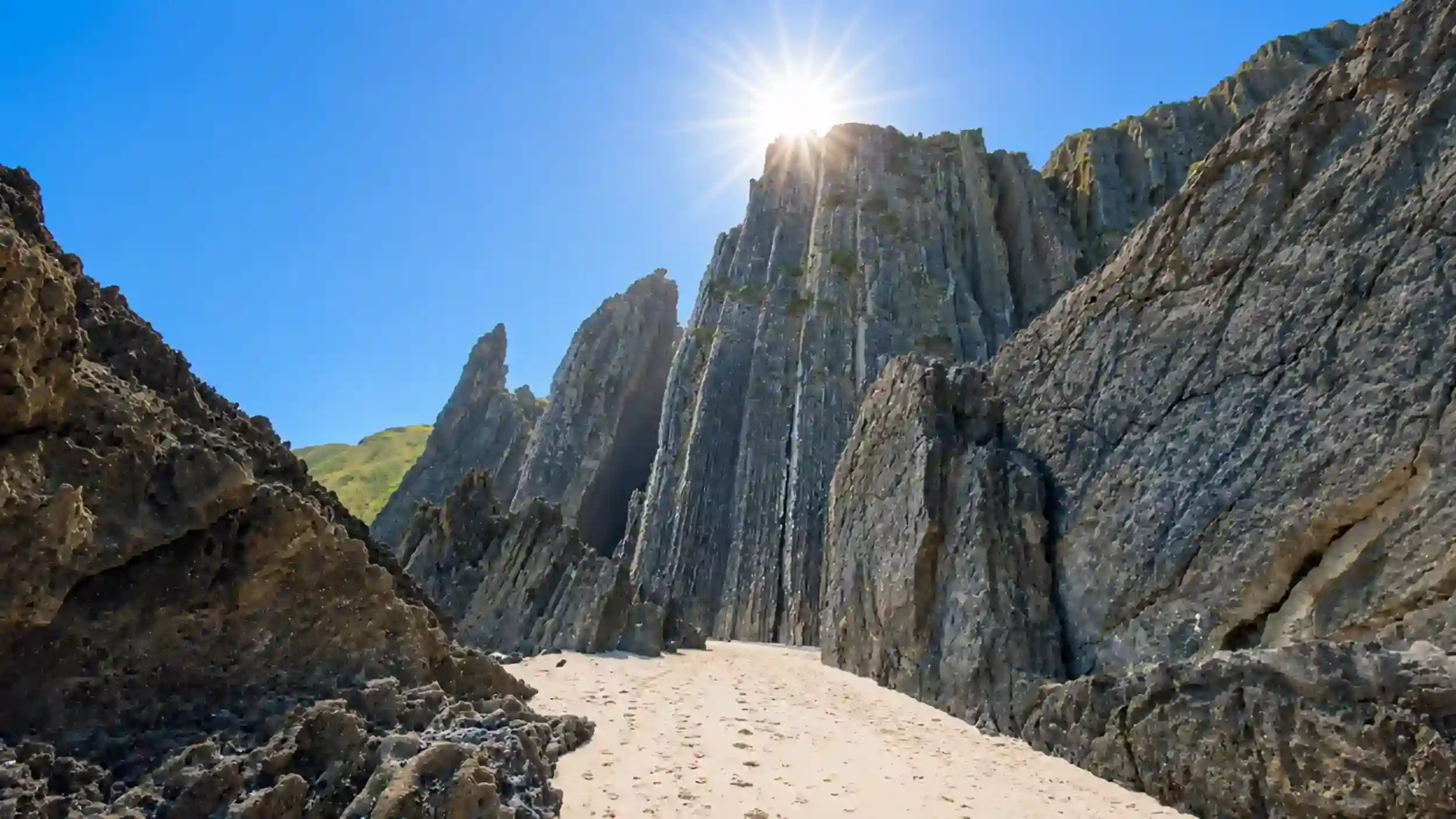
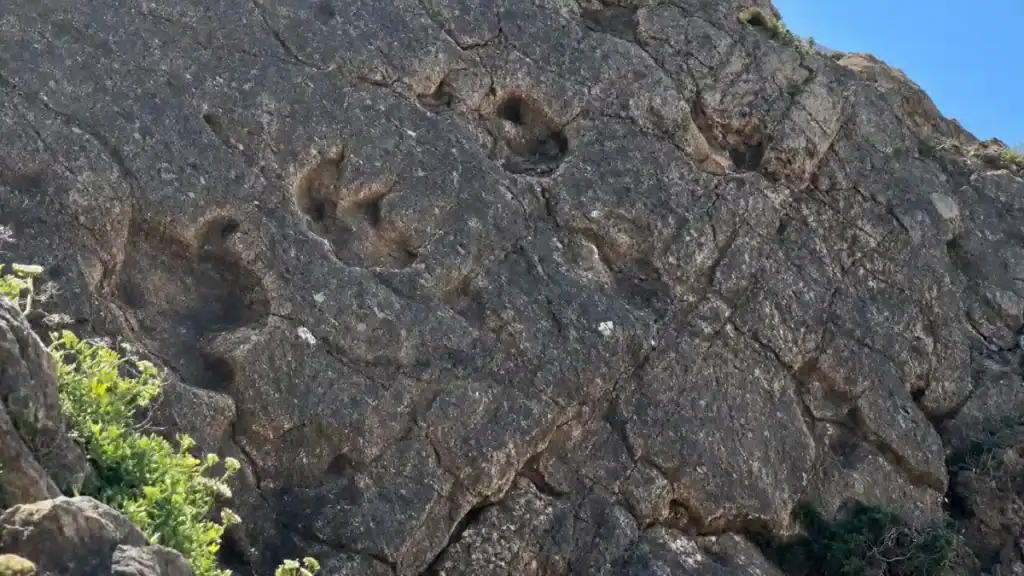
I would treat the dinosaur footprints as a bonus rather than the reason to visit Praia Grande. Finding tracks preserved in the rock at the southern end of the beach was one of the more unexpected parts of my visit.
The preserved tracks are one of the beach’s most unusual features. I could easily have overlooked them if I had arrived expecting nothing more than a beach, which is why I see them as an interesting extra rather than the main event.
Low Tide Makes the Search Easier
If seeing the footprints matters, I would allow time to walk towards the southern cliff and use the existing access rather than treating them as something visible from anywhere on the sand.
The search becomes much more specific at the southern end of the beach, where the footprints are preserved in the cliff. Knowing that before arriving avoids wandering the wrong end of a very long beach.
I would still treat the footprints as an interesting extra rather than the main reason to choose Praia Grande. The beach, Atlantic setting and surf are what determine whether the visit works.
🏖️ I Would Combine Praia Grande With a Smaller Coastal Stop
I liked Praia Grande more as part of a varied Sintra coast day, paired with a smaller stop offering a completely different experience.
To the north, Praia das Maçãs gave me more of a traditional seaside-village atmosphere. With its beach, river, cafés and old tram, I would choose it when I wanted more around me than an open stretch of sand.
Azenhas do Mar was another easy contrast, with whitewashed houses built into the cliffs above the Atlantic. I saw it more as a scenic coastal stop than as a conventional beach alternative.
That contrast is how I would plan the day: several hours at Praia Grande for space, surf and sand, then one of the smaller places nearby for village streets, viewpoints and a different side of the Sintra coastline.
🧭 Would I Choose Praia Grande Again?
Yes, I would choose Praia Grande again when I wanted space, dramatic Atlantic scenery and a beach offering more than somewhere to lie on the sand.
The saltwater pool gives families a useful alternative when the sea is too rough. I would also choose it for long walks and open views rather than the intimacy of a small cove.
For Calm Water I Would Choose Somewhere Else
I would choose somewhere else for calm sea swimming, shelter from the wind or a secluded beach. The exposure is part of Praia Grande’s character, and on rough days I found the Atlantic could dominate the whole experience.
Understanding what the different places around Sintra offer helped me put the choice into context. I would not call Praia Grande the prettiest or quietest beach on the coast, but it offered me something the smaller alternatives could not: scale.
🧭 My choice: Praia Grande is worth visiting for a large sandy beach, reliable surf, impressive cliffs and the option of calmer swimming in the saltwater pool. If I wanted a small atmospheric cove or traditional coastal village instead, I would choose another beach along the Sintra coast.