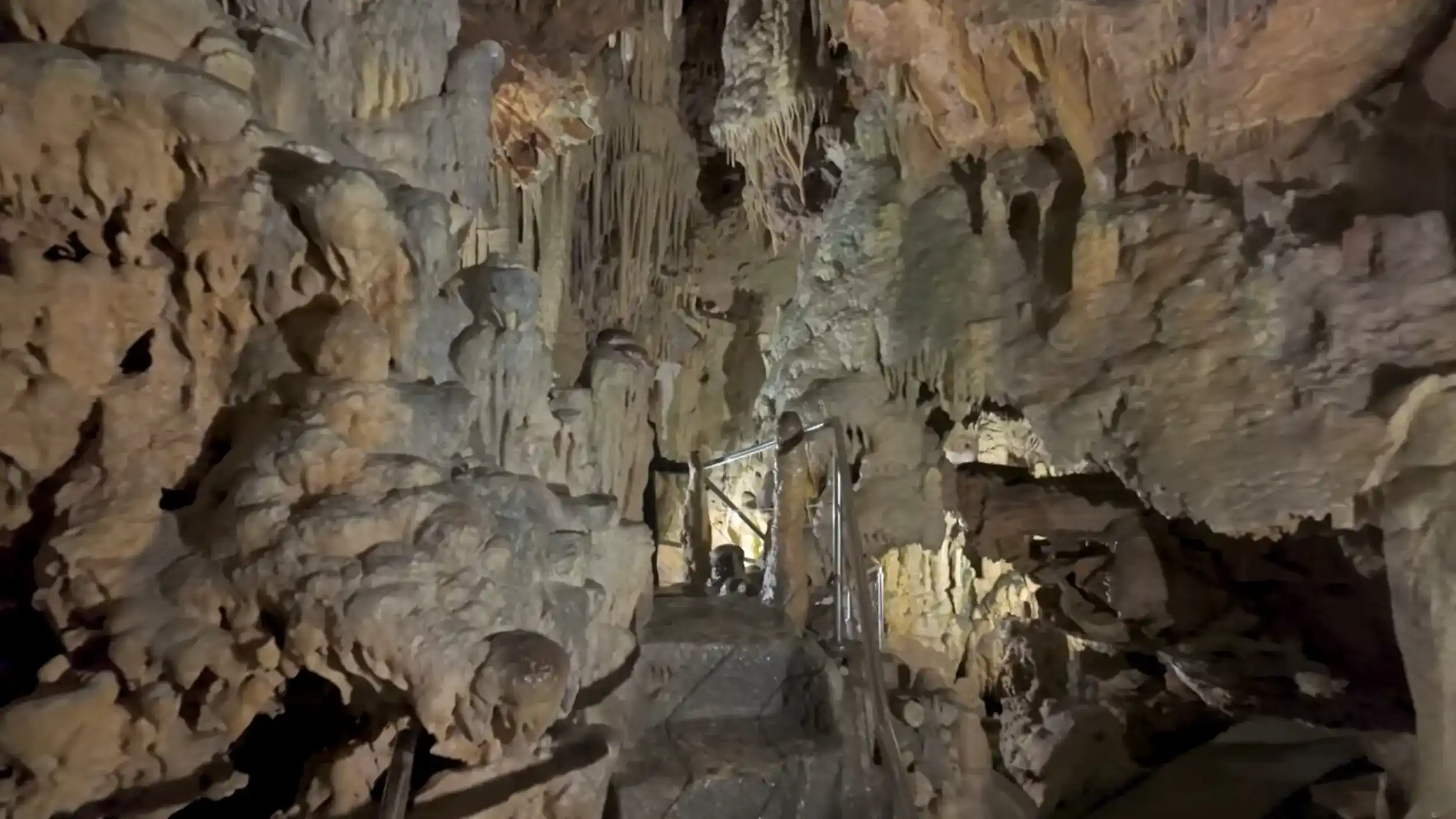
The Diros Caves combine a 1,200-metre underground boat journey with dramatic limestone chambers, cool temperatures and long summer waits, making early arrival essential.
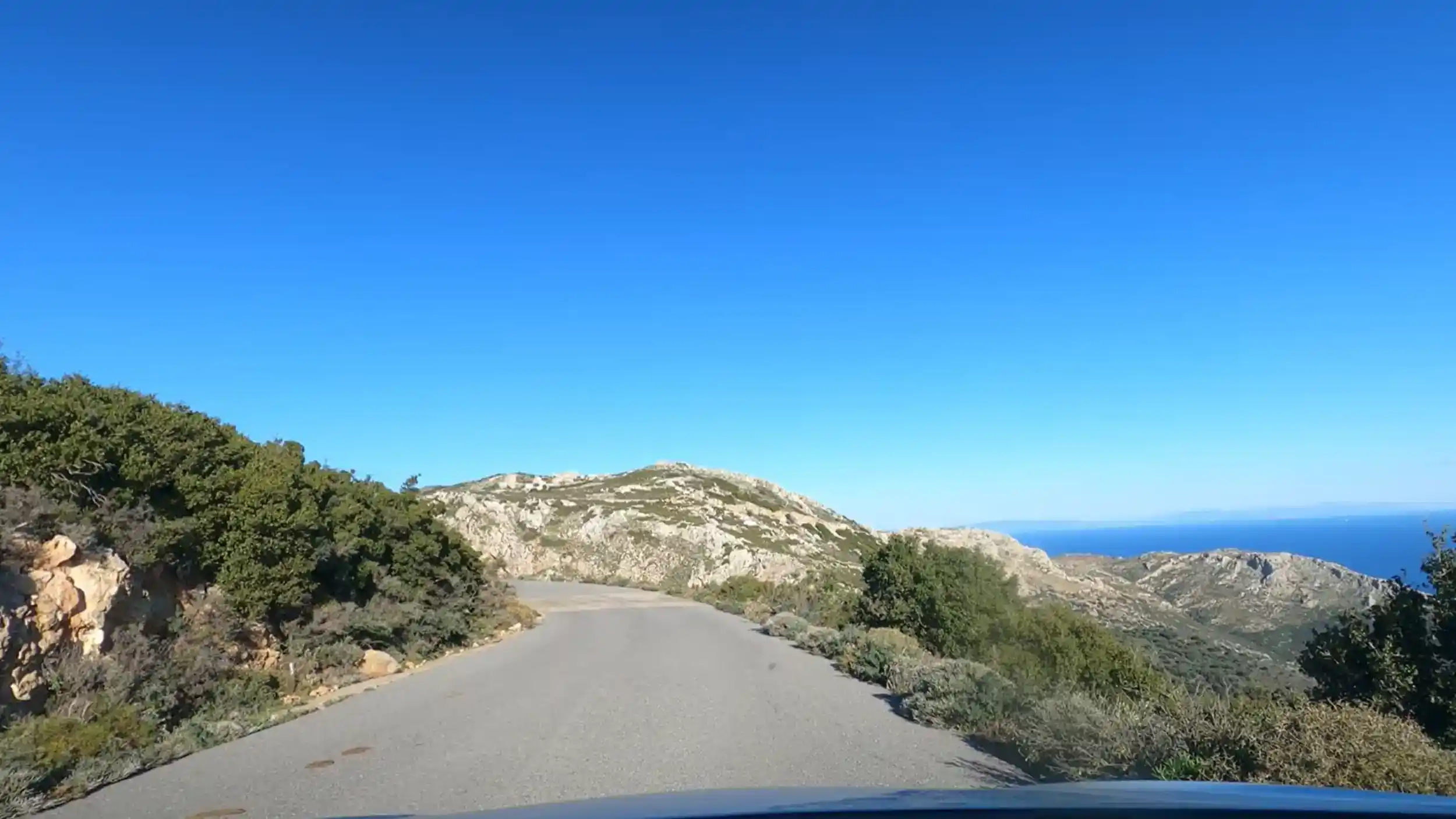
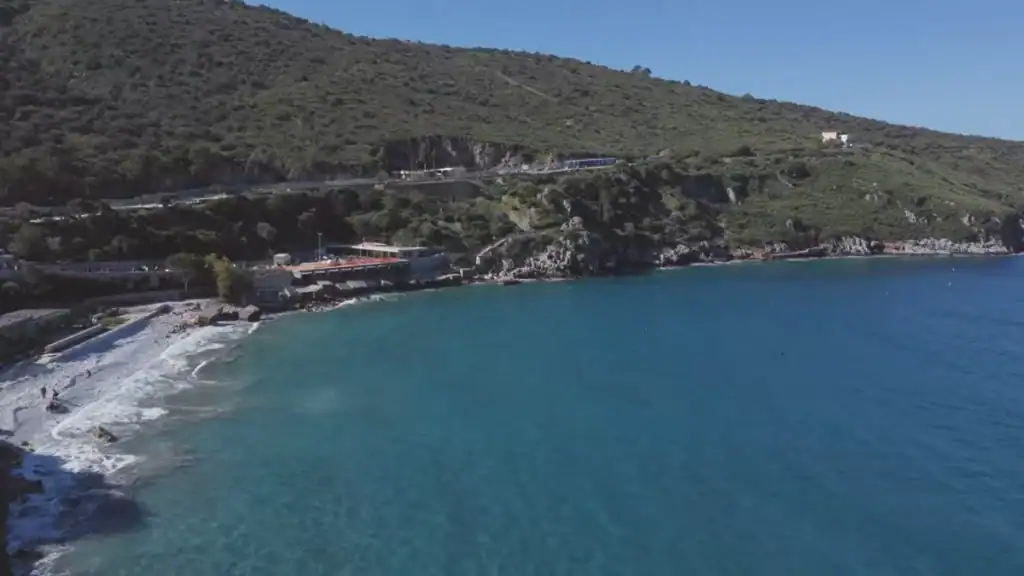
The road into this part of the Mani doesn’t ease you in. It narrows, climbs, drops, and offers views you can’t look at safely from a moving car. Then it deposits you at a small coastal flat near the village of Pyrgos Dirou that seems entirely too ordinary for what lies underneath it.
🪨 What the Diros Caves Actually Are
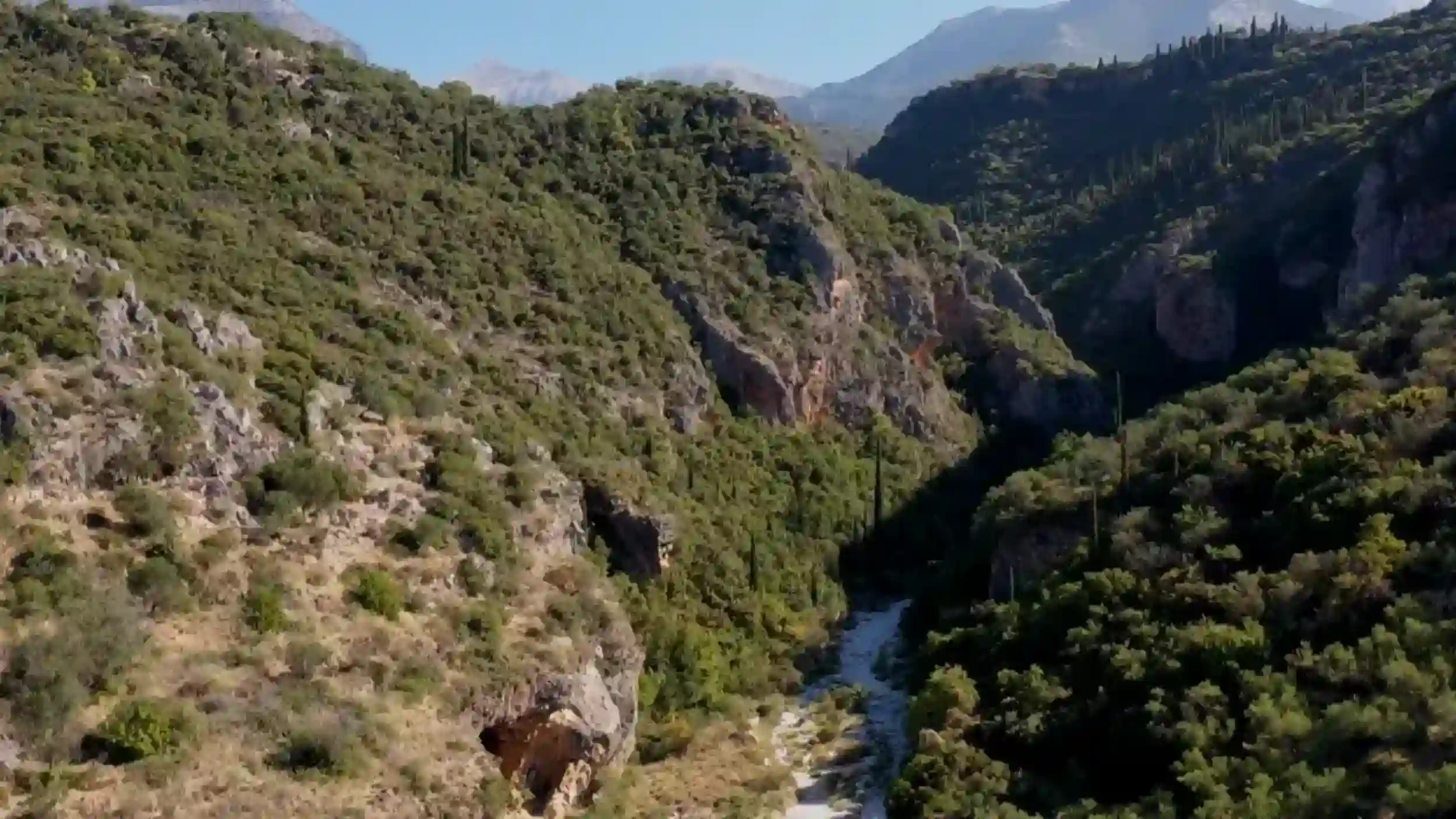
At first glance, there’s little to suggest that one of Greece’s most remarkable cave systems lies beneath the rocky landscape near Pyrgos Dirou.
The entrance is modest. The scale underground is anything but.
The Diros Caves form an immense limestone cave system created over millions of years as freshwater gradually dissolved the surrounding rock before rising sea levels flooded the lower passages. Today, only part of the network is open to visitors, yet it remains one of the largest accessible cave systems in Greece.
Two Caves, Two Very Different Stories
The cave complex consists of two principal sections.
Vlychada Cave is the part open to visitors, explored mainly by boat through flooded chambers lined with spectacular stalactites and stalagmites. Alepotrypa Cave, nearby, remains an important archaeological site where excavations uncovered evidence of a thriving Neolithic settlement dating back thousands of years.
The discoveries have included:
- 🏺 Neolithic pottery and tools
- 💀 Human burial sites
- 🦴 Panther and hippopotamus bones
- 🌍 Evidence of prehistoric settlement
These finds reveal that the caves are significant not only for their geology but also for understanding early human life in southern Greece.
If you’re interested in seeing how the caves fit into the wider landscape, Guide to the Mani Peninsula: Untouched Greece explains why the Diros Caves are considered one of the peninsula’s defining experiences and how they complement the surrounding villages, coastline and historic sites.
🎟️ Arriving and Buying Tickets
Finding the Diros Caves is straightforward.
The entrance lies just outside the village of Pyrgos Dirou, where a small visitor complex provides parking, a ticket office, toilets and a café. Although the facilities are modest, they’re sufficient for most visitors before or after the tour.
The experience is organised efficiently, but it isn’t rushed.
How the Visit Works
After purchasing your ticket, you’ll join the queue for the next available boat. Groups board in order, with each flat-bottomed boat carrying a small number of visitors through the flooded passages of Vlychada Cave.
There isn’t a self-guided option. Every visit follows the same guided route and operates according to the boat schedule.
Before joining the queue:
- 🚗 Arrive as early as possible during summer
- 🎟️ Tickets are purchased on site
- ☕ Café and basic facilities are available
- 🛶 Entry is by guided boat only
- 🌤️ Shade around the entrance is limited
Outside the busiest months, the process is generally relaxed and waiting times are much shorter. During peak summer, however, arriving late in the morning can add a significant delay before your tour begins.
If you’re planning a wider trip through the region, Visiting the Mani Peninsula explains how to fit the caves into a full day of sightseeing and avoid the most common planning mistakes.
🛶 The Boat Ride Through Vlychada Cave
This is the moment most visitors remember.
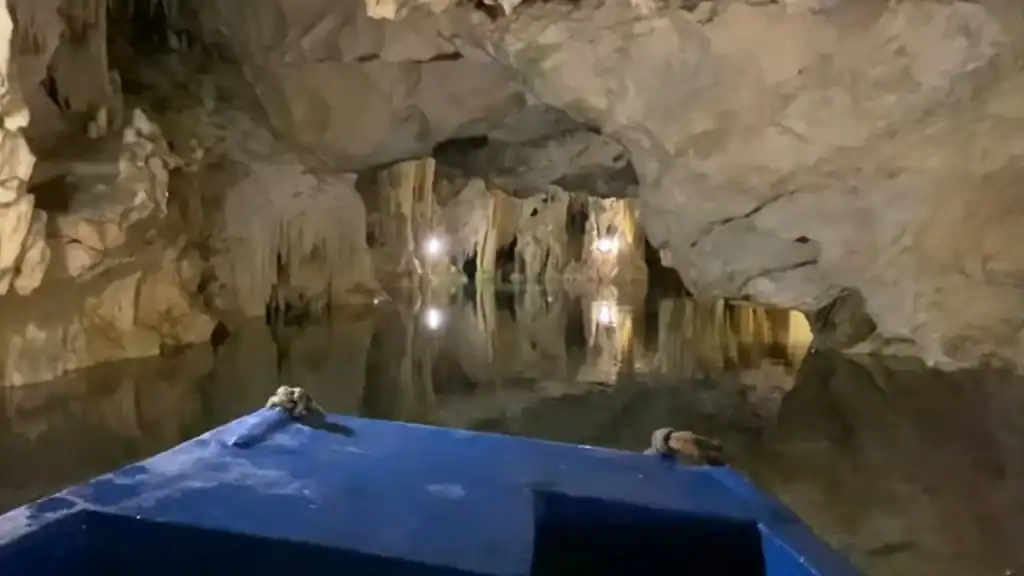
After boarding one of the small flat-bottomed boats, the daylight quickly fades as the route enters the flooded passages of Vlychada Cave. Almost immediately, the temperature drops and the limestone formations begin to surround you.
It’s an experience that feels surprisingly peaceful.
What You’ll See Along the Way
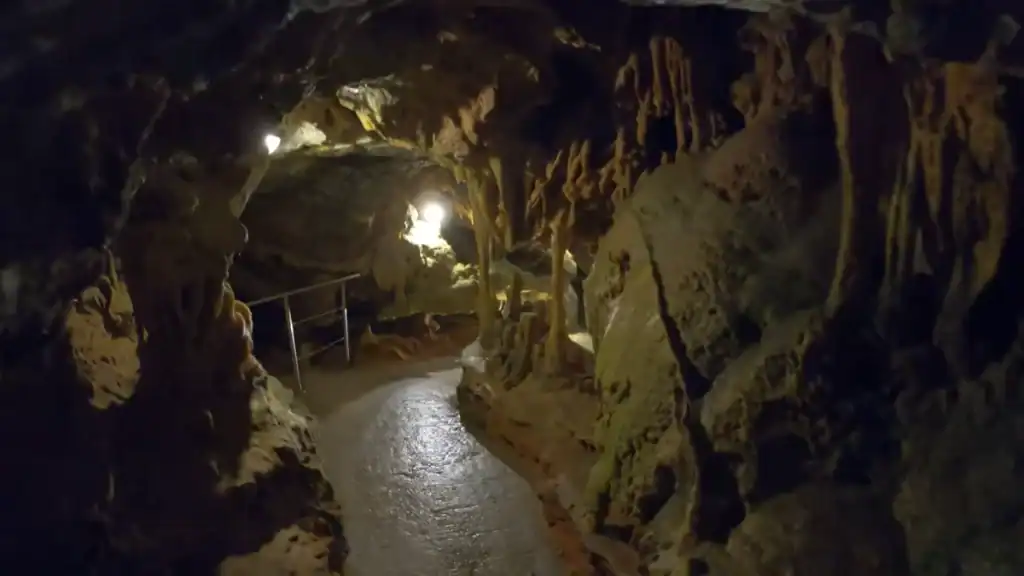
The underground route covers approximately 1,500 metres, with around 1,200 metres travelled by boat before a short walking section completes the visit.
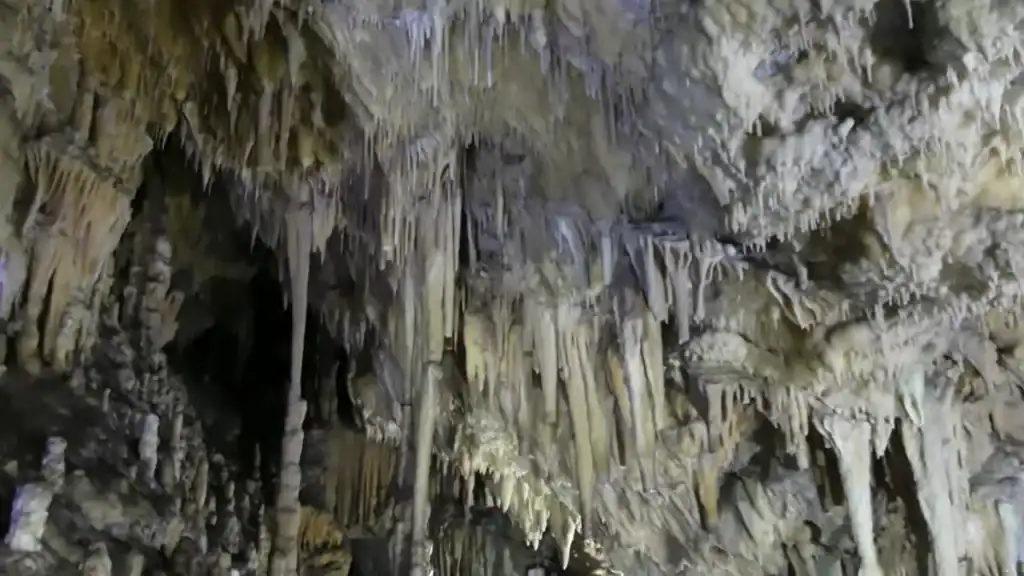
The scenery changes constantly. Some chambers are vast enough to resemble underground halls, while others narrow dramatically, bringing the boat close to the rock formations that have been growing for hundreds of thousands of years.
Highlights include:
- ✨ Dense stalactite ceilings
- 🪨 Towering stalagmites
- 🌸 Delicate pink mineral formations
- 💧 Crystal-clear underground water
- 🏛️ Huge limestone chambers
The guide points out many of the cave’s best-known formations throughout the journey, although the scale is often more impressive than the individual names. Most visitors spend the tour simply looking upwards.
Stepping back into the daylight at the end of the route is almost as memorable as entering. After forty-five minutes underground, the bright Mediterranean sunshine feels surprisingly intense.
If you’re exploring more of the region afterwards, Hiking the Mani Peninsula: Stone Paths and Silent Gorges shows how the dramatic limestone landscape above ground complements the remarkable cave system hidden beneath it.
⏰ Waiting Times and When to Arrive
The caves themselves rarely disappoint.
The queue is the part that catches people out.
Because every visit takes place by guided boat and the number of passengers per departure is limited, waiting times can increase quickly during the busiest months. Understanding that before you arrive makes the experience far less frustrating.
When Is the Best Time to Visit?
If you’re visiting between June and early September, aim to arrive before 10:00 am. Early arrivals usually experience the shortest waits and avoid standing outside during the hottest part of the day.
Later in the morning, particularly during school holidays, waiting times of one to two hours aren’t unusual.
| Arrival Time | What to Expect |
|---|---|
| 🌅 Before 10:00 | Shortest queues and cooler temperatures |
| ☀️ 10:00 to 12:00 | Increasing demand |
| 🔥 After midday (summer) | Longest waits and strongest heat |
| 🍂 Spring & Autumn | Generally much quieter |
The wait isn’t necessarily wasted. There’s a small café nearby, coastal views and enough space to relax before boarding, provided you’ve allowed enough time in your itinerary.
If you’re travelling during the warmer months, Summer in the Mani Peninsula explains how to plan sightseeing around the heat, helping you combine the caves with other attractions while avoiding the busiest part of the day.
👀 What Visitors Consistently Notice
Most people leave the Diros Caves talking about the same things.
Not the queue or the ticket price, but the unexpected scale of the chambers, the silence between the guide’s commentary and the feeling of emerging into daylight after almost an hour underground.
Some experiences stay with you longer than others. This is one of them.
The Things That Surprise People Most
The first surprise is usually the size of the cave system. Photographs rarely convey the height of the chambers or the distance the boat travels beneath the limestone hills.
Colour is another unexpected feature. Rather than endless shades of grey, the formations shift between white, cream and soft pink, with light reflecting gently from the still water below.
Visitors also frequently mention:
- 🌸 Pink mineral formations
- 🏛️ Cathedral-like chambers
- 💧 Mirror-like reflections on the water
- 🛶 The peaceful pace of the boat ride
- 🌞 The dramatic return to daylight
One aspect worth knowing beforehand is that the experience is entirely guided. The boat follows a fixed route, so there’s little opportunity to pause or spend longer admiring individual formations. Most visitors simply relax, look around and enjoy the journey as it unfolds.
If the caves inspire you to explore more of the peninsula, Guide to the Mani Peninsula: Untouched Greece introduces the villages, coastline and historic landscapes that make the surrounding region every bit as memorable as the caves themselves.
📍 Combining the Caves With Nearby Stops
The Diros Caves are easy to visit on their own.
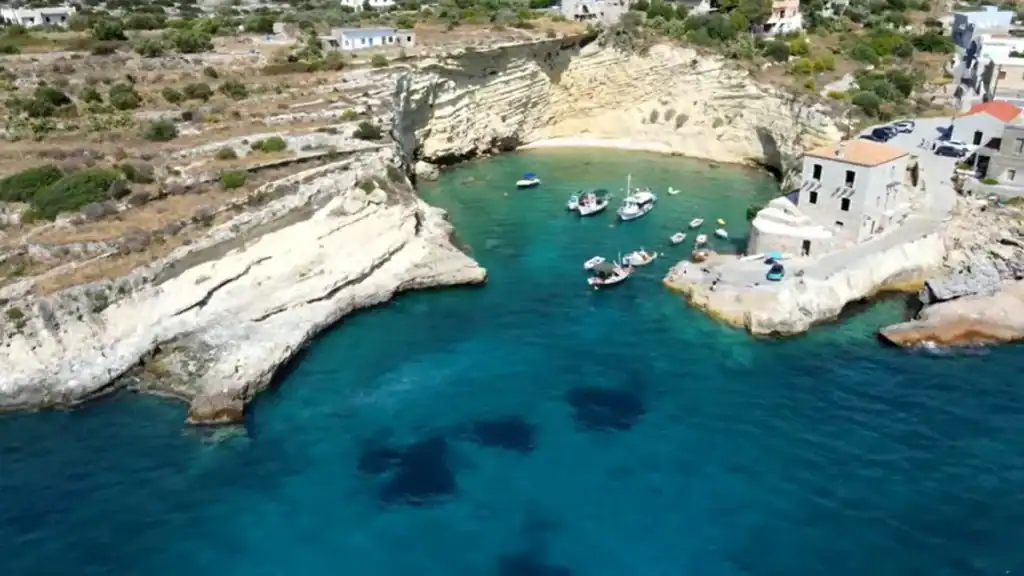
They’re even better as part of a full day exploring the central Mani. The surrounding coastline, historic villages and quiet swimming spots are all within a short drive, making it simple to combine several experiences without spending hours in the car.
Build a Relaxed Day Around the Caves
A popular approach is to visit the caves early, before the queues grow, then spend the afternoon exploring nearby villages or enjoying lunch beside the sea.
| Nearby Stop | Why Visit? |
|---|---|
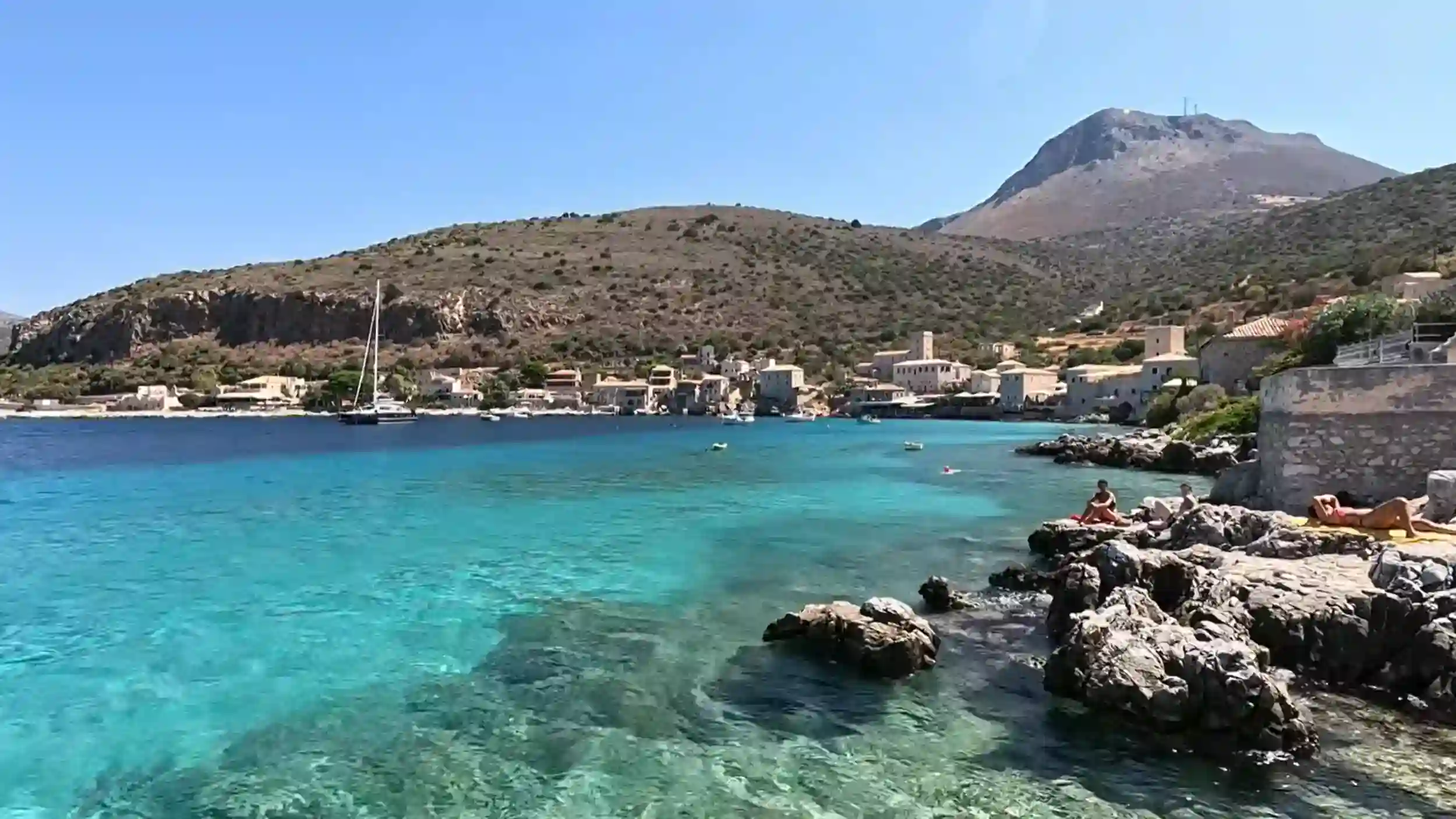
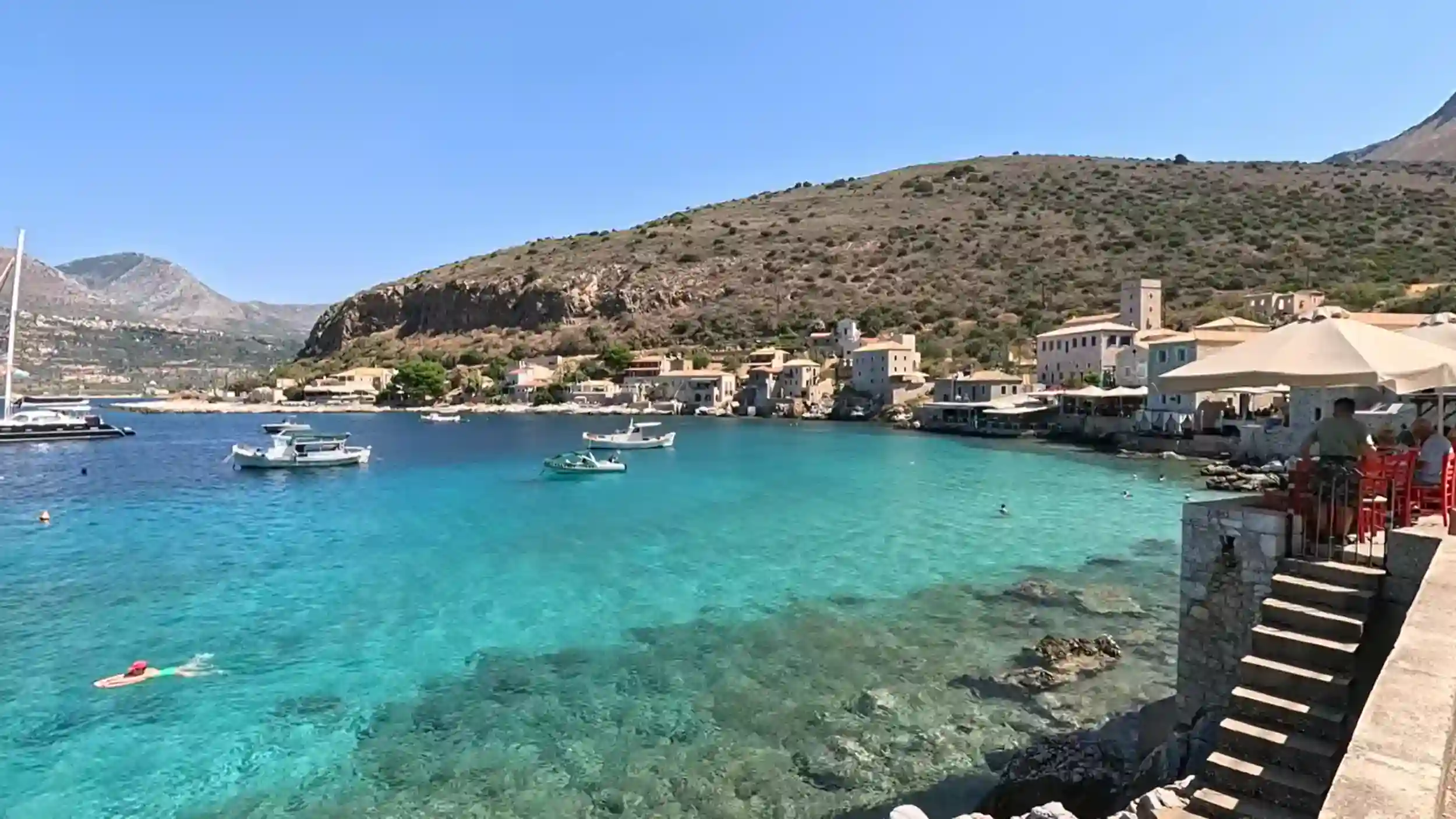
| 🌊 Limeni | Waterside tavernas and crystal-clear swimming |
| 🏛️ Areopoli | Historic streets, cafés and tower houses |
| 🏖️ Mezapos | Quiet bay and excellent swimming |
| 🚗 Gerolimenas | Scenic drive and traditional fishing village |
Allowing a full day also gives you flexibility. If the caves are busier than expected, you won’t feel pressured to rush away immediately afterwards.
The Diros Caves work particularly well as part of a two or three-day stay in the Mani Peninsula rather than a quick stop on a much longer itinerary. The surrounding villages and coastline deserve time in their own right.
If you’re deciding how to structure your visit, Guide to the Mani Peninsula: Untouched Greece explains how the caves fit into a wider tour of the region, while Hiking the Mani Peninsula: Stone Paths and Silent Gorges explores the ancient trails and landscapes that surround this remarkable underground world.