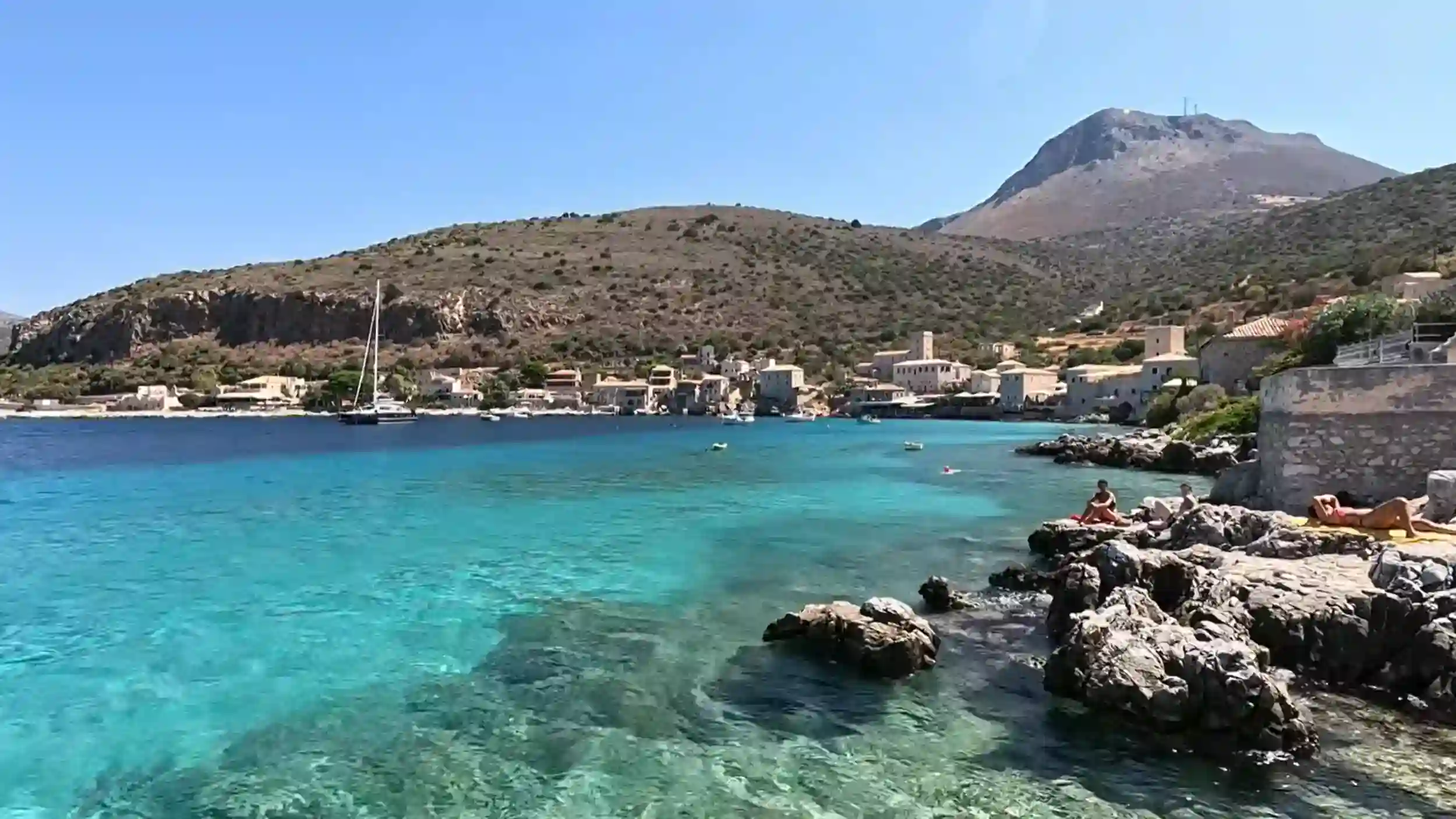
Summer in the Mani Peninsula brings intense heat, long daylight hours and a slower daily rhythm, making early mornings, shaded afternoons and late evenings the key to enjoying the region comfortably.
☀️ Why Summer Here Feels Different From Other Parts of Greece
Summer arrives with real intensity in the Mani.
Unlike many Greek destinations where beaches, trees and resort infrastructure soften the hottest months, the Mani remains unapologetically exposed. Limestone hills reflect the sun, vegetation is sparse across much of the peninsula and long stretches of coastline offer little natural shade.
The landscape doesn’t fight the heat. It amplifies it.
Geography Shapes the Experience
The peninsula extends deep into the Mediterranean, surrounded by sea on three sides yet dominated by rugged mountains inland. This unusual combination creates spectacular views but also leaves much of the region open to direct sunlight throughout the day.
By mid-morning, the brightness alone becomes part of the experience.
It’s a Dry Heat, But Still Demanding
Visitors often describe the climate as comfortable because of the low humidity.
That’s partly true. The air usually feels dry rather than sticky, but temperatures regularly climb into the mid-30s°C during July and August. Walking through exposed villages or hiking without shade quickly becomes tiring, even for travellers accustomed to Mediterranean summers.
| Typical Summer Conditions | |
|---|---|
| 🌡️ Temperature | Frequently 32–37°C |
| ☀️ Sunshine | Long, cloudless days |
| 🌿 Shade | Limited away from villages |
| 🌊 Sea | Warm enough for daily swimming |
The contrast with greener parts of Greece is striking. Here, the mountains, stone towers and pale cliffs reflect the sunlight instead of absorbing it, giving the landscape a bright, almost sculpted appearance that feels uniquely Mani.
📍 Planning note
Many travellers find that spring and autumn offer a gentler introduction to the region, while summer rewards those who adapt to its rhythm rather than trying to ignore it.
🕰️ How the Heat Structures the Day
Summer in the Mani isn’t simply hot.
It changes how the entire day unfolds. Visitors who quickly adjust their routine often discover they see more, enjoy more and finish each day feeling far less exhausted than those trying to keep a normal sightseeing schedule.
The locals settled on this rhythm generations ago for good reason.
Early Morning Is Your Opportunity
The coolest hours arrive shortly after sunrise, when villages are beginning to wake and the coastline is still quiet.
This is the ideal time for walking, photography and exploring historic settlements such as Vathia or Areopoli before the temperature climbs. Even popular coastal paths feel completely different before nine o’clock.
Midday Belongs Indoors
By late morning, the intensity of the sun becomes difficult to ignore.
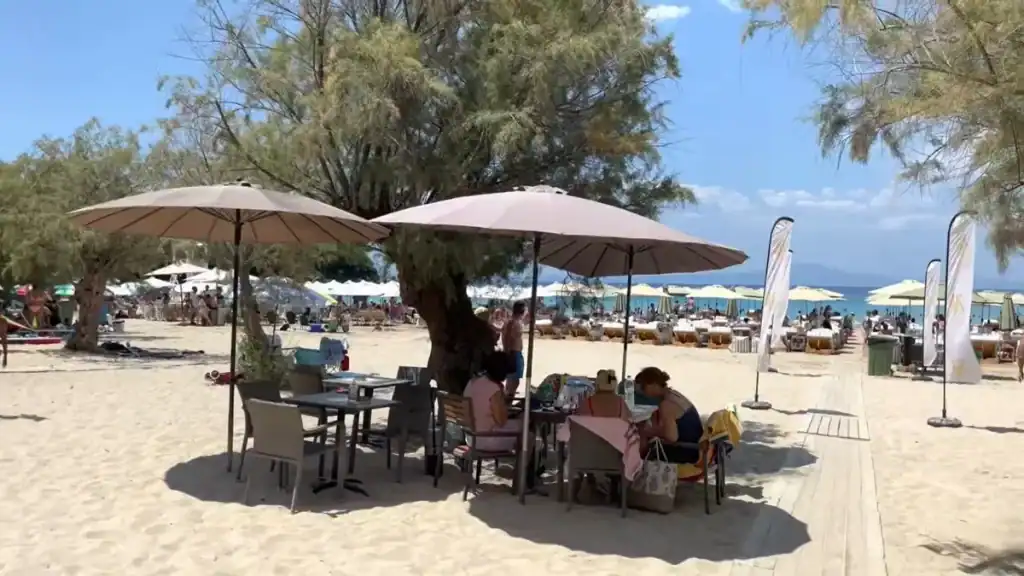
Outdoor cafés empty, village streets become noticeably quieter and many visitors naturally retreat for lunch, a swim or a break in the shade. Rather than seeing this as lost time, it’s better viewed as part of the Mani’s daily rhythm.
If you’re hoping to explore the peninsula on foot, this is the point where most experienced walkers stop. The exposed limestone reflects heat, shade is scarce and even short routes become far more demanding than they appear. That’s why Hiking the Mani Peninsula: Stone Paths and Silent Gorges recommends setting out early rather than trying to push through the middle of the day.
Don’t try to fight the climate.
Plan your most active sightseeing before 10:00 am or after 6:00 pm, when both the temperature and the light become much more comfortable.
A Different Kind of Afternoon
The hottest part of the day often works surprisingly well for slower activities.
- 🏖️ Swimming in sheltered bays
- 🍽️ Long lunches overlooking the sea
- ☕ Relaxing in shaded cafés
- 📖 Returning to your accommodation for a break
For many visitors, this naturally becomes beach time. The sea offers the quickest relief from the heat, while the peninsula’s pebble coves remain refreshingly clear throughout summer. If you’re deciding where to spend those quieter afternoon hours, Mani Peninsula Beaches: Where People Actually Go compares the lively northern beaches with the quieter coves further south.
By early evening the temperature eases, the villages begin to come alive again and the second half of the day can begin.
🌇 What Evenings Actually Deliver
The Mani changes character as the sun begins to fall.
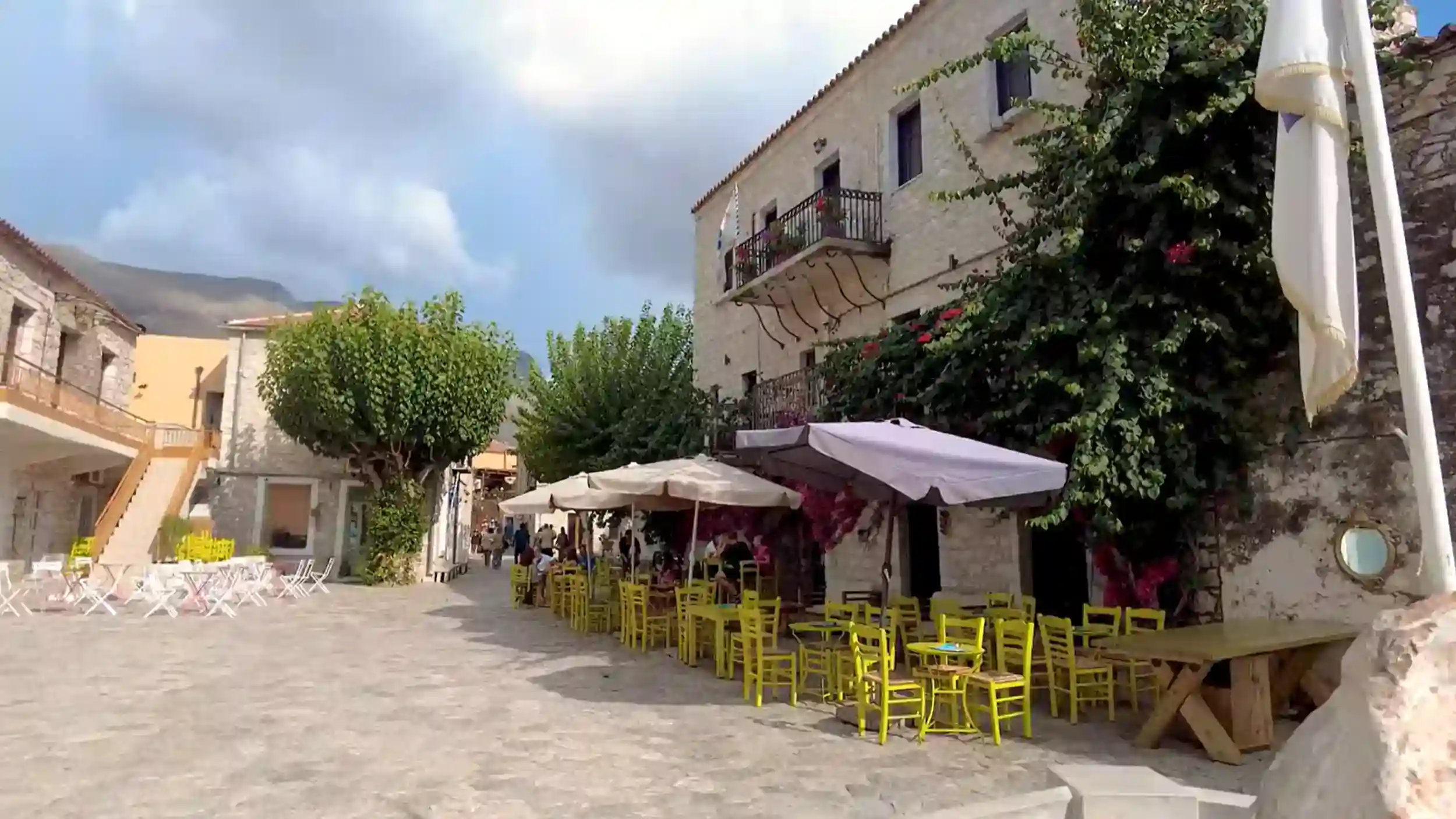
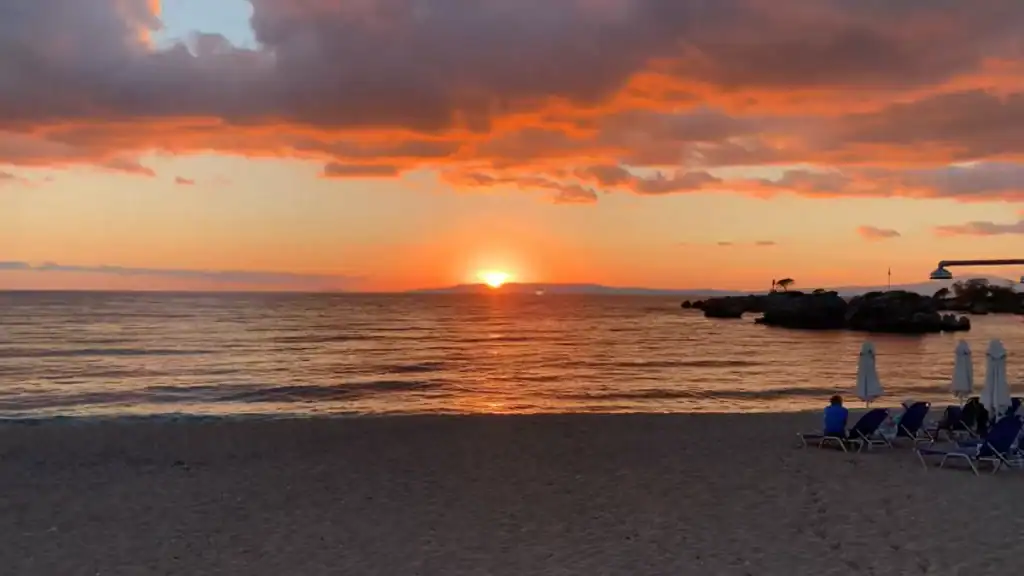
Places that seemed almost deserted during the afternoon slowly come back to life. Shutters reopen, cafés fill, conversations drift into the streets and the pace becomes noticeably more relaxed. It often feels as though the day is starting again rather than ending.
The Return of the Villages
By early evening, the heat finally begins to ease.
Residents emerge, visitors return from the coast and the old stone villages regain the atmosphere that can feel absent during the middle of the day. Areopoli, Kardamyli and Limeni all develop a completely different energy after six o’clock.
Dinner rarely feels rushed.
Why Meals Start Later
If you’re used to eating at six or seven, you’ll quickly notice you’re ahead of everyone else.
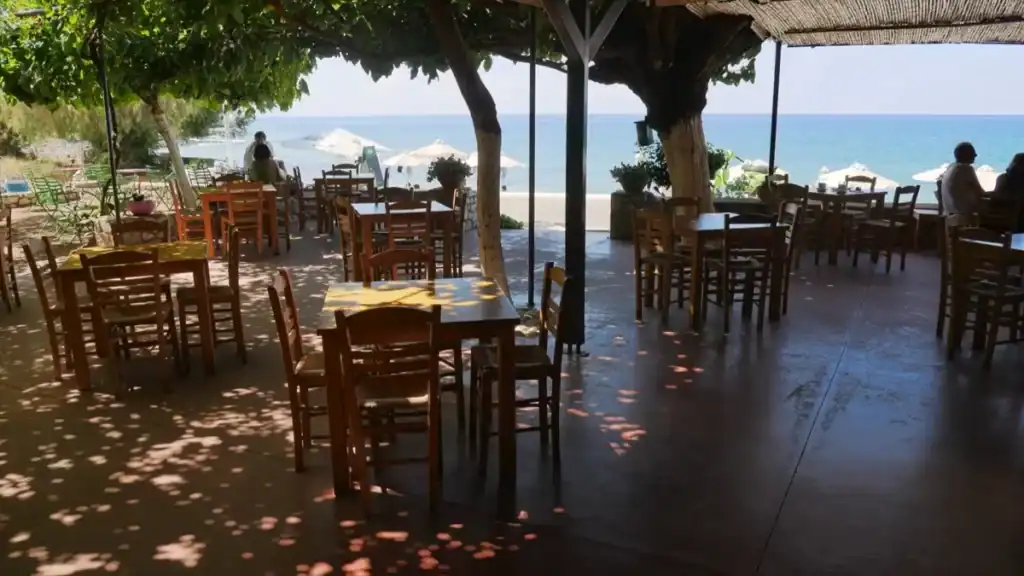
Many tavernas become busiest after eight-thirty, when the temperature is finally comfortable enough for long outdoor meals. It’s a good time to slow down, try local dishes and simply enjoy watching village life unfold around you.
One of the pleasures of the season is that daylight lasts well into the evening, giving you plenty of time to explore before sitting down to eat.
Summer rewards those who slow their pace.
Rather than squeezing everything into the morning, the Mani offers a second opportunity to explore once the heat begins to fade.
The softer evening light also transforms the villages. Stone buildings take on warmer tones, shadows lengthen across the narrow streets and photographers often head back to places they visited earlier in the day because the atmosphere is completely different. That change is especially noticeable if you’ve been exploring by car, as many of the peninsula’s coastal viewpoints become far more dramatic during the final hours of daylight.
After dinner, many visitors simply stroll along the waterfront or through the old streets instead of returning immediately to their accommodation. The slower pace is one of the reasons summer in the Mani Peninsula feels so different from a typical beach holiday.
🎨 The Light and What It Does to the Landscape
Summer sunlight doesn’t simply illuminate the Mani.
It reshapes it.
The same village can feel almost harsh at midday, then completely different just a few hours later as the angle of the sun softens and the stone begins reflecting warm amber and honey-coloured tones instead of bright white.
Morning Rewards Early Explorers
Shortly after sunrise, the peninsula is at its quietest.
Tower houses, churches and mountain villages emerge from long shadows, while the sea often appears almost glass-like before the afternoon breeze develops. It’s one of the best times for photography, but also for simply appreciating how empty the landscape can feel.
Midday Flattens Everything
As the sun climbs higher, contrast increases dramatically.
Colours become washed out, shadows disappear and even spectacular viewpoints can feel less impressive than they did only a few hours earlier. This is one reason experienced visitors often avoid sightseeing during the middle of the day, saving museums, long lunches or time by the sea until the light improves.
The Golden Hour Is Worth Planning Around
The final hours before sunset transform the peninsula once again.
Stone villages such as Vathia and Areopoli glow with warm colours, while the cliffs above the sea become richer and more textured. Even familiar roads feel different when the landscape begins catching the lower evening light instead of the overhead sun.
Photographers aren’t the only people who benefit. Many visitors naturally find themselves lingering longer at viewpoints simply because everything feels calmer.
If you’re driving between villages, try to leave enough flexibility in your schedule to stop when the light is at its best rather than when your itinerary says you should arrive. It’s one of the simplest ways to experience a side of the Mani that many day-trippers never see.
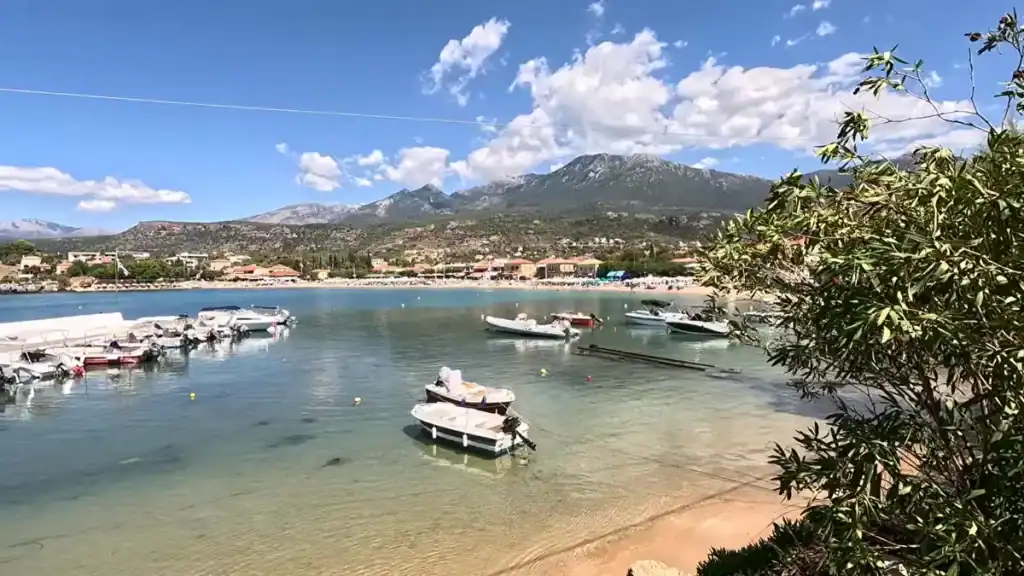
🌊 The Sea in High Summer
The sea becomes more than somewhere to swim.
By the middle of a Mani summer, it becomes part of the day’s rhythm. After hours of dry heat and bright limestone reflecting the sun, stepping into clear Mediterranean water feels less like an activity and more like a reset before the evening begins.
Warm Water From Morning Until Sunset
Unlike early spring, there’s no hesitation about getting in.
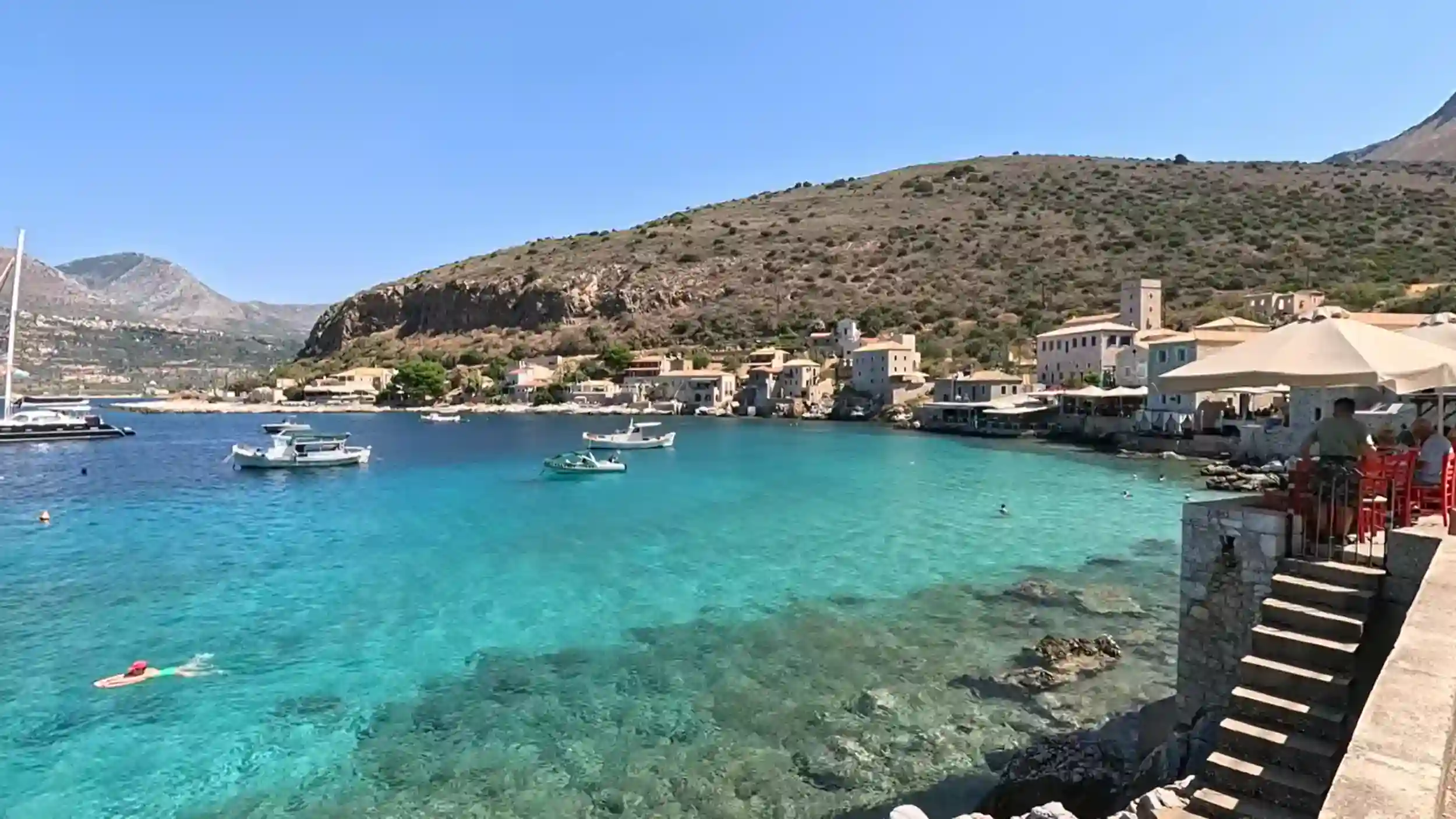
By July the sea has warmed enough for long swims, snorkelling and relaxed afternoons in the water. Even towards sunset, temperatures remain inviting, encouraging many visitors to return for a second swim before dinner.
Not Your Typical Beach Holiday
The Mani’s coastline asks for different expectations.
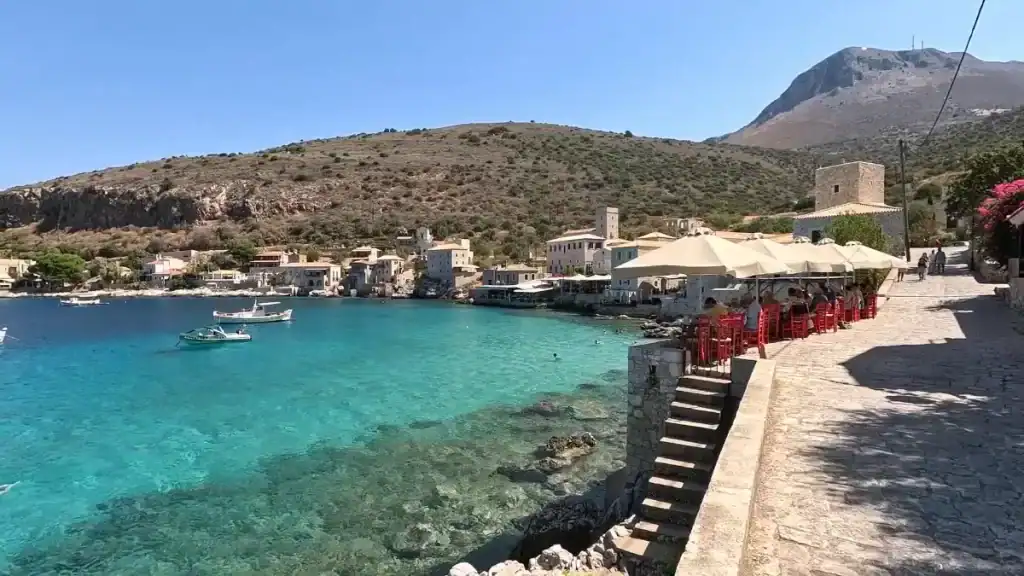
Rather than long expanses of imported sand and organised resorts, you’ll find pebble coves, rocky shelves and fishing villages where people enter the sea from stone steps or natural rock platforms. That’s exactly what gives the coastline its distinctive character.
Visitors looking for the peninsula’s sandy beaches, quieter swimming spots or dramatic coves will find them in Mani Peninsula Beaches: Where People Actually Go, which compares the very different experiences found along the western and southern coast.
The Afternoon Escape
Swimming also solves a practical problem.
While walking, sightseeing and driving become increasingly demanding during the hottest hours, the sea offers immediate relief. Many visitors naturally build their afternoons around it before returning to villages that gradually come back to life as the temperature begins to fall.
The result is a summer routine that feels remarkably balanced once you stop trying to fit everything into the middle of the day.
🧳 Practical Realities for Visitors Arriving in the Warmer Months
Summer may be the busiest season, but the Mani never feels like a typical resort destination.
Its geography naturally spreads visitors across dozens of villages, beaches and inland roads, so even during July and August it’s usually possible to escape the busiest areas with only a short drive.
Booking Ahead Matters
Accommodation is the first thing that changes.
Small guesthouses and boutique hotels often fill weeks or even months in advance, particularly around Kardamyli, Stoupa and Limeni. If you already know your travel dates, reserving early gives you the best choice rather than simply what’s left.
Restaurants in popular villages also become noticeably busier during the evening.
Travel Takes Longer Than You Think
Peak season doesn’t just affect accommodation.
The combination of warmer weather, sightseeing stops and slower-moving traffic means journeys often take longer than navigation apps predict. Allowing extra time keeps the day enjoyable instead of feeling rushed.
Travellers hiring a car for the first time in the region often underestimate this. Driving in the Mani Peninsula: Roads, Turns and What to Expect explains why shorter distances rarely translate into short journey times.
Small Adjustments Make a Big Difference
A few simple habits make summer travel considerably easier.
- 💧 Carry more water than you think you’ll need.
- 🧴 Reapply sunscreen regularly.
- 🧢 Wear a hat whenever you’re away from the coast.
- 📱 Download offline maps before exploring remote areas.
- 🕗 Start early and leave flexibility in your plans.
Visitors who adapt to the peninsula rather than trying to maintain their normal holiday routine usually discover that summer in the Mani Peninsula is remarkably rewarding. The slower pace, long evenings and dramatic landscapes become part of the experience instead of obstacles to work around.