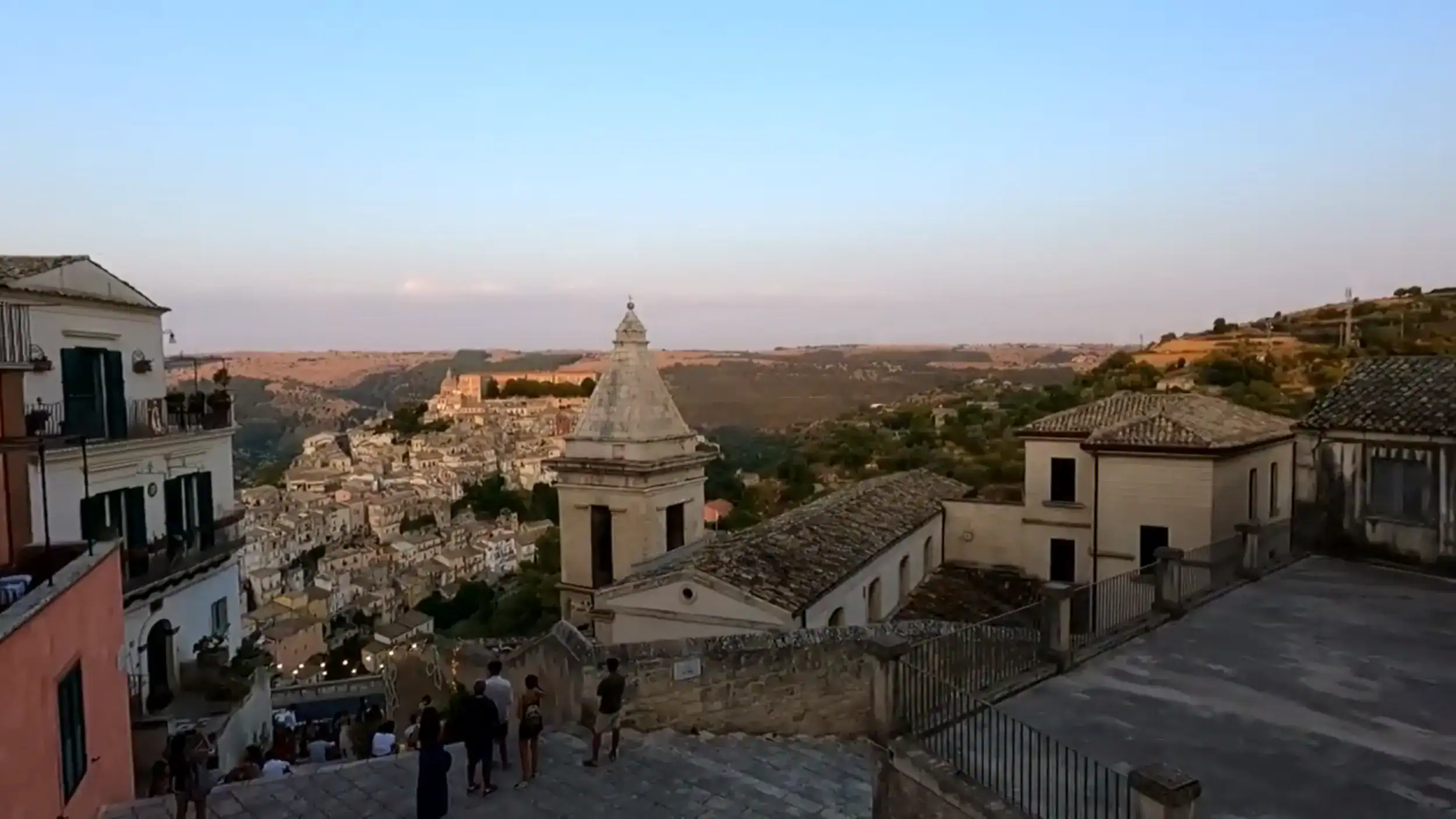
Ragusa worked well as a base for exploring southeastern Sicily because it gave us worthwhile days in the city itself, straightforward access to nearby Baroque towns and the coast, and somewhere we genuinely wanted to return to each evening. The main compromise is transport: a car makes that freedom much easier to use.
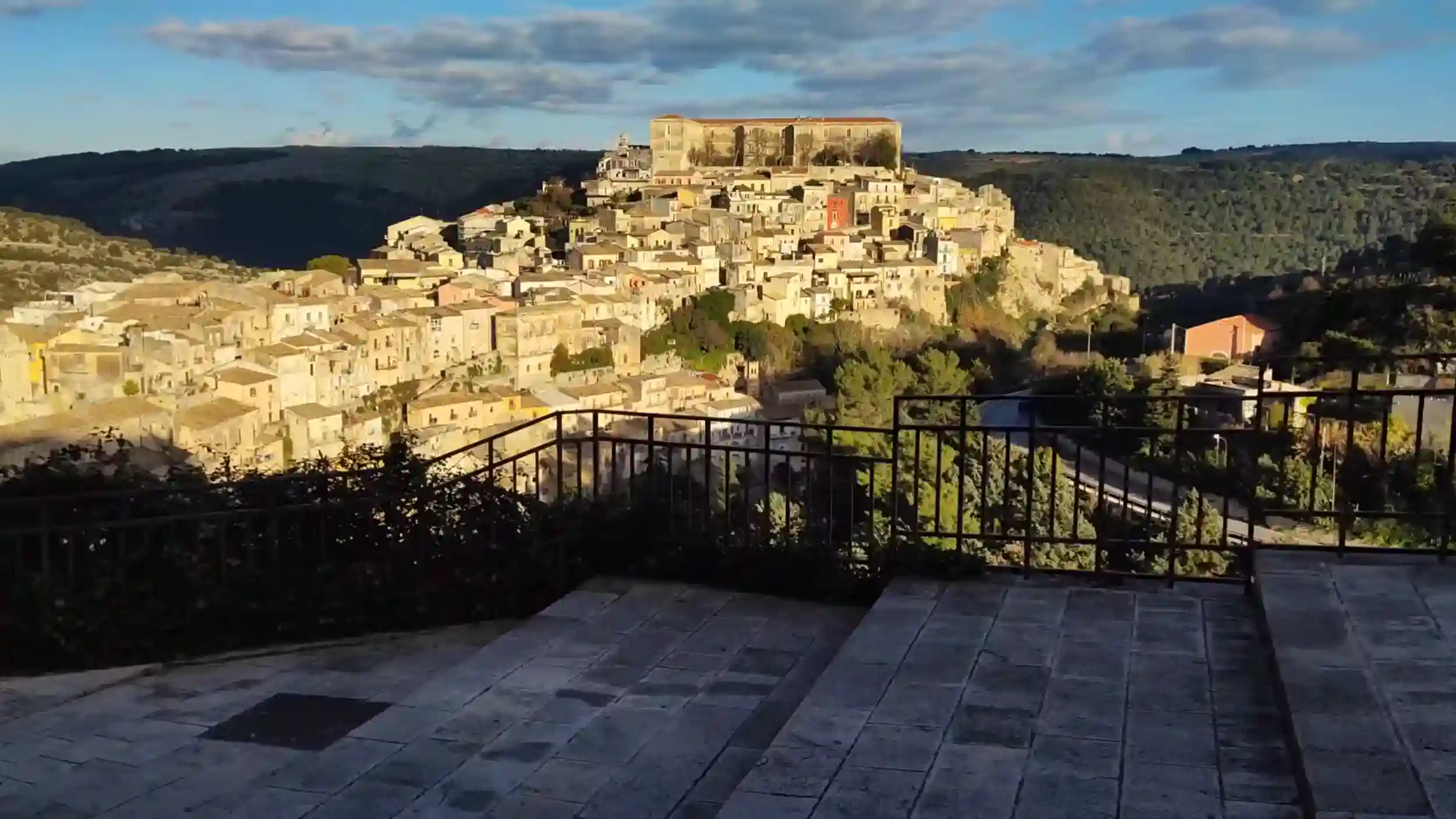
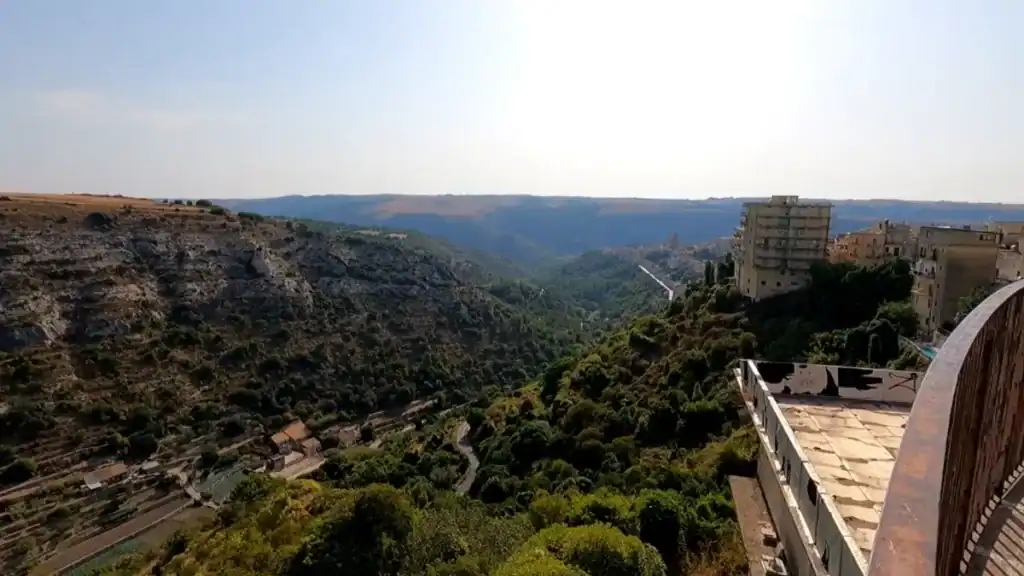
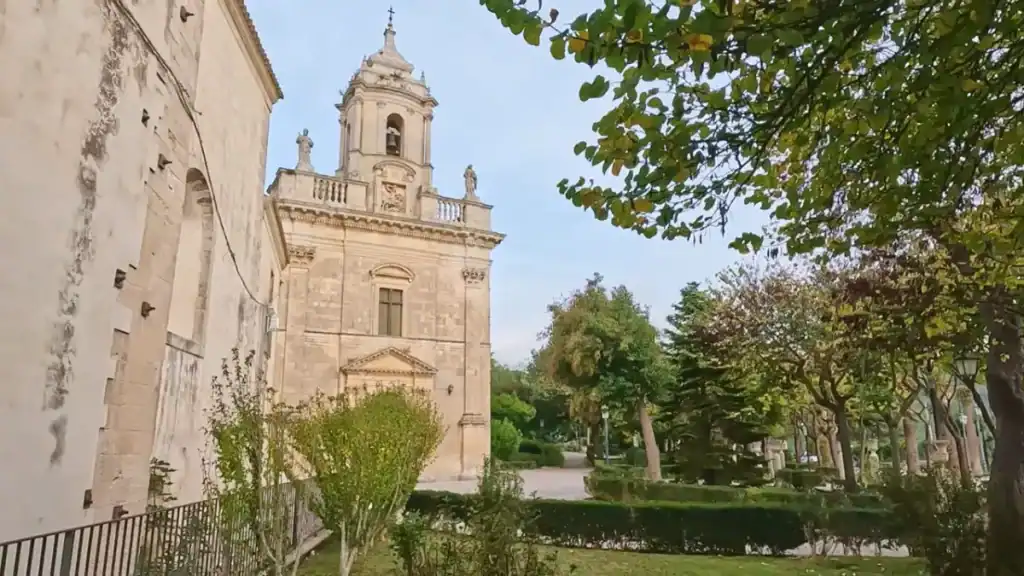
Ragusa itself also took us time to understand. Superiore occupies the higher ridge with a more ordered street plan; across the valley, Ibla gathers tightly around domes, bell towers and steep limestone streets.
After a few days, that unusual geography stopped feeling like something we were studying and simply became part of everyday life.
🏛️ Why Ragusa Worked for Us as a Base
From one base we could combine Modica, Noto, Syracuse and the coast without repeatedly packing up and changing accommodation. More importantly, Ragusa never felt like a purely strategic place to sleep. We could spend the day elsewhere and still return to streets, cafés and restaurants that were becoming familiar.
That balance between exploring and having somewhere settled to return to was one of the strongest reasons to stay longer.
Day Trips Never Felt Like the Whole Holiday
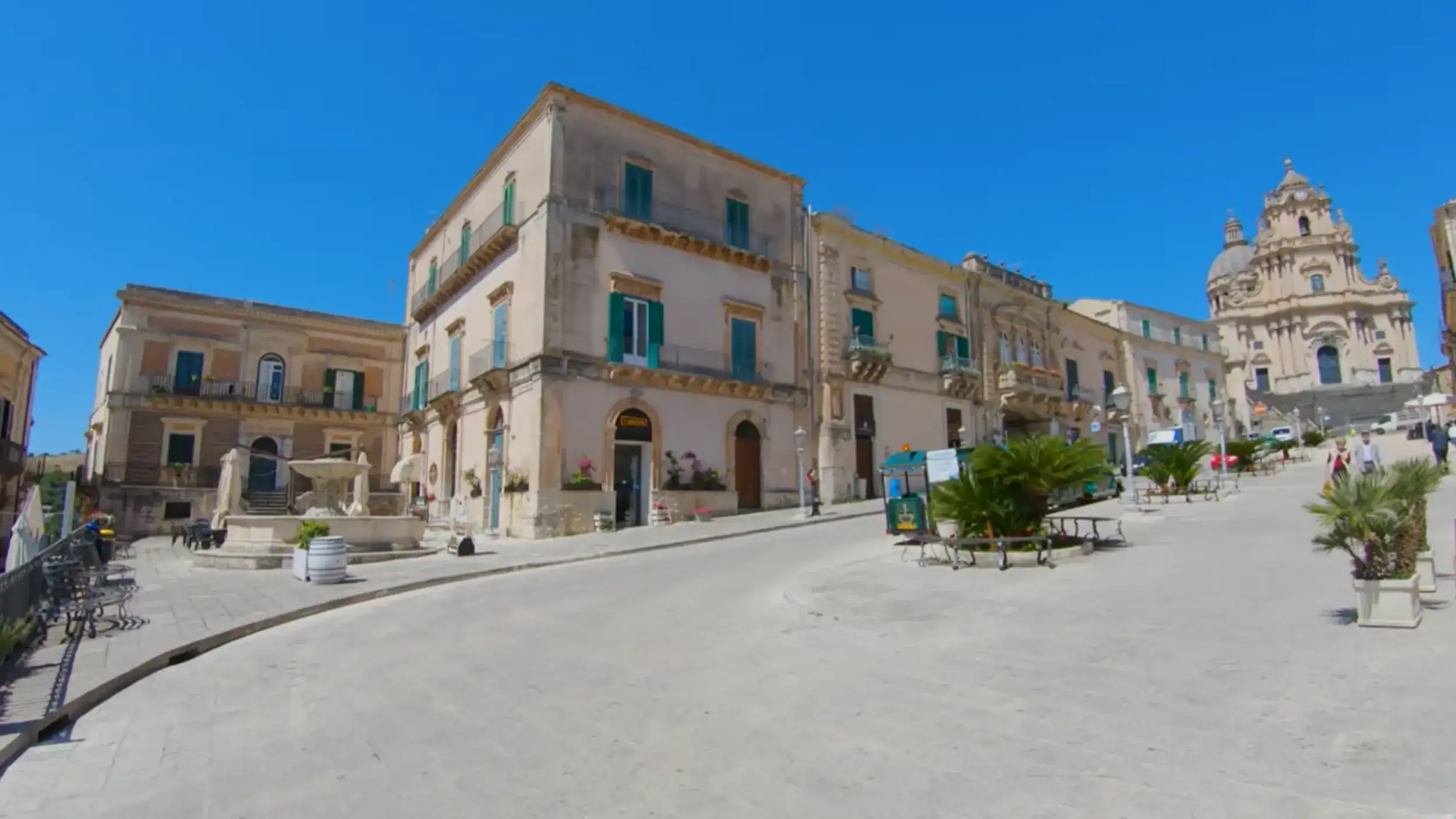
We liked being able to vary our days. One could revolve around the Baroque streets of Ibla, another around the beach at Marina di Ragusa, followed by a drive to one of the nearby UNESCO-listed towns. Returning each evening to the same cafés and familiar streets made Ragusa feel less like another stop on the itinerary.
That makes Ragusa a good base for day trips, particularly across southeastern Sicily. I would not call it geographically central to Sicily as a whole. Its strength is regional: Modica and the coast are natural nearby outings, while Noto and Syracuse extend the range when I am prepared to devote more of the day to travelling.
I would choose Ragusa as a base over a smaller nearby town when I wanted the base itself to contribute substantially to the holiday. Ibla gives me a historic centre to explore, Superiore adds practical everyday life, and the restaurant and café choice means returning after a day trip does not feel like returning somewhere chosen only for its location.
A longer stay gave us time to notice quieter streets and settle into a routine rather than trying to understand Ragusa in a single afternoon. If you want more context before choosing it as a base, our guide to Ragusa’s history, food and Sicilian character explains what makes the city rewarding beyond its headline sights.
☕ How We Settled Into Ragusa’s Daily Rhythm
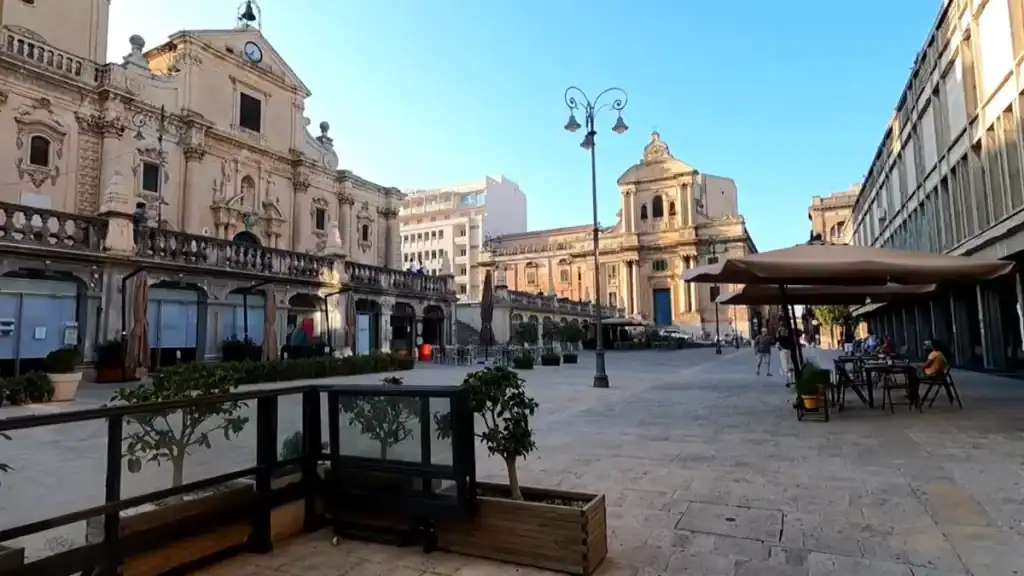
Our days in Ragusa became easier once we stopped expecting the city to operate around a full day of sightseeing. Mornings suited coffee and exploring before the heat built, while afternoons naturally became quieter as some shops and restaurants closed for a few hours.
Once we accepted that rhythm, we stopped seeing the quieter part of the day as lost time.
Morning Cappuccinos Became a Small Routine
Starting with a cappuccino at a neighbourhood café gave our mornings a familiar beginning. We could explore churches and historic streets while it was cooler, take a longer lunch and then head out again later when the temperature dropped and people began returning to the piazzas.
Trying to force sightseeing into every hour would have made Ragusa more frustrating. We found it better to use the quieter afternoon for a break and return later, when cafés, parks and piazzas felt livelier again. The routine became part of why staying in the city was enjoyable.
🍽️ Why Ragusa Worked as a Base for Food
Food was another reason we liked returning to Ragusa rather than treating it as a place to sleep between day trips. Having enough cafés and local restaurants to build familiarity over several evenings meant dinner became part of staying in the city, not another piece of logistics after a long day out.
For a longer stay, that matters more than I first expected. I would rather have several places I genuinely wanted to eat near my base than finish every day with another drive simply to find dinner. Ragusa’s combination of historic surroundings, neighbourhood cafés and local restaurants made evenings part of the experience.
🏨 Ragusa Superiore or Ragusa Ibla: Where Would We Stay?
Choosing between Ragusa Superiore and Ragusa Ibla changes the experience more than the short distance between them suggests. Superiore gave us the more practical side of the city, while Ibla offered the atmosphere of waking and returning among historic Baroque streets.
Neither is automatically better; the choice depends on how you intend to use Ragusa.
Superiore Makes More Sense With a Car
We would lean towards Superiore for a trip built around several day trips, particularly with a hire car or regular use of public transport. Easier parking and road access matter more when Ragusa is functioning as a base rather than being the only destination.
| 🏨 Base choice | Works best when… |
|---|---|
| 🚗 Ragusa Superiore | Day trips, parking and practical road access matter most |
| 🏛️ Ragusa Ibla | You want historic atmosphere before and after the day visitors leave |
| 🚌 Without a car | Stay where transport and everyday services best fit your plans |
| 👨👩👧 With young children | Superiore avoids some of Ibla’s steep everyday logistics |
If the priority were quiet mornings and evenings in the historic centre, we would choose Ibla. Staying overnight reveals streets after many day visitors have gone. Our guide to Ragusa Ibla’s hidden streets, viewpoints and churches shows more of the quieter old town that makes that choice appealing.
🚗 How We Would Get Around From Ragusa
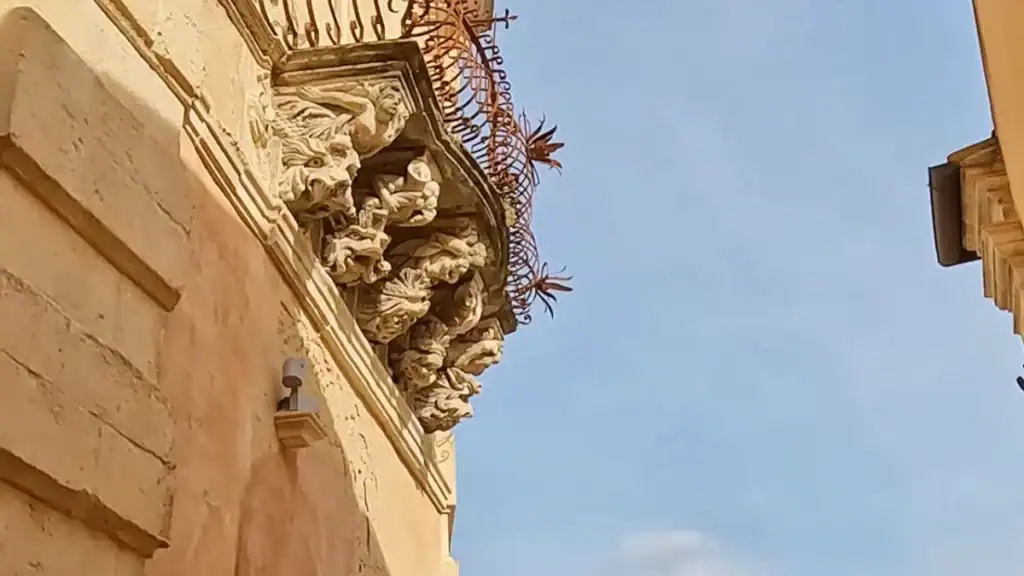
A car gave us the flexibility that made using Ragusa as a base work particularly well. Roads towards Modica, Noto, Syracuse and the coast made it straightforward to vary our plans, while the historic centres themselves were places we preferred to explore on foot.
For us, the car was most useful between places rather than within them.
Comiso Airport is the closest gateway, while Catania offers a wider choice of international flights. Once in Ragusa, we found walking better for experiencing the historic areas, with the car coming back into its own when we wanted the coast, another Baroque town or a countryside stop.
Without a Car, the Region Needs More Planning
Could I stay in Ragusa without a car? Yes.
Would I choose it for an ambitious week of regional exploring without one? Probably not. Ragusa itself is walkable and buses cover some journeys, but the freedom we valued came from being able to change direction at short notice. The coast, smaller towns and countryside become more dependent on planning once every outing has to fit public transport.
🌊 How Well Ragusa Worked for Beaches and the Coast
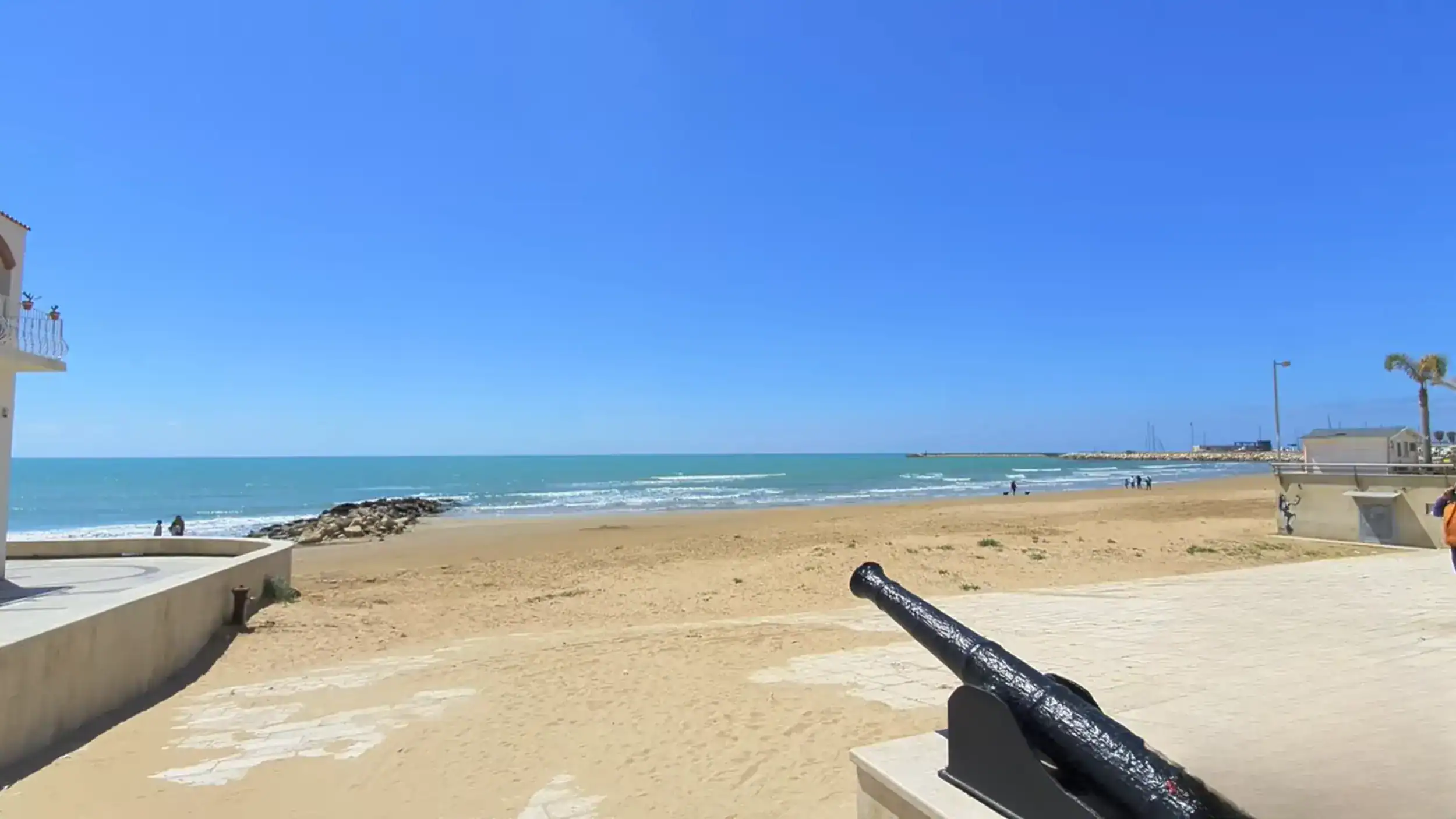
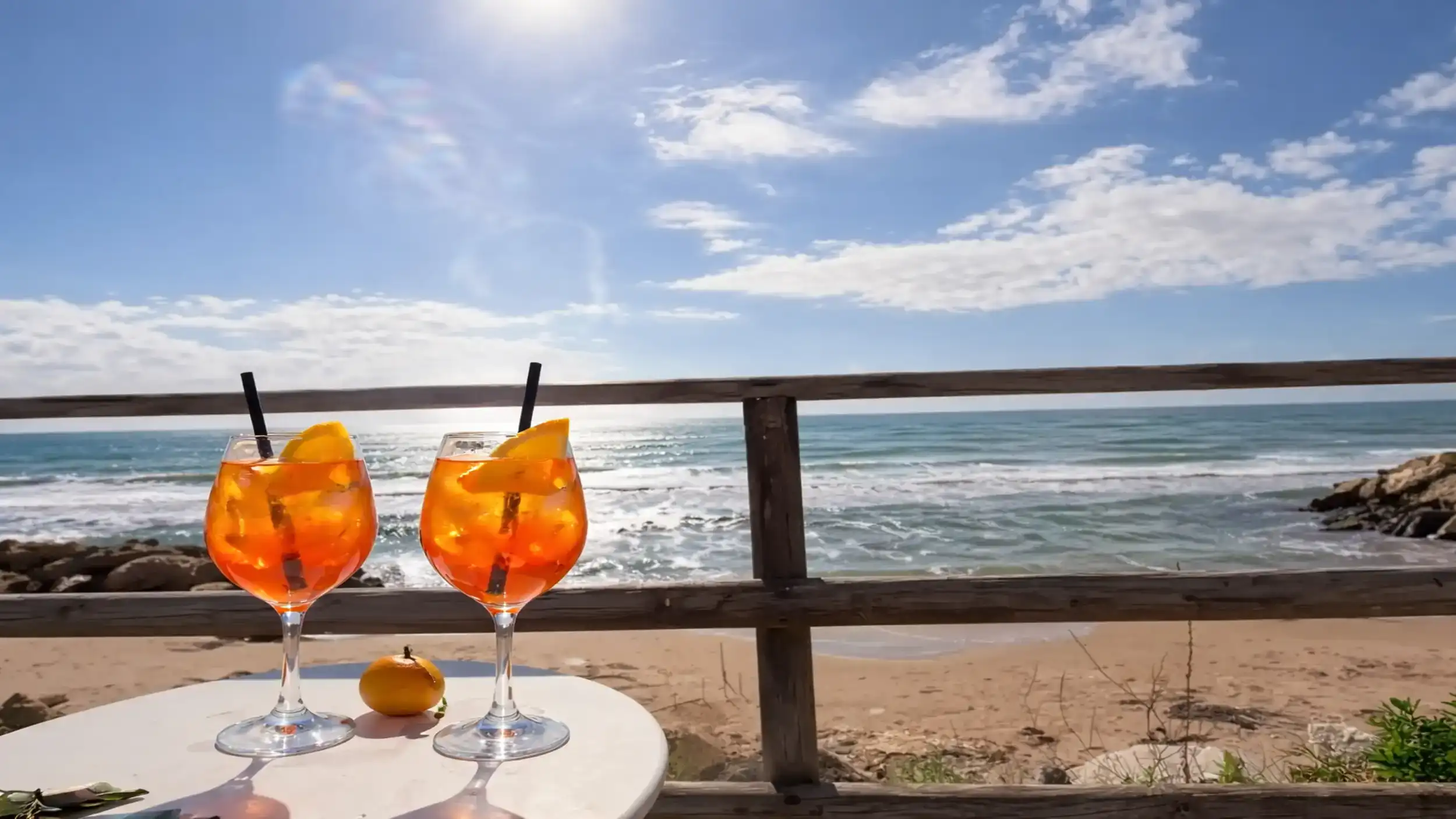
Ragusa worked well for us when we wanted beaches without making the entire holiday a coastal stay. Marina di Ragusa is around 25 minutes away, close enough for a swim, an afternoon on the sand or an evening beside the sea without changing accommodation.
If beach time were the main purpose of most days, I would stay on the coast instead. Ragusa makes more sense when the beach is one part of a mixed itinerary. That gave us Baroque streets at home, with Marina di Ragusa available whenever the weather and mood suited it.
🗓️ How Many Days Would We Stay in Ragusa?
We would allow at least three days if Ragusa is meant to feel like a base rather than another stop. That gives enough time for both halves of the city and Marina di Ragusa without making every day feel scheduled from morning to evening.
Four or five days makes the wider region much easier to explore at the same slower pace. A full week also works if the aim is to settle into one base rather than create seven consecutive sightseeing days. It leaves room for Ragusa itself, Marina di Ragusa, Modica, Noto or Syracuse, plus slower days when staying local is the better choice.
Three days is enough to make the base idea work: Ragusa Superiore, Ibla and Marina di Ragusa can all fit without rushing. Add a fourth and I would bring Modica into the picture.
Five days changes the feel again. Noto or Syracuse can enter the itinerary without every morning becoming a race to leave.
👨👩👧 Does Ragusa Work as a Family Base?
Yes, I think Ragusa can work well for families who want a mixed holiday rather than a resort-only break. The ability to alternate historic towns with Marina di Ragusa gives children and adults different kinds of days, while staying in one base removes repeated packing and accommodation changes.
I would still think carefully about where we stayed. Ragusa Ibla’s steep streets can make everyday logistics harder with very young children, while Superiore is the more practical choice when a car, easier access and frequent day trips matter.
✅ When I Would Choose Ragusa as the Base
I would choose Ragusa for a multi-day southeastern Sicily trip when I wanted Baroque towns, local evenings and occasional beach time from one settled base. I would be less likely to choose it for a beach-first holiday or an ambitious regional itinerary without a car.
The advantage of settling into Ragusa was having enough time not to optimise every day. Returning to familiar restaurants, changing a plan because of the weather or simply spending longer over coffee all became part of the trip. If you’re considering a quieter-season stay, our guide to Ragusa in December explains how that experience changes outside summer.