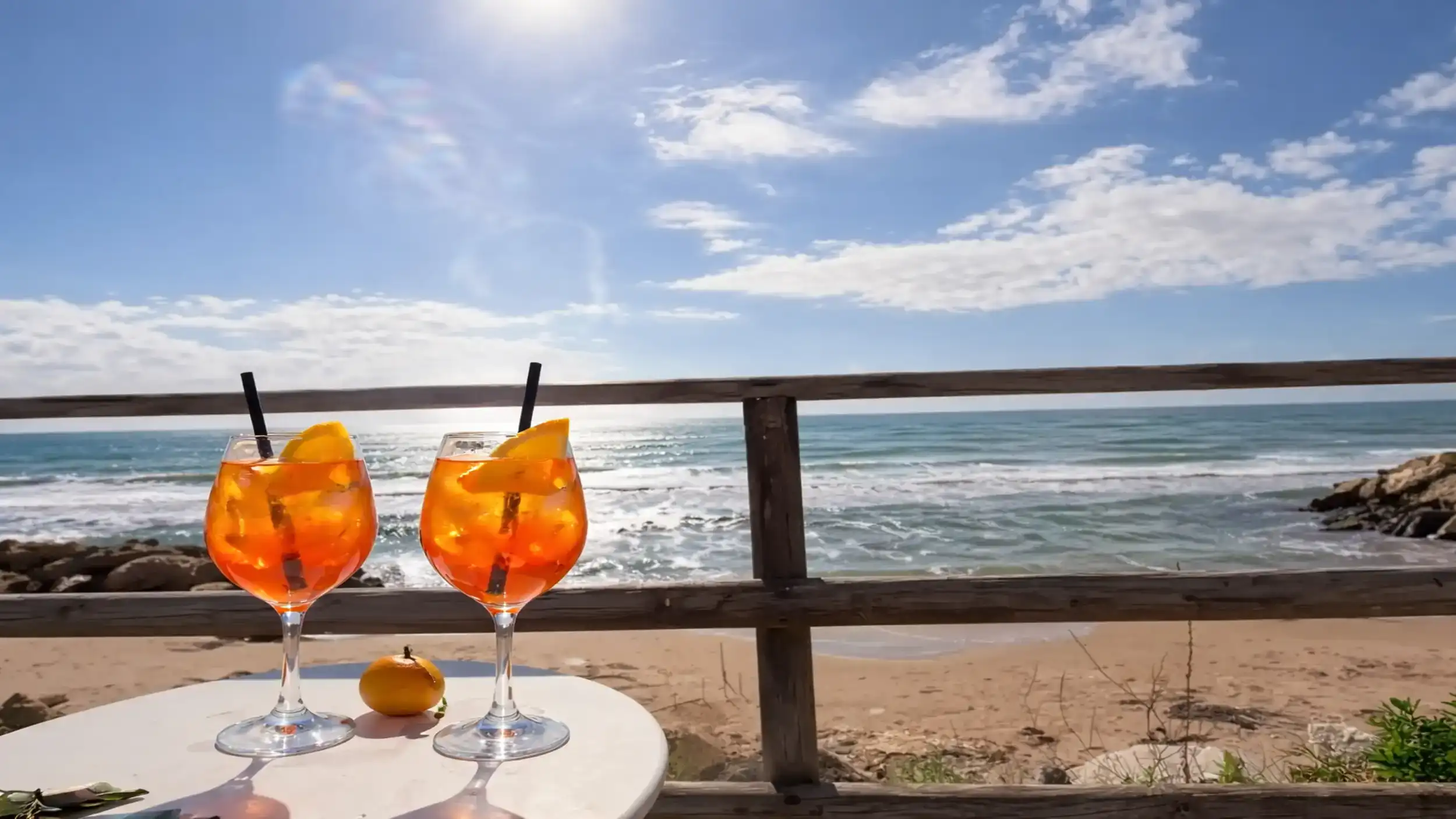
This Sicily road trip from the western coast to Ragusa Ibla covers five distinct stops. Each one offers something different and the route holds together well.
The journey moves from the coast near Menfi through Sciacca, past Scala dei Turchi, up through Agrigento and the interior towns of Enna and Piazza Armerina, and ends in the baroque streets of Ragusa Ibla. Done slowly it takes a week. Rushed, it loses the point.
The Route and How It Works
The route runs roughly west to east across southern Sicily, following the coast before cutting inland through the island’s elevated interior and dropping back down to the southeast. The distances between stops are manageable. Menfi to Sciacca is under thirty minutes. Sciacca to Agrigento takes around an hour. From Agrigento the road climbs to Enna in the centre of the island, then drops southeast toward Piazza Armerina and continues to Ragusa. The total driving time from start to finish is around four to five hours without stops, which is not how this route should be done.
A camper van suits the route well. Camping on or near the beach at the western end, parking in port towns, using sites near the interior towns. The flexibility matters more than the convenience. Some of the best moments on this route happen because stopping was possible without planning it.
The road between Agrigento and Enna climbs considerably. The interior of Sicily sits at altitude and the drive reflects that. Enna itself is over 900 metres above sea level, the highest provincial capital in Italy. The landscape changes noticeably on the way up, the coastal scrub and citrus giving way to grain fields and a wider, more open terrain.
Capo Cipollazzo and the Coast Near Menfi
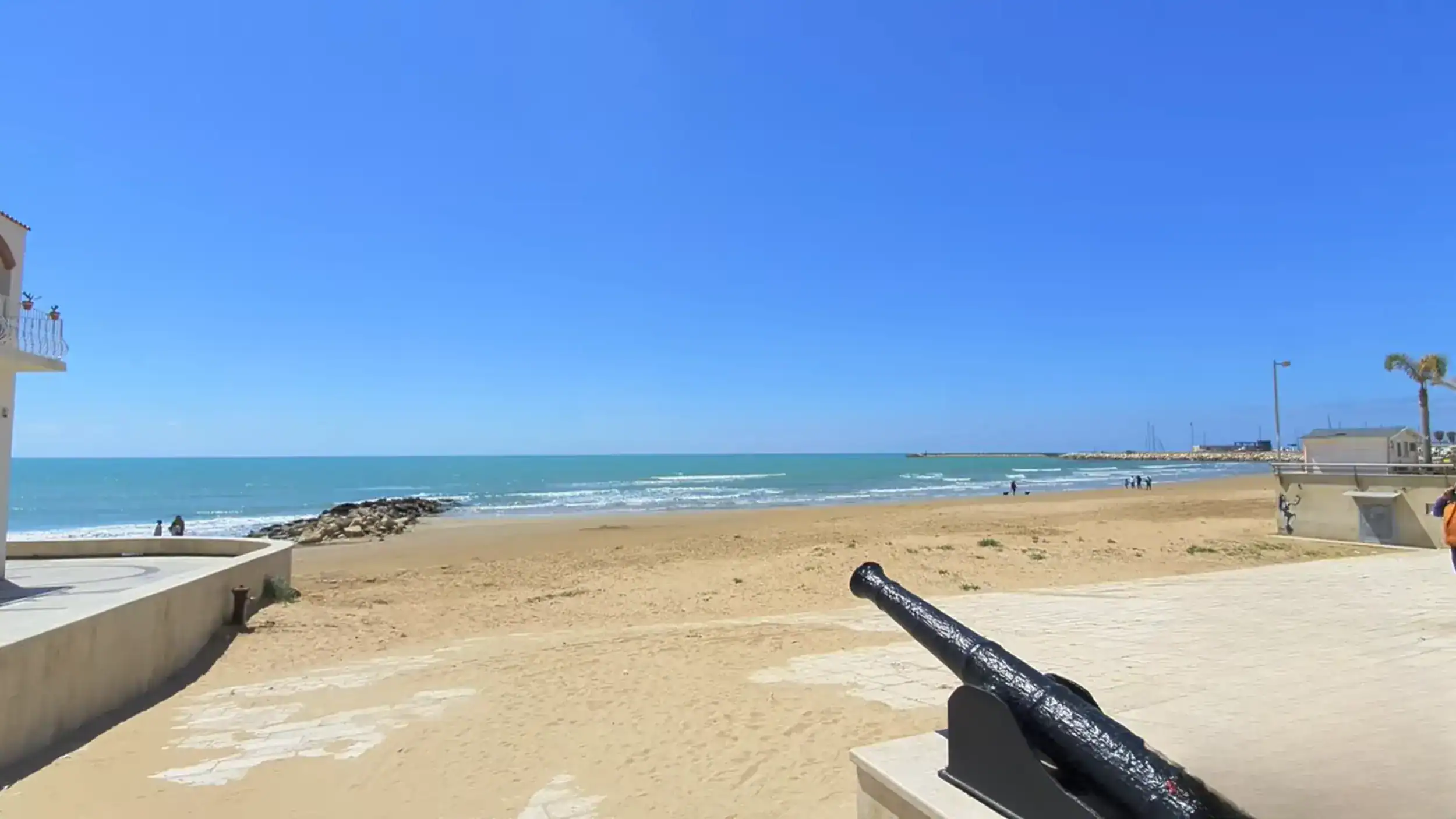
The coast near Menfi sits on the southwestern edge of Sicily, facing the channel that separates the island from North Africa. The water is warm relative to the rest of Italy and the beach at Capo Cipollazzo is sandy and largely undeveloped. In late season the place empties considerably. What remains is the beach, the wind, and a working relationship with the sea that has nothing to do with tourism.
Boomerang Camping sits directly on the sand at the edge of this stretch. A bar that stays open past the summer season, electricity, a gate that opens onto the beach. It functions as a base rather than a destination. The fishing is active along this part of the coast. A local fisherman with swordfish and prawns arranged without ceremony beside a cluster of crates is a regular presence. The exchange is brief and practical. The fish, cooked in the van with the door open, is better than anything the route offers in a restaurant.
The sunset here arrives late and holds briefly. The warmth is inconsistent. Short sleeves make sense for part of the day and then something cooler passes through without fully arriving. The sea sits between calm and rough without settling on either. It is a good place to start a road trip because it removes the urgency that tends to accompany the first day of driving.
Sciacca: What the Town Offers Beyond the Port
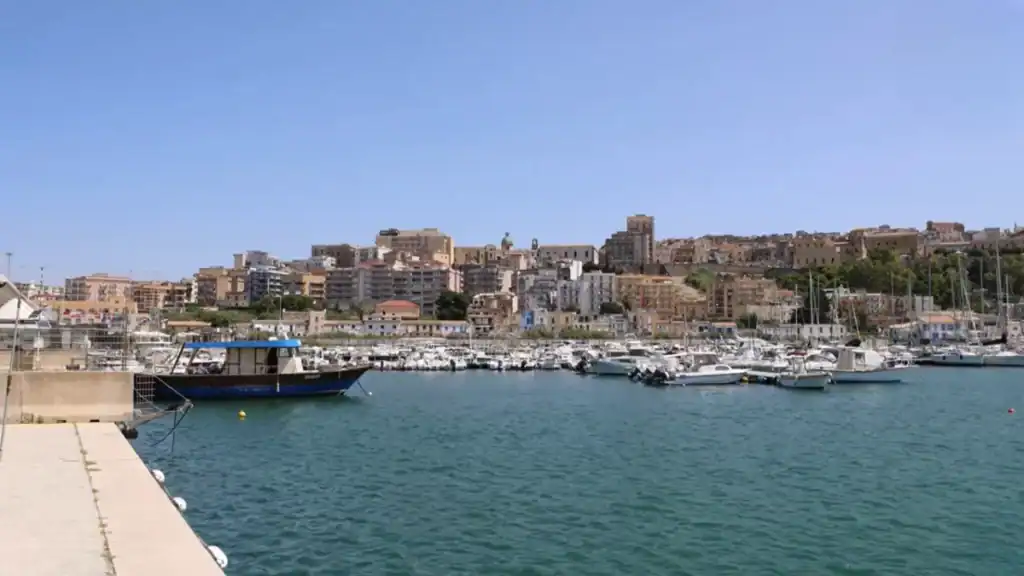
Sciacca’s port is the obvious arrival point. It is a working harbour, active and functional, a sensible place to leave the camper while the town above is explored on foot. The interest is in climbing rather than staying at the waterfront.
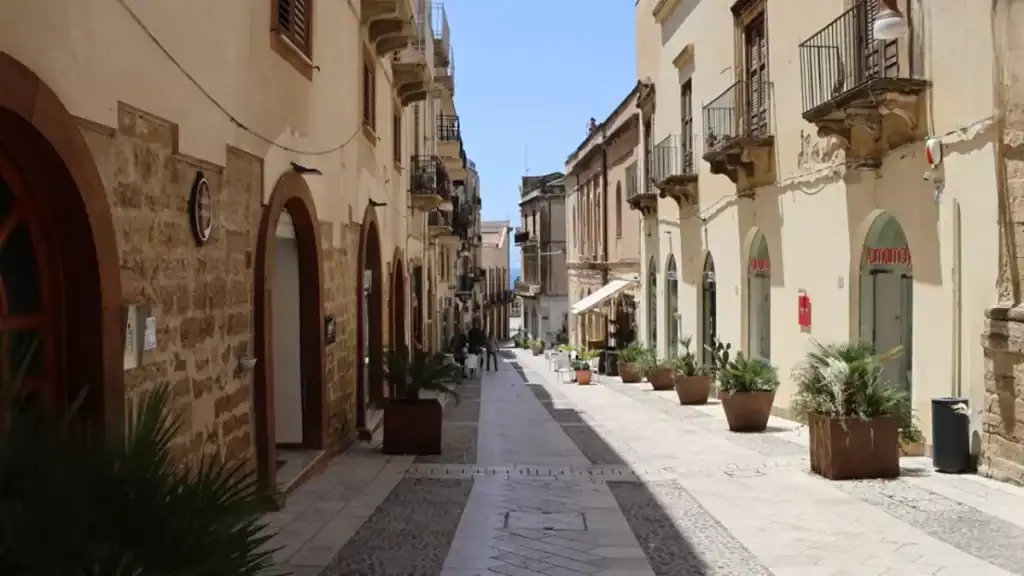
The town rises in sections that don’t quite align. From below it looks flatter than it is. Get into the streets and angles reappear, surfaces break, and the alignment that seemed clear from the port dissolves at the next corner. This is not a criticism. It is the texture of a town that developed across centuries without a single planning moment.
The tiled staircase is worth finding. Some tiles reflect sharply, others absorb the light, a few are missing entirely, the pattern legible but not continuous. The buildings of historical note sit closed more often than open. Steripinto from 1480, Noceto older still. Doors shut, interiors left to assumption. Castello Luna keeps itself apart through position rather than barriers.
The cathedral feels different from the civic buildings. Not restored into clarity, just worn into itself. Via Giuseppe Garibaldi runs through the old town with sandstone arcades and baroque balconies above it, giving the best sense of what the town looked like before the interruptions of later centuries.
Sciacca has thermal baths, historically significant and still operating. The town sits above geothermal activity that has been used for centuries. For visitors with time, the baths add a register the architecture cannot. For those moving through on a road trip, the old town and the port together justify two to three hours without feeling rushed.
Scala dei Turchi and Agrigento
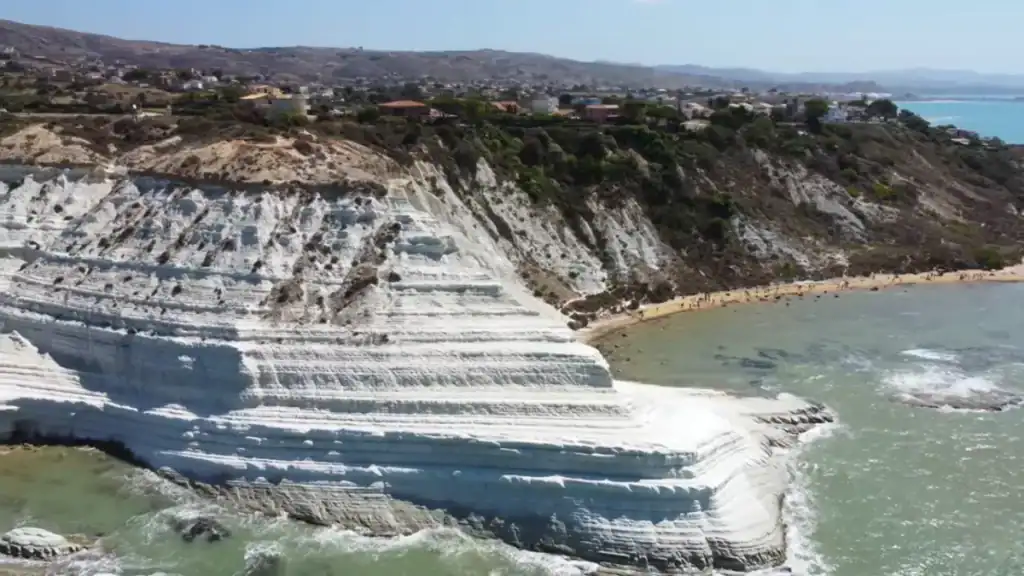
Scala dei Turchi sits between Sciacca and Agrigento on the coastal road. The white marl terraces that step down to the sea look less like rock than something placed there. The formation is genuinely unusual: pale, almost luminous against the darker cliff surroundings, the layered steps dropping to a beach that curves away to the east.
Access is now controlled. Timed entry, limited numbers, a restriction that arrived after erosion from visitor footfall became serious. The measure is sensible. The surface of the terraces still shows footprints where it should not, which is less a failure of enforcement than an illustration of the difficulty. Someone is always already walking across it when you arrive. The restriction and the invitation sit side by side without fully resolving.
From Scala dei Turchi to Agrigento
The beach below Scala dei Turchi is accessible and worth the time regardless of whether the terraces themselves can be walked. The geometry of the formation reads clearly from the sand below.
Agrigento follows the coast road east. The Valley of the Temples sits below the modern city, its columns visible from the upper town before the descent into the archaeological zone. Via Atenea is the spine of Agrigento’s historic centre, lined with buildings that almost match until they don’t. The Teatro Pirandello appears further up the climb, its collection modest but worth the visit for those with a specific interest.
The Valley of the Temples is one of the best-preserved Greek temple complexes outside Greece. The Temple of Concordia is the most complete, its structure intact enough to read clearly from a distance. Visiting in late afternoon catches the columns in the low light that the site is known for photographically. Morning visits are cooler and less crowded. The site is large enough that two hours is a minimum rather than a guideline.
Enna and Piazza Armerina
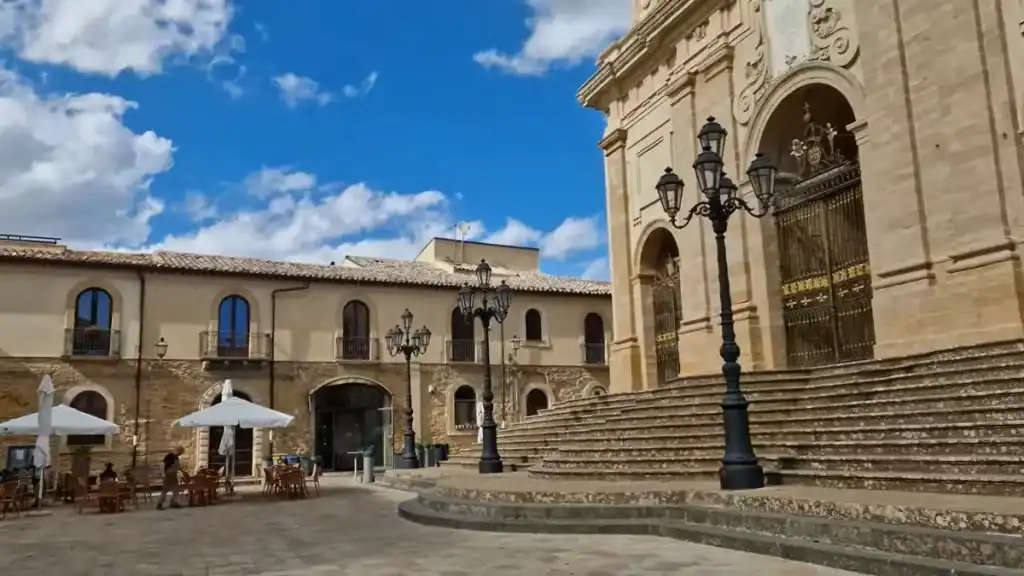
Enna sits at over 900 metres in the geographic centre of Sicily. The drive up from Agrigento climbs through grain fields and open plateau, the landscape wider and emptier than the coast. The town itself is long and narrow on its ridge, the streets running along the high ground rather than climbing it.
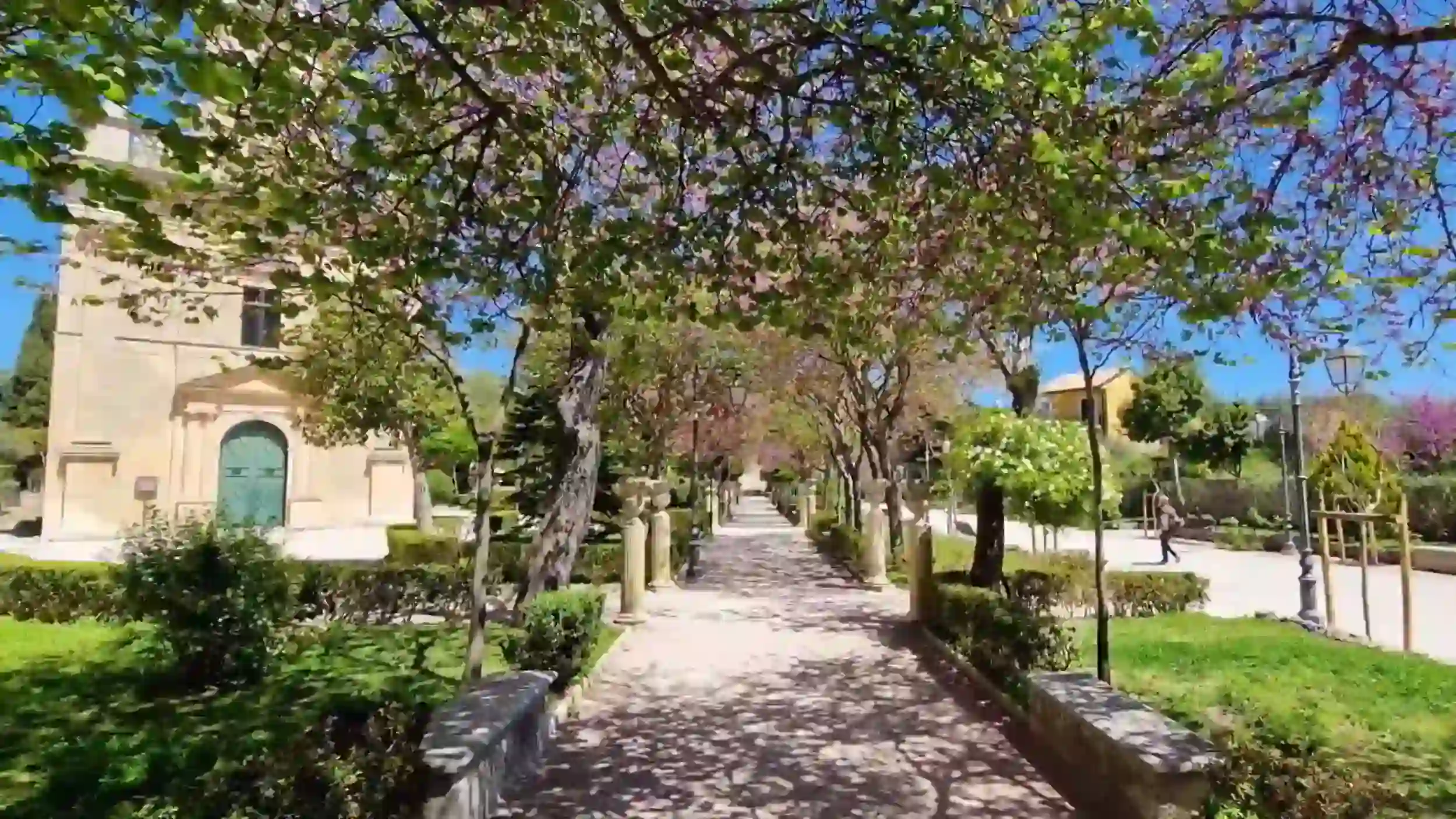
The Castello di Lombardia at the eastern end of the town is the obvious landmark. The Torre di Federico, octagonal and deliberate in its geometry, sits further west in a public garden and is worth the walk. It was built in the thirteenth century under Frederick II of Hohenstaufen and its positioning, visible from the surrounding countryside, reflects a calculation about presence and territory that is still legible from the ground.
Visiting Villa Romana del Casale
The panorama from the castle takes in most of central Sicily on a clear day. Cloud cover reduces it without eliminating it. The view in rain, with the plateau visible in fragments below, has its own quality.
The Church of Santa Chiara in Enna occasionally produces a guide named Rosetta whose knowledge of the building and its mosaics makes the visit considerably more than it would be without her. She pours water across the mosaic surfaces to bring out the patterns and the explanation that accompanies it animates the space in a way that standing there alone does not. If she is there, let her lead.
Piazza Armerina sits around forty minutes south of Enna. The Roman Villa at Casale contains the most extensive Roman mosaic floors in existence. The hunting scenes, athletic figures, and detailed domestic imagery cover several thousand square metres and the scale of the ambition that produced them is genuinely difficult to absorb in a single visit. The entry fee is higher than the surrounding region’s attractions and the opinion on value divides accordingly. The historic centre of Piazza Armerina itself is free, manageable on foot, and rewards the wandering regardless of the villa.
Arriving at Ragusa Ibla
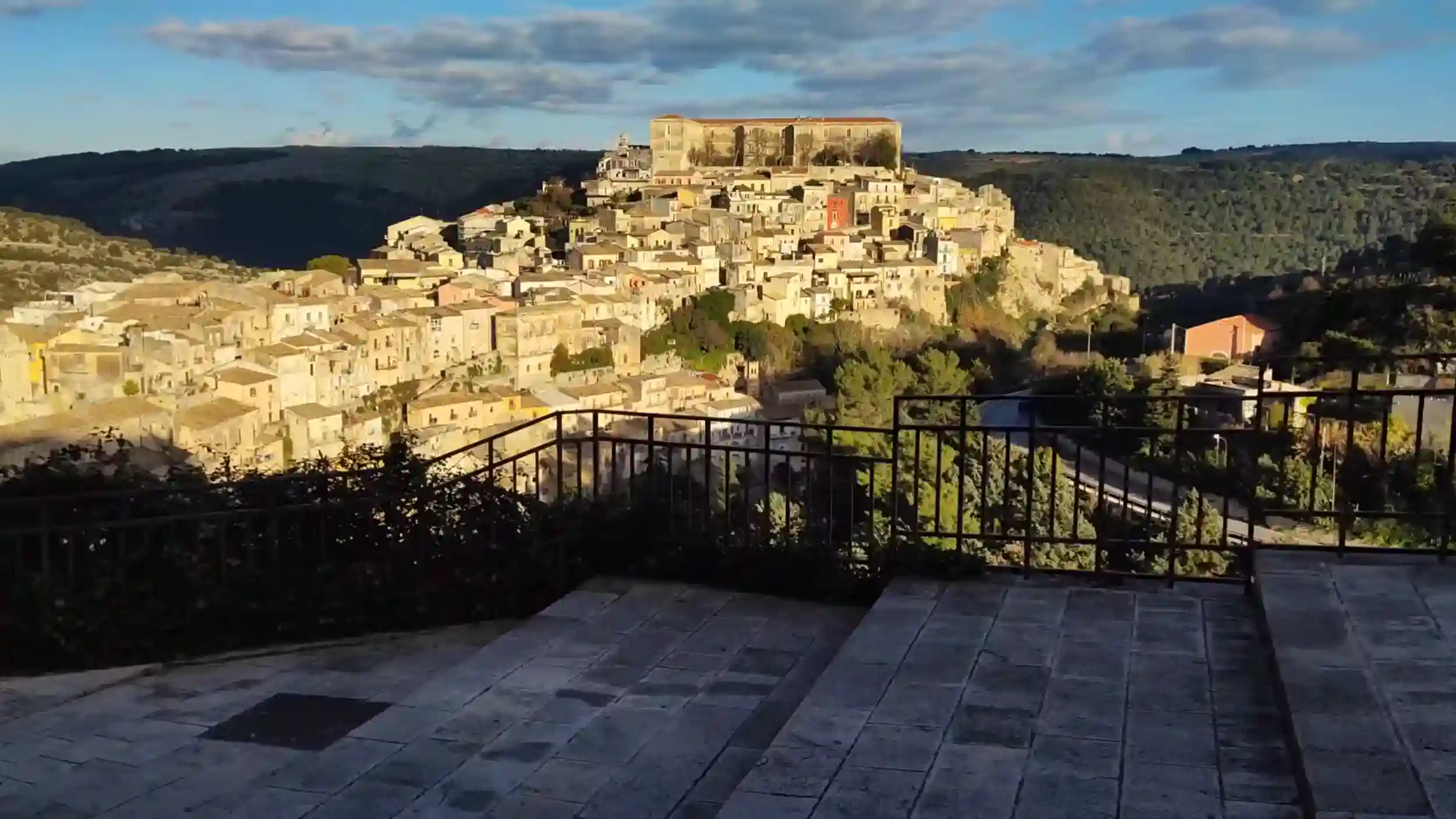
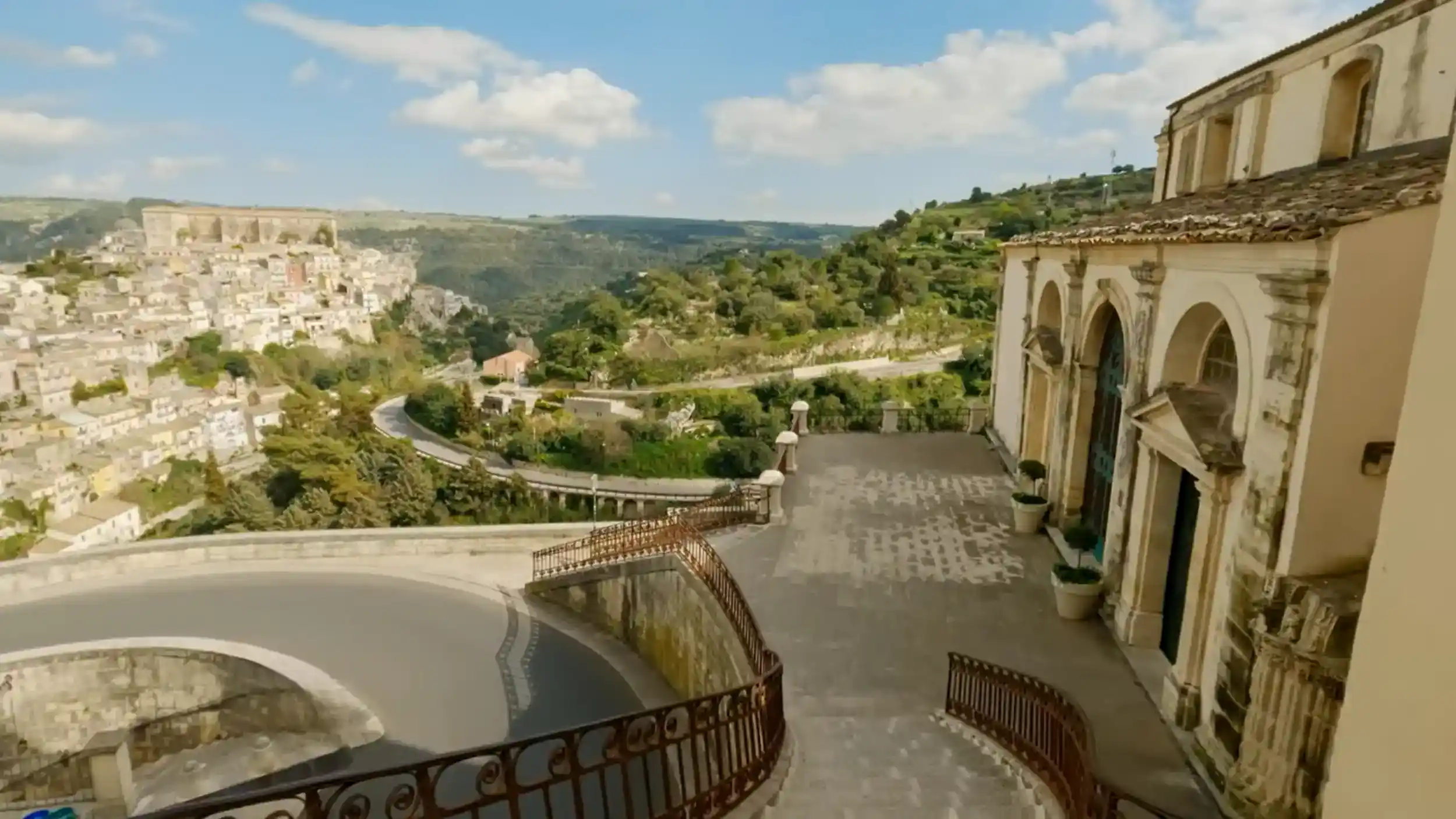
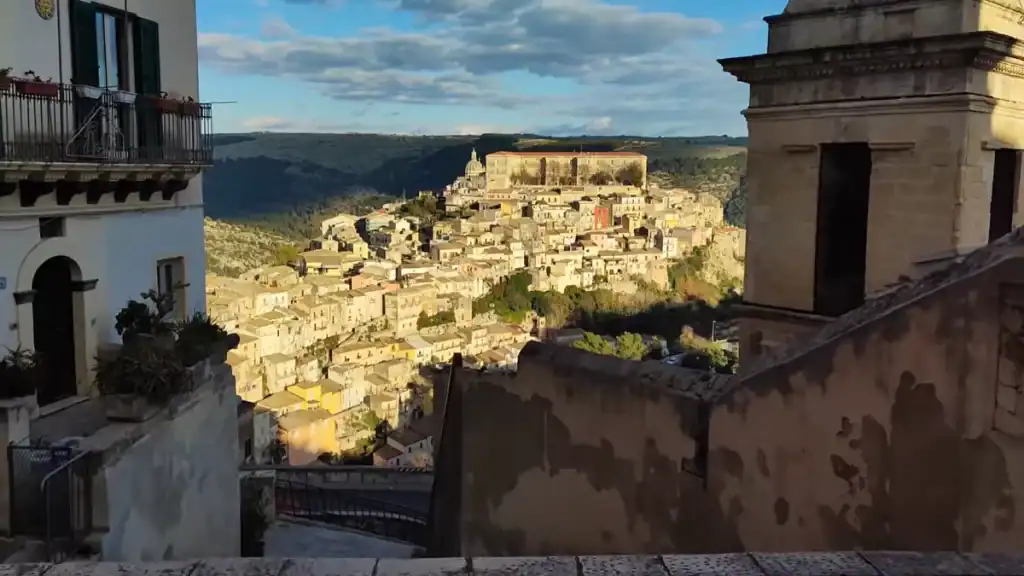
The road into Ragusa descends through Ragusa Superiore before the turn toward Ibla. The valley view that makes the first arrival at Ragusa so specifically useful is available from several points on the approach. The limestone ridge that holds Ibla, the dome of the Cathedral of San Giorgio above the roofline, the deep Irminio gorge below: the geography explains the history before any street has been walked.
Ragusa Ibla was rebuilt after the earthquake of 1693 destroyed the original settlement. The baroque streets that resulted from that rebuilding are the endpoint of the route not by accident. The coastal and interior stops that precede it show different registers of Sicilian history and landscape. Ibla shows the most concentrated version of what reconstruction looks like when ambition and available stone combine with enough time.
Arriving by scooter from a camper parked in Superiore, in rain, the streets of Ibla reflect the facade tiers above them. The Cathedral of San Giorgio sits at the top of its staircase with the particular confidence of a building that has been here long enough to stop explaining itself. Small cafes occupy corners, windows fogged. Coffee smell reaches the street. The sound of footsteps carries differently on wet stone.
The city in December or in any off-season month strips away the tourist layer and leaves the town functioning on its own terms. After the route from the coast, arriving in Ibla without a plan beyond walking into it is the right way to end the journey. The town offers no conclusion. It simply continues at its own pace, which by the end of the route is exactly what is needed.
Related Content:
Ragusa in December: Sun, Stairs, and Discoveries
Ragusa Uncovered: History, Food, and Sicilian Innovation
Watching Ragusa From the Valley: A First Arrival Perspective