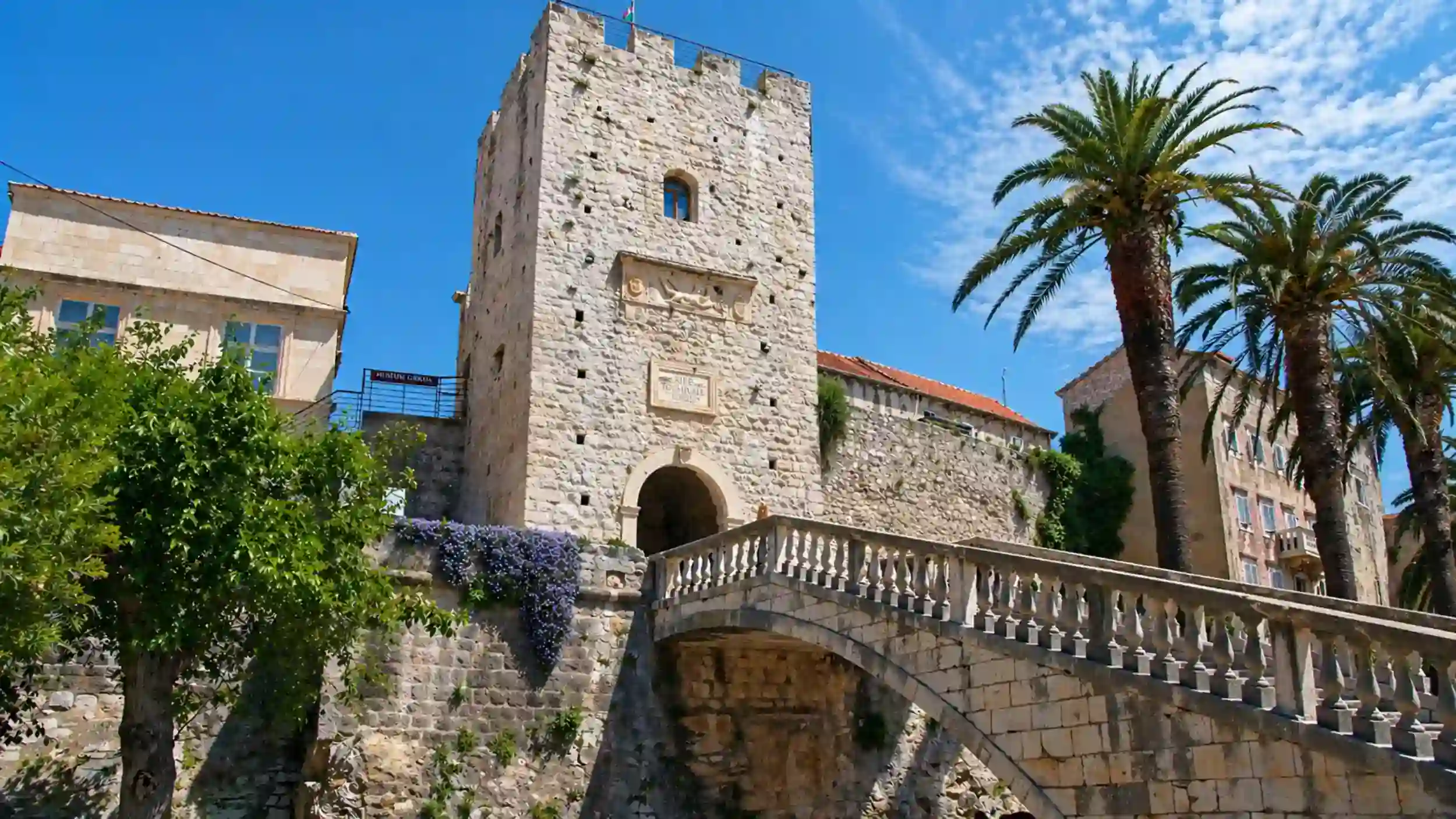
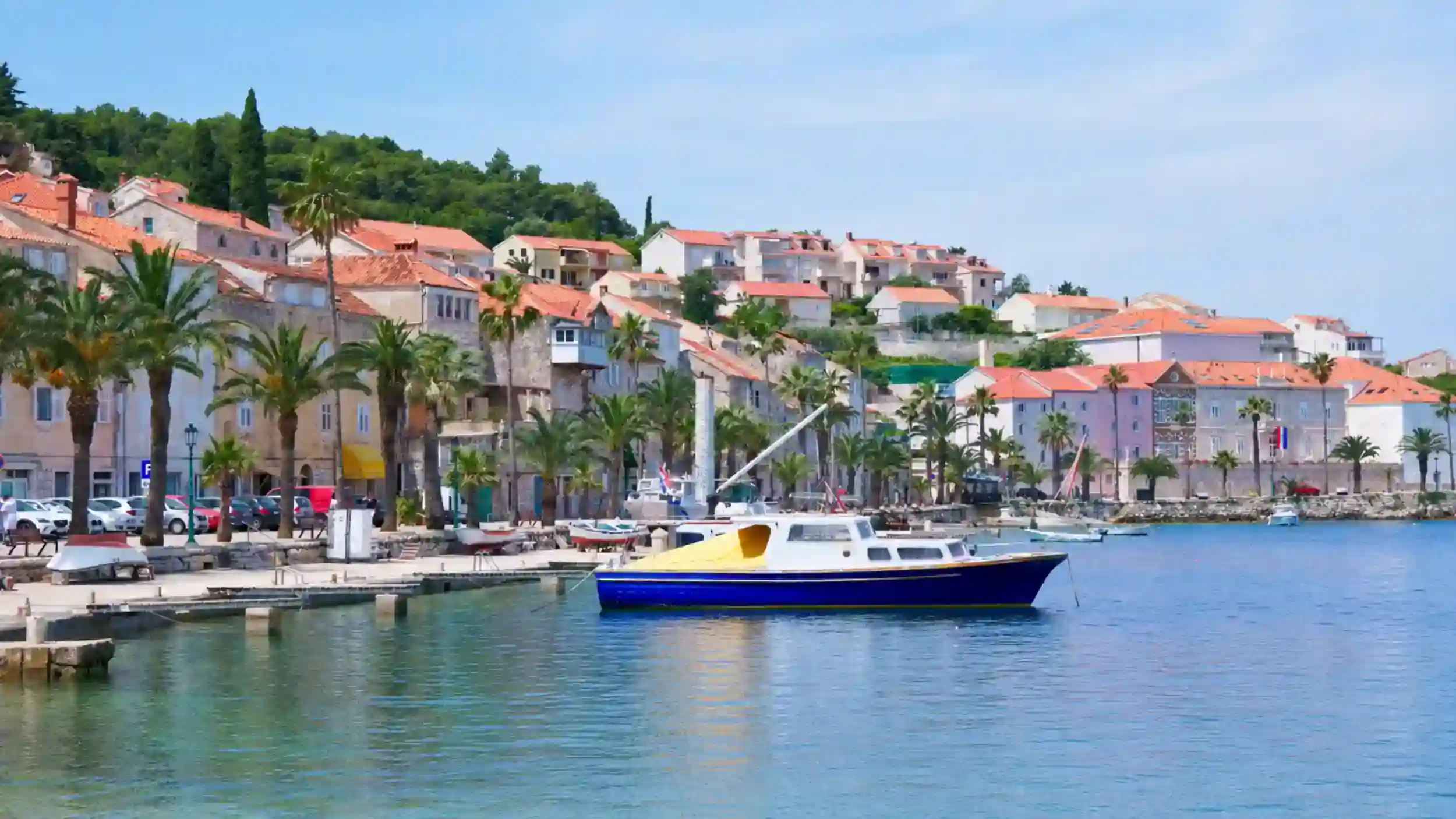
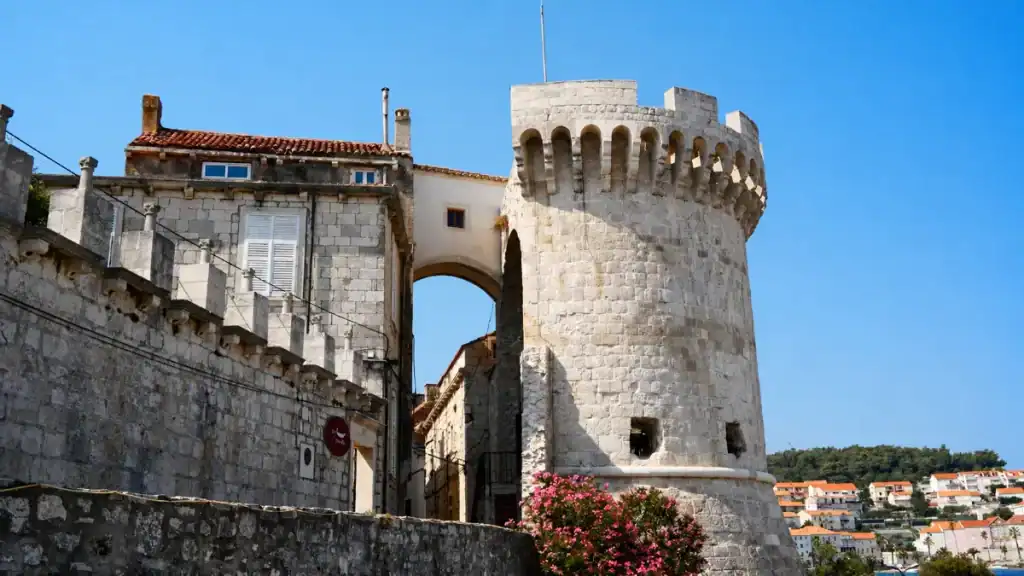
Korčula Town is most crowded in summer when fast ferries arrive and passengers funnel towards King Tomislav Square, Revelin Tower and the City Gate. I expected a steady build-up, but the pressure came in concentrated waves instead. The busiest spell therefore changes with the day’s ferry timetable rather than following one dependable clock time.
I found that moving only a few streets made an immediate difference. Sometimes waiting half an hour did the same.
Once I recognised that pattern, avoiding the busiest moments became less about avoiding Korčula Town and more about changing where I was when a ferry arrived.
⛴️ When Is Korčula Town Most Crowded?
The busiest moments I experienced were immediately after fast ferries docked, rather than at one fixed time every day. In the 2026 summer timetable, different high-speed services reach Korčula at different points from morning into afternoon; one Split–Hvar service, for example, arrives at 15:00. I would check the timetable for the exact day rather than assume there is one daily “ferry hour”.
⛴️ QUICK CROWD RULE
🔴 Fast ferry docking: avoid the City Gate and central spine
🟠 Next 20–30 minutes: use side lanes or the waterfront
🟢 Between arrivals: return to St Mark’s and the main sights
The Ferry Crowds Came in Short Bursts
I noticed that these crowds moved rather than remaining in one place. Once passengers passed through the gate, they gradually spread between the main sights, side streets and waterfront. When I hit one of these bursts, waiting a few minutes made more sense than following everyone through the gate.
Not Every Arrival Created the Same Pressure
Arrivals elsewhere on the island do not create the same immediate pressure at the Old Town gate. Travellers reaching Vela Luka or Dominče still have to continue overland before entering central Korčula, so their arrival is naturally more dispersed.
| Arrival situation | Crowd level | What to do |
|---|---|---|
| ⛴️ Fast ferry just arrived | 🔴 Busiest | Wait a few minutes |
| 👥 Passengers spreading through town | 🟠 Moderate | Use the side streets |
| ⏳ Between ferry arrivals | 🟢 Quieter | Best time for central sights |
| 🚗 Arriving via Vela Luka | 🟢 More dispersed | Explore normally |
If you’re deciding how much flexibility you have to work around the crowds, how many days you need in Korčula Town is useful when planning the rest of your stay.
👥 Where Are the Busiest Parts of Korčula Town?
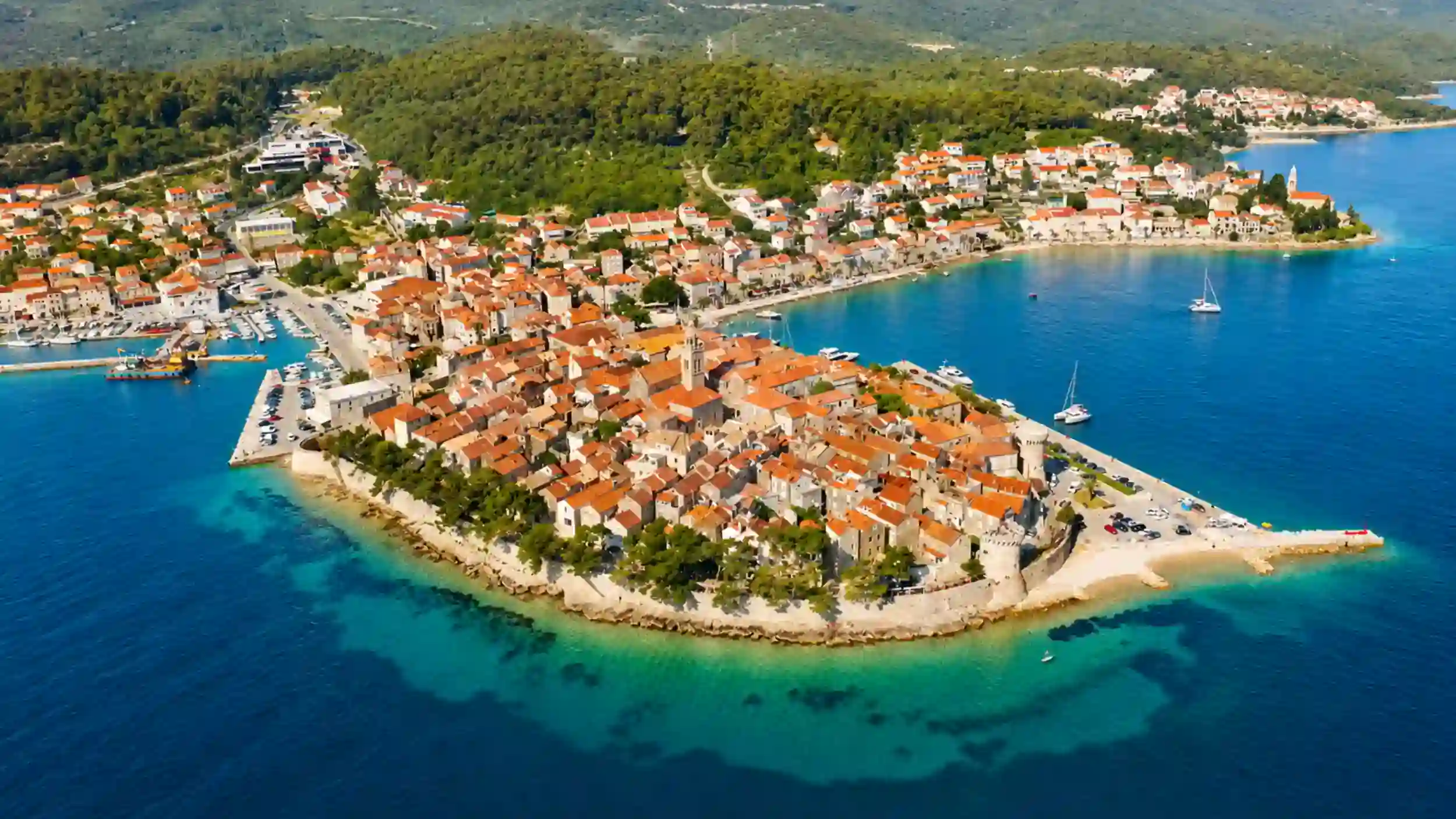
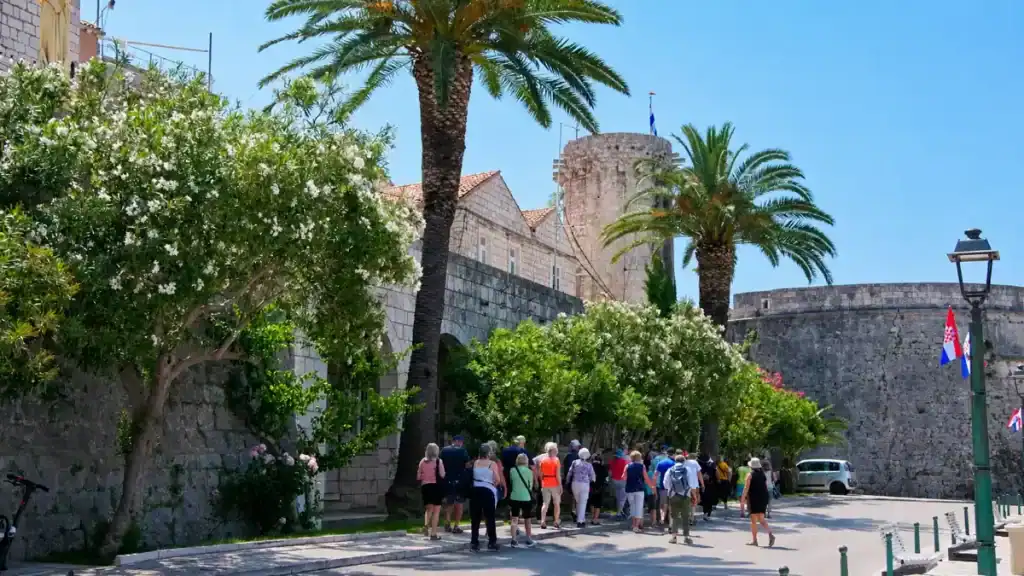
The City Gate, the central spine towards St Mark’s Square and the bell tower were the places where I felt the crowds most. With the cathedral, bell tower, Marco Polo Information Centre and city museum all on or close to it, first-time visitors naturally converged on the same route.
The Main Street Was the Obvious Pinch Point
Korčula’s medieval street plan was never designed for modern visitor numbers. I saw how quickly one group stopping for photographs or checking a map could slow everyone behind them where the lanes narrowed between stone houses.
I Would Time the Bell Tower Carefully
The bell tower exaggerates the problem because both its staircase and viewing platform have limited space. I would visit St Mark’s Cathedral and climb the tower early in the day, or deliberately between fast-ferry arrivals. Shortly after a boat docks, you can find yourself moving through it with much of the same group that just entered through the City Gate.
A Few Metres Made a Surprising Difference
I rarely needed to abandon the Old Town because it felt crowded. Stepping into one of the branching lanes or continuing towards the waterfront often made the pressure disappear remarkably quickly. That’s also part of why I think Korčula Town is worth visiting despite how busy its central sights can initially appear.
| Part of the Old Town | Typical feel | Best approach |
|---|---|---|
| 🚪 City Gate | 🔴 Busy after ferries | Wait for the surge to pass |
| ⛪ St Mark’s Square | 🔴 Popular | Visit between groups |
| 🔔 Bell tower | 🔴 Easily congested | Time carefully |
| 🏘️ Side lanes | 🟢 Much quieter | Wander away from the spine |
| 🌊 Waterfront edges | 🟢 More open | Escape the central flow |
🌊 Where Are the Quieter Parts of Korčula Town?
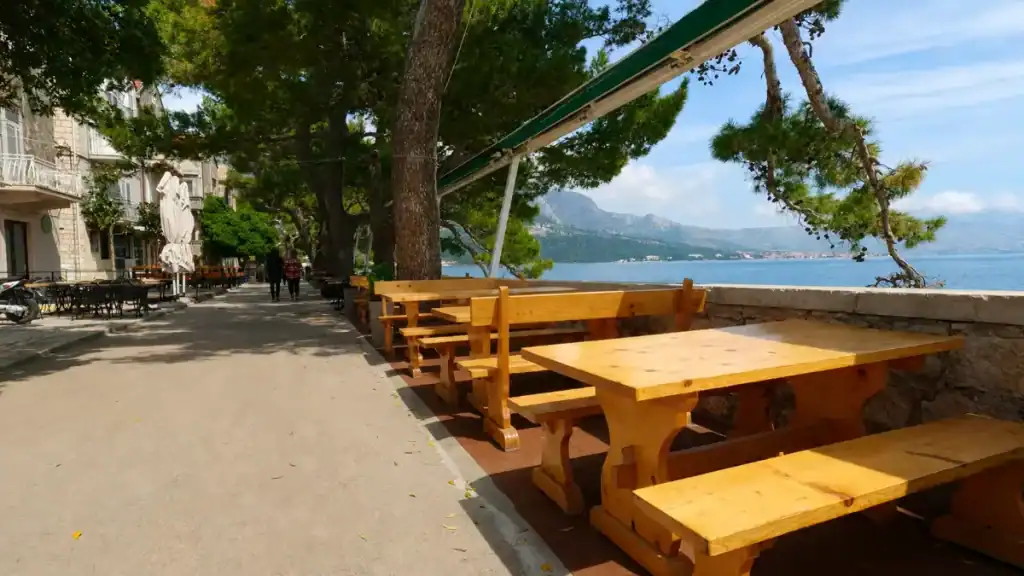
The side lanes and waterfront edges were my easiest escapes without actually leaving Korčula Town. On either side of the peninsula, the tightly packed medieval lanes gave way to open water, wider walking space and noticeably fewer people.
The East Promenade Gave Me More Breathing Room
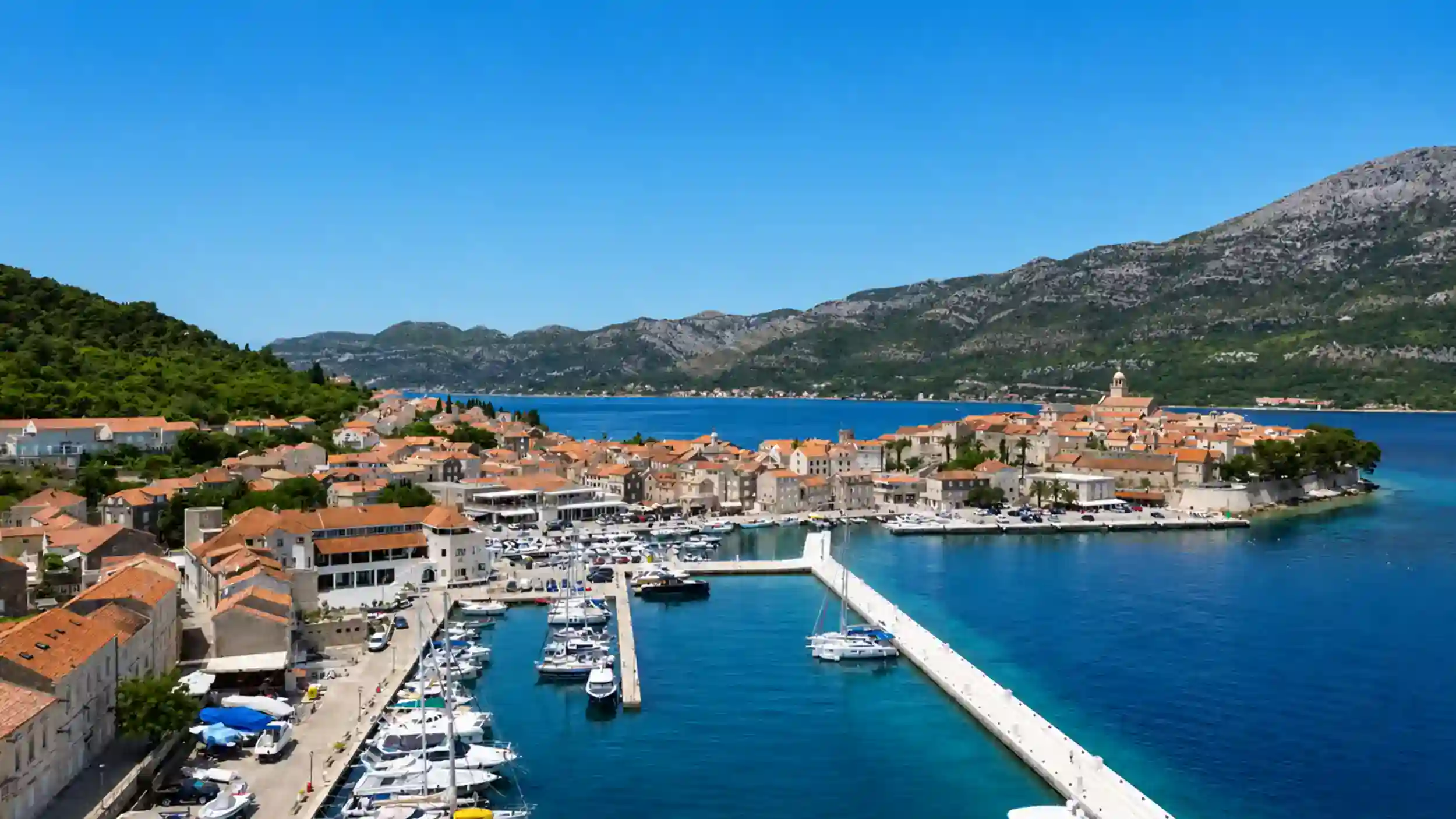
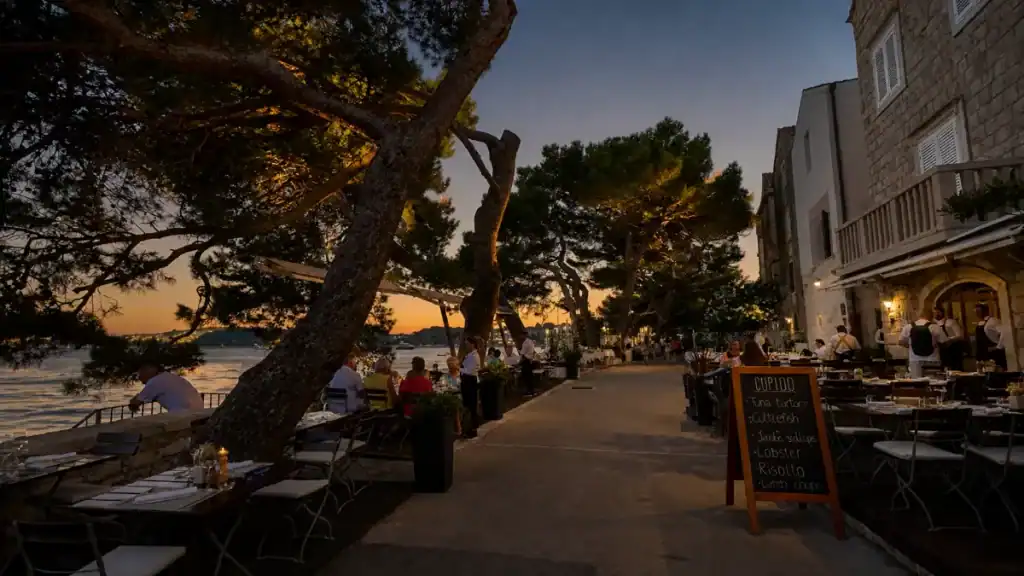
The eastern waterfront’s long restaurant-lined promenade gave me much more breathing room. Even when the centre felt packed, people had space to spread out here. I found it particularly useful for coffee or lunch while a ferry crowd passed through the Old Town.
I Found the West Coast Quieter Still
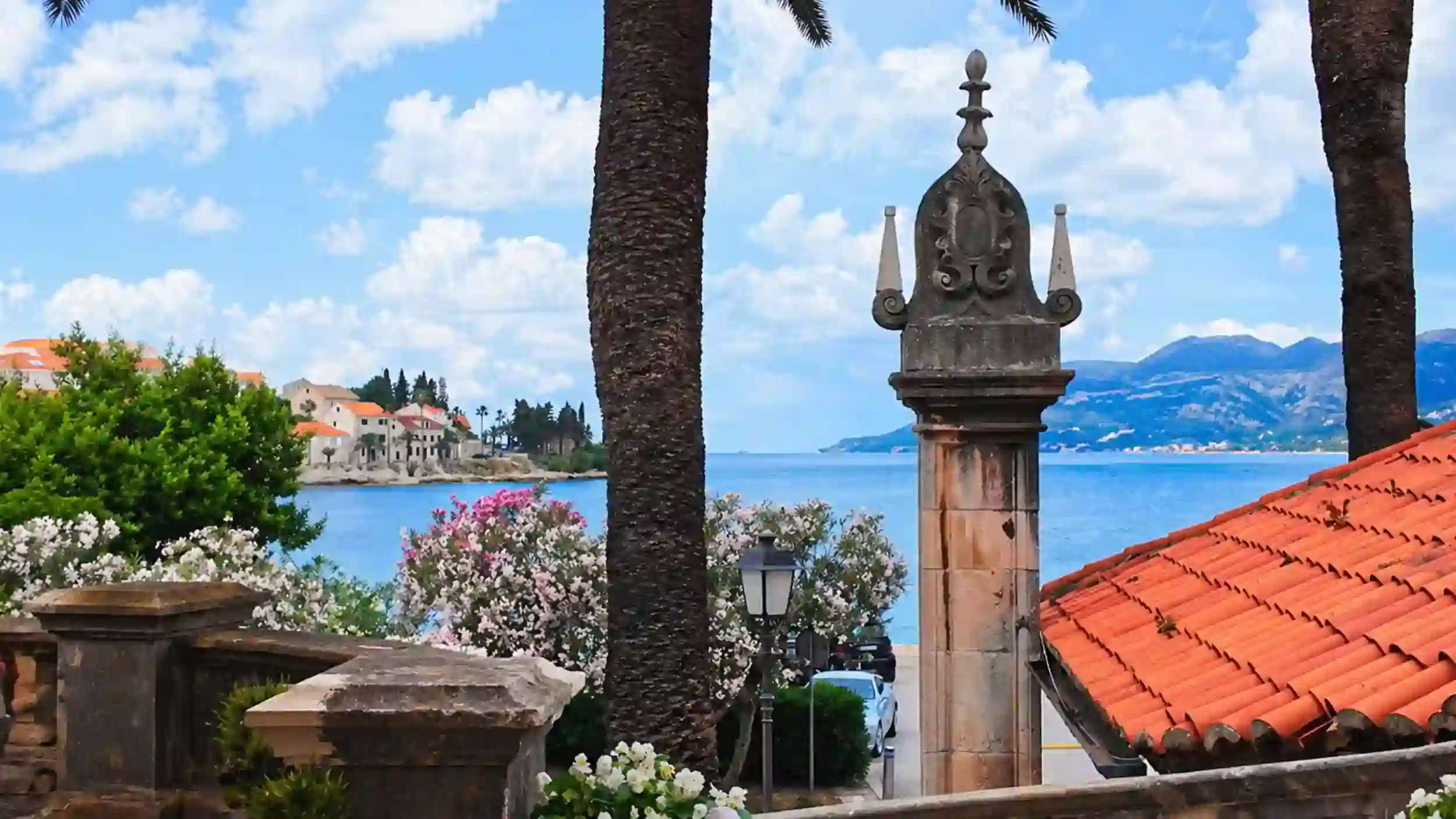
When I headed west, foot traffic dropped further. There were fewer restaurants and the western sea gate received far less traffic than the main entrance. This became my choice when I wanted some space without actually leaving Korčula Town.
| Where to go | Crowds | Best for |
|---|---|---|
| 🍽️ East promenade | 🟡 Moderate | Coffee & lunch |
| 🏘️ Side lanes | 🟢 Low | Quiet wandering |
| 🌊 West waterfront | 🟢 Low | Escaping the centre |
| 🌅 Western sea gate | 🟢 Lowest | Late afternoon & sunset |
I Stayed West as Evening Approached
By early evening, the breeze and softer light begin drawing people out of the interior and towards the perimeter. The western waterfront is particularly good if you want to combine the quieter side of town with sunset in Korčula Town.
🚗 Is It Worth Leaving Korčula Town During the Busiest Hours?
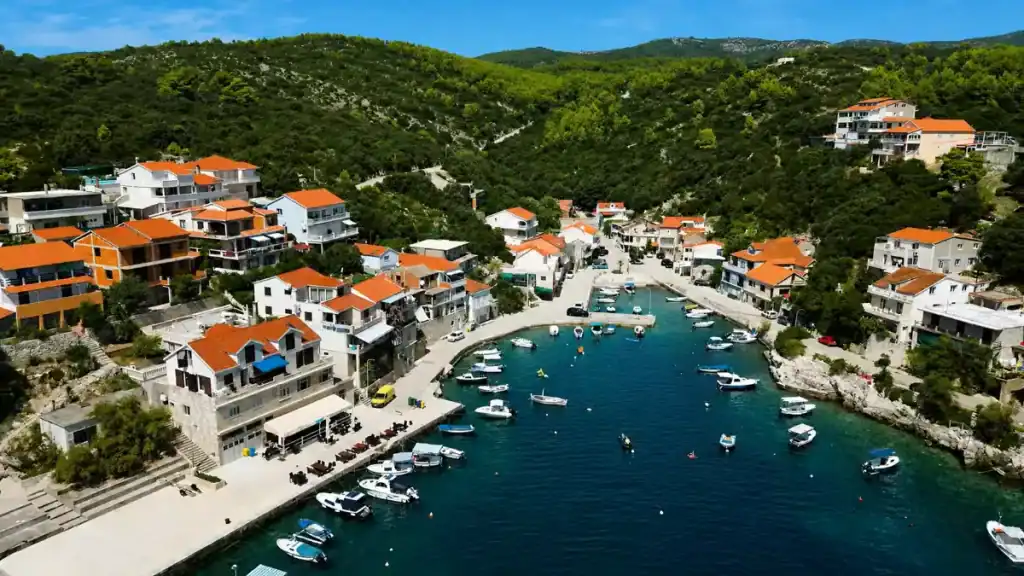
I would only leave during the busiest hours if I already wanted to see more of the island or Pelješac. Moving to the side lanes or waterfront was usually enough to escape the crowds without abandoning Korčula Town. Beyond the Old Town, the pace changed quickly, whether crossing the channel to Pelješac or driving into Korčula’s quieter interior.
I Would Use the Busy Hours for Čara and Smokvica
The villages around Čara and Smokvica feel far removed from the summer crowds. This is Pošip country, with family wineries scattered through the interior and considerably less visitor traffic than you’ll encounter around the Old Town.
If that appeals, a Korčula Town winery day is an easy way to use the busier hours elsewhere and return when the town begins to settle.
Orebić Offered an Easy Escape Across the Water
Orebić is an easy escape across the channel. Seasonal passenger boats can run directly between Korčula Town and Orebić, while the year-round Jadrolinija car ferry uses Dominče, a few kilometres east of the Old Town. The official Dominče–Orebić crossing takes about 20 minutes, with frequent summer departures.
For a bigger escape, the best day trips from Korčula Town include nearby islands as well as longer trips to Mljet and Pelješac.
🕰️ What Is the Best Time to Explore Korčula Town?
Early morning was my best overall window for the main sights, with late afternoon another good time to return. I never felt I needed to avoid the Old Town simply because it was busy; timing mattered more. I explored the central streets before the main ferry arrivals, moved towards the waterfront when crowds built, then returned once the surge had dispersed.
Morning Was My Time for the Main Sights
Morning worked best for me at the City Gate, St Mark’s Square and the upper streets. I could see the important sights before both the crowds and the heat became more noticeable.
At Midday I Moved Away From the Centre
When the central streets became uncomfortable, I stopped fighting them. Lunch on the east promenade, time beside the water or a trip away from town all made better use of those hours.
Late Afternoon Was When I Came Back In
As the light improved, I returned to the walls and upper streets. The waterfront became livelier towards evening, but I found the atmosphere very different from the concentrated ferry crowds around the main sights.
| Time | Best plan | Crowd strategy |
|---|---|---|
| 🌅 Morning | Old Town sights | 🟢 Get there early |
| ⛴️ Ferry arrival | Side lanes or coffee | 🔴 Let the surge pass |
| ☀️ Midday | Waterfront or leave town | 🟢 Avoid the central spine |
| 🌇 Late afternoon | Walls and upper streets | 🟡 Return to the centre |
| 🌙 Evening | Promenade and west coast | 🟡 Enjoy the atmosphere |
I found the Old Town small enough that there was no need to rush it. The simplest crowd strategy is to use early morning for St Mark’s and the bell tower, step away from the City Gate when a fast ferry lands, and return once the surge spreads out. How many days you need in Korčula Town depends partly on whether you want enough time to explore at this slower pace.