Is Gargano Puglia in October worth visiting? Yes, if quieter roads, uncrowded beaches and a trip that mixes coast with inland exploring matter more than guaranteed summer heat. October made Gargano easier for me to explore spontaneously, but it also meant treating swimming, boat trips and seasonal opening times as flexible parts of the itinerary rather than certainties.
That trade-off shaped the whole trip. I could pull into viewpoints without the same parking pressure and wander hill towns in cooler conditions, yet a bright beach afternoon could give way to a noticeably cooler evening. October worked best once I stopped expecting every day to behave like summer.
🍂 What Is Gargano Like in October?
For me, October felt quieter and more flexible rather than closed or wintry. The beaches, coastal roads and historic towns were all still there, yet the summer rush had largely gone. Parking stopped dominating decisions, queues mattered less and an unplanned turn towards a beach or viewpoint became much easier to justify.
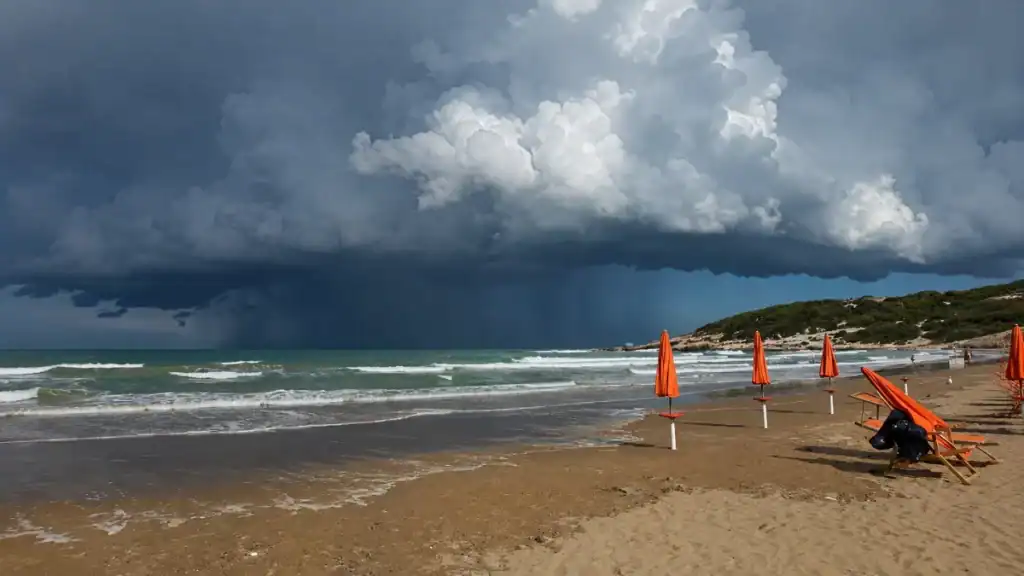
There is a cost to that freedom. Beach clubs start packing away sunbeds, some seasonal bars reduce their opening days and the weather becomes less dependable. I never felt Gargano had closed, but I did stop assuming that every summer service would still be waiting for me.
- 🚗 Big October gain: quieter roads and easier spontaneous stops.
- 🏊 Still possible: swimming when the day is warm and settled.
- 🌦️ Main compromise: weather and sea conditions need more flexibility.
- 🚪 Check ahead: seasonal beach clubs, bars, restaurants and boat trips.
What Changes Most About an October Trip?
That was the change that made October click for me. A swim no longer had to justify an entire day. It could sit between a coastal drive and a hill town, or disappear from the plan altogether if the wind strengthened. Once the beach became one option rather than the measure of whether the day had succeeded, Gargano felt far more adaptable.
🍂 THE OCTOBER TRADE-OFF
I gave up guaranteed beach weather and full summer opening for quieter roads, easier parking and the freedom to change plans without fighting crowds. For the way I travel, that was a good exchange.
🏖️ Can You Swim in Gargano in October?
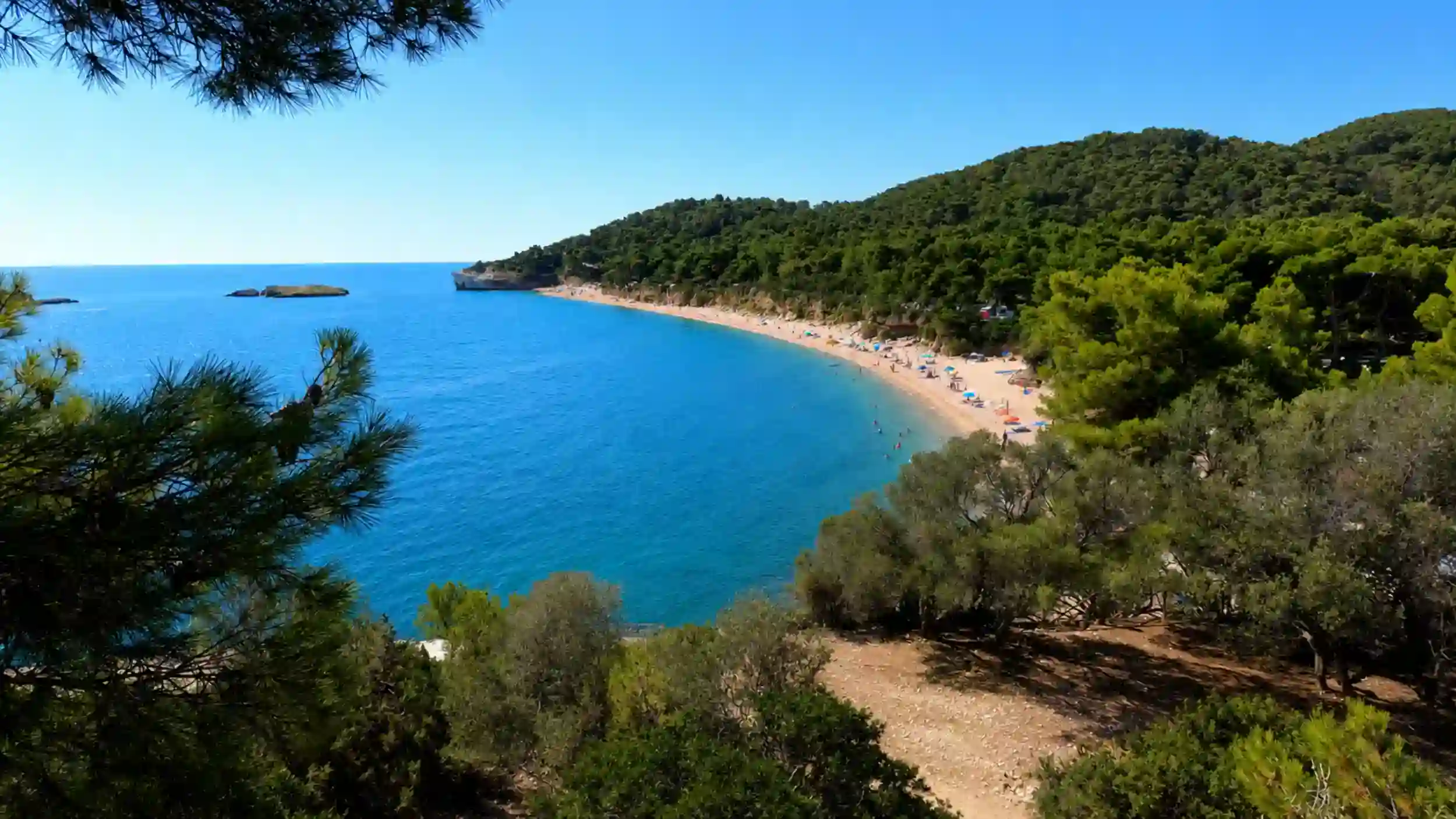
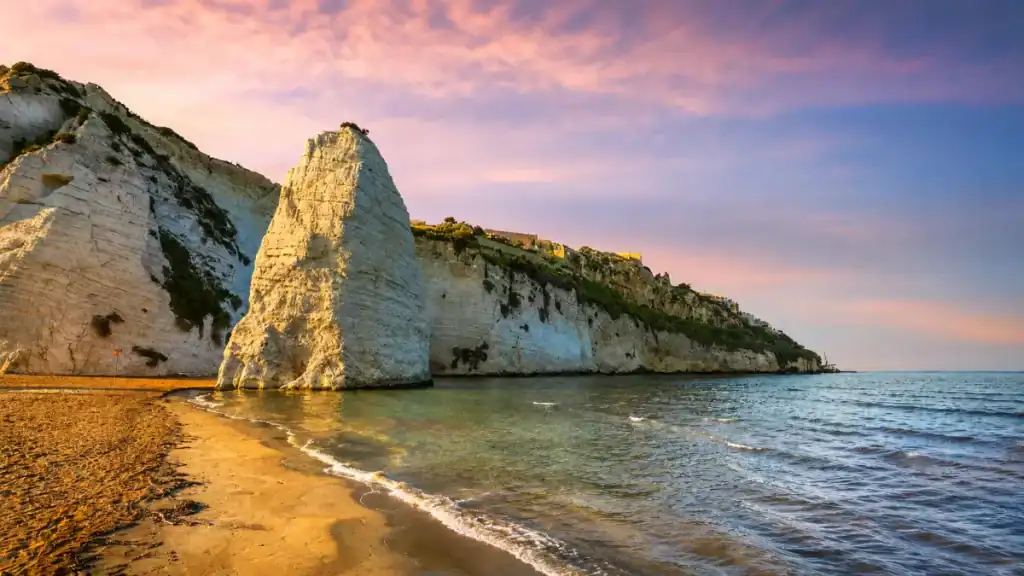
You can still swim in Gargano in October, but I would not book the trip on the assumption that every day will be a beach day. On clear afternoons the coast could still feel inviting enough for time beside the water, and the absence of peak-season crowds made even a shorter swim worthwhile.
How Cold Does the Sea Feel in October?
The water could feel cool on first entry, particularly earlier in the day. That did not automatically end the swim, but it changed how I planned one. Instead of arriving with an all-day beach schedule, I let the conditions decide whether I stayed for twenty minutes, a couple of hours or moved inland. The same practical lessons from planning Gargano beach days still applied, just with more room for the weather to overrule them.
The scenery had not changed. The way I used it had.
🏊 HOW I WOULD TREAT SWIMMING
As a possibility rather than a promise. On a warm, settled afternoon I would swim; if the wind or cloud changed the coast, I would move inland without treating the day as lost.
Pizzomunno beneath Vieste showed that especially well. With less activity spread across the sand, the limestone sea stack seemed to reclaim the beach. I spent more time walking, looking from viewpoints and moving along the coast than I probably would have during a conventional summer beach day.
🚗 Is Driving Around Gargano Easier in October?
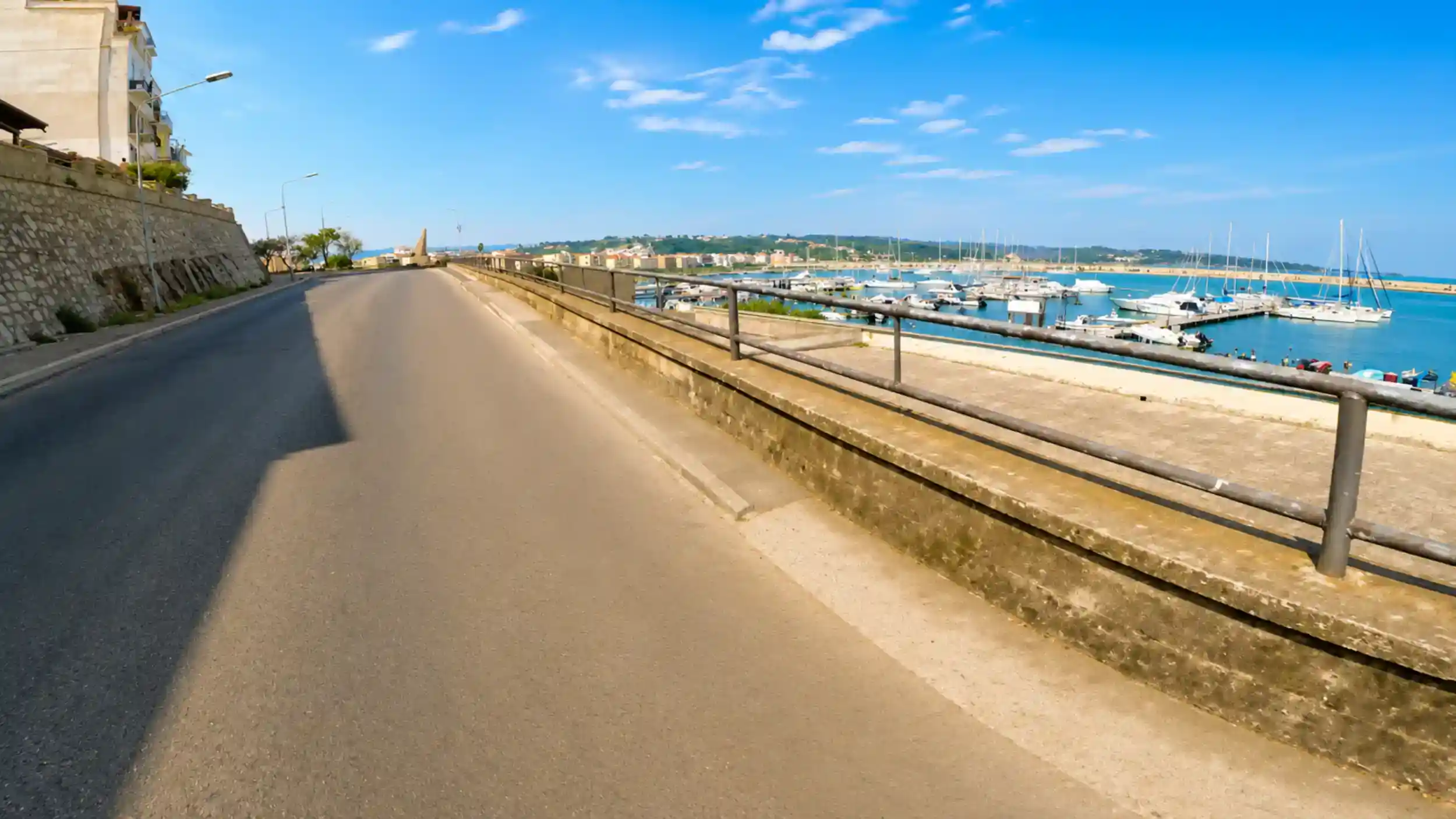
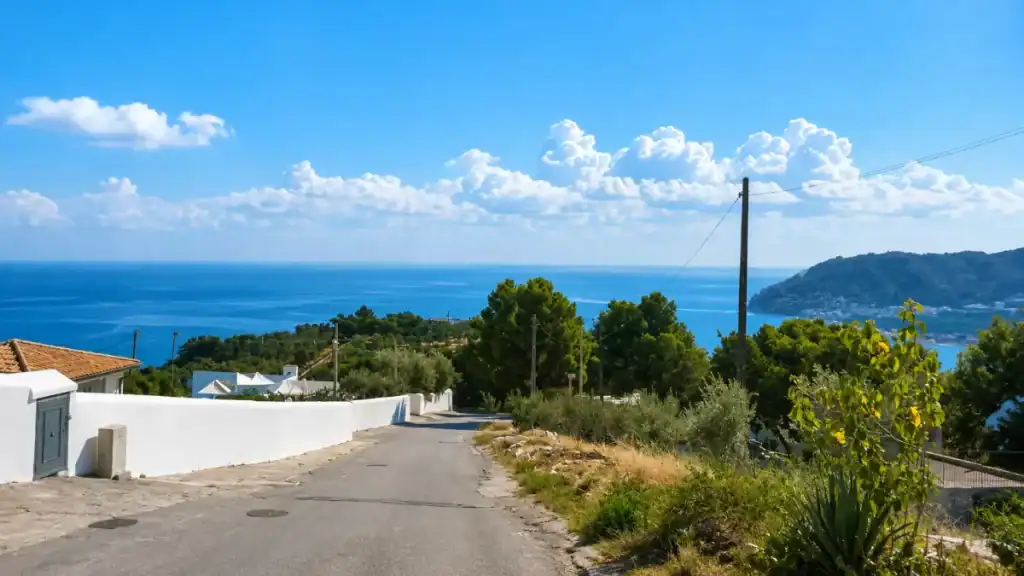
Yes. Driving was one of October’s clearest advantages for me. Gargano’s limestone cliffs, sea views and winding roads were unchanged, but reduced traffic altered how I experienced them. Instead of concentrating on congestion, parking and the next busy section, I had more attention left for the journey itself.
That sounds like a small difference until a viewpoint appears unexpectedly.
Why Did Quieter Roads Matter So Much?
On the Vieste to Peschici drive, being able to consider a stop instead of immediately dismissing it because parking looked hopeless made the road feel less like a transfer. The same applied elsewhere along the peninsula. A beach could become an unscheduled stop, then lead to lunch or an inland village without every move needing to be planned around peak-season traffic.
- 👀 More rewarding: scenic roads when you can actually stop at viewpoints.
- 🅿️ Less friction: parking becomes less likely to decide the itinerary for you.
- 🧭 More freedom: coast and inland stops can fit naturally into the same day.
⛰️ Is Inland Gargano Worth Exploring in October?
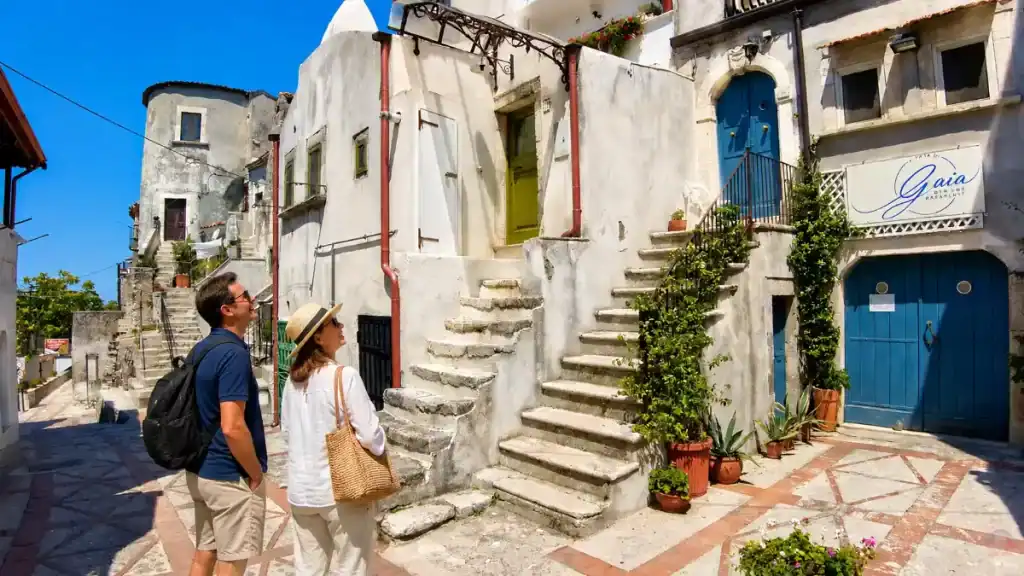
Yes, and I thought October actually strengthened the case for spending time inland. Steep streets that would have been far less tempting in intense summer heat became realistic places to spend an afternoon. The interior stopped being somewhere to retreat when the beach disappointed and started earning days of its own.
Which Inland Places Work Well in October?
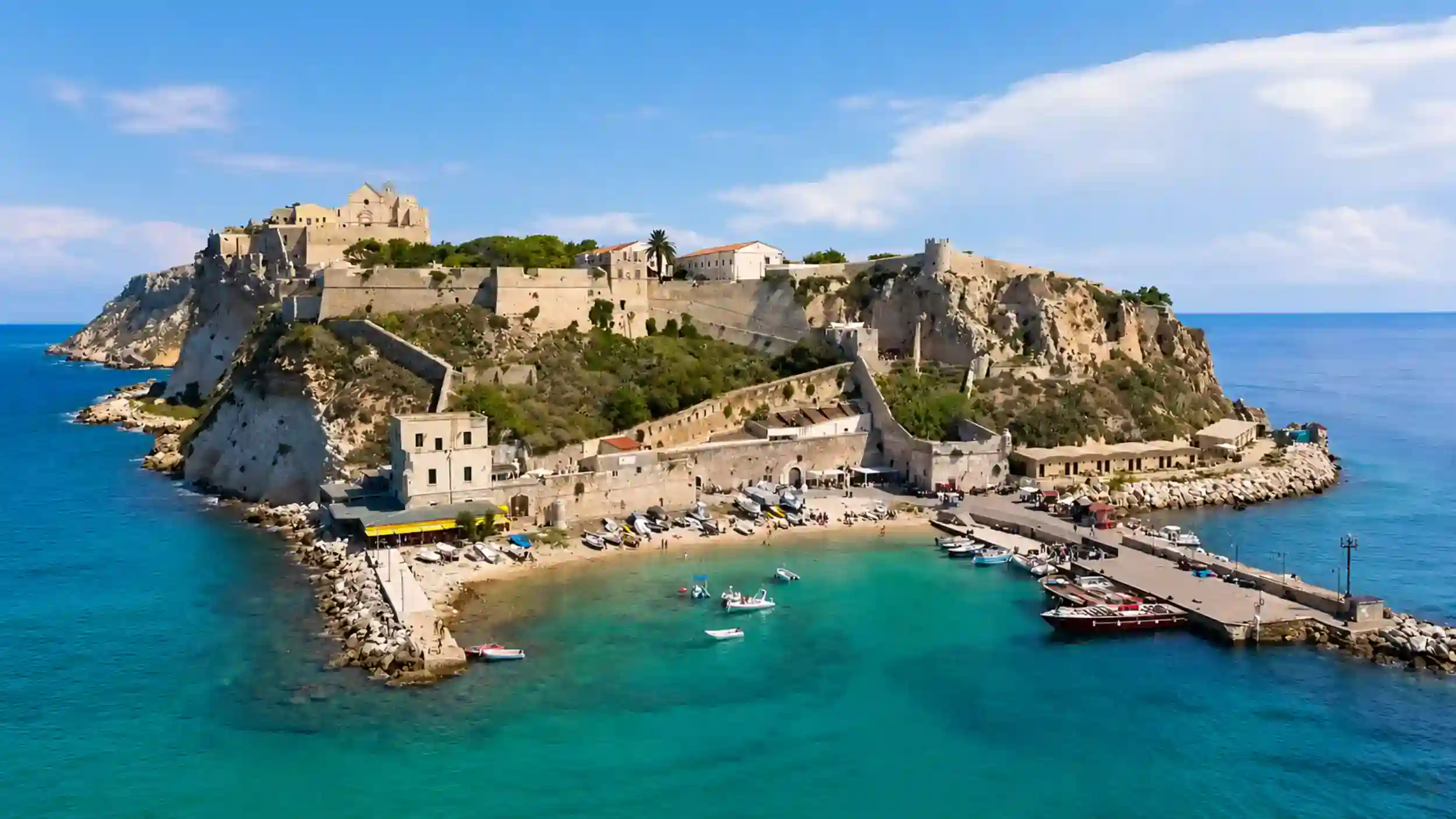
Monte Sant’Angelo particularly suited the change of season. Its climbing historic streets felt more manageable, and on a clear day the higher position opened long views back towards the Adriatic. Vico del Gargano offered a different kind of afternoon: narrower lanes, stone stairways and small corners that rewarded wandering without a fixed route.
I lingered more because heat and crowds were no longer pushing me onwards.
That is why October is such a useful month for exploring inland Gargano. A poor beach forecast does not automatically create a compromised day. It can simply change the direction of travel.
🌦️ What Is the Weather Like in Gargano in October?
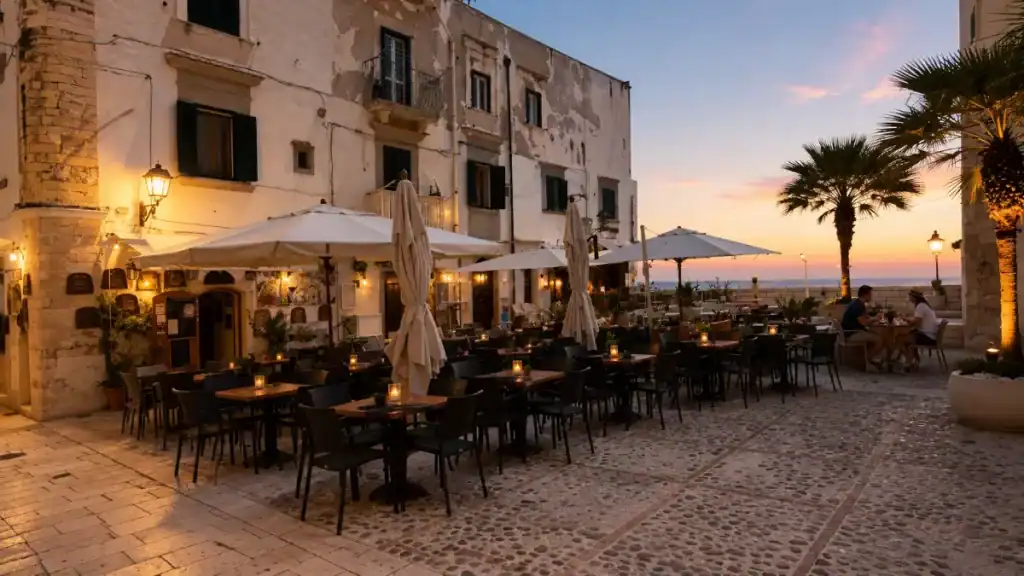
October weather in Gargano is best treated as changeable rather than simply cold or warm. Daytime conditions can still support coastal walks, sightseeing and occasional swimming, but cloud, wind or rain can alter the feel of the coast quickly. Evenings are noticeably cooler than summer, so the clothes that worked during a sunny afternoon may not be enough after sunset.
What Should You Pack for October Evenings?
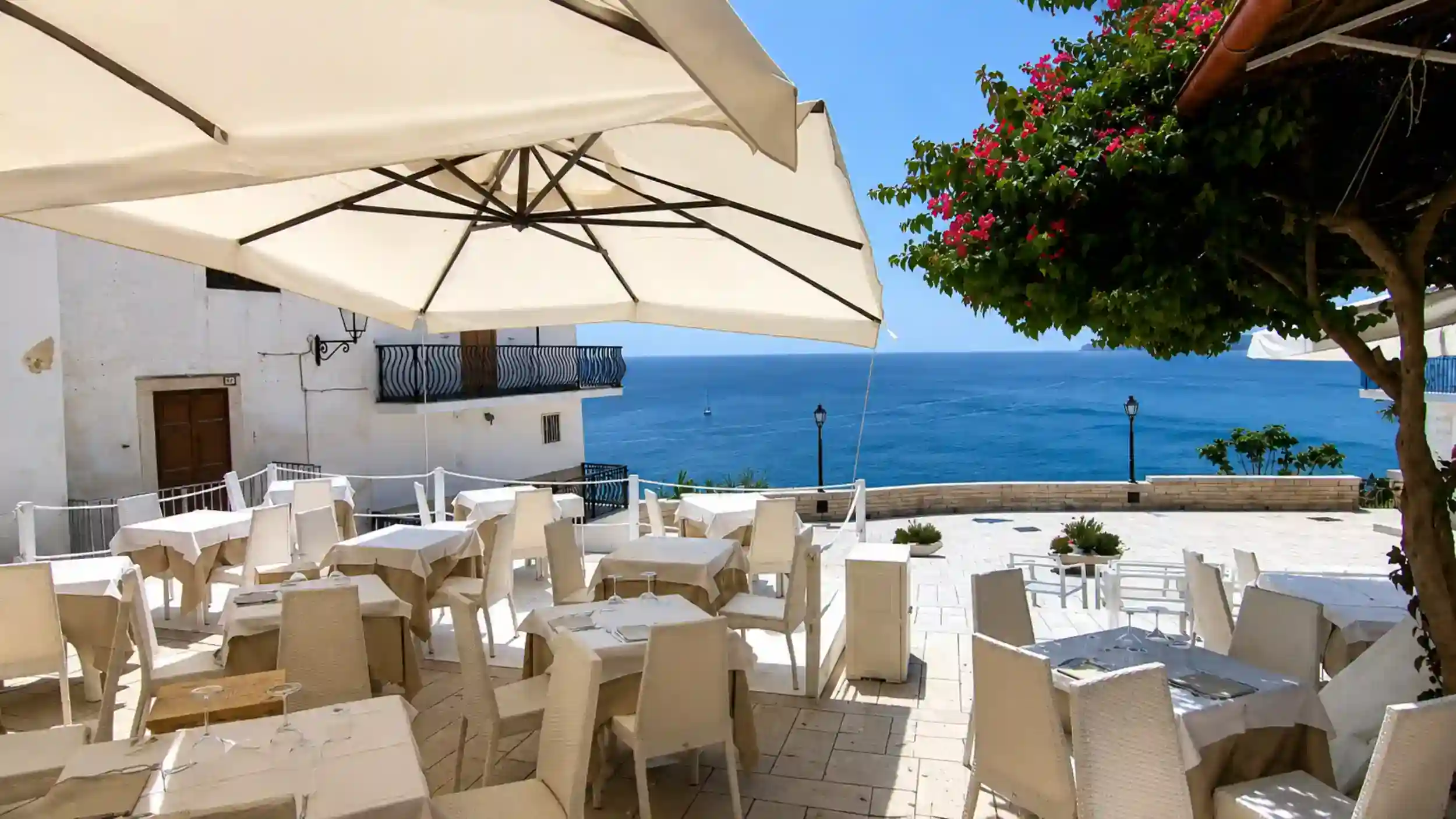
An afternoon could still feel warm enough for the beach, then dinner would arrive and I was suddenly glad to have another layer. That contrast mattered more in practice than trying to assign one temperature to an October day. I would pack for variation: something light for a settled afternoon, a warmer layer for evenings and enough flexibility that rain or wind does not wreck the itinerary.
Later in the season, accommodation chosen purely for beach access also made less sense to me. Agriturismos fitted the trip better than I had expected because countryside settings and local food complemented the extra time inland, while the olive harvest added another seasonal element.
🚪 What Is Still Open in Gargano in October?
Gargano does not shut down in October, but I would expect fewer choices as the month progresses. Some beach clubs close after summer, smaller coastal bars may operate on fewer days and restaurants can shorten their hours. Boat excursions may also have fewer departures or become more dependent on conditions.
I would not describe the peninsula as closed. I would, however, check any particular restaurant, beach club or excursion before making a special journey for it. That small habit prevents a quiet October road from ending at a locked door.
🚪 WHAT I WOULD CHECK AHEAD
Any specific beach club, restaurant or boat trip that matters to the day. I would not check every stop, but I would verify anything I was making a special journey for.
Which Plans Should Stay Flexible?
Boat trips and beach-heavy days are the obvious candidates. Gargano weather can change how a beach day works, so fixing every coastal activity to a particular date removes one of October’s biggest advantages: the ability to change course without fighting peak-season crowds.
What Can You Do if the Weather Turns?
If the coast turned windy, I could use the day for a hill town. Rain in the morning did not necessarily cancel the afternoon; a longer lunch bought time to see what happened next. That flexibility turned uncertain weather from a constant nuisance into something the itinerary could absorb.

✅ Is Gargano Worth Visiting in October?
Yes, for the right kind of trip. I would recommend October most strongly to independent travellers who want to drive, stop spontaneously and divide their time between beaches, historic towns and the interior. The quieter roads gave me more freedom, but the trip worked because I was never depending on guaranteed beach weather.
If packed beach clubs, nightlife and dependable midsummer heat are the priority, I would choose another month.
Who Is October in Gargano Best For?
A beach in the morning, a hill town later and a relaxed evening meal could belong to the same day without feeling over-planned. If you have the time, a week in Gargano gives enough room to move activities around when conditions change instead of forcing the coast and inland towns into a rigid sequence.
That is the October bargain I would take again: less certainty, but considerably more freedom.
✅ WHO I WOULD SEND IN OCTOBER
Independent travellers who value road trips, walking, historic towns and flexible beach time. If dependable heat, nightlife and fully operating beach clubs are the priority, I would choose a summer month instead.