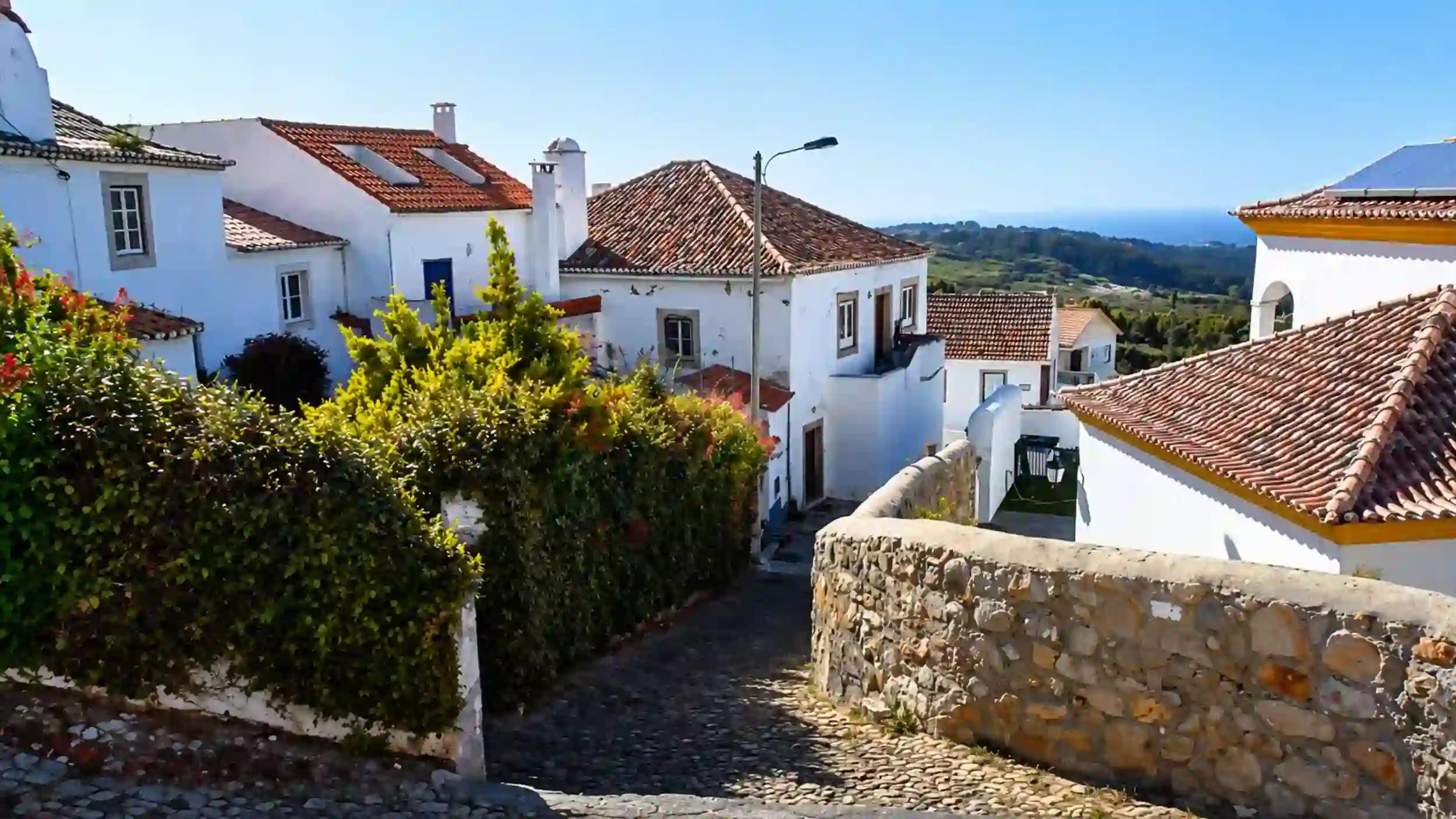
I think Penedo is worth the detour if, like me, you enjoy quiet hilltop villages and scenic surroundings more than conventional sightseeing. I found few major attractions here, so the village itself became the reason to visit: narrow streets, an elevated setting and a marked contrast with busier Sintra.
With limited time, I would leave Penedo out. Once I had room for a slower itinerary, however, the detour became much easier to justify.
🌿 What Makes Penedo Worth the Detour?
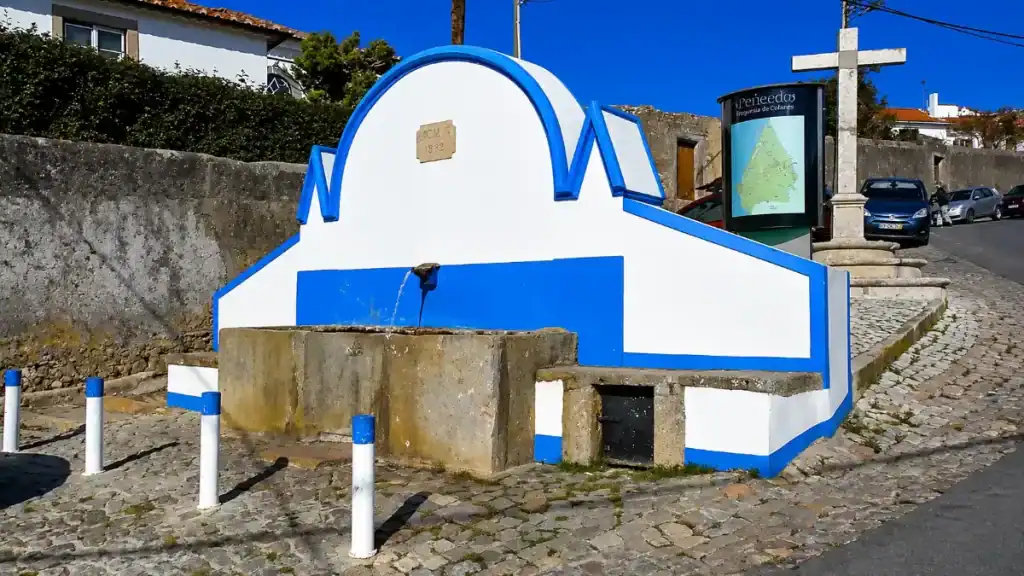
Penedo was worth the detour for me because the quiet hilltop setting and long views offered something very different from Sintra’s conventional attractions. I found it high in the hills above Colares, reached by a steep, narrow road that seemed to discourage casual stops.
What struck me on arrival was what was missing. There was no palace, ticket office, organised viewpoint or collection of sights telling me how to spend the visit.
Instead, I found a small residential village occupying an unusually dramatic position in the landscape. The reward came from walking its streets, taking in the surroundings and spending time somewhere that felt detached from the busier tourist routes below.
That distinction mattered to me. If I had arrived with a checklist of things to see, I might have wondered why I had driven up. Giving myself an hour simply to explore a quiet hilltop village made its appeal much clearer.
🌿 WHEN I THINK PENEDO IS WORTH THE DETOUR
🌄 Clear day: this is when the elevated setting and long-distance views earn the drive.
🚗 Already visiting Colares or the coast: Penedo fits naturally into the route.
🥾 Walking is part of the day: extra time opens up the surrounding hills.
⏱️ Only one day in Sintra: I would prioritise the main palace circuit instead.
🌄 What Are the Views From Penedo Like?
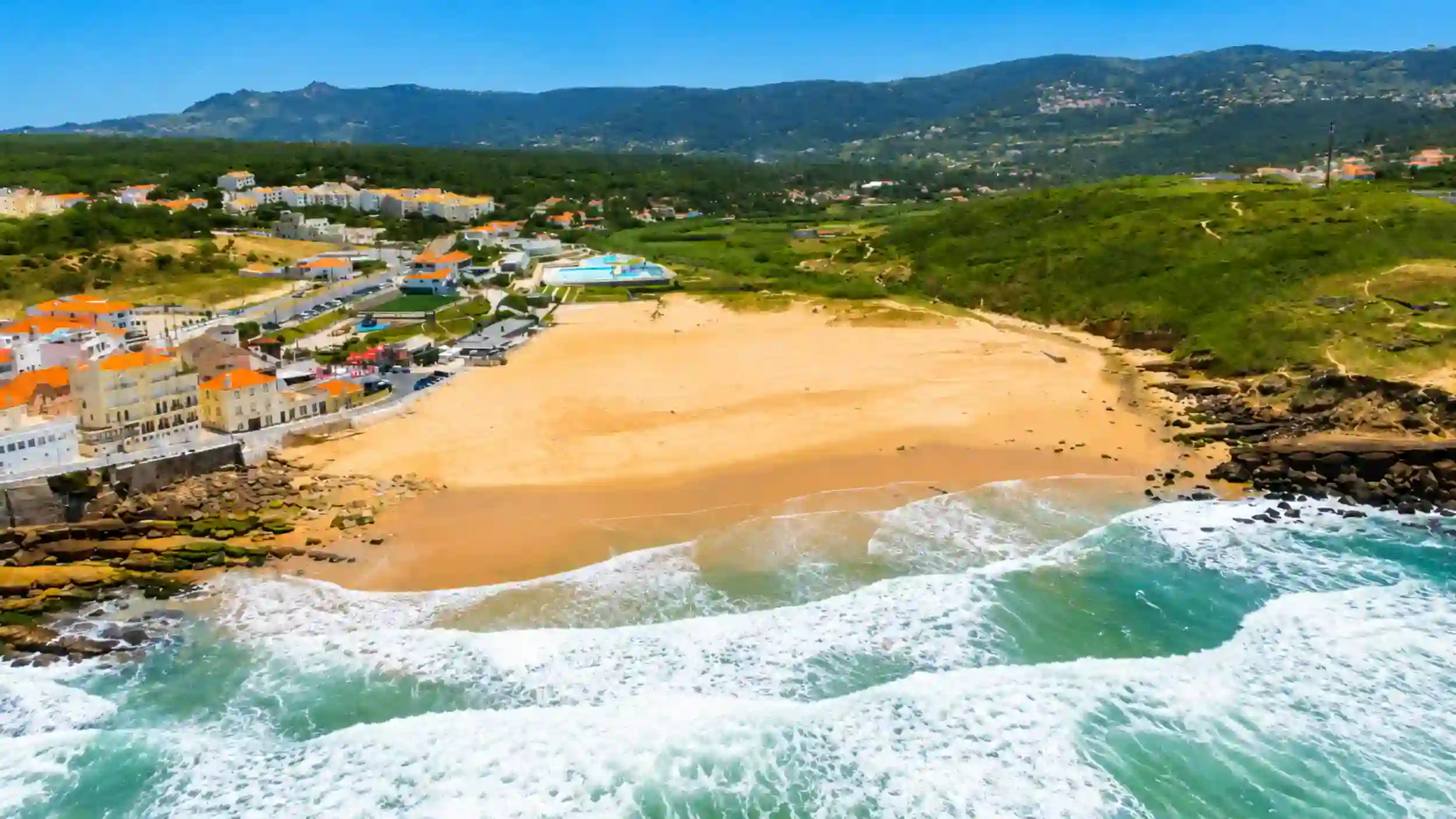
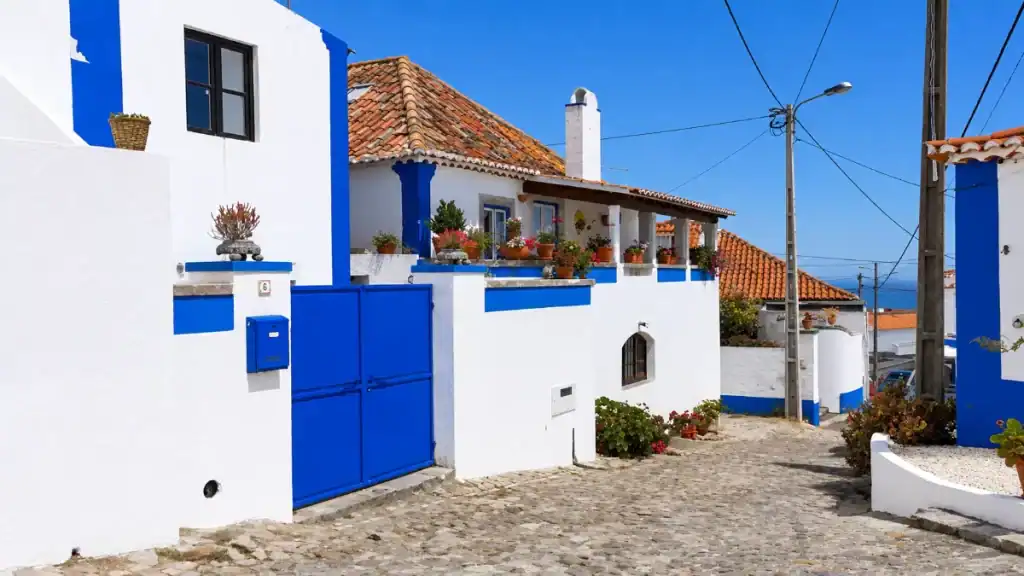
The views from Penedo stretch across the Serra de Sintra towards Colares, the coastal plain and, in clear conditions, the Atlantic. For me, that elevated perspective was the village’s strongest reward.
From the higher parts of the village, I could see the Serra de Sintra falling away in layers towards Colares and the coastal plain, with the Atlantic beyond. It was one of those moments when the geography of the region suddenly became much easier for me to understand.
On a clear day, I could see how the hills, villages and coast connected rather than thinking of them as separate stops on an itinerary.
Clear Skies Matter More Here Than They Do in Sintra Town
Penedo’s hilltop position left me much more exposed to the fog and low cloud that regularly move through the Sintra hills.
I can see the appeal of Penedo in mist, with whitewashed houses disappearing into cloud and the surrounding forest taking on a different character. But I would not ignore the downside: the long-distance views that justify the detour can disappear completely.
🌤️ WHEN TO GO FOR THE CLEAREST VIEWS
Clear conditions matter more than a fixed hour. I would check the Serra de Sintra shortly before setting off rather than assume morning or afternoon is automatically better.
🌫️ Fog or low cloud: the long-distance views can disappear completely.
☀️ Sunshine in Sintra town: useful, but not a guarantee that Penedo will be clear at its higher elevation.
🚗 How Do You Get to Penedo From Sintra?
The easiest way to get to Penedo from Sintra is by car, which took the awkwardness out of reaching the hilltop village for me. The buses serving the Colares area do not reach Penedo directly, while walking from Colares involves a steep climb of around two to three kilometres.
By car, I would allow around 15 minutes from Sintra. The road through Colares and into the hills became narrow in places, so I found the final part of the journey needed a little more care than the distance suggested.
Is There a Bus to Penedo?
🚌 GETTING TO PENEDO WITHOUT A CAR
Direct bus: there is no straightforward service from central Sintra that makes Penedo an easy sightseeing stop.
Colares: buses can get you into the wider area, but you still have the steep climb to the village.
🚶 Walking: expect roughly two to three kilometres uphill from Colares.
🚗 My choice: a car makes the detour considerably easier.
I did not find the sort of dedicated visitor car park I might expect at a conventional attraction. Parking was limited, so on a busy day I would arrive earlier to make both the drive and finding a space easier.
The Detour Works Better with Colares and the Coast
The detour made much more sense to me once Penedo became part of a wider route. Colares sat naturally below the village and gave me an easy place to stop before continuing into the hills.
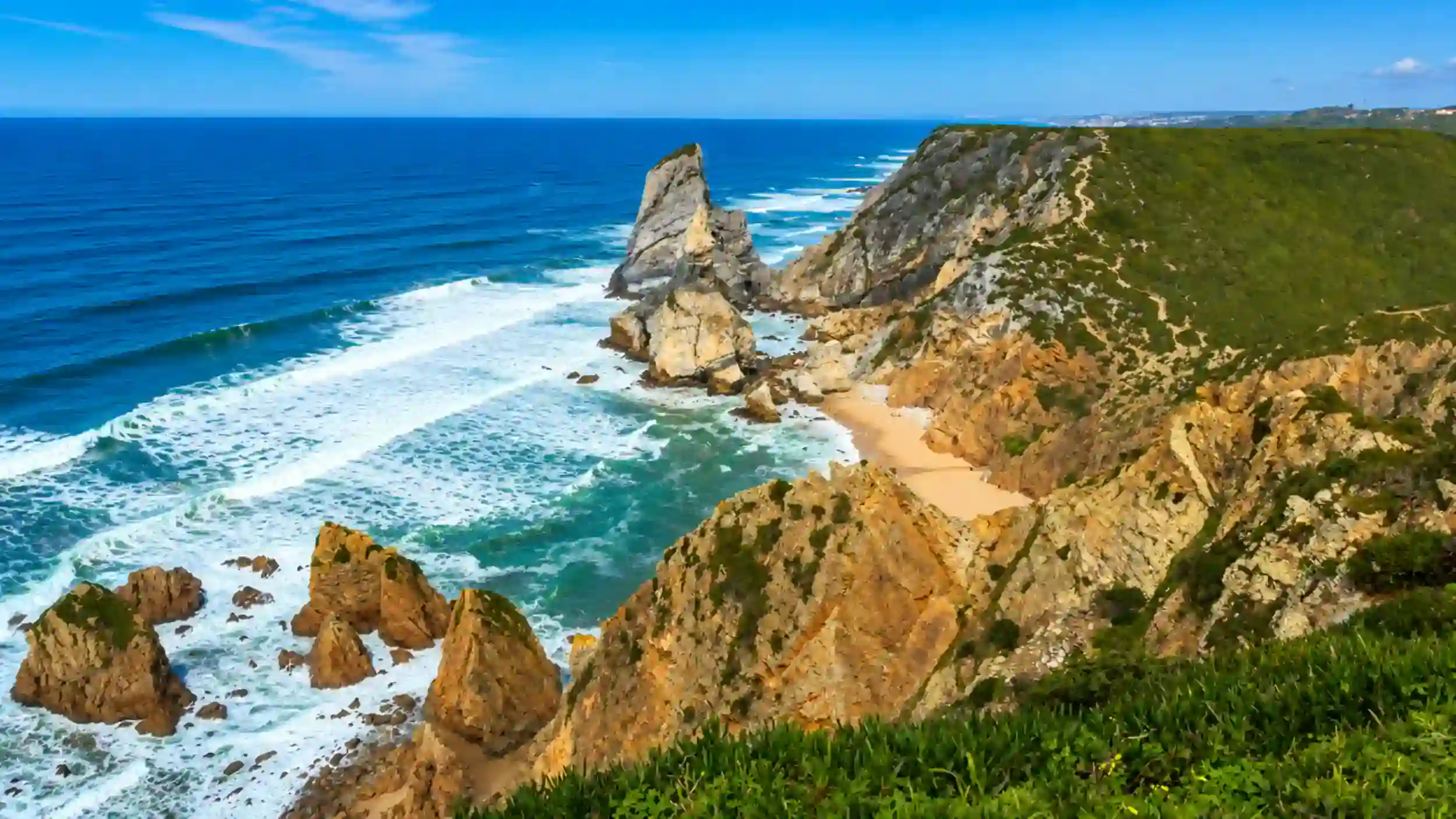
From Penedo, I could then drop back towards the Atlantic and continue to Cabo da Roca or Praia da Adraga. That stopped the village feeling like an isolated journey and turned it into part of a much more varied inland-to-coast route.
⏱️ How Long Do You Need in Penedo?
I would allow about an hour in Penedo. That gave me enough time to walk through the village, explore the higher streets and stop for the main views without allowing a short detour to consume a large part of the day.
If I wanted to walk, I would stretch that towards two hours. Instead of simply seeing the village, I could continue onto trails through the surrounding Serra de Sintra landscape.
One of the longer options heads towards Peninha, following the hills west of the village. For me, that would turn Penedo from a brief scenic stop into a more substantial walking destination.
On a first visit, I would not allocate half a day unless hiking was specifically part of my plans.
🧭 Who Is Penedo Best Suited To?
Penedo is best suited to travellers who value quiet villages, walking and hilltop views more than conventional sightseeing. I would still give it a place only after allowing enough time for the main palace circuit, which for me usually means having more than one day in the Sintra region.
It suited me because I enjoy walking, elevated views and quieter places where no major attraction dictates how the visit should unfold. If I wanted organised sights, or if steep streets and awkward access were a problem, I would find the effort-to-reward ratio less convincing.
With Only One Day, I Would Skip It
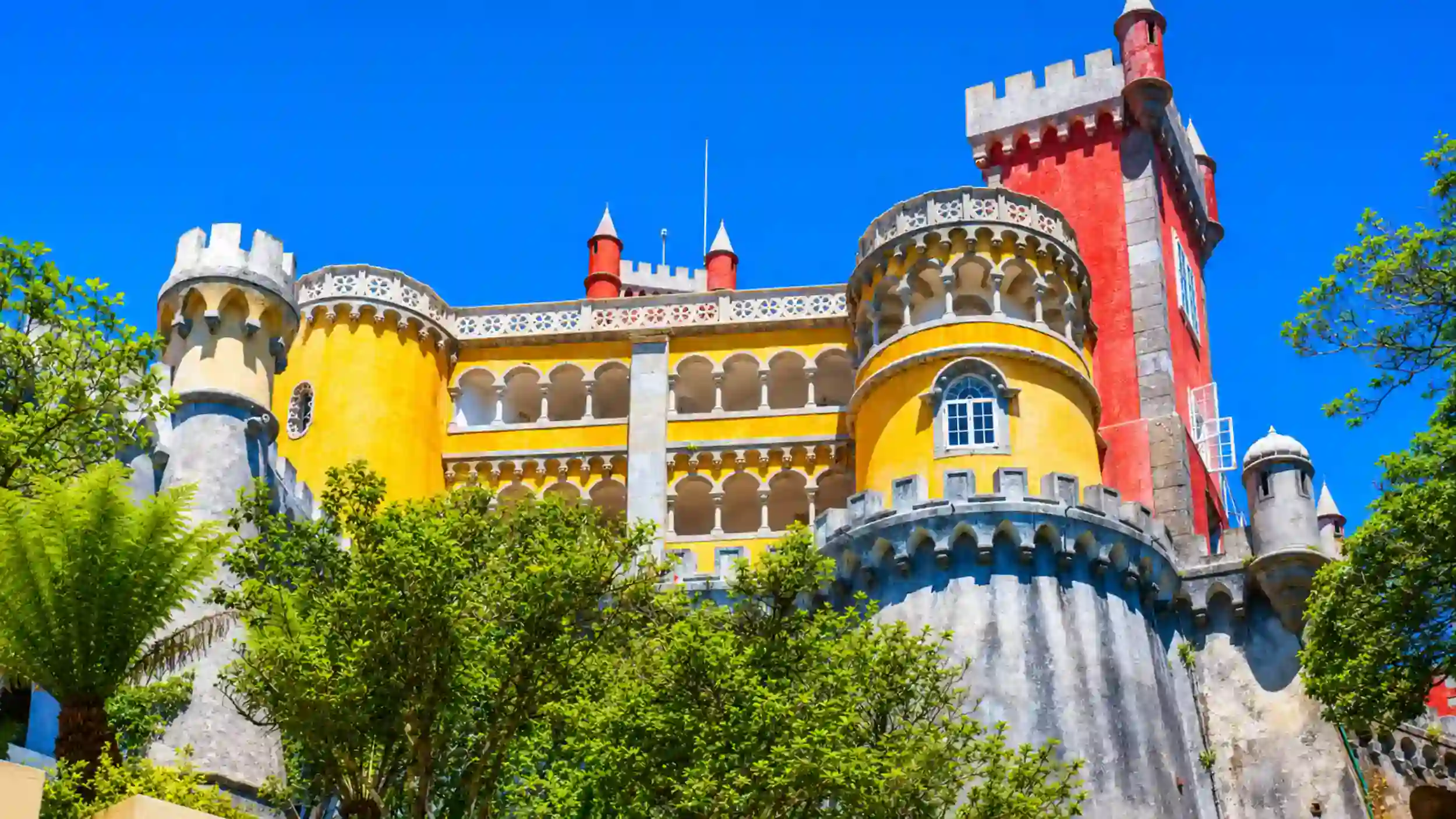
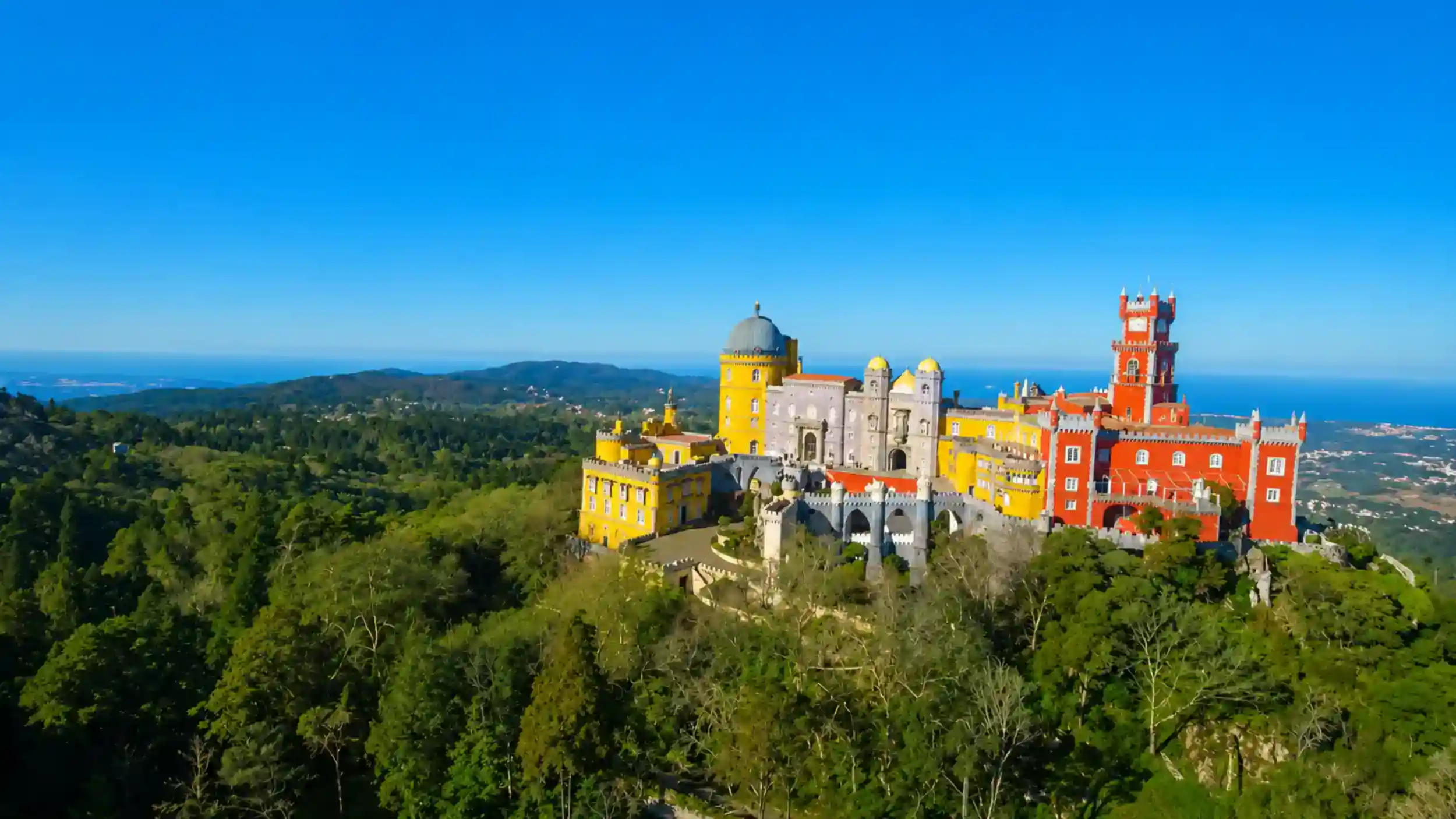
Knowing which places around Sintra best match my available time made the decision easier. With only one day, I would not choose Penedo over Pena Palace or Quinta da Regaleira. Once I had two days, or was returning to Sintra, the detour became much easier to justify.
The wider picture of what the Sintra area contains also helped me put Penedo in context. It was not one of the region’s headline attractions, and that was precisely why I enjoyed it.
🧭 My verdict: for clear hilltop views, a quiet village and an hour away from the main tourist circuit, I think Penedo is worth the detour. If I were short on time, though, it would be one of the easiest Sintra stops to leave for another trip.