I would choose the best time to visit Cabo da Roca by the weather first and the clock second. Early morning can bring quieter viewpoints, but coastal fog is a real risk; late afternoon usually gives warmer light, while sunset can be memorable but busier. If conditions were similar, I would aim for roughly 3pm to 4pm for the best balance.
Given the choice, I would still take a clear morning over a misty sunset. On this exposed headland, visibility can change the experience more than the difference between two otherwise convenient arrival times.
That made flexibility more useful to me than chasing one supposedly perfect hour.
🌊 Why Does the Weather Matter So Much at Cabo da Roca?
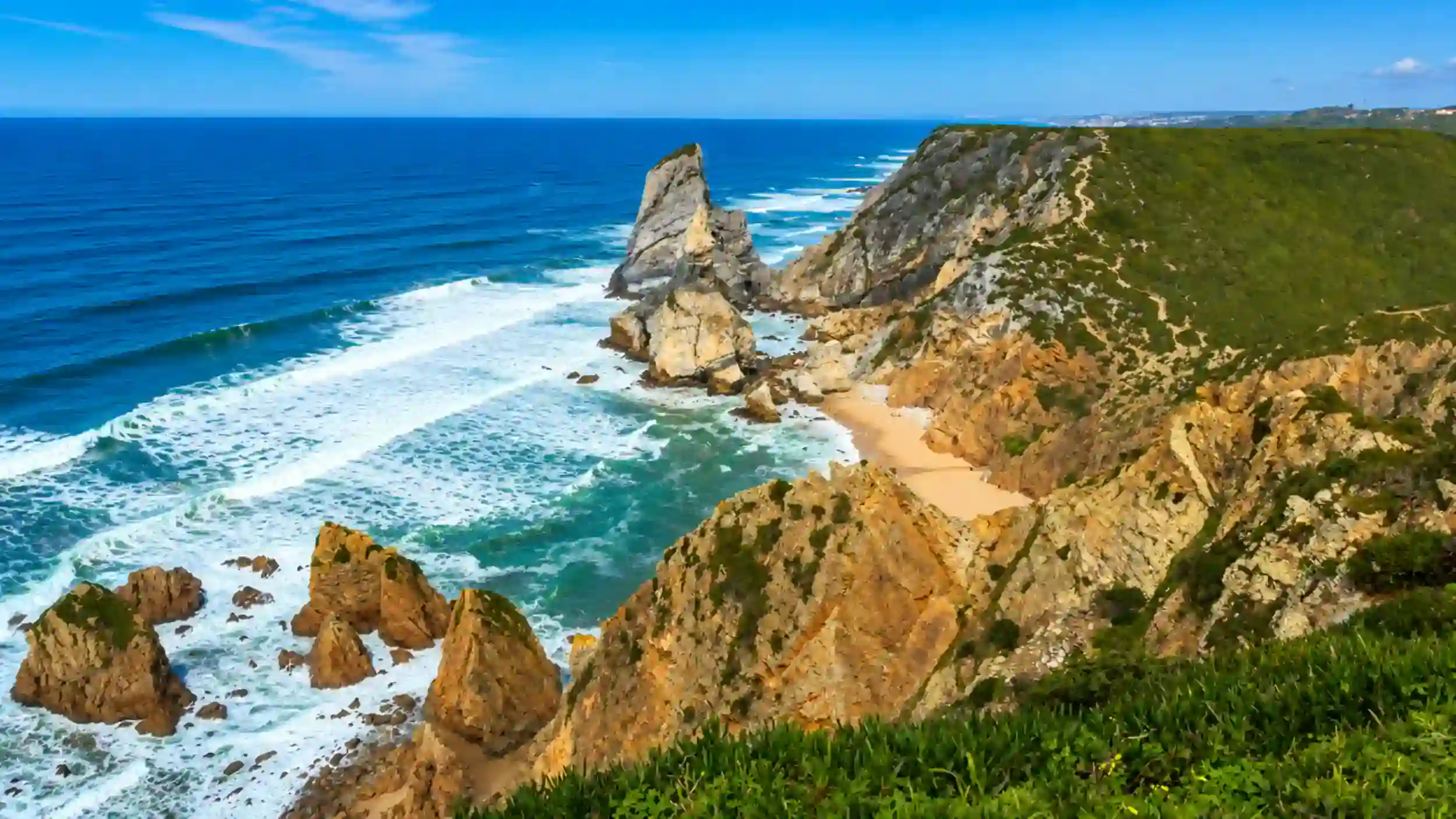
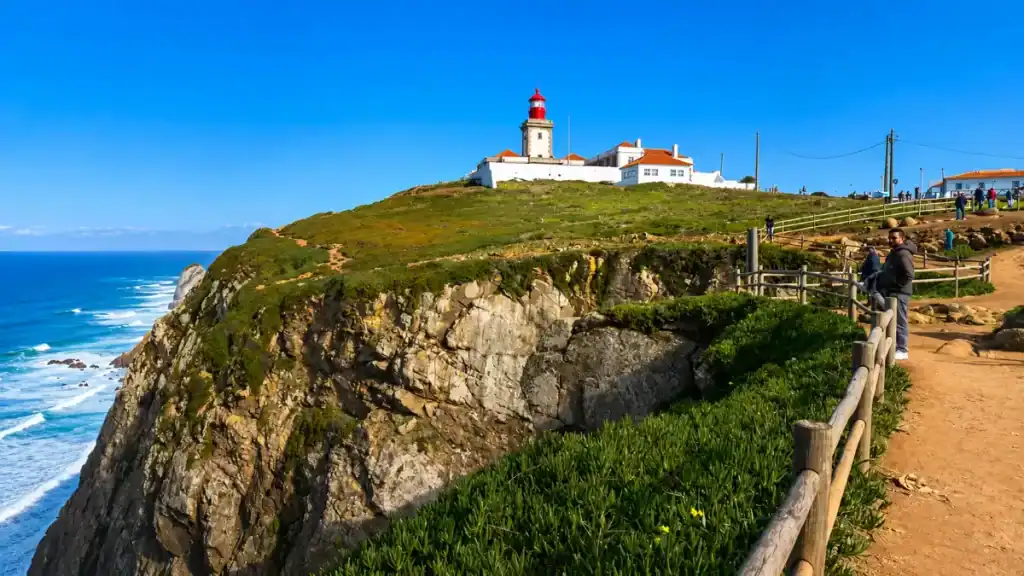
Weather matters so much at Cabo da Roca because visibility, wind and cloud can transform what you actually see and how long you want to stay. I found this especially noticeable on the exposed headland, where the Serra de Sintra ends abruptly above the Atlantic Ocean.
On a clear day, I could look along the Portuguese coast in both directions. The site lies within the Sintra-Cascais Natural Park, around 18 kilometres west of Sintra and 30 kilometres from Cascais, which made it easy for me to think of it as part of a wider coastal route rather than an isolated attraction.
There is relatively little to do in the conventional sense. I could cover the main promontory quickly, but the exposed landscape was the attraction for me, which is why visibility, wind and cloud mattered so much.
🌫️ Is Morning a Good Time to Visit Cabo da Roca?
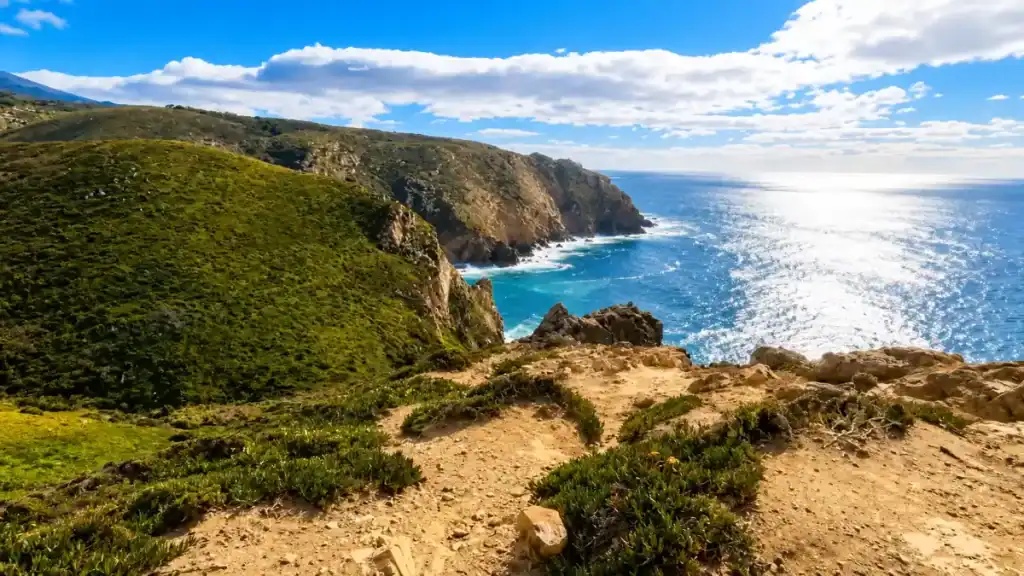
Morning is a good time to visit Cabo da Roca when the coast is clear. It was quieter for me, with more space around the viewpoints, but fog could undo that advantage by taking away the views I had come for.
Morning light also worked well when the coast was clear. Looking towards the Atlantic, I found the cliffs had good definition, even if the light lacked the warmer character it developed later.
Summer Mornings Need a Fog Check
The compromise was visibility. Coastal fog can be common around the Sintra hills, particularly on summer mornings, and conditions at Cabo da Roca can differ considerably from those in Sintra town.
Sometimes that mist clears quickly. On other days it can linger, and I would not assume a bright start inland means the headland will be clear.
🌤️ HOW I WOULD CHOOSE MY ARRIVAL TIME
🌅 Early morning: quieter viewpoints and easier parking, but a greater fog gamble.
☀️ Around 3pm to 4pm: my best all-round compromise for visibility, space and improving light.
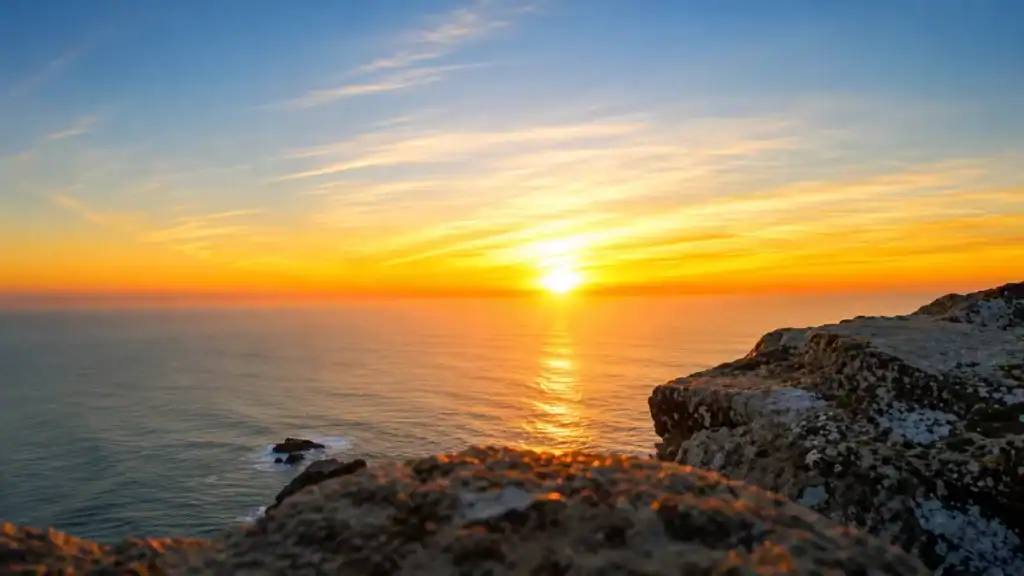
🌇 Sunset: the strongest light and Atlantic sunset potential, but usually with more people around the main viewpoints.
👀 Any genuinely clear window: I would take it rather than sacrifice visibility for a theoretically better hour.
🌇 Is Sunset a Good Time to Visit Cabo da Roca?
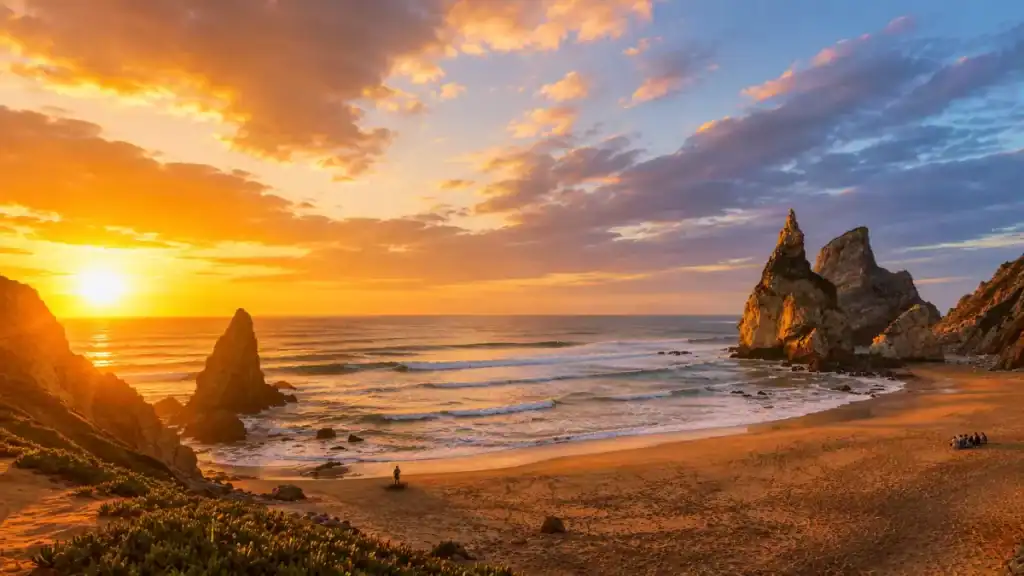
Sunset is a good time to visit Cabo da Roca if light and atmosphere matter more to you than avoiding crowds. The trade-off for me was more competition for space as the warmer, softer light began drawing more people towards the main viewpoints.
On a clear evening, sunset over the Atlantic would be my most memorable version of Cabo da Roca. The disadvantage was equally obvious: plenty of other visitors had the same idea.
I Would Arrive Before the Sunset Rush
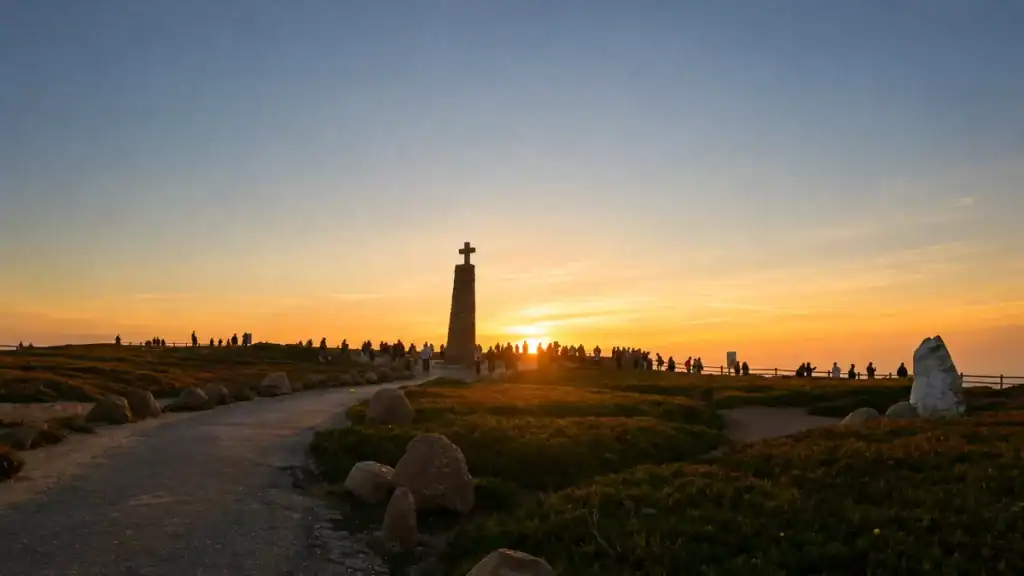
I saw visitor numbers build through the afternoon. The car park became busier and the main viewpoints around the monument felt increasingly crowded as sunset approached.
That is why I preferred the idea of arriving around 3pm to 4pm rather than turning up immediately before sunset. I could explore without rushing, see how the weather developed and then decide whether the conditions justified staying.
If quiet mattered more to me than golden light, I would choose a clear early visit instead.
🚗 How Do You Get to Cabo da Roca From Sintra?
You can get to Cabo da Roca from Sintra by car or bus. Driving gave me the most flexibility, and I would allow around 20 minutes in normal conditions, although traffic and parking can add time.
That flexibility mattered because it let me react to the weather. If the headland was sitting under cloud in the morning, I could visit something else first and try the coast later.
There Is a Bus From Sintra to Cabo da Roca
Public transport is a realistic alternative. Cabo da Roca is served by buses linking the Sintra area with the headland, including the 1624 route between Portela de Sintra and Cascais via Cabo da Roca. I would check the current timetable on the day rather than build a tight itinerary around an assumed departure time.
The journey is slower than driving, so I would allow roughly 40 minutes from the Sintra area and leave some margin if I were trying to reach the coast for a particular light or weather window.
🚌 WHAT CHANGES WITHOUT A CAR
🚗 Driving: best when I want to react to fog, combine several coastal stops or stay for sunset.
🚌 Bus: workable for Cabo da Roca itself, but I would allow more time and check the current service before leaving Sintra.
🌇 Sunset by bus: I would check the return journey before committing to a late stay.
⏱️ How Long Do You Need at Cabo da Roca?
I would allow around 45 minutes to an hour at Cabo da Roca, although 15 to 30 minutes is enough for the lighthouse, monument and principal viewpoints. The longer visit made more sense to me when the weather was good and I wanted time beyond the main monument area.
I would still allow closer to 45 minutes or an hour when the weather was good. That gave me time to walk beyond the immediate monument area, stop at different viewpoints and enjoy the landscape without turning the visit into a photograph-and-leave exercise.
Praia da Ursa is a different proposition. Reaching the beach involves a steep descent and return climb, so I would add at least another two hours if that walk were part of the plan.
🗺️ Can You Visit Pena Palace and Cabo da Roca in One Day?
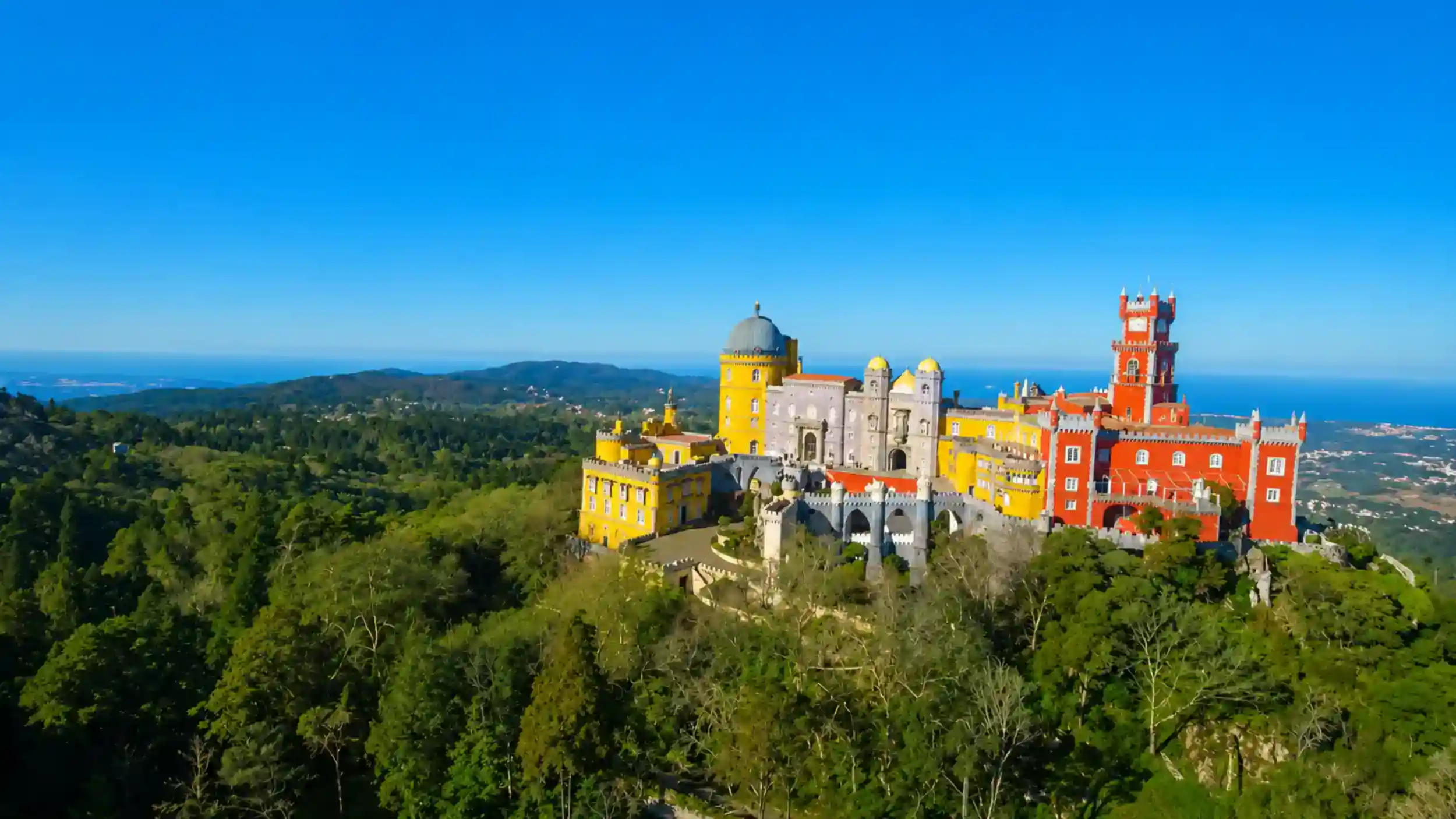
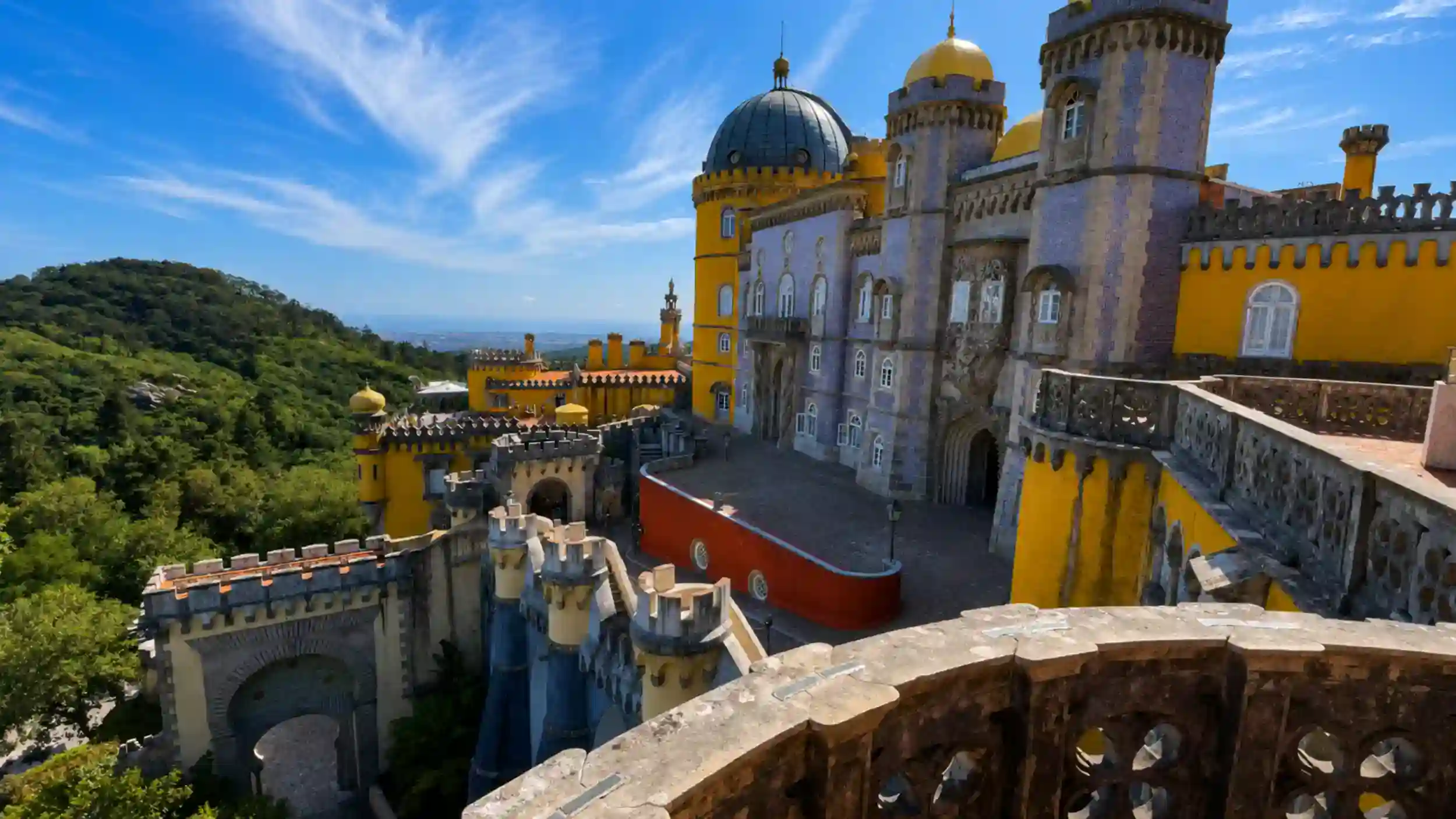
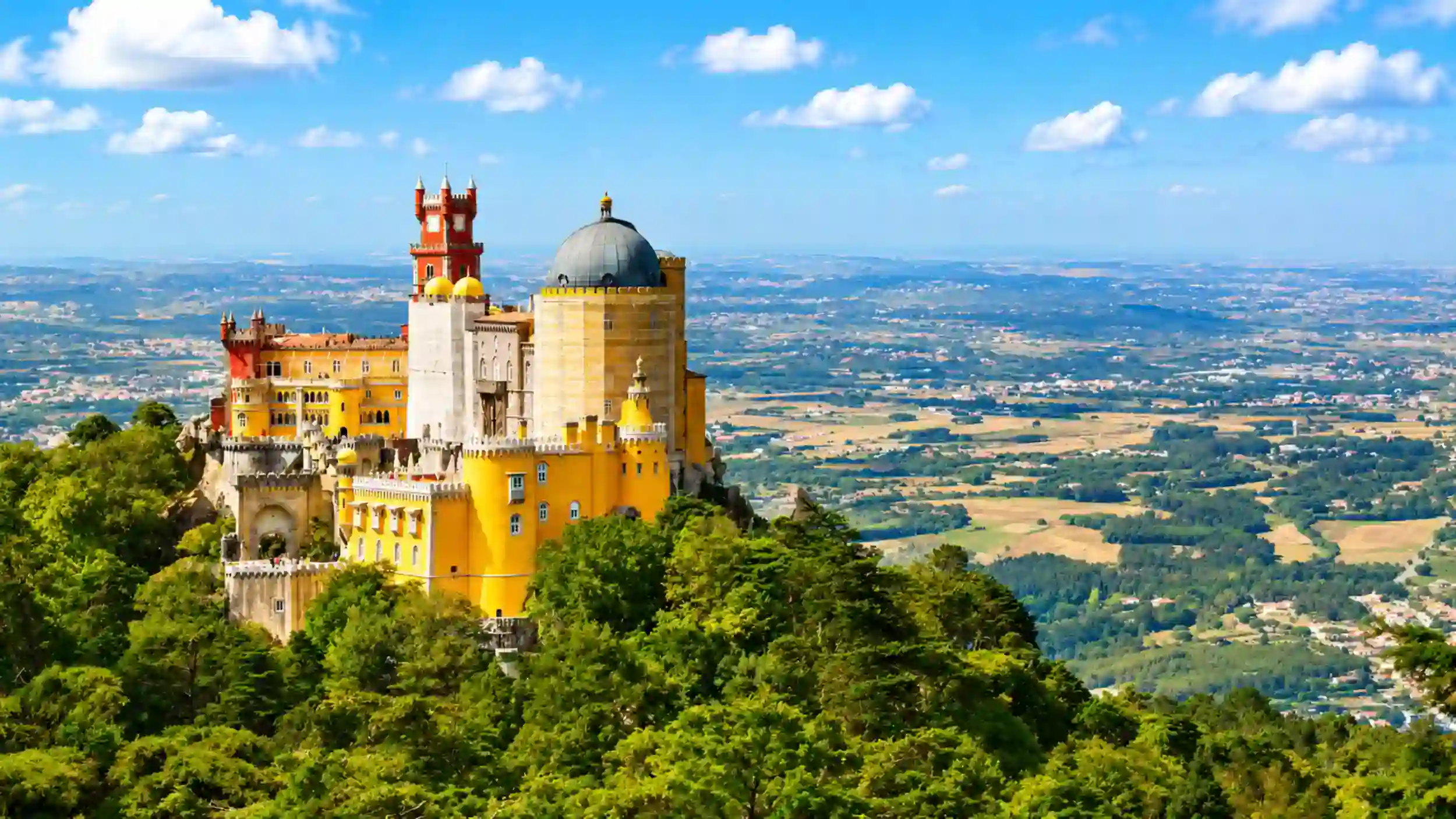
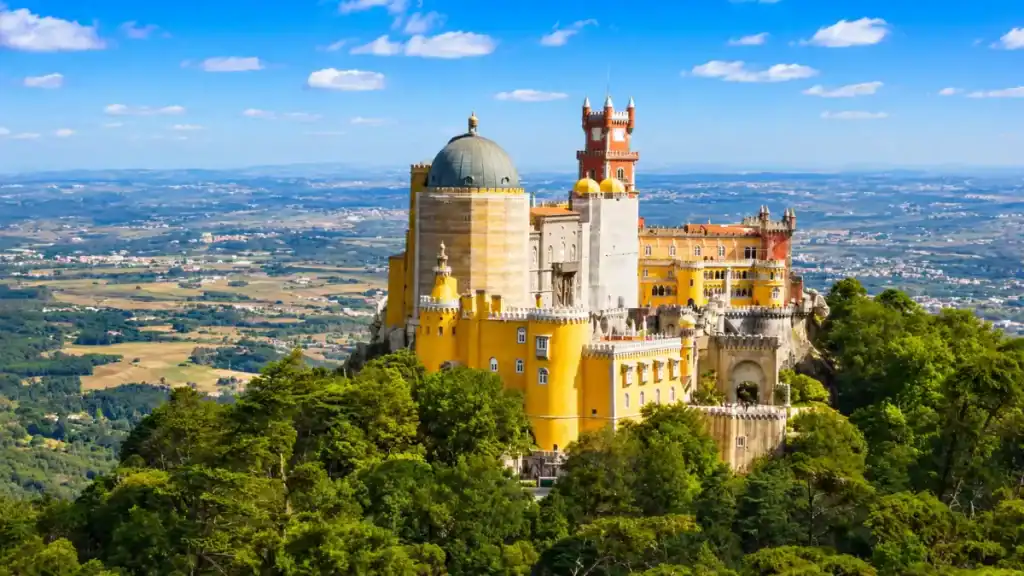
Yes, you can visit Pena Palace and Cabo da Roca in one day, but I would keep the rest of the Sintra itinerary deliberately limited. The palace circuit and coast pull the day in different directions, so trying to add several more major sights makes the combination much less convincing.
If Pena Palace were my main priority, I would book or visit it earlier, allow enough time for the park and palace, then head west once I was finished. Cabo da Roca works better as the flexible part of the day because its main headland does not require hours.
What I would avoid is trying to combine Pena Palace, the Moorish Castle, Quinta da Regaleira and Cabo da Roca simply because they all appear under the Sintra label. That turns a varied day into a timetable.
The Coast Makes More Sense Once the Palace List Gets Shorter
When the coast was my priority, I found Cabo da Roca worked better as the anchor of a separate route. Praia da Adraga and Praia Grande combined naturally with the headland, while Azenhas do Mar added a very different coastal stop farther north.
With only one day in Sintra, I would still prioritise the palaces unless Cabo da Roca was particularly important to me. Once I had a second day, the coast became much easier to explore without turning it into another rushed checklist.
🏰 WOULD I COMBINE PENA PALACE AND CABO DA ROCA?
✓ Yes: if Pena Palace is the only major palace on my list and Cabo da Roca is the later, more flexible stop.
✗ No: if I also want the Moorish Castle, Quinta da Regaleira or an unhurried afternoon in Sintra.
🌊 Better coastal day: Cabo da Roca with Praia da Adraga, Praia Grande or Azenhas do Mar feels much more coherent.
🌦️ What Is the Best Time to Visit Cabo da Roca?
The best time to visit Cabo da Roca is during a clear weather window rather than at one fixed hour. If conditions were equally good, I would favour roughly 3pm to 4pm for the balance of visibility and improving light.
The Atlantic and Serra de Sintra microclimate make precise planning difficult. For me, that makes flexibility more valuable than building the entire visit around a supposedly perfect sunset or a fixed early start.
🌦️ My choice: if the coast looked clear, I would go. With equally good conditions, I would favour 3pm to 4pm for the balance of light and visibility, early morning for quieter viewpoints, and sunset when atmosphere mattered more than avoiding crowds.