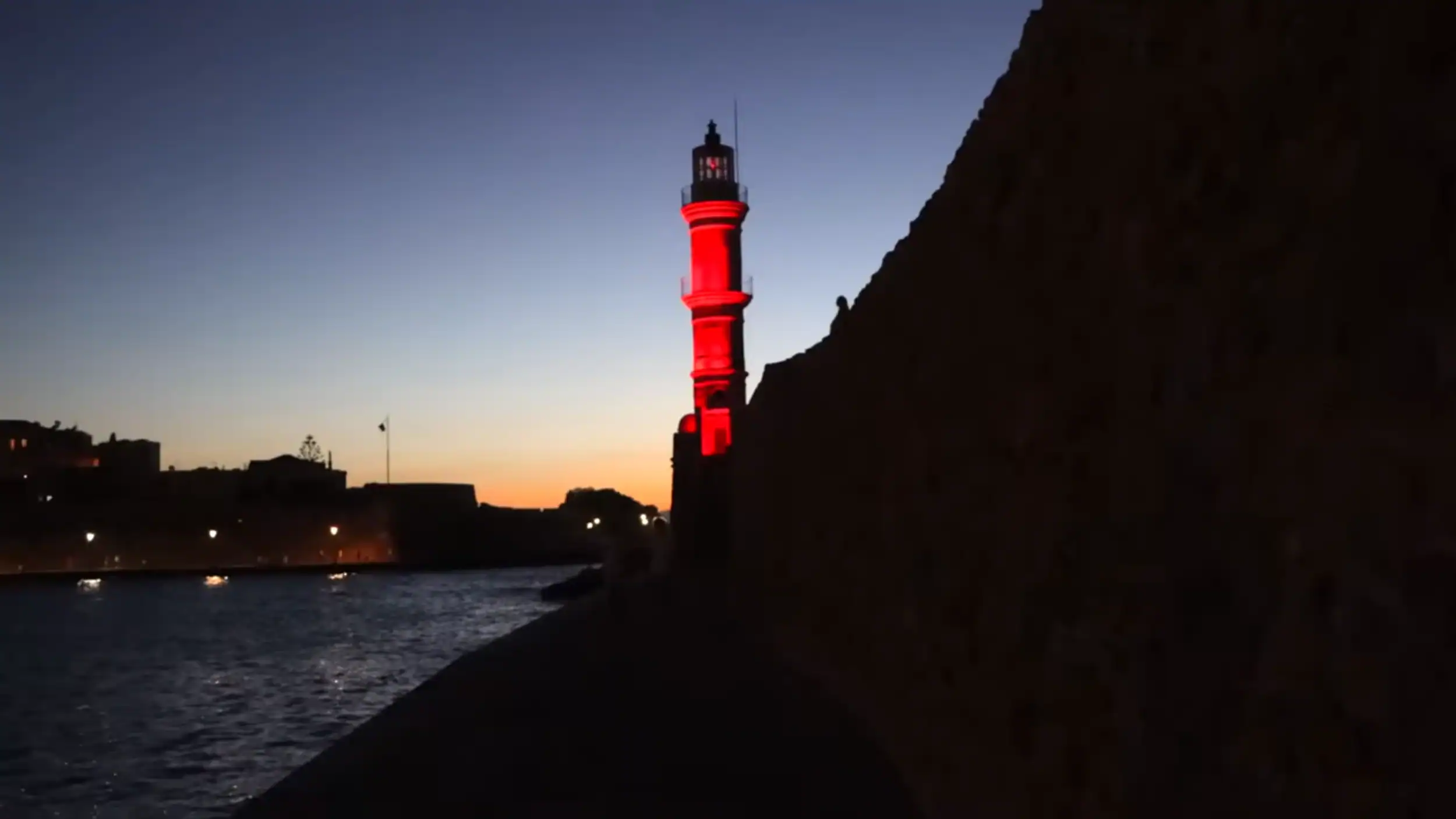
Chania in November suited us because we wanted to explore the city after the summer crowds had largely disappeared. We found the cooler conditions much better for walking around the harbour and Old Town, although the increased chance of rain meant we would not choose November for a beach-focused holiday.
What we noticed most was that Chania felt like a working Cretan city again rather than somewhere arranged around its visitors.
That changed the way we used our days. Popular corners were quieter, tables were easier to find and we rarely felt any reason to rush from one place to the next.
🌤️ What Chania in November Actually Felt Like to Us
The first thing we noticed was the pace.
Chania in November had not shut down, but it no longer felt as though everything revolved around summer tourism. We could walk the harbour without the same pressure of crowds, choose restaurant terraces more easily and see much more of the city’s everyday rhythm.
The weather was the obvious compromise. November averages are around 16°C overall, with daytime highs around 20°C and nights around 12°C. We found that mild enough for long walks, while evenings were cool enough for us to want a light jacket. Rain was a more realistic possibility than in summer: roughly 9–11 days of the month see measurable rain and monthly totals are around 65–75 mm, although changing conditions did not automatically mean losing an entire day.
We would pack layers rather than heavy winter clothing: comfortable walking shoes, long trousers, a light jumper or fleece, a light waterproof jacket and a small umbrella. Sunglasses were still useful when the sun appeared, but we would not arrive expecting summer clothing to work from morning until night.
November also shortened our sightseeing window. Chania gets roughly 10 hours 20 minutes of daylight on average during the month, falling from about 10 hours 43 minutes at the beginning to just under 10 hours by the end. We found it worth starting outdoor days earlier rather than leaving longer walks or drives until late afternoon.
| 🌤️ What to expect | 📌 Typical November conditions |
|---|---|
| 🌡️ Temperature | About 16°C average, with highs around 20°C and lows around 12°C |
| 🌦️ Rain | Roughly 9–11 wet days and around 65–75 mm across the month |
| 🌊 Sea temperature | About 20°C, swimmable for some but chilly for most |
| ☀️ Daylight | About 10 hours 20 minutes on average |
| 🚶 Sightseeing | Comfortable for walking on many days |
| 👥 Crowds | Much quieter than peak season |
We quickly learned not to build rigid days around the forecast. Clear mornings were ideal for the harbour and Old Town, while an afternoon shower simply pushed us towards cafés, museums or the covered market.
For us, that uncertainty actually improved the pace of the trip. We stopped trying to maximise every hour and let the weather decide when to walk, stop for coffee or spend longer indoors.
Would We Swim in Chania in November?
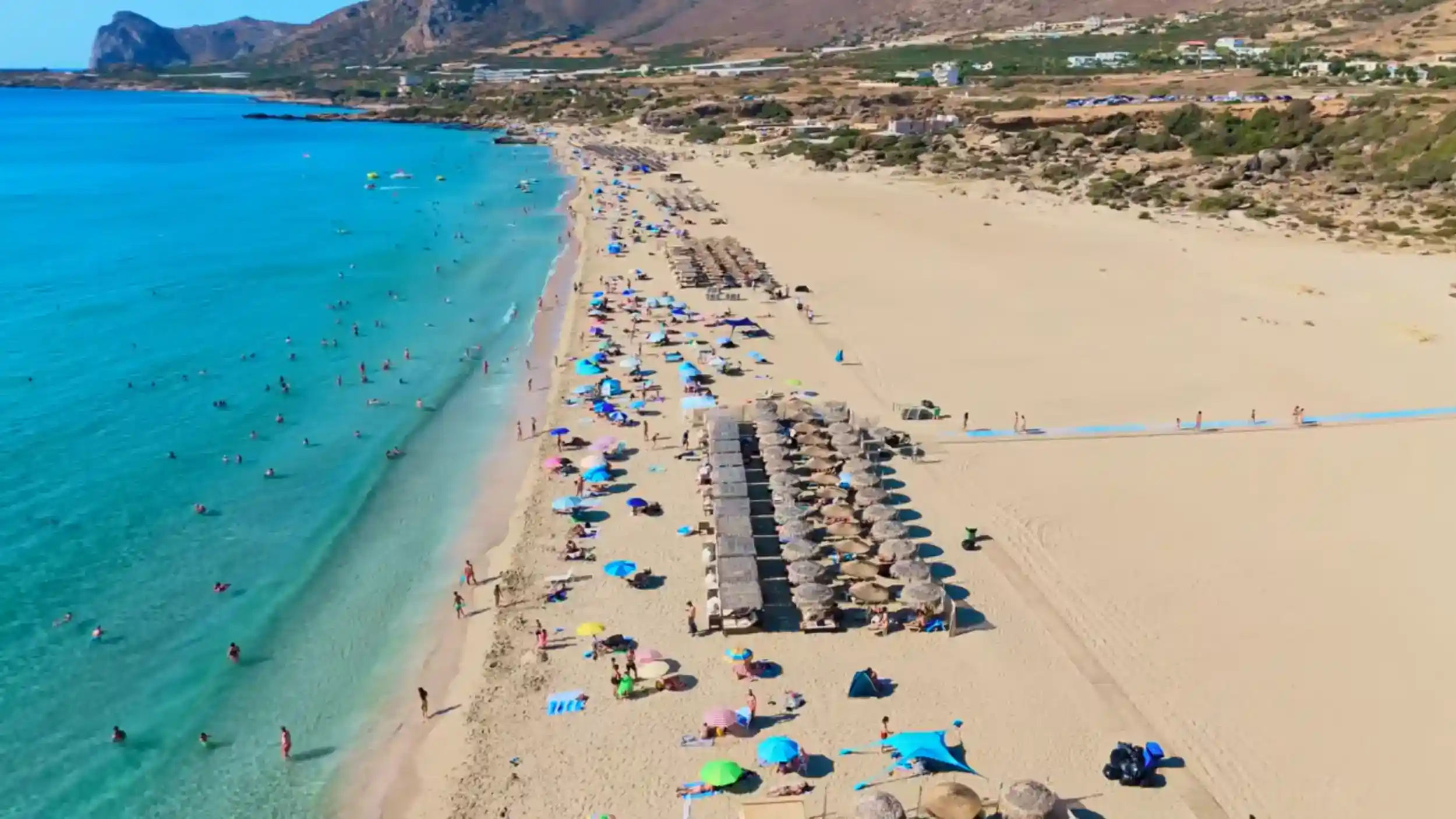
We would not choose November specifically for swimming. The sea averages around 20°C, so a confident cold-water swimmer may still find a calm, sunny day perfectly usable, particularly earlier in the month. For us, though, the combination of cooler air, wind and less predictable weather makes November much better for walking and sightseeing than for a conventional beach holiday.
🏛️ Why We Preferred Chania Harbour and Old Town in November
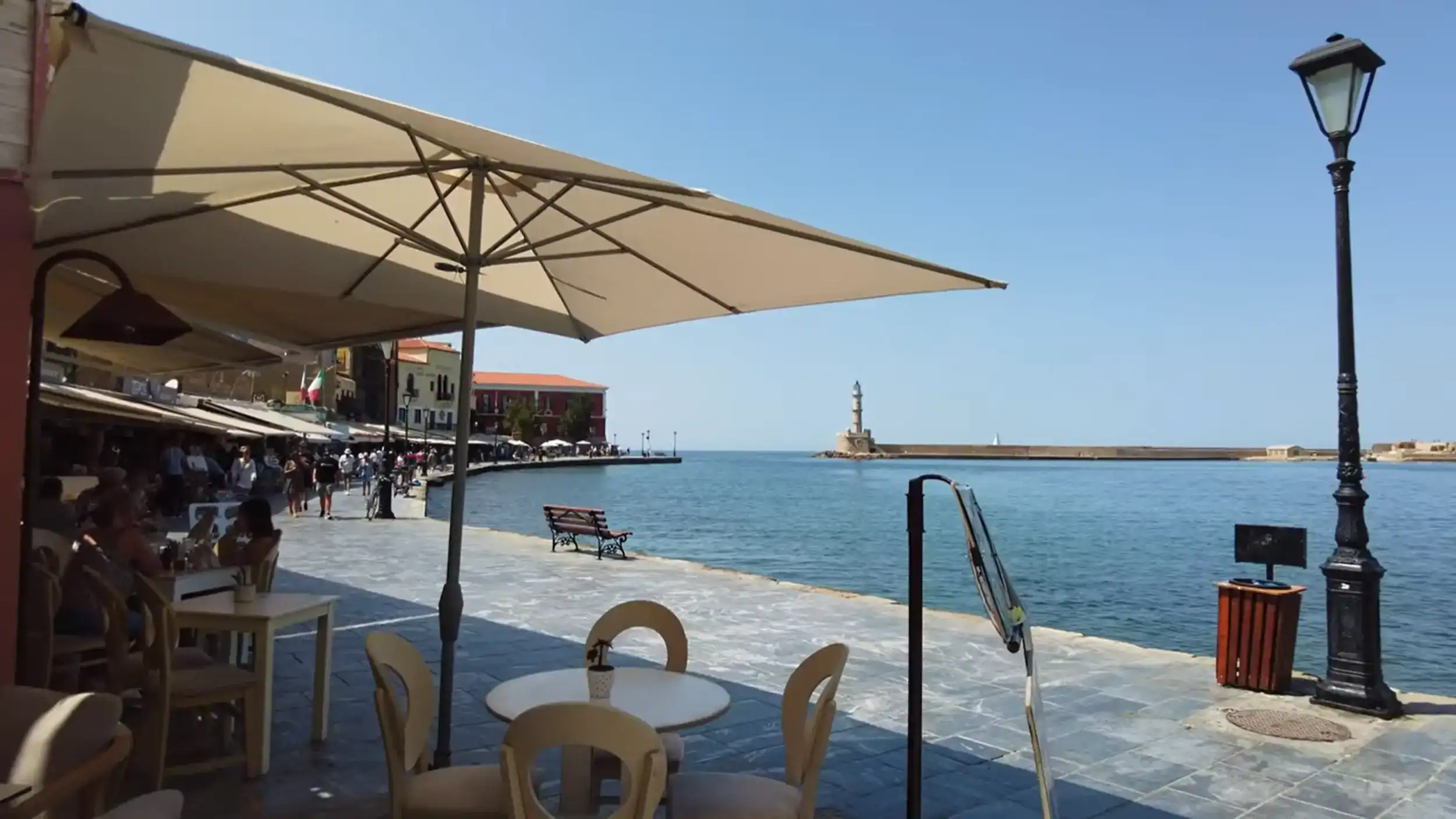
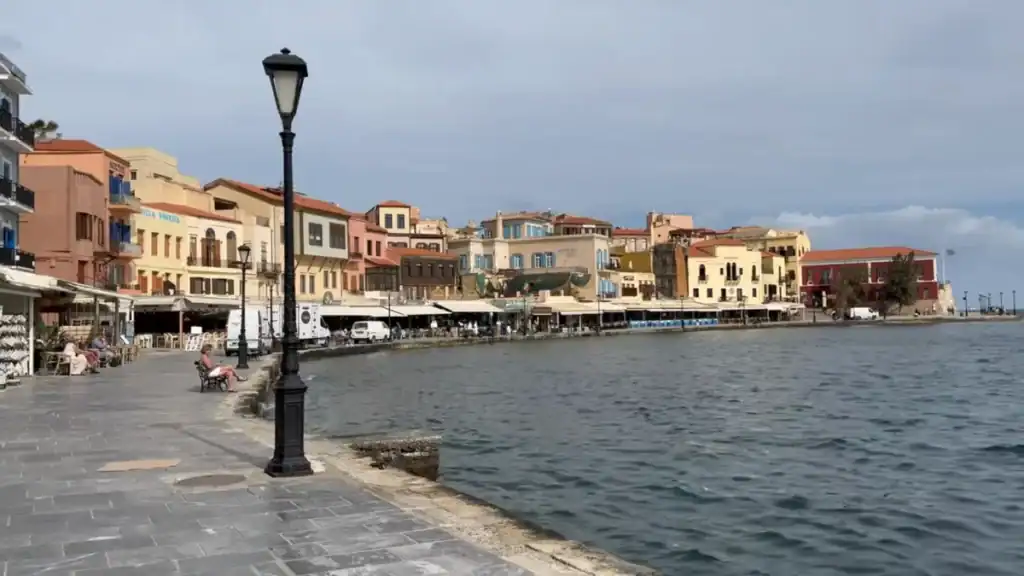
Without the summer crowds, we found the harbour much easier to appreciate.
We had time to notice Venetian arches, Ottoman buildings and the changing light across the waterfront instead of simply moving with a constant flow of visitors. That was one of the clearest differences between Chania in November and the city at its busiest.
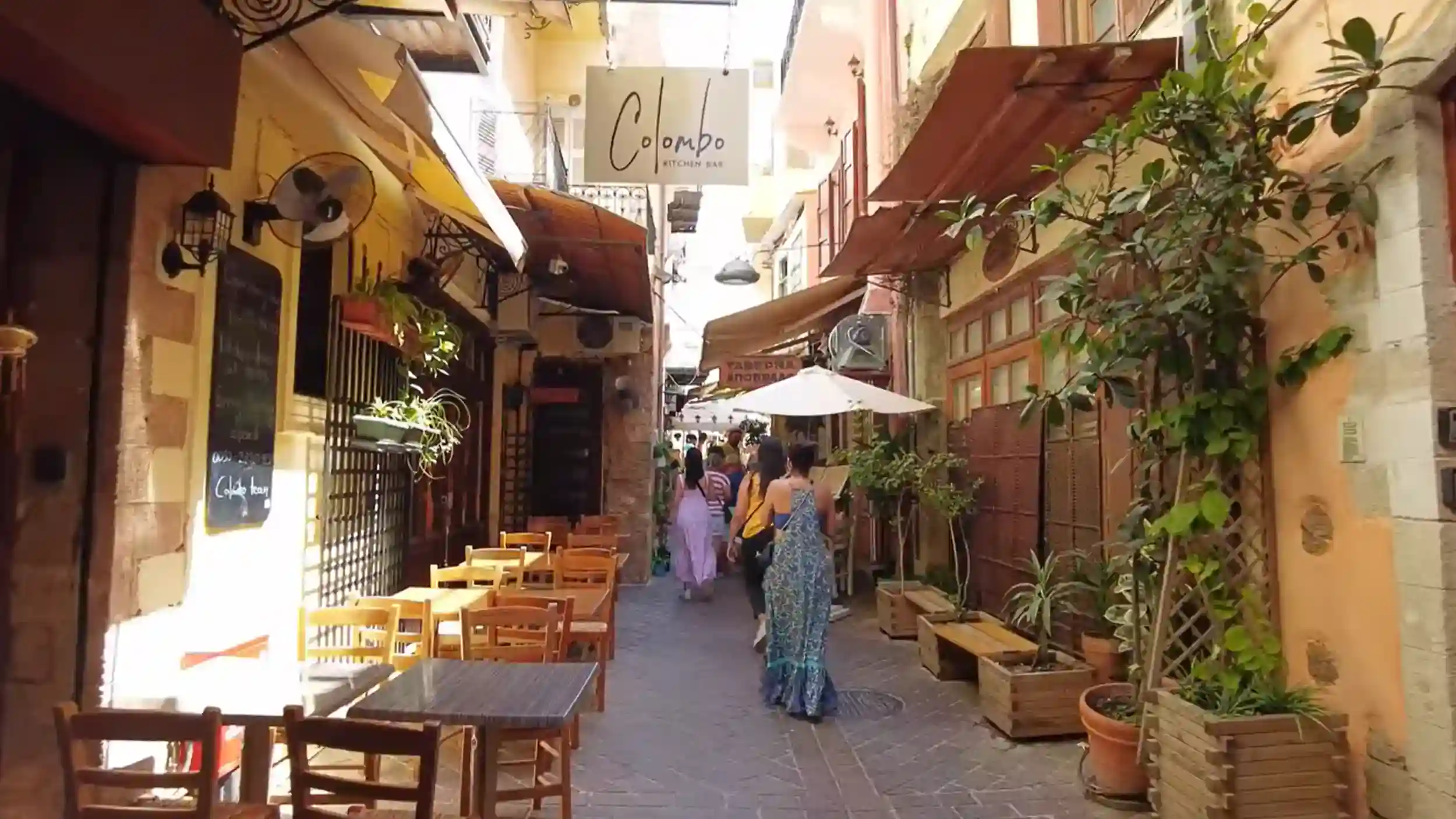
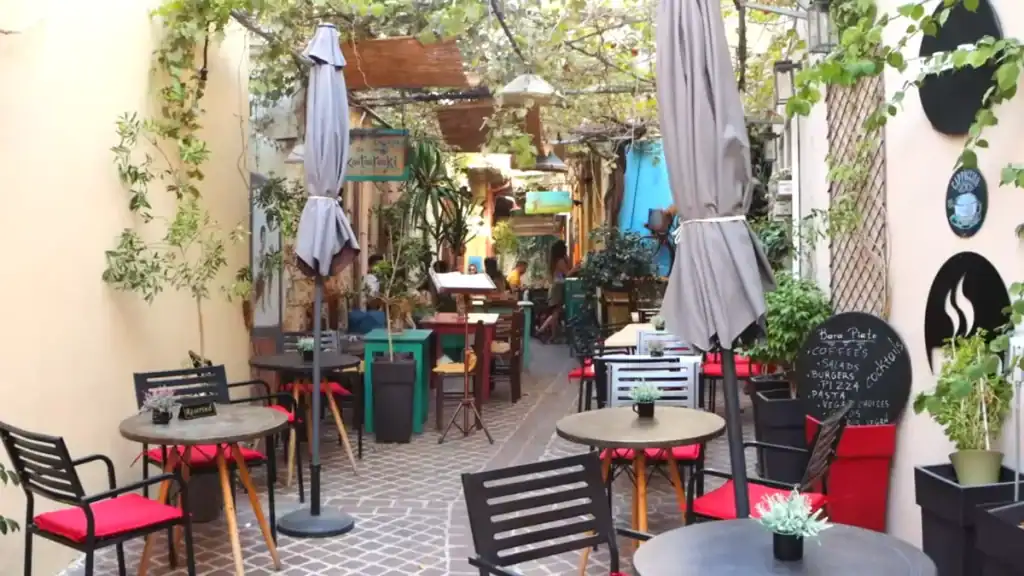
The quieter atmosphere also made us more willing to leave the obvious waterfront route. Our guide to wandering Chania Old Town looks at the courtyards, historic neighbourhoods and architectural details we found once we stopped treating the harbour as the whole experience.
What Did We Notice Around the Market and Neoria?
Not everything felt dramatically different simply because we were visiting later in the year.
| Historic area | Why visit in November |
|---|---|
| ⚓ Venetian Harbour | Quieter waterfront with uninterrupted views |
| ⛪ Splantzia | Historic square with a slower local atmosphere |
| 🛍️ Municipal Market | Everyday shopping and traditional food culture |
| 🏛️ Neoria | Venetian shipyards without the summer crowds |
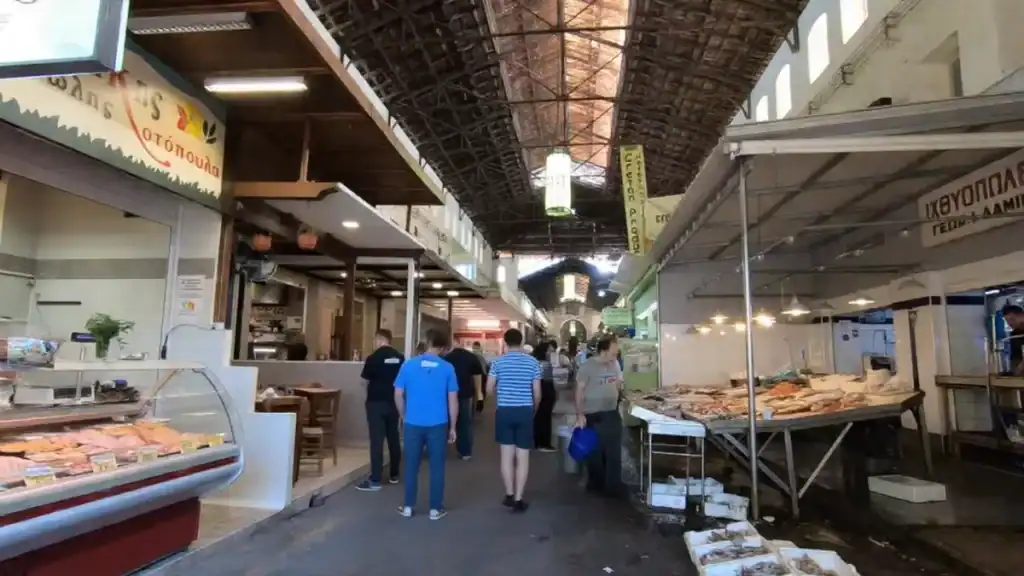
The Municipal Market still served local residents, while the Neoria remained one of the harbour’s clearest reminders of Chania’s Venetian past. What November changed for us was not the sights themselves but how much space and time we had to look at them.
Early mornings were when we most enjoyed Chania Harbour. With fewer people around and the light changing across the water, it felt noticeably different from the middle of the day and gave us a reason to return more than once.
🗓️ What We Found Worth Doing in Chania in November
We did not find Chania in November rewarding because we could fit more into each day. The opposite was true.
The quieter season let us mix time in the Old Town with short drives beyond the city without feeling that every day needed a fixed itinerary. We also found spontaneous decisions easier because there was far less pressure to reserve restaurants or plan around large visitor numbers.
Why We Would Visit Aptera in November
November made historic sites more appealing to us because we were not trying to explore them in peak summer heat.
| Day trip | Why it’s worth considering |
|---|---|
| 🏛️ Aptera | Extensive ancient ruins overlooking Souda Bay |
| 🌿 Apokoronas villages | Traditional settlements with a year-round local feel |
| ⛪ Katholiko Monastery | Dramatic gorge walk to one of Crete’s oldest monasteries |
| 🚗 Akrotiri Peninsula | Scenic drives, viewpoints and historic landmarks |
Aptera was the obvious example. Its Roman cisterns, theatre and ancient walls overlook Souda Bay, and we found the cooler conditions much better suited to walking around an exposed archaeological site. Our guide to Chania beyond the Old Town covers more of the surrounding places that worked particularly well for us once the summer heat and crowds had eased.
Why We Added the Akrotiri Peninsula
The Akrotiri Peninsula gave us the change of scenery we wanted after spending time around the harbour.
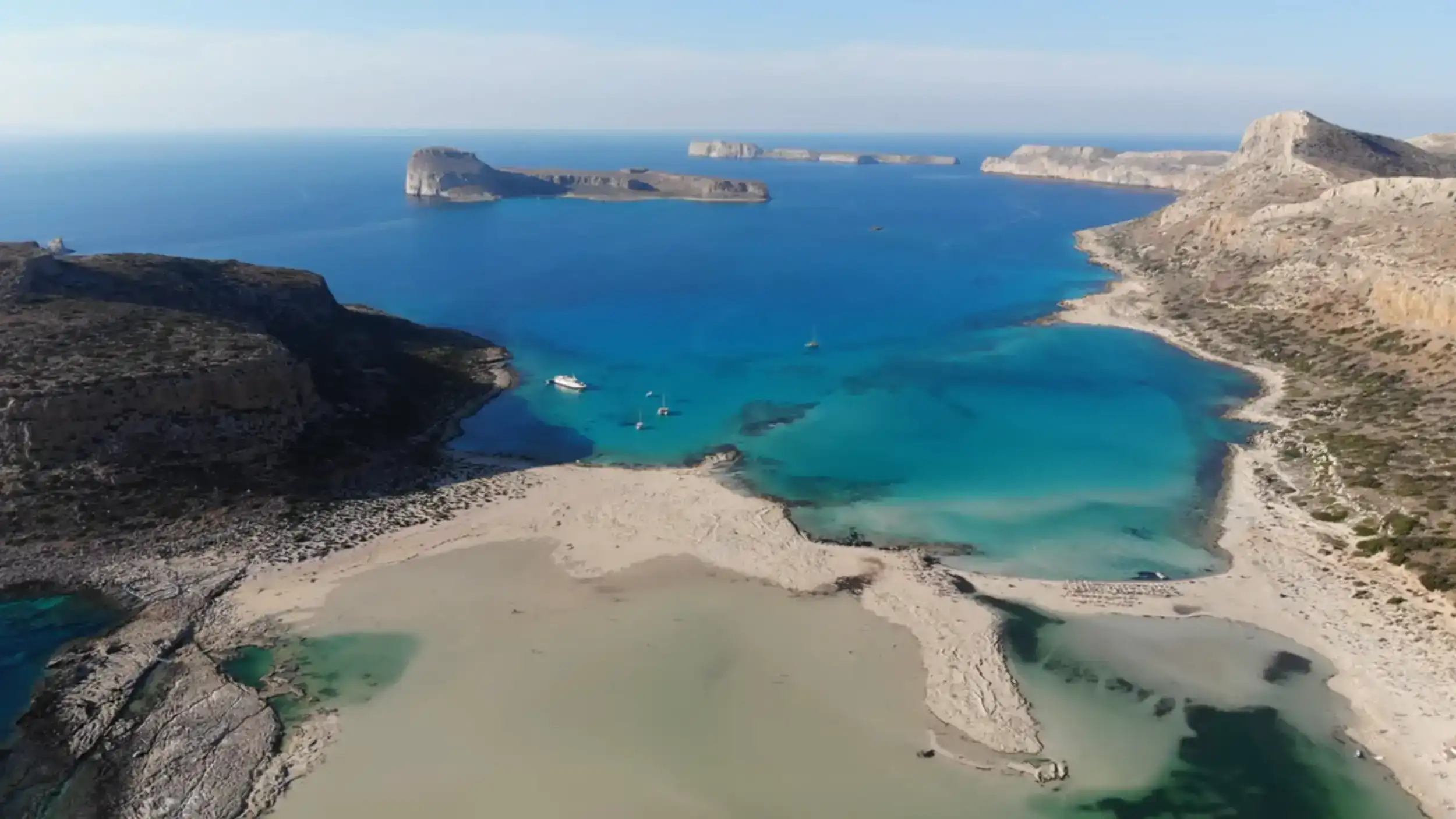
The walk towards Katholiko Monastery took us through a rocky gorge towards the monastery ruins above a secluded inlet, while nearby viewpoints opened out across the coast. It felt much more exposed and rural than central Chania despite being an easy addition to a city-based trip.
With a hire car, we could combine these places into a relaxed half-day rather than turning them into a major excursion. That balance between city time and quieter landscapes was one of the things we liked most about Chania in November.
🌆 What Chania Evenings Felt Like in November
Once daylight faded, Chania changed character again for us.
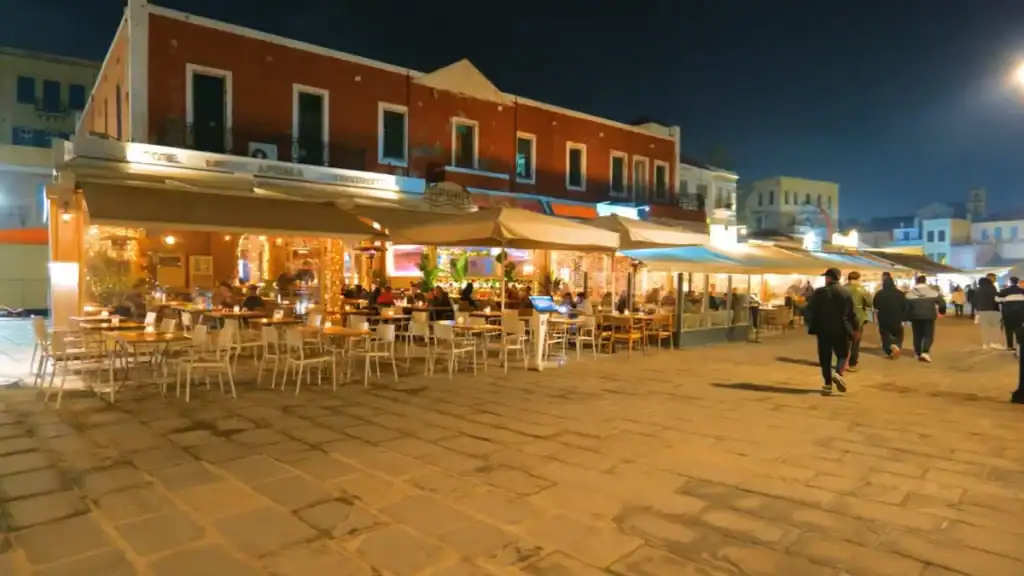
We found November evenings noticeably more relaxed. There was less competition for waterfront tables, so we could linger over dinner and walk around the illuminated harbour without the sense that the waterfront was operating at full summer intensity.
Restaurants had not disappeared with the summer season either. Chania is a working city, so we still found places to eat, drink and stop for coffee, particularly around the centre and Old Town. I would expect fewer choices than in summer because some seasonal businesses close or reduce their hours, but I would not worry about struggling to find dinner in Chania itself.
Towards the end of the month, we began to notice the first Christmas decorations appearing around the Old Town. I liked that they added a gentle festive feel without overwhelming the historic streets.
| Evening experience | What to expect |
|---|---|
| ✨ Harbour lighting | A quieter waterfront with reflections across the bay |
| 🍽️ Waterfront tavernas | Easier to find tables without reservations |
| 🎄 Christmas decorations | Gradually appear during the second half of November |
| ☕ Local cafés | A slower atmosphere that encourages lingering |
After sunset, reflections from the Venetian buildings and lighthouse across the water gave us another reason to keep returning to the harbour. Our guide to why Chania Harbour is worth multiple visits explains why we found the changing light and atmosphere as important as the individual sights.
If you are considering staying later into winter, our guide to Chania in December looks at what changes once festive events, decorations and winter traditions become a much bigger part of the city.
🚗 Did We Need a Car in Chania in November?
We would not hire a car simply for Chania Old Town, but having one became much more useful once we wanted to explore beyond the city.
Getting there remained straightforward in November, although transport schedules were less frequent than in summer. Autumn flights, ferries through Souda Bay and regional buses still provided useful options, so a car was about freedom once we arrived rather than a requirement for reaching Chania.
| Transport | What to expect |
|---|---|
| ✈️ Flights | Reduced schedules but good autumn connections |
| ⛴️ Ferries | Daily services arriving at Souda Bay |
| 🚌 Local buses | Reliable for the city and nearby towns |
| 🚗 Hire car | Best for exploring western Crete |
Ferries arrive at Souda rather than beside the Old Town. Our Souda Bay to Chania guide explains the bus and taxi options for reaching the harbour, which is useful to understand before assuming the ferry terminal is in central Chania.
For us, the value of a hire car was in reaching archaeological sites, mountain villages and quieter coastal areas on our own timetable. The roads also felt less pressured than they do in peak season. If your plans stay around the Old Town, however, I would save the cost and explore on foot.
🍂 Who We Think Chania in November Really Suits
We would choose November for Chania again, but not for the same reasons we would choose Crete in summer.
Accommodation is still available in November because Chania does not simply close when the beach season ends. Some seasonal hotels and resort-style properties do shut for winter, so I would expect less choice than in summer, especially outside the city. In Chania itself, however, year-round hotels, guesthouses and apartments make a November stay entirely practical.
For us, Chania in November worked because we enjoy walking, historic places and destinations once the busiest crowds have gone. Cooler temperatures made sightseeing more comfortable, while the slower pace encouraged longer meals and gave us more time to notice the city rather than simply move through it.
| Traveller type | Why Chania in November works |
|---|---|
| 🚶 Sightseers | Comfortable weather for exploring on foot |
| 📸 Photographers | Softer light and quieter landmarks |
| 🏛️ History enthusiasts | Historic sites without summer crowds |
| 🍷 Slow travellers | More authentic atmosphere and relaxed dining |
So, is it a good idea to visit Chania in November? For us, yes. I would recommend November to travellers who want Chania to feel like a working Cretan city rather than a summer resort. I would not recommend it to anyone whose priorities are guaranteed beach weather, high temperatures and every seasonal business operating at full capacity. For that trip, I would visit earlier.
If you are deciding whether to visit a few weeks later, our guide to Chania in December explains how the atmosphere changes once winter settles in.
For us, those quieter streets were one of November’s biggest advantages. Our guide to wandering Chania Old Town shows why having space to explore without a fixed route changed the experience so much.
❓ Chania in November: Quick Questions
Does It Rain a Lot in Chania in November?
It rains noticeably more than in summer, but I would not expect constant rain. Around 9–11 days typically record measurable rainfall, with roughly 65–75 mm across the month. I would plan flexible days rather than assume a November trip will be washed out.
Is Chania Busy With Tourists in November?
No. We found Chania much quieter than during the main summer season. The harbour and Old Town still had life, but we had more space, found tables more easily and saw far more of the city’s everyday rhythm.
Are Hotels and Restaurants Open in Chania in November?
Yes, although not everything stays open. Chania is a year-round city, so accommodation and restaurants remain available, particularly in and around the centre. I would simply expect fewer options than in summer because some tourist-focused hotels, tavernas and seasonal businesses close or reduce their hours.