
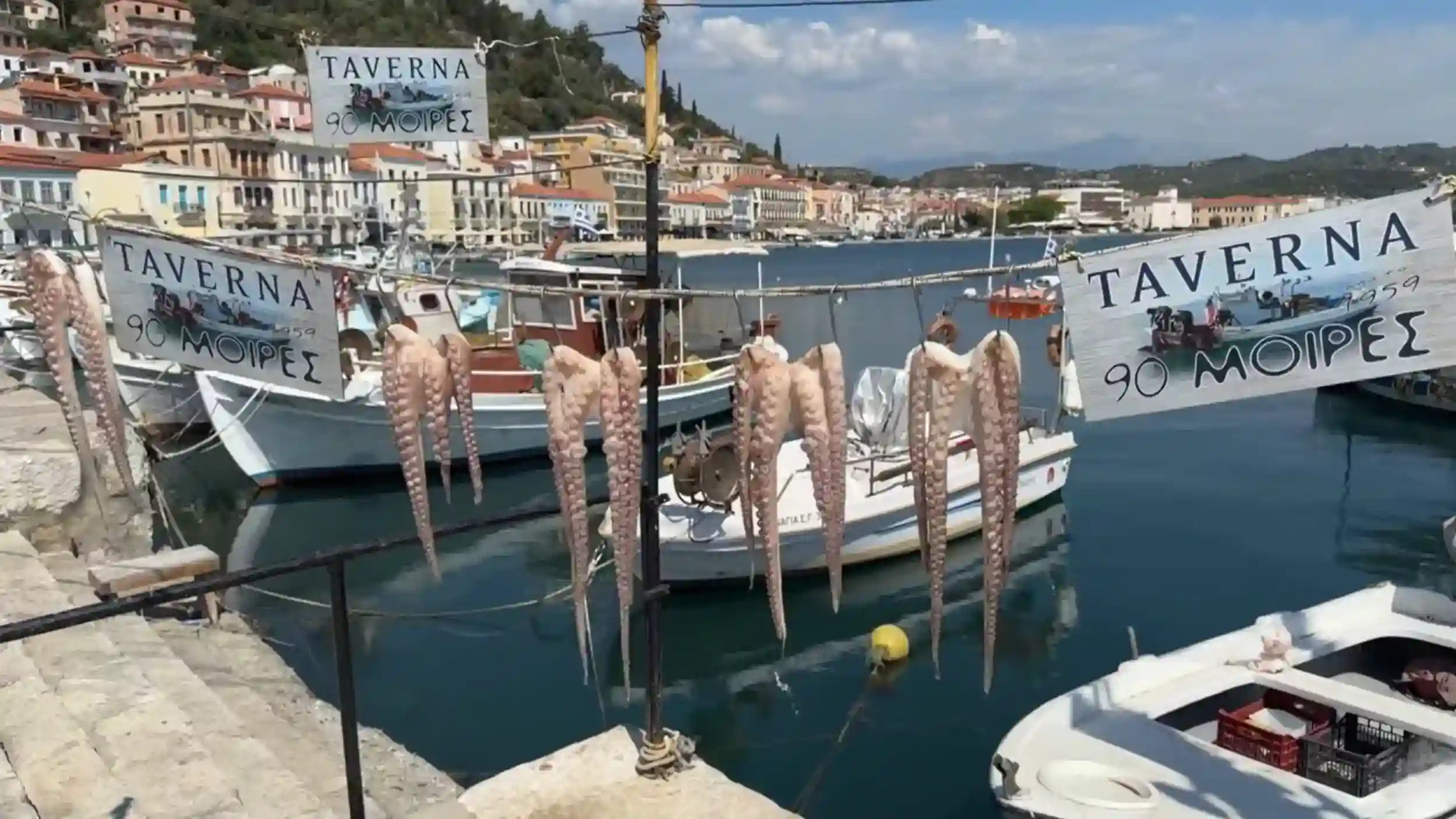
There’s a version of the Mani that gets ticked off in an afternoon – a stop between Gytheio and Kalamata, maybe a coffee in Areopoli, a glance at the tower houses, back on the road by three. When visiting the Mani Peninsula plenty of people do it that way. Most of them, if you ask later, will tell you they should have stayed longer.
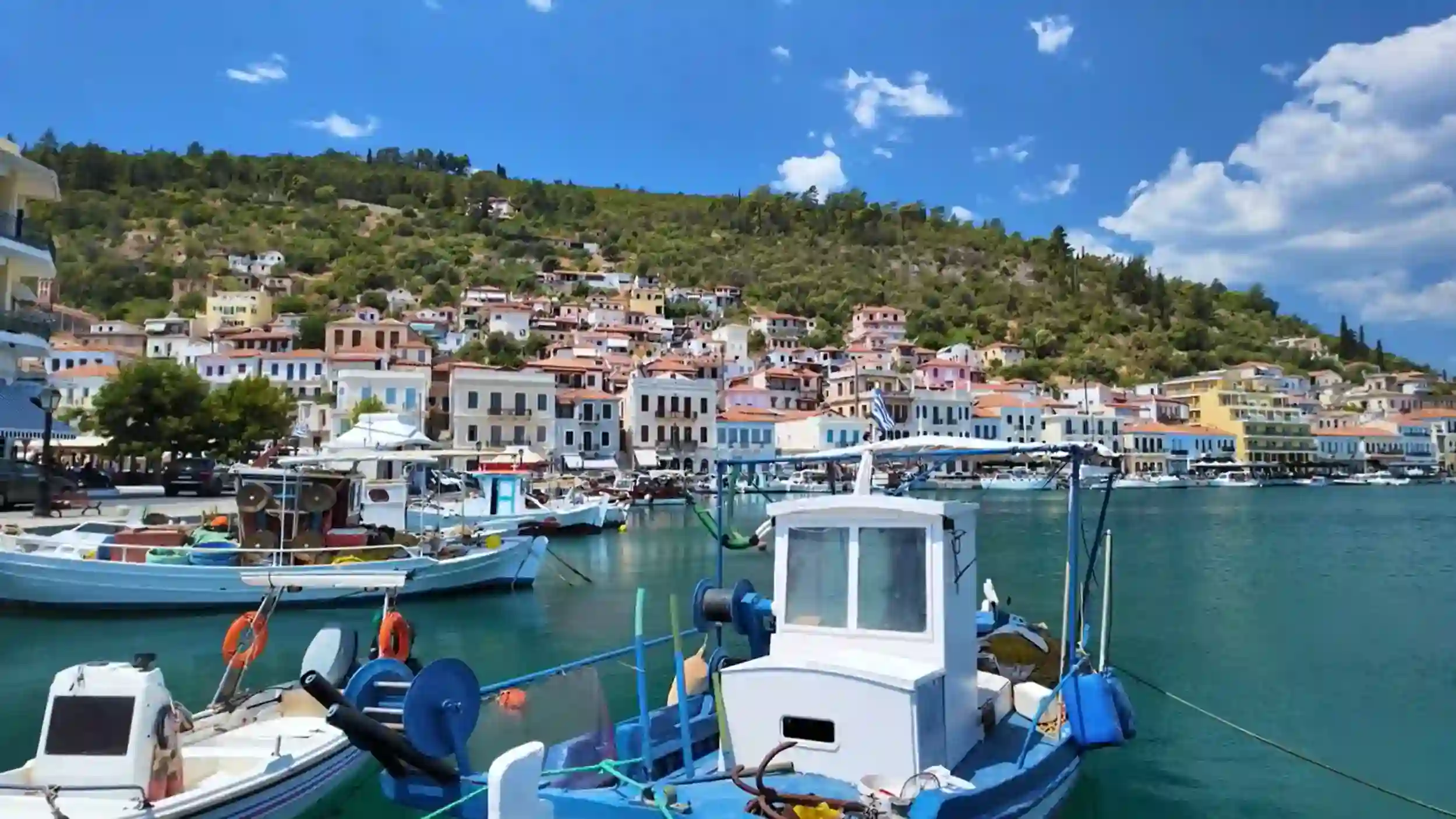
Featured image: Gytheio
Visiting the Mani Peninsula with a fixed endpoint and a tight schedule isn’t wrong, exactly. But the place has a way of revealing itself slowly, and the things that tend to lodge in memory – the light inside the caves at Diros, the particular quiet of Areopoli’s back streets in the afternoon, a beach that doesn’t appear on most itineraries – require either local knowledge or enough time to stumble across them yourself.
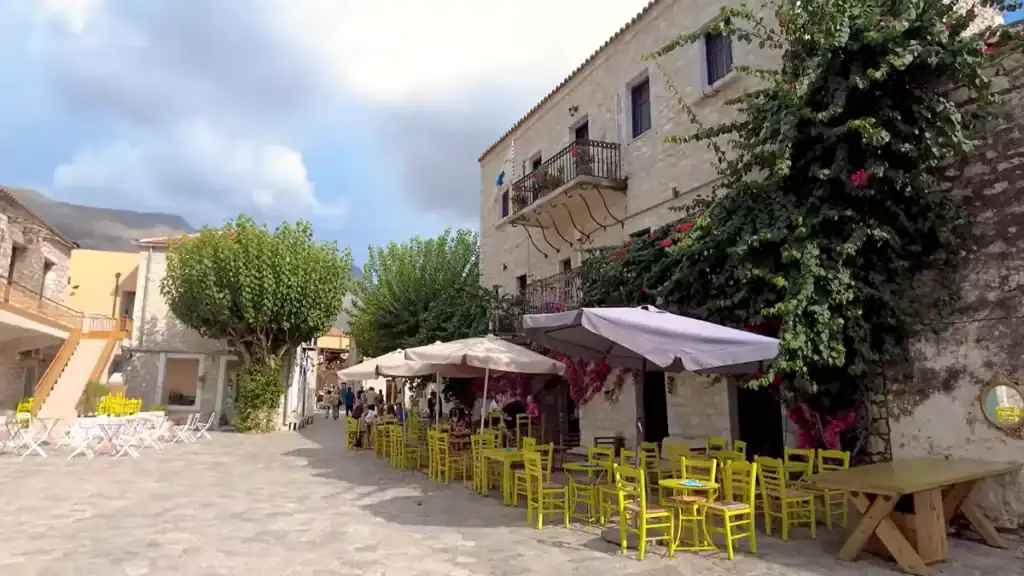
One Day
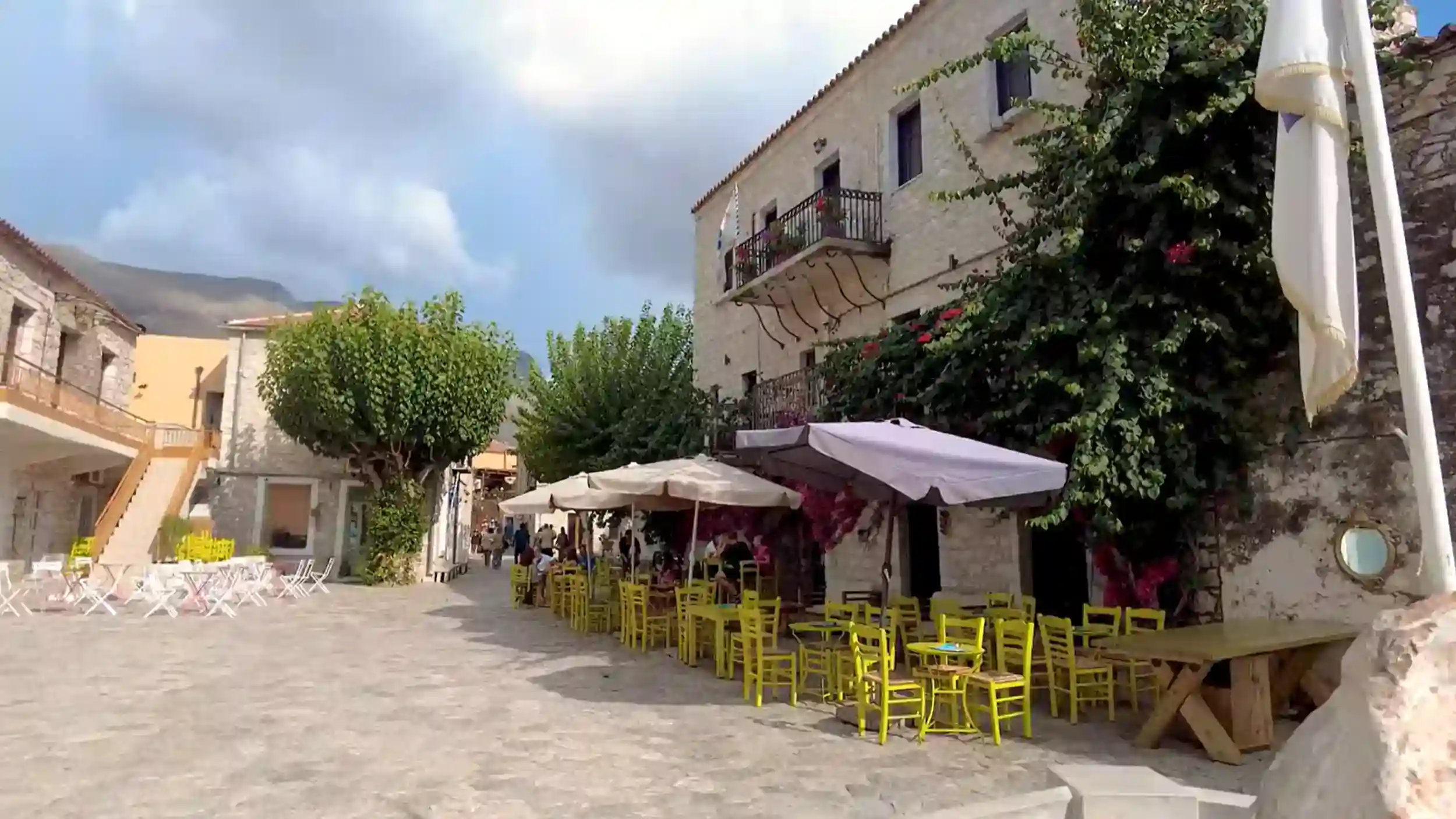
One day is technically possible, and for travellers passing through on a broader Peloponnese loop it can feel like the only realistic option. The honest answer is that a single day gives you the outline without much of the content. Areopoli is compact enough to walk in an hour, but that’s not quite the point. The village is built for slow movement – cobblestone streets, stone tower houses, churches that seem to predate any reliable record, tavernas with chairs angled toward nothing in particular. It rewards wandering rather than ticking.
One travel account of a recent road trip through the region described arriving with a plan, ditching it after advice from a local, and finding the afternoon considerably better for it. That kind of recalibration takes time you may not have if you’re also trying to reach Diros Caves before they close. The caves close early, and the ticket allocation runs out faster than most visitors expect. Arriving late in the afternoon is often a wasted journey. Factor that in if a single day is all you have: the caves or the village, done properly, is probably a more honest framing than both.
Two to Three Days
Two nights, or a loosely structured three days, is where visiting the Mani Peninsula starts to feel like something other than a checklist. The rhythm shifts. You have an evening in Areopoli, which is different from an afternoon. The morning light on the stone buildings is worth the extra night’s accommodation on its own, though that’s the kind of thing that sounds like exaggeration until you’re actually standing there.
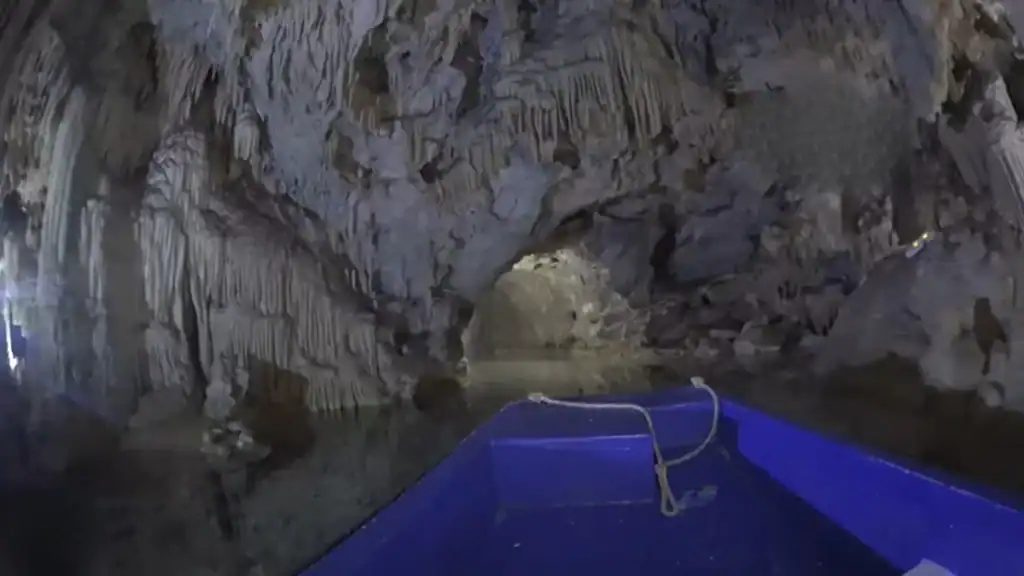
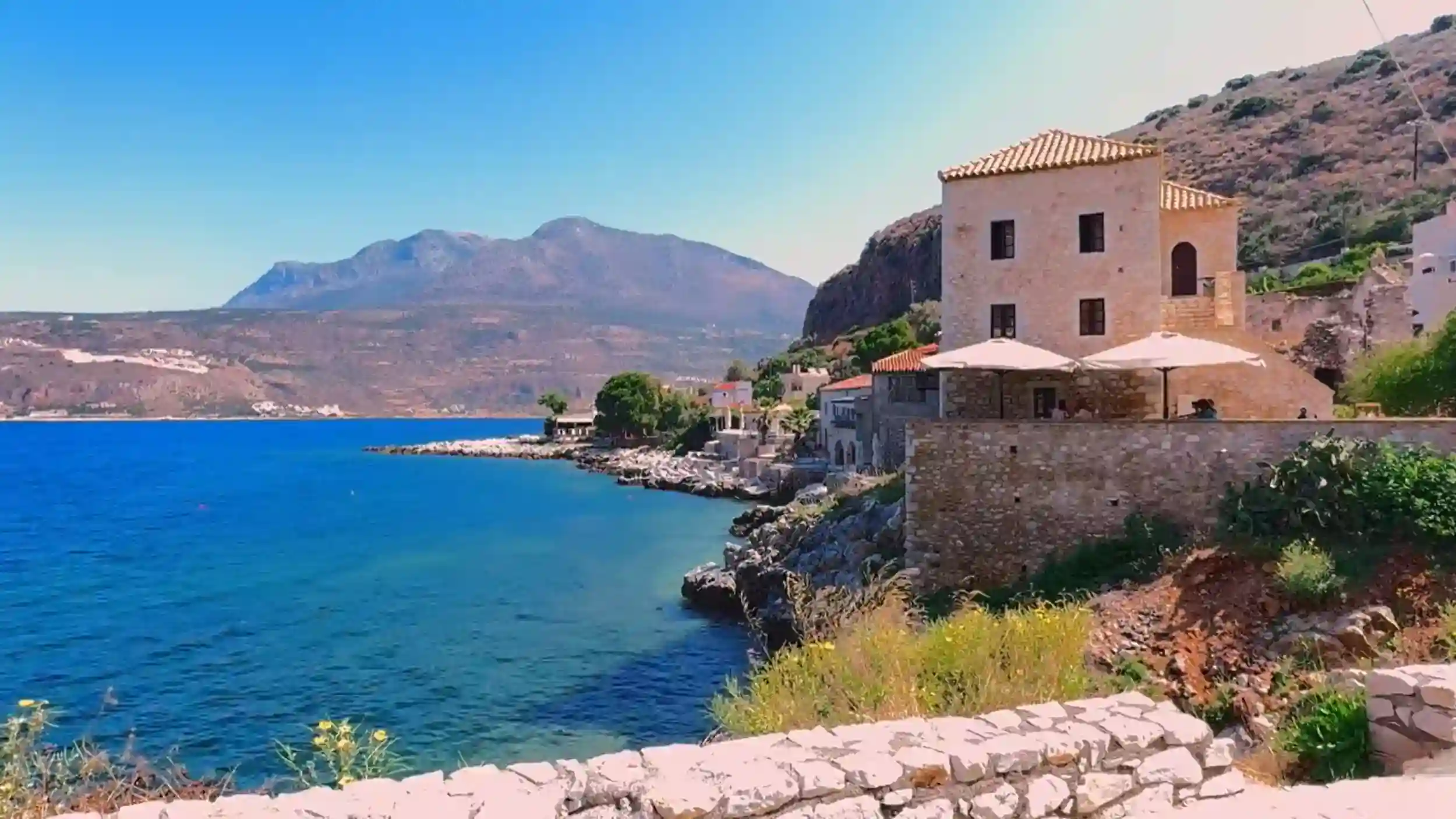
Three days also allows the sequencing to breathe. Diros Caves in the morning – and it should be morning, given the early closing times and the tendency for boat tour slots to fill – leaves the afternoon free for the coastline. The stretch of water near the caves is striking enough that many people stop before they’ve even finished the tour, caught by the view as the cave exit opens toward the sea. With time to spare, that moment doesn’t have to be rushed.
A hidden beach in the area – one that comes recommended by locals rather than appearing prominently in travel guides – adds another dimension to a three-day stay that a single-day visit simply can’t accommodate. Not because it’s difficult to find, but because you only hear about it if you’re talking to the right people, and that conversation tends to happen when you’re not in a hurry.
Fitting the Mani into a Peloponnese Circuit
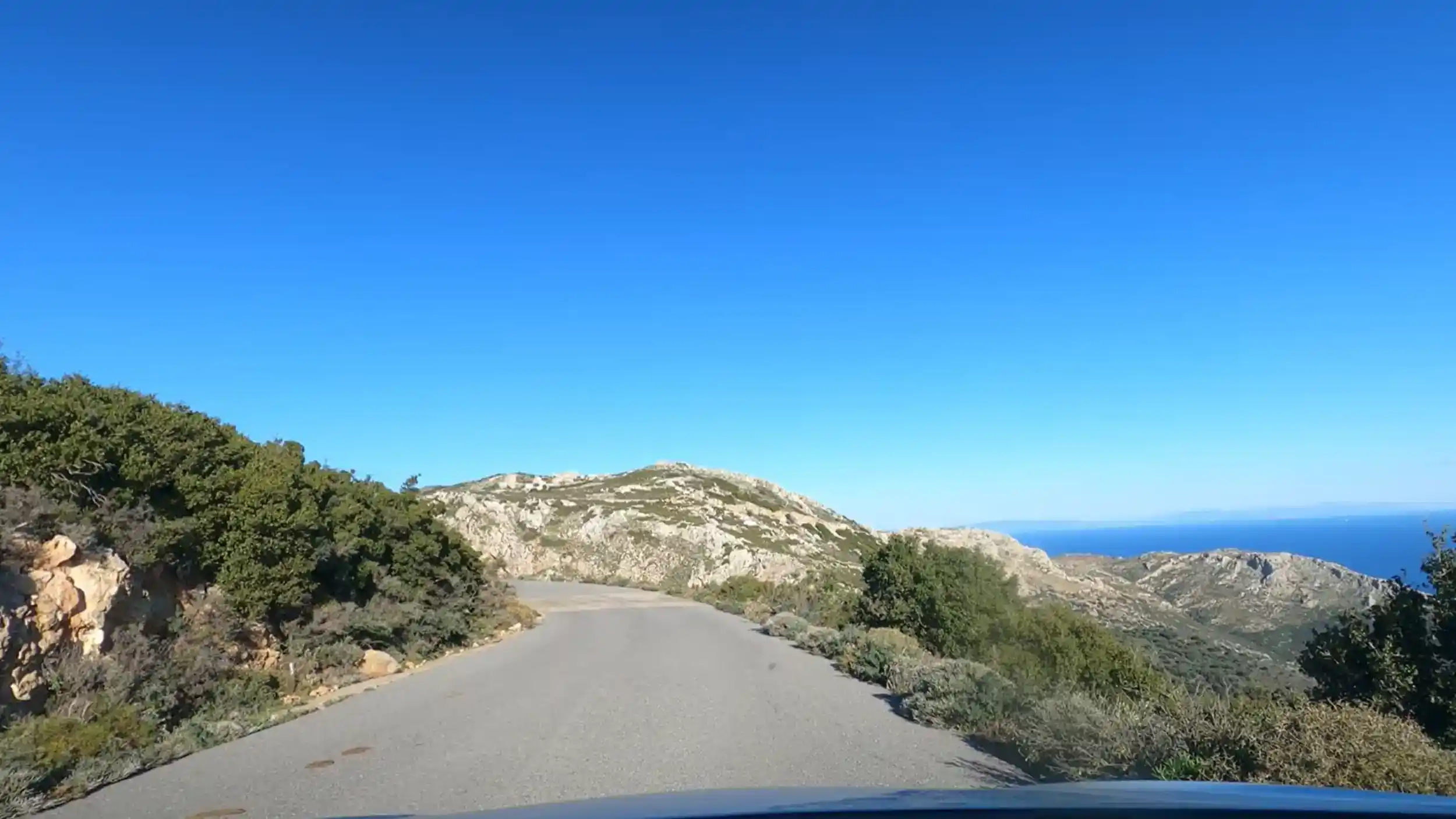
The Mani fits naturally into a Peloponnese circuit, which is how most visitors arrive. Gytheio to the north makes a logical entry point; the road south winds through mountain villages with the kind of scenery that justifies stopping without any particular reason. What the Mani adds to a broader road trip is weight – historical, visual, and atmospheric – rather than simple variety.
The practicality of combining stops depends on what else is on the itinerary. Monemvasia to the east, Kalamata to the west, the Taygetos mountains as a backdrop to almost everything – the Peloponnese is dense in a way that rewards slow movement across the whole region rather than a rushed circuit. When visiting the Mani Peninsula travellers who try to cover it in four days often find that they’ve seen a great deal without particularly experiencing any of it. The Mani is representative of that problem in miniature: easily visited, not easily absorbed.
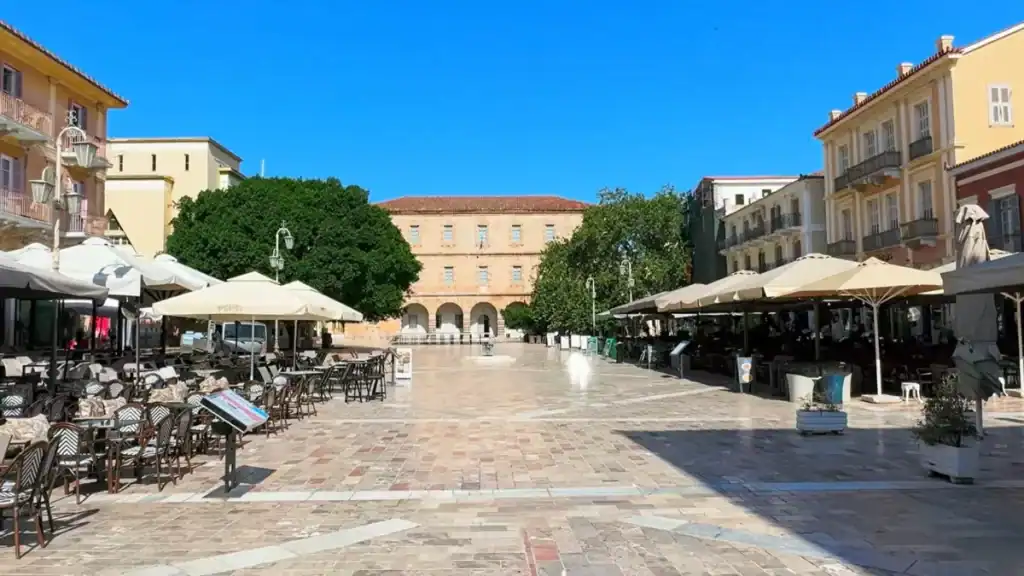
One account of a four-day Peloponnese road trip described the final day in the Mani as a strong contender for the best of the trip – and that was a trip that also included Monemvasia and a shipwreck beach. The difference, by the travellers’ own account, was acting on local advice rather than sticking to the original plan. That kind of flexibility is easier to build into a longer trip than a shorter one.
Slow Travel vs Quick Detour
The distinction between slow travel and a quick detour is partly temperamental, but it’s also logistical. Slow travel in the Mani means accepting that the peninsula doesn’t reveal its best material on demand. Diros Caves require planning. The best beaches require either local knowledge or a willingness to follow vague directions from someone you met that morning. Areopoli’s atmosphere, which is considerable, is almost entirely a product of time – the village in the early evening, after the day-trippers have left, is meaningfully different from the same streets at noon.
A quick detour yields the surface, which in the Mani’s case is still impressive. The architecture alone distinguishes it from most of the Peloponnese. But the surface is also the most photographed version of a place that is, at its core, about something harder to quantify – a sense of isolation, of history that hasn’t been particularly softened for visitors, of landscape that feels genuinely indifferent to the itinerary. Whether that registers depends on the traveller as much as the timetable.
What people most often describe regretting, looking back on a quick Mani visit, tends not to be a specific sight they missed. It’s more diffuse than that. Not having an evening in Areopoli. Skipping the caves because the timing was wrong and not adjusting. Driving past stretches of coastline because the schedule didn’t allow for unplanned stops. One traveller’s note on Areopoli put it plainly: given more time, they would have stayed at least two nights. They said it while already three hours from the village, heading back toward Athens, which is perhaps the most common way that particular realisation arrives.
The Mani doesn’t punish brevity so much as it simply doesn’t reward it. Two nights is a reasonable minimum. Three days allows the place to settle into something more than scenery. Beyond that, the returns depend on how deeply you want to go – and the peninsula, it turns out, goes quite deep.