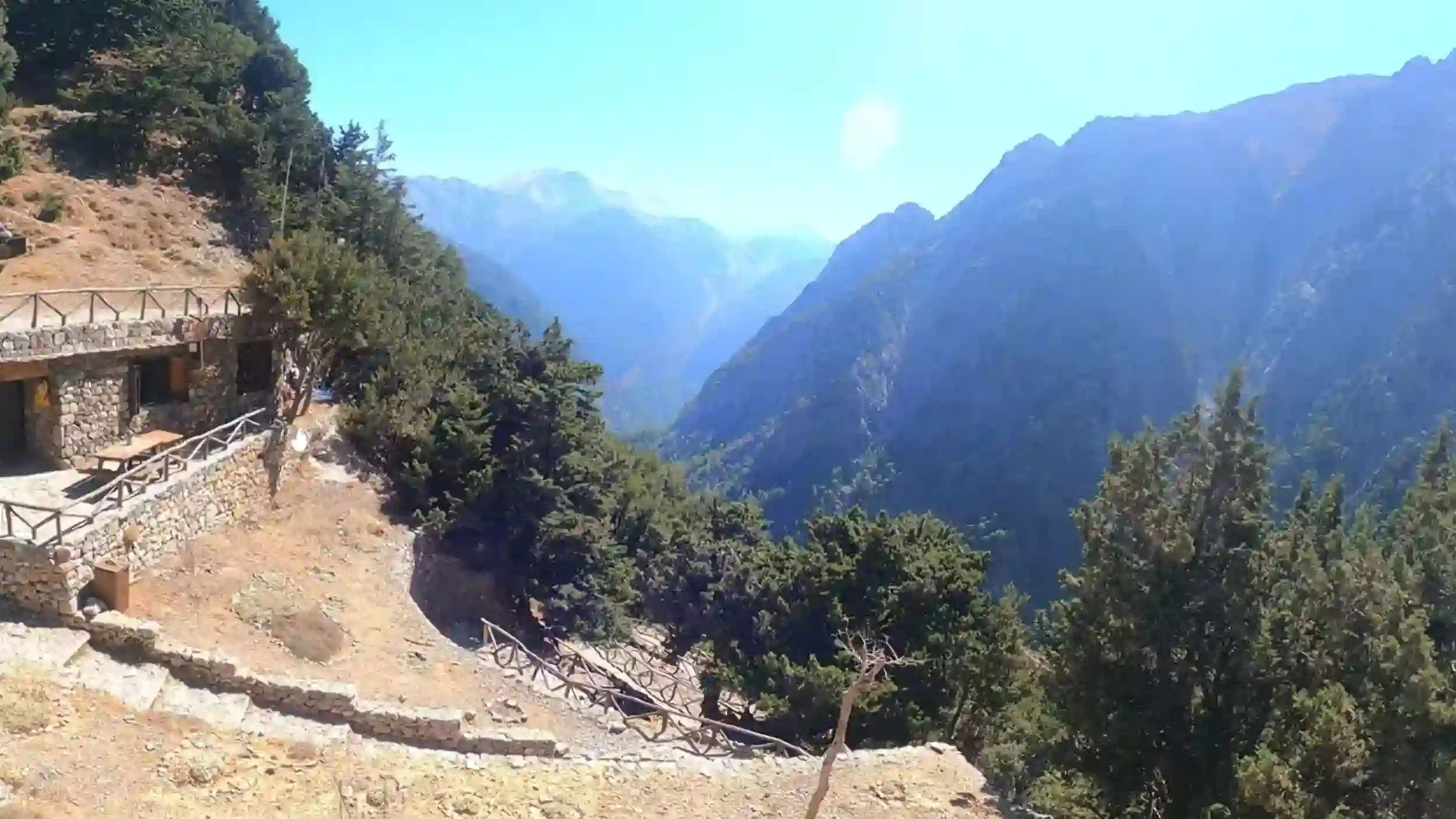
Chania Samaria Gorge is one of Crete’s most rewarding hikes, but it’s also one of its most demanding. The route is long, the terrain stays uneven for much of the day and the descent at the beginning surprises many first-time visitors. With realistic expectations and sensible preparation, however, it’s a challenge that most reasonably fit walkers can complete.
🏞️ What Chania Samaria Gorge Actually Is
Chania Samaria Gorge is far more than a walking trail.
It’s a journey through one of Europe’s longest gorges, descending from the White Mountains to the Libyan Sea over the course of around 16 kilometres.
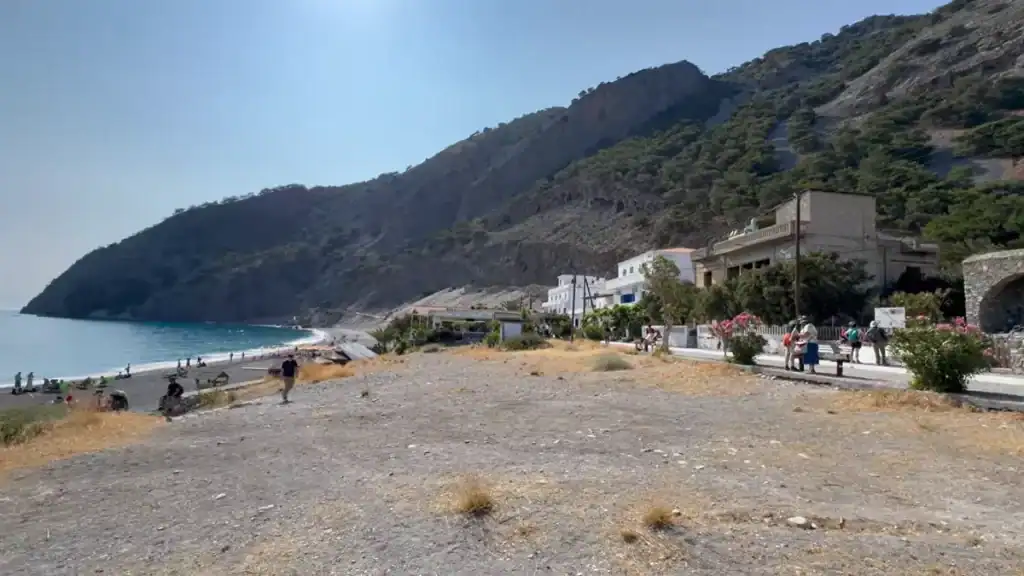
The route begins high on the Omalos Plateau before gradually dropping towards the remote coastal village of Agia Roumeli, passing through forests, rocky riverbeds and towering limestone cliffs along the way.
Hiking Chania Samaria Gorge
The hike is defined by distance rather than technical difficulty.
There are no climbing sections, but the combination of steep descents, uneven ground and several hours of continuous walking makes it a genuine endurance challenge.
| Trail overview | What to expect |
|---|---|
| 📏 Distance | Around 16 km from Xyloskalo to Agia Roumeli |
| ⛰️ Elevation | Descent of over 1,200 metres |
| ⏱️ Walking time | Typically 4 to 7 hours |
| 🌿 Landscape | Forest, river crossings, cliffs and narrow canyon walls |
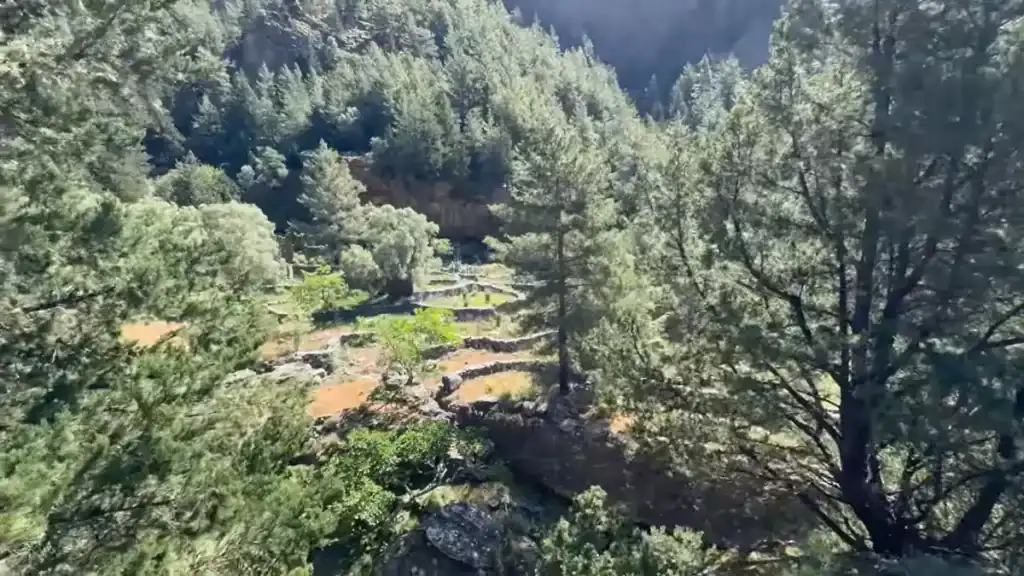
The scenery changes continuously throughout the day. Dense pine forests gradually give way to the rocky gorge floor before the towering cliffs of the Iron Gates create the hike’s most dramatic section. By the time the Libyan Sea comes into view, the landscape feels completely different from where the day began, making the journey itself just as memorable as reaching the finish.
🥾 The Terrain Section by Section
The challenge changes as the hike progresses.
Each section places different demands on your body, which is why Chania Samaria Gorge often feels harder than visitors expect.
The steepest descent comes first, the roughest footing arrives later and the final kilometres test your stamina more than your balance.
The first descent
The opening section from Xyloskalo is the toughest on your knees.
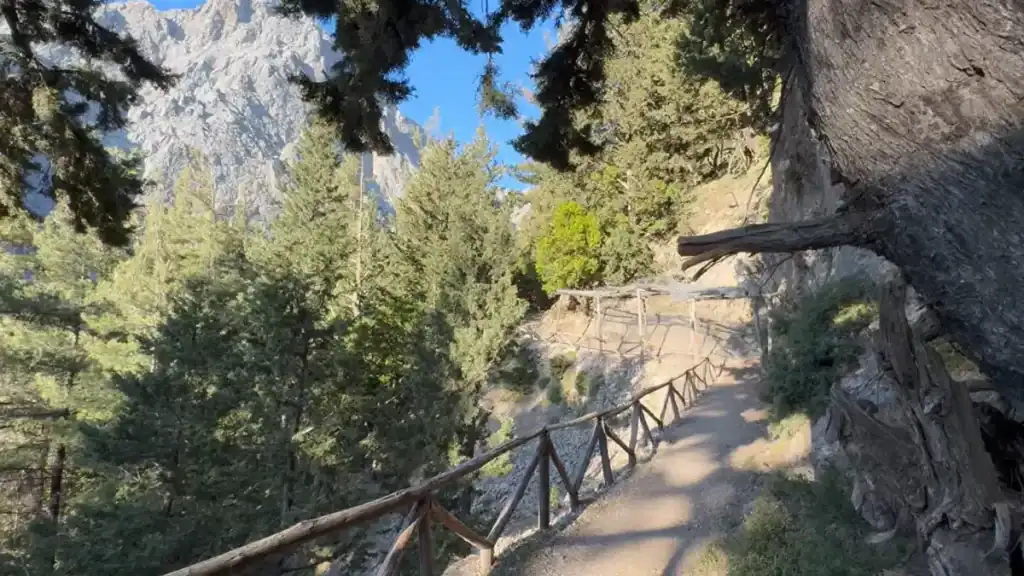
The path zigzags downhill through pine forest on loose stone and packed earth, requiring careful footing from the very beginning.
| Trail section | What to expect |
|---|---|
| ⛰️ Xyloskalo descent | Steep switchbacks on loose stone |
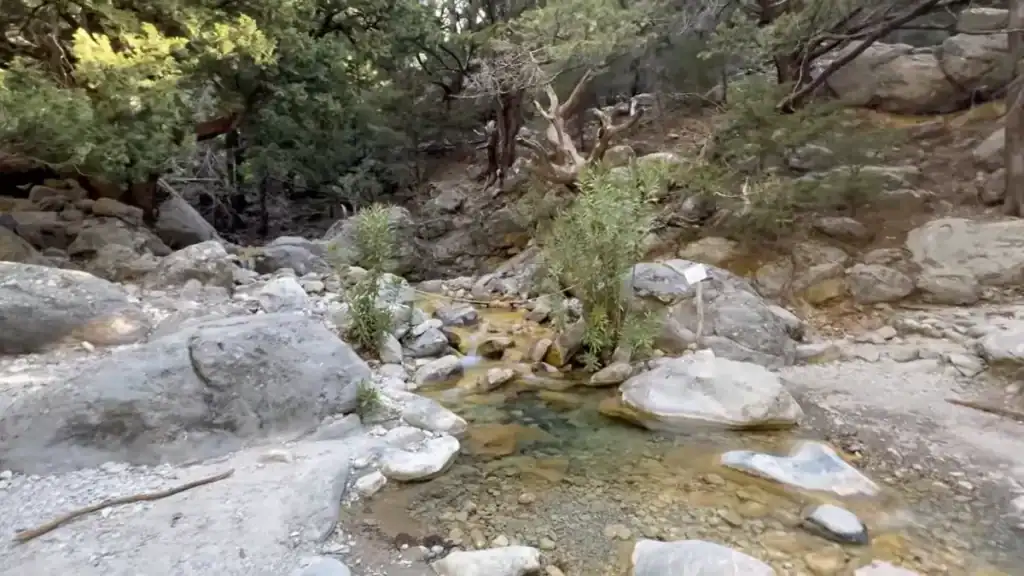
| 🌲 Gorge floor | Rocky paths and regular stream crossings |
| 🪨 Iron Gates | The narrowest and most dramatic section |
| ☀️ Final stretch | Flat but exposed walk to Agia Roumeli |
Although the terrain becomes less steep after the opening descent, it never becomes effortless. Uneven rocks, repeated river crossings and hours of continuous walking gradually replace the early downhill challenge. By the time you reach the final exposed approach to Agia Roumeli, most hikers discover that endurance, rather than steep gradients, has become the biggest test.
💪 Fitness for Chania Samaria Gorge
You don’t need to be an experienced hiker.
You do need to be prepared for a long day on your feet.
Chania Samaria Gorge is less about speed and more about stamina. Most reasonably fit adults can complete the hike comfortably if they pace themselves, wear suitable footwear and allow plenty of time.
Completing Chania Samaria Gorge comfortably
The biggest challenge isn’t the distance alone.
It’s the combination of a sustained descent, uneven ground and several hours of continuous walking, which gradually increases the strain on your legs and knees.
| Fitness level | What to expect |
|---|---|
| 🚶 Regular walkers | Well suited to the full hike |
| 🥾 Occasional hikers | Achievable with sensible pacing |
| 🦵 Knee problems | The steep descent may prove uncomfortable |
| 💧 Good preparation | Plenty of water and regular breaks make a noticeable difference |
Age is rarely the deciding factor. Every season, older walkers complete the gorge successfully because they manage their pace, stop when needed and avoid rushing to keep up with others. Those who struggle most are often people who underestimate how tiring uneven terrain becomes after several hours, rather than those who lack overall fitness.
🎒 Footwear and What to Carry
Preparation makes a bigger difference than fitness alone.
The right footwear reduces fatigue, improves stability and helps prevent the minor injuries that affect many first-time hikers.
Chania Samaria Gorge constantly changes underfoot, moving between loose stone, compacted earth, rocky riverbeds and occasional wet crossings, so ordinary trainers are rarely the best choice.
Packing for Chania Samaria Gorge
Keeping your backpack light is just as important as packing the essentials.
| Essential item | Why you’ll need it |
|---|---|
| 🥾 Hiking boots or trail shoes | Better grip and ankle support on uneven ground |
| 💧 2 litres of water | Refill at springs as you progress |
| 🧢 Sun hat and sunscreen | Limited shade during the final section |
| 🥪 Light snacks | Maintain energy between rest stops |
Trekking poles are optional, but many hikers find them invaluable during the opening descent from Xyloskalo, where they help reduce pressure on tired knees. By the end of the hike, most people appreciate carrying a little extra water far more than carrying unnecessary equipment.
🚌 Getting to Chania Samaria Gorge
Reaching the gorge is often the most complicated part of the day.
The hike starts high in the White Mountains but finishes on Crete’s remote south coast, so returning to where you began requires more planning than most visitors expect.
Fortunately, the transport system is well established and thousands of hikers complete the journey every season without difficulty.
Travelling to Chania Samaria Gorge
Whether you travel independently or join an organised tour depends largely on how much flexibility you want.
| Travel option | What to expect |
|---|---|
| 🚌 Public bus | Early departure from Chania to Xyloskalo |
| 🚐 Organised tour | Transport and logistics arranged for you |
| 🚗 Rental car | Easy drive to the trailhead, but return requires extra planning |
| ⛴️ Ferry and bus | Standard return route from Agia Roumeli to Chania |
Driving yourself sounds straightforward until you reach the end of the hike. Because the trail finishes in Agia Roumeli, your car remains at the entrance unless you’ve arranged onward transport. For many visitors, joining a tour or using the coordinated bus and ferry services removes that complication and lets them focus entirely on the hike.
If you’re exploring more of Crete’s mountains during your trip, The White Mountains Behind Chania explains why this rugged landscape is one of the island’s defining natural features.
📅 When to Hike Chania Samaria Gorge
Timing has a huge influence on the experience.
The route itself stays the same, but the temperature, water levels and number of hikers change dramatically throughout the season.
Choosing the right month can make Chania Samaria Gorge feel like an enjoyable challenge rather than an exhausting one.
The best season for Chania Samaria Gorge
Spring and early autumn usually provide the most comfortable conditions.
| Season | What to expect |
|---|---|
| 🌸 May to June | Cooler temperatures, flowing streams and greener scenery |
| ☀️ July to August | Peak crowds and intense afternoon heat |
| 🍂 September to October | Quieter trails with warm, comfortable conditions |
| ❄️ Winter | Gorge closed due to weather and safety risks |
Starting early is just as important as choosing the right season. Reaching the trailhead soon after opening allows you to tackle the steepest descent before the strongest heat develops, while also giving yourself plenty of time to complete the hike without feeling rushed.
If you’re combining the hike with time in the city, Chania Beyond the Old Town shows how the White Mountains and the coast fit naturally into a wider itinerary around western Crete.