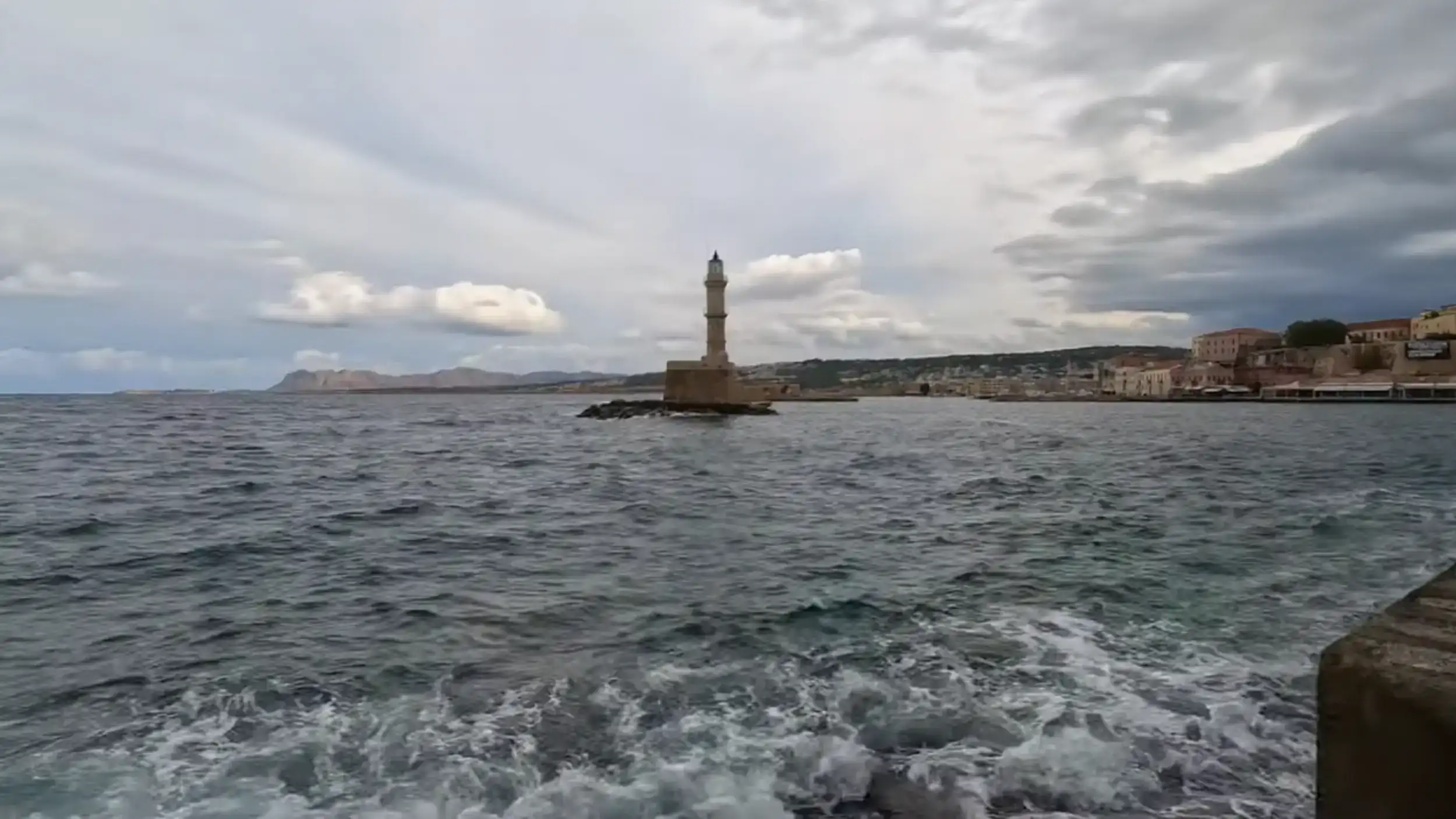
Chania in December swaps summer crowds and beach weather for a quieter, more local experience. The Venetian harbour, Old Town and historic landmarks remain easy to explore, while cooler temperatures and fewer visitors make December particularly suitable for travellers interested in sightseeing and everyday Cretan life.
Restaurants spill indoors, streets empty earlier and the city settles into its winter rhythm.
It is still unmistakably Chania. Just without summer competing for your attention.
🌦️ What Chania in December Weather Feels Like
The weather shapes almost every December visit.
Chania in December is mild by northern European standards, but it isn’t a winter sun destination.
Most days combine cool mornings, comfortable afternoons and noticeably shorter daylight hours. Sunshine is still common, although rain becomes more frequent as the month progresses, especially after the middle of December.
Planning for Chania in December weather
Packing for changing conditions is more important than packing for cold.
| Typical conditions | What to expect |
|---|---|
| 🌡️ Daytime temperatures | Around 10°C to 16°C |
| 🌦️ Weather | A mix of sunshine, cloud and occasional rain |
| 🌅 Daylight | Sunset around 5:20 pm |
| 🌬️ Coast | Cooler breezes along the harbour and beaches |
The weather rarely prevents sightseeing, but it does encourage a different rhythm from summer. Clear mornings are ideal for exploring the Old Town or harbour, while museums, cafés and long lunches become welcome alternatives if afternoon showers arrive. Visitors who expect beach weather are often disappointed, but those expecting comfortable sightseeing conditions usually find December surprisingly enjoyable.
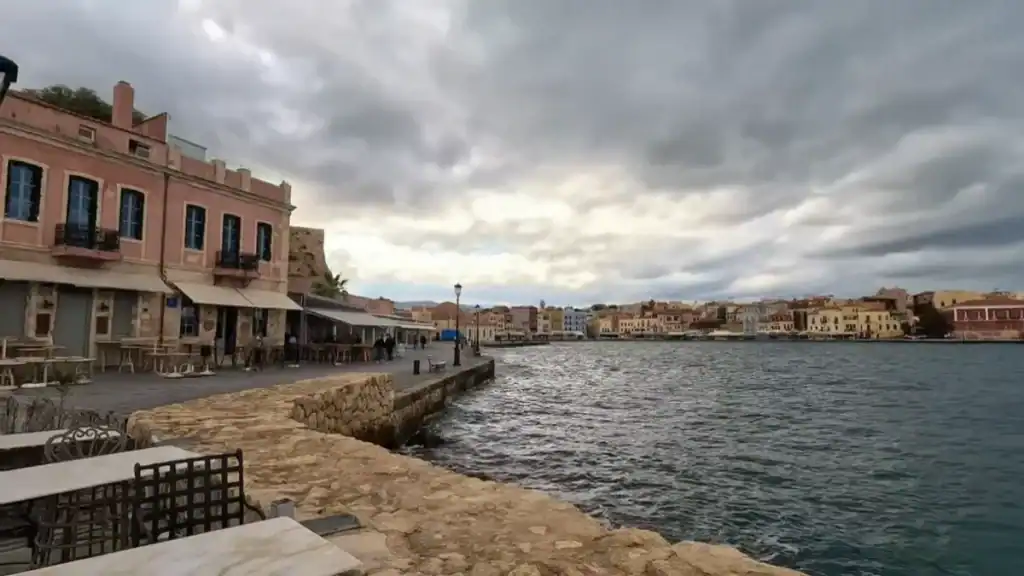
🏛️ What Stays Open in Chania in December
Winter changes the city without closing it down.
Chania in December remains active, but it shifts its focus from tourism to everyday life.
Many seasonal businesses close for the winter, yet the places that local residents rely on continue operating much as they do throughout the rest of the year. That creates a quieter, more authentic atmosphere than you’ll find during summer.
Visiting Chania in December
Knowing what stays open helps set realistic expectations.
| Open in December | What to expect |
|---|---|
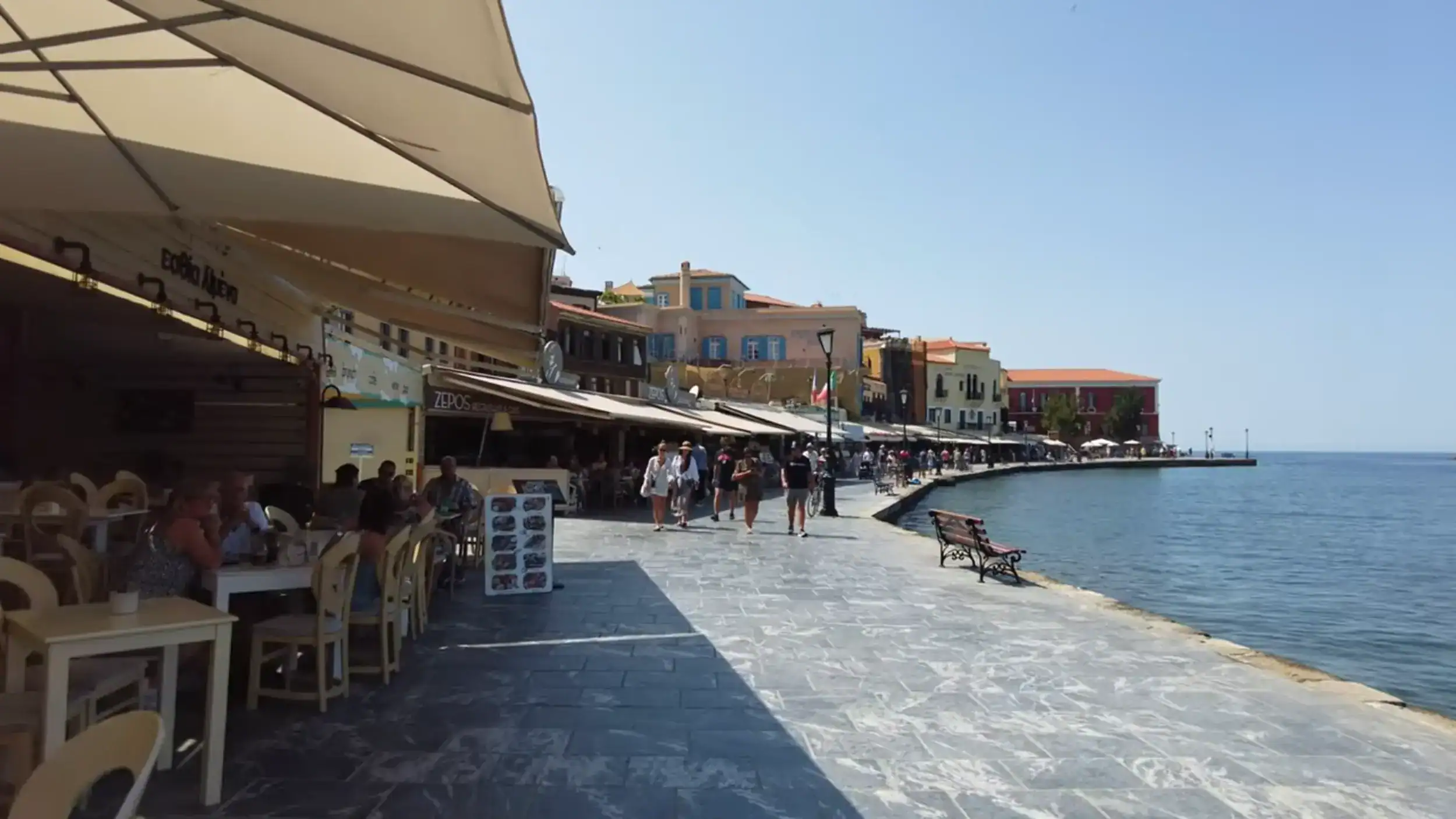
| 🏛️ Old Town and harbour | Fully accessible throughout winter |
| 🛍️ Municipal Market | Local produce, cafés and everyday shopping |
| 🍽️ Family-run tavernas | Traditional Cretan food with fewer crowds |
| 🏨 Boutique hotels | Good availability and lower prices |
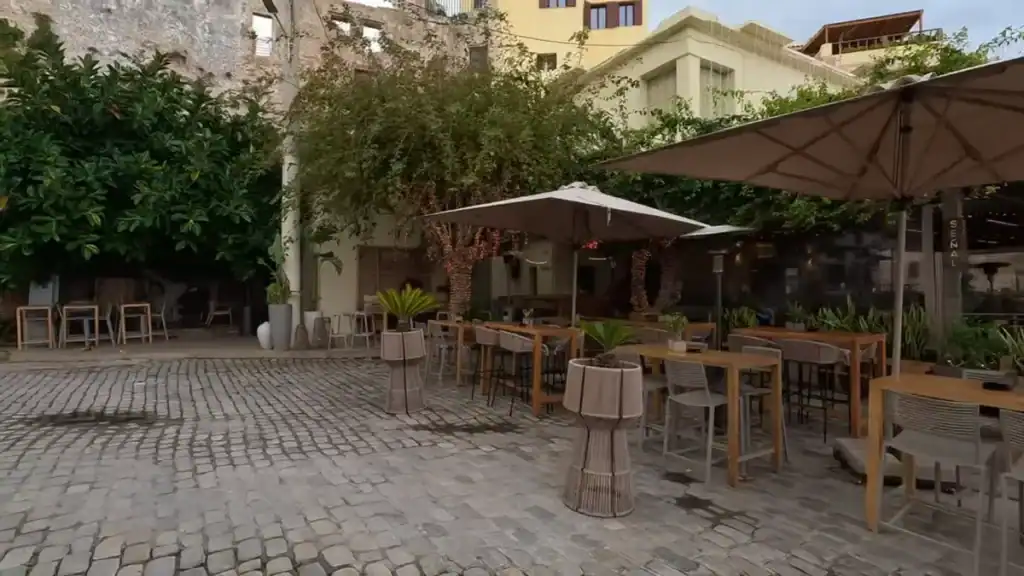
Beach bars, organised water sports and many seasonal restaurants close until spring, but that rarely affects sightseeing. In fact, the reduced crowds often make winter a better time to explore the harbour, museums and historic neighbourhoods at a slower pace, with more opportunities to experience the city as locals do.
🎯 Things to Do in Chania in December
December rewards a different style of travel.
Rather than filling every day with beaches and boat trips, Chania in December is about exploring the city’s history, food and quieter atmosphere.
Without the summer crowds, museums become more enjoyable, the Old Town feels more relaxed and even familiar landmarks take on a different character beneath softer winter light.
Exploring Chania in December
Many of the city’s best experiences are available throughout the year.
| Winter activity | Why it’s worth doing |
|---|---|
| 🏛️ Archaeological Museum | Discover Crete’s history without the queues |
| ⚓ Maritime Museum | Learn about Chania’s seafaring past |
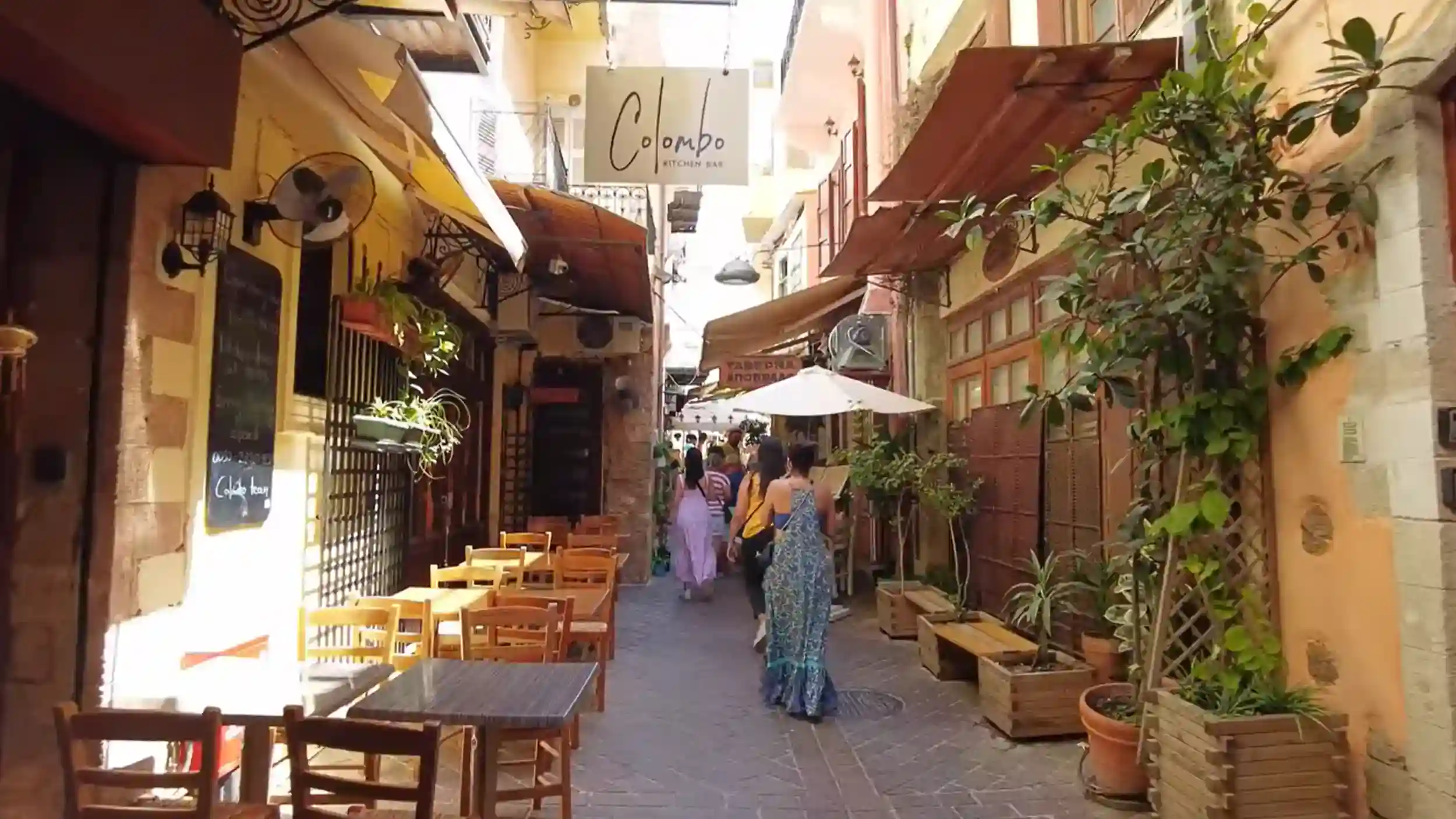
| 🚶 Old Town walks | Peaceful streets and excellent photography |
| ☕ Traditional cafés | Slow afternoons with local food and coffee |
Winter also transforms the surrounding landscape. On clear days, the snow-covered White Mountains rise above the city, creating views that summer visitors never experience. Combined with the quieter streets and relaxed pace, it gives Chania a character that’s less about ticking off attractions and more about simply enjoying the city itself.
If you’re planning to spend time exploring on foot, Why Losing Yourself Walking in Chania Streets Is Rewarding highlights routes and neighbourhoods that become even more enjoyable during the quieter winter months.
🚗 Day Trips and Getting Around
Winter makes exploring western Crete much easier.
The roads are quieter, parking is simpler and many destinations that feel crowded in summer become peaceful day trips.
Although some seasonal attractions reduce their opening hours, December is an excellent time to discover the landscapes surrounding Chania without the traffic and heat of peak season.
Day trips from Chania in December
A rental car gives you the greatest flexibility.
| Destination | Why visit in December |
|---|---|
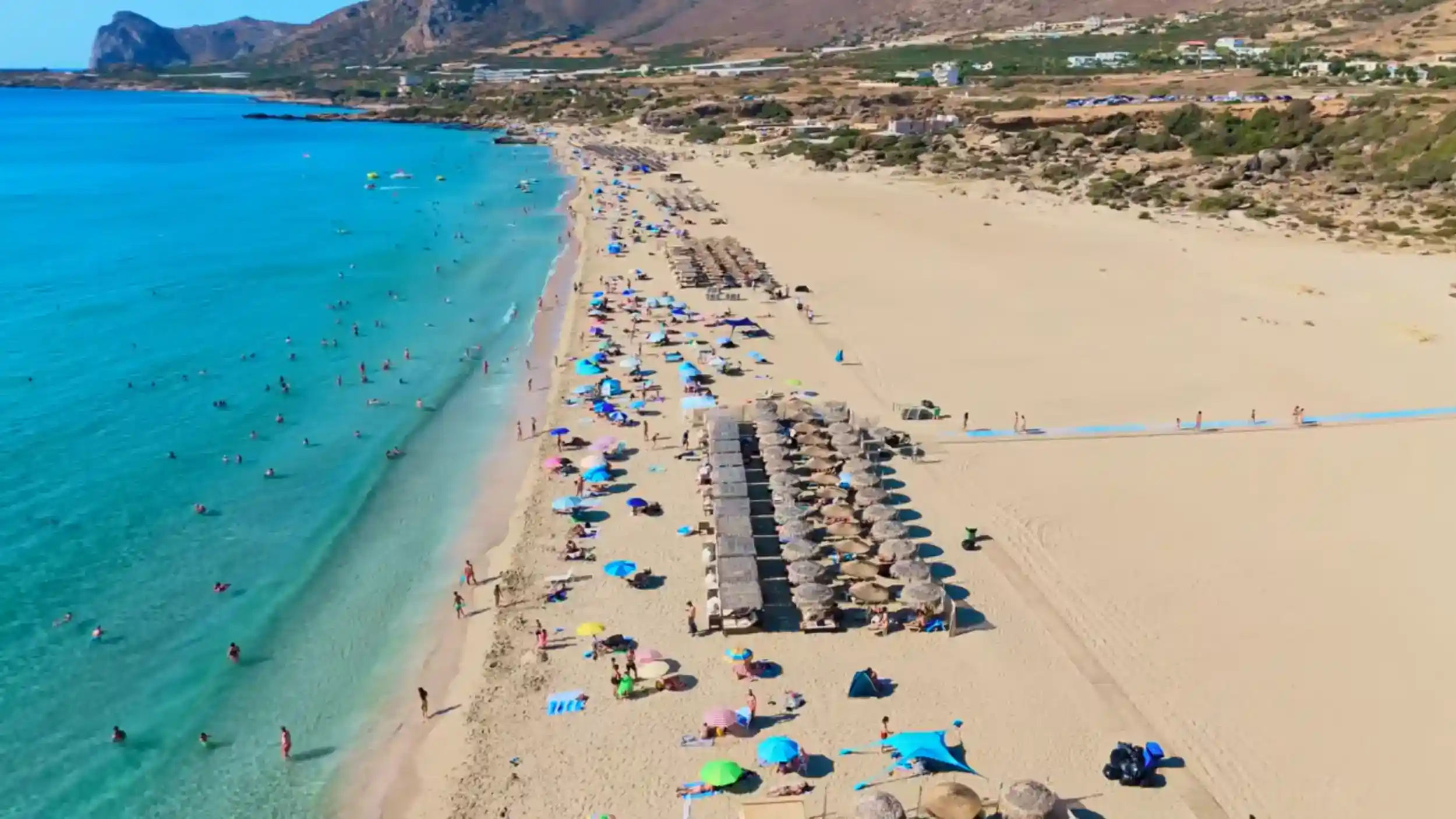
| 🌊 Falasarna | Empty beach, dramatic winter seascapes and coastal walks |
| ⛪ Agia Triada Monastery | Peaceful atmosphere and working monastery |
| 🏔️ White Mountains | Snow-capped views on clear days |
| 🚗 Traditional villages | Quiet tavernas and authentic local life |
Public buses continue serving the main towns throughout winter, making it possible to travel without a car. However, hiring a vehicle for at least part of your stay opens up far more of western Crete, especially the smaller villages and scenic coastal roads that are difficult to reach by public transport.
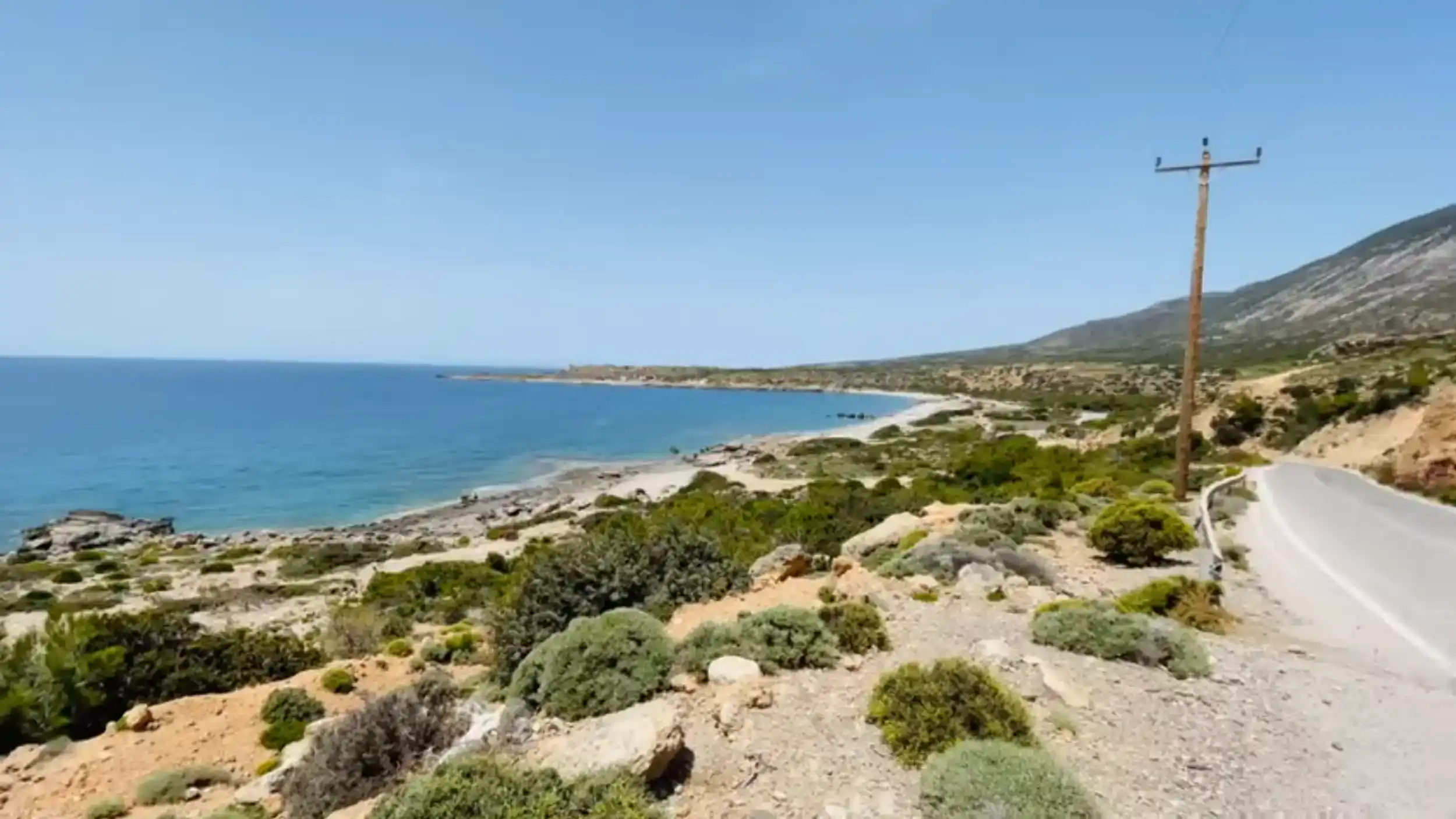
One of the most rewarding winter excursions is Falasarna From Chania: Coastal Views and Sunset Moments, where the empty shoreline and dramatic light create a completely different experience from the busy summer season.
🎄 Christmas in Chania
Christmas feels understated rather than spectacular.
Chania doesn’t try to compete with Europe’s famous festive cities.
Instead, the season blends naturally into everyday life, with modest decorations, local celebrations and a harbour that remains peaceful for much of December before becoming livelier around New Year.
Christmas in Chania town
The celebrations are shaped more by local traditions than tourism.
| Festive experience | What to expect |
|---|---|
| 🎄 Harbour decorations | Simple seasonal lighting around the waterfront |
| ⛪ Local celebrations | Community events rather than large tourist attractions |
| ☕ Winter cafés | Warm, relaxed places to escape cooler evenings |
| 🎆 New Year’s Eve | A noticeably livelier atmosphere around the harbour |
Visitors expecting a large Christmas market or elaborate festive displays may find Chania surprisingly restrained. That’s part of its appeal. The city continues its normal rhythm, allowing seasonal traditions to feel genuine rather than staged. Around New Year’s Eve, however, the harbour briefly regains some of its summer energy before quickly returning to its quieter winter pace.
🤔 Who Chania in December Suits
December isn’t the right month for every traveller.
It is, however, one of the best times to experience the city without the distractions of peak season.
Chania in December appeals to visitors who enjoy slower travel, local culture and exploring historic places at their own pace rather than planning each day around beaches and hot weather.
Is Chania in December right for you?
The answer depends on what you want from Crete.
| Traveller type | December suitability |
|---|---|
| 🚶 Sightseers | Excellent for exploring without the crowds |
| 📸 Photographers | Soft winter light and quiet streets |
| 🍽️ Food lovers | Traditional tavernas and authentic local atmosphere |
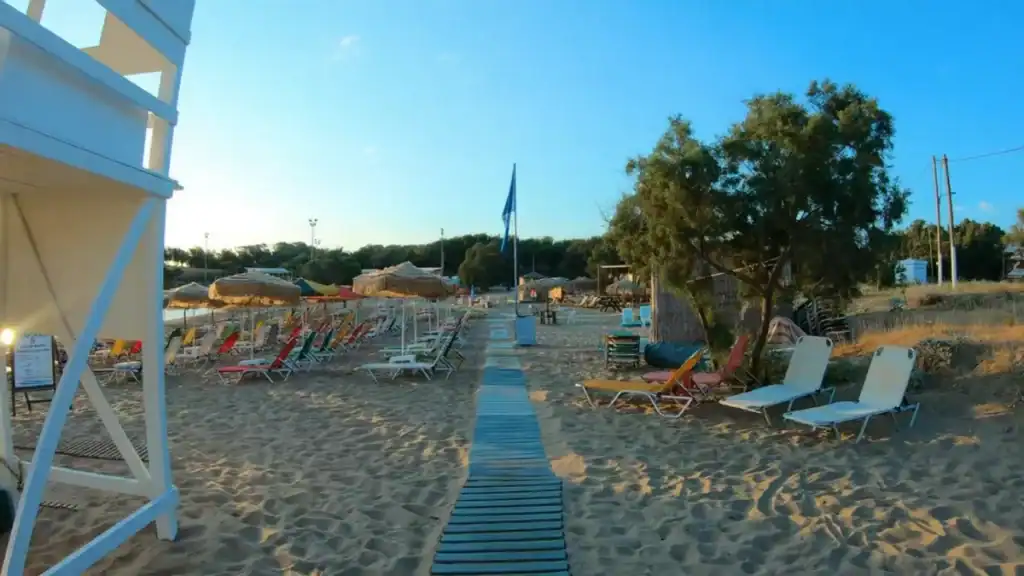
| 🏖️ Beach holidays | Better suited to late spring or summer |
If your priority is swimming, beach bars and guaranteed sunshine, another season will almost certainly suit you better. But if you’re looking for a more relaxed, authentic version of Crete, December offers something that summer rarely can: the chance to experience Chania as a working city rather than simply a holiday destination.
If you’re considering other times of year as well, Chania in May provides a useful contrast, showing how the city changes as warmer weather returns while avoiding the busiest summer crowds.