Souda Bay to Chania is a straightforward journey, despite cruise ships docking outside the city itself. The Old Town is usually around 20 minutes from the port, with public buses, taxis and cruise shuttles providing easy connections for passengers who want to make the most of their time ashore.
The bus is generally the inexpensive choice, while a taxi removes the wait and takes you directly towards the centre.
Whichever you use, the transfer is short enough that docking at Souda Bay need not dominate your day.
⚓ What Souda Bay Port Actually Is
Souda Bay is a working port rather than a tourist destination.
It’s where cruise ships, ferries and commercial vessels arrive, serving one of the Mediterranean’s deepest natural harbours.
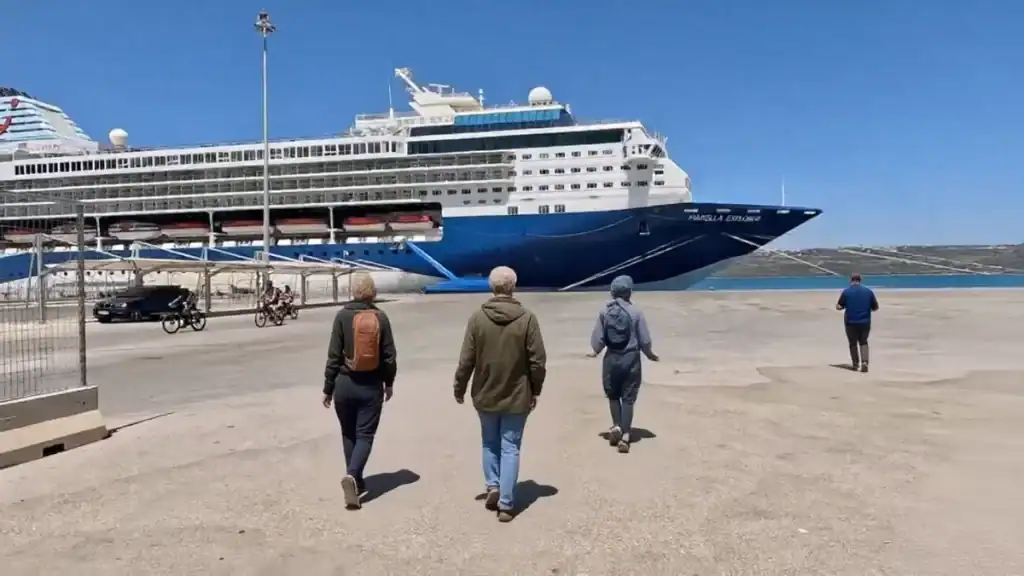
Many first-time cruise passengers expect to step straight into Chania’s Old Town. Instead, they arrive at a functional port about seven kilometres away, making the short transfer into the city an important part of the visit.
Understanding Souda Bay Port
Knowing what to expect avoids unnecessary confusion.
| About the port | What to expect |
|---|---|
| 🚢 Cruise terminal | Large ships dock here rather than in Chania |
| ⚓ Working harbour | Ferries, cargo vessels and naval activity |
| 📍 Distance to Chania | Around 7 km from the Old Town |
| ⏱️ Transfer time | Approximately 20 minutes by bus or taxi |
Although Souda Bay lacks the atmosphere of a traditional cruise port, that’s rarely a problem once you know how close Chania is. The transfer is quick, inexpensive and well organised, allowing most visitors to spend the vast majority of their time exploring the city’s harbour, historic streets and waterfront rather than travelling between the two.
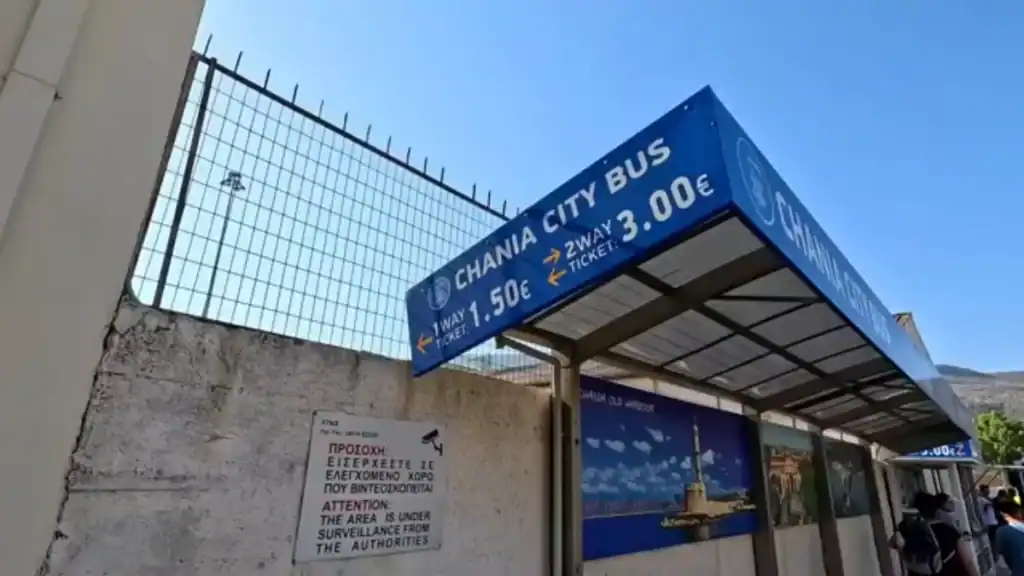
🚌 Getting from Souda Bay to Chania
The transfer into Chania is easier than many cruise passengers expect.
Whether you choose the public bus, a taxi or a cruise shuttle, you’ll usually reach the edge of the Old Town in around 20 minutes.
For most visitors, the public bus offers the best balance of convenience, cost and reliability.
Bus from Souda Bay to Chania
The bus is designed with cruise passengers in mind.
| Transport option | What to expect |
|---|---|
| 🚌 Public bus | Frequent departures and low fares |
| 🚖 Taxi | Direct service to the Old Town |
| 🚢 Cruise shuttle | Convenient but usually more expensive |
| 🚶 Arrival point | Market Square, around 8 minutes from the harbour |
Buses leave from just outside the cruise terminal and run regularly while ships are in port. The journey follows a straightforward route through the outskirts of the city before stopping beside the Municipal Market. From there, it’s an easy downhill walk into Chania’s historic centre. Taxis are faster door to door, but for most independent travellers they offer little advantage over the well-organised public bus service.
🏛️ Arriving in Chania from Souda Bay
The change is immediate.
Within minutes of leaving the port, industrial buildings give way to one of Crete’s most attractive historic centres.
The bus and most taxis arrive close to Market Square, placing you within a short walk of the Venetian harbour, narrow Old Town streets and many of Chania’s best-known landmarks.
First steps after Souda Bay to Chania
Everything is within comfortable walking distance.
| After arrival | What you’ll find |
|---|---|
| 🛍️ Municipal Market | Local produce, cafés and traditional shops |
| 🚶 Old Town | Historic lanes, squares and Venetian architecture |
| ⚓ Venetian Harbour | The city’s main waterfront and cafés |
| 📸 Easy walking | Most highlights are within 10 minutes |
One of Chania’s strengths is its compact layout. Once you’ve reached the Old Town, there’s little need for further transport. The harbour, historic neighbourhoods and waterfront all connect naturally, allowing you to spend your time exploring instead of navigating between attractions.
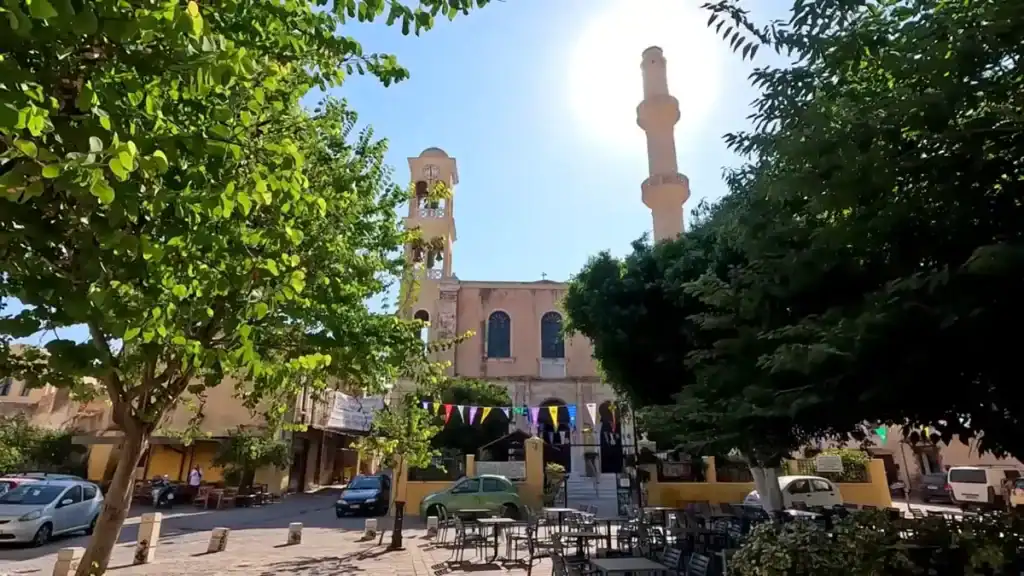
🏰 Things to See After Souda Bay to Chania
Once you reach Chania, almost everything is within walking distance.
The harbour, Old Town and several historic landmarks can all be explored comfortably during a typical cruise stop, making it easy to experience the city’s highlights without rushing.
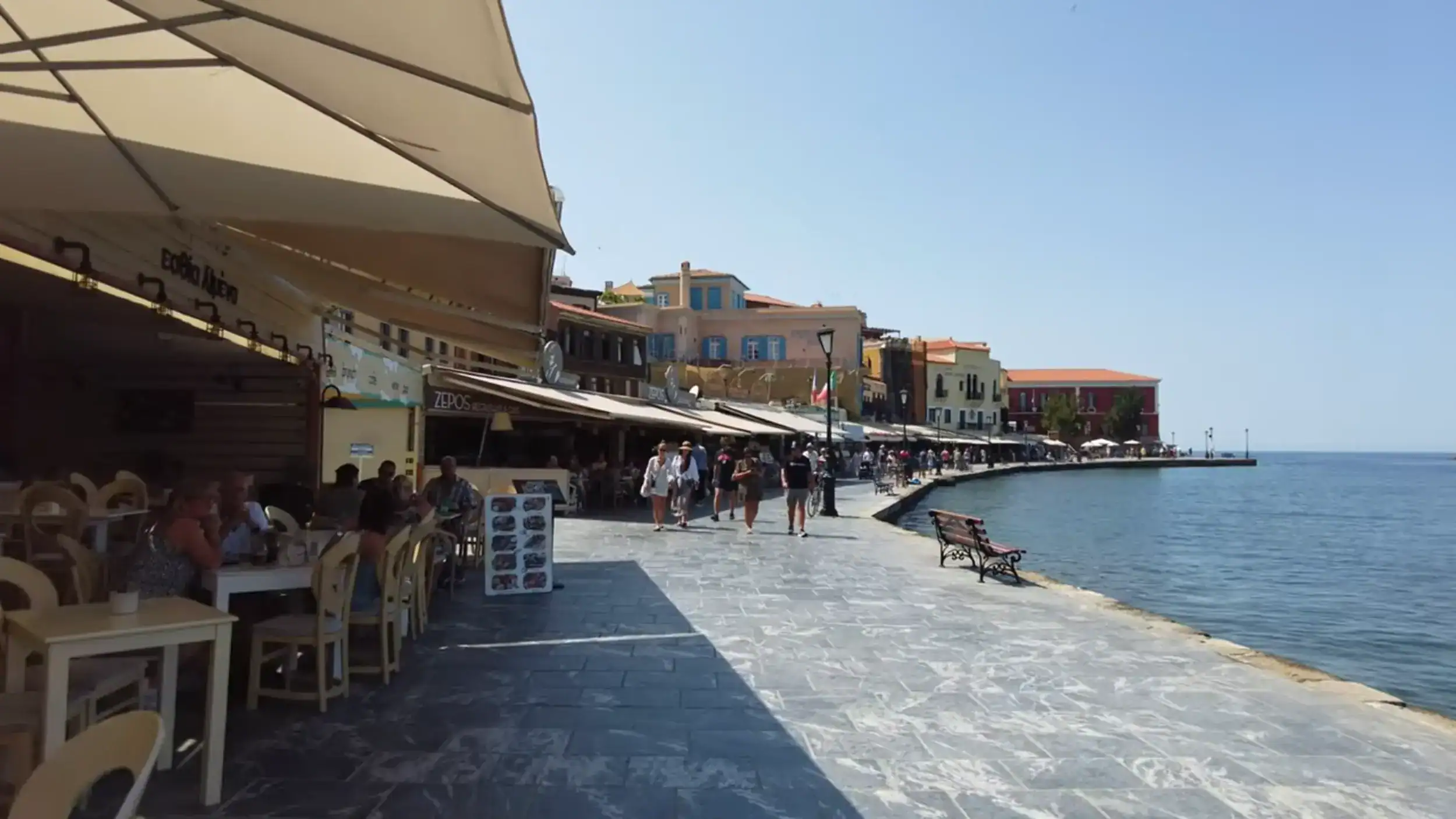
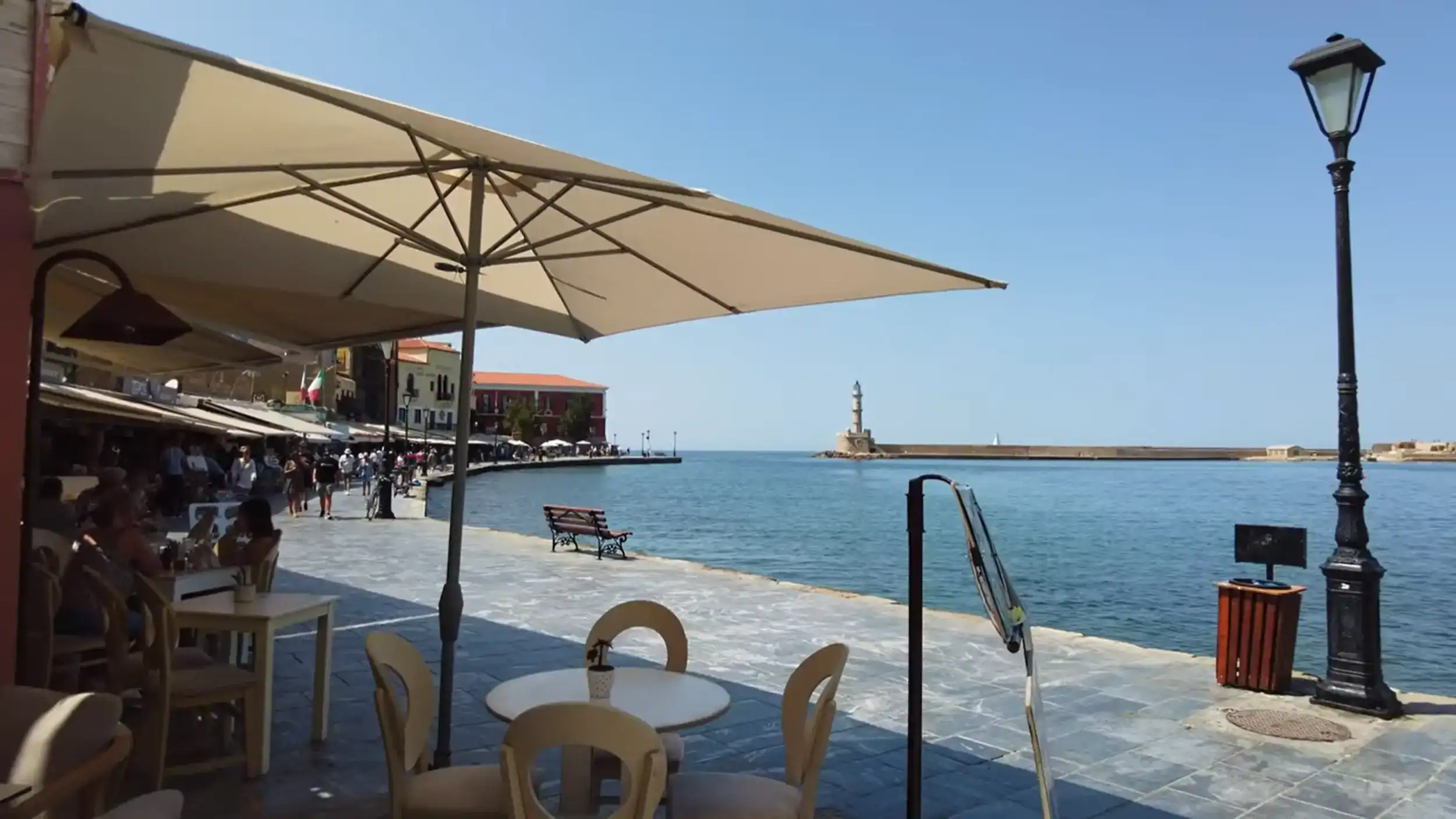
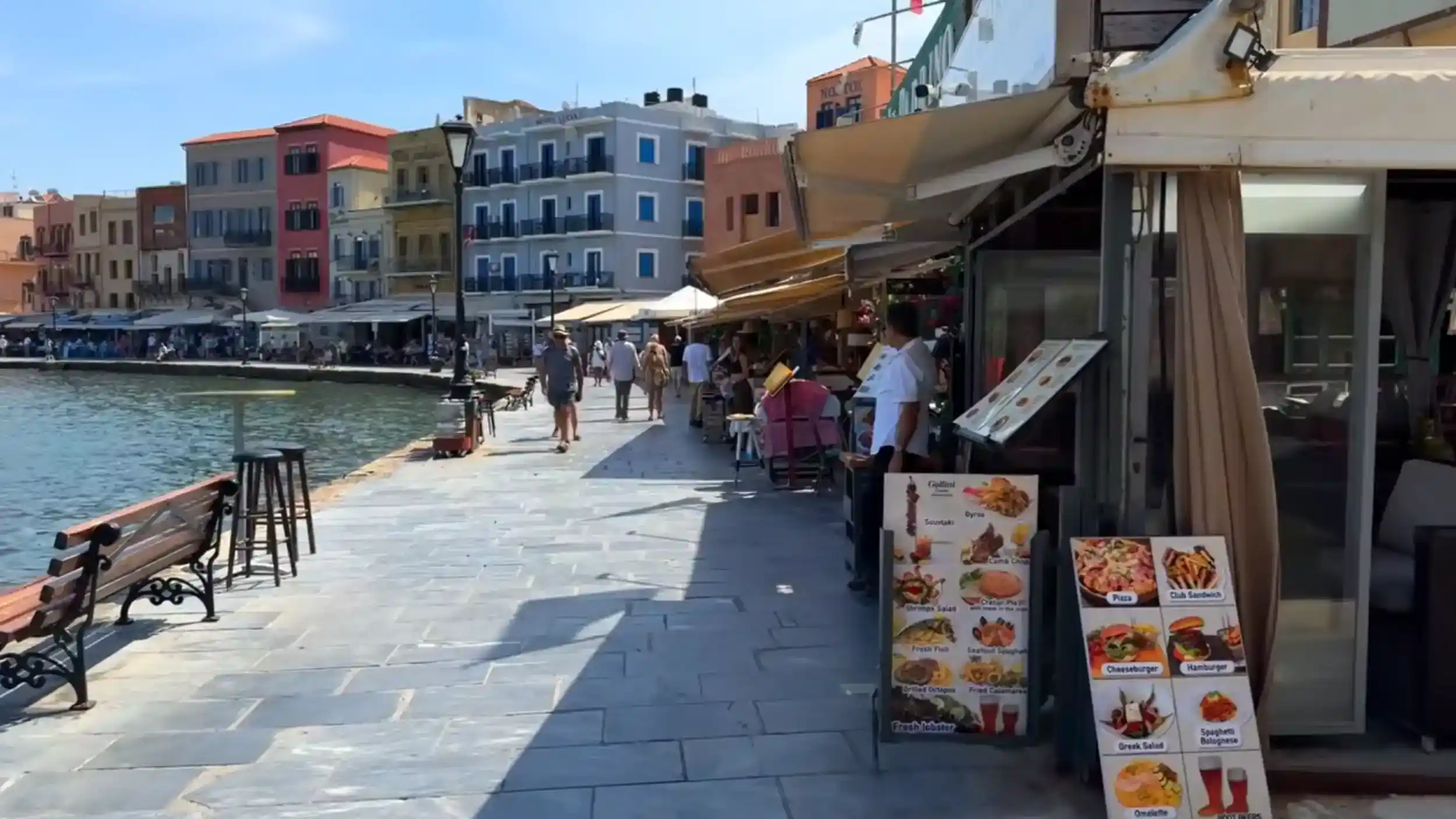
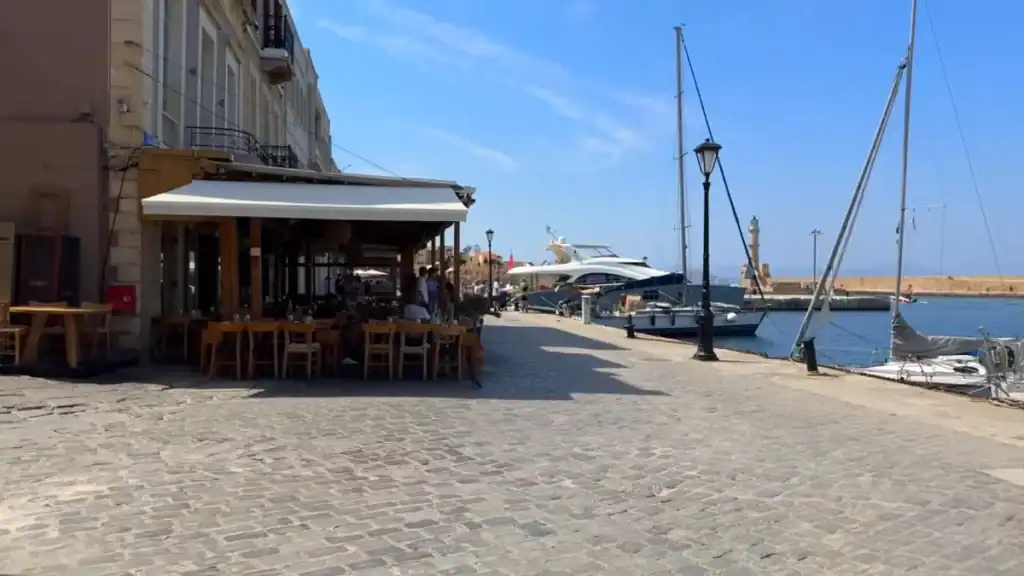
The Venetian Harbour and Lighthouse
The waterfront is where most visitors begin.
| Highlight | Why visit |
|---|---|
| ⚓ Venetian Harbour | Chania’s iconic waterfront lined with cafés and tavernas |
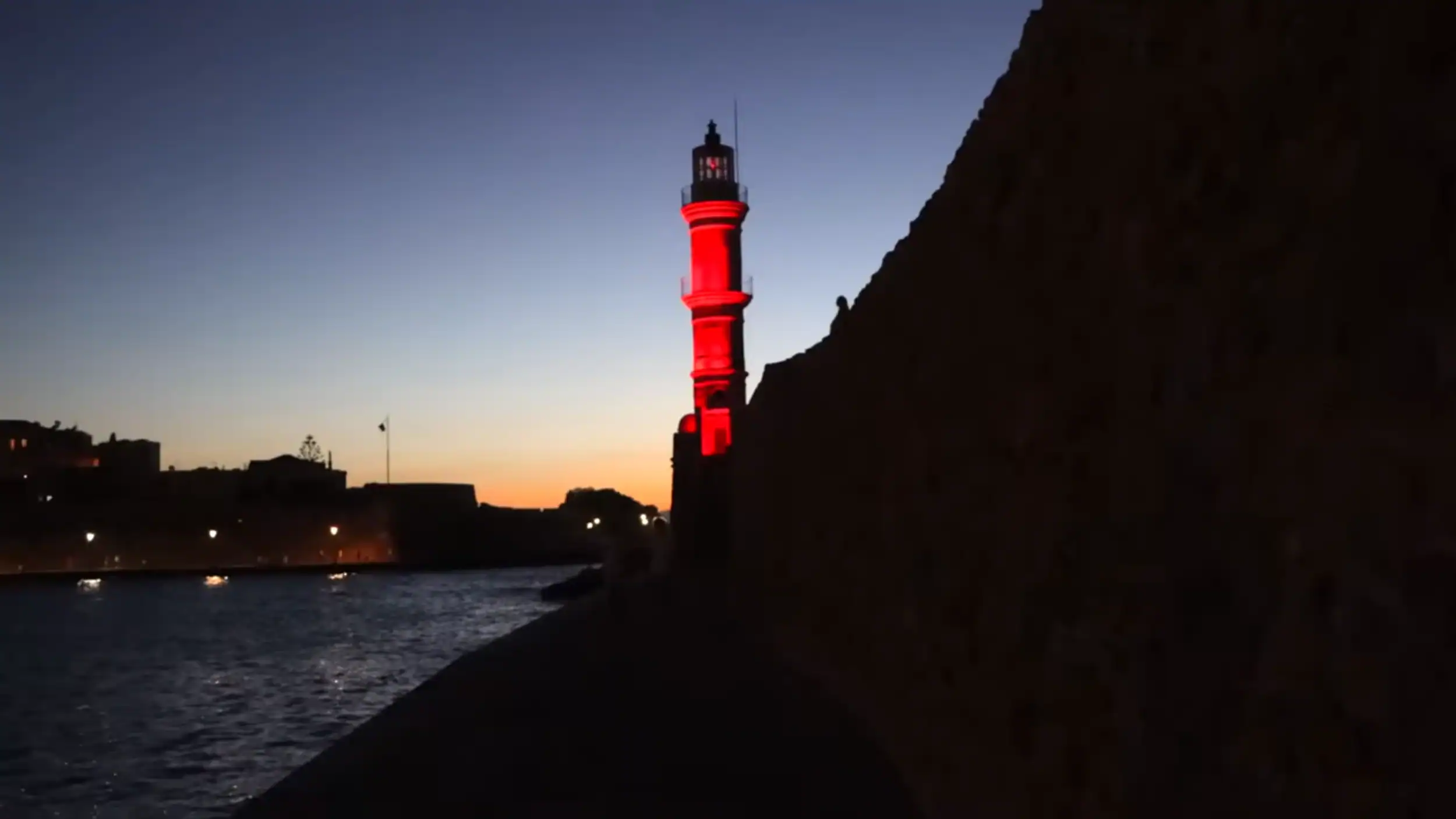
| 🗼 Lighthouse | Around a 15-minute walk along the harbour wall |
| 🏛️ Firkas Fortress | Harbour views and the Maritime Museum |
| 📷 Waterfront promenade | One of the city’s best places for photographs |
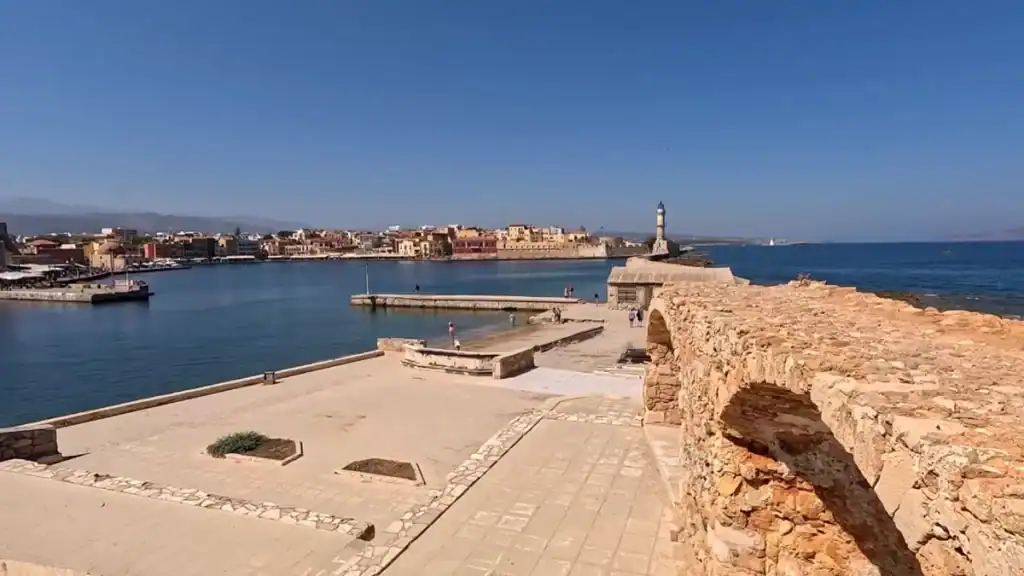
Walking to the lighthouse is one of the most rewarding parts of any visit. The view back across the harbour reveals the colourful waterfront, historic buildings and surrounding hills in a single panorama that’s difficult to appreciate from anywhere else.
Walking Chania Old Town
Leaving the harbour behind quickly reveals another side of the city.
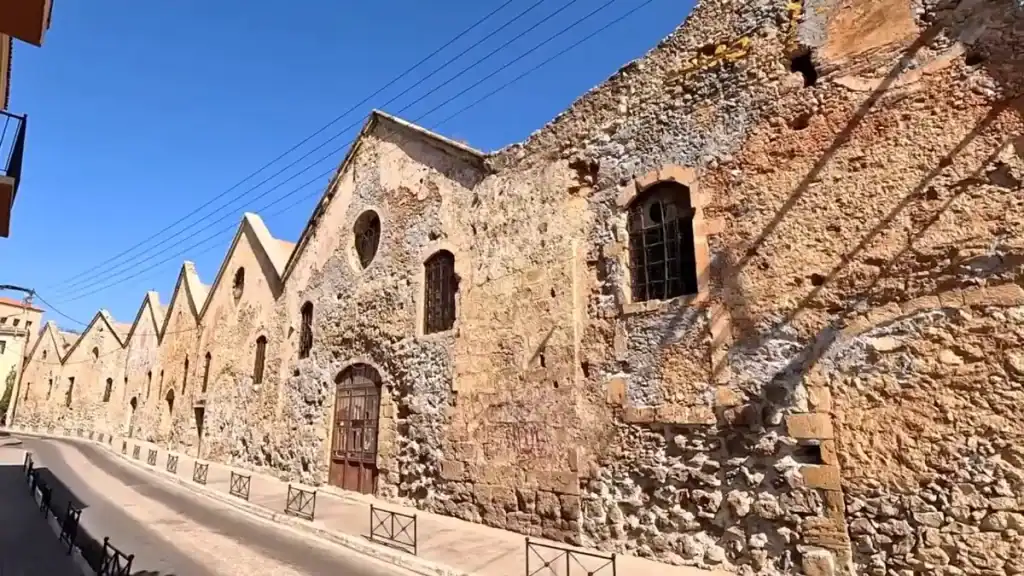
The narrow streets of the Old Town weave between Venetian and Ottoman buildings, shaded squares and small independent cafés that encourage slower exploration rather than following a fixed route.
If time allows, Why Losing Yourself Walking in Chania Streets Is Rewarding explores the neighbourhoods and hidden lanes that many cruise visitors overlook while staying close enough to return comfortably to Souda Bay.
🏖️ Beaches Near Chania Old Town
A beach visit is possible even during a cruise stop.
If you’ve already explored the harbour and still have time before returning to Souda Bay, there are two good options within easy reach.
Neither requires a long journey, making them practical additions to a relaxed day ashore.
Nea Chora Beach
The easiest beach to reach on foot.
| Beach | What to expect |
|---|---|
| 🏖️ Nea Chora | Sandy beach around 10 minutes west of the harbour |
| 🌊 Marathi | Quieter beach closer to Souda Bay |
| 🍽️ Seafront tavernas | Fresh seafood and relaxed waterfront dining |
| 🚕 Easy return | Straightforward taxi or bus back to the port |
Nea Chora works particularly well if you simply want an hour or two by the sea before heading back to your ship. Marathi offers a quieter alternative nearer the cruise terminal, although reaching it usually requires a taxi rather than a walk. Both provide a welcome contrast to the busy streets of the Old Town without taking you far from your return journey.
📍 More Places Near Souda Bay
If you’ve visited Chania before, or simply prefer somewhere quieter, there are worthwhile places to explore closer to the port.
These attractions won’t replace the Old Town, but they offer a different perspective on the area and can fit comfortably into a cruise itinerary if you have extra time.
Souda Bay War Cemetery
One of the area’s most significant historical sites.
| Place | Why visit |
|---|---|
| ⚪ Souda Bay War Cemetery | Peaceful memorial to Commonwealth servicemen |
| ⛪ Local villages | Everyday Cretan life away from the tourist centre |
| 🚢 Souda waterfront | Working harbour with views across the bay |
| 🚖 Short transfers | Easily reached by taxi from the cruise terminal |
The Souda Bay War Cemetery is beautifully maintained and offers a moving reminder of the Battle of Crete. Visitors with an interest in history often find it one of the most memorable stops outside Chania itself. Those with limited time, however, are usually better served by heading straight into the Old Town, where the city’s history, architecture and atmosphere are all within easy walking distance.
If your visit is your first introduction to the city, Chania Beyond the Old Town shows how much more there is to discover if you return for a longer stay than a single cruise stop allows.
🚢 Returning to Souda Bay
Getting back to your ship is usually straightforward.
The key is allowing yourself enough time.
Although the journey between Chania and Souda Bay normally takes around 20 minutes, it’s always sensible to build in extra time for walking, queues and heavier traffic on busy cruise days.
Returning from Chania to Souda Bay
The same transport options are available for the return journey.
| Return option | What to expect |
|---|---|
| 🚌 Public bus | Frequent departures from Market Square |
| 🚖 Taxi | Direct journey back to the cruise terminal |
| ⏱️ Travel time | Around 20 minutes in normal conditions |
| ✅ Recommended | Aim to arrive back at the port at least 30 minutes early |
Most cruise passengers find the return journey just as easy as arriving in Chania. The public buses continue operating while ships are in port, and taxis are readily available near the Old Town and harbour. Leaving yourself a comfortable margin before your ship’s all-aboard time means you can enjoy your final walk through Chania without constantly checking the clock.
If you’re planning a future visit with more time ashore, One Day in Chania: How Much Can You Really See? shows how much more of the city you can experience when you’re not working around a cruise schedule.